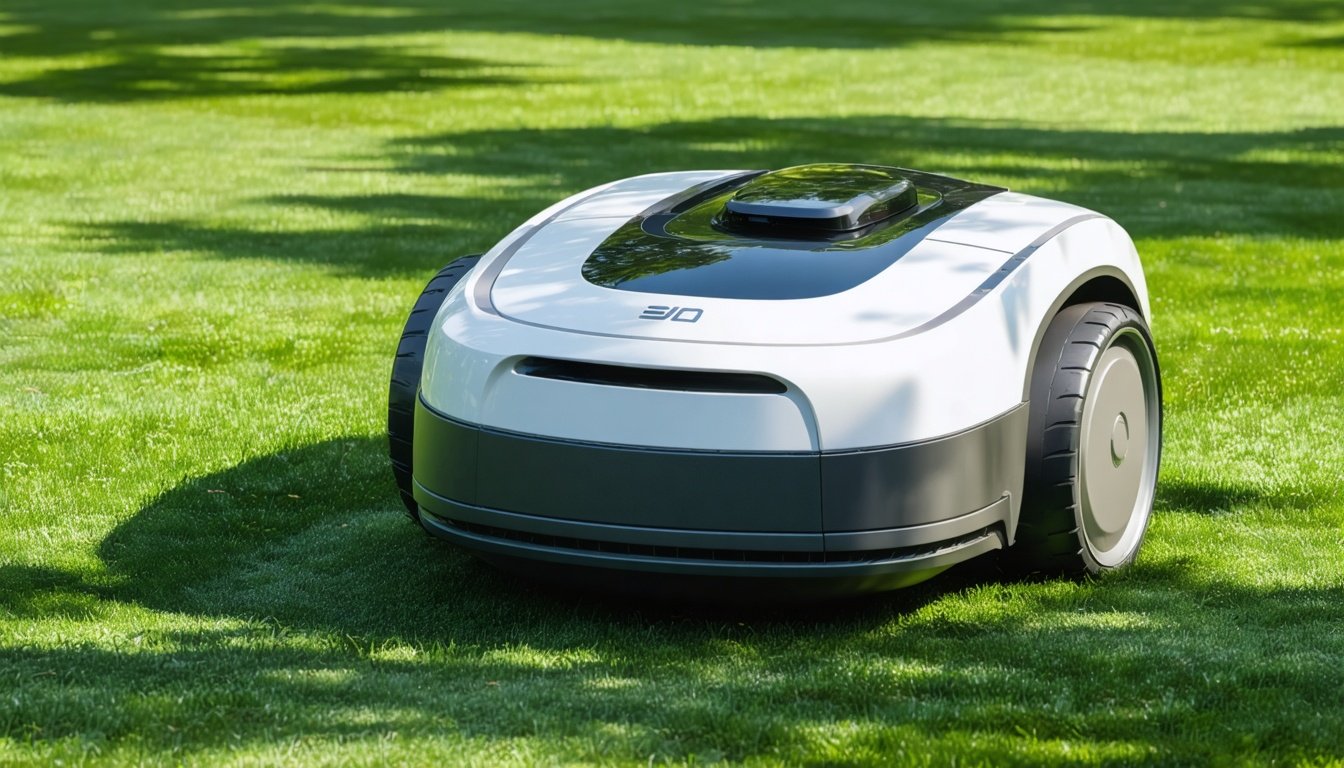
In an era where automation transforms everything from cooking to cleaning, the question isn’t just whether a robotic mower is right for you—it’s whether it can truly simplify your life. For homeowners tired of spending weekends pushing a heavy mower or professionals seeking to upscale their services, robotic mowers promise efficiency and precision. But are they a necessity, or just another flashy gadget? Let’s break down what these machines offer and how they stack up against traditional methods.
### The Robotic Mower Revolution: More Than Just a Gadget
Robotic mowers have evolved from niche curiosities to legitimate tools for modern lawn care. Unlike their gas-guzzling predecessors, these devices combine GPS navigation, weather adaptation, and AI-driven scheduling to maintain lawns with minimal human input. Brands like Husqvarna, Worx, and EGO have invested heavily in this space, offering models that cater to small yards and expansive commercial properties alike. The question isn’t just about need—it’s about whether the benefits align with your lifestyle and budget.
### Key Benefits of Going Autonomous
Robotic mowers boast several advantages that appeal to both homeowners and professionals:
- Time Savings: Automate mowing tasks, freeing up weekends for leisure or other projects.
- Eco-Friendly: Electric-powered models produce zero emissions, aligning with green initiatives.
- Consistency: Maintains lawn health with regular, precise cuts that reduce thatch buildup.
- Security: Anti-theft features like GPS tracking and alarm systems provide peace of mind.
- Scalability: Commercial users can deploy multiple units across large properties efficiently.
### Robotic Mowers vs. Traditional Options
When comparing robotic mowers to conventional methods, the choice depends on your priorities:
Push Mowers: Affordable upfront but require regular effort. Ideal for small lawns but impractical for large areas.
Ride-On Mowers: Efficient for big yards but involve fuel costs, maintenance, and storage space.
Hiring Pros: Convenient but expensive long-term. Robotic mowers offer a middle ground—lower ongoing costs after the initial investment.
### What to Look for When Choosing a Robotic Mower
Not all robotic mowers are created equal. Key factors to evaluate include:
- Coverage Area: Match the model’s capacity to your lawn size (e.g., 1/4 acre vs. 2 acres).
- Mowing Time: Look for models with fast recharge times to avoid gaps in coverage.
- Maintenance Requirements: Blade replacement and boundary wire setup vary by brand.
- Smart Integration: Compatibility with apps like Apple HomeKit or voice assistants adds convenience.
- Weater Resistance: Ensure the model handles rain or extreme temperatures if you live in a volatile climate.
### Competitors in the Robotic Mower Space
While the market is growing, a few brands stand out:
- Husqvarna Automower: Premium models with advanced AI and silent operation, ideal for homeowners.
- Worx LEO: Budget-friendly option with solid performance for smaller lawns.
- EGO POWER+: High-end models targeting professionals with large-scale needs.
- Deere & Company: Recently entered the space, leveraging their agricultural expertise.
For commercial users, Husqvarna and EGO dominate the fleet automation niche, offering_bulk purchasing and service packages.
### Bottom Line: Is a Robotic Mower Right for You?
If your priorities include saving time, reducing environmental impact, and maintaining a pristine lawn without lifting a finger, a robotic mower could be a game-changer. For homeowners with small, straightforward yards, the cost might not justify the convenience. However, those with larger properties or busy schedules will likely find the investment worthwhile. Landscaping pros, especially, can boost efficiency and client satisfaction by integrating these systems into their workflow.
### FAQs About Robotic Mowers
### How much does a robotic mower cost?
Prices range from $1,500 to $5,000+ depending on features and capacity. Entry-level models handle up to 1/4 acre, while commercial-grade units cater to 2+ acres.
### Do robotic mowers work on uneven terrain or slopes?
Most handle slopes up to 35% incline, but performance varies by model. Check specifications for “slope tolerance” if your lawn has hills.
### Can I use a robotic mower if I have a pet?
Absolutely. Modern models have infrared sensors to detect obstacles, including pets and children. However, training pets to avoid the mower during operation is recommended.
Source: Original Article

Author: AI Mow
AI Mow is the AI-assisted news desk of AI Mower News. It monitors manufacturer announcements, trade shows and industry sources, and drafts stories in our editorial voice. Every article is checked against its original source before publication — our fact gate holds anything that claims testing we did not do or specs the source does not support — and is published under this byline for transparency. How we work: https://aimowernews.com/editorial-guidelines/ · The people behind it: https://aimowernews.com/our-team/