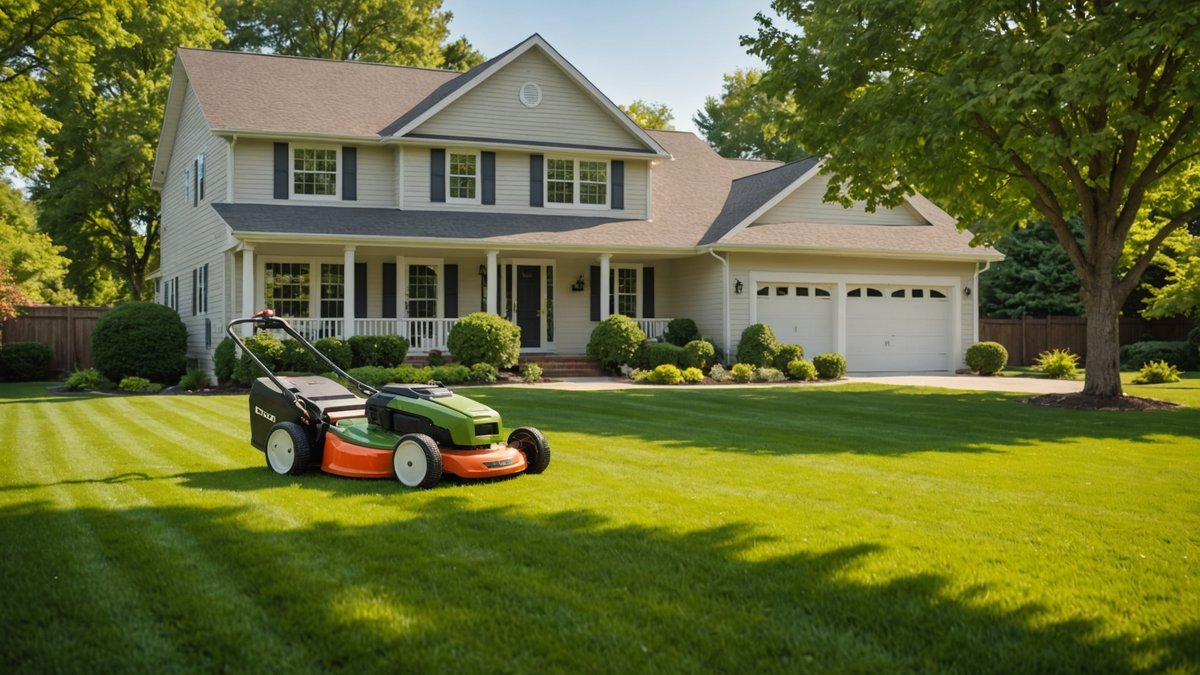
In recent years, AI robotic mowers have become increasingly popular as homeowners look for more efficient, time-saving solutions for lawn care. Despite their growing popularity, there are still several myths surrounding these innovative machines.
Myth 1: Robotic Mowers Are Too Expensive for the Average Homeowner
One of the most common myths about AI Robotic mowers is that they are only for the wealthy or those with large properties. While it’s true that some high-end models can be quite expensive, there are plenty of affordable options available for homeowners on a budget.
Why This Myth is False:
Many AI Robotic lawn mower brands now offer a wide range of models to suit different needs and budgets. From basic models to more advanced versions with additional features like GPS and smartphone connectivity, there’s something for everyone. When you consider the savings on gas, maintenance, and lawn care services, a robotic mower Often pays for itself in the long run.
Myth 2: Robotic Mowers Can’t Handle Uneven Lawns
Another myth that needs debunking is the idea that AI robotic mowers can’t handle uneven or sloped lawns. People often assume that these mowers are only designed for perfectly flat surfaces.
Why This Myth is False:
Many modern AI robotic lawn mower models are designed to handle uneven terrain, slopes, and obstacles. These mowers come equipped with sensors and powerful motors that allow them to navigate hills and rough patches of grass without issue. In fact, some models are designed to tackle slopes as steep as 20-30 degrees. This makes them perfect for a wide range of lawn types, from flat yards to sloped gardens.
Myth 3: Robotic Mowers Aren’t as Effective as Traditional Mowers
Some people believe that AI robotic mowers just don’t deliver the same level of performance as traditional gas-powered or push mowers. They worry that robotic mowers can’t provide a clean, precise cut.
Why This Myth is False:
In reality, AI robotic lawn mowers provide an excellent cut that rivals traditional mowers. They use sharp, durable blades that rotate at high speeds, cutting grass evenly and precisely. Plus, because robotic mowers cut grass frequently (often daily), they leave a finer grass mulch that benefits your lawn by providing natural fertilization. Many models also allow you to adjust cutting height to suit your lawn’s needs.
Myth 4: Robotic Mowers Can’t Handle Obstacles
Some people think that AI robotic mowers will struggle when they encounter obstacles like trees, flower beds, or garden furniture. The idea of a robotic mower getting stuck or damaging your plants can be off-putting to potential users.
Why This Myth is False:
AI robotic mowers are actually designed to handle obstacles with ease. They come with a variety of sensors (such as bump sensors, ultrasonic sensors, and gyroscopes) that help them detect and navigate around objects. When they encounter an obstacle, they simply change direction, ensuring that the mower doesn’t get stuck or cause damage. Many models also come with virtual boundary systems, so you can set specific areas for the mower to avoid.
Myth 5: Robotic Mowers Require a Lot of Maintenance
Another common misconception is that robotic mowers require frequent maintenance and are prone to breaking down.
Why This Myth is False:
While like any machine, AI robotic mowers do require some maintenance, it’s generally minimal compared to traditional mowers. Tasks like cleaning the mower, sharpening the blades, and checking the battery are simple and can be done a few times a year. Most robotic mowers also have self-diagnosis features, which alert you to any issues, making it easier to troubleshoot problems early on. Furthermore, because ai robotic lawn mowers use fewer moving parts and run on electric power, there is less wear and tear compared to gas-powered mowers.
FAQs: Clearing Up More Doubts About AI Robotic Mowers
Q: Can robotic mowers work in all weather conditions?
A: AI robotic mowers are designed to handle various weather conditions, including rain. However, it’s important to note that while most models are rain-resistant, you should avoid running the mower in extremely heavy rain or storms, as this could affect performance. Many robotic mowers have sensors that help them detect bad weather and return to their charging station when conditions aren’t ideal.
Q: How long does the battery last on a robotic mower?
A: The battery life of an AI robotic lawn mower depends on the model and the size of your lawn. Most models can mow for 1-2 hours on a single charge. Once the battery runs low, the mower will automatically return to its charging station and recharge. Depending on the model, it typically takes 1-2 hours to fully recharge the mower.
Q: Are robotic mowers safe for pets and children?
A: Yes! AI robotic mowers are generally very safe. Most models come equipped with safety features, including lift and tilt sensors that stop the blades if the mower is lifted or tilted. Additionally, the mowers are designed to move slowly and navigate around obstacles, which minimizes the risk of injury to pets or children. However, it’s always a good idea to supervise pets and young children around the mower, especially when it’s in operation.
Q: Do I need to install a boundary wire for my robotic mower?
A: Many ai robotic lawn mowers come with a boundary wire that needs to be installed around the perimeter of your lawn. This wire creates a virtual fence that keeps the mower within your designated area. However, some newer models feature GPS-based navigation, allowing them to map out your lawn without the need for a physical boundary wire. Be sure to check the specifications of the mower to determine whether boundary wire installation is required.
Q: How do I know when to replace the blades on my robotic mower?
A: The blades on your AI robotic lawn mower should be replaced when they become dull or damaged. Typically, the blades will last for 6-12 months, depending on how frequently you use the mower and the condition of your lawn. If you notice that the mower is cutting unevenly or struggling to handle thicker grass, it might be time to replace the blades. Regularly checking the blades for signs of wear can help you determine when they need attention.
Conclusion: The Truth About AI Robotic Mowers
As we’ve seen, many myths about AI robotic mowers are just that—myths. These mowers are not only affordable but also efficient, capable of handling uneven terrain, obstacles, and even challenging weather conditions. They provide an excellent, precise cut and require minimal maintenance. The future of lawn care is here, and it’s automated, efficient, and ready to help you achieve a beautiful, well-maintained lawn with minimal effort.
📰 Related Articles
- KeenMow K1: AI Robotic Mower Revolutionizes Lawn Care
- RoboUP Raccoon 2 SE: Best Budget Smart Mower Under €500?
- Robotic Lawn Mower Showdown: Consumer Reports’ 2026 Picks
- Robot Lawn Mowers: The Top Picks for 2026 – AI Mower News
🔗 Essential Resources
- 📖 Manual Finder — 51 brands, 195+ models
- 🤖 AI Support Assistant — instant troubleshooting
- 📐 Complete Guide to Robotic Mowers 2026
- 🏆 Independent Rankings 2026
- ⚠️ Buyer’s Guide: What Dealers Won’t Tell You
Author: Muazma Saeed
Muazma Saeed is a content creator at AI Mower News, writing about robotic lawn mowers, smart gardening, and outdoor tech. Muazma focuses on practical, how‑to content that helps readers with installation, maintenance, and best practices for robotic mower ownership. With a growing portfolio of articles that answer common questions and provide useful advice for both home users and commercial operators, Muazma aims to support the community of mower owners and tech‑curious gardeners.