
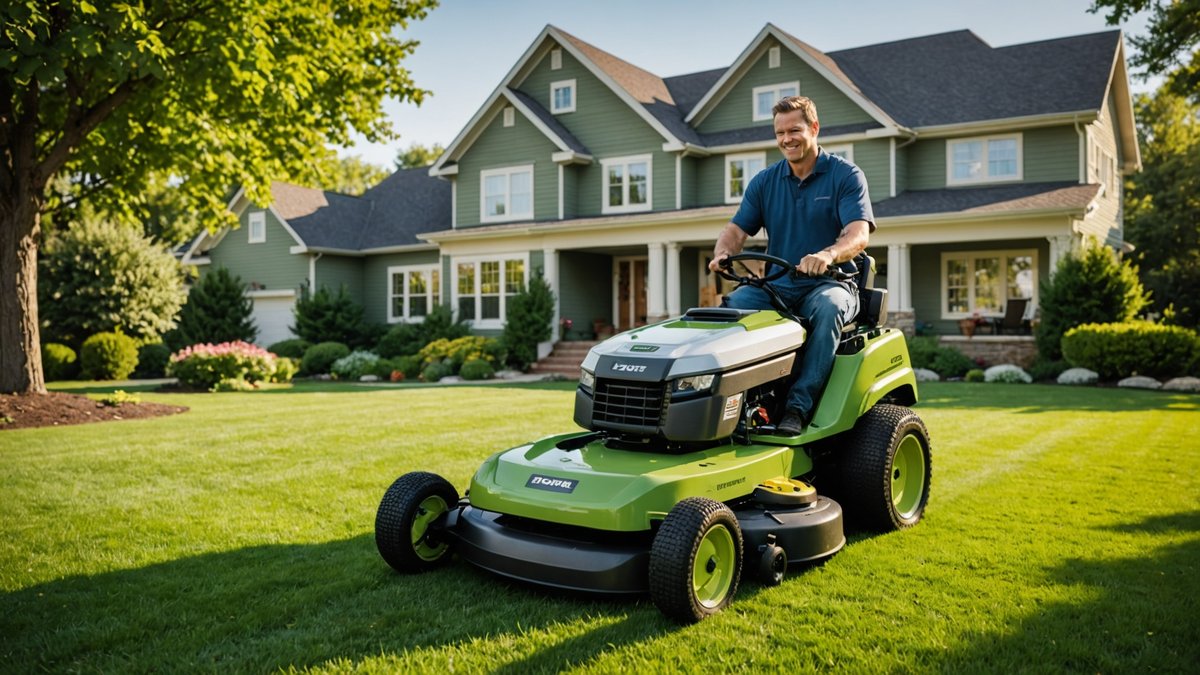
As the world becomes more environmentally conscious, many landscapers are looking for ways to reduce their carbon footprint while improving their operations. One of the most significant shifts in the lawn care industry is the move from gas-powered mowers to ai robotic mowers. Not only do these mowers provide convenience, but they also offer substantial financial benefits.
What is the ROI of robotic mowers?
The ROI of ai Robotic mowers can be broken down into several factors, including initial investment, operational savings, and long-term financial benefits. Here’s a closer look at how robotic mowers provide value:
Initial investment vs. long-term savings
While the upfront cost of an ai robotic mower can be higher than a traditional gas mower, the long-term savings often outweigh the initial investment. Here’s how:
- Lower fuel costs: Unlike gas-powered mowers, robotic mowers are electric, meaning they require no gas. Landscapers save money on fuel, and the price of electricity is generally lower than that of gasoline.
- Reduced maintenance costs: Gas mowers require frequent maintenance such as oil changes, air filter replacement, and spark plug adjustments. In contrast, robotic mowers have fewer moving parts, which reduces the need for regular maintenance. This means landscapers save both time and money on repairs.
- Less manpower required: Robotic mowers can operate autonomously, which means landscapers can spend less time Mowing and more time on other tasks, or even reduce the number of staff required for lawn maintenance.
Increased efficiency and productivity
Ai robotic lawn mower systems are designed to work efficiently and autonomously. By programming the mower to work on a schedule, landscapers can significantly increase the number of lawns they maintain in a given day. Here’s how robotic mowers improve productivity:
- 24/7 operation: Robotic mowers can operate at any time of the day or night, providing flexibility for landscapers. This allows them to complete more jobs within a single day or evening without the need for overtime or added labor.
- Consistent results: The precision and consistency of ai robotic mowers result in well-maintained lawns without the need for frequent rework or adjustments, leading to better client satisfaction and fewer complaints.
- Minimal supervision required: Once a mower is set up, it requires minimal intervention. This saves landscapers time and labor costs because the mowers can be left to run independently, cutting grass while the team focuses on other tasks.
How can robotic mowers reduce environmental impact?
One of the most significant reasons landscapers are turning to ai robotic mowers is to reduce their environmental impact. The benefits are clear:
Less air pollution
Gas-powered mowers release carbon emissions into the atmosphere, contributing to air pollution. Ai robotic lawn mowers, on the other hand, are electric and do not produce harmful emissions. By switching to robotic mowers, landscapers can dramatically lower their carbon footprint and promote greener practices in their business.
Quieter operation
Gas mowers are notoriously loud, disrupting the peace of residential neighborhoods. Ai robotic mowers operate quietly, allowing landscapers to work during early mornings or late evenings without disturbing clients or their neighbors. The quieter operation also benefits the landscapers themselves by reducing noise-related stress or hearing damage over time.
Less waste
Traditional mowers require oil changes and other maintenance activities that generate waste products, such as old oil filters and spark plugs. Ai robotic mowers require less maintenance, which means fewer waste materials are produced. Additionally, electric mowers have a longer lifespan, reducing the need for frequent replacements.
What are the maintenance costs of robotic mowers?
While ai robotic mowers generally require less maintenance than gas mowers, they still need attention to remain in good working condition. However, the overall maintenance costs are much lower than traditional mowers:
- Battery care: The primary maintenance concern for robotic mowers is the battery. However, these batteries typically last for several years, and replacing them is far less expensive than the repairs and replacements required for gas mowers.
- Cleaning and blade sharpening: Robotic mowers require periodic cleaning and occasional blade sharpening, but these tasks are simple and do not require specialized expertise.
- Software updates: As with any tech-driven device, software updates will help keep the mower running smoothly. Manufacturers often provide updates remotely, meaning landscapers don’t need to take time out of their schedule to manually update the mower.
How do robotic mowers improve safety and reduce liability?
Safety is a primary concern in the landscaping industry. Traditional mowers pose various risks, from flying debris to the potential for accidents. Robotic mowers reduce these risks in the following ways:
- Automatic shutoff: Many robotic mowers have sensors that automatically stop the blades if they encounter obstacles or are picked up, reducing the risk of injury.
- No fuel-related accidents: Robotic mowers do not use gas, so the risk of fuel spills or fire hazards is eliminated.
- Lower accident rates: With fewer people operating dangerous equipment, the risk of accidents and injuries is significantly reduced, leading to fewer insurance claims and lower liability costs.
What do landscapers need to know about robotic mower integration?
Switching to ai robotic lawn mower systems requires careful planning and integration into existing workflows. Here are some things landscapers need to know:
- Installation and setup: While setup is typically straightforward, it may require some initial effort in mapping out boundaries and ensuring the mowers are properly connected to charging stations.
- Training and familiarization: Landscapers may need a brief period to get used to programming the mowers and troubleshooting minor issues, but the transition is relatively simple, especially with clear manufacturer instructions and support.
- Customer education: As robotic mowers are a new concept for many homeowners, landscapers may need to educate their clients about the benefits of the technology and how it works. This can be a selling point when marketing services.
FAQs about robotic mowers
Q: Are robotic mowers safe for pets and children?
Yes, most ai robotic mowers are designed with safety features like collision detection and automatic shutoff. However, it’s always a good idea to supervise pets and children while the mower is in use.
Q: Can robotic mowers handle slopes or uneven terrain?
Many ai robotic lawn mowers can handle mild slopes and uneven terrain, but there are limitations. Make sure to choose a mower model that’s suitable for the specific conditions of your lawn.
Q: How much maintenance does a robotic mower require?
Robotic mowers require minimal maintenance compared to gas mowers. The main tasks involve cleaning the mower, sharpening blades, and checking the battery. These tasks are straightforward and inexpensive.
Q: Are robotic mowers worth the investment for large lawns?
Yes, for larger lawns, robotic mowers are a great investment. They reduce labor costs, fuel expenses, and maintenance requirements, providing a long-term ROI.
Q: Can robotic mowers be used in all weather conditions?
Most robotic mowers are designed to work in various weather conditions, including light rain. However, they should be stored in a sheltered area during extreme weather conditions, such as heavy rain or snow.
Conclusion
The ROI of ai robotic mowers is undeniable. From significant cost savings on fuel and maintenance to increased productivity and reduced environmental impact, switching to robotic mowers is a smart move for landscapers looking to streamline their operations. By adopting this technology, landscapers not only cut costs but also offer superior service to their clients. The future of lawn care is here, and ai robotic lawn mowers are leading the way.
📰 Related Articles
🔗 Essential Resources
- 📖 Manual Finder — 51 brands, 195+ models
- 🤖 AI Support Assistant — instant troubleshooting
- 📐 Complete Guide to Robotic Mowers 2026
- 🏆 Independent Rankings 2026
- ⚠️ Buyer’s Guide: What Dealers Won’t Tell You
Author: Muazma Saeed
Muazma Saeed is a content creator at AI Mower News, writing about robotic lawn mowers, smart gardening, and outdoor tech. Muazma focuses on practical, how‑to content that helps readers with installation, maintenance, and best practices for robotic mower ownership. With a growing portfolio of articles that answer common questions and provide useful advice for both home users and commercial operators, Muazma aims to support the community of mower owners and tech‑curious gardeners.