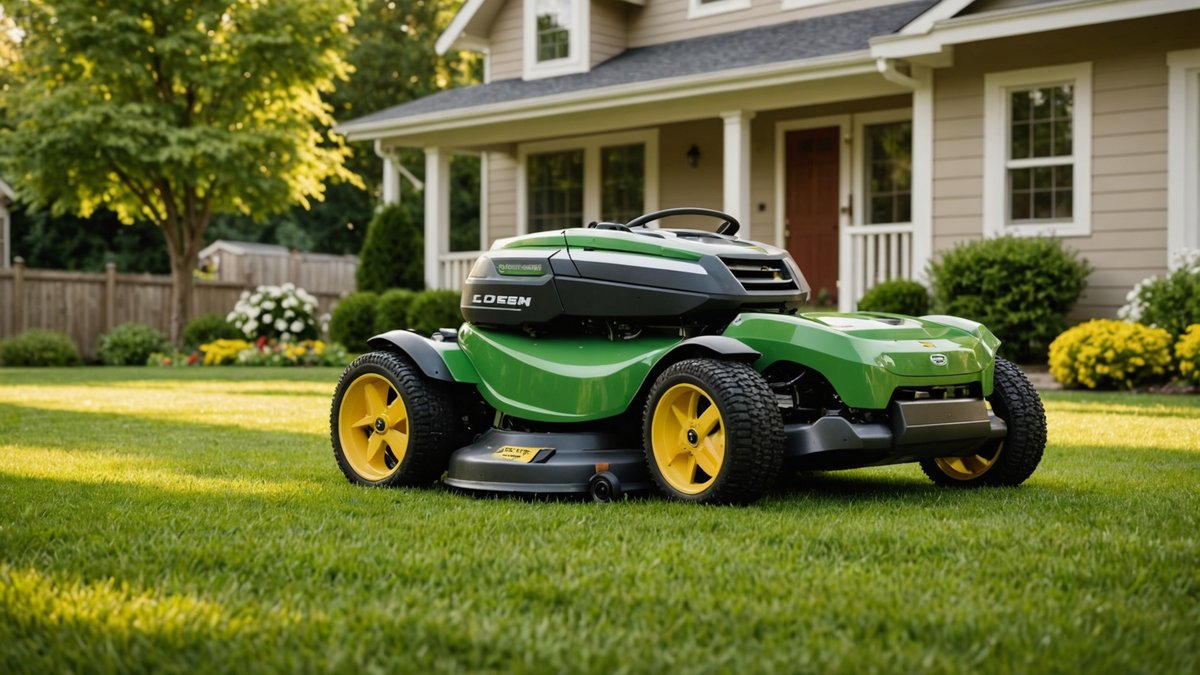
The lawn care industry is moving toward automated solutions that save homeowners time and effort. This report outlines the upcoming trends and expectations for Robotic mowers between 2026 and 2030.
What growth can we expect in the Robotic mower market?
Advances in technology, shifting homeowner habits, and rising demand for convenience suggest that robotic mowers will see notable growth over the next few years. Here are the main factors shaping the expansion:
- Growing interest in automated lawn care. Busy households and aging populations increasingly value lawn maintenance that requires little time or physical effort.
- Lower production costs. As manufacturers mass‑produce components and improve assembly methods, robotic mower systems become more affordable for average buyers.
- Improved reliability and performance. Early robotic mowers had limitations — such as difficulty with uneven terrain, steep slopes, or perimeter boundaries — but newer models are expected to handle these challenges more effectively.
- Environmental and lifestyle trends. With more homeowners seeking quiet, electric-powered alternatives to gas mowers, robotic mowers match evolving priorities for noise reduction, emission‑free operation, and low maintenance.
By 2030, market demand for devices such as ai robotic mower systems is likely to grow steadily in suburban and urban areas alike, especially among homeowners who view lawn care as a chore rather than a hobby.
Why are homeowners showing more interest in robotic lawn mowers?
Several lifestyle and practical factors are pushing more people to consider modern automated mowers:
- Time savings. With busy work or family schedules, many homeowners prefer a “set and forget” solution rather than spending weekends pushing a mower across the yard.
- Consistent results. Robotic mowers can operate frequently — sometimes daily — which keeps grass trimmed evenly and prevents overgrowth.
- Reduced physical effort. Yard maintenance can be strenuous; robotic systems remove the need for pushing, lifting, or dealing with heavy equipment.
- Quiet and eco‑friendly operation. Electric-powered robotic mowers produce far less noise than conventional gas engines and generate no direct emissions.
- Smart home integration. Modern systems often connect with mobile apps and smart devices. For example, a homeowner can schedule Mowing sessions from a phone, view mower status, or adjust settings remotely. Those features contribute to rising interest in ai robotic lawn mower options.
What advancements can we expect in mower technology from 2026 to 2030?
The period ahead will likely bring meaningful upgrades in robotics and sensor technology. These improvements will make robotic mowers more capable and easier to manage. Key expected developments include:
Smarter navigation and obstacle avoidance
- Better sensors and mapping technology will allow mowers to navigate uneven terrain, slopes, and obstacles without supervision.
- Boundary wires may become optional or easier to install thanks to GPS or vision-based navigation.
More efficient energy use and charging
- Longer-lasting batteries and optimized power management will increase runtime per charge.
- Mowers may become more selective, using power only when mowing and returning automatically to charging stations when done.
Enhanced mowing quality
- New blade systems and cutting algorithms could adapt cutting height to grass growth rate or soil conditions.
- Precision mowing can lead to healthier lawns because grass gets trimmed gently and more often, reducing shock to the lawn.
Integration with home and garden ecosystems
- Expect connectors with smart irrigation or weather‑awareness systems. For example, the mower may wait if rain is expected or link mowing schedule with watering times.
- Voice assistant support and improved mobile apps will make scheduling and monitoring more user friendly.
What challenges might slow the growth of robotic mowers?
Adoption won’t be entirely smooth. Several issues may limit growth or slow down adoption among certain groups:
- Up‑front cost. Advanced robotic mowers remain more expensive than traditional lawn mowers. Even as prices drop, many homeowners may view them as a luxury.
- Installation complexity. Older models required staking boundary wires or complex setup. Although newer designs aim to simplify this, some initial installation may still be needed.
- Coverage limitations. Large properties, very uneven terrain, or lawns with dense landscaping may still pose problems for robotic mowers.
- Battery and maintenance needs. Batteries eventually wear out. In addition, components like wheels, blades, and sensors may require replacement or calibration over time.
- Concerns about theft or vandalism. Since they operate outside and often stay in the open, robotic mowers might be at risk unless stored safely.
Which segments of the US market are likely to adopt robotic mowers first?
Different types of homeowners are likely to adopt robotic mowers at varying rates. The following segments may show early uptake:
- Suburban homeowners with small to medium lawns. These users value convenience and have lawns sized appropriately for current mower battery life.
- Busy professionals and elderly homeowners. These groups prioritize ease over manual labor and may appreciate automatic scheduling and minimal maintenance.
- Environmentally conscious buyers. Those concerned about emissions, noise, or fossil fuel use are likely to favor electric robotic mowers over gas mowers.
- Tech-savvy households. Buyers comfortable with smart home devices and mobile apps will appreciate connectivity features in modern systems.
What does this mean for manufacturers and retailers?
For companies producing or selling robotic mowers, the coming years present both opportunities and pressures. Factors to consider:
- Focus on value over price. Marketing should emphasize long‑term convenience, lower maintenance, quiet operation, and energy savings rather than price alone.
- Provide installation support. Simplifying setup or offering professional installation may reduce barriers for non-technical buyers.
- Offer flexible pricing models. Subscription‑based models, seasonal promotions, financing options, or trade‑in programs might attract more buyers.
- Bundle with related accessories or services. For example, bundling with charging stations, spare batteries, lawn-care planning services, or even seasonal maintenance options could make the purchase more attractive.
FAQs about robotic mowers
Q: Are robotic mowers safe for pets and kids?
A: Most models include sensors that detect obstacles. If a pet or child crosses the mower’s path, it should automatically stop. However, always supervise the mower in early uses until you’re sure it handles your yard safely.
Q: Will a robotic mower work on a large lawn over one acre?
A: Current battery technology limits runtime. For lawns over one acre, a single mower may struggle to finish in one charge. Two options are extended‑run models or mowing in multiple passes. Expect more capable mowers by 2028.
Q: How much maintenance does a robotic mower need?
A: Maintenance is usually minimal compared with a gas mower. Regular tasks include checking blades, clearing debris, charging the battery, and occasionally cleaning sensors. Batteries may need replacement after a few years depending on usage.
Q: Do robotic mowers handle slopes or uneven terrain?
A: Many recent and upcoming models handle mild slopes. Steep or heavily landscaped lawns may still present challenges. Manufacturers are improving sensors and traction to manage uneven ground.
Q: Is installation difficult?
A: Entry‑level models might require boundary wiring, which can take a few hours. Models with GPS or camera navigation reduce setup time. By 2028 many mowers are expected to offer plug-and-play setup.
Final thoughts
From 2026 through 2030, robotic mower technology is expected to become more accessible, capable, and widely adopted. Homeowners looking for a low-effort, eco‑friendly option for regular lawn maintenance may find ai robotic mower and ai robotic lawn mower systems more appealing. As technology improves and prices become more competitive, these automated solutions may shift from luxury gadgets to standard lawn care tools.
📰 Related Articles
🔗 Essential Resources
- 📖 Manual Finder — 51 brands, 195+ models
- 🤖 AI Support Assistant — instant troubleshooting
- 📐 Complete Guide to Robotic Mowers 2026
- 🏆 Independent Rankings 2026
- ⚠️ Buyer’s Guide: What Dealers Won’t Tell You

Author: Muazma Saeed
Muazma Saeed is a content creator at AI Mower News, writing about robotic lawn mowers, smart gardening, and outdoor tech. Muazma focuses on practical, how‑to content that helps readers with installation, maintenance, and best practices for robotic mower ownership. With a growing portfolio of articles that answer common questions and provide useful advice for both home users and commercial operators, Muazma aims to support the community of mower owners and tech‑curious gardeners.