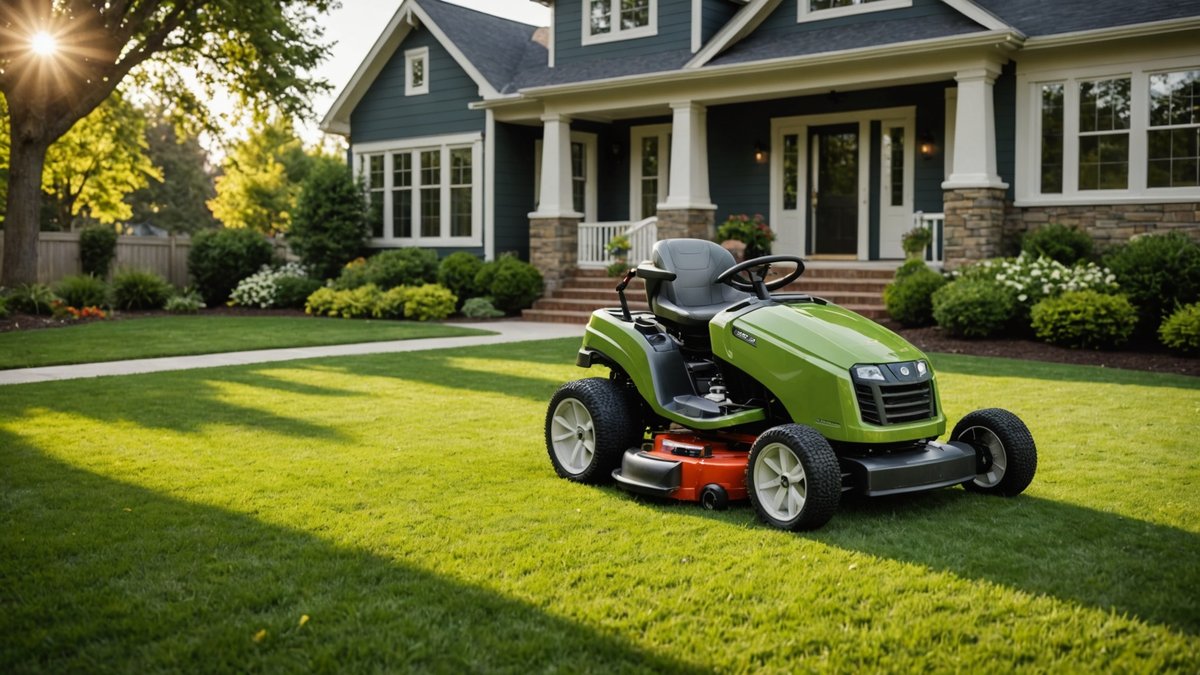
Is your lawn a little…challenging? Hilly terrain, complex landscaping, or just an all-around unruly patch of grass can leave some robotic mowers spinning their wheels. But a new generation of four-wheel drive robotic lawn mowers is emerging, promising enhanced traction, stability, and smart mowing capabilities for even the most demanding yards. Let’s dig into this growing trend and see what it means for the future of automated lawn care.
The Rise of All-Wheel Drive Robot Lawn Mowers
For years, most robot lawn mower models have relied on a two-wheel drive system. While perfectly adequate for flat, obstacle-free lawns, these models can struggle with inclines, wet grass, or uneven surfaces. Enter the four-wheel drive robotic mower. By distributing power to all four wheels, these machines gain significantly improved grip and control. This translates to:
- Superior Hill Climbing: Tackle slopes that would leave other robotic mowers stranded.
- Enhanced Stability: Maintain a consistent cutting height, even on bumpy terrain.
- Reduced Slippage: Minimize wheel spin and turf damage, especially in wet conditions.
This added capability opens up a whole new world of possibilities for homeowners with challenging landscapes. No longer are robotic mowers limited to perfectly manicured, pancake-flat lawns.
Key Features to Look For
While the four-wheel drive system is the star of the show, it’s important to consider other features when evaluating these advanced robotic mowers. Look for models that offer:
- Powerful Motors: Four-wheel drive requires more power, so ensure the mower has robust motors to handle the extra load.
- Aggressive Tire Treads: Deeper treads provide better grip on various surfaces.
- Advanced Navigation: GPS, obstacle avoidance, and smart mapping are crucial for efficient and precise mowing.
- Customizable Settings: Adjustable cutting heights, scheduling options, and zone control allow you to tailor the mower to your specific lawn care needs.
- Durable Construction: Four-wheel drive mowers often face tougher conditions, so look for models built to withstand wear and tear.
Is a Four-Wheel Drive Robotic Mower Right for You?
The decision to upgrade to a four-wheel drive robotic mower depends on your individual circumstances. Consider these factors:
- Lawn Slope: If your lawn has significant inclines (typically exceeding 15-20 degrees), a four-wheel drive model is highly recommended.
- Surface Conditions: Uneven terrain, wet grass, or areas with loose soil can benefit from the added traction.
- Complex Landscaping: If your yard has numerous obstacles, such as trees, flowerbeds, or garden features, the improved maneuverability of a four-wheel drive mower can be advantageous.
- Budget: Four-wheel drive robotic mowers typically come with a higher price tag than their two-wheel drive counterparts.
What This Means for You
For Homeowners: If you’ve been hesitant to embrace the convenience of a robotic mower due to a challenging lawn, four-wheel drive models offer a compelling solution. These mowers can handle tougher terrain, providing a beautifully manicured lawn with minimal effort. The improved traction also minimizes turf damage, keeping your lawn healthy and vibrant.
For Landscaping Pros: Four-wheel drive robotic mowers can expand the range of properties you can service with automated solutions. Tackle hilly or complex landscapes with confidence, increasing efficiency and reducing labor costs. This opens up new opportunities to offer smart mowing solutions to a wider range of clients.
The future of robotic lawn care is looking more capable than ever. As technology continues to advance, we can expect even more innovative solutions to tackle the challenges of maintaining a beautiful lawn with ease.
Source: Original Article

Author: AI Mow
AI Mow is the AI-assisted news desk of AI Mower News. It monitors manufacturer announcements, trade shows and industry sources, and drafts stories in our editorial voice. Every article is checked against its original source before publication — our fact gate holds anything that claims testing we did not do or specs the source does not support — and is published under this byline for transparency. How we work: https://aimowernews.com/editorial-guidelines/ · The people behind it: https://aimowernews.com/our-team/