


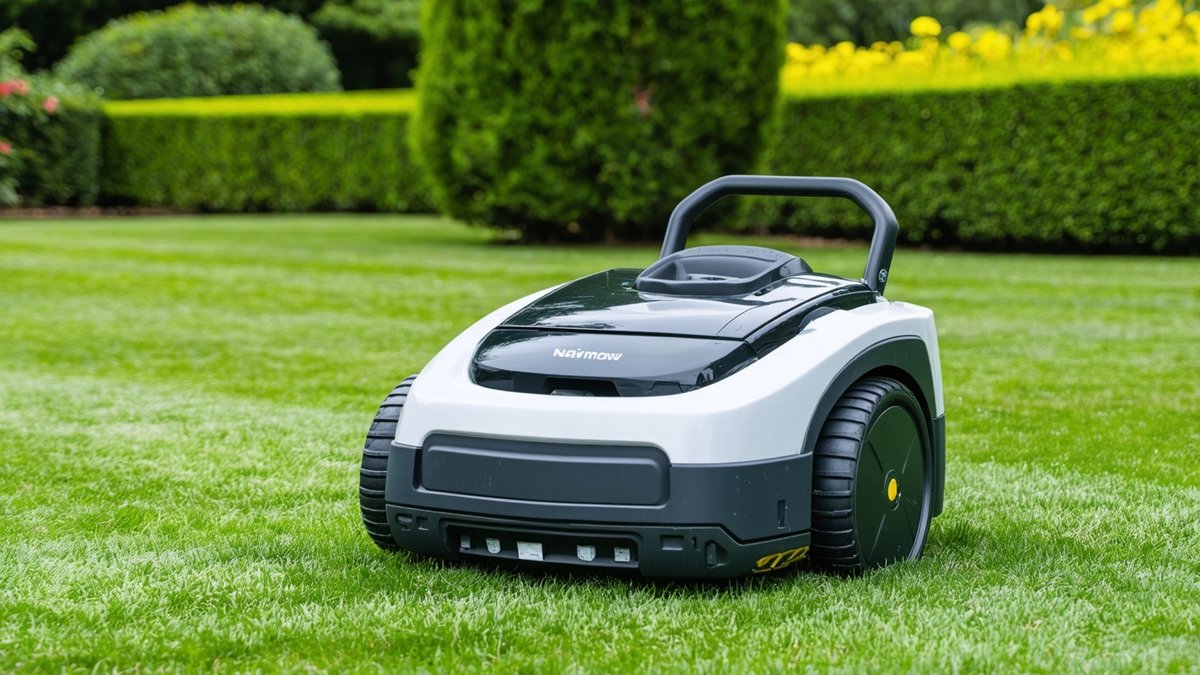
When a centuries‑old Hampshire mill undergoes a loving restoration, the last thing you might expect to see gliding across its freshly trimmed grass is a sleek, sensor‑laden robot. Yet that’s exactly what happened when the estate team chose the Segway Navimow to keep the lawn pristine while honoring the site’s heritage. The blend of old‑world charm and cutting‑edge autonomy offers a compelling case study for anyone weighing a robotic mower for a historic property, a suburban yard, or a commercial landscape.
The Hampshire Mill Restoration: Blending History with High‑Tech
The mill, dating back to the early 1800s, had fallen into disrepair before a local preservation trust stepped in. Over two years, craftsmen rebuilt the stone walls, restored the original waterwheel, and replanted native gardens that echo the landscape’s agrarian roots. Maintaining the grounds, however, posed a unique challenge: the owners wanted a immaculate lawn that would complement the historic aesthetic without the noise, emissions, or labor intensity of traditional gasoline mowers.
Enter the Segway Navimow, an autonomous lawn mower that promises quiet operation, precise navigation, and zero‑emission cutting. The project leaders saw it as a natural fit—technology that would stay out of sight, preserve the tranquil atmosphere, and reduce the ongoing maintenance burden. The decision also reflected a broader trend among heritage sites seeking smart mowing solutions that respect both the past and the present.
How the Navimow Fits the Mill’s Landscape
The Navimow line differentiates itself from many competitors by relying on a vision‑based system rather than a perimeter wire. Using a pair of stereo cameras and AI‑driven mapping, the mower builds a real‑time map of the yard, detects obstacles, and adapts its cutting pattern on the fly. For the mill, this meant no need to bury wire around delicate flowerbeds, stone pathways, or the historic waterwheel—an installation headache that often deters owners of older properties.
Key features that proved particularly valuable include:
- Wire‑free setup: Eliminates trenching and preserves archaeological layers.
- RTK‑enhanced GPS: Provides centimeter‑level accuracy for clean edges along the mill’s stone borders.
- Quiet operation (≈58 dB): Keeps the pastoral soundscape undisturbed.
- Weather‑resistant design: Handles the frequent drizzle typical of the Hampshire countryside.
These attributes allowed the mower to navigate narrow garden lanes, skirt around heritage rose beds, and maintain a consistent cut height of 20‑60 mm across varying terrain.
Installation and Setup: From Concept to Cut
The installation process began with a site survey conducted by the Navimow dealer’s technical team. Using a handheld scanner, they captured the mill’s outline, noting any permanent obstacles such as the millstone, low walls, and a narrow wooden bridge. The data fed into the Navimow app, which generated a virtual map within minutes.
Next, the team placed the mower’s charging dock near the existing garden shed—an inconspicuous spot that allowed easy access to power without running unsightly cords across the lawn. Because the Navimow does not require a boundary wire, the only physical work involved was securing the dock and performing a brief calibration routine where the mower drove the perimeter under supervision to confirm its map.
The entire setup took under three hours, a stark contrast to the day‑long wire‑laying projects typical of many robot lawn mower systems. Once calibrated, the mower was programmed to run on a schedule that avoided the mill’s peak visitor hours, ensuring guests could enjoy the scenery uninterrupted.
Performance & Real‑World Results: What the Mill Team Saw
After a month of autonomous operation, the preservation trust reported several measurable outcomes:
- Consistent cut quality: The grass maintained an even height, with no visible scalping near the waterwheel or along the heritage flower borders.
- Labor savings: Grounds staff reduced manual mowing time from roughly eight hours per week to under one hour of occasional edge‑trimming and supervision.
- Environmental impact: Zero fuel consumption and near‑silent operation aligned with the trust’s sustainability goals.
- Visitor experience: Guests frequently commented on the tranquil ambiance, noting the absence of engine noise that had previously disturbed the site’s peaceful vibe.
Occasional challenges did arise—mainly when dense fog reduced the camera’s visibility, prompting the mower to pause and await clearer conditions. The Navimow’s built‑in safety protocols prevented it from operating in low‑visibility scenarios, which, while a minor inconvenience, underscored the system’s commitment to safety over blind persistence.
Comparatively, traditional robotic mowers that rely on perimeter wires would have required frequent wire adjustments around the mill’s evolving garden beds, adding maintenance overhead. The vision‑based approach proved more adaptable to the site’s dynamic landscape.
Comparing the Field: Navimow vs. Competitors
While the Segway Navimow stood out for the mill’s wire‑free advantage, it’s useful to see how it stacks against other popular autonomous mowers that a homeowner or landscaper might consider:
- Husqvarna Automower 450XH: Offers superb cut quality and GPS‑assisted navigation but requires a boundary wire installation—a drawback for historic sites where digging is restricted.
- Worx Landroid WR150: Features a flexible, app‑controlled system and optional GPS module, yet still leans on a perimeter wire for basic models.
- Ambrogio Lona: A premium, wire‑free option using RTK‑GPS and ultrasonic sensors, comparable in price to the Navimow X3 line but with a slightly larger footprint that may be less suited to tight garden paths.
- Robomow RS630: Known for powerful cutting and edge‑mode capabilities, but again dependent on boundary wires and louder operation.
For properties where preserving sub‑surface integrity is paramount—such as archaeological sites, old estates, or meticulously landscaped gardens—the Navimow’s camera‑based navigation offers a distinct edge. Its ability to learn and adapt to temporary obstacles (like movable garden furniture) also makes it a strong candidate for residential lawns that see frequent layout changes.
Bottom Line: What This Means for You
The Hampshire mill case study illustrates that a robotic mower can be more than a convenience gadget—it can serve as a thoughtful steward of both landscape and heritage. If you own a property with delicate features, historic structures, or simply dislike the idea of trenching for boundary wire, the Segway Navimow’s vision‑based technology offers a practical, low‑maintenance path to a perfectly trimmed lawn.
For the average homeowner, the takeaway is clear: modern autonomous mowers now deliver the precision and quiet operation once reserved for high‑end commercial gear, without the invasive installation steps that can deter adoption. Pros managing multiple sites will appreciate the reduced labor and the ability to deploy the same wire‑free solution across varied terrains, from manicured estates to rugged corporate campuses.
Ultimately, the choice between mower brands should hinge on your specific site constraints, budget, and willingness to embrace emerging navigation tech. The Navimow proves that cutting‑edge autonomy and respect for the past can coexist—quietly, efficiently, and beautifully.
Frequently Asked Questions
-
Does the Navimow work well on uneven or sloped terrain?
Yes. The Navimow X3 series handles slopes up to 45 % (about 24 degrees) thanks to its robust wheel suspension and intelligent torque control. For steeper grades, the mower will automatically halt and alert you via the app.
-
How does the vision‑based system cope with low light or heavy rain?
In low‑light conditions (dusk or dawn), the mower relies on its built‑in infrared assist to maintain depth perception. During heavy rain, the system may pause operation to avoid reduced camera clarity, resuming once visibility improves—a safety feature that prevents missed cuts or collisions.
-
Is the Navimow suitable for commercial landscaping fleets?
Absolutely. Its wire‑free deployment simplifies scaling across multiple properties, and fleet managers can monitor each unit’s status, maintenance needs, and cutting patterns through Segway’s cloud‑based dashboard. Many commercial users report lower operational costs compared to traditional gasoline mowers and reduced noise complaints from clients.
Source: Original Article

Author: AI Mow
Ai Mow is the editorial team behind Ai Mower News, dedicated to bringing you the latest news, reviews, and insights on robotic lawn mowers and smart gardening technology.