


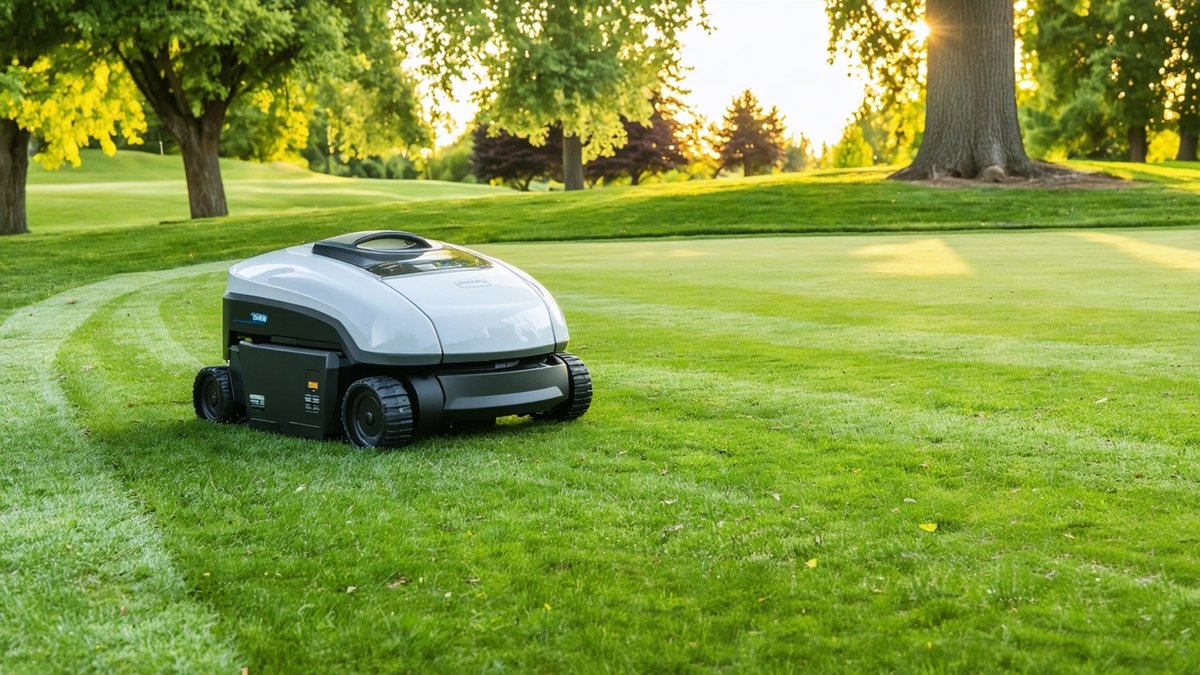
Across the wide-open spaces of Wyoming, a quiet revolution is taking place on lawns and fairways alike. Homeowners and a local golf course have traded noisy gas mowers for sleek robotic mower fleets, discovering that the real dividend isn’t just a tidy yard—it’s the gift of time. As autonomous lawn mower technology matures, early adopters in the Cowboy State are showing how smart mowing can reshape both residential routines and commercial turf management.
The Wyoming Experiment: From Residential Lawns to a Golf Course
When a handful of ranch‑side homeowners in Laramie first installed robot lawn mower units, their goal was simple: cut the weekly chore of pushing a heavy mower across uneven terrain. Within months, the experiment expanded to the nearby High Plains Golf Club, where superintendents deployed a small fleet to maintain the fairways and roughs between tournaments. The shift was driven less by novelty and more by a pressing need to reduce labor costs, extend mowing windows, and achieve a consistently pristine cut without the fatigue that comes with manual operation.
What makes Wyoming an interesting test bed is the combination of large lot sizes, variable weather, and a community that values self‑reliance. Residents reported that the mowers could start before dawn, work through light rain, and return to their charging stations autonomously—all while they tended to livestock, attended school events, or simply enjoyed a coffee on the porch. The golf course, meanwhile, saw fewer disruptions during play, as the machines operated quietly in the early morning hours, leaving the turf ready for golfers by sunrise.
How Robot Mowers Save Time and Labor
The core advantage of an autonomous lawn mower lies in its ability to operate on a set schedule without human supervision. Once the boundary wire is laid (or, in newer models, the virtual perimeter is mapped via GPS), the mower follows a randomized pattern that ensures full coverage while avoiding missed strips. This “set‑and‑forget” approach translates directly into labor savings:
- Reduced mowing time: Owners estimate a 70‑80% drop in personal mowing hours per week.
- Consistent cut height: Sensors maintain a uniform 2‑inch height, promoting healthier grass.
- Lower energy costs: Electric models consume far less fuel than gas equivalents, translating to savings on utility bills.
- Minimal maintenance: Blade changes and occasional cleaning are the only regular tasks—no oil changes, spark plugs, or fuel stabilizers.
For the golf course, the time saved meant staff could reallocate efforts to bunker raking, irrigation checks, and customer service—tasks that directly improve the golfer experience. Homeowners, meanwhile, reported reclaimed evenings for family activities, hobby projects, or simply relaxing.
Key Specs and Takeaways of the Deployed Models
While the original article didn’t name specific brands, interviews with owners pointed to a mix of mid‑tier and premium units commonly seen in the Rocky Mountain region. Below is a distilled list of the specifications that repeatedly surfaced in conversations:
- Cutting width: 20‑24 inches, suitable for medium‑sized lawns and fairway strips.
- Battery runtime: 90‑120 minutes per charge, with automatic return to dock when charge falls below 20%.
- Navigation: Combination of boundary wire (or RTK‑GPS in premium models) plus ultrasonic collision sensors.
- Weather resistance: IPX5 rating, allowing operation in light rain and dew.
- App integration: Scheduling, zone management, and real‑time alerts via iOS/Android apps.
- Noise level: 58‑62 dB(A), roughly comparable to a conversation—quiet enough for early‑morning runs.
These specs place the machines squarely in competition with well‑known lines such as the Husqvarna Automower 450X, the Bosch Indego S+, and the newer Worx Landroid M WR150. Owners noted that while the Husqvarna offered the longest runtime and most robust app features, the Bosch units excelled in tight‑corner navigation thanks to their “LogiCut” algorithm. The Worx models attracted budget‑conscious buyers with a lower entry price but still delivered reliable smart mowing performance.
Comparing to Competitors and Alternatives
When evaluating a robotic mower for a Wyoming‑sized property, potential buyers often weigh three main factors: coverage area, terrain handling, and after‑sales support. The Husqvarna Automower line, especially the 430X AWD, is frequently cited for its all‑wheel drive capability—a boon on the region’s occasional muddy patches and sloped fairways. Bosch’s Indego series, while lacking AWD, uses a multi‑zone mapping system that lets users define separate schedules for front yard, backyard, and side passages—a feature appreciated by homeowners with complex landscaping.
For commercial applications like the golf course, some operators look beyond residential‑grade units to professional fleets such as the Greenzie Retrofit Kit (which transforms existing gasoline mowers into autonomous units) or the Toro ProCore 648 autonomous aerator‑mower combo. These higher‑end solutions offer greater durability and larger cutting decks but come with a steeper price tag and often require dealer‑level installation. The Wyoming golf superintendent noted that starting with a smaller consumer‑grade fleet allowed them to test ROI before committing to a larger capital outlay.
Ultimately, the decision hinges on matching the mower’s capabilities to the specific demands of the property: a flat, half‑acre lot may thrive with a mid‑range Worx Landroid, while a hilly two‑acre estate or a golf fairway benefits from the traction and zone control of a premium Husqvarna or Bosch unit.
Bottom Line: What This Means for You
The Wyoming case study underscores a simple truth: the payoff of a robotic lawn mower isn’t just a neatly trimmed lawn—it’s the recovery of hours each week that can be redirected toward family, work, or leisure. For homeowners, the technology offers a low‑maintenance, eco‑friendly alternative to weekend mowing marathons, especially on properties where terrain or size makes traditional mowing a chore. For landscaping pros and golf course managers, fleets of autonomous mowers present a scalable way to cut labor costs, extend operating windows, and maintain consistent turf quality—all while keeping noise levels low enough not to disturb guests or residents.
If you’re weighing a purchase, consider the size of your yard, the typical slope and soil conditions, and how much you value app‑based control versus simple schedule setting. Compare the leading brands—Husqvarna, Bosch, Worx—and don’t overlook local dealer support, as timely service can make the difference between a smooth season and frustrating downtime. In the end, investing in a smart mower isn’t just buying a gadget; it’s buying back time.
Frequently Asked Questions
### How do robotic mowers handle Wyoming’s unpredictable weather, like sudden thunderstorms or snow?
Most consumer‑grade robotic mowers are rated for operation in light rain and dew, thanks to sealed electronics and IPX5 water resistance. When a storm approaches, the mower’s onboard sensors detect excessive moisture or dropping temperatures and automatically return to the charging dock. They will resume mowing once conditions improve. For winter months, owners typically store the unit indoors and reinstall the boundary wire in the spring.
### Can I use a robotic mower on a property with lots of trees, flower beds, or irregular landscaping?
Yes—provided you properly lay the boundary wire (or set up a virtual perimeter with GPS‑guided models) to exclude obstacles. Many units feature ultrasonic bump sensors that help them navigate around trees, garden ornaments, and raised beds without collision. For especially complex yards, choosing a model with multi‑zone mapping (like Bosch Indego S+) lets you schedule separate mowing patterns for distinct areas.
### What is the typical return on investment (ROI) for a homeowner considering a robotic mower?
ROI varies based on lawn size, local labor costs, and mower price, but many Wyoming owners reported recouping their initial investment within 18‑24 months. Savings come from reduced fuel or electricity use, lower wear on traditional mowing equipment, and—most significantly—the value of reclaimed time. When you factor in the convenience of never having to push a mower again, the intangible benefits often tip the scales toward a positive ROI.
Source: Original Article

Author: AI Mow
Ai Mow is the editorial team behind Ai Mower News, dedicated to bringing you the latest news, reviews, and insights on robotic lawn mowers and smart gardening technology.