


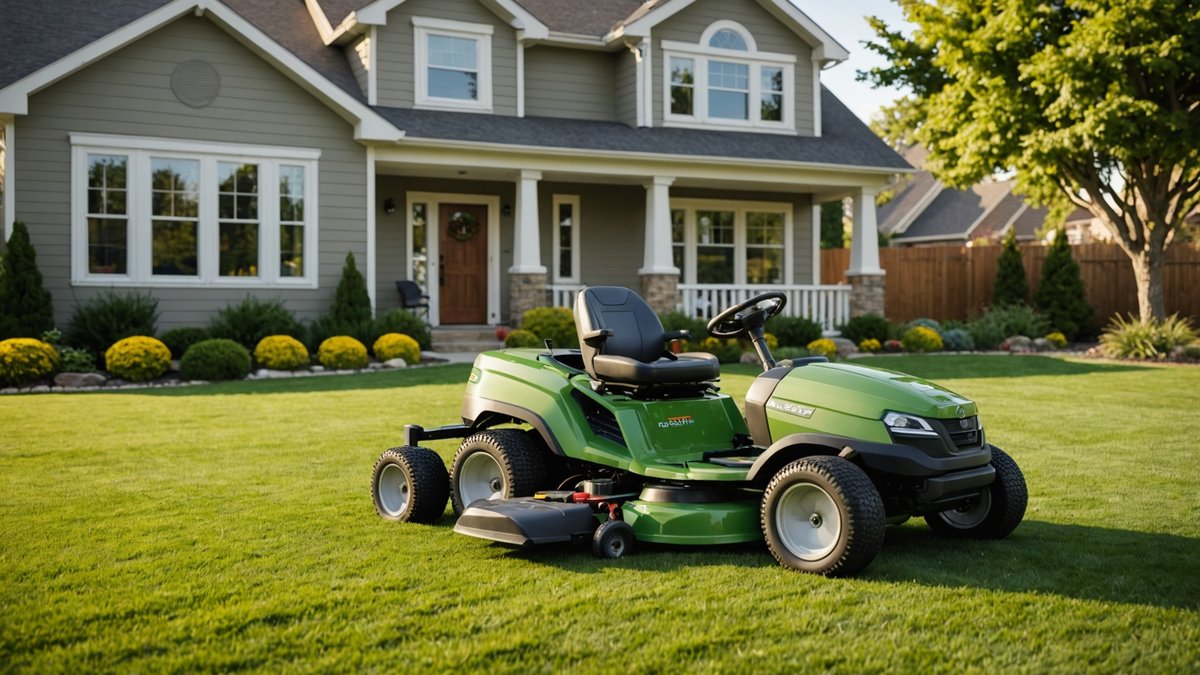
Imagine spending an entire year navigating red tape, supplier delays, and compatibility headaches—all for the sake of a robotic lawn mower. That’s exactly the reality New Zealand’s Prime Minister Christopher Luxon faced in his quest to automate his lawn care. His story isn’t just a quirky anecdote; it highlights the growing pains of adopting autonomous lawn mower technology in regions where infrastructure, regulations, or even dealer networks aren’t quite ready for the smart mowing revolution. For homeowners and landscaping pros considering a robot lawn mower, Luxon’s experience is a cautionary tale—and a reminder that even cutting-edge tech can hit unexpected snags.
The Long Road to Automation
Luxon’s year-long journey to secure a robotic mower underscores a broader challenge: the gap between demand for smart mowing solutions and the readiness of local markets to support them. While robotic mowers are a common sight in Europe and parts of the U.S., their adoption in other regions can be fraught with hurdles. For Luxon, the process involved navigating import restrictions, finding a compatible model for his property’s layout, and even ensuring the mower could handle New Zealand’s unique grass types and weather conditions.
His persistence paid off, but the saga raises important questions for potential buyers. Is your local market equipped to support these high-tech tools? Are dealers and service providers readily available? And perhaps most critically—are you prepared for the potential delays and learning curve that come with early adoption?
Why Robotic Mowers Are Worth the Hassle
Despite the challenges Luxon faced, the benefits of autonomous lawn mowers are undeniable. These devices offer a level of convenience, efficiency, and precision that traditional mowers simply can’t match. Here’s what makes them a game-changer for homeowners and pros alike:
- Time-Saving Automation: Set a schedule, and your robot lawn mower handles the rest—no more weekend chores or hiring crews for routine maintenance.
- Eco-Friendly Operation: Most models are electric, producing zero emissions and reducing noise pollution compared to gas-powered alternatives.
- Precision and Consistency: Advanced sensors and GPS ensure even cutting, while smart features like rain detection and obstacle avoidance prevent damage to your lawn or the mower itself.
- Cost-Effective Long-Term: While the upfront cost can be steep (typically $1,000–$4,000), the savings on labor, fuel, and maintenance add up over time.
- Scalability for Pros: Landscaping businesses can deploy fleets of robotic mowers to handle multiple properties, freeing up crews for higher-value tasks like design and installation.
Brands like Husqvarna, Worx, and Gardena have led the charge in smart mowing, offering models tailored to everything from small suburban lawns to sprawling commercial properties. Luxon’s experience suggests that as demand grows, more regions will catch up—but for now, early adopters may need to do their homework.
Key Considerations Before You Buy
Luxon’s story serves as a reminder that not all robotic mowers are created equal, and not all markets are equally prepared. Before investing, here’s what to evaluate:
- Property Compatibility: Check if your lawn’s size, slope, and obstacles (e.g., trees, flower beds) align with the mower’s capabilities. Some models struggle with steep inclines or complex landscapes.
- Local Support: Research dealers, service centers, and warranty coverage in your area. A lack of local support can turn a minor issue into a major headache.
- Regulations and Restrictions: Some regions have noise ordinances, water usage rules, or even HOA restrictions that may impact autonomous lawn mower operation.
- Connectivity: Many smart mowing systems rely on Wi-Fi or cellular signals for remote control and updates. Ensure your property has adequate coverage.
- Installation Requirements: Some models require boundary wires or base stations, which may necessitate professional installation. Factor this into your budget and timeline.
For those in regions where robotic mowers are still gaining traction, it may be worth waiting for the market to mature—or at least bracing for a longer setup process.
Alternatives and Competitors
If Luxon’s year-long wait has you reconsidering, rest assured there are plenty of robot lawn mower options to explore—each with its own strengths. Here’s a quick look at some top contenders:
- Husqvarna Automower: A pioneer in autonomous lawn mowers, Husqvarna offers models for all lawn sizes, with features like GPS-assisted navigation and smart home integration. Ideal for homeowners who want reliability and cutting-edge tech.
- Worx Landroid: Known for its affordability and user-friendly app, the Landroid is a great entry point for those new to smart mowing. It’s also one of the few models that doesn’t require boundary wires for some configurations.
- Gardena Sileno: A quiet, efficient option with a focus on eco-friendliness. Gardena’s models are particularly well-suited to smaller lawns and urban environments.
- Mammotion LUBA: A newer player with a modular design, LUBA offers AWD models for tackling steep slopes and large properties, making it a strong choice for commercial users.
For professional landscapers, companies like EZ Robot and Mean Green Mowers offer commercial-grade robotic mowers designed for fleet deployment, with robust construction and advanced fleet management software.
What This Means for You
Luxon’s year-long mission to adopt a robotic lawn mower is more than just a funny footnote—it’s a microcosm of the broader challenges and rewards of embracing smart mowing technology. For homeowners, the takeaway is clear: do your research. Understand your property’s needs, your local market’s readiness, and the capabilities of the mower you’re considering. The upfront effort can save you months of frustration.
For landscaping pros, Luxon’s experience is a reminder that autonomous lawn mowers can be a powerful tool for scaling your business—but only if you have the infrastructure to support them. Investing in training, dealer relationships, and backup equipment can help mitigate the risks of early adoption.
Ultimately, the robot lawn mower market is evolving rapidly, and the growing pains will likely smooth out over time. As more regions embrace these technologies, the process of buying and maintaining them will become as seamless as the lawns they produce. In the meantime, patience and preparation are your best allies.
FAQ
How much do robotic lawn mowers cost?
Prices vary widely depending on features, lawn size, and brand. Entry-level models start around $800–$1,200, while high-end or commercial-grade autonomous lawn mowers can cost $3,000–$5,000 or more. Factor in installation costs (e.g., boundary wires) and potential accessories like replacement blades or batteries.
Are robotic mowers safe for pets and children?
Most modern robot lawn mowers are designed with safety in mind. They feature sensors to detect obstacles (including pets and people) and will stop or change direction upon contact. However, it’s still wise to supervise young children and pets until you’re confident in the mower’s operation. Always check the manufacturer’s safety guidelines.
Can a robotic mower handle my sloped lawn?
It depends on the model. Many robotic mowers can handle slopes up to 20–25 degrees, but steeper inclines may require specialized models like the Mammotion LUBA AWD or Husqvarna Automower 450X. Always check the mower’s specifications and test it on your property before committing.
Source: Original Article

Author: AI Mow
Ai Mow is the editorial team behind Ai Mower News, dedicated to bringing you the latest news, reviews, and insights on robotic lawn mowers and smart gardening technology.