


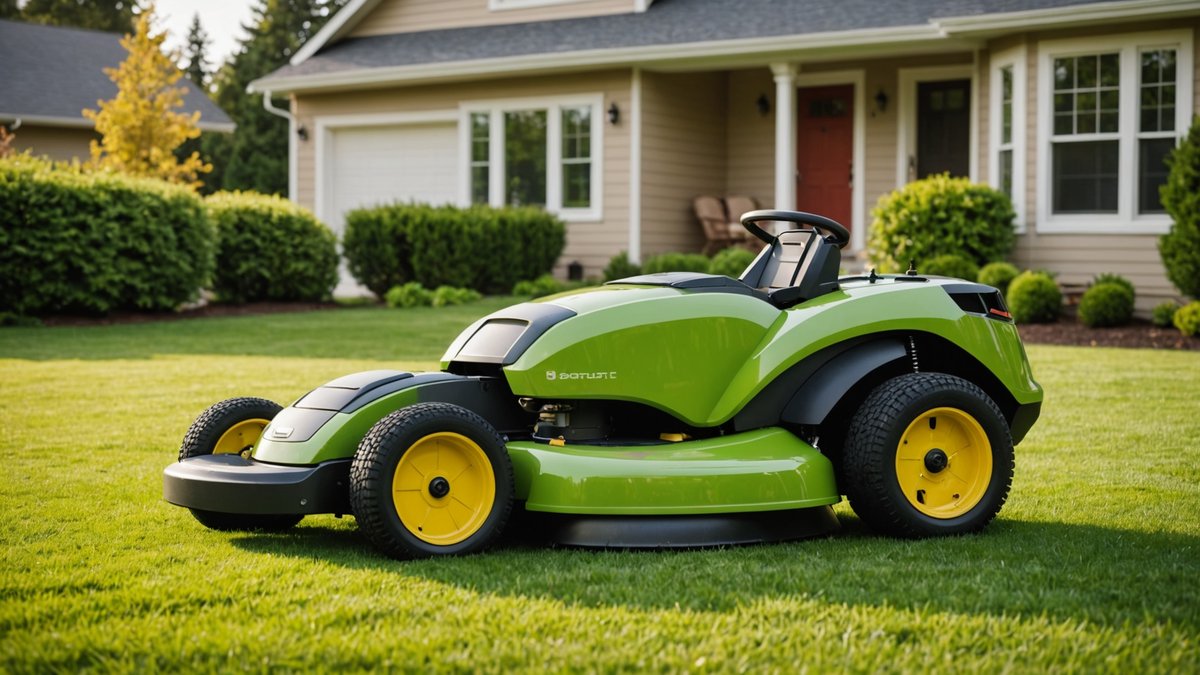
Imagine spending an entire year navigating red tape, import hurdles, and regulatory maze—all for the sake of a robotic mower. That’s exactly the journey Christopher Luxon, a tech-savvy homeowner, undertook to bring one of the most advanced autonomous lawn mowers to his property. His story isn’t just about persistence; it’s a window into the challenges and rewards of adopting smart mowing technology in regions where it’s still gaining traction. For homeowners and landscaping pros curious about the future of lawn care, Luxon’s experience offers valuable lessons—and a glimpse at what’s possible when cutting-edge tech meets old-school bureaucracy.
The Quest for a Smarter Lawn
Christopher Luxon, a well-known figure in New Zealand, set out on a mission that many might find surprising for someone of his stature: to purchase and install a robot lawn mower. While these devices are already a common sight in parts of Europe and North America, their adoption in other regions can be fraught with unexpected obstacles. Luxon’s year-long odyssey underscores both the growing demand for autonomous lawn mowers and the regulatory and logistical barriers that can slow their adoption.
His journey began with a simple goal: to automate the maintenance of his property’s expansive lawn. Like many homeowners, Luxon was drawn to the promise of smart mowing—a hands-free, eco-friendly alternative to traditional lawn care. Robotic mowers, such as those from brands like Husqvarna, Worx, or Gardena, offer the convenience of scheduled mowing, reduced noise, and lower emissions. But as Luxon quickly discovered, getting one wasn’t as simple as clicking “add to cart.”
Regulatory Roadblocks and Import Challenges
One of the biggest hurdles Luxon faced was navigating the regulatory landscape. In many countries, robotic mowers must comply with strict safety and emissions standards before they can be sold or imported. For Luxon, this meant dealing with a maze of paperwork, certifications, and approvals—each step adding weeks or even months to the process.
Import duties and taxes presented another challenge. Depending on the country, bringing in a robot lawn mower from overseas can incur significant costs, sometimes making the device far more expensive than its sticker price. Luxon’s experience highlights the need for clearer guidelines and streamlined processes for importing autonomous lawn mowers, especially as their popularity grows.
For homeowners considering a similar path, Luxon’s story serves as a cautionary tale. While the allure of a fully automated lawn is strong, it’s essential to research local regulations and import requirements before committing to a purchase. In some cases, working with a local dealer or authorized distributor—such as those listed in our Dealer Directory—can save time, money, and headaches.
Why the Effort Was Worth It
Despite the challenges, Luxon’s persistence paid off. Once his robotic mower was finally up and running, the benefits quickly became apparent. Here’s what made the year-long wait worthwhile:
- Time Savings: No more weekly mowing sessions. The autonomous lawn mower handles the work automatically, freeing up time for other tasks or leisure.
- Consistent Results: Robotic mowers cut grass frequently and evenly, promoting a healthier lawn with a manicured appearance.
- Eco-Friendly Operation: Most robot lawn mowers are electric, producing zero emissions and operating quietly—ideal for urban or suburban settings.
- Smart Features: Many models offer app-based controls, weather sensors, and obstacle detection, making them a high-tech addition to any property.
- Long-Term Cost Savings: While the upfront cost is higher than a traditional mower, the reduction in fuel, maintenance, and labor can offset the investment over time.
Luxon’s experience also sheds light on the broader trend of smart mowing adoption. As more homeowners and landscaping professionals seek efficient, sustainable solutions, the demand for autonomous lawn mowers is only set to grow. Brands like Husqvarna’s Automower, Worx Landroid, and Gardena’s Sileno are leading the charge, but newer players are entering the market with innovative features and competitive pricing.
How Luxon’s Story Compares to the Global Landscape
Luxon’s year-long struggle might seem extreme, but it’s not entirely unique. In regions where robotic mowers are still emerging, homeowners often face similar challenges. However, in markets like Europe—where these devices have been popular for over a decade—the process is far smoother. For example:
- Europe: The epicenter of robot lawn mower adoption, with brands like Husqvarna and Gardena dominating the market. Regulatory frameworks are well-established, and dealers are widely available.
- North America: Growing rapidly, with increasing competition among brands. However, some areas still lack local support or service centers.
- Asia-Pacific: A mixed landscape, with high adoption in tech-savvy countries like Japan and South Korea, but slower uptake in others due to regulatory or cultural barriers.
For landscaping professionals evaluating fleet automation, Luxon’s story underscores the importance of planning ahead. Our Commercial / Pros section offers insights into integrating autonomous lawn mowers into professional operations, including tips on scaling, maintenance, and ROI.
What This Means for You
So, what can homeowners and landscaping pros take away from Christopher Luxon’s experience? First and foremost, patience and research are key. If you’re considering a robotic mower, start by checking local regulations and import rules—especially if you’re ordering from overseas. Our How-To Guides can help you navigate the process, from choosing the right model to installing and maintaining it.
It’s also worth exploring local dealers or authorized distributors. While direct imports might seem like a good way to access the latest models, working with a trusted dealer can save you time, ensure compliance with local standards, and provide access to warranty and support services. Check out our Dealer Directory to find a retailer near you.
Finally, Luxon’s story is a reminder that the smart mowing revolution is still in its early stages in many parts of the world. As technology advances and regulations catch up, the process of adopting autonomous lawn mowers will only become easier. For now, those willing to put in the effort—like Luxon—are reaping the rewards of a beautifully maintained lawn with minimal hassle.
FAQ
Are robotic mowers legal everywhere?
Not yet. While robotic mowers are widely available in many countries, some regions have restrictions on their use due to safety, emissions, or noise regulations. Always check local laws before purchasing or importing a robot lawn mower.
How do robotic mowers compare to traditional mowers in terms of cost?
The upfront cost of an autonomous lawn mower is typically higher than a traditional mower, ranging from $1,000 to $4,000 or more depending on the model and features. However, the long-term savings on fuel, maintenance, and labor can make them a cost-effective choice over time. For a detailed comparison, check out our Mower Reviews.
Can I install a robotic mower myself?
Many robot lawn mowers are designed for DIY installation, especially models aimed at homeowners. However, the process can be complex, involving boundary wire setup, programming, and testing. If you’re unsure, professional installation is often available through dealers. Our How-To Guides offer step-by-step instructions for those who prefer to tackle it themselves.
Source: Original Article

Author: AI Mow
Ai Mow is the editorial team behind Ai Mower News, dedicated to bringing you the latest news, reviews, and insights on robotic lawn mowers and smart gardening technology.