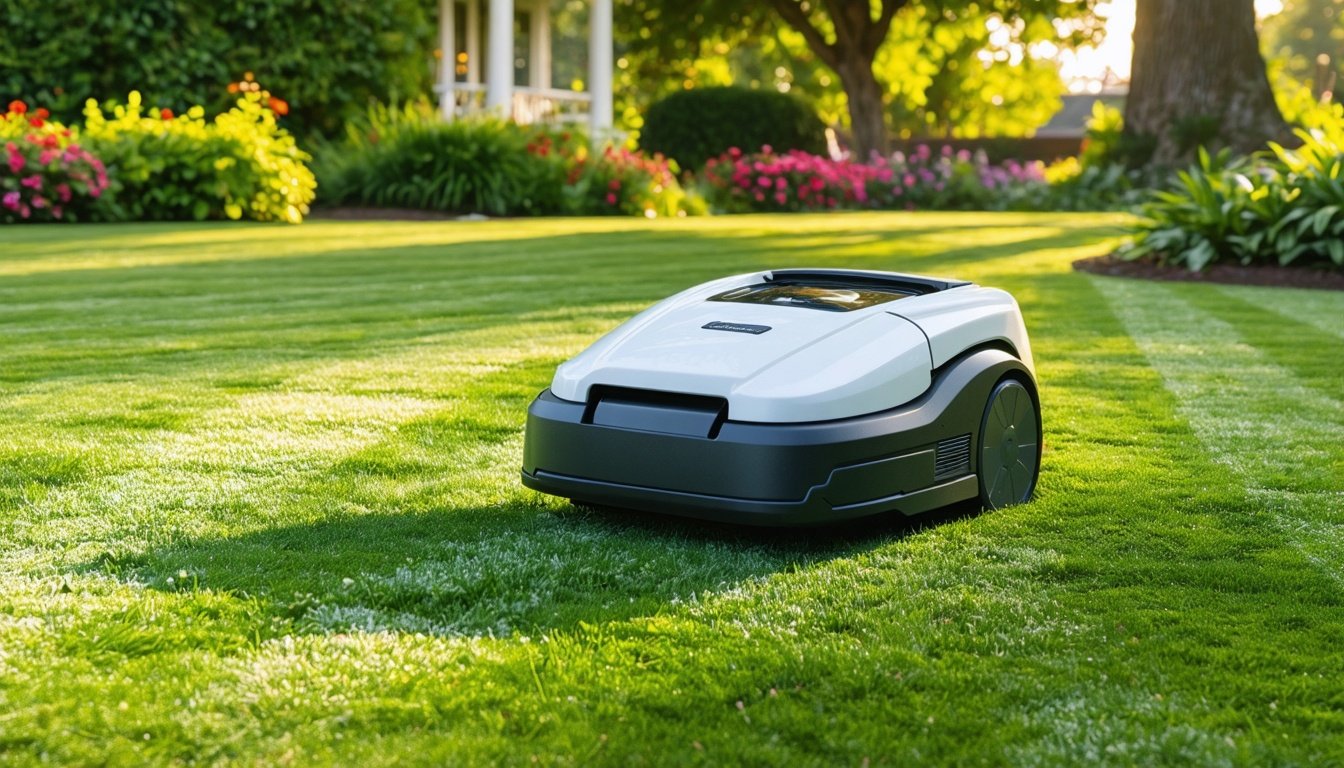
Robotic lawn mowers are no longer a futuristic fantasy—they’re becoming a practical reality for homeowners and landscaping professionals alike. A surge in sales over the past year reflects a market in transition, where wider availability, dropping prices, and smarter technology are convincing more people to trade manual mowers for autonomous ones. But what’s really driving this shift, and how does it impact your decision to go robotic?
## The Rise of Accessible Robotic Mowers
The Shift Toward Mainstream Adoption
Robotic mowers have exploded in popularity, with global sales jumping over 30% in the last two years. This growth isn’t just about novelty—it’s about accessibility. Manufacturers are now offering a broader range of models tailored to different lawn sizes, budgets, and terrain types. Entry-level devices under $1,500 are now commonplace, while high-end models with advanced AI navigation cater to larger estates or commercial use. This democratization of technology means more people can experience the benefits of smart mowing without breaking the bank.
## Lower Prices and Increased Competition Fuel Growth
Affordability Meets Performance
Five years ago, robotic mowers were a luxury item, often costing $3,000 or more. Today, the average price hovers around $1,800, with budget-friendly options starting as low as $1,000. This drop is largely due to improved manufacturing efficiency and increased competition. Brands like Husqvarna, Worx, and Deere have expanded their lineups, while newer entrants like EGO Power+ and Bol-text are shaking up the market with feature-packed models at lower price points. For homeowners, this means more choices—and less sticker shock.
## Technological Innovations Driving Smart Mowing Forward
Smarter Features for Real-World Lawns
Beyond lower prices, the latest robotic mowers boast cutting-edge tech that addresses past pain points. Here are the key advancements making these machines more appealing:
- AI-Powered Navigation: Advanced algorithms allow mowers to map lawns, avoid obstacles, and optimize cutting paths for efficiency.
- Battery Efficiency: Longer run times (up to 120 minutes) and faster charging mean less downtime, even for larger lawns.
- Weather Resistance: Many models now handle rain, mud, and uneven terrain better than ever, reducing maintenance headaches.
- Smart Home Integration: Seamless connectivity with Alexa, Google Assistant, and app-based scheduling makes operation effortless.
- Anti-Theft Features: GPS tracking and alarm systems deter theft, a common concern among early adopters.
These improvements are critical for both homeowners seeking convenience and professionals looking to automate fleet operations.
## Market Expansion and Competitive Landscape
Robotic Mowers Go Pro
The surge in sales isn’t limited to residential users. Commercial landscapers are increasingly adopting autonomous lawn mowers to reduce labor costs and improve efficiency. Companies like Deere and Husqvarna now offer commercial-grade models designed for daily use on multiple acres. Meanwhile, startups are targeting niche markets—like eco-friendly mowers with biodegradable blades or solar-powered charging stations. This diversity ensures that whether you’re maintaining a suburban backyard or a corporate campus, there’s a robotic mower to fit your needs.
## What This Means for You: Homeowners and Pros
Bottom Line: Is Now the Time to Go Robotic?
For homeowners, the current market offers the best combination of affordability, performance, and support yet. If you’ve been hesitant due to price or complexity, 2024’s crop of robot lawn mowers is worth another look. Landscapers, meanwhile, should evaluate how automation could streamline operations during peak seasons. With warranties improving and installation services becoming more accessible, the barriers to entry are lower than ever.
### FAQ: Common Questions About Robotic Mowers
1. How much does a robotic mower cost in 2024?
Prices range from $1,000 to $4,000+, depending on lawn size, features, and brand. Entry-level models under $1,500 are ideal for small yards, while commercial-grade units with AI mapping can exceed $3,000.
2. Do robotic mowers work on uneven terrain or slopes?
Most modern models handle mild slopes (up to 25%) and uneven ground. However, steep or highly irregular lawns may require models with specialized Wheels or tracks, like the Husqvarna Automower 418X or Deebot robotic mowers.
3. Can robotic mowers be stolen or tampered with?
While rare, theft is a concern. Many 2024 models include GPS tracking, PIN locks, and cellular connectivity to deter tampering. Always opt for a mower with anti-theft features if security is a priority.
Source: Original Article

Author: AI Mow
AI Mow is the AI-assisted news desk of AI Mower News. It monitors manufacturer announcements, trade shows and industry sources, and drafts stories in our editorial voice. Every article is checked against its original source before publication — our fact gate holds anything that claims testing we did not do or specs the source does not support — and is published under this byline for transparency. How we work: https://aimowernews.com/editorial-guidelines/ · The people behind it: https://aimowernews.com/our-team/