


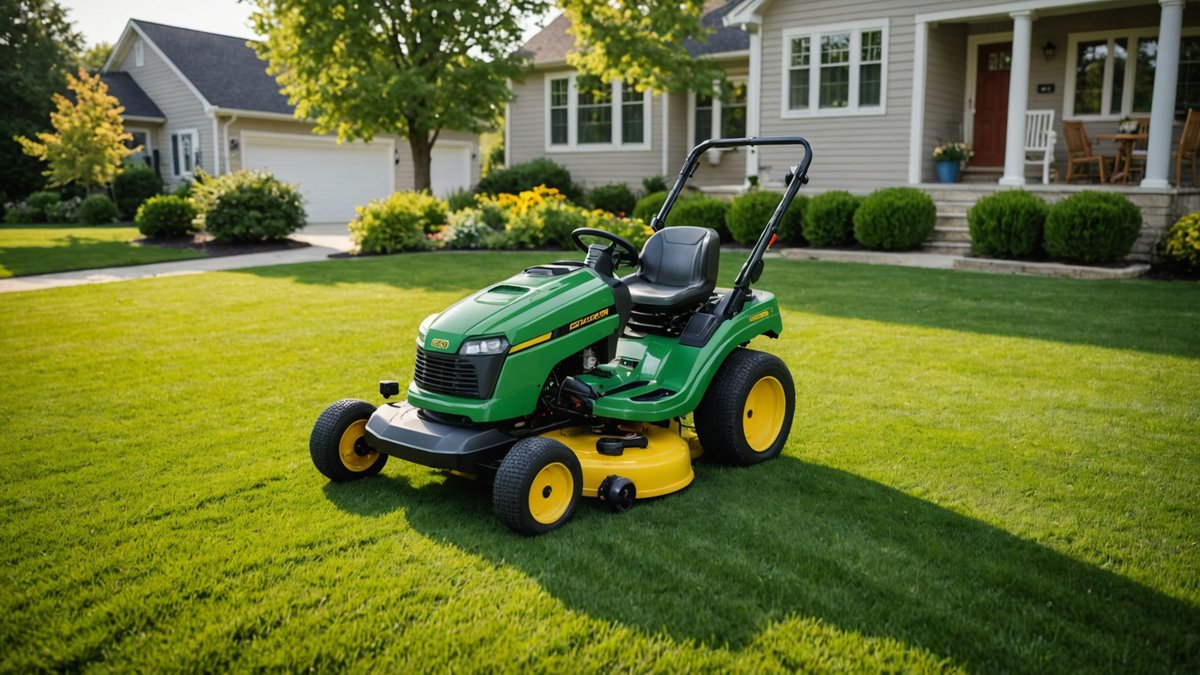
Picture this: It’s a sweltering summer afternoon in 1970s Ohio, the hum of a gas mower echoing through suburban neighborhoods. Fast forward to today, and that familiar drone is being replaced by the near-silent whir of an autonomous lawn mower gliding effortlessly across the yard. A recent viral moment in Ohio—featuring a plucky little robot lawn mower tackling a sprawling lawn—has sparked nostalgia and curiosity alike. But this isn’t just a trip down memory lane; it’s a glimpse into how far smart mowing technology has come. For homeowners and landscaping pros tired of the old-school grind, the future of lawn care is here—and it’s more capable (and adorable) than ever.
The Viral Ohio Robot Mower: A Modern Twist on a Classic Chore
The scene that captured hearts across the Buckeye State wasn’t staged by a tech giant or a marketing team. It was a humble robotic mower—likely a consumer model like the Worx Landroid or Husqvarna Automower—navigating a sprawling Ohio lawn with the determination of a 1970s homeowner pushing a heavy Sears Craftsman. What made it special? The contrast. No fumes, no sweat, no Sunday afternoons lost to maintenance. Just a compact, intelligent machine doing the work autonomously.
While the original article didn’t specify the model, the moment highlights a growing trend: robot lawn mowers are no longer a luxury for tech enthusiasts. They’re becoming a practical solution for everyday homeowners. And in Ohio, where lawns can stretch for acres and summers are unforgiving, the appeal is undeniable.
How Robotic Mowers Stack Up Against the Old Guard
Let’s compare the old-school approach to modern autonomous lawn mowers. The differences are stark, and the benefits go beyond mere convenience.
- Time Savings: A traditional gas mower might take 2-4 hours for a 1-acre lawn. A robotic mower can handle the same area over multiple sessions without any input from you. Imagine reclaiming your weekends!
- Efficiency: Gas mowers often require overlapping passes to avoid missed spots. Robot mowers use smart mowing algorithms to ensure full coverage with minimal redundancy.
- Noise and Emissions: Gas mowers produce around 90 decibels of noise and emit CO2. Most autonomous lawn mowers operate below 60 decibels and are fully electric, making them eco-friendly.
- Maintenance: Oil changes, spark plugs, and air filters are a thing of the past. Today’s robot lawn mowers require little more than occasional blade sharpening and battery checks.
- Safety: Modern models feature lift and tilt sensors, automatic shutdowns, and PIN-code protection to prevent theft or accidental activation.
Why Ohio? The Perfect Testing Ground for Robot Mowers
Ohio’s diverse lawns—from the rolling hills of Appalachia to the flat expanses of the Lake Erie plain—make it an ideal proving ground for robotic mowers. The state’s unpredictable weather, with humid summers and wet springs, also puts these machines to the test. Here’s why Ohio homeowners and landscapers are taking notice:
- Large Properties: Many Ohio homes sit on 1+ acre lots. Models like the Husqvarna Automower 450X or Gardena Sileno Life can handle up to 1.25 acres on a single charge, with some commercial-grade units tackling even more.
- Seasonal Challenges: Heavy rain can leave lawns waterlogged, but many autonomous lawn mowers now include rain sensors to pause operation until conditions improve.
- Suburban and Rural Mix: Whether it’s a manicured suburban lawn in Columbus or a rural property in Amish Country, robot lawn mowers adapt to different terrains with customizable cutting heights and schedules.
For professional landscapers, the efficiency gains are even more pronounced. Companies like GreenPal (often called the “Uber for lawn care”) are already integrating robotic mowers into their fleets to reduce labor costs and improve scalability.
Key Models to Consider in 2024
If the Ohio robot mower has piqued your interest, here are some of the top autonomous lawn mower models to explore, depending on your needs:
- Best for Small to Medium Lawns (Up to 0.5 Acres):
- Worx Landroid M WR155: Affordable, easy to set up, and packed with smart mowing features like app control and anti-theft GPS.
- Gardena Sileno City: Compact and quiet, perfect for urban or suburban yards. Handles slopes up to 25%.
- Best for Large Lawns (0.5–1.25 Acres):
- Husqvarna Automower 430XH: A premium option with all-wheel drive, weather resistance, and support for voice assistants like Alexa.
- Robomow RS630: Heavy-duty and highly customizable, with a mowing width of 22 inches for faster coverage.
- Best for Commercial Use:
- STIHL iMow RMI 632 PC: Designed for professional landscapers, this model can handle up to 2.5 acres and integrates with fleet management software.
- Mean Green Mowers WM-60: A commercial-grade robot lawn mower with a 60-inch cutting deck, ideal for large properties like parks or corporate campuses.
What This Means for You
The viral Ohio robot lawn mower isn’t just a quirky news story—it’s a symbol of how lawn care is evolving. For homeowners, the biggest takeaway is that autonomous lawn mowers are more accessible and capable than ever. Whether you’re a tech-savvy early adopter or a skeptic who still swears by your trusty gas mower, the shift toward smart mowing is worth paying attention to.
Here’s the bottom line:
- If you’re tired of spending hours mowing: A robotic mower can save you time and effort, especially if you have a large or complex lawn.
- If you’re eco-conscious: Switching to an electric autonomous lawn mower reduces your carbon footprint and noise pollution.
- If you’re a landscaper: Integrating robot lawn mowers into your business can improve efficiency, reduce labor costs, and attract tech-forward clients.
- If you’re on the fence: Start with a mid-range model like the Husqvarna Automower 315X to test the waters. Many retailers offer rentals or demos.
The initial investment in a robot lawn mower might seem steep (prices range from $800 to $4,000+), but consider the long-term savings on gas, maintenance, and—most importantly—your time. Plus, as the Ohio example shows, there’s a certain joy in watching a tiny robot handle a job you used to dread.
FAQ: Robotic Mowers in the Spotlight
Are robotic mowers safe for pets and kids?
Yes! Most autonomous lawn mowers are equipped with safety features like lift and tilt sensors that stop the blades immediately if the mower is picked up or tipped over. They also have collision sensors to avoid obstacles (including curious pets). However, it’s still a good idea to keep kids and pets indoors while the mower is active, just as you would with a traditional mower.
Can a robotic mower handle slopes and uneven terrain?
Many modern robot lawn mowers are designed to tackle slopes up to 25–35%. For example, the Husqvarna Automower 450X can handle inclines up to 45%, making it a great choice for hilly Ohio lawns. That said, extremely steep or uneven terrain might require a more specialized model or additional landscaping prep, like installing retaining walls or terracing.
How do I know if my lawn is a good fit for a robotic mower?
Most robotic mowers work best on lawns with clear boundaries (e.g., fences, edging, or buried boundary wires). If your lawn is very large (over 1.25 acres), heavily wooded, or has numerous obstacles like gardens or water features, you may need a commercial-grade model or a hybrid approach (e.g., using a robot mower for open areas and a traditional mower for tight spaces). Always check the manufacturer’s specs for maximum area coverage and slope capabilities.
Source: Original Article

Author: AI Mow
Ai Mow is the editorial team behind Ai Mower News, dedicated to bringing you the latest news, reviews, and insights on robotic lawn mowers and smart gardening technology.