

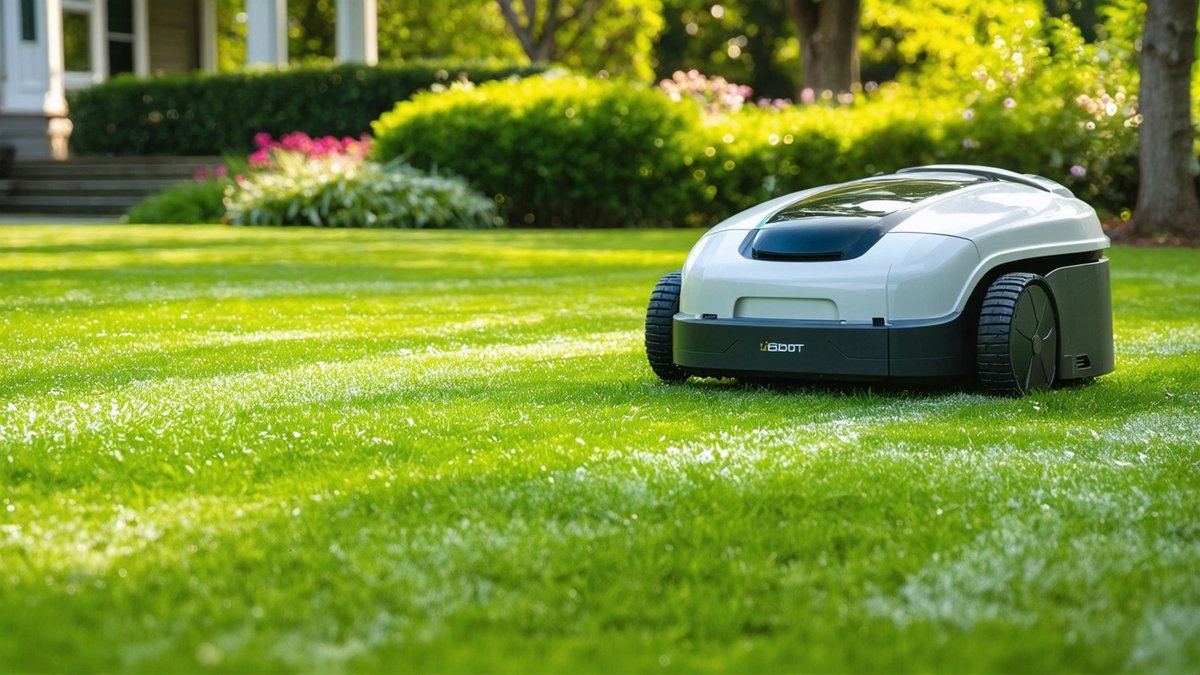
Robotic lawn mowers are revolutionizing how we maintain our lawns, but for manufacturers like Ldrobot, the path to dominance in this booming market isn’t without challenges. The company’s first post-IPO interim report reveals a tale of two worlds: a 35% year-over-year revenue surge driven by surging demand for smart mowing solutions, yet a startling swing into the red as investments in innovation and scaling operations outpace profits. For homeowners and commercial landscapers watching this space, these numbers signal both opportunity and caution.
## The Financial Snapshot: Growth Meets Growing Pains
Ldrobot’s latest figures paint a mixed picture. Revenue climbed to $128 million, fueled by a global push toward autonomous lawn mowers and a 22% increase in unit sales. However, the company reported a net loss of $19 million, a sharp departure from its pre-IPO profitability. Why the red ink? The report cites aggressive R&D spending on AI-driven mowing algorithms, supply chain overhauls to meet demand, and marketing campaigns to educate consumers about robot lawn mower benefits. Translation: Ldrobot is betting big on long-term dominance, even if it means short-term pain.
For context, competitors like Husqvarna’s Automower line and Robomow have also faced similar dilemmas. While Husqvarna leans on its legacy branding to justify premium pricing, smaller players like Ldrobot must spend heavily to carve out market share—a risky but often necessary strategy in a niche yet competitive sector.
## Why Are Robot Mowers a Double-Edged Sword?
The term “double-edged sword” in Ldrobot’s report hints at the balancing act between innovation and execution. For manufacturers, the technology’s complexity (think slicing-edge navigation systems and anti-entanglement blades) drives up production costs. Meanwhile, customers enjoy the convenience but occasionally grapple with setup hurdles or maintenance needs, which can strain support teams.
For homeowners, the duality plays out this way:
– **Pros**: Unmatched convenience, reduced labor costs, and eco-friendly electric operation.
– **Cons**: High upfront costs ($1,500–$5,000+), occasional technical glitches, and the need for boundary wire installation.
Professional landscapers eyeing fleet automation face their own trade-offs. While autonomous lawn mowers slash labor expenses and enable simultaneous job handling, they require upfront capital and staff training—a hurdle for smaller outfits.
## Strategic Moves: How Ldrobot Plans to Turn the Tide
Ldrobot isn’t sitting idle. The company announced several initiatives aimed at stabilizing its financials while accelerating growth:
– **Product Expansion**: A new mid-tier model targeting budget-conscious homeowners, expected to launch in Q2 2024.
– **AI Enhancements**: Upcoming software updates promise improved obstacle detection and weather adaptation, addressing common user pain points.
– **Partnerships**: Teaming with lawn care franchises to integrate robotic mowers into subscription-based services—a potential goldmine for commercial users.
These moves mirror strategies from industry leaders. For instance, John Deere’s acquisition of robotics startups has bolstered its automation offerings, while Samsung’s premium approach emphasizes app integration and voice control. Ldrobot’s focus on affordability and partnerships could help it stand out.
## Market Implications: What This Means for Buyers
For homeowners, Ldrobot’s missteps and competitors’ maneuvers all point to one thing: **the market is evolving rapidly**. Here’s how the report affects you:
– **Price Wars Ahead?**: As Ldrobot and others invest in cost-cutting, expect more affordable options to emerge—good news for budget buyers.
– **Tech Improvements**: Proliferation of AI-driven features (like adaptive mowing patterns) means future models will likely be smarter and more reliable.
– **Service Networks**: With losses mounting, companies may prioritize recurring revenue streams like maintenance plans, offering added perks for loyal customers.
For pros, the key takeaway is scalability. If Ldrobot’s partnerships with lawn services take off, it could set a precedent for how commercial operators adopt smart mowing at scale—potentially lowering barriers to entry for smaller businesses.
## Key Competitors and Market Position
Ldrobot isn’t the only player in this high-stakes game. Here’s how it stacks up against the competition:
– **Husqvarna Automower**: The gold standard for premium features but pricey ($3,000+).
– **Robomow**: Budget-friendly with solid performance but fewer smart integrations.
– **John Deere**: Leverages brand trust and farm-tech expertise for commercial users.
– **Ldrobot**: Aggressive pricing and AI focus but still proving reliability at scale.
While Ldrobot’s financial loss raises eyebrows, it’s worth noting that even established players like Husqvarna faced early losses before achieving profitability—a common arc in tech-driven industries.
### Bottom Line: Should You Buy the Hype (and a Robotic Mower)?
Ldrobot’s report is a microcosm of the robotic mower industry’s broader story: explosive demand colliding with execution challenges. For homeowners, it’s a buyer’s market in the making, with better, cheaper options on the horizon. For pros, the ROI on automation is increasingly clear, provided they’re ready to navigate the learning curve.
If you’re shopping now, don’t let Ldrobot’s losses deter you. Instead, compare specs (like cutting width, battery life, and app control) across brands and weigh warranty terms. As the market matures, today’s growing pains could become tomorrow’s standard features.
### ### Frequently Asked Questions
#### **What does Ldrobot’s financial loss mean for their products’ long-term availability?**
While concerning, losses are common for growth-stage companies. Ldrobot’s focus on R&D and partnerships suggests a commitment to staying in the market, even if profitability takes time.
#### **Are there any hidden risks in investing in a Ldrobot mower versus competitors?**
Ldrobot’s newer status means less long-term reliability data compared to Husqvarna or Robomow. However, its AI-driven features and lower price points could justify the risk for tech-savvy buyers.
#### **How will Ldrobot’s partnerships with lawn services affect consumers?**
Partnerships may lead to bundled services (e.g., maintenance plans) and more widespread adoption, potentially driving down costs and improving after-sales support for homeowners.
As the autonomous lawn mower market continues to evolve, staying informed about financial health and technological advances is key—for both consumers and companies. Keep an eye on Ldrobot’s next moves; they could shape your next mowing season.
Source: Original Article

Author: AI Mow
Ai Mow is the editorial team behind Ai Mower News, dedicated to bringing you the latest news, reviews, and insights on robotic lawn mowers and smart gardening technology.