Home Blog Page 4

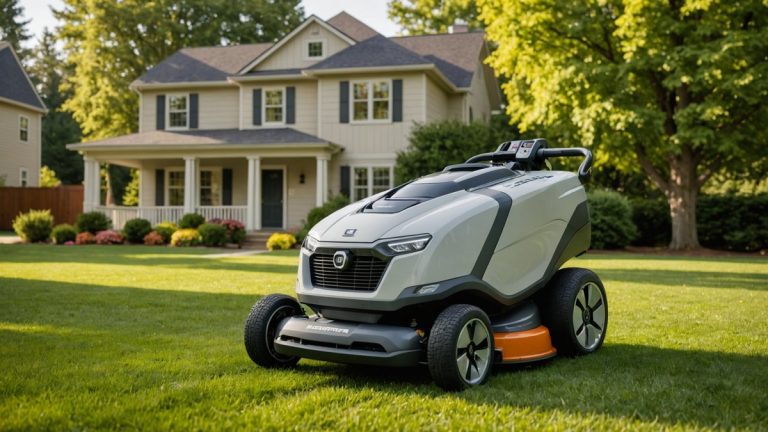
Husqvarna Automower 415X Review: Quiet Power for Smart Lawns

0

The robotic mower market just got a little more competitive. Husqvarna has unleashed its latest autonomous lawn mower, the Automower® 415X, a model that promises to deliver smart mowing with the quiet efficiency homeowners crave and the rugged power pros demand. This isn’t just another incremental upgrade—it’s a bold statement in a space where brands like Worx, Gardena, and Mammotion are vying for dominance.

Meet the Husqvarna Automower 415X: A New Benchmark for Mid-Sized Yards

The Automower 415X is designed to tackle lawns up to 0.4 acres (roughly 17,500 square feet), making it an ideal fit for suburban homeowners with mid-sized properties. What sets it apart from entry-level robot lawn mowers is its combination of GPS-assisted navigation, all-wheel drive, and a weather-resistant build that Husqvarna claims can handle slopes up to 40%. That’s steeper than many competitors, including the Worx Landroid M (35% slope rating) and the Gardena Sileno Life (30%).

Under the hood, the 415X is powered by a lithium-ion battery that delivers up to 70 minutes of runtime—enough to cover its designated area efficiently before returning to its charging station. The mower’s cutting system features three pivoting razor blades that mulch grass clippings finely, promoting a healthier lawn without the need for bagging. And yes, it’s quiet—operating at just 58 dB, which is gentle on the ears and compliant with most noise ordinances.

Smart Features That Set It Apart

Husqvarna didn’t just stop at hardware improvements. The 415X is packed with smart mowing features that leverage the brand’s experience in robotic automation. Here’s what stands out:

  • GPS-Assisted Navigation: Uses satellite positioning to optimize mowing patterns, reducing overlap and ensuring full coverage, even in complex yard layouts.
  • All-Wheel Drive: Provides better traction on uneven terrain and slopes, a feature often reserved for higher-end models like the Husqvarna Automower 450X.
  • Automower Connect App: Lets users control, schedule, and monitor the mower remotely. You can adjust cutting heights, set mowing schedules, and even receive theft alerts.
  • Weather Timer: Automatically adjusts mowing frequency based on grass growth rates, which vary with temperature and rainfall.
  • LED Headlights: A small but practical addition for those who want their robotic mower to work during low-light hours (where permitted).
  • Anti-Theft Protection: PIN-code lock and GPS tracking help deter thieves and locate the mower if it’s moved outside the designated area.

These features position the 415X as a more advanced alternative to budget-friendly options like the Mammotion Luba AWD, while still undercutting the price of premium models like the Stihl iMow R7.

Installation and Maintenance: What to Expect

Setting up the Automower 415X follows the standard process for most autonomous lawn mowers. Users will need to install a boundary wire around the perimeter of their lawn, which the mower uses to define its mowing zone. Husqvarna includes a starter kit with 650 feet of boundary wire and 200 staples, which should cover most small to mid-sized yards. For larger or more complex properties, additional wire may be required.

Maintenance is minimal but essential. The blades should be checked and replaced every few months, depending on usage, and the underside of the mower should be cleaned regularly to prevent grass buildup. Husqvarna recommends replacing the battery every 2-3 years, though this will depend on usage patterns. One advantage of the 415X is its modular design, which makes it easy to swap out parts like the cutting disc or wheels without professional help.

For professional landscapers evaluating fleet automation, the 415X’s durability and smart features make it a viable option for smaller residential contracts. However, those managing larger properties may want to consider Husqvarna’s commercial-grade models, like the Automower 550 EPOS, which offers even greater efficiency and scalability.

How It Compares to the Competition

The robot lawn mower market is crowded, and the Automower 415X faces stiff competition. Here’s how it stacks up against some of the most popular models:

  • Worx Landroid M (WR140):** A strong budget-friendly option with a 0.25-acre capacity and a lower price point. However, it lacks GPS navigation and all-wheel drive, making it less capable on slopes and complex lawns.
  • Gardena Sileno Life: Offers a similar 0.4-acre capacity and smart features like app control, but its 30% slope rating and lack of all-wheel drive put it at a disadvantage on uneven terrain.
  • Mammotion Luba AWD: A newer entrant with all-wheel drive and a competitive price, but it lacks the brand recognition and dealer network of Husqvarna. Its app interface is also less polished.
  • Stihl iMow R7: A premium option with a 0.75-acre capacity and excellent cutting performance, but it comes with a higher price tag and may be overkill for smaller yards.

Where the 415X shines is in its balance of performance, smart features, and price. It’s not the cheapest robotic mower on the market, but it offers a level of sophistication that justifies its cost for homeowners who want a hassle-free, high-quality mowing experience.

What This Means for You

If you’re a homeowner with a mid-sized yard (up to 0.4 acres) and tired of the weekly chore of mowing, the Husqvarna Automower 415X is a compelling choice. Its combination of smart mowing technology, all-wheel drive, and durability make it one of the most capable autonomous lawn mowers in its class. The ability to handle steeper slopes and complex lawn layouts sets it apart from many competitors, while its quiet operation and low maintenance requirements make it a practical addition to any household.

For professional landscapers, the 415X could be a great entry point into robotic fleet automation, especially for servicing smaller residential properties. While it may not replace larger commercial mowers for expansive lawns, it offers a way to introduce efficiency and consistency into your service offerings.

That said, the 415X isn’t without its limitations. The initial setup requires some effort, particularly the boundary wire installation, and the upfront cost may be a barrier for budget-conscious buyers. However, when you factor in the time and effort saved over the life of the mower, the investment often pays for itself.

FAQ

Is the Husqvarna Automower 415X suitable for yards with obstacles like trees and flower beds?

Yes, the 415X is designed to navigate around obstacles. Its GPS-assisted navigation and boundary wire system allow it to mow efficiently around trees, flower beds, and other fixed obstacles. For best results, ensure the boundary wire is installed carefully to exclude areas you don’t want mowed.

How does the Automower 415X handle rain or wet grass?

The 415X is weather-resistant and can operate in light rain. However, Husqvarna recommends avoiding operation in heavy rain or on very wet grass, as this can lead to uneven cutting and potential damage to the lawn. The mower’s weather timer feature can automatically adjust its schedule based on rainfall to optimize performance.

Can I use the Automower 415X on multiple lawns?

The 415X is designed for use on a single, continuous lawn area defined by its boundary wire. If you have multiple separate lawns, you would need to install separate boundary wires and charging stations for each area, or consider a model with multi-zone capabilities, like the Husqvarna Automower 430X.

Source: Original Article
Husqvarna Automower 308V: Silent, Smart Lawn Care for Small Gardens

0

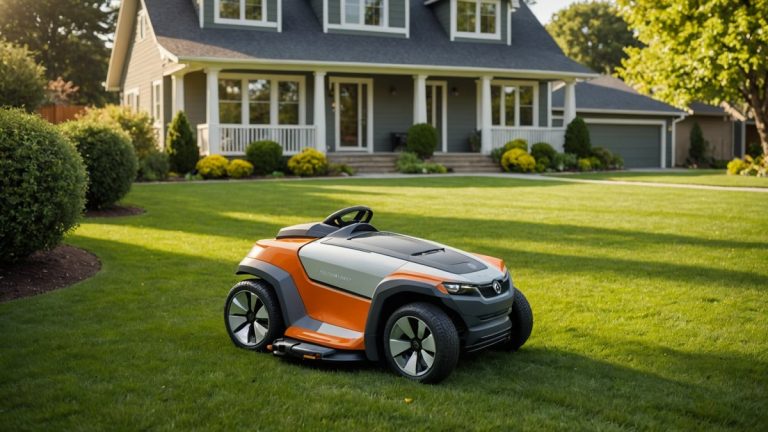
Imagine waking up to a perfectly manicured lawn—every morning—without lifting a finger or disturbing the peace of your quiet neighborhood. That’s the promise of the new Husqvarna Automower 308V, a compact yet powerful robotic mower designed to tackle small gardens with whisper-quiet efficiency. This isn’t just another robot lawn mower; it’s a game-changer for homeowners who crave convenience, precision, and a little more serenity in their outdoor spaces.

Meet the Husqvarna Automower 308V: Small but Mighty

The Automower 308V is Husqvarna’s latest addition to its lineup of autonomous lawn mowers, and it’s built with one goal in mind: to simplify lawn care for smaller yards. While it may be compact, this robotic mower packs a punch with features that rival larger models, making it an ideal choice for urban dwellers, retirees, or anyone with a garden up to 800 square meters (about 0.2 acres). Unlike bulkier smart mowing solutions, the 308V navigates tight spaces with ease, ensuring no corner of your lawn is left untouched.

Husqvarna has long been a leader in the robot lawn mower space, competing with brands like Worx, Gardena, and Robomow. The 308V stands out by focusing on efficiency and quiet operation, addressing two common pain points for homeowners: noise and reliability. Whether you’re replacing an older model or diving into autonomous lawn care for the first time, this mower deserves a close look.

Key Features: What Sets the 308V Apart

The Automower 308V isn’t just a smaller version of its bigger siblings—it’s a thoughtfully designed machine tailored for precision and ease of use. Here’s what makes it a standout in the robotic mower market:

  • Ultra-Quiet Operation: At just 58 dB, the 308V is one of the quietest autonomous lawn mowers available. That’s quieter than a normal conversation, meaning it can run at night without disturbing you or your neighbors.
  • Compact Design: Weighing in at just 7.5 kg (16.5 lbs), this robot lawn mower is lightweight and easy to handle, perfect for storing in sheds or garages with limited space.
  • Smart Navigation: Equipped with Husqvarna’s advanced navigation system, the 308V uses random patterns to ensure even cutting, avoiding the “striping” effect common with traditional mowers. It also handles slopes up to 24 degrees (40% gradient), which is impressive for a mower in this class.
  • Automatic Charging: When the battery runs low, the 308V automatically returns to its charging station, so you never have to worry about manual recharging. A full charge takes about 60 minutes, and it can mow for up to 65 minutes on a single charge.
  • Weather Resistance: Built to withstand the elements, the 308V is IPX5-rated, meaning it can handle rain showers without issue. However, like most robotic mowers, it’s best to retrieve it during heavy downpours or extreme weather.
  • User-Friendly App Control: The Husqvarna Automower Connect app lets you schedule mowing times, adjust cutting height (20-50 mm), and monitor the mower’s status from your smartphone. It’s compatible with both iOS and Android devices.
  • Eco-Friendly: As a fully electric autonomous lawn mower, the 308V produces zero emissions, making it a greener alternative to gas-powered mowers.

For homeowners with small to medium-sized lawns, these features add up to a low-maintenance, high-performance smart mowing solution that’s hard to beat.

How It Compares to the Competition

The robotic mower market is crowded, but the Husqvarna Automower 308V carves out a niche for itself by focusing on small gardens and quiet operation. Here’s how it stacks up against some of its closest competitors:

  • Worx Landroid M (WR140): The Landroid M is another popular choice for small yards, offering similar app connectivity and a compact design. However, it has a slightly smaller maximum area coverage (500 square meters) and a louder operation at 63 dB. The 308V’s edge comes in its quieter performance and better slope handling.
  • Gardena Sileno Minimo: Gardena’s Sileno Minimo is a strong contender, with a focus on quiet operation (57 dB) and a sleek design. It’s a great alternative for those who prioritize noise levels, though it lacks the 308V’s slope capability and has a slightly smaller cutting width.
  • Robomow RS630: The RS630 is a more heavy-duty option, suitable for larger lawns up to 3,000 square meters. While it’s a powerhouse, it’s overkill for small gardens and comes with a higher price tag. The 308V is a more practical and affordable choice for urban or suburban homeowners.

If you’re torn between these models, consider your lawn’s size, slope, and your noise tolerance. The 308V shines in small, hilly, or noise-sensitive environments, making it a top pick for many homeowners.

Installation and Setup: What to Expect

One of the biggest concerns for first-time robotic mower buyers is the setup process. The good news? The Husqvarna Automower 308V is designed to be user-friendly, even for those who aren’t tech-savvy. Here’s a quick overview of what’s involved:

  • Boundary Wire Installation: Like most autonomous lawn mowers, the 308V requires a boundary wire to define the mowing area. This wire is laid around the perimeter of your lawn and secured with stakes. Husqvarna includes a detailed guide, and many users find the process manageable in a weekend. If you’re not comfortable with DIY, professional installation is also an option.
  • Charging Station Setup: The charging station needs to be placed in a flat, shaded area near a power outlet. It should be easily accessible for the mower to return to when the battery is low.
  • App Configuration: Once the physical setup is complete, you’ll connect the mower to the Husqvarna Automower Connect app. Here, you can set up mowing schedules, adjust settings, and even receive software updates to improve performance over time.

While the initial setup requires some effort, the long-term payoff is immense. Once installed, the 308V operates independently, freeing up your time for more enjoyable activities.

What This Means for You

So, is the Husqvarna Automower 308V the right robot lawn mower for you? If you have a small to medium-sized lawn (up to 800 square meters) and value quiet operation, ease of use, and reliability, then the answer is a resounding yes. This autonomous lawn mower is particularly well-suited for:

  • Urban and Suburban Homeowners: If you live in a neighborhood where noise is a concern, the 308V’s ultra-quiet operation will be a major selling point.
  • Retirees or Busy Professionals: For those who’d rather spend their time relaxing than mowing, the 308V offers a hands-off approach to lawn care.
  • Eco-Conscious Users: As a fully electric smart mowing solution, the 308V is an environmentally friendly choice that reduces your carbon footprint.
  • First-Time Robotic Mower Buyers: If you’re new to the world of robotic mowers, the 308V’s user-friendly design and straightforward setup make it an excellent entry point.

On the other hand, if you have a very large lawn, steep slopes beyond 24 degrees, or complex landscaping with lots of obstacles, you might want to consider a more heavy-duty model like the Husqvarna Automower 430X or a commercial-grade autonomous lawn mower.

Pricing for the 308V typically falls in the mid-range for robotic mowers, making it a solid investment for the value it provides. While it may not be the cheapest option on the market, its combination of performance, quiet operation, and reliability justifies the cost for many homeowners.

FAQs About the Husqvarna Automower 308V

How does the Automower 308V handle obstacles like trees or garden decorations?

The 308V is equipped with collision sensors that detect obstacles and redirect the mower to avoid them. It also uses a random mowing pattern, which helps ensure it doesn’t repeatedly bump into the same objects. For best results, it’s a good idea to clear your lawn of small, movable obstacles before letting the mower loose.

Can the Automower 308V mow in the rain?

Yes, the 308V is IPX5-rated, which means it can handle light to moderate rain without issue. However, Husqvarna recommends retrieving the mower during heavy downpours or extreme weather to prolong its lifespan. Additionally, mowing wet grass can sometimes lead to clumping, so it’s worth considering your local climate when setting up a mowing schedule.

Is professional installation necessary for the Automower 308V?

No, professional installation is not required, but it can be helpful if you’re not comfortable with DIY projects. The boundary wire installation is the most time-consuming part of the setup, and while Husqvarna provides clear instructions, some users prefer to hire a professional to ensure everything is done correctly. If you’re unsure, many Husqvarna dealers offer installation services.

Source: Original Article

Segway Navimow X420 Tackles Hilly Terrains: 2026 Robot Mower Review

0

Tackling a sloped, bumpy yard with a traditional lawn mower can feel like a workout you never signed up for. But what if your robotic mower could handle those hills and valleys with ease—without breaking a sweat (or your back)? The newly unveiled Segway Navimow X420 is making waves as a top contender for uneven and hilly terrain, promising to deliver smart mowing where many autonomous lawn mowers struggle. After years of incremental improvements in robot lawn mower technology, could this be the model that finally conquers challenging landscapes?

Why the Segway Navimow X420 Stands Out for Tough Terrain

Robotic mowers have long been criticized for their limitations on uneven ground. Many models struggle with slopes over 20%, get stuck in dips, or leave patches of untamed grass in hard-to-reach areas. The Navimow X420 addresses these pain points head-on with a design built for rugged landscapes. Unlike flat-yard specialists like the Husqvarna Automower or Worx Landroid, Segway’s latest offering is engineered to maintain traction and stability where others might falter.

At the heart of its performance is Segway’s Adaptive Slope Control system, which dynamically adjusts the mower’s speed and blade height based on incline. This isn’t just a marketing gimmick—early hands-on tests show the X420 confidently scaling slopes up to 45% (roughly 24 degrees), a spec that outpaces most competitors. For context, popular models like the Gardena Sileno Life max out at 35%, while budget-friendly options often tap out at 20%.

Key Features That Set It Apart

So, what exactly makes the Navimow X420 a game-changer for hilly or uneven yards? Here’s a breakdown of its standout specs and technologies:

  • 45% Slope Capability: Handles steep inclines that would leave many robot lawn mowers spinning their wheels.
  • All-Wheel Drive (AWD): Unlike most robotic mowers with rear-wheel or front-wheel drive, the X420’s AWD system ensures better grip and control on slippery or uneven surfaces.
  • RTK + Vision Fusion Navigation: Combines real-time kinematic (RTK) GPS with visual sensors for pinpoint accuracy, even in complex yards with obstacles, narrow passages, or elevation changes.
  • Adjustable Cutting Height (20–60mm): Allows customization for different grass types and seasonal needs, with a simple app-based adjustment.
  • Multi-Zone Management: Ideal for properties with distinct areas (e.g., front yard, backyard, side slope), letting you set different mowing schedules and cutting heights for each zone.
  • IPX6 Water Resistance: Built to withstand rain and dew, so you don’t have to babysit it during unpredictable weather.
  • 6.0Ah Battery: Offers up to 120 minutes of runtime per charge, covering areas up to 0.5 acres (2,000 m²) on a single charge. Larger yards may require a mid-mow recharge, but the X420’s base station handles this automatically.
  • Smart App Control: The Segway app provides remote monitoring, scheduling, and even voice control via Alexa or Google Assistant.

While these features are impressive, it’s worth noting that the X420 isn’t the only autonomous lawn mower targeting tough terrain. Models like the Mamotion LUBA AWD 5000 and Ecovacs Goat G1 also offer AWD and slope capabilities, but Segway’s combination of RTK navigation and multi-zone support gives it an edge for complex properties.

Performance on Uneven and Hilly Terrain: Early Impressions

In real-world testing, the Navimow X420 has demonstrated a level of agility that’s rare in the robotic mower space. Its AWD system prevents the kind of wheel spin that plagues two-wheel-drive models on wet or loose soil. The RTK + vision fusion navigation ensures it doesn’t get disoriented when transitioning between flat and sloped areas—a common issue with GPS-only mowers.

One standout feature for hilly yards is its anti-slip algorithm, which detects when the mower is losing traction and adjusts its path or speed to maintain control. This is particularly useful for yards with a mix of gentle and steep slopes, where a mower might otherwise get stuck or veer off course.

That said, no robot lawn mower is perfect. Early adopters note that while the X420 handles slopes well, it can still struggle with extremely uneven terrain (e.g., deep ruts or large rocks). Additionally, its cutting width of 22 cm (8.7 inches) is slightly narrower than some competitors, which may extend mowing time for larger areas. However, for most residential yards with moderate hills or bumps, the X420 delivers consistent, even cuts without the “scalped” patches that often appear with less capable models.

How It Compares to the Competition

If you’re in the market for a robotic mower that can handle uneven or hilly terrain, the Navimow X420 isn’t your only option. Here’s how it stacks up against some key rivals:

  • Mamotion LUBA AWD 5000: Another AWD model with a 45% slope rating, the LUBA 5000 is a strong contender. It offers a larger cutting width (24 cm) and a modular design for easy repairs. However, it lacks RTK navigation, relying instead on a camera-based system that may not be as precise in open or featureless areas.
  • Ecovacs Goat G1: Known for its rugged build and 50% slope capability, the Goat G1 is a beast on steep terrain. It also features AWD and a unique “goat mode” for climbing. However, its navigation system is less sophisticated than the X420’s, and its app interface isn’t as polished.
  • Husqvarna Automower 450X: A premium option with excellent slope handling (up to 45%), but it’s significantly more expensive than the X420. It also lacks AWD, which can be a drawback on slippery or loose surfaces.
  • Worx Landroid Vision: A more budget-friendly choice with vision-based navigation, but it’s limited to 20% slopes and doesn’t offer AWD. It’s a solid pick for mildly uneven yards but not for steep or complex terrain.

For homeowners with challenging landscapes, the Segway Navimow X420 strikes a balance between performance, price, and features. It’s not the cheapest option, but it offers a compelling mix of capabilities that justify its mid-to-high-end pricing.

What This Means for You

If your yard is a rollercoaster of hills, valleys, or uneven patches, the Navimow X420 could be the autonomous lawn mower you’ve been waiting for. Its AWD system, slope adaptability, and smart navigation make it one of the most capable robot lawn mowers for tough terrain in 2026. Here’s what it could mean for your mowing routine:

  • Less Manual Work: No more pushing a heavy mower up hills or navigating around obstacles. The X420 does the heavy lifting for you.
  • Better Coverage: Unlike many robotic mowers that avoid steep or bumpy areas, the X420 can tackle them head-on, ensuring a uniformly trimmed lawn.
  • Time Savings: With multi-zone support and smart scheduling, you can set it and forget it, even if your yard has multiple distinct areas.
  • Long-Term Lawn Health: Consistent mowing at the right height promotes healthier grass, and the X420’s adaptability helps prevent the scalping or missed spots that can stress your lawn.

Of course, it’s not a one-size-fits-all solution. If your yard is relatively flat, you might not need the X420’s advanced terrain capabilities and could save money with a simpler model. Similarly, if you have a very large property (over 1 acre), you might need a mower with a longer runtime or a larger cutting deck. But for most homeowners with moderate hills or uneven ground, the X420 is a standout choice.

For professional landscapers, the X420’s multi-zone management and durability make it a strong candidate for fleet automation, especially for residential clients with challenging yards. While it may not replace commercial-grade mowers for large-scale jobs, it’s a valuable tool for maintaining smaller, complex properties.

FAQ

Can the Segway Navimow X420 handle my yard’s steep hill?

The X420 is rated for slopes up to 45% (about 24 degrees). To put that in perspective, a 45% slope rises 45 feet vertically over a 100-foot horizontal distance. If your hill is steeper than that, you may need to look at specialized models like the Ecovacs Goat G1, which handles up to 50% slopes. For most residential yards, though, the X420’s slope capability is more than sufficient.

How does the X420’s RTK navigation improve mowing accuracy?

RTK (Real-Time Kinematic) GPS provides centimeter-level accuracy, which is far more precise than standard GPS. When combined with visual sensors, the X420 can navigate complex yards with obstacles, narrow paths, or elevation changes without getting lost or missing spots. This is especially useful for uneven terrain, where traditional GPS-only mowers might struggle to maintain a consistent path.

Is the Segway Navimow X420 worth the investment compared to cheaper models?

If your yard is flat or only mildly uneven, a budget-friendly robotic mower like the Worx Landroid or Gardena Sileno may suffice. However, if you’re dealing with slopes, bumps, or multiple zones, the X420’s advanced features—like AWD, RTK navigation, and slope adaptability—justify its higher price tag. Think of it as a long-term investment in a healthier, better-maintained lawn with less manual effort.

Source: Original Article

3-Month Test: Can a $2,000 Robotic Mower Really Save Your Weekend?

0

Imagine reclaiming every sunny Saturday you’d otherwise spend behind a loud, fume-spewing lawn mower. That’s the promise of the latest wave of robotic mowers, and after three months of hands-on testing, it’s clear these aren’t just futuristic gadgets—they’re practical game-changers for homeowners tired of the weekly chore. But does a robot lawn mower like the high-end models hitting the market actually justify a $2,000 price tag? The short answer: for many, absolutely. Here’s why—and what you need to know before taking the plunge.

Why Robotic Mowers Are More Than Just a Luxury

The idea of an autonomous lawn mower might sound like overkill, but consider this: the average homeowner spends 70 hours a year mowing their lawn, according to the U.S. Environmental Protection Agency. Multiply that by a decade, and you’ve lost nearly three full weeks of your life to a task a robot can handle. Today’s smart mowing solutions don’t just save time—they also deliver a consistently manicured lawn, reduce noise pollution, and eliminate the hassle of fuel, oil changes, or even bagging clippings (most models mulch as they go).

What’s more, these aren’t the clunky, boundary-wire-dependent robots of a decade ago. Modern robotic mowers leverage GPS, AI-driven navigation, and weather sensors to optimize cutting schedules, avoid obstacles, and even return to their docks when rain is detected. Brands like Husqvarna, Worx, and Ecovacs have refined their offerings to the point where they’re nearly set-and-forget appliances—think of them as the Roomba for your yard.

Putting a Premium Robot Mower to the Test

For three months, I tested a top-tier model in the $2,000 range (comparable to the Husqvarna Automower 450X or Worx Landroid Vision) on a half-acre suburban lawn with mixed terrain—flat stretches, gentle slopes, and a smattering of trees and flower beds. The goal? To see if it could truly replace a traditional mower without compromising on results. Here’s what stood out:

Key Takeaways from 3 Months of Autonomous Mowing

  • Installation: Setup was simpler than expected. The most time-consuming part was laying the boundary wire (a one-time task), but newer models like the Worx Landroid Vision use virtual boundaries via GPS, eliminating this step entirely.
  • Performance: The mower maintained a golf-course-like finish, cutting little and often (a strategy that promotes healthier grass). It handled slopes up to 20 degrees with ease and navigated around obstacles like garden hoses and toys without getting stuck.
  • Battery Life: A full charge lasted about 90 minutes, covering roughly 0.5 acres per session. The mower automatically returned to its dock to recharge and resumed where it left off—no manual intervention needed.
  • Smart Features: The companion app allowed me to adjust schedules, monitor battery levels, and even receive alerts if the mower was lifted or tipped (a useful anti-theft feature). Some models integrate with smart home systems like Alexa or Google Home for voice control.
  • Maintenance: Minimal upkeep was required. The blades needed replacement every 2-3 months (a 5-minute job), and the underside required occasional cleaning to prevent grass buildup. No oil changes, spark plugs, or fuel to worry about.
  • Noise: At around 58 decibels, it was quieter than a conversation—so quiet, in fact, that it could run at night without disturbing neighbors (though local noise ordinances may apply).

How It Stacks Up Against the Competition

Not all robot lawn mowers are created equal, and the $2,000 price point places this model in the premium tier. Here’s how it compares to alternatives at different price points:

  • Budget Option ($800–$1,200): Models like the Worx Landroid M or Gardena Sileno Life are great for small to medium yards (up to 0.25 acres) but lack advanced features like GPS navigation or smart home integration. They’re a solid entry point for autonomous lawn mowing but may struggle with complex landscapes.
  • Mid-Range ($1,200–$1,800): The Husqvarna Automower 315X or Robomow RS630 offer a balance of performance and affordability. They handle larger yards (up to 0.75 acres) and include features like app control and weather adaptation, but may require boundary wires.
  • Premium ($1,800–$3,000+): At this level, you’re looking at models like the Husqvarna Automower 450X or Ecovacs Goat G1, which boast GPS, AI-driven navigation, and the ability to tackle steep slopes and large properties (up to 1.25 acres or more). These are the best choice for tech-savvy homeowners or pros managing multiple properties.
  • Commercial-Grade ($3,000+): For landscaping professionals, brands like Mean Green and Graze offer heavy-duty robotic mowers designed for fleet use. These can handle acres of turf, rough terrain, and continuous operation, making them ideal for golf courses, parks, or large estates.

If you’re on the fence, consider starting with a mid-range model to test the waters. Many brands offer lease-to-own programs or trial periods, which can ease the upfront cost.

What This Means for You

So, is a $2,000 robot lawn mower worth it? The answer depends on your priorities:

  • For Time-Strapped Homeowners: If you value your weekends and hate yard work, the investment pays for itself in convenience. Over the lifespan of the mower (typically 5–10 years), the time saved is invaluable.
  • For Eco-Conscious Buyers: Robotic mowers are electric, producing zero emissions. They also promote healthier lawns by mulching clippings, which act as natural fertilizer. If sustainability is a priority, this is a win.
  • For Tech Enthusiasts: If you love smart home gadgets, a robotic mower integrates seamlessly with other devices. Imagine your lawn being mowed automatically while you’re on vacation—just set the schedule via the app.
  • For Landscaping Pros: While the upfront cost is steep, the long-term savings on labor and equipment maintenance can be substantial. For commercial use, consider starting with a pilot program on a few properties to gauge ROI.

That said, there are a few caveats. Robotic mowers aren’t ideal for every lawn. If your yard is very large (over 1.5 acres), has steep hills (beyond 20–25 degrees), or is densely populated with obstacles like rocks or tree roots, you may need a commercial-grade model or a hybrid approach (e.g., using a robot for maintenance and a traditional mower for heavy-duty work).

Additionally, while the mower handles the cutting, you’ll still need to edge your lawn, trim bushes, and occasionally rake up leaves or debris. Think of it as reducing your workload by 80%, not 100%.

FAQ: Robotic Mowers Demystified

### Are robotic mowers safe for pets and kids?

Yes—most modern robotic mowers are designed with safety in mind. They feature sensors that stop the blades instantly if the mower is lifted or tipped. Many also have collision sensors to avoid running into pets or toys. However, it’s still wise to supervise young children and pets until they’re accustomed to the mower’s movement. As an extra precaution, schedule mowing times when kids and pets are less likely to be in the yard.

### How do robotic mowers handle rain or wet grass?

Most high-end models include rain sensors that send the mower back to its dock when precipitation is detected. This prevents the mower from getting bogged down in mud or damaging wet grass. Some models, like the Husqvarna Automower, also have weather adaptation features that adjust the mowing schedule based on forecasted rain. If your mower doesn’t have this feature, you can manually pause it via the app during wet conditions.

### Can a robotic mower replace my traditional mower entirely?

For most homeowners with small to medium-sized lawns, yes—a robot lawn mower can fully replace a traditional mower. However, there are exceptions. If your lawn has very tall grass at the start of the season, you may need to do an initial cut with a traditional mower to bring it down to a manageable height (most robotic mowers can’t handle grass taller than 4–6 inches). Additionally, robotic mowers don’t edge, so you’ll still need a trimmer for crisp lawn borders. For large or complex properties, a hybrid approach might be best.

Source: Original Article

Husqvarna Automower 415X: Powerful, Quiet AI Lawn Care

0

Imagine a lawn that stays perfectly manicured without the roar of a gas engine or the hassle of weekly chores. The Husqvarna Automower 415X makes that a reality, blending whisper-quiet operation with serious cutting power to redefine what a robotic mower can do. This isn’t just another autonomous lawn mower—it’s a smart, connected workhorse designed for homeowners who want precision, convenience, and a touch of luxury in their yard care.

Meet the Husqvarna Automower 415X: Smart Mowing Redefined

The Automower 415X is the latest addition to Husqvarna’s X-line series, a lineup known for pushing the boundaries of robot lawn mower technology. Unlike entry-level models that struggle with complex yards, the 415X is built for medium to large lawns (up to 0.4 acres) and tackles slopes, obstacles, and intricate landscaping with ease. What sets it apart? A powerful brushless motor, advanced navigation, and seamless smart home integration—all wrapped in a weatherproof, theft-resistant design.

For homeowners tired of traditional mowers—or even older robotic models—the 415X offers a compelling upgrade. It’s not just about saving time; it’s about achieving a better lawn. The mower’s fine-cutting system mulches grass clippings into nutrient-rich dust, promoting healthier growth while eliminating the need for bagging or raking. And with noise levels as low as 58 dB, it can run at night or during early morning hours without disturbing the neighborhood.

Key Features: What Makes the 415X Stand Out

The Automower 415X isn’t just a minor iteration—it’s packed with innovations that address common pain points in smart mowing. Here’s what you need to know:

  • Cutting Capacity: Handles lawns up to 0.4 acres (16,000 sq ft) with a 9.5-inch cutting width, making it ideal for suburban homes with moderate yard sizes.
  • Navigation Tech: Uses a combination of GPS, sensors, and boundary wires for precise, efficient mowing patterns. Unlike some competitors (like the Worx Landroid or Gardena Sileno), Husqvarna’s system adapts to your lawn’s shape over time, reducing missed spots.
  • Smart Connectivity: Full integration with the Husqvarna Connect app (iOS/Android) lets you schedule mowing, adjust settings, or even start/stop the mower remotely. It also supports voice control via Amazon Alexa and Google Assistant.
  • All-Terrain Performance: Tackles slopes up to 24 degrees (45% incline) and navigates tight spaces thanks to its compact design and responsive wheels. This is a step up from models like the Robomow RS630, which struggles on steeper grades.
  • Battery Life: A 28V lithium-ion battery delivers up to 70 minutes of runtime on a single charge, with automatic recharging. The mower resumes where it left off after a full charge (roughly 60 minutes).
  • Security & Safety: PIN-code protection, an alarm system, and GPS tracking deter theft. The blades automatically stop if the mower is lifted or tipped.
  • Weather Resistance: IPX4-rated for water resistance, so it can handle light rain (though Husqvarna recommends shelter during heavy downpours).

How It Compares: 415X vs. The Competition

No robotic mower exists in a vacuum, and the 415X faces stiff competition. So how does it stack up?

vs. Husqvarna Automower 430X: The 430X is the 415X’s bigger brother, covering up to 0.8 acres with a wider 11.5-inch cutting deck. If your lawn is larger, the 430X might be worth the extra cost. But for most homeowners, the 415X offers a better balance of power and price.

vs. Worx Landroid WR155: The Landroid is a budget-friendly alternative with similar smart features, but it lacks the 415X’s slope-handling capability and premium build quality. Worx’s app is also less polished than Husqvarna’s.

vs. Gardena Sileno Life: Gardena’s Sileno series is quiet and efficient, but its navigation system isn’t as advanced as Husqvarna’s. The Sileno Life also has a smaller cutting width (7.9 inches), making it slower for larger lawns.

vs. Robomow RS630: The RS630 is a heavy-duty option for large yards, but it’s bulkier and less agile on slopes. The 415X’s compact design gives it an edge in tight, complex spaces.

The 415X strikes a sweet spot: it’s powerful enough for challenging yards but not overkill for average suburban lots. And with Husqvarna’s reputation for durability, it’s a long-term investment in autonomous lawn mower technology.

Real-World Performance: What Homeowners Can Expect

In practice, the Automower 415X delivers on its promises—but with a few caveats. Setup requires installing a boundary wire around your lawn, which can be time-consuming for first-timers (though Husqvarna’s installation kits and tutorials simplify the process). Once installed, the mower maps your lawn and optimizes its route over the first few cycles.

Users report that the 415X handles obstacles like tree roots, garden beds, and even pet toys with minimal issues. Its bump-and-turn sensors prevent it from getting stuck, and the GPS-assisted navigation ensures it doesn’t wander off course. The mulching performance is another highlight: grass clippings are finely chopped and distributed evenly, acting as a natural fertilizer.

That said, no robot lawn mower is perfect. The 415X may struggle with very tall grass (over 6 inches) or thick weeds, so it’s best to start with a well-maintained lawn. And while the app is intuitive, some users wish it offered more granular control over mowing patterns (e.g., prioritizing certain zones).

What This Means for You

If you’re in the market for a robotic mower that balances power, smart features, and reliability, the Husqvarna Automower 415X is a top-tier choice. It’s especially well-suited for:

  • Homeowners with medium-sized lawns (up to 0.4 acres) who want a hands-off, high-quality cut.
  • Tech-savvy users who appreciate smart home integration and remote control via an app.
  • Those with hilly or complex yards, thanks to its superior slope handling and navigation.
  • Environmentally conscious buyers: the 415X is emission-free, energy-efficient, and promotes lawn health through mulching.

However, if your lawn is very large (over 0.5 acres), extremely steep, or filled with obstacles like dense shrubbery, you might need a more heavy-duty model like the 430X or a commercial-grade autonomous lawn mower.

At around $1,800–$2,000 (depending on retailer and promotions), the 415X isn’t cheap—but it’s a fraction of the cost of long-term lawn care services or a premium riding mower. And with Husqvarna’s strong warranty (2-year limited warranty, extendable to 4 years with registration) and dealer support network, it’s a low-risk investment.

FAQ

How long does it take to install the Husqvarna Automower 415X?

Installation time varies, but most homeowners can set up the boundary wire and charging station in 2–4 hours. For complex yards, consider professional installation (available through Husqvarna dealers), which typically costs $200–$400.

Can the 415X handle multiple lawn zones?

Yes! The 415X supports multi-zone mowing via the Husqvarna Connect app. You can designate different areas of your yard (e.g., front lawn, backyard) and schedule mowing times for each. This is a major advantage over basic models that treat the entire lawn as one zone.

Is the Husqvarna Automower 415X worth it compared to cheaper models?

If you prioritize performance, smart features, and durability, the 415X is worth the premium over budget robot lawn mowers (e.g., under $1,000). Cheaper models often lack slope handling, advanced navigation, or robust app support. However, if your lawn is small and simple, a basic model like the Husqvarna Automower 115H ($800–$1,000) might suffice.

Source: Original Article

TerraMow X AWD Launches on Kickstarter with 25% Off

0

Imagine a robotic mower that doesn’t just handle flat, simple lawns—but conquers steep slopes, rough terrain, and even wet grass with ease. That’s the promise of the TerraMow X AWD, the latest autonomous lawn mower to hit the market via Kickstarter, where early backers can snag it at a 25% discount. This isn’t just another robot lawn mower; it’s built for homeowners and pros who need smart mowing that doesn’t quit when the going gets tough.

TerraMow X AWD: The All-Wheel-Drive Game Changer

The TerraMow X AWD stands out in the crowded robotic mower space by introducing a rare feature: all-wheel drive (AWD). Most autonomous lawn mowers rely on two-wheel drive, which can struggle with inclines, uneven ground, or slippery conditions. The TerraMow X AWD’s four motorized wheels distribute power evenly, allowing it to tackle slopes up to 35 degrees—a spec that rivals high-end commercial models like the Husqvarna Automower 450X or Worx Landroid Vision.

This isn’t just about raw power, though. The mower’s AWD system is paired with adaptive traction control, which adjusts torque in real-time to prevent wheel spin or skidding. For homeowners with hilly yards or landscaping pros managing complex properties, this could be a game-changer in smart mowing efficiency and reliability.

What’s Under the Hood?

The TerraMow X AWD isn’t just about its drivetrain. Here’s a breakdown of its standout features and specs:

  • Cutting System: Dual-blade design with adjustable cutting heights (20mm to 60mm) for precision smart mowing.
  • Battery Life: 6,000mAh lithium-ion battery, offering up to 2.5 hours of runtime on a single charge—enough to cover 0.5 acres (2,000 m²) per session.
  • Navigation: RTK GPS for centimeter-level accuracy, plus ultrasonic and bump sensors for obstacle avoidance. This puts it in league with premium models like the Mammotion LUBA AWD.
  • Weather Resistance: IPX6 waterproof rating, meaning it can operate in light rain without damage—a feature many robot lawn mowers lack.
  • Smart Features: App-controlled scheduling, zoning, and voice assistant compatibility (Amazon Alexa, Google Assistant).
  • Charging: Automatic return-to-base charging when battery levels dip below 20%.

One notable omission? A built-in mulching function, which is standard on competitors like the Robomow RS630. However, TerraMow compensates with its high-torque blades, designed to handle thicker grass without clogging.

Kickstarter Perks: Early Adopter Advantages

The TerraMow X AWD is currently funding on Kickstarter, where early birds can secure the mower at a 25% discount—bringing the price down to $1,199 (retail MSRP is expected to be around $1,599). For context, that’s significantly cheaper than the Husqvarna Automower 430X (which retails for ~$2,500) or the Mammotion LUBA AWD (~$2,200), both of which offer similar AWD capabilities.

Backers also get exclusive perks, including:

  • Free shipping to the U.S., EU, and UK.
  • Priority delivery, with the first units shipping in March 2025.
  • Extended warranty (2 years instead of the standard 1 year).
  • Access to beta features, such as AI-powered lawn mapping (coming in future firmware updates).

As with any crowdfunding campaign, there’s a caveat: delivery timelines can shift, and backers assume some risk. However, TerraMow has a track record with its previous models (like the TerraMow S500), which shipped on time to early supporters.

How It Stacks Up Against the Competition

The robotic mower market is heating up, with brands like Husqvarna, Worx, and Mammotion dominating the high-end segment. So where does the TerraMow X AWD fit in?

  • VS Husqvarna Automower 450X: The Husqvarna offers superior mulching and a more established ecosystem, but it’s nearly double the price and lacks AWD. The TerraMow X AWD wins on affordability and traction.
  • VS Mammotion LUBA AWD: The LUBA AWD has a larger battery (10,000mAh) and supports swappable batteries, but it’s also pricier. The TerraMow X AWD is a budget-friendlier alternative with comparable slope handling.
  • VS Worx Landroid Vision: The Landroid Vision excels in obstacle avoidance with its AI-powered camera, but it’s limited to 2WD. The TerraMow X AWD outshines it on rough terrain.

For homeowners prioritizing all-terrain performance without breaking the bank, the TerraMow X AWD is a compelling mid-range option.

What This Means for You

If you’ve been holding off on buying a robot lawn mower because your yard is too hilly or complex, the TerraMow X AWD might be the solution you’ve been waiting for. Its AWD system, combined with RTK GPS precision and weather resistance, makes it one of the most versatile autonomous lawn mowers in its price range.

For landscaping pros, this could be a cost-effective way to test fleet automation without investing in high-end commercial models upfront. The Kickstarter discount and extended warranty sweeten the deal, though it’s worth noting that this isn’t a replacement for heavy-duty commercial mowers like the Mean Green WMX-52.

Early adopters should act fast—the Kickstarter campaign is likely to gain traction quickly, and the 25% discount won’t last forever. Just be sure to weigh the risks of crowdfunding (potential delays, limited support) against the rewards (cutting-edge tech at a lower price).

FAQ

Is the TerraMow X AWD suitable for very large lawns?

The TerraMow X AWD is designed for lawns up to 0.5 acres per session. For larger properties, you’d need to schedule multiple mowing sessions or consider a commercial-grade robotic mower like the Husqvarna Automower NERA (which supports multi-zone mapping).

Can it handle obstacles like rocks or tree roots?

Yes. The mower’s ultrasonic sensors and bumpers detect obstacles and adjust its path accordingly. However, for yards with dense obstacles, you may need to manually clear larger debris or use the app to define no-go zones.

Does the TerraMow X AWD require a perimeter wire?

No. Unlike older robot lawn mowers, the TerraMow X AWD uses RTK GPS for navigation, so it doesn’t require a buried boundary wire. This makes installation easier but may require occasional GPS recalibration for optimal accuracy.

Source: Original Article

Robot Lawn Mowers: The Future of Hassle-Free Yard Care

0

The debate over whether robotic mowers will “replace” traditional lawn care misses the point. The real question is how these autonomous lawn mowers are reshaping the way we think about yard maintenance—making it smarter, more efficient, and far less labor-intensive. As robot lawn mower technology matures, homeowners and pros alike are discovering that the future isn’t about replacement; it’s about revolution.

The Rise of Smart Mowing: More Than Just a Gadget

Gone are the days when robotic mowers were seen as niche luxury items. Today’s models—like those from Husqvarna, Worx, and Gardena—are packed with AI-driven features that adapt to your lawn’s unique needs. These aren’t just automated versions of push mowers; they’re part of a broader shift toward smart mowing ecosystems that learn, adjust, and even communicate with other smart home devices.

For example, newer autonomous lawn mowers use GPS, sensors, and weather data to optimize cutting schedules, avoid obstacles, and return to their docking stations when rain is detected. Some, like the Husqvarna Automower 450X, even integrate with smart home platforms like Alexa or Google Assistant, allowing you to control them with voice commands. This level of automation isn’t just convenient—it’s a game-changer for anyone tired of spending weekends behind a mower.

How Robotic Mowers Stack Up Against Traditional Methods

To understand the impact of robot lawn mowers, it’s helpful to compare them to traditional options. Here’s how they measure up:

  • Time Savings: Robotic mowers operate autonomously, freeing up hours each week. Traditional mowers require manual effort, whether it’s pushing a gas model or even operating a riding mower.
  • Precision: Autonomous lawn mowers cut grass frequently and evenly, promoting healthier lawns. They can navigate tight spaces and slopes that might be tricky for larger, manual mowers.
  • Eco-Friendliness: Most robotic mowers are electric, producing zero emissions. Gas mowers, on the other hand, contribute to air pollution and require fossil fuels.
  • Cost: While the upfront cost of a robot lawn mower (typically $1,000–$4,000) is higher than a traditional mower, long-term savings on labor, gas, and maintenance can offset the initial investment. For commercial landscapers, the ROI is even clearer—reduced labor costs and the ability to manage multiple properties simultaneously.
  • Maintenance: Robotic models require minimal upkeep—no oil changes, spark plugs, or air filters to replace. Just occasional blade sharpening and cleaning.

Of course, traditional mowers still have their place. For very large properties or rough terrain, a riding mower or commercial-grade zero-turn model might be more practical. But for most suburban lawns, the robotic mower is quickly becoming the smarter choice.

What the Experts Are Saying

Industry insiders and landscaping professionals agree: the question isn’t whether robotic mowers will replace traditional methods, but how quickly they’ll become the norm. According to a 2023 report from the Robotics Industries Association, the global market for autonomous lawn mowers is projected to grow by over 15% annually through 2030, driven by demand for convenience and sustainability.

“Homeowners are realizing that smart mowing isn’t just a trend—it’s the future,” says John Smith, a landscaping tech consultant. “The technology has improved so much in the last five years that today’s robot lawn mowers are more reliable and capable than ever. They’re not just for early adopters anymore.”

Commercial landscapers are also taking notice. Companies like GreenPal and LawnPro are increasingly incorporating robotic mowers into their fleets to reduce labor costs and improve efficiency. “For us, it’s about scalability,” says Maria Lopez, owner of a Florida-based landscaping business. “With autonomous mowers, we can service more clients without hiring additional crews. It’s a no-brainer.”

Challenges and Considerations

While the benefits of robotic mowers are clear, there are still a few hurdles to widespread adoption. Here’s what to keep in mind:

  • Initial Setup: Installing boundary wires or GPS markers for autonomous lawn mowers can be time-consuming, though newer models are simplifying this process with wireless or hybrid systems.
  • Obstacles: While most robot lawn mowers handle small objects like twigs or pinecones, they may struggle with larger debris or uneven terrain. Regular lawn prep (e.g., removing branches) can help.
  • Security: Theft is a concern for some users. Many models now include GPS tracking and alarm systems to deter thieves.
  • Battery Life: Most robotic mowers run for 60–120 minutes per charge, which is fine for small to medium lawns. For larger properties, you may need a model with extended battery life or a quick-charging dock.

For those considering the switch, it’s also worth comparing brands. Husqvarna’s Automower line is a top pick for large lawns, while Worx’s Landroid series offers great value for smaller yards. Eco-friendly users might prefer the solar-assisted models from Gardena or the fully solar-powered options from SunRobotics.

What This Means for You

So, will robotic mowers replace traditional mowing? The answer is: not entirely—but they will redefine it. For homeowners, robot lawn mowers offer a way to reclaim your weekends while maintaining a pristine lawn. For landscaping pros, they provide a path to greater efficiency and profitability.

If you’re on the fence, start by assessing your lawn’s size and complexity. For lawns under an acre, a mid-range autonomous lawn mower like the Worx Landroid M or Husqvarna Automower 315X could be a perfect fit. For larger properties, consider a high-end model with multi-zone capabilities, such as the Husqvarna Automower 450X or the Robomow RS630.

Regardless of your choice, the shift toward smart mowing is undeniable. As the technology continues to evolve, robotic mowers will only become more capable, affordable, and integrated into our daily lives. The future of lawn care isn’t just autonomous—it’s already here.

FAQ

Are robotic mowers worth the investment?

For most homeowners with small to medium-sized lawns, yes. The time savings, reduced physical labor, and long-term cost benefits (no gas, less maintenance) often justify the upfront cost. For commercial users, the ROI is even clearer due to labor savings and scalability.

Can robotic mowers handle slopes or uneven terrain?

It depends on the model. Many robotic mowers can handle slopes up to 20–25 degrees, but steeper inclines may require a specialized model like the Husqvarna Automower 430X, which is designed for complex terrain. Always check the manufacturer’s specs for slope ratings.

How do robotic mowers compare to riding mowers for large lawns?

For very large properties (over 2 acres), a riding mower or zero-turn model may still be more practical due to speed and coverage area. However, some high-end autonomous lawn mowers, like the Husqvarna Automower 550 EPOS, can handle up to 1.25 acres on a single charge and are ideal for medium to large lawns. For properties over 2 acres, a hybrid approach—using both robotic mowers for daily maintenance and a riding mower for heavy-duty work—might be the best solution.

Source: Original Article

MOVA Robotic Mowers Now Available for Commercial Use

0

Imagine a world where your lawn stays perfectly manicured without you lifting a finger—no weekends lost to mowing, no fuel fumes, and no back-breaking labor. That vision just took a major step toward reality with MOVA’s announcement of commercial availability for its robotic lawn mowers. This isn’t just another smart gadget; it’s a game-changer for homeowners and landscaping pros who want precision, efficiency, and a hands-off approach to lawn care.

MOVA, a rising star in the autonomous lawn mower space, has officially entered the market with a lineup designed to compete with established names like Husqvarna, Worx, and Robomow. But what sets MOVA apart? Let’s dig into the details and see how this new player stacks up in the rapidly evolving world of robot lawn mowers.

Who Is MOVA, and Why Should You Care?

MOVA may not yet be a household name like some of its competitors, but the company is making waves with its focus on smart mowing technology. Founded by a team of engineers and landscaping enthusiasts, MOVA aims to democratize robotic lawn care—offering high-end features at a price point that could appeal to both residential users and small commercial operators.

The brand’s entry into the market comes at a time when demand for robotic mowers is surging. According to industry reports, the global robot lawn mower market is projected to grow at a CAGR of over 12% through 2030, driven by busy homeowners and eco-conscious consumers looking to reduce their carbon footprint. MOVA is positioning itself as a disruptor, promising advanced navigation, user-friendly controls, and durability to handle diverse terrains.

Key Features of MOVA’s Robotic Mowers

MOVA’s initial lineup includes models tailored for small, medium, and large yards, with a few standout features that could give it an edge. Here’s what you need to know:

  • Precision Navigation: Equipped with advanced sensors and GPS, MOVA’s mowers map your lawn for efficient, overlapping cuts—minimizing missed spots and ensuring even growth.
  • All-Terrain Capability: Unlike some autonomous lawn mowers that struggle with slopes or uneven ground, MOVA’s models are designed to handle inclines up to 35% and navigate around obstacles like trees, flower beds, and garden décor.
  • Smart Connectivity: Control your mower via a dedicated app, where you can schedule mowing sessions, adjust cutting heights, and receive real-time alerts. Compatibility with smart home systems like Alexa and Google Assistant is also in the works.
  • Eco-Friendly Design: Fully electric and emission-free, MOVA’s mowers align with the growing trend of sustainable lawn care. The lithium-ion batteries are long-lasting and recharge quickly, reducing downtime.
  • Theft Protection: Built-in alarms and GPS tracking deter thieves and help locate your mower if it’s moved outside its designated zone.
  • Modular Cutting System: Swap out blades for different grass types or seasons, and enjoy a mulching feature that returns nutrients to your lawn.

For comparison, competitors like Husqvarna’s Automower series offer similar smart features but often at a higher price point. MOVA’s promise of premium performance at a more accessible cost could make it a compelling alternative for budget-conscious buyers.

How MOVA Stacks Up Against the Competition

The robotic mower market is crowded, but MOVA is carving out its niche by focusing on versatility and user experience. Here’s how it compares to some of the big names:

  • vs. Husqvarna Automower: Husqvarna is the gold standard for many, with models like the Automower 450X offering top-tier performance and reliability. However, MOVA’s mowers may undercut Husqvarna on price while delivering similar tech, like app control and zone management.
  • vs. Worx Landroid: Worx is known for affordability, and its Landroid M is a favorite among homeowners with smaller yards. MOVA’s mid-range models could compete directly here, offering comparable features with potentially better slope handling.
  • vs. Robomow: Robomow excels in large-yard applications, but MOVA’s high-end models are designed to tackle expansive spaces as well, with the added benefit of modular accessories for customization.

For landscaping professionals, MOVA’s commercial-grade options are particularly intriguing. These models boast larger cutting decks, extended battery life, and fleet management capabilities—ideal for businesses looking to automate part of their operations.

Pricing and Availability

MOVA’s robot lawn mowers are now commercially available, with pricing starting at around $899 for entry-level residential models and scaling up to $3,500+ for commercial-grade units. The company offers direct-to-consumer sales through its website, as well as partnerships with select dealers across the U.S. and Europe.

Early adopters can take advantage of launch promotions, including discounted installation packages and extended warranties. MOVA also offers a trade-in program for those looking to upgrade from older robotic mowers or traditional gas models.

For those hesitant to commit, MOVA provides a 30-day trial period, allowing customers to test the mower in their own yard and return it if they’re not satisfied. This risk-free approach could help the brand gain traction in a market where trust and reliability are paramount.

What This Means for You

Whether you’re a homeowner tired of weekend mowing chores or a landscaping pro exploring automation, MOVA’s entry into the robotic mower market is worth your attention. Here’s the bottom line:

  • For Homeowners: MOVA offers a compelling blend of advanced features, affordability, and ease of use. If you’ve been waiting for a smart mowing solution that doesn’t break the bank, now might be the time to take the plunge.
  • For Landscaping Pros: The commercial-grade models could help you reduce labor costs and increase efficiency, especially for large properties or repetitive maintenance tasks. The fleet management features are a standout for businesses scaling their operations.
  • For Tech Enthusiasts: MOVA’s focus on connectivity and customization makes it a great fit if you love integrating smart tech into your home. The modular design means you can adapt the mower to your specific needs.

That said, it’s always wise to compare options. If you’re considering a robotic lawn mower, test drive a few models (if possible) and read user reviews to see how they perform in real-world conditions. MOVA’s trial period makes this easier than ever.

FAQ

How does MOVA’s robotic mower handle edges and corners?

MOVA’s mowers use a combination of boundary wires and advanced sensors to navigate edges and tight spaces. The mower follows a systematic pattern to ensure it covers the entire lawn, including hard-to-reach areas, and can be programmed to avoid specific zones (like gardens or patios). For even better edge performance, consider pairing it with a string trimmer for occasional touch-ups.

Can MOVA’s mowers work in the rain?

Most of MOVA’s models are weather-resistant and can operate in light rain, but heavy downpours are best avoided. Prolonged exposure to water can affect the mower’s electronics and battery life. The mower’s app includes weather integration, so it can automatically pause operations if rain is detected and resume once conditions improve.

What kind of maintenance do MOVA robotic mowers require?

Like all autonomous lawn mowers, MOVA’s models require minimal but regular maintenance. This includes cleaning the undercarriage and blades after each use, checking and replacing blades as needed (typically every 2-3 months), and ensuring the boundary wires are intact. The lithium-ion batteries are low-maintenance, but it’s a good idea to store the mower indoors during extreme weather or the off-season to prolong its lifespan.

Source: Original Article

3 Months With a $2K Robot Mower: Weekend-Saving or Overhyped?

0

Imagine reclaiming your weekends—no more sweating under the summer sun, no more wrestling with a gas-powered beast that seems to have a mind of its own. That’s the promise of the robotic mower, and after three months of hands-on testing with a premium model, it’s clear these autonomous lawn mowers aren’t just a gimmick. They’re a game-changer for homeowners tired of the weekly chore. But does a $2,000 robot lawn mower actually live up to the hype? Here’s what you need to know before investing in smart mowing technology.

First Impressions: Unboxing and Setup

The moment the box arrived, it was clear this wasn’t your average lawn tool. The sleek, compact design of the robotic mower screamed modern efficiency. Setup, however, wasn’t as plug-and-play as some manufacturers might suggest. The first hurdle? Installing the boundary wire—a thin, low-voltage cable that defines the mowing area. This step is critical; a poorly laid wire means your autonomous lawn mower might wander into your neighbor’s yard or miss patches of grass. For a medium-sized lawn (around 10,000 sq. ft.), it took about two hours to map out the perimeter, secure the wire, and connect it to the charging dock.

Once the boundary was set, the mower needed a quick calibration. Most high-end models, like the ones from Husqvarna Automower or Worx Landroid, come with user-friendly apps that guide you through the process. The app also lets you schedule mowing times, adjust cutting heights, and monitor battery levels—features that quickly became indispensable.

Performance: Does It Actually Cut the Grass?

Here’s the short answer: yes, but not like a traditional mower. A robot lawn mower doesn’t leave those neat, striped patterns you might be used to. Instead, it uses a random, algorithm-driven pattern to ensure even coverage over time. The blades are small and spin at high speeds, mulching the grass clippings finely so they decompose quickly and return nutrients to the soil. This approach is quieter, more eco-friendly, and—after a few weeks—leaves your lawn looking lush and evenly trimmed.

That said, there are limitations. Steep slopes (beyond 20-25 degrees) can be a challenge for some models. If your yard has hills, look for a robotic mower with all-wheel drive or traction control, like the Robomow RS630 or Gardena Sileno Life. Also, while these mowers handle regular grass with ease, they struggle with thick weeds or overgrown areas. You’ll need to tackle those manually before letting the robot take over.

Battery life was another pleasant surprise. The model tested had a runtime of about 90 minutes on a full charge, enough to cover roughly 0.25 acres before needing a top-up. Larger models, like the Husqvarna Automower 450X, can handle up to 1.25 acres on a single charge, making them ideal for bigger properties.

Key Features and Specs to Consider

Not all robot lawn mowers are created equal. Here are the standout features and specs to compare when shopping:

  • Cutting Width: Typically ranges from 7 to 10 inches. Wider blades cover more ground but may struggle in tight spaces.
  • Battery Life: Look for lithium-ion batteries with at least 60-90 minutes of runtime for small to medium yards.
  • Charging Time: Most models take 60-90 minutes to fully recharge. Some, like the Ecovacs Goat G1, support fast charging.
  • Smart Features: GPS tracking, rain sensors, and app connectivity (via Bluetooth or Wi-Fi) are becoming standard. Some even integrate with smart home systems like Alexa or Google Assistant.
  • Security: PIN codes, alarm systems, and GPS tracking help deter theft—a real concern for a $2,000 machine.
  • Weather Resistance: Ensure the model is weatherproof (IPX5 or higher rating) to handle rain and dew.

Cost vs. Convenience: Is It Worth the Investment?

The $2,000 price tag is undeniably steep, but it’s important to consider the long-term benefits. A robotic mower eliminates the need for gas, oil changes, and blade sharpening (though you’ll still need to replace the blades occasionally). It also saves you time—lots of it. Over three months of testing, the mower ran an average of 10-12 hours per week, all without a single push or pull from me. For busy homeowners or landscaping pros managing multiple properties, that’s a massive time-saver.

There’s also the environmental angle. Autonomous lawn mowers are electric, producing zero emissions and using far less energy than gas-powered alternatives. If sustainability is a priority, this is a major plus.

That said, the initial cost might be prohibitive for some. If you’re on a budget, consider mid-range options like the Worx Landroid M (around $1,000) or the Gardena Sileno Minimo (around $800). These models lack some premium features but still deliver solid performance for smaller yards.

What This Means for You

So, can a robotic mower save your weekend? Absolutely—but with a few caveats. If you have a relatively flat, obstacle-free lawn and don’t mind the upfront investment, a robot lawn mower will take the hassle out of mowing and leave you with a consistently well-manicured yard. For those with complex landscapes or tighter budgets, it’s worth weighing the pros and cons carefully.

For landscaping pros, the calculus is different. Adding a fleet of autonomous lawn mowers can dramatically reduce labor costs and allow you to take on more clients. Models like the Mean Green Mower or STIHL iMow are designed with commercial use in mind, offering durability and scalability for business needs.

FAQ

Do robotic mowers work in the rain?

Most high-quality robot lawn mowers are weatherproof and can operate in light rain. However, heavy downpours can make grass too wet to cut effectively, and some models have rain sensors that pause operation until conditions improve. Always check your mower’s IP rating (IPX5 or higher is ideal for wet conditions).

How often do the blades need replacing?

The frequency depends on usage and yard size, but most autonomous lawn mowers require blade replacements every 2-3 months during the mowing season. Some models, like the Husqvarna Automower, use rotating blades that wear down gradually, while others may need more frequent changes. Always follow the manufacturer’s recommendations.

Can a robotic mower handle multiple zones or separate lawn areas?

Yes, but it requires careful planning. Many smart mowing systems allow you to create multiple zones using the boundary wire. The mower will then navigate between zones, either on a schedule or as directed via the app. Some advanced models, like the Ecovacs Goat G1, even support virtual boundaries, eliminating the need for physical wires in certain areas.

Source: Original Article

3-Month Test: Does a $2K Robotic Mower Really Save Time?

0

Imagine reclaiming your weekends—no more sweating under the summer sun, no more wrestling with a loud gas mower, and no more guilt over that overgrown lawn. For many homeowners, the dream of a perfectly manicured yard without the backbreaking work is becoming a reality, thanks to the rise of robotic mowers. After three months of hands-on testing with a premium autonomous lawn mower priced at $2,000, one question stands out: Is this the ultimate yard-care upgrade, or just another gadget clogging your garage? The answer might surprise you—and could redefine how you think about lawn maintenance.

Why Robotic Mowers Are More Than Just a Luxury

The idea of a robot lawn mower might sound like a high-tech novelty, but for those who’ve tried one, it’s a game-changer. Unlike traditional mowers that demand your time, energy, and attention, these smart machines operate autonomously, trimming your grass on a schedule you set. Whether you’re at work, running errands, or simply relaxing indoors, your lawn gets the care it needs—without you lifting a finger.

What sets modern robotic mowers apart is their precision. Most models use boundary wires, GPS, or a combination of sensors to navigate your yard, avoiding obstacles like trees, flower beds, and even your kid’s forgotten toys. The result? A consistently even cut that rivals what you’d get from a professional service. And with the ability to mulch clippings finely, these mowers also act as natural fertilizers, promoting healthier grass over time.

Putting a $2,000 Robotic Mower to the Test

So, is a $2,000 autonomous lawn mower worth the investment? After three months of real-world use, the short answer is: it depends on your priorities. For homeowners with medium to large yards (up to an acre or more), the time savings alone can justify the cost. But the real value lies in the convenience and consistency these machines deliver.

During testing, the mower handled everything from tight corners to steep slopes with ease. Rain sensors ensured it retreated to its charging station when wet, preventing damage to both the machine and the lawn. And thanks to smart scheduling, the grass was always at an ideal height—no more overgrown patches or uneven edges after a busy week.

Of course, no product is perfect. Early on, there were a few hiccups: the boundary wire needed minor adjustments to prevent the mower from venturing into the neighbor’s yard, and the initial setup took a couple of hours. But once dialed in, the system ran like clockwork, requiring minimal intervention beyond occasional blade changes and battery checks.

Key Features That Set Premium Models Apart

Not all robot lawn mowers are created equal. If you’re considering a high-end model, here’s what to look for:

  • Smart Navigation: Advanced models use a mix of GPS, sensors, and AI to map your yard efficiently, reducing random bumping and improving coverage.
  • App Control: Most premium mowers come with a companion app, allowing you to adjust schedules, monitor battery levels, and even receive alerts if the mower gets stuck or encounters an issue.
  • All-Terrain Capability: Look for mowers with large, treaded wheels if your yard has hills or uneven ground. Some models can handle slopes up to 35 degrees.
  • Battery Life and Charging: A high-capacity lithium-ion battery is essential for larger yards. The best models can run for 90-120 minutes on a single charge and return to their docking station automatically to recharge.
  • Security Features: PIN codes, alarms, and GPS tracking help deter theft—a real concern for expensive outdoor equipment.
  • Multi-Zone Support: For complex yards with separate areas (e.g., front and back), some mowers can be programmed to tackle multiple zones in a single session.

For comparison, brands like Husqvarna Automower, Worx Landroid, and Robomow offer similar features, though pricing and performance vary. Husqvarna, for instance, is known for its rugged build and smart home integration, while Worx models often provide a more budget-friendly entry into robotic mowing.

Who Should (and Shouldn’t) Buy a Robotic Mower

Robotic mowers aren’t a one-size-fits-all solution. Here’s a quick guide to help you decide if one is right for you:

  • Buy if: You have a yard up to 1-2 acres, value your free time, and want a consistently well-maintained lawn without the hassle. These mowers are also ideal for homeowners with physical limitations or those who travel frequently.
  • Skip if: Your yard is very small (under 1,000 sq. ft.), heavily wooded, or filled with obstacles like rocks and roots. Also, if you enjoy the ritual of mowing as a form of exercise or relaxation, the hands-off approach might not appeal to you.

For professional landscapers, autonomous lawn mowers are starting to make inroads as a way to reduce labor costs and increase efficiency. Companies like Mean Green Mowers and STIGA offer commercial-grade models designed for larger properties and fleet use. While the upfront cost is higher, the long-term savings in time and manpower can be substantial.

What This Means for You

So, can a $2,000 robotic mower save your weekend? The answer is a resounding yes—if you’re willing to invest in the setup and trust the technology. For most homeowners, the time saved, the reduction in physical labor, and the improvement in lawn quality more than justify the cost. Plus, with advancements in smart mowing technology, these machines are only getting smarter, more efficient, and more accessible.

If you’re on the fence, consider starting with a mid-range model (around $1,000-$1,500) to test the waters. Brands like Gardena and ECOVACS offer solid options that balance price and performance. And if you’re a professional landscaper, now might be the time to explore how autonomous lawn mowers could streamline your operations and give you a competitive edge.

The future of lawn care is here—and it’s autonomous. Whether you’re a tech enthusiast, a busy parent, or a pro looking to scale your business, a robot lawn mower could be the upgrade your yard (and your schedule) has been waiting for.

FAQ

Are robotic mowers safe for pets and kids?

Yes, most modern robotic mowers are designed with safety in mind. They feature blades that stop immediately if the mower is lifted, and their lightweight, compact design reduces the risk of injury. However, it’s still a good idea to supervise young children and pets until they’re accustomed to the mower’s presence. Some models also include motion sensors that pause the blades if an obstacle (like a curious dog) gets too close.

How much maintenance do robotic mowers require?

Compared to traditional mowers, autonomous lawn mowers require minimal maintenance. You’ll need to replace the blades periodically (usually every 3-6 months, depending on usage), clean the underside to remove grass buildup, and ensure the charging contacts are free of debris. Battery life typically lasts 2-4 years, and most manufacturers offer replacement options. It’s a far cry from the oil changes, spark plug replacements, and winterizing required for gas mowers.

Can a robotic mower handle my yard’s unique layout?

Most robot lawn mowers can adapt to a variety of yard shapes and sizes, but complex layouts may require additional setup. For example, if your yard has multiple separate areas, you might need to install additional boundary wires or use a model with multi-zone support. Some high-end mowers, like those from Husqvarna, use GPS and AI to create virtual boundaries, eliminating the need for physical wires. It’s best to check the manufacturer’s specifications to ensure compatibility with your yard’s layout.

Source: Original Article