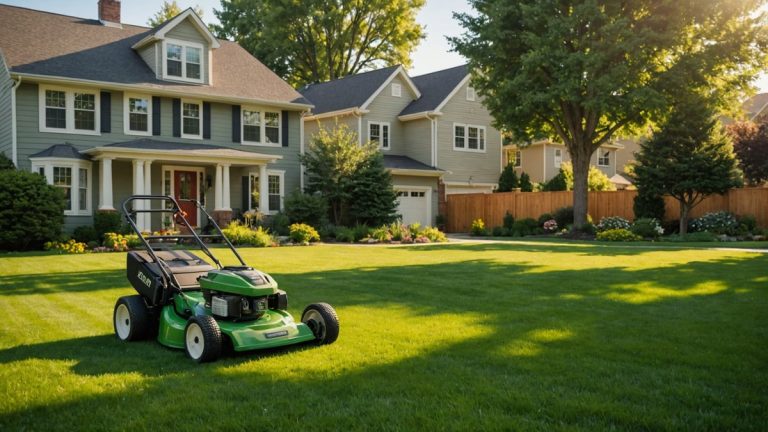
Imagine reclaiming your weekends—no more sweating under the summer sun, no more wrestling with a gas-powered beast that seems to have a mind of its own. That’s the promise of the robotic mower, and after three months of hands-on testing with a premium model, it’s clear these autonomous lawn mowers aren’t just a gimmick. They’re a game-changer for homeowners tired of the weekly chore. But does a $2,000 robot lawn mower actually live up to the hype? Here’s what you need to know before investing in smart mowing technology.
First Impressions: Unboxing and Setup
The moment the box arrived, it was clear this wasn’t your average lawn tool. The sleek, compact design of the robotic mower screamed modern efficiency. Setup, however, wasn’t as plug-and-play as some manufacturers might suggest. The first hurdle? Installing the boundary wire—a thin, low-voltage cable that defines the mowing area. This step is critical; a poorly laid wire means your autonomous lawn mower might wander into your neighbor’s yard or miss patches of grass. For a medium-sized lawn (around 10,000 sq. ft.), it took about two hours to map out the perimeter, secure the wire, and connect it to the charging dock.
Once the boundary was set, the mower needed a quick calibration. Most high-end models, like the ones from Husqvarna Automower or Worx Landroid, come with user-friendly apps that guide you through the process. The app also lets you schedule mowing times, adjust cutting heights, and monitor battery levels—features that quickly became indispensable.
Performance: Does It Actually Cut the Grass?
Here’s the short answer: yes, but not like a traditional mower. A robot lawn mower doesn’t leave those neat, striped patterns you might be used to. Instead, it uses a random, algorithm-driven pattern to ensure even coverage over time. The blades are small and spin at high speeds, mulching the grass clippings finely so they decompose quickly and return nutrients to the soil. This approach is quieter, more eco-friendly, and—after a few weeks—leaves your lawn looking lush and evenly trimmed.
That said, there are limitations. Steep slopes (beyond 20-25 degrees) can be a challenge for some models. If your yard has hills, look for a robotic mower with all-wheel drive or traction control, like the Robomow RS630 or Gardena Sileno Life. Also, while these mowers handle regular grass with ease, they struggle with thick weeds or overgrown areas. You’ll need to tackle those manually before letting the robot take over.
Battery life was another pleasant surprise. The model tested had a runtime of about 90 minutes on a full charge, enough to cover roughly 0.25 acres before needing a top-up. Larger models, like the Husqvarna Automower 450X, can handle up to 1.25 acres on a single charge, making them ideal for bigger properties.
Key Features and Specs to Consider
Not all robot lawn mowers are created equal. Here are the standout features and specs to compare when shopping:
- Cutting Width: Typically ranges from 7 to 10 inches. Wider blades cover more ground but may struggle in tight spaces.
- Battery Life: Look for lithium-ion batteries with at least 60-90 minutes of runtime for small to medium yards.
- Charging Time: Most models take 60-90 minutes to fully recharge. Some, like the Ecovacs Goat G1, support fast charging.
- Smart Features: GPS tracking, rain sensors, and app connectivity (via Bluetooth or Wi-Fi) are becoming standard. Some even integrate with smart home systems like Alexa or Google Assistant.
- Security: PIN codes, alarm systems, and GPS tracking help deter theft—a real concern for a $2,000 machine.
- Weather Resistance: Ensure the model is weatherproof (IPX5 or higher rating) to handle rain and dew.
Cost vs. Convenience: Is It Worth the Investment?
The $2,000 price tag is undeniably steep, but it’s important to consider the long-term benefits. A robotic mower eliminates the need for gas, oil changes, and blade sharpening (though you’ll still need to replace the blades occasionally). It also saves you time—lots of it. Over three months of testing, the mower ran an average of 10-12 hours per week, all without a single push or pull from me. For busy homeowners or landscaping pros managing multiple properties, that’s a massive time-saver.
There’s also the environmental angle. Autonomous lawn mowers are electric, producing zero emissions and using far less energy than gas-powered alternatives. If sustainability is a priority, this is a major plus.
That said, the initial cost might be prohibitive for some. If you’re on a budget, consider mid-range options like the Worx Landroid M (around $1,000) or the Gardena Sileno Minimo (around $800). These models lack some premium features but still deliver solid performance for smaller yards.
What This Means for You
So, can a robotic mower save your weekend? Absolutely—but with a few caveats. If you have a relatively flat, obstacle-free lawn and don’t mind the upfront investment, a robot lawn mower will take the hassle out of mowing and leave you with a consistently well-manicured yard. For those with complex landscapes or tighter budgets, it’s worth weighing the pros and cons carefully.
For landscaping pros, the calculus is different. Adding a fleet of autonomous lawn mowers can dramatically reduce labor costs and allow you to take on more clients. Models like the Mean Green Mower or STIHL iMow are designed with commercial use in mind, offering durability and scalability for business needs.
FAQ
Do robotic mowers work in the rain?
Most high-quality robot lawn mowers are weatherproof and can operate in light rain. However, heavy downpours can make grass too wet to cut effectively, and some models have rain sensors that pause operation until conditions improve. Always check your mower’s IP rating (IPX5 or higher is ideal for wet conditions).
How often do the blades need replacing?
The frequency depends on usage and yard size, but most autonomous lawn mowers require blade replacements every 2-3 months during the mowing season. Some models, like the Husqvarna Automower, use rotating blades that wear down gradually, while others may need more frequent changes. Always follow the manufacturer’s recommendations.
Can a robotic mower handle multiple zones or separate lawn areas?
Yes, but it requires careful planning. Many smart mowing systems allow you to create multiple zones using the boundary wire. The mower will then navigate between zones, either on a schedule or as directed via the app. Some advanced models, like the Ecovacs Goat G1, even support virtual boundaries, eliminating the need for physical wires in certain areas.
Source: Original Article

Author: AI Mow
Ai Mow is the editorial team behind Ai Mower News, dedicated to bringing you the latest news, reviews, and insights on robotic lawn mowers and smart gardening technology.