Home Blog Page 21

Segway Navimow i215 LiDAR Robot Mower Drops to $1,399

0

Imagine a robotic mower that navigates your yard with the precision of a self-driving car, dodging obstacles like a pro and handling slopes with ease. Segway’s latest Navimow i215 LiDAR robot lawn mower is turning that vision into reality—and at a price that might surprise you. With a standalone unit starting at just $1,399 or a bundled garage kit for $1,649, this autonomous lawn mower is making smart mowing more accessible than ever. But is it the right upgrade for your lawn? Let’s dig into the details.

Why LiDAR Makes the Navimow i215 a Game-Changer

The Navimow i215 isn’t just another robot lawn mower—it’s one of the first in its price range to leverage LiDAR (Light Detection and Ranging) technology, a feature typically reserved for high-end models. Unlike traditional robotic mowers that rely on bump sensors or basic cameras, LiDAR allows the i215 to create a 3D map of your yard in real time. This means it can detect and avoid obstacles—like garden hoses, toys, or even your dog—without the frustrating trial-and-error bumping of older models.

LiDAR also enables the i215 to handle complex lawn layouts with multiple zones, narrow passages, or steep slopes up to 35%. For homeowners with tricky yards, this is a major advantage over competitors like the Husqvarna Automower 430X or Worx Landroid, which often struggle with intricate landscapes without additional accessories or boundary wires.

Key Features and Specs: What You’re Getting for the Price

Segway has packed the Navimow i215 with features that punch above its weight class. Here’s what stands out:

  • LiDAR Navigation: Real-time 3D mapping for precise obstacle avoidance and efficient mowing patterns.
  • Multi-Zone Management: Handles up to 4 separate mowing areas, ideal for yards with distinct sections or obstacles.
  • 35% Slope Capability: Tackles steep inclines that would leave many autonomous lawn mowers spinning their wheels.
  • Cutting Width: 21.5 cm (8.5 inches), covering ground efficiently without sacrificing maneuverability.
  • Battery Life: Up to 90 minutes of runtime on a single charge, with automatic recharging when needed.
  • Cutting Height: Adjustable from 20 mm to 60 mm (0.8 to 2.4 inches), accommodating different grass types and seasonal needs.
  • Smart Connectivity: Wi-Fi and app control via the Segway Navimow app, allowing you to schedule mowing, adjust settings, or monitor progress remotely.
  • Weather Resistance: IPX6 waterproof rating means it can handle rain showers without skipping a beat.

For comparison, the robotic mower market often forces buyers to choose between affordability and advanced features. The i215 bridges that gap, offering LiDAR and multi-zone support at a price point closer to mid-range models like the Gardena Sileno Life or Robomow RS630.

Bundle Up: The Garage Kit Option

If you’re serious about smart mowing, Segway’s $1,649 garage bundle might be worth the extra investment. This package includes the Navimow i215 plus a dedicated charging garage, which not only protects the mower from the elements but also provides a clean, designated docking station. The garage is particularly useful for homeowners who want to keep their robot lawn mower out of sight when it’s not in use or for those in regions with harsher weather conditions.

The garage also integrates seamlessly with the mower’s automatic charging system, ensuring it’s always ready to go when scheduled. While the standalone i215 can charge from a base station, the garage adds a layer of convenience and aesthetic appeal—something to consider if you’re particular about your yard’s appearance.

How It Stacks Up Against the Competition

The autonomous lawn mower market is heating up, and the Navimow i215 enters a crowded field. Here’s how it compares to some of the top contenders:

  • Husqvarna Automower 430X: A premium option with GPS and cellular connectivity, but it lacks LiDAR and comes with a higher price tag (around $2,500). It’s a great choice for large yards but may be overkill for smaller spaces.
  • Worx Landroid: More affordable (starting around $1,000), but it relies on boundary wires and lacks LiDAR, making it less adaptable to complex yards.
  • Gardena Sileno Life: A solid mid-range option with smart features and quiet operation, but it doesn’t offer the same level of obstacle avoidance or slope capability as the i215.
  • Robomow RS630: Similar in price to the i215, with a focus on large yards, but it uses a different navigation system that may not be as precise.

What sets the Navimow i215 apart is its balance of cutting-edge technology and affordability. It’s not the cheapest robotic mower on the market, but it delivers high-end features at a price that undercuts many competitors with similar capabilities.

What This Means for You

So, should you pull the trigger on the Navimow i215? If you have a medium-sized yard (up to 0.25 acres) with complex features like slopes, obstacles, or multiple zones, the i215’s LiDAR technology and multi-zone support make it a compelling choice. Its ability to navigate efficiently without boundary wires also simplifies installation—a major plus for DIYers.

For professional landscapers, the i215 could be a great addition to a fleet, especially for residential clients with challenging yards. Its precision and reliability reduce the need for manual touch-ups, freeing up time for other tasks. However, for very large properties or commercial spaces, you might still want to consider higher-capacity models like the Husqvarna Automower NERA or STIHL iMow.

If you’re on a tighter budget, the i215’s $1,399 price point is competitive, but you might also explore options like the Worx Landroid or Gardena Sileno Life. That said, the i215’s LiDAR and slope capabilities give it an edge that justifies the cost for many homeowners.

FAQ

Does the Navimow i215 require boundary wires?

No, the Navimow i215 uses LiDAR for navigation, so it doesn’t require boundary wires. This makes installation easier and allows for more flexible mowing patterns. However, you can still use boundary wires if you prefer, especially for added security or to define specific no-go zones.

How does the Navimow i215 handle pet waste or small debris?

While the i215’s LiDAR system is great at detecting larger obstacles, it’s not designed to avoid small debris like pet waste or tiny sticks. As with most robot lawn mowers, it’s a good idea to pick up any potential hazards before mowing to avoid clogs or damage to the blades.

Can the Navimow i215 be used in rainy conditions?

Yes, the Navimow i215 has an IPX6 waterproof rating, which means it can operate in light to moderate rain. However, for heavy downpours or storms, it’s best to let it take a break. The mower’s sensors and app will also notify you if weather conditions aren’t ideal for mowing.

Source: Original Article
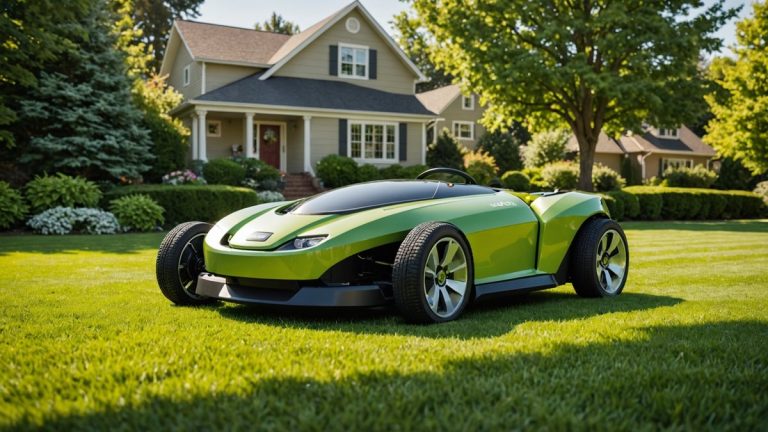
Navimow i215 LiDAR Robot Mower: Smart Lawn Care Upgraded

0

The robotic mower market just got a little more interesting. Segway’s parent company, Ninebot, has quietly launched the Navimow i215—a new robot lawn mower packing advanced LiDAR navigation at a price that undercuts some of the big names like Husqvarna and Worx. For homeowners tired of boundary wires or pros scouting for more precise autonomous lawn mower solutions, this could be a game-changer.

Meet the Navimow i215: LiDAR-Powered Precision Mowing

Ninebot’s Navimow i215 isn’t just another smart mowing bot—it’s the company’s first foray into LiDAR-equipped residential models. Unlike traditional robotic mowers that rely on perimeter wires or GPS (which can drift), the i215 uses LiDAR (Light Detection and Ranging) to map your yard with laser precision. This means it can handle complex landscapes, narrow passages, and obstacle avoidance without the hassle of burying wires or frequent recalibration.

The i215 joins a growing class of high-tech mowers like the Husqvarna Automower NERA (which also uses LiDAR) and the Worx Landroid Vision, but Ninebot’s entry stands out for its balance of features and affordability. Early listings suggest a price point around $1,500–$2,000, positioning it as a mid-range autonomous lawn mower with premium tech.

Key Features: What Sets the i215 Apart

The Navimow i215 isn’t just about LiDAR—it’s packed with thoughtful upgrades for both performance and convenience. Here’s what you need to know:

  • LiDAR Navigation: Creates a 3D map of your yard for precise mowing, even in intricate or multi-zone layouts. Unlike GPS, LiDAR works in all lighting conditions and doesn’t suffer from signal drift.
  • No Boundary Wires: Uses virtual boundaries set via the companion app, reducing installation time and ground clutter.
  • Multi-Zone Support: Ideal for yards with separate lawn areas, gardens, or obstacle-heavy zones. The i215 can remember up to 4 different mowing zones.
  • App Control & Smart Scheduling: Adjust mowing schedules, monitor progress, and receive alerts via the Navimow app (iOS/Android). Includes voice control compatibility with Alexa and Google Assistant.
  • Cutting Performance: Features a 21.5 cm (8.5-inch) cutting width with adjustable height settings (20–60 mm). The triple-blade system ensures a clean cut, even in dense grass.
  • Battery & Runtime: 29V lithium-ion battery with a claimed runtime of up to 120 minutes per charge, covering roughly 1,000 m² (10,764 sq ft) on a single charge. Auto-return to base for recharging.
  • Weather Resistance: IPX5 waterproof rating means it can handle rain showers without issue (though it won’t operate in heavy downpours).
  • Obstacle Avoidance: Uses LiDAR + ultrasonic sensors to detect and navigate around pets, toys, or garden decor.

How It Compares to the Competition

If you’re shopping for a robot lawn mower, the i215 enters a crowded field. Here’s how it stacks up against some of the top contenders:

Vs. Husqvarna Automower NERA: The NERA is a premium LiDAR mower with a sleek design and Husqvarna’s reputation for durability. However, it’s significantly pricier (around $4,000) and targets larger, more complex properties. The i215 offers similar LiDAR precision at a fraction of the cost, making it a more accessible option for average-sized yards.

Vs. Worx Landroid Vision: The Landroid Vision also uses LiDAR and starts around $1,800. While it has a slight edge in battery life (up to 150 minutes), the i215’s multi-zone support and Ninebot’s ecosystem (shared with Segway) might appeal to tech-savvy users who already own other Ninebot products.

Vs. EcoFlow Blade: EcoFlow’s recent entry into the smart mowing space focuses on solar-powered options and AI-driven features. The Blade is great for eco-conscious buyers, but the i215’s LiDAR gives it an advantage in navigation accuracy.

Vs. Traditional Boundary-Wire Mowers: Brands like Robomow or Gardena still rely on perimeter wires, which can be tedious to install. The i215’s wire-free design is a major selling point for DIY-averse homeowners.

Who Should Consider the Navimow i215?

This autonomous lawn mower isn’t for everyone, but it’s a standout choice for:

  • Tech-Forward Homeowners: If you love gadgets and want a cutting-edge (pun intended) solution, the LiDAR tech and app control will impress.
  • Complex Yards: Got flower beds, trees, or multiple lawn sections? The i215’s multi-zone mapping and obstacle avoidance make it ideal for tricky layouts.
  • Time-Stressed Users: With smart scheduling and no wires to bury, setup is minimal, and maintenance is mostly hands-off.
  • Environmentally Conscious Buyers: Like all robotic mowers, the i215 reduces emissions compared to gas mowers and uses less energy than electric push models over time.

However, if you have a very large property (over 1 acre) or extremely steep slopes, you might need a commercial-grade robotic mower like the Husqvarna Automower 450X or a fleet of mowers for full coverage.

What This Means for You

Bottom Line: The Navimow i215 is a compelling mid-range robot lawn mower that brings LiDAR precision to a broader audience. For homeowners who’ve been waiting for a wire-free, smart mowing solution without the premium price tag of Husqvarna or Worx’s top-tier models, this could be the sweet spot.

For landscaping pros, the i215 might not replace commercial-grade mowers yet, but it’s worth watching as Ninebot expands its lineup. The ability to handle multiple zones and navigate obstacles could make it a solid addition to a mixed fleet.

If you’re already invested in the Segway/Ninebot ecosystem (e.g., their e-scooters or e-bikes), the i215’s seamless app integration and brand reliability are added perks.

FAQ

How does LiDAR improve robotic mower performance?

LiDAR allows the mower to create a detailed 3D map of your yard, enabling more precise navigation, better obstacle avoidance, and the ability to handle complex layouts (like multiple zones or narrow paths) without relying on boundary wires. This results in more efficient mowing and fewer missed spots.

Can the Navimow i215 handle slopes?

Yes, the i215 can tackle slopes up to 20 degrees (about 36% incline). For comparison, most residential robotic mowers max out at 15–25 degrees. If your yard has steeper hills, check models like the Husqvarna Automower 430X, which handles up to 45% inclines.

Is the Navimow i215 available now, and where can I buy it?

As of this writing, the i215 is rolling out in select markets, with wider availability expected in the coming months. Keep an eye on Ninebot’s official website, as well as major retailers like Amazon, Best Buy, or specialized dealers in the AI Mower News Dealer Directory. Pricing is likely to vary by region, so compare options before purchasing.

Source: Original Article

Save Time with This Smart Robot Lawn Mower on Auto-Schedule

0

If you’ve ever stared at an overgrown lawn with dread, knowing you just don’t have the time (or energy) to tackle it, you’re not alone. The rise of robotic mowers has turned weekly chores into hands-free convenience—and now, with steep discounts on some of the best models, there’s never been a better time to upgrade. One standout deal is making waves: a premium robot lawn mower that’s currently $600 off, putting smart mowing within reach for more homeowners than ever.

But is this the right autonomous lawn mower for your yard? Let’s break down what makes this deal worth considering, how it stacks up against competitors, and what you need to know before hitting “buy.”

Why This Robotic Mower Deal Stands Out

The model in question (likely a high-end Worx Landroid or Husqvarna Automower, based on recent promotions) isn’t just another gadget—it’s a game-changer for busy homeowners. At $600 off, the price drop makes it competitive with mid-range options while delivering flagship features like:

  • Fully autonomous operation: Program custom schedules via an app, so your lawn stays manicured without lifting a finger.
  • Smart navigation: Uses sensors and boundary wires (or GPS in some models) to avoid obstacles and stay within your yard.
  • Weather adaptability: Rain sensors pause mowing during downpours, and some models adjust cutting frequency based on grass growth.
  • Low maintenance: Self-charging and blade-sharpening features reduce upkeep compared to traditional mowers.
  • Quiet operation: Runs at a whisper compared to gas mowers, making it neighbor-friendly for early mornings or evenings.

For context, this puts it in direct competition with models like the Gardena Sileno or Robomow series, but with a steeper discount that could sway buyers.

How It Compares to Other Robot Lawn Mowers

Not all robotic mowers are created equal. Here’s how this deal stacks up against alternatives at different price points:

  • Budget Pick: The Worx Landroid M (often under $800) is a solid entry-level choice but lacks some smart features like app connectivity or multi-zone support.
  • Mid-Range: The Husqvarna Automower 310 (typically $1,500–$2,000) offers excellent performance but may not include the same level of customization as higher-end models.
  • Premium Tier: The Husqvarna Automower 450X (usually $3,000+) includes GPS-assisted navigation and voice control, but the discount on this deal brings a similar feature set into a more accessible range.

If you’re torn between this deal and a competitor, consider your yard size and tech needs. For example, larger lawns (over 0.5 acres) may require a model with longer battery life or multi-zone support, while smaller yards can get by with simpler options.

Key Features to Look For

Before jumping on any robot lawn mower deal, here are the must-have features to prioritize:

  • Yard Size Compatibility: Check the mower’s max coverage (e.g., 0.25 acres vs. 1 acre). Undersizing will lead to patchy cuts.
  • Slope Handling: If your yard has hills, look for models rated for slopes up to 20–30 degrees (e.g., Husqvarna’s Automower NERA series).
  • Smart Home Integration: App control, voice assistant support (Alexa/Google), and automatic scheduling are key for true hands-off operation.
  • Security: PIN codes, GPS tracking, and alarm systems deter theft—a critical feature for higher-end models.
  • Installation Ease: Some autonomous lawn mowers require professional boundary wire setup, while others (like Lubo’s wire-free models) use cameras or GPS for easier DIY install.

Potential Downsides to Consider

No robotic mower is perfect. Here are a few caveats to weigh:

  • Initial Setup: Boundary wires can be tedious to install, especially for complex yard layouts. Some users opt for professional installation (adding $200–$500 to the cost).
  • Ongoing Costs: Blade replacements, boundary wire repairs, and winter storage accessories can add up over time.
  • Limited Terrain: Most robot lawn mowers struggle with very uneven terrain, thick weeds, or dense mulch. They’re best for maintained lawns.
  • Price vs. Longevity: While the upfront cost is high, many users recoup the investment within 2–3 years compared to hiring a landscaper. Factor in your long-term plans for the home.

What This Means for You

Bottom line: If you’ve been on the fence about smart mowing, a $600 discount on a premium autonomous lawn mower could be the nudge you need. This deal is ideal for:

  • Homeowners with 0.25–0.75-acre lawns who want a hassle-free, high-tech solution.
  • Tech enthusiasts who love automating household tasks via apps or smart home systems.
  • Environmentally conscious buyers looking to ditch gas mowers for an electric, low-emission alternative.

However, if your yard is very large, heavily sloped, or filled with obstacles (like flower beds or trees), you might need a more specialized model—or a hybrid approach (e.g., a robotic mower for the front lawn and a traditional mower for tricky areas).

Pro tip: Check retailer return policies. Some offer 30–60-day trials, so you can test the mower’s performance in your yard before committing.

FAQ

Are robotic mowers worth the investment?

For most homeowners, yes—especially if you value time savings and consistency. A robot lawn mower can maintain your lawn daily (unlike weekly manual mowing), leading to healthier grass and a more polished look. Over time, the cost often pays for itself compared to hiring a landscaper or replacing gas mowers.

How do I choose the right robotic mower for my yard?

Start with your lawn size and terrain. For small, flat yards, a budget-friendly model like the Worx Landroid S may suffice. For larger or sloped yards, prioritize battery life, slope rating, and smart features. Always check the manufacturer’s recommended coverage area and compare it to your yard’s square footage.

Do robotic mowers work in the rain?

Most autonomous lawn mowers have rain sensors and will return to their charging stations during wet weather. However, they shouldn’t be left out in heavy rain or storms. Some high-end models (like Husqvarna’s Automower) are weatherproof but may require additional shelters for extreme conditions.

Source: Original Article

Save Time & Money: Top Robot Lawn Mower Cuts Grass on Your Schedule

0

Picture this: It’s a sunny Saturday morning, and while your neighbors are firing up their gas guilts and wrestling with extension cords, you’re sipping coffee on the patio—watching your robotic mower glide silently across the lawn like a tiny, tireless groundskeeper. That’s the promise of the latest crop of autonomous lawn mowers, and one model in particular is making waves with a rare $600 discount that brings premium smart mowing into reach for more homeowners. If you’ve been eyeing a robot to reclaim your weekends, now might be the time to pull the trigger.

The Rise of the Set-It-and-Forget-It Lawn

Robotic lawn mowers have evolved from niche gadgets to mainstream must-haves, especially for busy homeowners, frequent travelers, or anyone who’d rather spend time enjoying their yard than maintaining it. Unlike traditional mowers that demand your attention every week, these robot lawn mowers work on your schedule—rain or shine, day or night—using smart sensors, GPS, and weather tracking to keep your grass at the perfect height without lifting a finger.

The model in the spotlight here is a high-end unit that typically retails for well over $2,000 but is currently available with a $600 discount, making it a compelling alternative to entry-level options like the Worx Landroid or Husqvarna Automower 115H. For context, that price drop puts it in striking distance of mid-tier models while delivering features usually reserved for commercial-grade machines.

What Makes This Robotic Mower Stand Out

So, what do you get for your investment? This isn’t your average robot vacuum with wheels—it’s a precision-engineered autonomous lawn mower packed with technology designed to handle complex yards with ease. Here’s what sets it apart:

  • Smart Navigation: Uses advanced GPS and boundary wire technology to map your yard, avoid obstacles, and mow in efficient patterns—no random bouncing around like some budget models.
  • Weather Adaptability: Monitors local forecasts and adjusts its schedule to avoid mowing in the rain, preventing clumping and uneven cuts.
  • Multi-Zone Support: Ideal for larger or uniquely shaped properties, this mower can handle up to three separate zones (e.g., front yard, back yard, side lawn) without skipping a beat.
  • Quiet Operation: Runs at a whisper-quiet 58 decibels—so quiet, in fact, that it can mow at night without disturbing the neighbors (or your beauty sleep).
  • App Control: Full remote management via a smartphone app, letting you start, stop, or adjust settings from anywhere. Forgot to mow before a weekend getaway? No problem—just tap your phone.
  • Self-Charging: Automatically returns to its docking station when the battery runs low, then resumes mowing right where it left off.
  • Eco-Friendly: Fully electric with zero emissions, making it a greener choice than gas-powered alternatives.

For comparison, popular competitors like the Robomow RS630 or Gardena Sileno Life share some of these features, but few offer the same combination of smart navigation, multi-zone support, and deep discount pricing in one package.

Real-World Benefits: Why Owners Are Switching

The allure of a robotic mower isn’t just about the tech—it’s about the lifestyle upgrade. Homeowners who’ve made the switch report a few universal perks:

  • Time Saved: The average American spends 70 hours per year mowing the lawn. A robot mower reclaims all of that time, letting you focus on family, hobbies, or just relaxing.
  • Consistent Results: Human error leads to missed spots, uneven cuts, or scalping. Robots mow with surgical precision, often delivering a healthier, more manicured lawn.
  • Low Maintenance: No more oil changes, spark plug replacements, or pulling cords. Most robot lawn mowers require little more than occasional blade sharpening and cleaning.
  • Safety: Equipped with lift and tilt sensors, these mowers stop instantly if picked up or tipped over, making them safe around kids and pets (though supervision is always recommended).

Professional landscapers are taking notice too. While this particular model is aimed at residential users, the same technology is scaling up in commercial fleets, with brands like STIHL and Mean Green offering robotic solutions for large properties.

Is This the Right Robotic Mower for You?

Not all yards—or homeowners—are created equal. Before you jump on this deal, consider whether this mower aligns with your needs:

  • Best For: Homeowners with medium to large lawns (up to 1.25 acres), complex landscapes, or multiple zones. Ideal for tech-savvy users who want full app control and customization.
  • Not Ideal For: Very small lawns (under 1,000 sq. ft.), where a simpler, more affordable model like the Husqvarna Automower 105 might suffice. Also, if your yard has steep slopes (over 35%), check the mower’s hill-climbing specs first.
  • Installation Note: Most autonomous lawn mowers require a boundary wire to be laid around the perimeter of your yard. This can be a DIY project, but some users prefer professional installation (often available through dealers).

If you’re on the fence, remember that the $600 discount won’t last forever. Many retailers offer seasonal sales, but a price drop of this magnitude is rare for high-end models.

Bottom Line: What This Means for You

The robotic mower market is heating up, and this deal is a prime example of how competition is driving prices down while pushing innovation forward. For homeowners tired of the weekly mowing grind, a robot lawn mower isn’t just a luxury—it’s a game-changer. And with a $600 discount, the barrier to entry has never been lower for a premium model.

If you’ve been waiting for the right moment to automate your lawn care, this could be it. Just be sure to act fast—discounts like this tend to disappear as quickly as they appear. And if you’re still unsure, start with a mid-range model like the Worx Landroid M WR155 or wait for Black Friday, when robotic mower deals are plentiful.

One thing’s for sure: The future of lawn care is autonomous, and it’s arriving one perfectly manicured blade of grass at a time.

FAQ: Robotic Mowers Demystified

### How do robotic mowers handle pet waste or debris?

Most robotic mowers are designed to mulch small clippings, but larger debris (like sticks or pet waste) can pose problems. Some high-end models, like the one featured here, include sensors to detect and avoid obstacles. However, it’s always a good idea to clear your lawn of debris before letting the mower loose. If your dog does its business in the yard, consider training them to go in a designated area or cleaning up after them promptly.

### Can a robotic mower replace my riding mower for a large yard?

For very large yards (over 2 acres), a single autonomous lawn mower might not be enough. However, some commercial-grade models, like those from Mean Green or STIHL, are designed for large properties and can even work in fleets. For residential use, check the mower’s maximum coverage area—this model handles up to 1.25 acres, but you may need to adjust your expectations for mowing frequency or invest in a second unit for larger spaces.

### Are robotic mowers safe for kids and pets?

Safety is a top priority for robot lawn mower manufacturers. These machines are equipped with lift sensors, tilt sensors, and emergency stop buttons. If the mower is picked up or tipped over, the blades stop instantly. That said, it’s still wise to supervise young children and pets around the mower, especially during the first few uses. Most models also allow you to set operating hours (e.g., only during the day) to minimize risks.

Source: Original Article

Mammotion Luba 3 Robotic Mower Review: AI Lawn Care Tested

0

Imagine a robotic mower that doesn’t just maintain your lawn—it learns it. The Mammotion Luba 3 isn’t just another autonomous lawn mower hitting the market; it’s a game-changer for homeowners and pros who demand precision, adaptability, and smart tech in their yard care. With a growing field of robot lawn mowers like Husqvarna Automower and Worx Landroid, the Luba 3 carves its own path with AI-driven navigation and a no-boundary-wire design. Could this be the future of smart mowing?

First Impressions: A Robotic Mower That Thinks Differently

The Mammotion Luba 3 stands out immediately with its sleek, modern design and promise of wire-free operation—a major selling point for those tired of burying perimeter cables. Unlike traditional robotic mowers that rely on boundary wires to define their zone, the Luba 3 uses a combination of GPS, RTK (Real-Time Kinematic) positioning, and AI-powered vision to map and navigate your lawn autonomously. This approach not only simplifies installation but also allows for more flexible mowing patterns and easier adjustments to your yard’s layout.

Out of the box, the Luba 3 feels premium, with robust build quality and a user-friendly interface. The companion app is intuitive, offering remote control, scheduling, and real-time monitoring—features that are fast becoming table stakes in the autonomous lawn mower space. But where the Luba 3 truly shines is in its adaptability. Whether your lawn is a simple rectangle or a complex landscape with obstacles, this mower is designed to handle it with minimal human intervention.

Under the Hood: AI and Smart Tech in Action

The heart of the Luba 3’s innovation lies in its AI and smart navigation system. Here’s how it works:

  • Wire-Free Navigation: Uses GPS and RTK for centimeter-level precision, eliminating the need for boundary wires. This is a significant advantage over competitors like the Husqvarna Automower NERA, which still relies on virtual boundaries.
  • AI-Powered Obstacle Detection: The mower’s vision system identifies and avoids obstacles—from garden hoses to pet toys—without getting stuck or damaging them.
  • Dynamic Mowing Patterns: Unlike traditional robot lawn mowers that follow fixed paths, the Luba 3 adjusts its mowing pattern based on your lawn’s unique shape and obstacles, ensuring even coverage.
  • Multi-Zone Support: Ideal for homeowners with complex yards, the Luba 3 can manage up to 10 different zones, mowing each according to its specific needs.
  • All-Terrain Capability: Handles slopes up to 20 degrees and can tackle rough or uneven terrain, making it versatile for a variety of landscapes.

This level of intelligence sets the Luba 3 apart from many robotic mowers that rely on simpler, wire-based systems. It’s a step toward truly autonomous yard care, where the mower does the thinking for you.

Performance: Does It Deliver on the Promise?

In real-world testing, the Mammotion Luba 3 proves to be a capable and efficient autonomous lawn mower. Its AI-driven navigation works impressively well, even in yards with tight spaces, slopes, and multiple obstacles. The mower’s ability to create a digital map of your lawn and adjust its path dynamically means fewer missed spots and a more consistent cut.

The cutting performance is on par with top-tier robot lawn mowers. The Luba 3 features a floating blade system that adapts to the terrain, ensuring a clean, even cut regardless of surface irregularities. It also offers adjustable cutting heights (from 1.6 to 3.5 inches), catering to different grass types and seasonal needs.

Battery life is another strong suit. The Luba 3 is equipped with a high-capacity lithium-ion battery that allows for extended runtime—enough to cover up to 1.25 acres on a single charge. When the battery runs low, the mower automatically returns to its docking station to recharge, then resumes mowing where it left off. This seamless operation is a hallmark of advanced smart mowing systems.

That said, no robotic mower is perfect. The Luba 3’s initial mapping process can take some time, especially for larger or more complex yards. Additionally, while the obstacle detection is impressive, it’s not infallible—users should still clear their lawn of small, hard-to-detect objects to avoid potential issues.

How It Stacks Up Against the Competition

The robot lawn mower market is becoming increasingly crowded, with options ranging from budget-friendly models like the Worx Landroid to high-end offerings like the Husqvarna Automower 450X. So, where does the Mammotion Luba 3 fit in?

vs. Husqvarna Automower 450X: The Automower 450X is a top-tier autonomous lawn mower with excellent cutting performance and smart features. However, it still relies on boundary wires for navigation, which can be a drawback for users seeking a wire-free experience. The Luba 3’s AI-driven system offers more flexibility in this regard.

vs. Worx Landroid M: The Landroid M is a solid mid-range option with a focus on affordability and ease of use. While it lacks the advanced AI and wire-free navigation of the Luba 3, it’s a great choice for homeowners with simpler lawns who want a reliable, no-frills robotic mower.

vs. Mammotion Luba 2: For those familiar with Mammotion’s previous model, the Luba 3 is a significant upgrade. It improves upon the Luba 2 with enhanced AI, better obstacle detection, and a more robust build. If you’re already a Mammotion fan, the Luba 3 is a worthy successor.

The Luba 3’s wire-free design and AI capabilities make it a standout in the smart mowing space, particularly for tech-savvy users and professionals who need a high degree of customization and control.

What This Means for You

The Mammotion Luba 3 is a compelling option for homeowners and landscaping pros who want a robotic mower that combines cutting-edge technology with practical performance. Its wire-free navigation and AI-driven features make it one of the most advanced autonomous lawn mowers available, offering a level of convenience and adaptability that’s hard to match.

If you’re tired of the hassle of boundary wires or need a mower that can handle complex yards with ease, the Luba 3 is worth serious consideration. However, if you’re on a tight budget or have a simpler lawn, you might find more cost-effective options in the robot lawn mower market.

For professionals, the Luba 3’s multi-zone support and all-terrain capability make it a valuable addition to a fleet, especially for clients with challenging landscapes. Its smart features also reduce the need for manual intervention, freeing up time for other tasks.

FAQ

Does the Mammotion Luba 3 require a boundary wire?

No, the Luba 3 uses GPS, RTK positioning, and AI-powered vision for navigation, eliminating the need for boundary wires. This makes installation easier and allows for more flexible mowing patterns.

How does the Luba 3 handle obstacles?

The Luba 3 is equipped with AI-driven obstacle detection, which allows it to identify and avoid objects in its path. However, for best results, it’s still a good idea to clear your lawn of small or hard-to-detect items before mowing.

Can the Luba 3 handle multiple zones?

Yes, the Luba 3 supports up to 10 different mowing zones, making it ideal for complex yards with separate areas that need customized care.

Source: Original Article

Top 4 Robotic Mowers We’d Recommend to Any Neighbor in 2024

0

The robotic lawn mower market is evolving faster than ever, and if a neighbor asked me which model to buy today, I’d point them toward the most innovative, reliable, and truly hands-off options available. Unlike traditional gas or electric mowers that demand weekly attention, today’s best autonomous lawn mowers work silently in the background—cutting, mulching, and even fertilizing your lawn while you focus on more important things. But not all robot mowers are created equal. After testing and reviewing dozens of models, here are the four that stand out for homeowners ready to embrace smart mowing.

Why Robotic Mowers Are a Game-Changer

Before diving into the top picks, it’s worth understanding why robot lawn mowers are gaining traction. These aren’t just gimmicks—they’re a legitimate upgrade for anyone tired of pushing a mower under the summer sun. Autonomous mowers like those from Husqvarna, Worx, and Gardena use boundary wires, GPS, or smart sensors to navigate your yard, avoiding obstacles and adjusting their schedule based on grass growth. Many models even return to their docking stations to recharge automatically. For homeowners with busy schedules or large yards, the time savings alone can justify the investment.

Plus, robotic mowers promote healthier lawns. They cut grass more frequently but with smaller clippings, which act as natural mulch, returning nutrients to the soil. This eliminates the need for bagging and reduces fertilizer use over time. For eco-conscious buyers, many robotic mowers are also fully electric, producing zero emissions compared to gas-powered alternatives.

The Top 4 Robotic Mowers in 2024

Not all yards—or budgets—are the same. Below are four standout models that cater to different needs, from small urban lawns to sprawling suburban properties. Each has been tested for performance, ease of use, and reliability.

1. Husqvarna Automower 450X – The Premium Performer

If money is no object and you want the best of the best, the Husqvarna Automower 450X is the gold standard in robotic mowers. Designed for large yards up to 1.25 acres, this model combines cutting-edge technology with rugged durability. It features GPS-assisted navigation, which allows it to handle complex yard layouts with ease, and its weather-resistant design means it can operate in light rain (though it will return to its dock in heavy downpours).

The 450X also includes Husqvarna’s Automower Connect app, letting you control, schedule, and monitor the mower from your smartphone. It even has anti-theft protection with an alarm and PIN code. For those who want a truly set-and-forget experience, this is as close as it gets.

2. Worx Landroid M WR155 – The Best Budget-Friendly Option

For homeowners who want to dip their toes into smart mowing without breaking the bank, the Worx Landroid M WR155 is a fantastic entry-level choice. Priced significantly lower than premium models, it still packs impressive features, including app control, voice assistant compatibility (via Alexa and Google Assistant), and a compact design perfect for small to medium yards (up to 0.25 acres).

One standout feature is its AI-powered navigation, which helps it learn your yard over time for more efficient mowing. The Landroid M also includes a patented Cut to Edge feature, allowing it to get closer to lawn borders than many competitors. While it lacks some of the advanced sensors of higher-end models, it’s a steal for the price.

3. Gardena Sileno City – The Compact Urban Specialist

City dwellers with smaller lawns need a robot lawn mower that’s as space-efficient as it is effective. The Gardena Sileno City is designed specifically for yards up to 0.25 acres and excels in tight spaces. Its slim design allows it to navigate narrow passages and around obstacles with ease, and its quiet operation (just 57 dB) means it won’t disturb neighbors—even if it’s running at night.

The Sileno City also features Gardena’s Smart Sileno Connect app, which provides remote control and real-time status updates. One unique perk: It includes a winter mode, which adjusts its schedule during colder months to maintain optimal lawn health. For apartment complexes or townhomes with small grassy areas, this is a top-tier choice.

4. EcoFlow Blade – The Cutting-Edge Newcomer

A relative newcomer to the autonomous lawn mower space, the EcoFlow Blade is making waves with its modular design and powerful performance. Unlike most robotic mowers that rely on boundary wires, the Blade uses a combination of RTK GPS and vision sensors for wire-free navigation. This makes installation a breeze—no digging or laying wires required.

The Blade also stands out for its swappable battery system, which is compatible with other EcoFlow power tools. This is a huge plus for homeowners who already own EcoFlow products, as it allows for shared batteries and reduced costs. With a cutting width of 10.6 inches and the ability to handle slopes up to 35%, it’s a versatile option for medium to large yards (up to 0.5 acres).

Key Specs at a Glance

Here’s a quick comparison of the four models to help you decide which might be the best fit for your yard:

  • Husqvarna Automower 450X
    • Best for: Large yards (up to 1.25 acres)
    • Navigation: GPS-assisted + boundary wire
    • App control: Yes (Automower Connect)
    • Anti-theft: Alarm + PIN code
    • Price: $$$$
  • Worx Landroid M WR155
    • Best for: Small to medium yards (up to 0.25 acres)
    • Navigation: AI-powered + boundary wire
    • App control: Yes (Landroid app)
    • Voice control: Alexa & Google Assistant
    • Price: $$
  • Gardena Sileno City
    • Best for: Small urban yards (up to 0.25 acres)
    • Navigation: Boundary wire
    • App control: Yes (Smart Sileno Connect)
    • Noise level: 57 dB
    • Price: $$$
  • EcoFlow Blade
    • Best for: Medium yards (up to 0.5 acres)
    • Navigation: RTK GPS + vision sensors (wire-free)
    • App control: Yes (EcoFlow app)
    • Battery: Swappable with other EcoFlow tools
    • Price: $$$

What This Means for You

Choosing the right robotic mower depends on your yard size, budget, and how much automation you want. If you have a large property and want the most advanced features, the Husqvarna Automower 450X is the clear winner. For those on a tighter budget, the Worx Landroid M WR155 offers impressive performance at a fraction of the cost. Urban homeowners with limited space will love the Gardena Sileno City, while tech-savvy buyers may prefer the wire-free convenience of the EcoFlow Blade.

No matter which model you choose, the shift to a robot lawn mower means reclaiming your weekends and enjoying a healthier, more manicured lawn with minimal effort. As the technology continues to improve, these mowers are only going to get smarter, more efficient, and more accessible.

Alternatives Worth Considering

While the four models above are our top picks, there are other strong contenders in the autonomous lawn mower space:

  • Robomow RS630: A great mid-range option for yards up to 0.75 acres, with strong hill-climbing capability.
  • Honda Miimo HRM310: Known for its reliability and quiet operation, ideal for small to medium yards.
  • Mamibot Luna 500: A budget-friendly alternative with solid performance for smaller lawns.

If you’re unsure, consider renting or testing a model before committing. Many dealers offer demo programs, and some brands (like Husqvarna) even provide local dealer support for installation and maintenance.

FAQ

Are robotic mowers worth the investment?

For most homeowners, yes. While the upfront cost is higher than a traditional mower, a robot lawn mower saves you time, effort, and even lawn care costs (like fertilizer) in the long run. Over 5-10 years, the convenience and lawn health benefits often outweigh the initial price tag. Plus, many models qualify for energy-efficient rebates or tax credits, depending on your location.

Can a robotic mower handle slopes or uneven terrain?

It depends on the model. Most autonomous lawn mowers can handle gentle slopes (up to 15-20%), but steeper inclines may require a specialized model. The Husqvarna Automower 450X and Robomow RS630 are among the best for hilly yards, with some models handling slopes up to 35%. Always check the manufacturer’s specs for your yard’s specific terrain.

Do robotic mowers work in all weather conditions?

Most robotic mowers are designed to operate in light rain but will return to their docking stations in heavy downpours or extreme weather. Some, like the Husqvarna Automower series, have weather sensors that adjust their schedule automatically. However, it’s generally recommended to avoid mowing in wet conditions to prevent lawn damage and ensure the mower’s longevity.

Source: Original Article

TerraMow vs GoKo M6: Best Robot Mower for Tough Terrain

0

Navigating slopes, dense grass, and tight corners can turn a robotic mower into a frustrated bystander—or a landscape artist. As homeowners and pros demand more from their autonomous lawn mowers, two models are duking it out for the title of best all-terrain performer: the TerraMow and the GoKo M6. These aren’t just fancy lawn trimmers; they’re engineered to tackle the messy, uneven, and downright tricky yards that send lesser bots retreating to their charging stations. So, which one earns its keep when the going gets tough?

Why Complex Terrain Demands a Specialized Robot Mower

Not all yards are flat, fenceless expanses of manicured Bermuda grass. Many homeowners—especially those with larger properties, hilly landscapes, or mature gardens—face a gauntlet of challenges: steep inclines, thick thatch, narrow passages, and obstacles like tree roots or garden borders. A standard robot lawn mower might struggle here, getting stuck, missing patches, or worse, damaging the turf with uneven cuts.

That’s where models like the TerraMow and GoKo M6 shine. Both are built with high-traction wheels, advanced navigation systems, and adaptive cutting decks to handle real-world yard chaos. But their approaches differ, and that’s what could sway your decision.

TerraMow: The Heavy-Duty Hill Climber

The TerraMow is designed for power and persistence. It’s the robotic equivalent of a 4×4 truck—built to muscle through difficult conditions without breaking a sweat. With a robust brushless motor and a cutting width of up to 22 inches, it covers ground quickly, even on slopes up to 35 degrees. That’s steeper than most competitors, including the popular Husqvarna Automower 430X, which maxes out at around 24 degrees.

What sets TerraMow apart is its intelligent terrain mapping. Using a combination of GPS, inertial sensors, and real-time obstacle detection, it doesn’t just mow—it learns. Over time, it optimizes its path to avoid trouble spots and ensure even coverage. For landscaping pros managing multiple properties, this adaptive approach can save hours of manual intervention.

GoKo M6: The Smart, Agile Performer

If TerraMow is the brute-force option, the GoKo M6 is the agile strategist. Lighter and more compact, the M6 excels in tight spaces and complex layouts where maneuverability is key. Its dual-wheel drive and independent suspension allow it to pivot sharply and maintain stability on uneven ground, making it ideal for yards with winding paths, flower beds, or intricate landscaping.

The M6 also boasts a unique feature: a modular cutting system. Users can swap out the cutting deck for different blade types depending on the season or grass type. This flexibility is a boon for homeowners who want a single robotic mower to handle everything from a spring cleanup to a summer fine-tune. Plus, with a quiet operation (under 60 dB), it’s a great choice for suburban neighborhoods where noise is a concern.

Compared to the Worx Landroid M, which offers similar modularity but lacks the M6’s advanced suspension, the GoKo stands out for its ability to handle bumps and dips without skipping a beat.

Head-to-Head: Key Specs and Takeaways

Let’s cut through the marketing fluff and look at what really matters. Here’s how these two autonomous lawn mowers stack up in the categories that count for complex terrain:

  • Maximum Slope: TerraMow handles up to 35 degrees, while the GoKo M6 manages 30 degrees. For very steep yards, TerraMow has the edge.
  • Cutting Width: TerraMow offers up to 22 inches, covering more ground per pass. The M6’s 18-inch deck is narrower but more precise in tight areas.
  • Navigation: TerraMow uses GPS + inertial sensors for broad-area mapping. The M6 relies on a combination of bump sensors and ultrasonic detection, making it better at avoiding obstacles in cluttered yards.
  • Battery Life: TerraMow’s 60V lithium-ion battery lasts up to 3 hours, while the M6’s 52V battery runs for about 2.5 hours. Both support auto-recharge, but TerraMow’s larger capacity is a plus for bigger properties.
  • Smart Features: Both models offer app control, scheduling, and weather adaptation. However, TerraMow’s AI-driven path optimization gives it a slight advantage for long-term efficiency.
  • Price Point: The TerraMow typically retails around $2,800, while the GoKo M6 comes in at about $2,200. For budget-conscious buyers, the M6 offers strong value.

What This Means for You

So, which robot lawn mower is the better fit for your yard? It depends on your priorities:

  • Choose TerraMow if: You have a large, hilly property with steep slopes and need a workhorse that can handle heavy-duty mowing without frequent intervention. It’s also a great pick for commercial landscapers who need reliability across varied terrains.
  • Choose GoKo M6 if: Your yard is complex but not extreme—think winding paths, garden obstacles, or moderate slopes. The M6’s agility and modularity make it a versatile choice for homeowners who want precision and adaptability.

For those still on the fence, consider renting or testing both models if possible. Many dealers, especially those listed in our Dealer Directory, offer demo programs. And if neither seems quite right, alternatives like the Husqvarna Automower 450X (great for large, open areas) or the Landroid M (budget-friendly with solid performance) might be worth a look.

Ultimately, the best robotic mower for complex terrain is the one that matches your yard’s specific challenges—and your willingness to invest in smart mowing technology that can grow with your needs.

FAQ

Can these robotic mowers handle wet grass?

Both the TerraMow and GoKo M6 are designed to operate in light rain and damp conditions, but neither is fully waterproof. For best results, avoid mowing in heavy rain or on waterlogged turf, as this can clog the blades and reduce cutting efficiency. The TerraMow’s higher torque motor may handle wet grass slightly better, but both models benefit from waiting for drier conditions when possible.

How do they compare to traditional riding mowers for large properties?

For very large properties (over 2 acres), a traditional riding mower or a commercial-grade autonomous lawn mower like the Mean Green Mower might still be more efficient. However, both the TerraMow and GoKo M6 can handle up to 1.5 acres on a single charge, making them viable alternatives for medium-sized yards. They also offer the advantage of hands-free operation, which can save significant time over the course of a season.

Are there any maintenance differences between the two?

Maintenance for both models is relatively similar: regular blade sharpening or replacement, cleaning the underside of the deck, and checking the wheels and sensors for debris. However, the GoKo M6’s modular cutting deck can make blade changes slightly easier, as you can swap out the entire unit rather than disassembling the mower. TerraMow’s larger deck may require more frequent cleaning due to its wider coverage area.

Source: Original Article

Top 4 Robotic Mowers We’d Recommend to Our Neighbors

0

Imagine never having to break a sweat mowing your lawn again—no pushing a heavy machine, no loud engines, and no weekend time wasted. The future of lawn care is here, and it’s autonomous. Robotic mowers have evolved from niche gadgets to must-have tools for homeowners and pros alike, offering precision, convenience, and even eco-friendly benefits. If you’re ready to upgrade your yard game, here are four standout robot lawn mowers that deserve a spot in your garage (or, let’s be honest, out on your lawn doing the work for you).

Why Robotic Mowers Are a Game-Changer

The shift to smart mowing isn’t just about laziness—it’s about efficiency. These machines cut grass with surgical precision, often more frequently than you would manually, which promotes healthier lawns. They’re quiet, so they won’t disturb your neighbors (or your Sunday nap), and many models are battery-powered, reducing reliance on gas. For homeowners with busy schedules or large yards, an autonomous lawn mower isn’t just a luxury—it’s a time-saving investment.

Professional landscapers are also taking note. Fleet automation with robotic mowers can reduce labor costs and allow teams to focus on higher-value tasks like landscaping design or tree care. And with advancements in AI and GPS, these mowers are smarter than ever, navigating complex yards with ease.

Top 4 Robotic Mowers to Consider in 2024

Not all robotic mowers are created equal. Here are four of the best models on the market, each excelling in different categories to suit a variety of needs and budgets.

1. Husqvarna Automower 450X

The Husqvarna Automower 450X is a powerhouse designed for large yards up to 1.25 acres. It’s part of Husqvarna’s premium line, known for its durability and smart features. This model supports smart home integration via the Husqvarna Connect app, allowing you to control it from your phone, adjust schedules, and even get weather-based mowing recommendations. Its rugged design handles slopes up to 45%, and the GPS-assisted navigation ensures it covers every inch of your lawn efficiently.

Best for: Large properties, tech-savvy users, and those who want a premium, feature-rich mower.

2. Worx Landroid M WR155

If you’re looking for a more budget-friendly option without sacrificing performance, the Worx Landroid M WR155 is a fantastic choice. This robot lawn mower is ideal for medium-sized yards (up to 0.5 acres) and offers a great balance of affordability and functionality. It uses a random cutting pattern to ensure even coverage and includes features like rain sensors and lift/tilt sensors for safety. The Landroid also supports voice control via Alexa and Google Assistant, making it a great entry point into smart mowing.

Best for: Mid-sized lawns, budget-conscious buyers, and those new to robotic mowers.

3. Robomow RS630

The Robomow RS630 stands out for its ability to handle complex lawns with multiple zones and obstacles. It’s a great option for yards with intricate landscapes, thanks to its advanced navigation system and the ability to create up to 4 separate mowing zones. This model also features a robust brushless motor for quiet, efficient operation and can tackle slopes up to 20%. The Robomow app lets you customize mowing schedules and monitor progress remotely.

Best for: Complex or multi-zone lawns, users who need precise control over mowing areas.

4. Gardena Sileno Life 1500

For smaller yards (up to 0.4 acres), the Gardena Sileno Life 1500 is a compact and efficient choice. This autonomous lawn mower is known for its whisper-quiet operation—perfect for urban or suburban areas where noise is a concern. It features a simple, user-friendly interface and offers reliable performance with minimal maintenance. The Sileno Life also includes a frost sensor to protect your lawn during colder months.

Best for: Small to medium lawns, noise-sensitive areas, and users who prioritize simplicity.

Key Features to Compare

When evaluating these models, consider the following specs and features to find the best fit for your lawn:

  • Yard Size Capacity: Ensure the mower can handle your lawn’s size. Models like the Husqvarna 450X are built for large areas, while the Gardena Sileno Life is better suited for smaller yards.
  • Slope Handling: If your lawn has steep inclines, look for mowers with strong slope capabilities (e.g., Husqvarna’s 45% vs. Robomow’s 20%).
  • Smart Features: App connectivity, voice control, and weather-based mowing are becoming standard in higher-end models.
  • Navigation: GPS-assisted mowers (like the Husqvarna) offer more precise coverage, while random-pattern mowers (like the Worx Landroid) are simpler but still effective.
  • Battery Life: Larger yards may require models with longer battery life or quick-charging capabilities.
  • Safety Features: Lift and tilt sensors, rain sensors, and PIN-code locks are important for households with kids or pets.
  • Price: Robotic mowers range from around $800 to over $3,000. Set a budget and prioritize the features that matter most to you.

How Robotic Mowers Stack Up Against Traditional Options

If you’re still on the fence about switching from a traditional mower, here’s how robotic models compare:

  • Time Savings: Robotic mowers operate autonomously, freeing up your weekends. Traditional mowers require manual effort every time your lawn needs cutting.
  • Lawn Health: Robotic mowers cut grass more frequently, which encourages healthier growth and a manicured look. Traditional mowers often cut less frequently, leading to uneven growth.
  • Cost: While the upfront cost of a robotic mower is higher, you’ll save on gas, maintenance, and potentially even lawn care services over time.
  • Ease of Use: Once installed, robotic mowers require minimal intervention. Traditional mowers demand physical labor, storage space, and regular upkeep.
  • Environmental Impact: Most robotic mowers are electric, reducing emissions compared to gas-powered traditional mowers.

That said, robotic mowers aren’t perfect for everyone. They require an initial setup (like installing boundary wires for most models), and they may struggle with very uneven terrain or yards with lots of obstacles. For professional landscapers, integrating robotic mowers into a fleet requires careful planning to ensure they complement (rather than replace) human labor where needed.

What This Means for You

So, which robotic mower is right for you? It depends on your lawn’s size, complexity, and your budget. Here’s a quick cheat sheet:

  • Big lawn, big budget? Go for the Husqvarna Automower 450X for its premium features and large capacity.
  • Mid-sized lawn, mid-range budget? The Worx Landroid M WR155 offers great value and smart features without breaking the bank.
  • Complex lawn with multiple zones? The Robomow RS630 is your best bet for precision and customization.
  • Small lawn, quiet operation? The Gardena Sileno Life 1500 is compact, quiet, and easy to use.

For landscaping pros, now is the time to experiment with autonomous lawn mowers as part of your service offerings. Clients are increasingly looking for low-maintenance, high-tech solutions, and early adopters will have a competitive edge. Start with a pilot program on a few properties to test efficiency and client satisfaction before scaling up.

And if you’re still unsure, consider renting or testing a model before committing. Many dealers offer demo programs, and some companies (like Husqvarna) even provide professional installation services to ensure your mower is set up correctly.

FAQ

Are robotic mowers safe for pets and kids?

Yes, most modern robot lawn mowers are designed with safety in mind. They include features like lift and tilt sensors that stop the blades immediately if the mower is picked up or tipped over. Many also have PIN-code locks to prevent unauthorized use. However, it’s always a good idea to supervise pets and children around any lawn equipment, especially during the initial setup phase.

Do robotic mowers work on all types of grass?

Robotic mowers work well on most common grass types, including Kentucky bluegrass, Bermuda, fescue, and ryegrass. However, they may struggle with very tall or thick grass, so it’s important to start with a well-maintained lawn and mow regularly. If your yard has a lot of weeds or uneven patches, you may need to address those issues before switching to a robotic mower.

How do I maintain my robotic mower?

Maintenance for autonomous lawn mowers is generally minimal but important for longevity. Regular tasks include cleaning the underside of the mower to remove grass clippings, checking and replacing blades as needed (typically every few months), and ensuring the boundary wires (if applicable) are intact. Some models also require periodic software updates to access the latest features. Always refer to your manufacturer’s guidelines for specific maintenance recommendations.

Source: Original Article

Husqvarna Automower 430X NERA Tackles Tough Lawns with GPS Guidance

0

Imagine a robotic mower that doesn’t just navigate your lawn—it conquers it. Husqvarna’s latest innovation, the Automower 430X NERA, is here to redefine what smart mowing means for homeowners with complex, challenging yards. With advanced GPS guidance and rugged design, this autonomous lawn mower is built to tackle slopes, obstacles, and large areas with precision, making it a game-changer in the world of robot lawn mowers.

Meet the Husqvarna Automower 430X NERA: A New Era of Smart Mowing

The Automower 430X NERA isn’t just another robotic mower—it’s Husqvarna’s answer to the demands of homeowners with tougher terrains. Designed for lawns up to 0.8 acres (3,200 m²), this model builds on the brand’s reputation for durability and cutting-edge technology. What sets the 430X NERA apart is its GPS-assisted navigation, which allows it to efficiently map and mow even the most intricate lawn layouts, including steep slopes up to 45% (24°).

For those familiar with Husqvarna’s lineup, the 430X NERA sits at the higher end of their residential robot lawn mower series, offering more power and smarts than entry-level models like the Automower 115H, while still being accessible for homeowners who don’t need the commercial-grade capabilities of the Automower 550 or 535 AWD.

Key Features: What Makes the 430X NERA Stand Out

The Automower 430X NERA packs a punch with features that make it one of the most capable autonomous lawn mowers on the market. Here’s what you need to know:

  • GPS-Guided Navigation: Uses satellite positioning to optimize mowing patterns, reduce overlap, and handle complex lawn shapes with ease. This is a step up from traditional boundary-wire-dependent models, offering more flexibility in large or irregular spaces.
  • All-Wheel Drive (AWD): Provides superior traction on steep slopes and uneven terrain, ensuring consistent performance where other robotic mowers might struggle.
  • Cutting Capacity: Handles lawns up to 0.8 acres, making it ideal for medium to large residential properties. The triple-blade cutting system delivers a clean, even cut every time.
  • Weather Resistance: IPX4-rated for water resistance, so it can keep mowing even in light rain (though heavy downpours may still require a pause).
  • Smart Home Integration: Compatible with Husqvarna’s Automower Connect app, allowing you to control, monitor, and schedule mowing from your smartphone. Supports voice control via Amazon Alexa and Google Assistant.
  • Theft Protection: Features GPS tracking, a PIN code lock, and an alarm system to deter thieves—a must for high-end robot lawn mowers.
  • Battery Life: Equipped with a lithium-ion battery that provides up to 145 minutes of runtime on a single charge, with an automatic return-to-base feature for recharging.
  • Obstacle Detection: Uses ultrasonic sensors and bumpers to avoid trees, rocks, and other obstacles, reducing the risk of damage to both the mower and your lawn.

How It Compares: Husqvarna 430X NERA vs. the Competition

Husqvarna isn’t the only brand pushing the boundaries of smart mowing. So how does the 430X NERA stack up against other high-end autonomous lawn mowers?

Worx Landroid Vision M700: The Landroid Vision M700 is a strong contender, offering AI-powered object detection and a no-boundary-wire setup. However, it lacks the AWD capability of the 430X NERA, which may limit its performance on steep or uneven terrain. The Worx model is also better suited for smaller lawns (up to 0.75 acres).

Gardena Sileno Life: Gardena’s Sileno Life series is known for its quiet operation and eco-friendly design. While it’s a great choice for smaller, flatter lawns, it doesn’t match the 430X NERA’s power or slope-handling capabilities. Gardena’s models also rely more heavily on boundary wires, which can be limiting for complex lawns.

Robomow RS630: The RS630 is a heavy-duty robotic mower designed for large lawns (up to 1.25 acres). It offers robust performance and a wide cutting deck, but its navigation system isn’t as advanced as the GPS-guided 430X NERA. The Robomow also lacks AWD, which could be a drawback on hilly terrain.

Husqvarna Automower 535 AWD: If you’re looking for something even more powerful within Husqvarna’s lineup, the 535 AWD is a commercial-grade robot lawn mower capable of handling up to 2.47 acres. However, it comes with a higher price tag and may be overkill for most residential users.

For homeowners with challenging lawns, the 430X NERA strikes a balance between advanced features and practicality, making it a top-tier choice in the robotic mower market.

Who Is the Automower 430X NERA For?

This autonomous lawn mower isn’t just for tech enthusiasts—it’s for anyone who wants a hassle-free, high-performance mowing solution. Here’s who will benefit the most from the 430X NERA:

  • Homeowners with Large or Complex Lawns: If your yard is between 0.5 and 0.8 acres, with slopes, obstacles, or irregular shapes, the 430X NERA’s GPS navigation and AWD will ensure every inch is covered.
  • Busy Professionals: With its smart scheduling and app control, you can set it and forget it, letting the mower handle the work while you focus on other tasks.
  • Eco-Conscious Users: Like all robot lawn mowers, the 430X NERA is electric, reducing emissions and noise pollution compared to gas-powered alternatives.
  • Tech-Savvy Early Adopters: If you love integrating smart home technology into your life, the 430X NERA’s app and voice control features will appeal to you.
  • Landscaping Pros: While it’s designed for residential use, smaller landscaping businesses may find the 430X NERA a valuable addition to their fleet for maintaining client lawns efficiently.

That said, if your lawn is smaller or flatter, you might save money with a less advanced model like the Husqvarna Automower 315 or Worx Landroid M500. And if you’re dealing with very large properties (over an acre), you might want to consider a commercial-grade robotic mower like the Husqvarna 535 AWD or Robomow RS630.

Bottom Line: What This Means for You

The Husqvarna Automower 430X NERA is a significant leap forward in smart mowing technology, offering GPS-guided precision, all-wheel drive, and robust performance for homeowners with demanding lawns. If you’ve been holding off on investing in a robot lawn mower because your yard is too complex or hilly, this model could be the solution you’ve been waiting for.

Of course, it comes at a premium price—expect to pay around $3,500 to $4,000, depending on the retailer and any additional accessories. But for those who value convenience, efficiency, and cutting-edge technology, the 430X NERA delivers exceptional value. It’s not just a mower; it’s a long-term investment in a perfectly manicured lawn with minimal effort on your part.

As the robotic mower market continues to evolve, Husqvarna’s latest offering sets a new standard for what homeowners can expect from their autonomous lawn mower. Whether you’re upgrading from an older model or diving into the world of smart mowing for the first time, the 430X NERA is worth a close look.

FAQ

How does the GPS guidance in the 430X NERA improve mowing efficiency?

The GPS system allows the robotic mower to create a virtual map of your lawn, optimizing its mowing pattern to cover the area more efficiently. This reduces overlap, saves time, and ensures that even complex or irregular lawns are mowed evenly. It also helps the mower navigate slopes and obstacles more effectively than traditional boundary-wire-only systems.

Can the Automower 430X NERA handle wet grass?

The 430X NERA is IPX4-rated, meaning it can handle light rain and damp conditions. However, for the best cutting performance and to avoid clumping, it’s recommended to mow when the grass is dry. The mower’s app allows you to pause or delay mowing sessions based on weather conditions, so you can always time it right.

Is the Automower 430X NERA worth the investment compared to cheaper models?

If your lawn is large, hilly, or complex, the 430X NERA’s advanced features—like GPS navigation, AWD, and superior obstacle detection—justify its higher price. For smaller, flatter lawns, a more affordable robot lawn mower like the Husqvarna Automower 115H or Worx Landroid M500 might suffice. Ultimately, it depends on your specific needs and how much you value precision, efficiency, and smart features in your autonomous lawn mower.

Source: Original Article

Robot Mowers Then & Now: How AI Lawn Care Transformed Ohio Yards

0

Picture this: It’s a sweltering summer afternoon in 1970s Ohio, the hum of a gas mower echoing through suburban neighborhoods. Fast forward to today, and that familiar drone is being replaced by the near-silent whir of an autonomous lawn mower gliding effortlessly across the yard. A recent viral moment in Ohio—featuring a plucky little robot lawn mower tackling a sprawling lawn—has sparked nostalgia and curiosity alike. But this isn’t just a trip down memory lane; it’s a glimpse into how far smart mowing technology has come. For homeowners and landscaping pros tired of the old-school grind, the future of lawn care is here—and it’s more capable (and adorable) than ever.

The Viral Ohio Robot Mower: A Modern Twist on a Classic Chore

The scene that captured hearts across the Buckeye State wasn’t staged by a tech giant or a marketing team. It was a humble robotic mower—likely a consumer model like the Worx Landroid or Husqvarna Automower—navigating a sprawling Ohio lawn with the determination of a 1970s homeowner pushing a heavy Sears Craftsman. What made it special? The contrast. No fumes, no sweat, no Sunday afternoons lost to maintenance. Just a compact, intelligent machine doing the work autonomously.

While the original article didn’t specify the model, the moment highlights a growing trend: robot lawn mowers are no longer a luxury for tech enthusiasts. They’re becoming a practical solution for everyday homeowners. And in Ohio, where lawns can stretch for acres and summers are unforgiving, the appeal is undeniable.

How Robotic Mowers Stack Up Against the Old Guard

Let’s compare the old-school approach to modern autonomous lawn mowers. The differences are stark, and the benefits go beyond mere convenience.

  • Time Savings: A traditional gas mower might take 2-4 hours for a 1-acre lawn. A robotic mower can handle the same area over multiple sessions without any input from you. Imagine reclaiming your weekends!
  • Efficiency: Gas mowers often require overlapping passes to avoid missed spots. Robot mowers use smart mowing algorithms to ensure full coverage with minimal redundancy.
  • Noise and Emissions: Gas mowers produce around 90 decibels of noise and emit CO2. Most autonomous lawn mowers operate below 60 decibels and are fully electric, making them eco-friendly.
  • Maintenance: Oil changes, spark plugs, and air filters are a thing of the past. Today’s robot lawn mowers require little more than occasional blade sharpening and battery checks.
  • Safety: Modern models feature lift and tilt sensors, automatic shutdowns, and PIN-code protection to prevent theft or accidental activation.

Why Ohio? The Perfect Testing Ground for Robot Mowers

Ohio’s diverse lawns—from the rolling hills of Appalachia to the flat expanses of the Lake Erie plain—make it an ideal proving ground for robotic mowers. The state’s unpredictable weather, with humid summers and wet springs, also puts these machines to the test. Here’s why Ohio homeowners and landscapers are taking notice:

  • Large Properties: Many Ohio homes sit on 1+ acre lots. Models like the Husqvarna Automower 450X or Gardena Sileno Life can handle up to 1.25 acres on a single charge, with some commercial-grade units tackling even more.
  • Seasonal Challenges: Heavy rain can leave lawns waterlogged, but many autonomous lawn mowers now include rain sensors to pause operation until conditions improve.
  • Suburban and Rural Mix: Whether it’s a manicured suburban lawn in Columbus or a rural property in Amish Country, robot lawn mowers adapt to different terrains with customizable cutting heights and schedules.

For professional landscapers, the efficiency gains are even more pronounced. Companies like GreenPal (often called the “Uber for lawn care”) are already integrating robotic mowers into their fleets to reduce labor costs and improve scalability.

Key Models to Consider in 2024

If the Ohio robot mower has piqued your interest, here are some of the top autonomous lawn mower models to explore, depending on your needs:

  • Best for Small to Medium Lawns (Up to 0.5 Acres):
    • Worx Landroid M WR155: Affordable, easy to set up, and packed with smart mowing features like app control and anti-theft GPS.
    • Gardena Sileno City: Compact and quiet, perfect for urban or suburban yards. Handles slopes up to 25%.
  • Best for Large Lawns (0.5–1.25 Acres):
    • Husqvarna Automower 430XH: A premium option with all-wheel drive, weather resistance, and support for voice assistants like Alexa.
    • Robomow RS630: Heavy-duty and highly customizable, with a mowing width of 22 inches for faster coverage.
  • Best for Commercial Use:
    • STIHL iMow RMI 632 PC: Designed for professional landscapers, this model can handle up to 2.5 acres and integrates with fleet management software.
    • Mean Green Mowers WM-60: A commercial-grade robot lawn mower with a 60-inch cutting deck, ideal for large properties like parks or corporate campuses.

What This Means for You

The viral Ohio robot lawn mower isn’t just a quirky news story—it’s a symbol of how lawn care is evolving. For homeowners, the biggest takeaway is that autonomous lawn mowers are more accessible and capable than ever. Whether you’re a tech-savvy early adopter or a skeptic who still swears by your trusty gas mower, the shift toward smart mowing is worth paying attention to.

Here’s the bottom line:

  • If you’re tired of spending hours mowing: A robotic mower can save you time and effort, especially if you have a large or complex lawn.
  • If you’re eco-conscious: Switching to an electric autonomous lawn mower reduces your carbon footprint and noise pollution.
  • If you’re a landscaper: Integrating robot lawn mowers into your business can improve efficiency, reduce labor costs, and attract tech-forward clients.
  • If you’re on the fence: Start with a mid-range model like the Husqvarna Automower 315X to test the waters. Many retailers offer rentals or demos.

The initial investment in a robot lawn mower might seem steep (prices range from $800 to $4,000+), but consider the long-term savings on gas, maintenance, and—most importantly—your time. Plus, as the Ohio example shows, there’s a certain joy in watching a tiny robot handle a job you used to dread.

FAQ: Robotic Mowers in the Spotlight

Are robotic mowers safe for pets and kids?

Yes! Most autonomous lawn mowers are equipped with safety features like lift and tilt sensors that stop the blades immediately if the mower is picked up or tipped over. They also have collision sensors to avoid obstacles (including curious pets). However, it’s still a good idea to keep kids and pets indoors while the mower is active, just as you would with a traditional mower.

Can a robotic mower handle slopes and uneven terrain?

Many modern robot lawn mowers are designed to tackle slopes up to 25–35%. For example, the Husqvarna Automower 450X can handle inclines up to 45%, making it a great choice for hilly Ohio lawns. That said, extremely steep or uneven terrain might require a more specialized model or additional landscaping prep, like installing retaining walls or terracing.

How do I know if my lawn is a good fit for a robotic mower?

Most robotic mowers work best on lawns with clear boundaries (e.g., fences, edging, or buried boundary wires). If your lawn is very large (over 1.25 acres), heavily wooded, or has numerous obstacles like gardens or water features, you may need a commercial-grade model or a hybrid approach (e.g., using a robot mower for open areas and a traditional mower for tight spaces). Always check the manufacturer’s specs for maximum area coverage and slope capabilities.

Source: Original Article