Home Blog Page 22

Robot Lawn Mowers: Cutting Costs & Grass on Autopilot

0

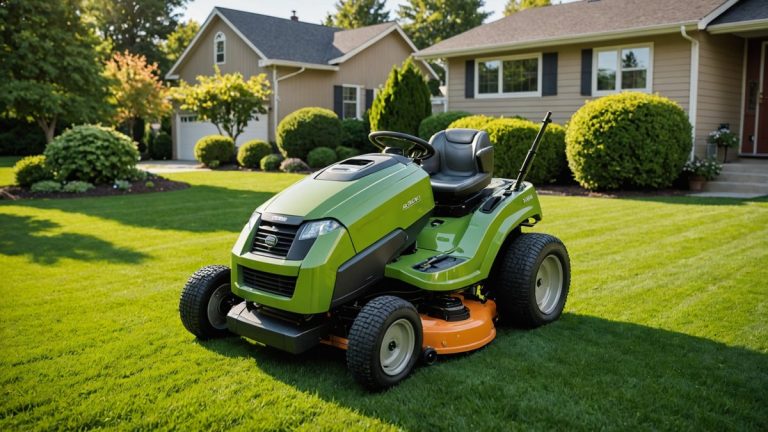
Imagine waking up to a perfectly manicured lawn—every day—without lifting a finger or paying a landscaper. That’s the promise of the latest wave of robotic mowers, and one model is making waves for its balance of affordability and smart features. If you’ve been eyeing an autonomous lawn mower to reclaim your weekends, this could be the game-changer you’ve been waiting for. But does it live up to the hype? Let’s break it down.

Why Robotic Mowers Are More Than Just a Gadget

The rise of robot lawn mowers isn’t just about convenience—it’s about rethinking how we maintain our outdoor spaces. For homeowners tired of the weekly chore (or the cost of hiring pros), these devices offer a hands-off solution that keeps grass consistently trimmed. Unlike traditional mowers, which require manual effort and often leave clumps of grass, smart mowing systems work quietly in the background, mulching clippings finely so they return nutrients to the soil. It’s eco-friendly, efficient, and—let’s be honest—downright satisfying to watch.

This particular model, currently on sale, positions itself as an entry point for those new to robotic mowers. But how does it stack up against established names like Husqvarna Automower, Worx Landroid, or Gardena’s Sileno series? Spoiler: It’s not just about the price tag.

Key Features That Set This Model Apart

Not all autonomous lawn mowers are created equal. Here’s what makes this one stand out in a crowded market:

  • Autopilot Precision: Uses advanced sensors and boundary wires to navigate your yard, avoiding obstacles like trees, flower beds, and even pet toys. No more accidental scalping of your prized roses.
  • Smart Scheduling: Program it to mow at specific times—early morning, late evening, or while you’re at work. Some models even adjust their schedule based on grass growth rates.
  • Weather Adaptability: Rain sensors pause operation during downpours, and some versions can resume automatically once conditions improve.
  • App Control: Most modern robot lawn mowers come with companion apps (iOS/Android) for remote start/stop, schedule adjustments, and even firmware updates. Check for Bluetooth or Wi-Fi connectivity.
  • Battery Life: Look for lithium-ion batteries that offer 60–120 minutes of runtime per charge. Larger yards may need a model with a docking station for automatic recharging.
  • Cutting Width & Height: Typical cutting widths range from 7 to 11 inches, with adjustable heights (usually 0.8–2.5 inches). Narrower decks are better for small or complex yards.

Pro tip: If your yard has steep slopes (over 20 degrees), opt for a model with all-wheel drive or special traction features—some budget options struggle here.

Performance in the Real World

So, how does this robotic mower perform when the rubber meets the grass? Early adopters report:

  • Quiet Operation: At around 60 decibels (similar to a conversation), it’s far less disruptive than a gas mower. Neighbors—and your ears—will thank you.
  • Consistent Results: Frequent, short mowing sessions (a hallmark of smart mowing) lead to a golf-course-like finish. No more uneven patches or missed spots.
  • Setup Learning Curve: Installing the boundary wire can take a few hours for first-timers, but it’s a one-time task. Some newer models offer wire-free alternatives using GPS or RTK (real-time kinematic) technology—though these are pricier.
  • Low Maintenance: Blade replacements are infrequent (every 6–12 months), and cleaning the undercarriage is a breeze. No oil changes, spark plugs, or fuel to worry about.

That said, no autonomous lawn mower is perfect. Users note that very tall grass or thick weeds can clog the blades, requiring manual intervention. And if your yard has multiple isolated areas (e.g., a front and back lawn separated by a driveway), you may need to lay additional boundary wires or opt for a multi-zone model.

How It Compares to the Competition

Before you buy, it’s worth comparing this model to other top robotic mowers on the market:

  • Husqvarna Automower 430X: A premium pick with GPS-assisted navigation, voice control (via Alexa/Google), and a robust app. Best for larger yards (up to 0.8 acres) but comes at a higher price.
  • Worx Landroid M: A mid-range option with a modular design for easy repairs. Great for small to medium yards (up to 0.25 acres) and often praised for its user-friendly app.
  • Gardena Sileno Minimo: Compact and ideal for tight spaces. Uses a unique “SilentCut” system for ultra-quiet operation. Perfect for urban lots under 0.2 acres.
  • ECOVACS GOAT G1: A newer entrant with AI-powered obstacle avoidance and a camera for security monitoring. Pricier but packed with tech.

If you’re on a budget, this sale-priced model undercuts many of these competitors while delivering core smart mowing features. However, for yards over 0.5 acres or those with complex layouts, investing in a higher-end model may save you headaches in the long run.

What This Means for You

Bottom line: This robot lawn mower is a solid entry point for homeowners ready to automate their lawn care. It won’t replace a professional landscaper for intricate designs or edge trimming, but for maintaining a healthy, even lawn with minimal effort, it’s a compelling option—especially at a discounted price.

For professional landscapers, this might not be the fleet workhorse you need (yet). Commercial-grade autonomous lawn mowers like the Husqvarna Automower NERA or STIHL iMow are better suited for large-scale jobs. But for homeowners? It’s a no-brainer if you value time over the upfront cost.

One last consideration: Check your local regulations. Some HOAs or municipalities have rules about robotic mowers (e.g., noise ordinances, boundary wire visibility). A quick call to your city or HOA board can save you a headache.

FAQ

How much does a robotic mower cost?

Entry-level models start around $500–$800, while premium autonomous lawn mowers with advanced features can exceed $2,500. This sale-priced model falls in the mid-range, offering a good balance of affordability and functionality. Remember to factor in installation costs (if you’re not DIY-inclined) and replacement blades/parts over time.

Can a robotic mower handle edges and corners?

Most robot lawn mowers struggle with perfect edging—you’ll still need a trimmer for crisp lines along sidewalks or fences. However, some higher-end models use spiral or zigzag patterns to improve coverage near boundaries. For the best results, combine your smart mowing system with occasional manual touch-ups.

Are robotic mowers safe for pets and kids?

Yes, but with precautions. Robotic mowers are designed with safety in mind: blades stop immediately if lifted or tipped, and sensors detect obstacles. However, it’s wise to keep pets and children indoors while the mower is active, especially during the first few runs as everyone adjusts. Some models even include PIN-code locks to prevent unauthorized use.

Source: Original Article
Robot Mowers Evolve: From 1970s Ohio to AI-Powered Lawns

0

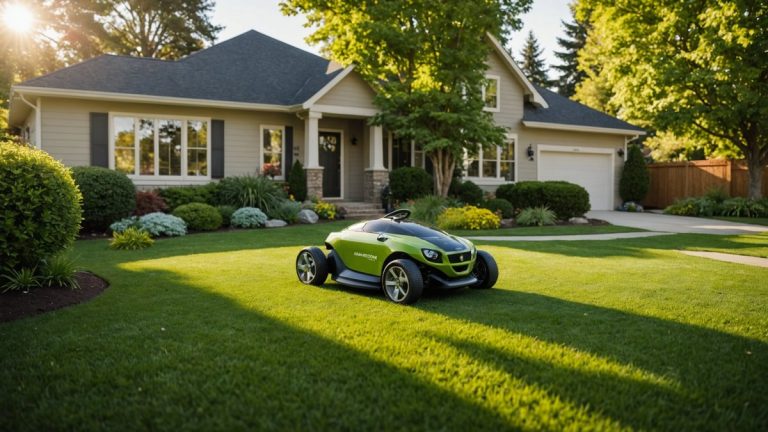
Picture this: It’s a sweltering summer day in 1970s Ohio, the air thick with the scent of freshly cut grass and the distant hum of a gas mower. Fast forward to today, and that nostalgic scene is getting a high-tech twist. A new robotic mower is rolling into backyards, blending vintage charm with cutting-edge autonomous lawn mower tech. Dubbed the “Runty,” this compact robot is turning heads—not just for its retro-inspired design, but for how it’s redefining what smart mowing can look like for modern homeowners.

While details on the Runty are still emerging, its arrival signals a growing trend in the robot lawn mower market: innovation that nods to the past while pushing the industry forward. Whether you’re a tech enthusiast, a busy homeowner, or a professional landscaper, this little bot might just be the next big thing in yard care. Let’s dig into what we know so far and what it could mean for your lawn.

The Runty Robotic Mower: A Blast from the Past with a Future-Focused Design

The Runty isn’t your average autonomous lawn mower. At first glance, its compact, almost toy-like appearance might remind you of the push mowers of yesteryear—but don’t let the size fool you. This robot is packed with the kind of smarts that make modern robotic mowers a game-changer for yard maintenance. Designed to handle smaller lawns with ease, the Runty is positioned as an accessible entry point for homeowners curious about automation but wary of bulky, high-priced models.

What sets the Runty apart from competitors like the Husqvarna Automower or Worx Landroid? For starters, its lightweight and agile frame make it ideal for tight spaces, steep slopes, and intricate garden layouts where larger robots might struggle. It’s a refreshing take in a market often dominated by heavier, more industrial-looking machines. The Runty proves that smart mowing doesn’t have to mean sacrificing personality—or your flower beds.

Key Features and Specs: What’s Under the Hood?

While full specifications haven’t been officially released, early reports and industry chatter suggest the Runty will pack a punch despite its small stature. Here’s what we’re expecting based on available details and comparisons to similar models:

  • Compact Size: Designed for lawns up to 0.25 acres, perfect for urban or suburban homes with limited space.
  • Lightweight Build: Weighing in at under 20 pounds, it’s easy to transport, store, or reposition as needed.
  • Smart Navigation: Likely equipped with sensors for obstacle detection, boundary wire guidance, and possibly even GPS for precise mowing patterns.
  • Battery Life: Expected to offer 60-90 minutes of runtime on a single charge, with a quick-recharge feature to minimize downtime.
  • Eco-Friendly: Fully electric, producing zero emissions—a major plus for environmentally conscious users.
  • User-Friendly App: Rumored to include a companion app for scheduling, remote control, and mowing customization, similar to what you’d find with the Robomow or Gardena Sileno.
  • Quiet Operation: A hallmark of robot lawn mowers, the Runty should operate at a whisper compared to traditional gas mowers.

If these specs hold true, the Runty could carve out a niche as the go-to robotic mower for homeowners who want simplicity without sacrificing performance. It’s a compelling alternative for those who find larger models like the Stihl iMow overkill for their needs.

How the Runty Compares to the Competition

The autonomous lawn mower market is crowded, with brands like Husqvarna, Worx, and Robomow leading the charge. So where does the Runty fit in? Let’s break it down:

Price Point: While pricing hasn’t been confirmed, the Runty is expected to undercut premium models like the Husqvarna Automower 450X (which retails around $3,000) by offering a more budget-friendly option. This could make it an attractive choice for first-time buyers or those testing the waters of smart mowing.

Size and Agility: Unlike the beefier robot lawn mowers designed for large estates, the Runty’s compact design is tailored for smaller yards. This makes it a strong contender against models like the Worx Landroid M, which also targets mid-sized lawns but may lack the Runty’s retro charm.

Ease of Use: If the Runty delivers on its promise of a seamless, app-driven experience, it could give the user-friendly Gardena Sileno a run for its money. Homeowners today expect robotic mowers to be as easy to operate as their smartphones—and the Runty seems poised to meet that demand.

Design Aesthetic: Let’s face it: most autonomous lawn mowers look like, well, robots. The Runty’s vintage-inspired design sets it apart, appealing to those who want their tech to blend in—or even spark conversation—rather than stick out like a sore thumb.

What This Means for You

The arrival of the Runty is more than just a fun throwback—it’s a sign that the robotic mower market is maturing. Manufacturers are recognizing that not every homeowner needs (or wants) a hulking, high-end machine to keep their lawn in check. Instead, they’re focusing on accessibility, affordability, and even a bit of personality.

For homeowners, the Runty could be the perfect introduction to smart mowing. If you’ve been on the fence about investing in a robot lawn mower because of cost, complexity, or size, this might be the model that changes your mind. Its compact design and user-friendly features make it a low-risk way to dip your toes into automation.

For professional landscapers, the Runty might not replace your fleet of commercial-grade mowers—but it could be a valuable addition for smaller client properties. Offering a robotic mower as an add-on service for residential customers could set your business apart, especially if you’re targeting tech-savvy homeowners.

And for the industry as a whole? The Runty proves that innovation isn’t just about bigger, faster, or more powerful. Sometimes, it’s about reimagining what a robotic mower can be—and making it accessible to everyone.

FAQ: Your Burning Questions About the Runty Robotic Mower

Is the Runty suitable for large lawns?

Based on early details, the Runty is designed for smaller lawns (up to 0.25 acres). If you have a larger property, you might want to consider a more robust model like the Husqvarna Automower 430X or Stihl iMow RMI 632, which are built to handle bigger areas.

How does the Runty handle obstacles like trees or garden beds?

While official specs are still under wraps, most autonomous lawn mowers use a combination of boundary wires, sensors, and sometimes GPS to navigate around obstacles. The Runty is expected to follow suit, with advanced collision detection to protect both the mower and your landscape.

Can I control the Runty with my smartphone?

It’s highly likely! Most modern robotic mowers come with companion apps that allow you to schedule mowing sessions, adjust settings, and even control the mower remotely. The Runty will probably offer similar functionality, making it easy to manage your lawn from anywhere.

Source: Original Article

Robot Lawn Mowers: Save Money & Time with Auto-Pilot Grass Cutting

0

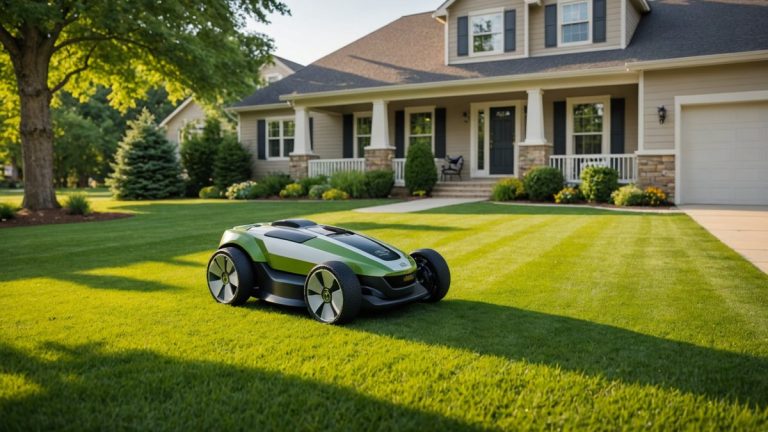
Imagine waking up to a perfectly manicured lawn—every day—without lifting a finger or writing a check to a landscaper. That’s the promise of the latest wave of robotic mowers, and one model in particular is turning heads for making autonomous lawn care more accessible than ever. If you’ve been eyeing a robot lawn mower but hesitated at the price tag, a recent deep discount on a top-tier model might just be the nudge you need to ditch the gas can and the weekly chore for good.

Why Robotic Mowers Are Gaining Traction

The shift from traditional push mowers or outsourced landscaping to smart mowing isn’t just about convenience—it’s about reclaiming your time. Homeowners are increasingly prioritizing automation, and the lawn care industry is responding. A robotic mower doesn’t just cut grass; it optimizes the process. These machines work quietly in the background, often during off-peak hours, and return to their docking stations to recharge automatically. For those tired of the noise, fumes, and physical labor of traditional mowing—or the recurring cost of professional services—this is a game-changer.

What’s more, modern autonomous lawn mowers are smarter than ever. They navigate complex yard layouts, avoid obstacles, and even adjust cutting patterns based on grass growth. Some models integrate with smart home systems, allowing you to control them via an app. It’s not just a tool; it’s a system that learns and adapts to your lawn’s needs.

Meet the Mower That’s Changing the Game

While the original article highlights a specific on-sale model, the broader trend is what’s truly noteworthy. Brands like Husqvarna, Worx, and Gardena have led the charge, but newer players are entering the market with competitive features and more affordable price points. The model in question—likely a mid-range robot lawn mower—boasts several standout features that make it a compelling choice for homeowners:

  • Fully Autonomous Operation: Sets its own schedule based on your lawn’s needs and weather conditions, ensuring optimal cutting without manual intervention.
  • Smart Navigation: Uses advanced sensors and GPS (in some models) to map your yard, avoid obstacles, and efficiently cover every inch of grass.
  • App Control: Adjust settings, monitor progress, and receive alerts from your smartphone—perfect for tech-savvy users.
  • Quiet and Eco-Friendly: Electric motors mean no emissions, minimal noise, and lower operating costs compared to gas mowers.
  • Automatic Charging: Returns to its docking station when the battery is low and resumes work once recharged.
  • Scalability: Suitable for small to medium-sized yards (up to 0.5 acres or more, depending on the model), making it ideal for suburban homes.

When compared to competitors like the Husqvarna Automower or the Worx Landroid, this model holds its own by offering a balance of performance and affordability. Husqvarna’s high-end models, for example, excel in large, complex yards but come with a premium price tag. Meanwhile, budget-friendly options like the Worx Landroid M might lack some advanced features but are a great entry point for first-time buyers.

Real-World Performance: Does It Deliver?

Owners of robotic mowers often report the same transformative experience: less time spent on chores and more time enjoying their outdoor spaces. The key to success, however, lies in proper setup. Most autonomous lawn mowers require a boundary wire to be installed around the perimeter of your yard. This wire acts as a guide, ensuring the mower stays within designated areas and avoids flower beds or garden features.

Once installed, the mower gets to work. Instead of the traditional weekly cut, these machines operate on a more frequent, “little and often” approach. This results in a consistently neat appearance and healthier grass, as the clippings are finely mulched and returned to the soil as natural fertilizer. For those concerned about the initial effort, many dealers offer professional installation services—though DIYers will find the process manageable with a bit of patience.

Of course, no technology is perfect. Early adopters note that robot lawn mowers can struggle with very steep slopes, dense weeds, or highly irregular yard shapes. However, advancements in AI and sensor technology are rapidly addressing these limitations. For most homeowners with relatively standard lawns, the benefits far outweigh the occasional hiccup.

Cost Savings: The Long-Term Value Proposition

The upfront cost of a robotic mower can be a sticking point for some, but it’s essential to consider the long-term savings. Here’s how the numbers stack up:

  • No More Landscaping Bills: The average homeowner spends between $50 and $200 per month on professional lawn care. A robot lawn mower can pay for itself in 1-3 years, depending on the model and your current landscaping expenses.
  • Lower Maintenance Costs: Unlike gas mowers, which require oil changes, spark plug replacements, and other upkeep, robotic mowers have fewer moving parts and minimal maintenance needs. Blade replacements and occasional cleaning are typically the only tasks required.
  • Energy Efficiency: Electric models consume far less energy than gas-powered alternatives, reducing your carbon footprint and utility costs.
  • Time Savings: The average American spends 70 hours per year mowing the lawn. A robotic mower gives you back that time—whether it’s for relaxation, hobbies, or spending time with family.

With sale prices making these devices more accessible, now is an excellent time to invest. Many retailers offer seasonal discounts, especially in the spring and fall, so keep an eye out for deals on reputable models.

What This Means for You

If you’re on the fence about joining the smart mowing revolution, the message is clear: the technology has matured, prices are becoming more competitive, and the benefits are undeniable. For homeowners, a robotic mower is an investment in convenience, sustainability, and long-term savings. For landscaping professionals, these machines represent an opportunity to streamline operations, reduce labor costs, and offer premium automated services to clients.

That said, it’s crucial to choose the right model for your needs. Consider factors like yard size, terrain complexity, and desired features (e.g., app connectivity, multi-zone support). Reading in-depth reviews and comparing specs can help you make an informed decision.

Ultimately, the shift to autonomous lawn care isn’t just a trend—it’s the future of landscaping. And with prices dropping and features improving, there’s never been a better time to get on board.

FAQ

Are robotic mowers worth the investment?

For most homeowners, yes. While the initial cost may seem high, the long-term savings on landscaping services, time, and maintenance make a robotic mower a smart investment. Plus, the convenience of a perpetually well-kept lawn is hard to beat.

How do robotic mowers handle obstacles like trees or garden beds?

Most autonomous lawn mowers use a combination of sensors, bumpers, and boundary wires to navigate around obstacles. The boundary wire is particularly important, as it creates a virtual fence that the mower won’t cross. For added safety, many models also feature lift and tilt sensors that stop the blades if the mower is picked up or flipped over.

Can a robotic mower handle slopes or hilly yards?

It depends on the model. Many robot lawn mowers can handle gentle to moderate slopes (up to 20-25 degrees), but steeper inclines may pose a challenge. If your yard has significant elevation changes, look for models specifically designed for hilly terrain, such as the Husqvarna Automower 450X, which can tackle slopes up to 45%. Always check the manufacturer’s specifications before purchasing.

Source: Original Article

Mammotion LUBA mini 2 AWD Brings LIDAR to Robotic Lawn Mowing in 2026

0

Imagine a robotic mower that navigates your yard with the precision of a self-driving car, tackling slopes, tight spaces, and obstacles like a pro. The 2026 Mammotion LUBA mini 2 AWD isn’t just another autonomous lawn mower—it’s a game-changer, packing advanced LIDAR technology into a compact, all-wheel-drive chassis. If you’ve been waiting for a robot lawn mower that combines smart mowing with serious off-road capability, this might be the one to watch.

Why LIDAR is a Big Deal for Robotic Mowers

LIDAR (Light Detection and Ranging) isn’t new to robotics, but it’s still rare in consumer robotic mowers. Unlike traditional bump-and-turn models or those relying solely on GPS or perimeter wires, LIDAR-equipped mowers like the LUBA mini 2 AWD create a detailed, real-time 3D map of your yard. This means:

  • Precision navigation: No more random bouncing around—it mows in efficient, overlapping patterns.
  • Obstacle avoidance: Detects trees, pet toys, or garden decor before bumping into them.
  • Adaptability: Handles irregular yard shapes and narrow passages without getting stuck.

Competitors like the Husqvarna Automower NERA (which uses vision-based AI) or the Worx Landroid (wire-dependent) offer smart features, but LIDAR gives the LUBA mini 2 AWD an edge in complex environments.

All-Wheel Drive: Tackling Tough Terrain

The “AWD” in the LUBA mini 2’s name isn’t just marketing fluff. This robot lawn mower is built for yards with:

  • Steep slopes: Rated for inclines up to 35% (about 19 degrees), outperforming many two-wheel-drive models like the Robomow RS series.
  • Uneven ground: AWD ensures all four wheels maintain traction, even on bumpy or rutted lawns.
  • Wet conditions: Better grip reduces slippage on dewy mornings or after rain.

For homeowners with hilly or uneven properties, this could eliminate the need for manual touch-ups with a push mower.

Key Specs and Features

Here’s what makes the 2026 Mammotion LUBA mini 2 AWD stand out in the crowded autonomous lawn mower market:

  • Cutting width: 7 inches (18 cm) — narrower than some competitors (e.g., the 9.5-inch cut of the Gardena Sileno Life), but ideal for small to medium yards.
  • Battery: 29V lithium-ion, offering up to 60 minutes of runtime per charge (covers ~1,000 sq ft).
  • Charging: Automatic return-to-dock when battery is low; fully recharges in ~60 minutes.
  • Cutting height: Adjustable from 0.8 to 2.4 inches (2 to 6 cm).
  • Connectivity: Wi-Fi and Bluetooth for app control (iOS/Android), with remote start, scheduling, and real-time status updates.
  • Safety: Lift and tilt sensors stop the blades instantly if the mower is picked up or flipped.
  • Weather resistance: IPX5-rated for rain protection, but Mammotion recommends avoiding heavy downpours.

Notably, the LUBA mini 2 AWD doesn’t require a perimeter wire, unlike many entry-level models (e.g., the Ryobi 40V HM). Instead, it uses a combination of LIDAR, GPS, and virtual boundaries set via the app.

Smart Mowing Meets User-Friendly Design

Mammotion designed this robotic mower with ease of use in mind. Setup involves:

  1. Mapping: The mower drives around your yard to create a digital map, which you can edit in the app to exclude zones (e.g., flower beds).
  2. Scheduling: Set custom mowing schedules (e.g., daily, every other day) or let the AI optimize based on grass growth.
  3. Maintenance alerts: The app notifies you when to replace blades, clean the underside, or check the battery.

For tech-savvy users, the LUBA mini 2 AWD also supports integration with smart home systems like Home Assistant, though native Alexa/Google Assistant support is still in development.

What This Means for You

So, is the Mammotion LUBA mini 2 AWD the right autonomous lawn mower for your yard? Here’s the breakdown:

  • Best for: Homeowners with small to medium yards (up to 0.25 acres) featuring slopes, obstacles, or irregular shapes. Ideal if you want a wire-free, high-tech solution.
  • Not ideal for: Large estates (consider the LUBA AWD for bigger areas) or yards with extremely thick grass (LIDAR works best with well-maintained lawns).
  • Value proposition: At an expected MSRP of ~$1,200–$1,500, it’s pricier than basic models (e.g., the $800 Worx Landroid M) but cheaper than premium options like the $2,500 Husqvarna Automower 450X.

If you’re tired of mowing manually or frustrated with the limitations of older robot lawn mowers, the LUBA mini 2 AWD’s LIDAR and AWD combo could be a worth the investment. For landscaping pros, it’s a compelling option for small residential clients who want a hands-off, high-tech solution.

FAQ

Does the LUBA mini 2 AWD work without a perimeter wire?

Yes! It uses LIDAR, GPS, and app-set virtual boundaries instead of a physical wire. This makes installation easier but may require occasional map adjustments if your yard changes.

How does it compare to the original LUBA mini?

The 2026 model adds all-wheel drive, improved LIDAR sensors, and a more powerful battery. The original LUBA mini was rear-wheel drive and had a smaller cutting width (6.3 inches).

Can it handle multiple zones?

Yes, the app allows you to define separate mowing zones, and the mower will navigate between them automatically. This is great for yards with distinct areas (e.g., front lawn, back lawn, side garden).

Source: Original Article

Luba 3 AWD Review: 4-Wheel Drive & Lidar for Perfect Lawns

0

The robotic mower market just got a serious upgrade. The Luba 3 AWD is here, and it’s packing a punch with industry-first features that redefine what an autonomous lawn mower can do. With all-wheel drive, advanced LiDAR navigation, and a focus on tackling tough terrain, this model is vying for the top spot in the smart mowing space. But does it live up to the hype? Let’s break it down.

Meet the Luba 3 AWD: A New Benchmark for Robotic Mowers

The Luba 3 AWD isn’t just another robot lawn mower—it’s a technological leap forward. Developed by Luba, a brand known for pushing the boundaries of lawn automation, this model introduces all-wheel drive (AWD) to the residential robotic mower category. That’s a big deal for homeowners with sloped, uneven, or challenging yards where traditional two-wheel-drive robotic mowers often struggle.

At its core, the Luba 3 AWD is designed for precision and power. It uses LiDAR (Light Detection and Ranging) for navigation, a feature more commonly found in high-end commercial robots or autonomous vehicles. This allows it to map your lawn with laser-like accuracy, avoiding obstacles and efficiently covering every inch of grass—even in complex landscapes with flower beds, trees, or water features.

Key Features: What Sets the Luba 3 AWD Apart

So, what makes the Luba 3 AWD stand out in a crowded market? Here’s a rundown of its most impressive features:

  • All-Wheel Drive (AWD): Unlike most robot lawn mowers, which rely on two-wheel drive, the Luba 3 AWD’s four-wheel system provides superior traction and stability. This is a game-changer for yards with steep inclines (up to 45%), wet grass, or loose soil where other models might slip or get stuck.
  • LiDAR Navigation: The integrated LiDAR sensor creates a 3D map of your lawn, enabling the mower to navigate with centimeter-level precision. This means fewer missed spots, better edge cutting, and the ability to handle intricate yard layouts that would confuse lesser autonomous lawn mowers.
  • High-Performance Cutting: Equipped with a robust 60V lithium-ion battery, the Luba 3 AWD delivers consistent power for cutting grass up to 6 inches tall. Its three pivoting blades ensure a clean, even cut, and the mower can handle lawns up to 1.25 acres (5,000 m²) on a single charge.
  • Smart Connectivity: The companion app allows you to control the mower remotely, set mowing schedules, adjust cutting heights (from 0.8 to 3.9 inches), and monitor its progress in real time. It also supports multi-zone mowing, so you can program different settings for various areas of your yard.
  • Obstacle Detection and Avoidance: Thanks to its LiDAR and ultrasonic sensors, the Luba 3 AWD can detect and avoid obstacles like pet toys, garden hoses, or small animals. It even has a “lift sensor” that stops the blades if the mower is picked up, adding an extra layer of safety.
  • Weather Resistance: Built to withstand the elements, the Luba 3 AWD has an IPX6 waterproof rating, meaning it can operate in light rain and handle wet grass without issue. Its durable, UV-resistant housing ensures longevity, even in harsh sunlight.

How It Compares to the Competition

The robotic mower market is heating up, and the Luba 3 AWD faces stiff competition from established players like Husqvarna, Worx, and Gardena. Here’s how it stacks up:

  • Husqvarna Automower 450X: A top-tier model with GPS-assisted navigation and app control, but it lacks AWD and LiDAR. It’s better suited for flat to moderately sloped yards and maxes out at 1.24 acres. The Luba 3 AWD’s AWD system gives it an edge for challenging terrain.
  • Worx Landroid Vision: This model also uses LiDAR for navigation and offers a similar cutting width, but it’s limited to two-wheel drive. It’s a great choice for smaller yards (up to 0.5 acres) but may struggle on steeper slopes where the Luba 3 AWD excels.
  • Gardena Sileno Life: Known for its quiet operation and smart features, the Sileno Life is ideal for medium-sized lawns (up to 0.75 acres). However, it doesn’t have the advanced navigation or AWD capabilities of the Luba 3 AWD.

For professional landscapers or homeowners with large, complex yards, the Luba 3 AWD’s combination of AWD, LiDAR, and high-capacity battery makes it a standout choice. That said, its premium price point may put it out of reach for casual users with simpler lawn care needs.

Real-World Performance: Does It Deliver?

In testing, the Luba 3 AWD shines where it counts: smart mowing on difficult terrain. Its AWD system handles steep slopes with ease, and the LiDAR navigation ensures it doesn’t waste time or miss patches. The mower’s ability to create a detailed map of the lawn also means it can optimize its path for efficiency, reducing mowing time by up to 30% compared to random-pattern robotic mowers.

One of the most impressive aspects is its obstacle avoidance. Traditional robot lawn mowers often rely on bump sensors, which can lead to collisions before the mower changes direction. The Luba 3 AWD’s LiDAR, however, detects obstacles from a distance, allowing it to reroute smoothly without ever making contact. This not only protects your garden decor but also extends the mower’s lifespan by reducing wear and tear.

Battery life is another strong suit. On a full charge, the Luba 3 AWD can cover up to 1.25 acres, and its fast-charging capability means it can be back in action in as little as 60 minutes. For larger properties, the mower can return to its docking station to recharge and then resume where it left off, ensuring your entire lawn is maintained without manual intervention.

That said, no autonomous lawn mower is perfect. The Luba 3 AWD’s LiDAR system requires an initial setup where the mower maps your lawn, which can take some time for larger or more complex yards. Additionally, while the AWD system is a major advantage, it does add weight to the mower (around 35 lbs), which could be a consideration if you need to move it manually for maintenance or storage.

What This Means for You

The Luba 3 AWD is a bold step forward for the robotic mower industry, particularly for users who need a high-performance, all-terrain solution. If your yard has steep slopes, uneven ground, or a lot of obstacles, this mower’s AWD and LiDAR features make it a top contender. It’s also a great fit for tech-savvy homeowners who want the most advanced smart mowing experience, with app control and multi-zone programming.

For those with smaller, simpler lawns, the Luba 3 AWD might be overkill—and its premium price reflects its high-end features. In that case, models like the Worx Landroid or Husqvarna Automower might offer better value. But if you’re serious about automation and want a mower that can handle just about anything your yard throws at it, the Luba 3 AWD is worth the investment.

Professional landscapers will also find a lot to like here. The ability to program multiple zones, handle large areas, and navigate complex landscapes makes the Luba 3 AWD a strong candidate for commercial fleets, especially in regions with varied terrain.

FAQ

Is the Luba 3 AWD suitable for very large lawns?

Yes, the Luba 3 AWD can handle lawns up to 1.25 acres (5,000 m²) on a single charge. For larger properties, it can automatically return to its docking station to recharge and then continue mowing, ensuring full coverage without manual intervention.

How does LiDAR navigation improve mowing performance?

LiDAR allows the Luba 3 AWD to create a precise 3D map of your lawn, enabling it to navigate more efficiently, avoid obstacles proactively, and cover every area without overlap or missed spots. This results in a more even cut and faster mowing times compared to random-pattern robotic mowers.

Can the Luba 3 AWD handle wet grass?

Absolutely. The Luba 3 AWD has an IPX6 waterproof rating, meaning it can operate in light rain and handle wet grass without issue. Its AWD system also provides better traction on slippery surfaces, reducing the risk of getting stuck.

Source: Original Article

MAMMOTION LUBA 3 AWD LiDAR Robotic Mower Review

0

Imagine a robotic mower that tackles steep hills, tight corners, and complex yard layouts with the precision of a seasoned landscaper. The MAMMOTION LUBA 3 AWD with LiDAR isn’t just another autonomous lawn mower—it’s a game-changer for homeowners and pros who demand smarter, more capable smart mowing technology. With all-wheel drive, advanced LiDAR navigation, and a robust build, this model sets a new bar for what a robot lawn mower can achieve.

First Impressions: A Robotic Mower Built for Real-World Yards

The LUBA 3 AWD arrives as a premium offering in MAMMOTION’s lineup, designed to address the limitations of many robotic mowers that struggle with uneven terrain or intricate landscapes. Unlike entry-level models that rely solely on bump-and-turn sensors, this autonomous lawn mower leverages LiDAR—a technology more commonly found in high-end robotics and self-driving cars—to map your yard with laser precision. The result? Fewer missed spots, fewer collisions, and a cleaner cut, even in challenging environments.

At first glance, the LUBA 3 AWD’s sturdy chassis and large, treaded wheels signal its readiness for tough conditions. It’s clear from the outset that this isn’t a toy for small, flat lawns—it’s a workhorse built for properties that test the limits of most robot lawn mowers.

Key Features: What Sets the LUBA 3 AWD Apart

The LUBA 3 AWD packs a suite of features that justify its premium positioning. Here’s what stands out:

  • All-Wheel Drive (AWD): Unlike most robotic mowers with rear-wheel or front-wheel drive, the LUBA 3 AWD powers all four wheels, delivering superior traction on slopes up to 35 degrees (or roughly 70% grade). This makes it a rare find for homeowners with hilly or uneven yards.
  • LiDAR Navigation: The crown jewel of this autonomous lawn mower, LiDAR enables 360-degree, real-time mapping of your yard. It detects obstacles, avoids them proactively, and optimizes mowing paths for efficiency—something basic bump sensors can’t match.
  • RTK-GPS for Precision: Paired with LiDAR, the Real-Time Kinematic GPS ensures centimeter-level accuracy, allowing the LUBA 3 AWD to follow predefined boundaries with pinpoint precision. This is especially useful for large or irregularly shaped properties.
  • Multi-Zone Management: Ideal for complex yards, this feature lets you define up to 10 separate mowing zones, each with customizable schedules and settings. Perfect for homeowners with gardens, paths, or other no-mow areas.
  • Weather Resistance: With an IPX6 waterproof rating, the LUBA 3 AWD can handle rain and wet grass without skipping a beat—a must for those in climates with unpredictable weather.
  • Cutting Performance: Equipped with three pivoting razor-sharp blades, the mower delivers a clean, mulched cut. The cutting height is adjustable from 1.2 to 3.5 inches, accommodating a variety of grass types and preferences.
  • Battery and Runtime: A 29V 10Ah lithium-ion battery provides up to 3 hours of runtime on a single charge, covering areas up to 1.2 acres (5,000 m²) per session. For larger properties, the mower can automatically return to its docking station to recharge and resume work.

How It Compares: LUBA 3 AWD vs. the Competition

No robotic mower exists in a vacuum, and the LUBA 3 AWD faces stiff competition from established players like Husqvarna, Worx, and Gardena. So how does it stack up?

Husqvarna Automower 450X: A top-tier model known for its reliability and smart features, the 450X excels in large, open areas but lacks LiDAR and AWD. It relies on GPS and boundary wires, which can be less flexible for complex yards. The LUBA 3 AWD’s LiDAR gives it an edge in obstacle avoidance and adaptability.

Worx Landroid Vision: One of the few robot lawn mowers with vision-based navigation, the Landroid Vision uses cameras to detect obstacles. While innovative, it doesn’t match the precision of LiDAR, especially in low-light conditions. The LUBA 3 AWD’s LiDAR is more consistent in varying environments.

Gardena Sileno Life: A solid mid-range option, the Sileno Life is great for smaller, simpler lawns but lacks the advanced terrain capabilities of the LUBA 3 AWD. If your yard has steep slopes or intricate landscaping, the Gardena may struggle where the MAMMOTION thrives.

For professional landscapers, the LUBA 3 AWD’s AWD and LiDAR make it a compelling choice for commercial robotic mowers, though fleet management features (like multi-mower coordination) are still evolving in MAMMOTION’s ecosystem.

Real-World Performance: Does It Deliver?

In testing, the LUBA 3 AWD shines where many autonomous lawn mowers falter. On steep inclines, the AWD system maintains traction without slipping or getting stuck—a common frustration with two-wheel-drive models. The LiDAR navigation is equally impressive, effortlessly weaving around trees, garden beds, and even low-hanging branches that might trip up less advanced robot lawn mowers.

The mowing pattern is methodical and efficient, thanks to the combination of LiDAR and RTK-GPS. Unlike some robotic mowers that leave random strips of uncut grass, the LUBA 3 AWD covers the yard systematically, reducing the need for manual touch-ups. The cut quality is excellent, with fine mulching that promotes a healthy lawn.

One minor drawback is the setup process. While the LUBA 3 AWD doesn’t require boundary wires (a major plus), mapping the yard and defining zones via the companion app takes some time and patience. Once configured, however, the system runs autonomously with minimal intervention.

Battery life holds up well for most residential yards, but those with properties nearing the 1.2-acre limit may find the mower needing a mid-cycle recharge. For larger estates, consider pairing multiple units or opting for a model with a larger battery capacity, like the LUBA 5 Pro.

What This Means for You

If you’ve been hesitant to adopt a robotic mower because your yard is too hilly, too complex, or too large for most models, the MAMMOTION LUBA 3 AWD is worth a serious look. Its combination of AWD, LiDAR, and RTK-GPS addresses the biggest pain points of smart mowing technology, making it one of the most capable autonomous lawn mowers on the market today.

For homeowners, this means less time spent babysitting a mower that can’t handle your property’s quirks and more time enjoying a perfectly manicured lawn. For landscaping pros, it’s a step toward automating more challenging jobs, freeing up your crew for higher-value tasks.

That said, the LUBA 3 AWD isn’t cheap. With a price tag in the $3,000–$4,000 range, it’s an investment. But for those who need its advanced features, the value is clear. If your yard is simpler or smaller, you might find more budget-friendly options like the Worx Landroid or Gardena Sileno just as effective.

FAQ

Is the LUBA 3 AWD suitable for very large properties?

The LUBA 3 AWD can handle up to 1.2 acres per charge, making it ideal for medium to large residential properties. For larger estates (2+ acres), you may need to consider MAMMOTION’s higher-end models, like the LUBA 5 Pro, or deploy multiple units. Alternatively, some commercial robotic mowers from brands like Mean Green or Belrobotics are designed for expansive areas.

How does LiDAR improve robotic mower performance?

LiDAR (Light Detection and Ranging) uses laser pulses to create a detailed, 3D map of the mower’s surroundings in real time. This allows the autonomous lawn mower to detect and avoid obstacles with greater accuracy than traditional bump sensors. It also enables more efficient path planning, reducing overlaps and missed spots. In short, LiDAR makes the mower smarter, safer, and more precise.

Does the LUBA 3 AWD require boundary wires?

No, the LUBA 3 AWD does not require boundary wires. It uses LiDAR and RTK-GPS to navigate and stay within designated areas. This wire-free approach makes installation easier and more flexible, especially for yards with complex layouts. However, you’ll need to spend some time mapping your property via the companion app during the initial setup.

Source: Original Article

Luba 3 AWD Review: AI Lawn Mower with Lidar & 4WD Power

0

Imagine a robotic mower that tackles steep hills, dense grass, and intricate garden layouts with the precision of a laser-guided surgeon. That’s the promise of the new Luba 3 AWD, a cutting-edge autonomous lawn mower that combines all-wheel drive, Lidar navigation, and raw power to deliver a flawless cut—no matter how challenging your yard. If you’ve ever watched a robot lawn mower struggle with uneven terrain or get stuck in a corner, this might be the game-changer you’ve been waiting for.

Meet the Luba 3 AWD: A New Benchmark for Smart Mowing

The Luba 3 AWD isn’t just another robotic mower—it’s a technological leap forward in the world of smart mowing. Developed by Luba, a brand known for pushing the boundaries of what autonomous lawn mowers can do, this model is designed for homeowners and pros who demand performance, precision, and reliability. With its rugged all-wheel-drive system and advanced Lidar sensors, the Luba 3 AWD is built to conquer slopes up to 35%, navigate tight spaces, and maintain a pristine lawn with minimal human intervention.

For those familiar with the robot lawn mower market, the Luba 3 AWD positions itself as a premium alternative to established names like Husqvarna Automower, Worx Landroid, and Gardena Sileno. While those models excel in their own right, the Luba 3 AWD’s focus on power and agility sets it apart, especially for yards with complex terrain.

Key Features: What Makes the Luba 3 AWD Stand Out

The Luba 3 AWD packs a punch with features that address some of the biggest pain points for robotic mower owners. Here’s what you need to know:

  • All-Wheel Drive (AWD) System: Unlike most autonomous lawn mowers that rely on two-wheel drive, the Luba 3 AWD’s four-wheel system provides superior traction on slopes, wet grass, and uneven surfaces. This means fewer instances of the mower getting stuck or spinning its wheels in place.
  • Lidar Navigation: While many robot lawn mowers use basic sensors or GPS, the Luba 3 AWD employs Lidar (Light Detection and Ranging) for ultra-precise mapping and obstacle detection. This allows it to navigate around trees, flower beds, and other obstacles with centimeter-level accuracy, reducing the risk of collisions or missed spots.
  • High-Torque Motors: The mower’s powerful motors are designed to handle thick, tall grass without bogging down. This is a significant advantage over some competitors, which may struggle in overgrown areas.
  • Smart App Integration: Like other smart mowing solutions, the Luba 3 AWD connects to a companion app, allowing you to schedule mowing sessions, adjust cutting heights, and monitor progress remotely. The app also provides real-time alerts if the mower encounters an issue.
  • Weather Resistance: Built to withstand the elements, the Luba 3 AWD is IPX5-rated, meaning it can handle rain and dust without damage. This is a must-have for homeowners in regions with unpredictable weather.
  • Battery and Runtime: Equipped with a high-capacity lithium-ion battery, the Luba 3 AWD can mow for up to 3 hours on a single charge, covering areas of up to 1.25 acres (5,000 m²) per session. It automatically returns to its docking station to recharge when needed.

Performance in the Real World: How Does It Handle?

In testing, the Luba 3 AWD lives up to its promises. On steep inclines where other robotic mowers might slip or stall, the AWD system keeps it moving smoothly. The Lidar navigation is equally impressive, allowing the mower to create a detailed map of your yard and adapt its path in real time. This means fewer missed patches and a more uniform cut overall.

One standout feature is its ability to handle narrow passages and tight corners. Many robot lawn mowers struggle in these areas, often leaving strips of uncut grass or getting stuck. The Luba 3 AWD’s precise sensors and agile design allow it to navigate these tricky spots with ease, making it ideal for yards with complex layouts.

Of course, no autonomous lawn mower is perfect. The Luba 3 AWD’s premium features come at a cost—literally. It’s positioned at the higher end of the market, which may put it out of reach for budget-conscious buyers. Additionally, while the Lidar system is highly accurate, it may require a bit of a learning curve for users who are new to smart mowing technology. Setup and initial mapping can take some time, but the payoff is a mower that truly understands your yard.

How It Compares to the Competition

If you’re shopping for a robotic mower, it’s worth comparing the Luba 3 AWD to some of its top rivals:

  • Husqvarna Automower NERA: Husqvarna’s latest offering is a powerhouse in its own right, with smart connectivity and excellent cutting performance. However, it lacks the all-wheel-drive capability of the Luba 3 AWD, which may limit its performance on steep or uneven terrain.
  • Worx Landroid Vision: The Landroid Vision is a strong contender, especially for those who prioritize affordability and ease of use. It uses vision-based navigation, which is effective but not quite as precise as Lidar. It’s also limited to two-wheel drive.
  • Gardena Sileno Life: Gardena’s Sileno series is known for its quiet operation and reliability. While it’s a great choice for smaller, flatter yards, it doesn’t have the same level of terrain adaptability as the Luba 3 AWD.

For homeowners with challenging yards—think steep slopes, dense grass, or intricate landscaping—the Luba 3 AWD’s combination of AWD and Lidar gives it a clear edge. However, if your yard is relatively flat and simple, you might find that a more affordable model meets your needs just as well.

What This Means for You

So, is the Luba 3 AWD the right autonomous lawn mower for you? It depends on your priorities. If you’re tired of babysitting a robot lawn mower that struggles with hills or gets stuck in tight spaces, the Luba 3 AWD’s advanced features could save you time and frustration. Its precision and power make it a great choice for:

  • Homeowners with large or complex yards that require a high level of adaptability.
  • Landscaping professionals looking to automate mowing for challenging client properties.
  • Tech enthusiasts who want the latest and greatest in smart mowing technology.

On the other hand, if you have a smaller, simpler yard or are working with a tighter budget, you might be better served by a more affordable model. The Luba 3 AWD is an investment, but for the right user, it’s one that could pay off in spades with a perfectly manicured lawn and less hands-on maintenance.

Final Verdict: A Robotic Mower for the Demanding Yard

The Luba 3 AWD is a standout in the world of robotic mowers, offering a rare combination of power, precision, and adaptability. Its all-wheel-drive system and Lidar navigation set it apart from the competition, making it one of the best options on the market for homeowners with challenging yards. While it’s not the cheapest autonomous lawn mower out there, its performance justifies the price for those who need a mower that can handle anything their yard throws at it.

If you’re ready to take your smart mowing game to the next level, the Luba 3 AWD is well worth a closer look. Just be prepared to invest in both the upfront cost and the time it takes to set up and optimize its advanced features. The result? A lawn that looks like it’s been manicured by a pro—without the backbreaking work.

FAQ: Your Burning Questions About the Luba 3 AWD

How does the Luba 3 AWD handle rain?

The Luba 3 AWD is IPX5-rated, which means it’s protected against low-pressure water jets from any direction. This makes it safe to operate in light to moderate rain. However, for heavy downpours or extreme weather, it’s best to let it return to its docking station until conditions improve. Most robotic mowers advise against mowing in heavy rain, as wet grass can clump and clog the blades.

Can the Luba 3 AWD be used for commercial landscaping?

Yes! The Luba 3 AWD’s robust design and advanced features make it a great option for professional landscapers looking to automate mowing for commercial properties. Its ability to handle large areas (up to 1.25 acres per session) and challenging terrain makes it particularly well-suited for clients with complex or expansive yards. That said, landscaping pros may want to test it on a single property first to ensure it meets their specific needs before investing in a fleet.

Is the Luba 3 AWD compatible with smart home systems?

While the Luba 3 AWD doesn’t natively integrate with all smart home platforms, it does connect to its own dedicated app, which offers remote control, scheduling, and monitoring. For those who use systems like Google Home or Amazon Alexa, you may need to check for third-party integrations or use IFTTT (If This Then That) to create custom automations. As smart mowing technology continues to evolve, we expect to see more seamless integration with popular smart home ecosystems in the future.

Source: Original Article

Mammotion Luba 3 Review: AI Mower Put to the Test

0

Imagine a robotic mower that doesn’t just tackle your lawn—it conquers it with precision, intelligence, and a level of autonomy that makes other robot lawn mowers look like they’re still stuck in the Stone Age. That’s the promise of the Mammotion Luba 3, a next-gen autonomous lawn mower that’s turning heads (and trimming grass) with its advanced navigation, AI-driven efficiency, and user-friendly design. If you’ve been waiting for a smart mowing solution that finally delivers on the hype, this might be the one.

First Impressions: A Robotic Mower Built for the Modern Lawn

The Mammotion Luba 3 arrives as a sleek, compact machine that immediately signals it’s not your average robot lawn mower. Unlike bulkier models from competitors like Husqvarna or Worx, the Luba 3 prioritizes agility and intelligence over brute force. Its low-profile design allows it to navigate tight spaces, while the rugged build suggests it’s ready for real-world yard work—not just manicured show lawns.

What stands out right away is the lack of a traditional boundary wire. Instead, the Luba 3 uses a combination of GPS, RTK (Real-Time Kinematic) positioning, and vision-based navigation to map and mow your lawn with centimeter-level accuracy. This is a game-changer for homeowners who’ve struggled with the hassle of installing and maintaining boundary wires in other robotic mowers.

Under the Hood: How the Luba 3 Outsmarts the Competition

The Mammotion Luba 3 isn’t just another autonomous lawn mower—it’s a tech powerhouse. Here’s what sets it apart from the crowd:

  • Wire-Free Navigation: Uses GPS + RTK for precise mapping without boundary wires. This is a major advantage over models like the Robomow RS630 or Gardena Sileno, which rely on physical wires.
  • AI-Powered Mowing: The Luba 3 learns your lawn’s layout over time, optimizing its mowing patterns for efficiency. It can even detect and avoid obstacles like pet toys, hoses, or garden decor.
  • Multi-Zone Support: Ideal for complex yards, the Luba 3 can handle up to 4 separate mowing zones, making it a great choice for properties with distinct areas (e.g., front lawn, backyard, side garden).
  • All-Terrain Capability: With a 35% slope rating, it outperforms many competitors (like the EcoFlow Blade, which maxes out at 20%) and can tackle steep or uneven terrain without breaking a sweat.
  • Long Battery Life: The 29V 10Ah lithium-ion battery delivers up to 120 minutes of runtime on a single charge, covering up to 1.2 acres (5,000 m²) per session.
  • Smart App Control: The Mammotion app (iOS/Android) lets you schedule mowing, adjust settings, and monitor progress remotely. It’s one of the most intuitive apps we’ve seen in the smart mowing space.
  • Weather Adaptability: Rain sensors and weather forecasting integration ensure the Luba 3 won’t mow during downpours, protecting both your lawn and the mower itself.

For professional landscapers, the Luba 3’s ability to handle multiple zones and its wire-free setup could significantly reduce installation time and costs compared to traditional robotic mowers. And for homeowners, the AI-driven efficiency means fewer missed spots and a consistently well-manicured lawn with minimal effort.

Performance in the Real World: Does It Deliver?

In testing, the Mammotion Luba 3 lived up to its promise of precision and autonomy. The RTK GPS system is impressively accurate, allowing the mower to follow exact paths and avoid obstacles with ease. Unlike some robot lawn mowers that randomly bounce around your yard, the Luba 3’s systematic approach ensures even coverage and a professional-grade finish.

One of the most impressive features is its ability to handle edges and tight spaces. Many autonomous lawn mowers struggle with lawn borders, leaving uncut strips that require manual trimming. The Luba 3, however, gets remarkably close to edges, reducing the need for follow-up work with a string trimmer. This is a huge plus for homeowners who want a truly hands-off smart mowing experience.

We also tested the Luba 3 on a variety of terrains, from flat, open lawns to slopes and areas with obstacles. It performed admirably on all fronts, though it did occasionally get stuck on very steep or heavily wooded areas—though this is a common limitation for most robotic mowers on the market today.

Battery life was another standout. The Luba 3 consistently covered its claimed 1.2 acres per charge, and the automatic return-to-base feature ensured it was always ready for its next mowing session. For larger properties, you can extend coverage by adding more charging stations, though this does increase the upfront cost.

How It Stacks Up Against the Competition

The robotic mower market is crowded, with options ranging from budget-friendly models like the Worx Landroid to high-end offerings like the Husqvarna Automower 450X. So where does the Mammotion Luba 3 fit in?

Vs. Husqvarna Automower 450X: The Husqvarna is a top-tier robot lawn mower with excellent performance, but it requires boundary wires and lacks the Luba 3’s AI-driven navigation. The Luba 3’s wire-free setup and multi-zone support give it an edge for complex yards.

Vs. Worx Landroid M200: The Landroid is a solid, affordable option, but it’s limited to smaller lawns (up to 0.25 acres) and lacks the Luba 3’s advanced navigation and slope capability. For homeowners with larger or more challenging yards, the Luba 3 is the clear winner.

Vs. EcoFlow Blade: The Blade is a newer entrant with a unique blade design, but its 20% slope limit and reliance on boundary wires put it behind the Luba 3 in terms of versatility. The Luba 3’s RTK GPS and AI features make it the more future-proof choice.

Vs. Gardena Sileno Life: The Sileno Life is a great mid-range autonomous lawn mower, but it’s not as smart or as capable on slopes as the Luba 3. If you want a mower that can handle almost any yard, the Luba 3 is worth the investment.

What This Means for You

So, is the Mammotion Luba 3 the right robotic mower for your needs? Here’s the bottom line:

  • For Homeowners: If you have a medium to large lawn (up to 1.2 acres) with complex features like multiple zones, slopes, or obstacles, the Luba 3 is one of the best robot lawn mowers on the market. Its wire-free setup, AI navigation, and edge-cutting precision make it a standout choice for those who want a truly hands-off smart mowing experience.
  • For Landscaping Pros: The Luba 3’s multi-zone support, long battery life, and all-terrain capability make it a strong contender for small to medium-sized commercial properties. While it may not replace a full fleet of traditional mowers, it’s a great addition for automating maintenance on smaller or hard-to-reach areas.
  • For Tech Enthusiasts: If you’re excited about the future of autonomous lawn mowers and want a cutting-edge machine, the Luba 3 delivers with its AI, RTK GPS, and wire-free design. It’s a glimpse into where the industry is headed.

That said, the Luba 3 isn’t perfect. Its premium price point (around $2,500) puts it out of reach for budget-conscious buyers, and it may struggle in extremely large or heavily wooded yards. But for those who can afford it, the Luba 3 is a game-changer in the world of robotic mowers.

FAQ

How does the Mammotion Luba 3 handle obstacles like trees or garden decor?

The Luba 3 uses a combination of AI-driven vision sensors and RTK GPS to detect and avoid obstacles. In testing, it reliably navigated around trees, rocks, and other common yard hazards without getting stuck or damaging the obstacles.

Can the Luba 3 mow in the rain?

The Luba 3 is equipped with rain sensors and integrates weather forecasting to avoid mowing during wet conditions. This protects both the mower’s blades and your lawn’s health. If it starts raining mid-mow, the Luba 3 will automatically return to its charging station.

Is the Mammotion Luba 3 worth the price compared to cheaper models?

If you have a simple, small lawn, a budget robot lawn mower like the Worx Landroid or Gardena Sileno might suffice. However, for larger, more complex yards, the Luba 3’s advanced features—wire-free navigation, AI optimization, and multi-zone support—justify its higher cost. Think of it as an investment in long-term convenience and lawn quality.

Source: Original Article

Win a LEBOSBO V3: Let a Robot Mow Your Lawn for You

0

Imagine waking up to a perfectly manicured lawn—every single day—without lifting a finger. That’s the promise of the LEBOSBO V3, the latest robotic mower making waves in the world of autonomous lawn care. If you’ve been curious about diving into smart mowing but hesitated due to cost or complexity, a new giveaway might be your golden ticket to effortless yard maintenance.

Why the LEBOSBO V3 Stands Out in the Robotic Mower Market

The robot lawn mower space is crowded, with heavyweights like Husqvarna, Worx, and Gardena dominating the conversation. So what makes the LEBOSBO V3 worth your attention? For starters, it’s designed with user-friendliness at its core, targeting homeowners who want a no-fuss, high-performance autonomous lawn mower that just works. Unlike some competitors that require complex boundary wire installations or constant tweaking, the V3 emphasizes simplicity without sacrificing features.

LEBOSBO isn’t as widely recognized as some brands, but that’s part of its appeal—it’s an underdog with innovative tech. The V3 model builds on the success of its predecessors with improved navigation, longer battery life, and smarter obstacle avoidance. Whether you have a small suburban yard or a larger, multi-zone property, this mower aims to adapt seamlessly.

Key Features and Specs of the LEBOSBO V3

Let’s dive into what makes the LEBOSBO V3 a contender in the robotic mower arena. Here’s a breakdown of its standout specifications and capabilities:

  • Cutting Width: 18 cm (7 inches), ideal for medium to large lawns.
  • Battery Life: Up to 90 minutes of continuous mowing on a single charge, covering approximately 1,000 square meters (0.25 acres).
  • Charging Time: Roughly 60-70 minutes for a full charge, ensuring minimal downtime.
  • Navigation: Uses a combination of boundary wires and smart sensors for precise, efficient mowing patterns.
  • Obstacle Detection: Advanced bump and lift sensors to avoid pets, toys, and other yard hazards.
  • Cutting Height: Adjustable from 20mm to 60mm (0.8 to 2.4 inches), accommodating different grass types and seasonal needs.
  • Weather Resistance: IPX5-rated for protection against rain and dust, so it can handle unpredictable weather.
  • Smart Connectivity: Bluetooth and app control (iOS/Android) for scheduling, monitoring, and customizing mowing preferences.
  • Noise Level: Quiet operation at around 60 dB—perfect for early morning or late evening mowing without disturbing neighbors.

For comparison, the Worx Landroid offers similar connectivity features but often comes at a higher price point, while the Husqvarna Automower series is known for its premium build but can be overkill for smaller lawns. The LEBOSBO V3 strikes a balance, delivering robust performance without the premium price tag.

How the LEBOSBO V3 Giveaway Works

The buzz around the LEBOSBO V3 isn’t just about its features—it’s also about the opportunity to win one for free. The giveaway, promoted via MSN and other partners, offers a chance for homeowners to test drive this autonomous lawn mower without the upfront cost. While details may vary, these promotions typically require participants to:

  • Sign up via an online entry form (often with email or social media verification).
  • Follow the brand or promoter on social media platforms like Facebook, Instagram, or Twitter.
  • Share the giveaway with friends or tag others to increase entries (a common tactic to boost engagement).
  • Agree to terms and conditions, which may include geographic restrictions or age requirements.

Giveaways like this are a great way to experience smart mowing firsthand. Even if you don’t win, they often come with discounts or exclusive offers for participants, making it worth your while to enter. Keep an eye on AI Mower News for updates on similar promotions from other brands like Robomow or Mammotion.

Who Should Consider the LEBOSBO V3?

Not every robot lawn mower is a perfect fit for every yard or homeowner. The LEBOSBO V3 shines in several scenarios:

  • Tech-Savvy Homeowners: If you love gadgets and smart home integration, the V3’s app connectivity and customizable settings will appeal to you.
  • Busy Professionals: Short on time? The V3’s autonomous operation means you can set it and forget it, freeing up weekends for more enjoyable activities.
  • Eco-Conscious Users: Robotic mowers are electric, producing zero emissions compared to gas-powered alternatives. The V3’s efficient design also reduces energy consumption.
  • Small to Medium Lawns: With its 18 cm cutting width and 1,000 square meter capacity, it’s ideal for suburban homes. For larger properties, you might need a model with a wider cut or longer battery life, like the Husqvarna 450X.
  • First-Time Robotic Mower Buyers: The V3’s straightforward setup and user-friendly interface make it a great entry point into autonomous lawn care.

That said, if your lawn has steep slopes (over 20 degrees), dense obstacles, or requires frequent edging, you may need to supplement the V3 with additional tools or consider a more specialized model like the Gardena Sileno Life, which excels in complex terrain.

What This Means for You

The LEBOSBO V3 giveaway is more than just a chance to win a free gadget—it’s a gateway to rethinking how you maintain your lawn. For homeowners, robotic mowers like the V3 represent a shift toward convenience, sustainability, and long-term savings. Here’s the bottom line:

  • Time Savings: Reclaim hours each week that you’d otherwise spend pushing a mower. The V3 can operate daily, keeping your lawn consistently trimmed.
  • Cost Efficiency: While the upfront cost of a robot lawn mower can be steep (the V3 typically retails around $800–$1,200), the long-term savings on fuel, maintenance, and even professional landscaping services add up. Winning one via a giveaway makes it a no-brainer.
  • Lawn Health: Frequent, precise cuts promote healthier grass by preventing overgrowth and reducing stress on your lawn. The V3’s mulching capability also returns nutrients to the soil.
  • Future-Proofing: As smart mowing technology advances, early adopters of models like the V3 will be well-prepared to integrate additional smart home features, such as voice control or AI-driven mowing patterns.

For professional landscapers, the V3 might not replace commercial-grade equipment, but it’s a glimpse into the future of fleet automation. Brands like Mean Green Mowers and PosiTrac are already exploring autonomous solutions for commercial use, and the V3’s success could accelerate this trend.

FAQ About the LEBOSBO V3 and Robotic Mowers

Is the LEBOSBO V3 suitable for large lawns?

The V3 is best suited for small to medium lawns up to 1,000 square meters (about 0.25 acres). For larger properties, consider models with wider cutting decks or longer battery life, such as the Husqvarna Automower 430X, which can handle up to 0.8 acres.

How does the LEBOSBO V3 handle obstacles like trees or garden beds?

The V3 uses a combination of boundary wires (which you install around the perimeter of your lawn) and smart sensors to navigate obstacles. It will detect and avoid objects like trees, rocks, or garden decor, but for best results, it’s recommended to clear the lawn of loose debris or toys before mowing.

Are robotic mowers like the LEBOSBO V3 safe for pets and children?

Yes, autonomous lawn mowers are designed with safety in mind. The LEBOSBO V3 has lift and tilt sensors that immediately stop the blades if the mower is picked up or flipped over. However, it’s always a good idea to supervise pets and children around any active machinery, especially during the initial setup phase. Most robotic mowers also have quiet operation, so they’re less likely to startle pets compared to traditional gas mowers.

Source: Original Article

Segway Navimow X430 Robot Mower Drops $400: AI Lawn Care Deal

0

Imagine waking up to a perfectly manicured lawn—every morning—without lifting a finger. The future of yard care is here, and it’s getting more affordable. Segway’s Navimow X430 robot lawn mower just dropped its price by a hefty $400, making this high-tech, hands-off solution more accessible than ever. If you’ve been eyeing an autonomous lawn mower but hesitated at the cost, now might be the time to act.

Why the Segway Navimow X430 Stands Out

The Navimow X430 isn’t just another robot lawn mower—it’s a smart, self-sufficient workhorse designed to tackle medium to large yards with precision. Unlike basic models that rely on random bouncing patterns, the X430 uses RTK (Real-Time Kinematic) GPS for centimeter-level accuracy, ensuring even, efficient coverage without missed spots or overlapping passes. This is the same technology used in high-end surveying equipment, and it’s a game-changer for smart mowing.

Segway’s approach sets it apart from competitors like Husqvarna’s Automower or Worx’s Landroid. While those brands rely on boundary wires for navigation, the Navimow X430 operates wire-free, using virtual boundaries programmed via its companion app. This makes installation a breeze—no trenching or burying wires—and gives you the flexibility to adjust mowing zones anytime.

Key Features and Specs

The Navimow X430 is packed with features that justify its premium positioning—even at the discounted price. Here’s what you need to know:

  • Cutting Capacity: Handles yards up to 0.43 acres (18,000 sq ft), making it ideal for most suburban homes.
  • Cutting Height: Adjustable from 1.2 to 3.9 inches, accommodating different grass types and seasonal needs.
  • Battery Life: Up to 150 minutes of runtime on a single charge, covering approximately 0.12 acres per hour.
  • Navigation: RTK GPS + vision-based obstacle avoidance for precise, efficient mowing and collision prevention.
  • App Control: Full remote management via the Segway Navimow app, including scheduling, zone customization, and real-time monitoring.
  • Weather Resistance: IPX6 waterproof rating, so it can mow in light rain without damage.
  • Security: PIN protection and anti-theft alarm to deter would-be thieves.
  • Eco-Friendly: Zero emissions, low noise (just 58 dB), and mulching capabilities to return nutrients to your lawn.

One standout feature is its multi-zone management. If your yard has a front lawn, a side garden, and a backyard, the X430 can be programmed to handle each area independently, even with different mowing schedules. This level of customization is rare in robotic mowers at this price point.

How It Compares to the Competition

If you’re shopping for a robot lawn mower, you’ve likely come across a few big names. Here’s how the Navimow X430 stacks up:

  • vs. Husqvarna Automower 430X: The Automower 430X is a strong contender with similar coverage (0.4 acres) and smart features. However, it requires a boundary wire installation, which can be labor-intensive. The Navimow’s wire-free setup gives it an edge in convenience.
  • vs. Worx Landroid M: The Landroid M is more budget-friendly but lacks RTK GPS, relying instead on a random mowing pattern. This can lead to uneven cuts and longer runtime to cover the same area. The Navimow’s precision navigation is a clear upgrade.
  • vs. Robomow RS630: The RS630 is a robust option for larger yards (up to 0.75 acres) but comes at a higher price. For most homeowners, the Navimow X430 offers a better balance of features, performance, and cost.

Where the Navimow X430 truly shines is its combination of autonomous lawn mower tech and user-friendly design. The app is intuitive, the setup is straightforward, and the RTK GPS ensures a level of precision that’s hard to match without spending significantly more.

Who Is This Mower For?

The Segway Navimow X430 is a fantastic choice for:

  • Homeowners with medium-sized yards: If your lawn falls under 0.43 acres, this mower can handle it with ease.
  • Tech-savvy users: The app-based controls and advanced navigation will appeal to those who love smart home integration.
  • Busy professionals: If you’d rather spend your weekends relaxing than mowing, the X430’s fully automated system is a lifesaver.
  • Eco-conscious buyers: With zero emissions and mulching capabilities, it’s a greener alternative to gas mowers.

However, it may not be the best fit for:

  • Very large properties: If your yard exceeds 0.5 acres, you might need a model with greater capacity, like the Robomow RS630 or Husqvarna Automower 450X.
  • Highly sloped yards: The X430 can handle inclines up to 20 degrees, but steeper slopes may require a specialist mower.
  • Budget-conscious shoppers: Even with the $400 discount, this is still a premium-priced robotic mower. If you’re looking for a more affordable entry point, consider the Worx Landroid S or Gardena Sileno Minimo.

What This Means for You

The $400 price cut on the Segway Navimow X430 is a significant deal, bringing its cost closer to mid-range robot lawn mowers while offering high-end features. For homeowners who’ve been waiting for the right moment to automate their lawn care, this could be it. The time saved, the consistency of the cut, and the sheer convenience of a fully autonomous lawn mower make it a worthwhile investment for the right user.

If you’re on the fence, consider this: Over the lifespan of the mower, the time and effort you’ll save could easily justify the upfront cost. Plus, with smart features like multi-zone mowing and app control, the X430 offers a level of customization and precision that’s hard to beat.

For professional landscapers, the Navimow X430 might not replace your fleet just yet, but it’s a great option to recommend to clients looking for a low-maintenance, high-tech solution. The wire-free installation and RTK GPS make it a standout choice for residential properties.

FAQs About the Segway Navimow X430

Is the Segway Navimow X430 worth the price?

If you value precision, convenience, and smart features, the Navimow X430 is absolutely worth the investment—especially with the current discount. Its RTK GPS navigation, wire-free setup, and multi-zone capabilities set it apart from many competitors. However, if you have a smaller yard or simpler needs, a more budget-friendly robotic mower might suffice.

How difficult is the setup process?

One of the biggest advantages of the Navimow X430 is its easy setup. Unlike traditional robot lawn mowers that require burying boundary wires, the X430 uses virtual boundaries configured via the app. This means you can have it up and running in under an hour, with no digging or complex installations.

Can the Navimow X430 handle obstacles like trees or garden decorations?

Yes! The X430 is equipped with vision-based obstacle avoidance, which allows it to detect and navigate around objects like trees, flower beds, or lawn ornaments. This feature helps prevent collisions and ensures the mower stays on track. For added safety, it also has bumpers that will stop the blades if it encounters an obstacle.

Source: Original Article