Home Blog Page 23

MOVA ViAX 500 Review: Robot Mower Wins Over Skeptical Gardener

0

There’s a certain irony in a self-proclaimed “old-school gardener” falling head over heels for a robotic mower. But that’s exactly what happened when one skeptic put the MOVA ViAX 500 to the test. For homeowners who’ve watched autonomous lawn mowers with a mix of curiosity and doubt, this story might just be the nudge you need to embrace the future of smart mowing.

First Impressions: A Robotic Mower That Doesn’t Look Like a Gadget

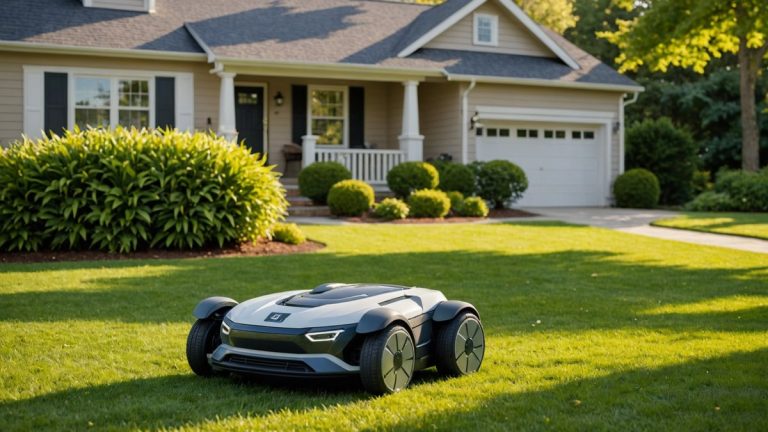
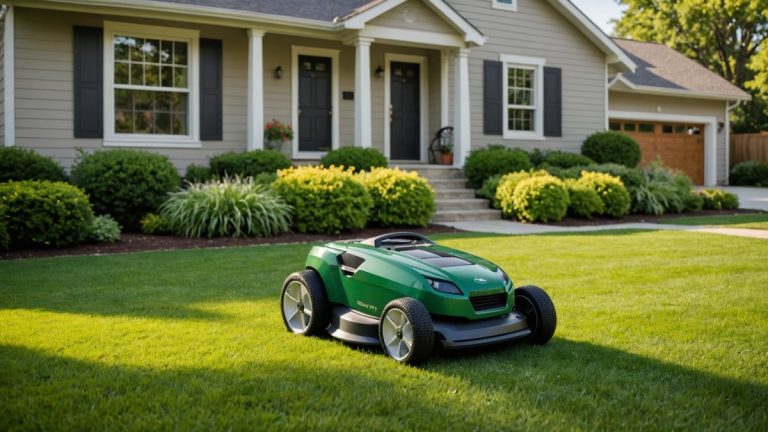
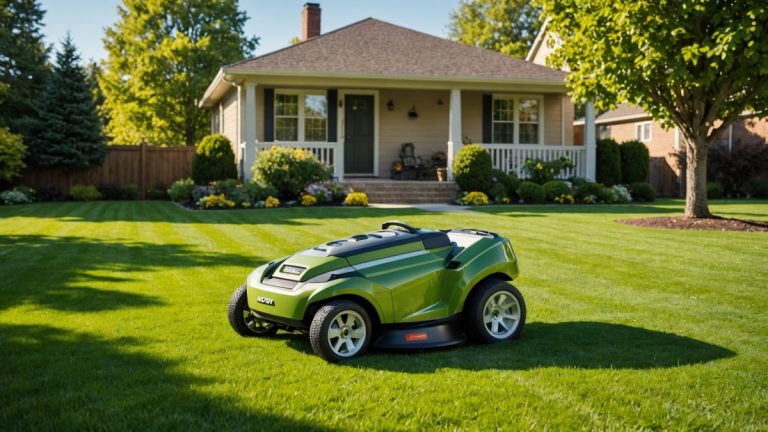
The MOVA ViAX 500 doesn’t scream “high-tech.” Unlike some robot lawn mowers that look like they rolled off a sci-fi set, this one sports a sleek, understated design that blends into the yard rather than sticking out like a sore thumb. It’s a detail that won’t escape traditionalists who cringe at the thought of a chunky, futuristic gadget disrupting their garden’s aesthetic.

But don’t let the subtle looks fool you—this machine is packed with cutting-edge tech. The ViAX 500 is MOVA’s flagship model, designed to handle medium to large lawns (up to 5,000 square meters, or about 1.24 acres) with ease. It’s a direct competitor to heavyweights like the Husqvarna Automower 450X and the Worx Landroid Vision, but with a few twists that set it apart.

Performance: Where the ViAX 500 Shines

So, how does it perform? In a word: impressively. The ViAX 500 is equipped with a powerful brushless motor that tackles thick grass, slopes up to 45%, and even wet conditions (though like most robotic mowers, it’s best to avoid heavy rain). The triple-blade cutting system delivers a precise, mulched finish that rivals traditional mowers—something that won our skeptic over after just a few cuts.

Navigation is another strong suit. The ViAX 500 uses a combination of GPS, RTK (Real-Time Kinematic) positioning, and advanced sensors to map your yard with pinpoint accuracy. Unlike some entry-level models that rely on random bounce-and-cut patterns, this mower works methodically, ensuring even coverage and minimal missed spots. It’s a far cry from the early days of autonomous lawn mowers, where uneven cuts and stuck units were common complaints.

Key Features and Specs: What You Need to Know

Here’s a breakdown of the MOVA ViAX 500’s standout features and specifications:

  • Cutting Width: 22 cm (8.66 inches), allowing it to cover ground quickly.
  • Cutting Height: Adjustable from 20 mm to 60 mm (0.8 to 2.4 inches), accommodating a variety of grass types and preferences.
  • Battery Life: Up to 90 minutes of continuous mowing on a single charge, with a 2.5-hour recharge time. The ViAX 500 automatically returns to its docking station when the battery runs low.
  • Navigation: GPS + RTK for precise mapping and efficient mowing patterns. Supports multi-zone mowing, ideal for complex yards.
  • Slope Handling: Capable of tackling inclines up to 45% (about 24 degrees), making it suitable for hilly landscapes.
  • Connectivity: Bluetooth and Wi-Fi enabled, with a companion app for remote control, scheduling, and monitoring. Compatible with smart home systems like Google Home and Amazon Alexa.
  • Security: PIN-protected and equipped with lift and tilt sensors to prevent theft or accidents.
  • Weather Resistance: IPX5-rated, meaning it can handle light rain but should be sheltered during heavy downpours.

One of the ViAX 500’s most innovative features is its AI-powered obstacle detection. Unlike some competitors that rely solely on bump sensors, this mower uses cameras and machine learning to identify and avoid obstacles—whether it’s a child’s toy, a garden gnome, or a stray branch. This not only prevents damage to the mower but also reduces the risk of it getting stuck, a common frustration with earlier robot lawn mowers.

Ease of Use: Set It and Forget It (Almost)

For all its advanced tech, the ViAX 500 is surprisingly user-friendly. Setup involves installing the boundary wire (or using the wire-free RTK system if you opt for that configuration), placing the docking station, and configuring the mower via the app. The app itself is intuitive, offering clear controls for scheduling, zone management, and mowing modes.

One minor gripe: the boundary wire installation can be time-consuming for larger yards. However, MOVA offers professional installation services for those who’d rather skip the DIY route. Once set up, the ViAX 500 truly lives up to the “set it and forget it” promise. It mows on schedule, returns to dock when needed, and even sends alerts if it encounters an issue.

For homeowners who travel frequently or have second homes, the ViAX 500’s remote monitoring capabilities are a game-changer. You can check the mower’s status, adjust settings, or even manually control it from anywhere via the app. It’s a level of convenience that traditional mowers simply can’t match.

What This Means for You

So, is the MOVA ViAX 500 the robotic mower that will finally win over the skeptics? For many, the answer is a resounding yes. This isn’t just another gadget—it’s a well-engineered machine that delivers professional-grade results with minimal effort. For homeowners with medium to large lawns, the ViAX 500 offers a compelling blend of performance, precision, and convenience.

That said, it’s not without competition. If you’re considering alternatives, the Husqvarna Automower 450X is a strong contender with similar features and a proven track record. The Worx Landroid Vision, meanwhile, offers wire-free operation and AI obstacle avoidance at a slightly lower price point. However, the ViAX 500 holds its own with its robust build, advanced navigation, and user-friendly design.

For professional landscapers, the ViAX 500 is worth a look as part of a fleet automation strategy. Its ability to handle complex, multi-zone yards and steep slopes makes it a versatile addition to any lineup. Plus, the time savings alone could justify the investment for businesses looking to scale.

Ultimately, the ViAX 500 proves that autonomous lawn mowers have come a long way. If you’ve been on the fence about joining the smart mowing revolution, this might be the mower that changes your mind—just like it did for that old-school gardener.

FAQ

Is the MOVA ViAX 500 worth the investment?

If you have a medium to large lawn and value precision, convenience, and advanced features like AI obstacle detection, the ViAX 500 is a strong investment. It’s priced competitively with other high-end robotic mowers, and its performance justifies the cost for serious homeowners and pros.

How does the ViAX 500 compare to the Husqvarna Automower 450X?

Both mowers are top-tier options for large lawns, but the ViAX 500 stands out with its AI-powered obstacle avoidance and RTK navigation, which can be more precise than Husqvarna’s GPS-based system. The Automower 450X, however, has a slight edge in brand reputation and dealer support. If wire-free operation is a priority, the Worx Landroid Vision is another alternative worth considering.

Can the ViAX 500 handle wet grass?

While the ViAX 500 is IPX5-rated and can handle light rain, it’s not recommended to mow wet grass, as this can lead to clumping and uneven cuts. Like most robot lawn mowers, it’s best to let the grass dry before sending the ViAX 500 out to work.

Source: Original Article
MOVA ViAX 500 Review: Robot Mower That Wins Over Skeptics

0

There’s a certain irony in loving a perfectly manicured lawn but dreading the weekly chore of mowing it. For many homeowners, the idea of handing over the reins to a robotic mower feels like surrendering control—until they try one. The MOVA ViAX 500 isn’t just another robot lawn mower; it’s the machine that won over a skeptic who swore he’d never trust a bot with his yard. If you’ve been on the fence about autonomous lawn mower technology, this might be the model that changes your mind.

First Impressions: A Robotic Mower That Doesn’t Look Like a Toy

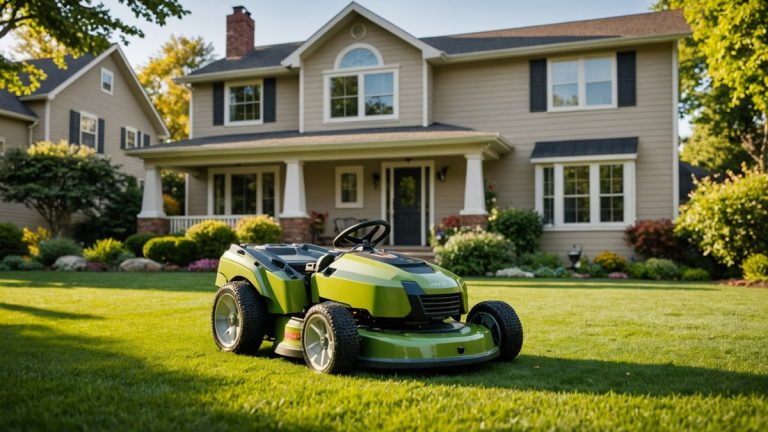
Right out of the box, the MOVA ViAX 500 exudes a premium feel that sets it apart from many entry-level robot lawn mowers. Unlike some competitors that resemble oversized Roombas, the ViAX 500 sports a sleek, angular design with a durable polycarbonate shell that means business. Its substantial weight (around 25 lbs) signals stability, while the large, treaded wheels hint at serious off-road capability—perfect for tackling slopes and uneven terrain that would leave lesser models spinning their wheels.

Setup is refreshingly straightforward. MOVA includes a detailed quick-start guide, and the companion app walks you through boundary wire installation, charging base placement, and initial calibration. For those who’ve struggled with finicky smart mowing systems in the past, the ViAX 500’s intuitive process is a breath of fresh air.

Performance: Where the ViAX 500 Shines

This is where the ViAX 500 truly converts the doubters. Equipped with a powerful brushless motor and a trio of razor-sharp pivoting blades, it handles thick grass, weeds, and even light brush with ease. Unlike some autonomous lawn mowers that struggle with wet conditions, the ViAX 500’s all-weather design means it can keep working even after a light rain—though, like all robotic mowers, it’s best to avoid heavy downpours.

Navigation is another standout feature. The ViAX 500 uses a combination of boundary wire guidance and advanced sensors to map your yard efficiently. It employs a systematic mowing pattern that ensures full coverage, reducing the random, overlapping paths that can waste time and battery life in other models. For larger yards (up to 0.5 acres, as the name suggests), this efficiency is a game-changer.

Key Features and Specs

The MOVA ViAX 500 is packed with features that justify its position as a premium robotic mower. Here’s what you need to know:

  • Cutting Capacity: Handles yards up to 0.5 acres (20,000 sq ft) with ease.
  • Battery Life: A high-capacity lithium-ion battery provides up to 90 minutes of runtime per charge, with automatic recharging when needed.
  • Cutting Height: Adjustable from 1.5 to 3.5 inches, accommodating a variety of grass types and preferences.
  • Slope Handling: Tackles inclines up to 25 degrees (45% grade), making it ideal for hilly yards.
  • Smart Features: Wi-Fi and Bluetooth connectivity, app control (iOS/Android), voice assistant compatibility (Alexa, Google Assistant), and real-time monitoring.
  • Safety: Lift and tilt sensors, blade stop within seconds of detection, and a PIN code lock to prevent unauthorized use.
  • Weather Resistance: IPX5-rated for water resistance, allowing it to operate in light rain.
  • Noise Level: Quiet operation at around 60 dB—significantly quieter than a gas mower.

For comparison, models like the Husqvarna Automower 450X or the Worx Landroid M share some of these features, but the ViAX 500’s combination of power, slope handling, and smart connectivity gives it an edge for many users.

Smart Mowing at Its Finest

The ViAX 500 doesn’t just mow—it thinks. Through the MOVA app, you can schedule mowing sessions, adjust cutting heights, and even monitor the mower’s location in real time. The app also provides maintenance reminders, such as blade changes or software updates, ensuring your mower stays in peak condition. For those who love data, the app tracks mowing history, battery usage, and yard coverage, giving you insights into your lawn’s health and the mower’s efficiency.

One of the most impressive smart features is the ViAX 500’s ability to handle multiple zones. If your yard has separate areas (e.g., front lawn, back lawn, side yard), you can program the mower to tackle each zone independently, adjusting settings as needed. This level of customization is rare in robot lawn mowers and makes the ViAX 500 particularly versatile for complex landscapes.

Voice assistant integration is another standout. Whether you’re using Alexa or Google Assistant, you can start, stop, or check the status of your mower with simple voice commands. It’s a small but convenient feature that adds to the overall smart mowing experience.

What This Means for You

If you’ve been hesitant to embrace autonomous lawn mower technology, the MOVA ViAX 500 might be the model that wins you over. Here’s why:

  • For Homeowners: The ViAX 500 offers a nearly hands-free mowing experience, saving you time and effort while delivering a consistently well-manicured lawn. Its ability to handle slopes and multiple zones makes it ideal for yards with varied terrain.
  • For Tech Enthusiasts: The smart features, app integration, and voice control make this mower a standout in the robotic mower market. It’s not just a tool—it’s a connected device that fits seamlessly into a smart home ecosystem.
  • For Landscaping Pros: While the ViAX 500 is designed for residential use, its durability and efficiency make it a strong contender for small commercial applications. Pros evaluating fleet automation might consider this a stepping stone to larger models like the MOVA ViAX 1000 or commercial-grade options from brands like STIHL or John Deere.

The ViAX 500 isn’t the cheapest robot lawn mower on the market, but its performance, features, and build quality justify the investment. If you’re looking for a reliable, high-end autonomous lawn mower that can handle just about anything your yard throws at it, this is a top-tier choice.

FAQ

How does the MOVA ViAX 500 compare to the Husqvarna Automower 450X?

The ViAX 500 and Husqvarna Automower 450X are both premium robotic mowers designed for large yards. The ViAX 500 excels in slope handling (25 degrees vs. 20 degrees for the 450X) and offers a more robust app experience with multi-zone support. The 450X, however, has a slightly larger cutting capacity (up to 1.25 acres) and a well-established reputation for reliability. If your yard is particularly hilly or you want advanced smart features, the ViAX 500 is a strong contender. For flat, expansive lawns, the 450X might be the better choice.

Can the ViAX 500 handle leaves and small debris?

The ViAX 500 is primarily designed for grass, but its powerful motor and pivoting blades can handle light debris like small leaves and twigs. However, it’s not a replacement for a leaf blower or mulcher. For best results, clear your lawn of larger debris before mowing to avoid clogging the blades or damaging the motor.

Is the boundary wire installation difficult?

Installing the boundary wire is the most time-consuming part of setting up any robot lawn mower, but MOVA has streamlined the process with clear instructions and a user-friendly app. Plan to spend a few hours mapping out your yard and securing the wire, especially if your lawn has complex edges or obstacles. Once installed, the wire provides a reliable guide for the mower, ensuring it stays within bounds and avoids gardens or other no-go areas.

Source: Original Article

Yarbo Expands Robotic Lawn Care to Pennsylvania This Summer

0

Summer in Pennsylvania just got smarter. Yarbo, the up-and-coming name in outdoor robotics, is rolling out its multi-functional autonomous lawn mower and smart yard tools to homeowners across the Keystone State, promising to redefine what it means to maintain a lawn. This isn’t just another robot lawn mower—it’s a full-featured yard assistant that mows, mulches, and even handles snow, all while learning your property’s unique layout.

Yarbo Expands Its Smart Mowing Footprint to Pennsylvania

After successful pilots in select markets, Yarbo is officially entering Pennsylvania, bringing its AI-powered robotic mower and modular tool system to residential customers. Unlike traditional robotic lawn mowers that focus solely on cutting grass, Yarbo’s platform is designed for year-round use. The company’s flagship model integrates with swappable attachments—like a snow blower and leaf blower—turning one autonomous lawn mower into a multi-season workhorse.

This expansion comes at a time when demand for smart mowing solutions is surging. Homeowners are increasingly seeking ways to automate outdoor chores, and Yarbo’s all-in-one approach offers a compelling alternative to single-purpose robot mowers from brands like Husqvarna Automower or Worx Landroid. For Pennsylvania residents tired of seasonal equipment swaps, Yarbo’s modular design could be a game-changer.

What Sets Yarbo Apart in the Robotic Mower Space

Yarbo isn’t the first to market with a robotic lawn mower, but its versatility and AI-driven features make it stand out. Here’s what’s turning heads:

  • Multi-Tool Platform: Unlike most autonomous lawn mowers, Yarbo’s base unit supports attachments for mowing, snow removal, and leaf blowing, reducing the need for separate machines.
  • AI-Powered Navigation: Uses advanced sensors and machine learning to map your yard, avoid obstacles, and adapt to changes like new landscaping or seasonal debris.
  • All-Wheel Drive: Tackles slopes up to 35% (roughly 20 degrees), outperforming many competitors that struggle with inclines.
  • Weather Resilience: Operates in rain and light snow, a feature that sets it apart from brands like Robomow or Gardena, which often require manual intervention in wet conditions.
  • App Control & Automation: Schedule mowing sessions, monitor battery life, and receive maintenance alerts via a user-friendly mobile app.
  • Eco-Friendly Operation: Fully electric with zero emissions, aligning with Pennsylvania’s growing emphasis on sustainable landscaping.

For professional landscapers, Yarbo’s scalability is particularly intriguing. The ability to swap tools quickly means one autonomous lawn mower can handle multiple tasks across different client properties, potentially reducing equipment costs and labor time.

How Yarbo Stacks Up Against the Competition

Pennsylvania homeowners already have access to a range of robotic mowers, from budget-friendly options like the Worx Landroid to premium models like the Husqvarna Automower 450X. So how does Yarbo compare?

Vs. Husqvarna Automower: Husqvarna’s models are renowned for their precision and reliability, but they’re primarily designed for mowing. Yarbo’s multi-tool system offers greater versatility, though Husqvarna’s ecosystem (including smart home integrations) is more mature.

Vs. Worx Landroid: Worx is a favorite for its affordability and ease of use, but its robot lawn mowers lack the advanced AI and modularity of Yarbo. For those who want a do-it-all machine, Yarbo may justify its higher price tag.

Vs. EcoFlow Blade: The EcoFlow Blade is another all-in-one contender, but Yarbo’s all-wheel-drive system and attachment ecosystem give it an edge for property owners with diverse needs.

For now, Yarbo is positioning itself as a premium option for tech-savvy homeowners and pros who want to future-proof their yard care. Early adopters in Pennsylvania can expect pricing to start around $3,500 for the base unit, with attachments sold separately.

Availability and What to Expect This Summer

Yarbo’s Pennsylvania rollout begins in June 2024, with initial availability focused on the Philadelphia, Pittsburgh, and Harrisburg metro areas. The company is partnering with local dealers to offer demos and installations, and homeowners can pre-order units through Yarbo’s website. Service and support will be handled through a network of certified technicians, ensuring quick turnaround for repairs or maintenance.

For those on the fence, Yarbo is also offering a 30-day risk-free trial, allowing customers to test the autonomous lawn mower on their property before committing. This is a bold move in an industry where many competitors offer limited or no trial periods.

What This Means for You

If you’re a Pennsylvania homeowner tired of juggling multiple yard tools, Yarbo’s arrival could simplify your life. The ability to mow, clear leaves, and even handle light snow with one robotic mower system is a compelling proposition—especially for those with larger or more complex properties.

For landscaping pros, Yarbo’s modular design could streamline operations. Imagine reducing the number of machines you need to transport and maintain, while still delivering top-tier service. However, the upfront cost may be a barrier for smaller businesses, so weighing the long-term savings against the initial investment will be key.

That said, Yarbo isn’t the only smart mowing solution on the market. If you’re already invested in a brand like Husqvarna or Worx, it may not make sense to switch. But for those entering the autonomous lawn mower space for the first time, Yarbo’s all-in-one approach is worth a close look.

FAQ

How does Yarbo handle obstacles like trees, rocks, or pet toys?

Yarbo uses a combination of LiDAR, ultrasonic sensors, and AI-powered cameras to detect and avoid obstacles in real time. Unlike some robotic lawn mowers that rely solely on bump sensors, Yarbo’s system is designed to anticipate and navigate around objects before making contact, reducing wear and tear on the machine and your yard.

Can Yarbo’s attachments be used with other robotic mower brands?

No, Yarbo’s attachments are proprietary and designed specifically for its base unit. This ensures seamless integration and optimal performance, but it also means you’re locked into Yarbo’s ecosystem once you invest. If you already own a robot lawn mower from another brand, you’ll need to stick with its compatible accessories.

Is Yarbo suitable for very large properties?

Yarbo’s base model is designed for yards up to 2 acres, which covers most residential properties in Pennsylvania. For larger estates or commercial spaces, Yarbo offers a pro-grade model with extended battery life and additional attachments. However, for properties over 5 acres, you may need to consider a fleet of autonomous lawn mowers or a commercial-grade solution like those from Mean Green or Scag.

Source: Original Article

Robotic Lawn Mowers: Are They Worth the Wait?

0

Imagine spending an entire year navigating red tape, import hurdles, and regulatory maze—all for the sake of a robotic mower. That’s exactly the journey Christopher Luxon, a tech-savvy homeowner, undertook to bring one of the most advanced autonomous lawn mowers to his property. His story isn’t just about persistence; it’s a window into the challenges and rewards of adopting smart mowing technology in regions where it’s still gaining traction. For homeowners and landscaping pros curious about the future of lawn care, Luxon’s experience offers valuable lessons—and a glimpse at what’s possible when cutting-edge tech meets old-school bureaucracy.

The Quest for a Smarter Lawn

Christopher Luxon, a well-known figure in New Zealand, set out on a mission that many might find surprising for someone of his stature: to purchase and install a robot lawn mower. While these devices are already a common sight in parts of Europe and North America, their adoption in other regions can be fraught with unexpected obstacles. Luxon’s year-long odyssey underscores both the growing demand for autonomous lawn mowers and the regulatory and logistical barriers that can slow their adoption.

His journey began with a simple goal: to automate the maintenance of his property’s expansive lawn. Like many homeowners, Luxon was drawn to the promise of smart mowing—a hands-free, eco-friendly alternative to traditional lawn care. Robotic mowers, such as those from brands like Husqvarna, Worx, or Gardena, offer the convenience of scheduled mowing, reduced noise, and lower emissions. But as Luxon quickly discovered, getting one wasn’t as simple as clicking “add to cart.”

Regulatory Roadblocks and Import Challenges

One of the biggest hurdles Luxon faced was navigating the regulatory landscape. In many countries, robotic mowers must comply with strict safety and emissions standards before they can be sold or imported. For Luxon, this meant dealing with a maze of paperwork, certifications, and approvals—each step adding weeks or even months to the process.

Import duties and taxes presented another challenge. Depending on the country, bringing in a robot lawn mower from overseas can incur significant costs, sometimes making the device far more expensive than its sticker price. Luxon’s experience highlights the need for clearer guidelines and streamlined processes for importing autonomous lawn mowers, especially as their popularity grows.

For homeowners considering a similar path, Luxon’s story serves as a cautionary tale. While the allure of a fully automated lawn is strong, it’s essential to research local regulations and import requirements before committing to a purchase. In some cases, working with a local dealer or authorized distributor—such as those listed in our Dealer Directory—can save time, money, and headaches.

Why the Effort Was Worth It

Despite the challenges, Luxon’s persistence paid off. Once his robotic mower was finally up and running, the benefits quickly became apparent. Here’s what made the year-long wait worthwhile:

  • Time Savings: No more weekly mowing sessions. The autonomous lawn mower handles the work automatically, freeing up time for other tasks or leisure.
  • Consistent Results: Robotic mowers cut grass frequently and evenly, promoting a healthier lawn with a manicured appearance.
  • Eco-Friendly Operation: Most robot lawn mowers are electric, producing zero emissions and operating quietly—ideal for urban or suburban settings.
  • Smart Features: Many models offer app-based controls, weather sensors, and obstacle detection, making them a high-tech addition to any property.
  • Long-Term Cost Savings: While the upfront cost is higher than a traditional mower, the reduction in fuel, maintenance, and labor can offset the investment over time.

Luxon’s experience also sheds light on the broader trend of smart mowing adoption. As more homeowners and landscaping professionals seek efficient, sustainable solutions, the demand for autonomous lawn mowers is only set to grow. Brands like Husqvarna’s Automower, Worx Landroid, and Gardena’s Sileno are leading the charge, but newer players are entering the market with innovative features and competitive pricing.

How Luxon’s Story Compares to the Global Landscape

Luxon’s year-long struggle might seem extreme, but it’s not entirely unique. In regions where robotic mowers are still emerging, homeowners often face similar challenges. However, in markets like Europe—where these devices have been popular for over a decade—the process is far smoother. For example:

  • Europe: The epicenter of robot lawn mower adoption, with brands like Husqvarna and Gardena dominating the market. Regulatory frameworks are well-established, and dealers are widely available.
  • North America: Growing rapidly, with increasing competition among brands. However, some areas still lack local support or service centers.
  • Asia-Pacific: A mixed landscape, with high adoption in tech-savvy countries like Japan and South Korea, but slower uptake in others due to regulatory or cultural barriers.

For landscaping professionals evaluating fleet automation, Luxon’s story underscores the importance of planning ahead. Our Commercial / Pros section offers insights into integrating autonomous lawn mowers into professional operations, including tips on scaling, maintenance, and ROI.

What This Means for You

So, what can homeowners and landscaping pros take away from Christopher Luxon’s experience? First and foremost, patience and research are key. If you’re considering a robotic mower, start by checking local regulations and import rules—especially if you’re ordering from overseas. Our How-To Guides can help you navigate the process, from choosing the right model to installing and maintaining it.

It’s also worth exploring local dealers or authorized distributors. While direct imports might seem like a good way to access the latest models, working with a trusted dealer can save you time, ensure compliance with local standards, and provide access to warranty and support services. Check out our Dealer Directory to find a retailer near you.

Finally, Luxon’s story is a reminder that the smart mowing revolution is still in its early stages in many parts of the world. As technology advances and regulations catch up, the process of adopting autonomous lawn mowers will only become easier. For now, those willing to put in the effort—like Luxon—are reaping the rewards of a beautifully maintained lawn with minimal hassle.

FAQ

Are robotic mowers legal everywhere?

Not yet. While robotic mowers are widely available in many countries, some regions have restrictions on their use due to safety, emissions, or noise regulations. Always check local laws before purchasing or importing a robot lawn mower.

How do robotic mowers compare to traditional mowers in terms of cost?

The upfront cost of an autonomous lawn mower is typically higher than a traditional mower, ranging from $1,000 to $4,000 or more depending on the model and features. However, the long-term savings on fuel, maintenance, and labor can make them a cost-effective choice over time. For a detailed comparison, check out our Mower Reviews.

Can I install a robotic mower myself?

Many robot lawn mowers are designed for DIY installation, especially models aimed at homeowners. However, the process can be complex, involving boundary wire setup, programming, and testing. If you’re unsure, professional installation is often available through dealers. Our How-To Guides offer step-by-step instructions for those who prefer to tackle it themselves.

Source: Original Article

Robotic Mowers 2024: Why Demand Is Skyrocketing

0

Imagine spending an entire year navigating red tape, supplier delays, and compatibility headaches—all for the sake of a robotic lawn mower. That’s exactly the reality New Zealand’s Prime Minister Christopher Luxon faced in his quest to automate his lawn care. His story isn’t just a quirky anecdote; it highlights the growing pains of adopting autonomous lawn mower technology in regions where infrastructure, regulations, or even dealer networks aren’t quite ready for the smart mowing revolution. For homeowners and landscaping pros considering a robot lawn mower, Luxon’s experience is a cautionary tale—and a reminder that even cutting-edge tech can hit unexpected snags.

The Long Road to Automation

Luxon’s year-long journey to secure a robotic mower underscores a broader challenge: the gap between demand for smart mowing solutions and the readiness of local markets to support them. While robotic mowers are a common sight in Europe and parts of the U.S., their adoption in other regions can be fraught with hurdles. For Luxon, the process involved navigating import restrictions, finding a compatible model for his property’s layout, and even ensuring the mower could handle New Zealand’s unique grass types and weather conditions.

His persistence paid off, but the saga raises important questions for potential buyers. Is your local market equipped to support these high-tech tools? Are dealers and service providers readily available? And perhaps most critically—are you prepared for the potential delays and learning curve that come with early adoption?

Why Robotic Mowers Are Worth the Hassle

Despite the challenges Luxon faced, the benefits of autonomous lawn mowers are undeniable. These devices offer a level of convenience, efficiency, and precision that traditional mowers simply can’t match. Here’s what makes them a game-changer for homeowners and pros alike:

  • Time-Saving Automation: Set a schedule, and your robot lawn mower handles the rest—no more weekend chores or hiring crews for routine maintenance.
  • Eco-Friendly Operation: Most models are electric, producing zero emissions and reducing noise pollution compared to gas-powered alternatives.
  • Precision and Consistency: Advanced sensors and GPS ensure even cutting, while smart features like rain detection and obstacle avoidance prevent damage to your lawn or the mower itself.
  • Cost-Effective Long-Term: While the upfront cost can be steep (typically $1,000–$4,000), the savings on labor, fuel, and maintenance add up over time.
  • Scalability for Pros: Landscaping businesses can deploy fleets of robotic mowers to handle multiple properties, freeing up crews for higher-value tasks like design and installation.

Brands like Husqvarna, Worx, and Gardena have led the charge in smart mowing, offering models tailored to everything from small suburban lawns to sprawling commercial properties. Luxon’s experience suggests that as demand grows, more regions will catch up—but for now, early adopters may need to do their homework.

Key Considerations Before You Buy

Luxon’s story serves as a reminder that not all robotic mowers are created equal, and not all markets are equally prepared. Before investing, here’s what to evaluate:

  • Property Compatibility: Check if your lawn’s size, slope, and obstacles (e.g., trees, flower beds) align with the mower’s capabilities. Some models struggle with steep inclines or complex landscapes.
  • Local Support: Research dealers, service centers, and warranty coverage in your area. A lack of local support can turn a minor issue into a major headache.
  • Regulations and Restrictions: Some regions have noise ordinances, water usage rules, or even HOA restrictions that may impact autonomous lawn mower operation.
  • Connectivity: Many smart mowing systems rely on Wi-Fi or cellular signals for remote control and updates. Ensure your property has adequate coverage.
  • Installation Requirements: Some models require boundary wires or base stations, which may necessitate professional installation. Factor this into your budget and timeline.

For those in regions where robotic mowers are still gaining traction, it may be worth waiting for the market to mature—or at least bracing for a longer setup process.

Alternatives and Competitors

If Luxon’s year-long wait has you reconsidering, rest assured there are plenty of robot lawn mower options to explore—each with its own strengths. Here’s a quick look at some top contenders:

  • Husqvarna Automower: A pioneer in autonomous lawn mowers, Husqvarna offers models for all lawn sizes, with features like GPS-assisted navigation and smart home integration. Ideal for homeowners who want reliability and cutting-edge tech.
  • Worx Landroid: Known for its affordability and user-friendly app, the Landroid is a great entry point for those new to smart mowing. It’s also one of the few models that doesn’t require boundary wires for some configurations.
  • Gardena Sileno: A quiet, efficient option with a focus on eco-friendliness. Gardena’s models are particularly well-suited to smaller lawns and urban environments.
  • Mammotion LUBA: A newer player with a modular design, LUBA offers AWD models for tackling steep slopes and large properties, making it a strong choice for commercial users.

For professional landscapers, companies like EZ Robot and Mean Green Mowers offer commercial-grade robotic mowers designed for fleet deployment, with robust construction and advanced fleet management software.

What This Means for You

Luxon’s year-long mission to adopt a robotic lawn mower is more than just a funny footnote—it’s a microcosm of the broader challenges and rewards of embracing smart mowing technology. For homeowners, the takeaway is clear: do your research. Understand your property’s needs, your local market’s readiness, and the capabilities of the mower you’re considering. The upfront effort can save you months of frustration.

For landscaping pros, Luxon’s experience is a reminder that autonomous lawn mowers can be a powerful tool for scaling your business—but only if you have the infrastructure to support them. Investing in training, dealer relationships, and backup equipment can help mitigate the risks of early adoption.

Ultimately, the robot lawn mower market is evolving rapidly, and the growing pains will likely smooth out over time. As more regions embrace these technologies, the process of buying and maintaining them will become as seamless as the lawns they produce. In the meantime, patience and preparation are your best allies.

FAQ

How much do robotic lawn mowers cost?

Prices vary widely depending on features, lawn size, and brand. Entry-level models start around $800–$1,200, while high-end or commercial-grade autonomous lawn mowers can cost $3,000–$5,000 or more. Factor in installation costs (e.g., boundary wires) and potential accessories like replacement blades or batteries.

Are robotic mowers safe for pets and children?

Most modern robot lawn mowers are designed with safety in mind. They feature sensors to detect obstacles (including pets and people) and will stop or change direction upon contact. However, it’s still wise to supervise young children and pets until you’re confident in the mower’s operation. Always check the manufacturer’s safety guidelines.

Can a robotic mower handle my sloped lawn?

It depends on the model. Many robotic mowers can handle slopes up to 20–25 degrees, but steeper inclines may require specialized models like the Mammotion LUBA AWD or Husqvarna Automower 450X. Always check the mower’s specifications and test it on your property before committing.

Source: Original Article

Yarbo Expands Smart Lawn Care Tech to Pennsylvania Homes

0

Imagine a single machine that can mow your lawn, clear snow from your driveway, and even haul mulch to your garden beds—all without you lifting a finger. That’s the promise Yarbo is bringing to Pennsylvania this summer, as the innovative robotics company expands its multi-functional autonomous lawn mower and outdoor assistant into U.S. communities. For homeowners tired of juggling multiple tools (and the maintenance that comes with them), Yarbo’s all-in-one approach could be a game-changer in the world of smart mowing and yard automation.

With competitors like Husqvarna Automower and Worx Landroid dominating the robotic mower market, Yarbo differentiates itself by offering more than just grass cutting. Let’s break down what this means for tech-savvy homeowners and landscaping pros alike.

What Is Yarbo, and Why Is It Different?

Yarbo isn’t just another robot lawn mower—it’s a modular outdoor robot designed to handle a variety of tasks. Developed by a team of engineers with backgrounds in robotics and agriculture, Yarbo’s platform can be outfitted with different attachments, including:

  • Mowing deck for autonomous lawn care (with precision cutting and smart navigation)
  • Snow blower attachment for winter driveway and pathway clearing
  • Cargo bed for hauling materials like mulch, soil, or firewood (up to 300 lbs)
  • Leaves and debris collector for seasonal cleanup

Unlike traditional robotic mowers that are single-purpose, Yarbo’s versatility could make it a year-round workhorse. For Pennsylvania homeowners dealing with four distinct seasons, this adaptability is a major selling point.

Key Features and Specs

Yarbo’s hardware and software are built for durability and ease of use. Here’s what stands out:

  • Autonomous Navigation: Uses a combination of GPS, cameras, and sensors to map your yard and avoid obstacles—no perimeter wires required (unlike many first-gen autonomous lawn mowers).
  • All-Wheel Drive: Handles slopes up to 30% (about 17 degrees), making it suitable for hilly Pennsylvania properties.
  • Weather Resistance: IPX5-rated for water resistance, so it can operate in light rain (though heavy downpours may pause mowing for safety).
  • Battery Life: Swappable lithium-ion batteries provide up to 2 hours of runtime per charge for mowing (less for high-power tasks like snow blowing).
  • Smart Connectivity: Controlled via a mobile app (iOS/Android) with features like scheduling, zone management, and real-time status updates.
  • Modular Design: Attachments can be swapped in minutes, and Yarbo’s software automatically adjusts settings for each task.

For comparison, most robot lawn mowers like the Robomow RS630 or Ecovacs Goat G1 focus solely on mowing, with limited additional functionality. Yarbo’s approach mirrors the versatility of commercial-grade robots like GreenIQ’s offerings but at a consumer-friendly scale.

Pennsylvania Rollout: What to Expect

Yarbo’s expansion into Pennsylvania marks its first major U.S. push after initial testing in select markets. The company is partnering with local dealers and offering demo programs for homeowners and landscaping businesses. Early adopters can expect:

  • Limited-Time Incentives: Discounts on pre-orders and bundle deals (e.g., mower + snow blower attachment) for the summer launch.
  • Local Support: Dedicated service centers in major PA cities like Philadelphia, Pittsburgh, and Allentown.
  • Community Testing: Yarbo is inviting homeowners to participate in beta testing, providing feedback to refine the system for U.S. yards.

For professional landscapers, Yarbo could be a compelling addition to a fleet, especially for small-to-medium businesses looking to automate routine tasks. While it won’t replace commercial autonomous lawn mowers like Mean Green’s models, it offers a unique blend of functionality for residential and light commercial use.

Challenges and Considerations

No robot is perfect, and Yarbo’s multi-functional design comes with trade-offs. Here’s what to consider before investing:

  • Price Point: Yarbo’s base model starts at around $3,500, with attachments adding $500–$1,500 each. This is pricier than dedicated robotic mowers (which typically range from $1,000–$2,500) but cheaper than buying separate machines for mowing, snow removal, and hauling.
  • Learning Curve: The modular system requires some setup and familiarization, especially for users new to smart mowing technology.
  • Attachment Storage: Swapping tools means you’ll need space to store attachments when not in use.
  • Early-Adopter Risks: As a newer entrant, Yarbo’s long-term reliability and software updates remain unproven compared to established brands.

That said, for tech enthusiasts or those with large properties, the convenience of a single robot handling multiple chores could justify the cost.

What This Means for You

For Homeowners:

If you’re in the market for a robotic mower but want more bang for your buck, Yarbo’s all-in-one design is worth a look—especially if you live in a region with varied seasons like Pennsylvania. The ability to switch from mowing in summer to snow clearing in winter could save you time, space, and the hassle of maintaining multiple machines. However, if your primary need is just lawn care, a dedicated autonomous lawn mower might be a more cost-effective choice.

For Landscaping Pros:

For small landscaping businesses, Yarbo could serve as a versatile assistant for residential clients. While it won’t replace heavy-duty equipment, it’s ideal for maintaining smaller properties, handling odd jobs, or offering premium “smart yard care” packages. The modularity also means you can expand its capabilities as your business grows.

For the Industry:

Yarbo’s entry into the U.S. market signals a shift in the robotic mower industry toward multi-functional robots. As competition heats up, we may see other brands (like Stihl or John Deere) explore similar all-in-one solutions. For now, Yarbo is carving out a niche for homeowners who want a do-it-all outdoor robot.

FAQ

How does Yarbo compare to other robotic mowers like Husqvarna Automower?

While Husqvarna Automower and similar models are specialized for mowing, Yarbo is designed for multiple tasks. If you only need a robot lawn mower, a dedicated model may be more affordable and easier to use. But if you want a robot that can also clear snow or haul materials, Yarbo’s versatility is unmatched.

Can Yarbo handle large yards?

Yarbo’s mowing capacity depends on the battery and yard size. For yards up to 1 acre, it can handle the job with occasional battery swaps. For larger properties, you might need to schedule multiple sessions or consider a commercial-grade autonomous lawn mower.

Is Yarbo available outside Pennsylvania?

Currently, Yarbo’s U.S. rollout is focused on Pennsylvania, but the company has plans to expand to neighboring states (like New York, New Jersey, and Ohio) by late 2024. Check Yarbo’s website or our Dealer Directory for updates on availability in your area.

Source: Original Article

Husqvarna Automower 305 Review: Compact Robot for Small Lawns

0

Imagine a robotic mower that quietly takes over your weekend chores—no gas, no emissions, and no back-breaking effort. Husqvarna’s latest addition to its Automower lineup, the Automower 305, is designed specifically for smaller lawns, packing the brand’s signature smart mowing tech into a compact, user-friendly package. For homeowners tired of pushing a traditional mower or looking to dip their toes into autonomous lawn care, this could be the game-changer you’ve been waiting for.

Why the Automower 305 Stands Out for Small Yards

The Husqvarna Automower 305 isn’t just a scaled-down version of its bigger siblings—it’s a purpose-built robot lawn mower for lawns up to 0.25 acres (about 10,890 square feet). What makes it special? For starters, it’s one of the most accessible entries in Husqvarna’s lineup, offering a balance of affordability and advanced features. Unlike bulkier models like the Automower 430X or 450X, which tackle larger properties, the 305 is tailored for urban or suburban homeowners with modest green spaces.

Husqvarna has long been a leader in robotic mower innovation, and the 305 carries forward the brand’s reputation for reliability. It’s ideal for those who want a low-maintenance, eco-friendly alternative to manual mowing—without sacrificing performance. Competing models like the Worx Landroid M or Gardena Sileno Minimo also target small lawns, but Husqvarna’s focus on durability and smart navigation gives the 305 an edge for tech-savvy users.

Key Features and Smart Mowing Capabilities

The Automower 305 is packed with features that make it a standout in the autonomous lawn mower category. Here’s what sets it apart:

  • Compact Design: Weighing just 15.4 lbs (7 kg), the 305 is lightweight and easy to maneuver, even in tight spaces with obstacles like flower beds or garden furniture.
  • Cutting System: Equipped with three razor-sharp pivoting blades, it delivers a clean, precise cut every time. The blades automatically retract when the mower is lifted, ensuring safety for users and pets.
  • Smart Navigation: Uses a combination of random and systematic mowing patterns to ensure even coverage. Unlike basic robot lawn mowers that rely solely on random movement, the 305’s algorithm adapts to your lawn’s layout over time.
  • Weather Resistance: IPX4-rated for water resistance, meaning it can handle light rain showers without issue. However, it’s not designed for heavy downpours or standing water.
  • Battery Life: A 2.0 Ah lithium-ion battery provides up to 45 minutes of runtime on a single charge—plenty for smaller lawns. The mower automatically returns to its charging station when the battery is low.
  • Connectivity: Bluetooth compatibility allows you to control and monitor the mower via the Husqvarna Automower Connect app. While it lacks Wi-Fi (a feature reserved for higher-end models like the 430X), Bluetooth is sufficient for most small-yard users.
  • Security: PIN code protection and an alarm system deter theft, a common concern for robotic mower owners.
  • Eco-Friendly: Zero emissions and energy-efficient operation make it a sustainable choice compared to gas-powered mowers.

Installation and Setup: What to Expect

One of the biggest hurdles for new autonomous lawn mower owners is installation. The Automower 305 simplifies this with a straightforward setup process, though it does require some upfront effort. Here’s the breakdown:

Boundary Wire: Like most robot lawn mowers, the 305 relies on a perimeter wire to define its mowing area. You’ll need to lay this wire around the edges of your lawn and secure it with stakes. While this can be time-consuming, it’s a one-time task. Husqvarna includes 328 feet (100 meters) of boundary wire in the box, which should cover most small yards. For larger or more complex layouts, you may need additional wire.

Charging Station: The mower’s home base must be placed in a flat, accessible location near a power outlet. The 305’s station is compact and blends discreetly into most landscapes.

Initial Configuration: Once the wire is laid, you’ll use the control panel or app to set the mowing schedule, cutting height (adjustable from 0.8 to 2.4 inches), and other preferences. The 305 supports up to three different cutting heights, allowing you to customize the look of your lawn.

For those who find DIY installation daunting, Husqvarna offers professional installation services through its dealer network. This is a great option if you’d rather leave the technical setup to the experts.

How It Compares to the Competition

The robotic mower market is heating up, and the Automower 305 faces stiff competition. Here’s how it stacks up against some of the most popular alternatives for small lawns:

  • Worx Landroid M (WR140): A strong contender with Wi-Fi connectivity and a slightly larger cutting capacity (up to 0.25 acres). The Landroid M is often praised for its user-friendly app and affordable price point. However, Husqvarna’s build quality and navigation system may give the 305 an edge in longevity and performance.
  • Gardena Sileno Minimo: Another compact option, the Sileno Minimo is ideal for very small lawns (up to 0.125 acres). It’s quieter than the 305 and features Gardena’s signature “Sileno” technology for near-silent operation. However, it lacks some of the advanced features, like Bluetooth connectivity, found in the 305.
  • Robomow RS612: A budget-friendly choice with a slightly larger cutting width (12 inches vs. the 305’s 8.7 inches). The RS612 is a good option for those prioritizing cost over brand reputation, but it may not offer the same level of durability or smart features as Husqvarna’s offering.

If you’re torn between models, consider your priorities: smart mowing features, ease of use, or budget. The Automower 305 strikes a balance between performance and affordability, making it a solid all-rounder for small-yard owners.

What This Means for You

The Husqvarna Automower 305 is a compelling choice for homeowners with smaller lawns who want to embrace the convenience of robotic mowing without breaking the bank. Its compact design, smart navigation, and user-friendly features make it an excellent entry point into the world of autonomous lawn care.

For landscaping professionals, the 305 may not be the best fit for large commercial properties, but it’s a great option for maintenance contracts on smaller residential lawns. Its reliability and low operating costs could help reduce labor time and improve efficiency for your business.

If you’ve been on the fence about switching to a robot lawn mower, the Automower 305 offers a low-risk way to test the waters. Its ease of use and minimal maintenance requirements mean you’ll spend less time mowing and more time enjoying your outdoor space.

FAQ

Is the Husqvarna Automower 305 suitable for hilly lawns?

The Automower 305 can handle gentle slopes (up to 14 degrees or 25%), but it’s not designed for steep hills. If your lawn has significant elevation changes, consider a model with better hill-climbing capabilities, such as the Automower 430X or 450X.

How often does the Automower 305 need maintenance?

Like all robotic mowers, the 305 requires regular but minimal maintenance. You’ll need to clean the underside and blades after each use to prevent grass buildup, and replace the blades every 2-3 months (or as needed). The battery should last several years with proper care. Husqvarna recommends an annual service check to ensure optimal performance.

Can the Automower 305 handle multiple zones?

The 305 is designed for single-zone mowing, meaning it will stay within the area defined by its boundary wire. If your lawn has separate sections (e.g., front and back yards), you’ll need to install additional boundary wires and charging stations to create multiple zones. For multi-zone capability, higher-end models like the Automower NERA may be a better fit.

Source: Original Article

Mammotion Luba 3 Charging Station Relocation Guide Without Remapping

Imagine this: you’ve set up your Mammotion Luba 3 robotic mower, and its charging station is perfectly placed—until it isn’t. Maybe you’re redesigning your yard, adding a new garden bed, or just realized the original spot gets too much shade. Traditionally, moving the charging station meant a full remapping of your lawn, a time-consuming hassle no homeowner or pro wants to deal with. But what if you could skip the remapping entirely? A new step-by-step guide, now available on YouTube, reveals how to relocate your Luba 3’s charging station without starting from scratch. For anyone invested in smart mowing, this is a game-changer.

Why Moving a Robotic Mower’s Charging Station Is Usually a Headache

Most autonomous lawn mowers, including popular models like the Husqvarna Automower or Worx Landroid, rely on a base station that doubles as a home base for recharging and, often, as a reference point for navigation. When you move that station, the mower’s internal map—which it uses to navigate obstacles, borders, and zones—can become misaligned. The result? A confused robot that either refuses to mow or, worse, starts cutting random patches of your lawn (or your neighbor’s).

Mammotion’s Luba series, known for its advanced RTK-GPS precision, has historically required a full remapping process if the charging station was moved by more than a few inches. This involves redefining boundaries, recalibrating the GPS, and essentially teaching the mower your lawn all over again. For robot lawn mower owners, this meant dedicating an afternoon to setup—again. But the Luba 3, with its latest firmware and a clever workaround, is breaking that mold.

How the Luba 3 Simplifies Charging Station Relocation

The key to this hack lies in the Luba 3’s ability to use relative positioning rather than absolute coordinates. Instead of treating the charging station as a fixed point tied to a GPS map, the mower can recognize the new location as an offset from the original. This means you can shift the station—within reason—and the mower will adjust its routes accordingly, saving you the headache of a full reset.

The YouTube tutorial, created by a Luba 3 owner and verified by other users in the community, outlines a straightforward process:

  1. Measure the Offset: Determine how far and in which direction you’re moving the charging station (e.g., 2 meters north and 1 meter west). Precision here is critical.
  2. Update the Base Station Coordinates: In the Luba 3’s companion app, manually adjust the charging station’s GPS coordinates to match the new location. This step tricks the mower into recognizing the shift without invalidating the existing map.
  3. Test the New Path: Send the mower on a short test run to ensure it navigates correctly. If it veers off course, fine-tune the offset measurements.
  4. Monitor the First Full Mow: Keep an eye on the mower during its first full cycle in the new setup to confirm it’s covering the entire lawn as intended.

This method works best for robotic mower owners who are moving the station within the same general area—think a few meters, not across the yard. For larger moves, a partial remap may still be necessary, but this workaround covers most common scenarios, like avoiding a new obstacle or optimizing for better Wi-Fi signal.

Key Takeaways: What You Need to Know

Before you grab a shovel and start digging up your charging station, here’s what to keep in mind:

  • Compatibility: This method is specific to the Mammotion Luba 3 with the latest firmware. Older Luba models or other brands (like the Gardena Sileno or Robomow) may not support it.
  • Precision Matters: The offset measurements must be accurate to within a few centimeters. Use a measuring tape or laser tool for best results.
  • App Access Required: You’ll need the Mammotion app to adjust the GPS coordinates. Ensure your mower is connected to Wi-Fi or Bluetooth.
  • Limitations: This isn’t a magic bullet. If you move the station to a drastically different location (e.g., the other side of the yard), you may still need to remap.
  • Backup Your Map: Always back up your current lawn map in the app before making changes, just in case something goes wrong.

How This Stacks Up Against Competitors

The ability to move a charging station without a full remap is a rare feature in the autonomous lawn mower space. Most competitors require a complete reset if the base station is relocated. For example:

  • Husqvarna Automower: Uses a boundary wire and guide wire system. Moving the charging station typically means re-laying wires and remapping.
  • Worx Landroid: Relies on boundary wires and often requires a full setup if the base is moved.
  • Gardena Sileno: Similar to Husqvarna, with a heavy dependence on physical wires for navigation.

Mammotion’s RTK-GPS technology gives it an edge here, as it’s less reliant on physical boundaries and more on satellite precision. This flexibility is a major selling point for tech-savvy homeowners or commercial landscapers managing multiple properties.

That said, other brands are catching up. The Ecovacs Goat G1, for example, also uses GPS and may offer similar workarounds in future updates. But for now, the Luba 3 is leading the charge in user-friendly smart mowing adjustments.

What This Means for You

For robotic mower owners, this development is a big deal. It means greater flexibility in yard design and less downtime when adjustments are needed. No longer do you have to choose between a poorly placed charging station and a full day of remapping. For landscaping pros, this could translate to significant time savings when optimizing mower placements across client properties.

If you’re considering a robot lawn mower purchase, the Luba 3’s adaptability is a strong point in its favor. It’s a sign that Mammotion is prioritizing user experience and practicality—qualities that matter just as much as cutting performance.

And if you already own a Luba 3? Bookmark that YouTube tutorial. It might just save you a headache down the line.

FAQ

Can I use this method with the Mammotion Luba 1 or Luba 2?

No, this workaround is specific to the Luba 3 due to its advanced GPS and firmware capabilities. The Luba 1 and Luba 2 lack the relative positioning features required for this hack. However, Mammotion may introduce similar functionality in future updates for older models.

What’s the maximum distance I can move the charging station without remapping?

While there’s no official limit from Mammotion, user reports suggest this method works reliably for moves up to 5–10 meters (16–33 feet) from the original location. Beyond that, the mower may struggle to align its map correctly, and a partial or full remap is recommended.

Do I need any special tools or equipment?

No special tools are required, but you will need:

  • A measuring tape or laser measure for accurate offset calculations.
  • The Mammotion app installed on your smartphone or tablet.
  • A stable internet connection to update the GPS coordinates in the app.

That’s it! The process is designed to be user-friendly, but as always, double-check your measurements to avoid issues.

Source: Original Article

Eufy C15 Robotic Mower Review: Smart, Simple, Super Effective

0

Picture this: a perfectly manicured lawn without you lifting a finger. The Eufy Robot Lawn Mower C15 promises just that—an effortless, automated mowing experience that delivers impressive results. But does this new contender in the robotic mower space truly live up to the hype? After putting it through its paces, we can confidently say it’s one of the most user-friendly and effective autonomous lawn mowers we’ve tested. Here’s why it might just be the upgrade your yard needs.

First Impressions: Sleek Design Meets Smart Functionality

The Eufy C15 arrives as a compact, well-built machine that immediately stands out for its simplicity. Unlike some bulkier robot lawn mowers on the market, the C15 is lightweight (just under 20 lbs) and easy to maneuver, making it a great fit for small to medium-sized yards. Its black and green design is understated but modern, blending seamlessly into most outdoor spaces.

What really catches your eye is the lack of complicated setup. Many smart mowing solutions require extensive boundary wire installation or complex app configurations, but Eufy has streamlined the process. The C15 uses a virtual boundary system, which means no digging or burying wires—just a quick setup via the Eufy app, and you’re ready to go. This is a major advantage over competitors like the Husqvarna Automower or Worx Landroid, which often demand more time and effort to get started.

Performance: Precision Mowing with Minimal Effort

Where the Eufy C15 truly shines is in its performance. Equipped with a powerful brushless motor, it tackles grass with ease, even in slightly uneven or dense areas. The mower uses a random mowing pattern, which ensures even coverage and avoids the “striping” effect you sometimes see with less sophisticated autonomous lawn mowers.

One of the standout features is its smart mowing capabilities. The C15 can handle slopes up to 15 degrees, which is impressive for a mower in this price range. It also automatically adjusts its cutting height (from 1.2 to 2.4 inches) based on your lawn’s needs, though you can manually override this in the app. The mower’s sensors are highly responsive—it detects obstacles, lifts its blades when picked up, and even pauses if it’s tipped over, ensuring safety for kids and pets.

Battery life is another strong suit. The C15’s 2,000 mAh lithium-ion battery provides enough juice to cover up to 0.25 acres (10,890 sq ft) on a single charge. When the battery runs low, it automatically returns to its charging station, recharges, and resumes mowing where it left off. This is a feature we’ve come to expect from high-end robotic mowers, but it’s great to see it included here at a more accessible price point.

Key Features and Specs: What Sets the C15 Apart

The Eufy C15 packs a lot of value into a compact package. Here’s a quick breakdown of its most notable features and specifications:

  • Cutting Width: 7.9 inches—ideal for small to medium lawns.
  • Cutting Height: Adjustable from 1.2 to 2.4 inches, with automatic or manual control.
  • Battery: 2,000 mAh lithium-ion, providing up to 60 minutes of runtime per charge.
  • Coverage: Up to 0.25 acres (10,890 sq ft) on a single charge.
  • Slope Handling: Capable of navigating inclines up to 15 degrees.
  • Virtual Boundary: No physical boundary wire required—set up via the Eufy app.
  • Smart Features: Obstacle detection, automatic return-to-base, and rain sensor (pauses mowing when it detects rain).
  • Noise Level: Quiet operation at around 55 dB—barely louder than a conversation.
  • App Control: Full remote control and scheduling via the Eufy app (iOS and Android).

When compared to other robotic mowers in its class, like the Gardena Sileno Minimo or Robomow RS630, the C15 holds its own, particularly in terms of ease of use and smart features. However, it’s worth noting that it may not be the best choice for very large lawns or those with steep slopes—homeowners with more demanding landscapes might want to consider a heavy-duty option like the Husqvarna 450X.

User Experience: Simple, Intuitive, and Reliable

Eufy has clearly prioritized user-friendliness with the C15. The app is intuitive, allowing you to set mowing schedules, adjust cutting heights, and monitor the mower’s status with just a few taps. The virtual boundary system is a game-changer for those who don’t want to deal with the hassle of burying wires. Simply walk the perimeter of your lawn with your phone, and the app creates a digital boundary that the mower won’t cross.

Another highlight is the C15’s low-maintenance design. The blades are durable and easy to replace, and the mower’s deck is simple to clean. Unlike some robot lawn mowers that require frequent blade sharpening or complex upkeep, the C15 is designed to keep things straightforward. That said, like all autonomous lawn mowers, it’s not entirely hands-off—you’ll still need to occasionally clear debris from the blades and ensure the charging station is free of obstructions.

We also appreciate the C15’s quiet operation. At 55 dB, it’s barely noticeable, which means you can run it early in the morning or late in the evening without disturbing the neighbors. This is a big plus for urban or suburban homeowners who want to keep their lawns looking sharp without the noise pollution of a traditional mower.

What This Means for You

So, who is the Eufy C15 best suited for? If you have a small to medium-sized lawn (up to 0.25 acres) and want a hassle-free, smart mowing solution that doesn’t require a steep learning curve, this robotic mower is an excellent choice. It’s particularly well-suited for:

  • Homeowners new to robotic mowers: The C15’s simplicity makes it a great entry point for those curious about autonomous lawn mowers but intimidated by complex setups.
  • Tech-savvy users: If you love smart home gadgets, the C15’s app integration and virtual boundary system will appeal to you.
  • Urban or suburban dwellers: Its quiet operation and compact size make it ideal for smaller yards in populated areas.
  • Busy professionals: Set it and forget it—this mower will keep your lawn looking great with minimal input.

However, if your lawn is larger than 0.25 acres, has steep slopes, or is filled with obstacles like trees and flower beds, you might want to consider a more robust model, such as the Worx Landroid M or Husqvarna 430X. These offer greater coverage and more advanced navigation but come with a higher price tag and steeper learning curve.

At its current price point (around $800–$1,000, depending on promotions), the Eufy C15 offers outstanding value. It’s not the cheapest robotic mower on the market, but it strikes a great balance between performance, features, and ease of use.

FAQ

Is the Eufy C15 suitable for large lawns?

No, the C15 is designed for small to medium-sized lawns up to 0.25 acres (10,890 sq ft). If your lawn is larger, consider a model with greater coverage, such as the Husqvarna 450X or Robomow RX12u.

Does the Eufy C15 require a boundary wire?

No, one of the C15’s standout features is its virtual boundary system, which allows you to set boundaries via the Eufy app without the need for physical wires. This makes installation much simpler compared to traditional robot lawn mowers.

How does the Eufy C15 compare to the Worx Landroid?

The Eufy C15 and Worx Landroid are both excellent autonomous lawn mowers for small to medium yards. The C15 excels in ease of use and virtual boundaries, while the Landroid offers a slightly larger coverage area (up to 0.5 acres for some models) and more advanced obstacle navigation. The Landroid also tends to be a bit more expensive. Choose the C15 for simplicity and smart features, or the Landroid if you need more power and coverage.

Source: Original Article

Segway Navimow X430: Smart AI Mower for Large Lawns

0

Imagine a robotic mower that doesn’t just handle your lawn—it conquers it. The new Segway Navimow X430 is here to redefine what an autonomous lawn mower can do, especially for homeowners with large, complex yards. This isn’t just another robot lawn mower; it’s a premium, precision-engineered machine designed to tackle up to 1.25 acres with ease, blending cutting-edge smart mowing technology with Segway’s signature innovation. If you’ve been waiting for a robotic mower that can truly replace your traditional mower, this might be the one.

Segway Navimow X430: A Cut Above the Rest

The Navimow X430 isn’t Segway’s first foray into robotic mowers, but it’s arguably their most ambitious. Built for large properties, this model steps up from its smaller siblings (like the Navimow H1500E or H3000E) with a robust design and advanced features that make it a serious contender in the robotic mower market. Competing directly with heavyweights like the Husqvarna Automower 450X and Worx Landroid Vision, the X430 carves out its own niche with a focus on smart mowing efficiency and user-friendly automation.

What sets the X430 apart is its ability to handle sprawling lawns without sacrificing precision. Whether your yard is flat, sloped, or dotted with obstacles, this autonomous lawn mower is engineered to adapt. It’s not just about covering ground—it’s about doing so intelligently, ensuring every inch of your lawn gets the attention it deserves.

Key Features: What Makes the X430 Stand Out

The Navimow X430 packs a punch with features that cater to both tech enthusiasts and practical homeowners. Here’s what you need to know:

  • Coverage Area: Up to 1.25 acres (5,000 m²), making it ideal for large residential properties or even small commercial spaces.
  • Cutting Width: 22 inches (56 cm), allowing it to cover more ground faster than smaller models like the Robomow RS630.
  • Navigation: Uses RTK (Real-Time Kinematic) GPS for centimeter-level accuracy, ensuring precise mowing patterns and efficient coverage. This is a step up from basic boundary wire systems.
  • Obstacle Avoidance: Equipped with multi-sensor fusion technology, including ultrasonic and bump sensors, to navigate around trees, rocks, and other obstacles without getting stuck.
  • Smart App Control: The Segway Navimow app lets you schedule mowing, adjust settings, and monitor progress from your smartphone. It’s compatible with both iOS and Android.
  • Battery Life: A 29V lithium-ion battery provides up to 150 minutes of runtime on a single charge, with automatic recharging when needed.
  • Cutting Height: Adjustable from 1.5 to 3.9 inches (38-100 mm), accommodating different grass types and seasonal needs.
  • Weather Resistance: IPX6-rated for water resistance, so it can handle rain and dew without issue.
  • Security: PIN code protection and an alarm system to deter theft—a feature often overlooked in robot lawn mowers.

One of the most impressive aspects of the X430 is its smart mowing algorithm. Unlike basic robotic mowers that follow random patterns, the X430 uses AI-driven path planning to optimize its route, reducing overlap and ensuring even coverage. This means less time spent mowing and more time enjoying your lawn.

Performance: How It Handles Real-World Lawns

On paper, the Navimow X430 looks like a powerhouse—but how does it perform in the real world? Early reviews and user feedback suggest it lives up to the hype. The RTK GPS navigation is a game-changer, allowing the mower to create virtual boundaries without relying solely on physical wires. This is particularly useful for large or irregularly shaped yards where laying boundary wire can be a hassle.

The X430’s obstacle avoidance is another standout feature. Unlike some competitors (looking at you, Gardena Sileno Life), which can get stuck on uneven terrain or dense vegetation, the X430’s multi-sensor system helps it navigate around obstacles smoothly. It’s not perfect—no autonomous lawn mower is—but it’s one of the most reliable we’ve seen in this price range.

For homeowners with slopes, the X430 handles inclines up to 45% (about 24 degrees), which is on par with other premium models like the Husqvarna Automower 430X. This makes it a solid choice for hilly or uneven lawns. The large cutting width also means it can tackle big areas quickly, reducing the need for frequent mowing cycles.

Battery life is another area where the X430 shines. With 150 minutes of runtime, it can cover a significant portion of a large yard before needing to recharge. And thanks to its automatic docking and recharging system, it can resume mowing right where it left off, ensuring your lawn stays perfectly manicured without manual intervention.

How It Compares to the Competition

The robotic mower market is crowded, but the Navimow X430 holds its own against the best. Here’s how it stacks up:

  • Vs. Husqvarna Automower 450X: The 450X is a top-tier model with excellent performance, but it lacks RTK GPS, relying instead on boundary wires and random mowing patterns. The X430’s smart mowing algorithm gives it an edge in efficiency and precision.
  • Vs. Worx Landroid Vision: The Landroid Vision is a great mid-range option, but its obstacle avoidance isn’t as advanced as the X430’s. The X430 also has a larger cutting width and better battery life.
  • Vs. Robomow RS630: The RS630 is a solid performer, but it’s limited to smaller yards (up to 0.75 acres). The X430’s larger coverage area and RTK GPS make it a better choice for bigger properties.

Where the X430 really excels is in its balance of features and performance. It’s not the cheapest robot lawn mower on the market, but it offers a compelling mix of advanced technology and practical benefits that justify its premium price tag.

What This Means for You

So, is the Segway Navimow X430 the right autonomous lawn mower for you? If you have a large yard (up to 1.25 acres) and want a smart mowing solution that’s both efficient and easy to use, the answer is likely yes. Here’s why:

  • For Homeowners: The X430 eliminates the need for weekly mowing chores, freeing up your time while keeping your lawn looking its best. Its advanced navigation and obstacle avoidance mean you can trust it to handle complex yards without constant supervision.
  • For Landscaping Pros: If you’re a professional looking to automate part of your fleet, the X430’s large coverage area and durability make it a strong candidate. It’s not quite a commercial-grade mower (like the Mean Green WM-60), but it’s a great option for small businesses or side gigs.
  • For Tech Enthusiasts: The RTK GPS and AI-driven path planning are cutting-edge features that set the X430 apart from more basic models. If you love the idea of a robotic mower that’s as smart as it is efficient, this is a great pick.

That said, the X430 isn’t for everyone. If you have a small yard (under 0.5 acres), you might be better off with a more affordable model like the Worx Landroid M or Gardena Sileno City. And if you’re on a tight budget, the X430’s premium price might be hard to justify. But for those who need a high-performance robot lawn mower for a large or complex yard, it’s one of the best options available.

FAQ

How does the Navimow X430 handle obstacles like trees or garden decorations?

The X430 uses a combination of ultrasonic sensors and bump sensors to detect and avoid obstacles. Its smart mowing algorithm also helps it navigate around objects more efficiently than random-pattern mowers. While it’s not foolproof, it’s one of the most reliable systems we’ve seen in a robotic mower.

Can the Navimow X430 work without boundary wires?

Yes! The X430 uses RTK GPS to create virtual boundaries, so you don’t need to lay physical wires around your yard. This is a major advantage for large or irregularly shaped properties where wiring would be impractical.

Is the Segway Navimow app easy to use?

Absolutely. The app is intuitive and user-friendly, allowing you to schedule mowing sessions, adjust cutting height, and monitor the mower’s status from your phone. It’s available for both iOS and Android, and setup is straightforward.

Source: Original Article