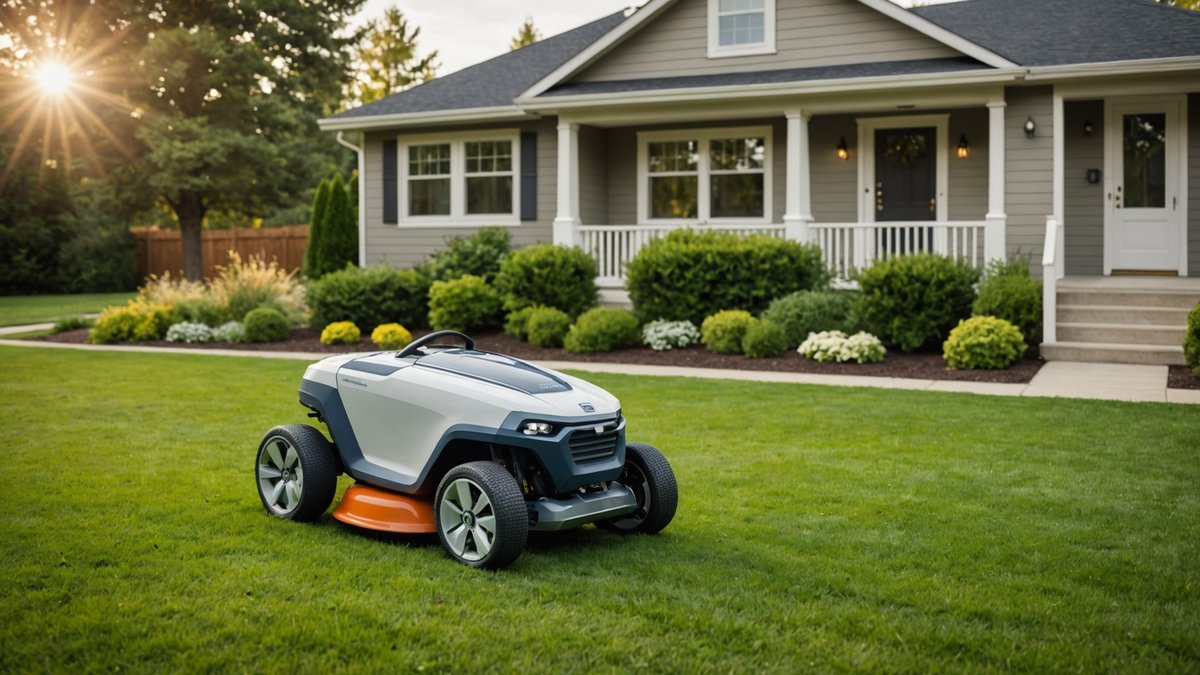
Three decades ago, the idea of a robot silently and diligently mowing your lawn while you relaxed seemed like science fiction. But in 2026, Husqvarna’s Automower will mark its 30th anniversary, a testament to the brand’s pioneering vision and the enduring appeal of autonomous lawn care. Let’s take a look at this milestone and what it signifies for the future of smart mowing.
A Legacy of Innovation
Husqvarna’s Automower wasn’t just the first robotic mower; it paved the way for an entire industry. Launched in 1996, it represented a bold step into uncharted territory. Back then, the technology was nascent, and convincing homeowners to trust a robot with their prized lawns was a challenge. But Husqvarna persevered, refining the technology and building trust through reliability and performance. Over the years, the Automower has seen countless iterations, each bringing improvements in cutting performance, navigation, and smart features.
From Humble Beginnings to Smart Mowing Mastery
Early Automower models were relatively simple, relying on basic sensors and perimeter wires to navigate. Today’s models are a far cry from those early machines. They boast sophisticated GPS-assisted navigation, obstacle avoidance, and smartphone integration. Many now feature AI-powered learning, allowing them to adapt to the unique characteristics of your lawn and optimize their mowing schedules. This evolution reflects the broader advancements in robotics and artificial intelligence, transforming the robot lawn mower from a novelty into a sophisticated tool for maintaining a healthy and beautiful lawn.
What’s Next for Robotic Mowers?
As Husqvarna celebrates this milestone, the future of robotic mowing looks brighter than ever. We can expect to see even greater integration with smart home ecosystems, allowing your robot lawn mower to coordinate with other devices like smart sprinklers and weather stations. Advancements in battery technology will lead to longer run times and faster charging, while improved sensors and AI will enable even more precise and efficient cutting. We’re also likely to see more specialized robotic mowers designed for specific applications, such as tackling steep slopes or navigating complex landscapes.
The Rise of Robot Mowers in Commercial Landscaping
While robotic mowers have gained popularity among homeowners, their potential in commercial landscaping is also significant. Landscaping professionals are increasingly turning to robotic mowers to automate routine tasks, reduce labor costs, and improve efficiency. Fleet management systems allow landscapers to monitor and control multiple robotic mowers from a central location, optimizing routes and schedules for maximum productivity. As the technology matures, we can expect to see even wider adoption of robotic mowers in the commercial sector.
What This Means for You
Whether you’re a homeowner tired of weekend lawn chores or a landscaping pro looking to streamline your operations, the 30th anniversary of the Automower is a reminder of how far robotic mowing has come. For homeowners, it means access to increasingly sophisticated and reliable robot lawn mower options that can free up your time and keep your lawn looking its best. For professionals, it signifies an opportunity to embrace automation, improve efficiency, and offer clients a more sustainable and cost-effective lawn care solution. The future of lawn care is here, and it’s autonomous.
Source: Original Article

Author: AI Mow
AI Mow is the AI-assisted news desk of AI Mower News. It monitors manufacturer announcements, trade shows and industry sources, and drafts stories in our editorial voice. Every article is checked against its original source before publication — our fact gate holds anything that claims testing we did not do or specs the source does not support — and is published under this byline for transparency. How we work: https://aimowernews.com/editorial-guidelines/ · The people behind it: https://aimowernews.com/our-team/