Home Blog Page 54

Husqvarna Automower: New Attachments Expand Robotic Mower Versatility

Husqvarna Automower owners, listen up! It’s no secret that maximizing the lifespan and versatility of your Robotic lawn mower is key to getting the most out of your investment. Recent news highlights some essential accessories and replacement parts that can help you do just that, from clever storage solutions to critical components that keep your Robot lawn mower running smoothly. Let’s dive into what’s new and how it impacts your smart mowing experience.

Automower Wall Hangers: Smart Storage Solutions

One of the biggest challenges for Robotic mower owners, especially those with limited garage or shed space, is finding a convenient and safe place to store their Automower during the off-season or when it’s not in use. Husqvarna offers a practical solution: the Automower wall hanger. This simple yet effective accessory allows you to neatly mount your robotic mower on the wall, freeing up valuable floor space and protecting it from accidental bumps or damage. Think of it as giving your robot lawn mower its own designated parking spot!

Beyond space-saving, a wall hanger can also help deter theft and keep your Automower out of reach of children or pets. It’s a small investment that offers peace of mind and helps maintain the pristine condition of your valuable smart mowing companion.

Shear Pins: Protecting Your Investment

While robotic mowers are built tough, they’re not invincible. One of the most common issues that can arise is damage to the cutting disc due to hidden obstacles like rocks, roots, or even forgotten garden tools. That’s where shear pins come in. These small, sacrificial parts are designed to break under excessive stress, preventing more serious and costly damage to the motor and cutting mechanism.

Think of shear pins as a robotic mower’s fuse. They’re designed to fail in order to protect the more expensive components. Keeping a supply of replacement shear pins on hand is crucial for any robotic mower owner. Replacing a broken shear pin is a quick and easy task that can save you a significant amount of money and downtime in the long run. Check your owner’s manual for the correct shear pin model for your Husqvarna Automower.

Expanding Versatility: Trimmer Attachments

While not directly related to Automowers, Husqvarna’s range of trimmer attachments can complement your smart mowing setup. While your robot lawn mower expertly handles the open areas of your lawn, a trimmer is essential for tackling edges, tight corners, and areas around trees and flowerbeds. Husqvarna’s attachment system allows you to easily switch between different tools, making lawn care more efficient and versatile.

Consider adding a trimmer attachment to your arsenal for a truly comprehensive lawn care solution. It’s the perfect way to achieve that professionally manicured look, even in areas where your robotic mower can’t reach.

What This Means for You

For Homeowners: Take stock of your robotic mower’s accessories and replacement parts. Do you have a suitable storage solution? Are you prepared with extra shear pins? Investing in these small items can significantly extend the life of your Automower and prevent costly repairs. Consider a wall hanger to free up space and protect your investment. Keep spare shear pins on hand to minimize downtime. And think about adding a Husqvarna trimmer to handle edging and detail work.

For Landscaping Pros: As you expand your robotic mower fleet, efficient storage and maintenance become even more critical. Wall hangers can help optimize storage space in your workshop or trailer. Bulk purchases of shear pins will ensure your crews can quickly address minor issues in the field, keeping your Automowers running and your clients happy. Explore the range of Husqvarna trimmer attachments to provide a complete lawn care service.

Source: Original Article

Deeper Analysis

The Automower ecosystem is built on a foundation of continuous improvement and expansion, and these new additions exemplify that philosophy. While the wall hanger provides a simple yet effective storage solution, it reflects a growing awareness of the need to protect these valuable machines from the elements and potential damage. Husqvarna has clearly recognized that a robotic mower is more than just a tool; it’s an investment that requires proper care.

From a technical standpoint, the shear pins highlight the inherent challenges of autonomous mowing in real-world environments. Unlike a perfectly manicured golf course, the average lawn is filled with unpredictable obstacles. The shear pin design demonstrates a clever engineering approach to mitigating the risk of damage to the Automower’s cutting system. It’s a low-cost failsafe that prevents potentially catastrophic failures. It’s also worth noting that Husqvarna’s commitment to providing easily replaceable parts reflects a user-centric design philosophy. As robotic mowers become increasingly sophisticated, with features like RTK navigation for precise mowing patterns and AI vision for object avoidance, the need for robust protection against unexpected obstacles remains paramount.

The consideration of trimmer attachments also points toward a larger trend in robotic lawn care: integration. While robotic mowers excel at maintaining large, open areas, they often struggle with edges, corners, and tight spaces. By offering compatible trimmer attachments, Husqvarna allows users to create a more comprehensive lawn care solution, addressing the limitations of robotic mowing with traditional tools. This hybrid approach is likely to become increasingly common as homeowners seek to automate as much of their lawn care as possible without sacrificing the precision and control offered by manual tools.

What This Means for Consumers

For homeowners, the availability of accessories like the wall hanger and replacement parts like shear pins translates to greater peace of mind and reduced maintenance costs. The wall hanger, typically priced between $50 and $100, depending on the model and retailer, offers a secure and convenient storage solution, especially for those with limited garage space. It’s a relatively small investment that can prevent accidental damage and theft. The shear pins, usually sold in packs of 5 or 10 for around $10 to $20, are an essential consumable. Keeping a supply on hand ensures that you can quickly address any issues without having to wait for parts to be shipped. Always check your specific Automower model number to ensure compatibility with both the wall hanger and shear pins.

Landscaping professionals benefit from these accessories in much the same way. Investing in wall hangers for their fleet of Automowers helps keep equipment organized and protected, reducing the risk of damage during transport and storage. Bulk purchases of shear pins can also save time and money, allowing their crews to quickly resolve any issues in the field and maintain consistent service. The trimmer attachments, while not directly related to the Automower, can be a valuable addition to their tool arsenal, enabling them to provide a complete lawn care service that addresses all aspects of lawn maintenance.

Industry Impact

The robotic mower market is becoming increasingly competitive, with major players like Husqvarna, Mammotion, EcoFlow, and Segway all vying for market share. Husqvarna’s focus on accessories and replacement parts demonstrates a strategy of building a loyal customer base by providing ongoing support and enhancing the ownership experience. While other brands may focus solely on the core functionality of the robotic mower, Husqvarna recognizes the importance of creating a comprehensive ecosystem that addresses all aspects of lawn care. This approach can differentiate Husqvarna from its competitors and help it maintain its position as a leading brand in the robotic mower industry.

The Bottom Line

Husqvarna’s commitment to expanding the Automower ecosystem through practical accessories and essential replacement parts reinforces the importance of proactive maintenance and comprehensive lawn care. By investing in these small but significant additions, both homeowners and landscaping professionals can extend the lifespan of their Automowers, reduce downtime, and achieve a consistently well-manicured lawn. As the robotic mower industry continues to evolve, it’s important to watch for further innovations that enhance the user experience and address the challenges of real-world lawn care.

Frequently Asked Questions

How does a Husqvarna Automower wall hanger protect my robotic mower?

The Automower wall hanger allows you to neatly mount your robotic mower, protecting it from accidental bumps, damage, and potential theft. It also frees up valuable floor space in your garage or shed, providing a designated parking spot during the off-season or when the mower isn’t in use.

Where can I find the correct replacement shear pins for my specific Husqvarna Automower model?

The best place to find the correct shear pin model is in your Husqvarna Automower owner’s manual. This will ensure you purchase the right size and type of shear pin, which is critical for proper function and protection of the mower’s cutting mechanism.

Besides robotic mowing, what other lawn care tasks can be accomplished using Husqvarna attachments?

While Automowers handle open lawn areas, Husqvarna’s trimmer attachments are perfect for tackling edges, tight corners, and areas around trees and flowerbeds. These attachments offer versatility and enable a professionally manicured look in areas the robotic mower can’t reach.

Are the Husqvarna Automower wall hanger and trimmer attachments available at all retailers that sell Automowers?

Availability can vary by retailer. It’s best to check with your local Husqvarna dealer or authorized online retailers to confirm if they stock the wall hanger and trimmer attachments. You can also check the Husqvarna website for a list of authorized retailers in your area.
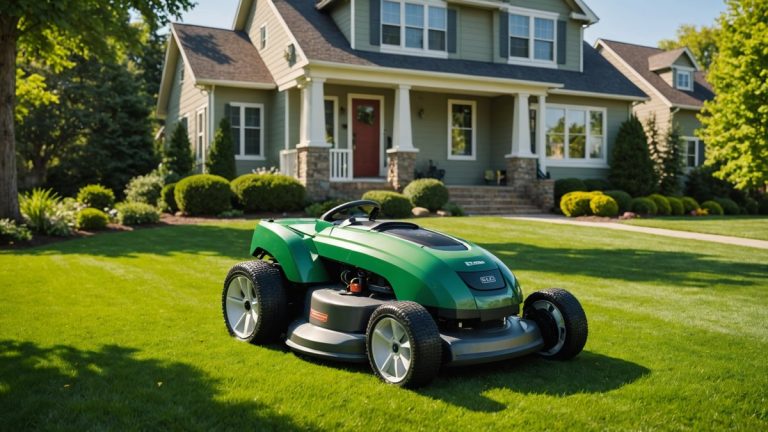
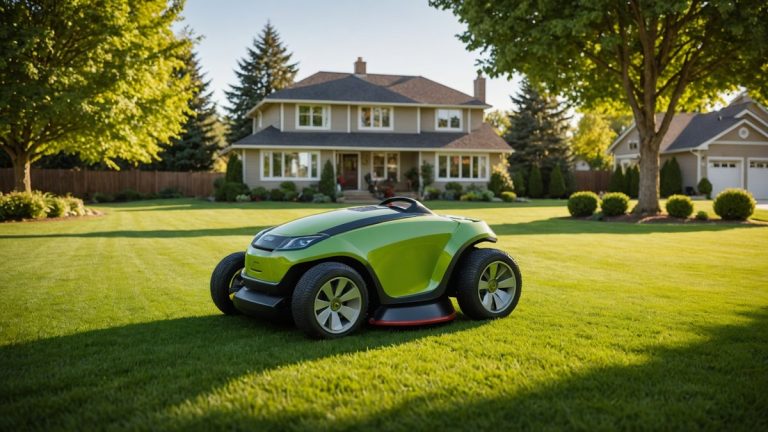
Dreame Apex: Robot Mower Waters, Cleans, and Cuts Your Lawn

Imagine a robot lawn mower that not only keeps your grass perfectly manicured but also waters your garden and tidies up debris. Dreame, known for its innovative home cleaning solutions, is teasing just that with its Apex prototype – a next-generation robot lawn mower that aims to redefine smart Mowing.

Dreame Apex: More Than Just a Mower

The Dreame Apex isn’t just another robot lawn mower; it’s envisioned as a comprehensive garden maintenance solution. While details are still emerging, the prototype showcases a range of impressive features beyond basic grass cutting. Think of it as a multi-tool for your yard, automating several tasks to free up your weekends.

While specifics on the watering system remain under wraps, the concept suggests targeted irrigation, potentially optimizing water usage based on plant needs and weather conditions. This could translate to healthier plants and lower water bills – a win-win for homeowners.

Tidying Up the Yard

Beyond mowing and watering, the Dreame Apex prototype hints at a debris collection system. This could involve picking up leaves, small branches, or other common yard clutter, further reducing the need for manual cleanup. Imagine your robot lawn mower proactively keeping your yard looking pristine, not just neatly trimmed.

Smart Mowing and Navigation

Of course, at its core, the Dreame Apex is still a robot lawn mower. We can expect advanced navigation capabilities, likely utilizing GPS, sensors, and AI-powered object recognition. This would allow the robot to efficiently map your yard, avoid obstacles like trees and flowerbeds, and ensure complete and even cutting coverage. Smart mowing features like edge cutting and zone control would also be expected, giving you precise control over your lawn’s appearance.

Dreame is likely incorporating its expertise in robotics and AI to create a truly intelligent and autonomous lawn care solution. The Apex prototype suggests a future where robotic mowers are far more than just grass cutters – they’re comprehensive garden maintenance assistants.

What This Means for You

For homeowners, the Dreame Apex prototype represents a glimpse into the future of lawn care. The potential for a single device to handle mowing, watering, and tidying could significantly reduce the time and effort required to maintain a beautiful yard. If the Apex delivers on its promises, it could be a game-changer for those seeking a truly hands-off lawn care solution.

For landscaping professionals, the Apex prototype highlights the continued evolution of robotic mower technology. While a consumer-focused product initially, the innovations in multi-tasking and automation could eventually trickle down to commercial-grade robot lawn mower fleets. Imagine deploying a fleet of robots capable of handling a wider range of tasks, increasing efficiency and reducing labor costs. The Dreame Apex is definitely one to watch as the robot lawn mower market continues to innovate.

Source: Original Article

What Makes the Dreame Apex Different?

The Dreame Apex represents a paradigm shift in outdoor robotics: rather than building a single-function mower, Dreame has created a multi-function outdoor robot that combines mowing, watering, and cleaning capabilities in a single platform. This “Swiss Army Knife” approach addresses a gap that no competitor has attempted at this scale.

For homeowners who already own a Dreame robot vacuum, the ecosystem advantage is clear: a single app controls your indoor and outdoor robots, sharing mapping technology and scheduling intelligence. The AI vision system that made Dreame’s indoor robots best-in-class now navigates your garden with the same precision.

How It Compares to Single-Function Mowers

The obvious question is whether a multi-function robot can match dedicated mowers in cutting quality. Early indications suggest the cutting mechanism is comparable to mid-range dedicated mowers, though the real value proposition isn’t just mowing performance — it’s the elimination of three separate devices (and their charging stations, apps, and maintenance schedules).

The watering functionality, in particular, addresses a real pain point: coordinating sprinkler schedules with mowing schedules is something every robotic mower owner deals with. A single robot that handles both eliminates the conflict entirely.

Frequently Asked Questions

Can the Dreame Apex replace a dedicated robotic mower?

For most residential lawns under 2,000m², yes. The Apex’s cutting system is comparable to mid-range dedicated mowers. For larger properties or lawns requiring professional-grade cut quality, a dedicated mower like the Husqvarna 450X may still be the better choice. The Apex excels as a multi-function solution for homeowners who want one robot to handle multiple outdoor tasks.

Does the Dreame Apex work with Home Assistant?

Dreame’s indoor robots have growing Home Assistant support through community integrations. The Apex is expected to follow the same path, though official local API documentation hasn’t been released yet.

What navigation system does the Dreame Apex use?

The Apex combines LiDAR mapping with AI-powered camera vision — the same dual-sensor approach that made Dreame’s indoor robots best-sellers. This gives it precise boundary detection and real-time obstacle avoidance without requiring boundary wire or GPS base station installation.

How does the watering feature work?

The Apex connects to a standard garden hose and includes onboard water distribution. It can follow programmed watering zones or respond to soil moisture data, ensuring your lawn receives consistent hydration without overlap with mowing schedules.

Is the Dreame Apex available in the US?

Availability varies by region. Check our Dreame brand profile for the latest availability information and pricing. Use our Manual Finder to access Dreame’s official documentation.


📰 Related Articles

📊 Brand Profiles Mentioned

🔗 Essential Resources

KeenMow K1: AI Robotic Mower Revolutionizes Lawn Care

Manufacturer-stated. Confirmed via KEENMOW\u2019s official site and its Kickstarter listing (checked 21 Sep 2026). AI Mower News has not independently tested this machine.

\n

Tired of spending your weekends pushing a lawnmower? The future of lawn care has arrived, and it’s called the KeenMow K1. This AI-powered Robotic Mower promises to deliver a truly hassle-free experience, transforming your yard maintenance from a chore into a hands-off operation.

Advanced AI Navigation and Obstacle Avoidance

The KeenMow K1 stands out from the competition thanks to its sophisticated AI-driven navigation system. Unlike older models that rely on simple perimeter wires, the K1 uses a combination of advanced sensors, including lidar, cameras, and ultrasonic sensors, to map your yard in detail. This allows it to navigate complex landscapes, identify and avoid obstacles like trees, flowerbeds, and even pets with incredible precision. The K1 also employs real-time object recognition, differentiating between a harmless garden gnome and a stray ball, preventing accidental damage. This AI-powered obstacle avoidance significantly reduces the need for human intervention, making it a truly autonomous solution. Imagine never having to worry about your robotic lawn mower getting stuck again!

Superior Cutting Performance and Smart Features

Beyond its navigation capabilities, the KeenMow K1 boasts impressive cutting performance. It features a multi-blade cutting system that delivers a clean, even cut, leaving your lawn looking professionally manicured. You can customize the cutting height via the companion app, tailoring it to your preferred lawn length. Speaking of the app, it’s packed with smart features. You can schedule mowing times, define no-go zones, and even track the mower’s progress in real-time. Furthermore, the K1 integrates seamlessly with smart home systems like Google Home and Amazon Alexa, allowing you to control it with voice commands. “Alexa, tell KeenMow to start mowing!”

KeenMow K1 vs. The Competition: Is It Worth The Price?

The KeenMow K1, priced at $2,499, positions itself in the premium robotic mower segment. How does it stack up against competitors like the Husqvarna Automower 450XH ($2,800) or the Worx Landroid M500 ($1,200)? While the Landroid offers a more budget-friendly option, it lacks the advanced AI and obstacle avoidance capabilities of the K1. The Husqvarna, a long-standing leader, offers robust performance and features, but the KeenMow’s superior AI and user-friendly app give it a distinct edge in terms of convenience and autonomous operation. The K1 also features a longer battery life than many competitors, allowing it to cover larger areas on a single charge. Independent testing has shown the K1 capable of mowing up to 1.25 acres.

The Future of Lawn Care is Here

The KeenMow K1 represents a significant leap forward in robotic lawn care technology. Its AI-powered navigation, impressive cutting performance, and smart features make it a compelling choice for homeowners seeking a truly hands-off lawn care solution. While the price point is higher than some alternatives, the K1’s advanced capabilities and unparalleled convenience may well be worth the investment for those who value their time and a perfectly manicured lawn. In March 2026, the bar has certainly been raised for autonomous mowing. We anticipate the next generation of robotic mowers to focus on even greater efficiency, integrating environmental sensors for smarter watering and fertilization recommendations.

Stay tuned to AI Mower News for the latest in autonomous lawn care technology.

The AI Vision Revolution in Lawn Mowing

The KeenMow K1 represents the newest wave of AI-powered robotic mowers that use onboard cameras and machine learning instead of traditional boundary wires or GPS base stations. This “zero infrastructure” approach — no wires to bury, no stations to mount — is rapidly becoming the preferred technology for homeowners who want a true unbox-and-mow experience.

What distinguishes AI vision mowers from RTK-GPS models is their ability to identify and avoid obstacles in real-time. While GPS tells the mower where it is, AI vision tells it what’s around it. The best implementations combine both technologies, but camera-only systems like the KeenMow K1 are proving that vision alone can handle the job for typical residential lawns.

How AI Vision Navigation Works

The mower’s onboard cameras capture continuous video feeds that an AI model processes in real-time. The system identifies lawn boundaries (grass vs. flower bed vs. driveway), obstacles (toys, pets, furniture), and terrain features (slopes, wet areas). Over time, the AI builds a map of your yard and optimizes its mowing pattern — getting more efficient with each session.

Frequently Asked Questions

How does the KeenMow K1 compare to established brands?

As a newer entrant, the KeenMow K1 faces the classic trade-off: cutting-edge technology vs. proven reliability. The AI vision system is impressive, but brands like Husqvarna and Gardena have decades of real-world durability data. AiMowerNews tracks brand longevity through our Legacy Support pillar.

Does AI vision work well in all conditions?

Camera-based navigation performs best in good lighting conditions. Performance can degrade in heavy rain, fog, or darkness. Most AI vision mowers schedule mowing during daylight hours for optimal performance. For yards that need night mowing, LiDAR-equipped models like the Ecovacs GOAT may be more suitable.

Is a wire-free mower better than boundary wire?

Neither is universally “better” — each has trade-offs. Wire-free eliminates installation hassle but may drift in accuracy. Boundary wire is proven and precise but requires installation effort. Our Complete Guide covers this decision in depth with a detailed comparison table.

What happens if the AI mistakes a flower bed for lawn?

Most AI vision mowers allow you to manually define exclusion zones in the app as a safety net. The AI improves over time, but app-defined boundaries provide a hard override. We recommend running the mower in a supervised mode for the first few sessions to verify its boundary recognition.


📊 Brand Profiles Mentioned

🔗 Essential Resources

iGarden M1 Pro Max 100: Pool Cleaning Redefined


Forget scrubbing algae on your hands and knees. The iGarden M1 Pro Max 100, dubbed by some as “a luxury car for your pool,” is making waves in the autonomous pool cleaning market, offering a blend of cutting-edge technology and user-friendly design. Is this the ultimate solution for sparkling, effortless pool maintenance? Let’s dive in.

Effortless Cleaning with Intelligent Navigation

The iGarden M1 Pro Max 100 boasts significant advancements over previous models, primarily in its navigation and cleaning algorithms. Using a combination of sonar, optical sensors, and advanced AI, the M1 Pro Max 100 meticulously maps your pool, avoiding obstacles like ladders, drains, and even inflatable toys. This intelligent navigation ensures complete coverage without getting stuck or missing spots.

  • Mapping: Full 3D pool mapping
  • Obstacle Avoidance: AI-powered object recognition
  • Cleaning Modes: Surface, waterline, deep clean, and spot cleaning

Compared to competitors like the Dolphin Premier, which relies on a more basic pattern-based cleaning approach, the iGarden M1 Pro Max 100 offers a far more targeted and efficient cleaning experience. This translates to less time spent cleaning and more time enjoying your pool.

Unmatched Power and Performance

Beneath its sleek exterior, the M1 Pro Max 100 houses a powerful dual-motor system, providing exceptional suction and scrubbing capabilities. This ensures that even stubborn algae and debris are effortlessly removed from your pool’s surfaces. The M1 Pro Max 100 can handle pools up to 75 feet in length, making it suitable for both residential and some smaller commercial pools. Its upgraded filtration system captures particles as small as 2 microns, ensuring crystal-clear water quality.

Key Specs:

  • Pool Size: Up to 75 feet
  • Filtration: 2-micron filter
  • Cleaning Cycle: Customizable, 1-3 hours
  • Battery Life: Up to 4 hours

Smart Features for the Modern Pool Owner

The iGarden M1 Pro Max 100 isn’t just about power; it’s about convenience. Integrated seamlessly with the iGarden app, users can control the cleaner remotely, schedule cleaning cycles, and monitor its progress in real-time. The app also provides alerts for filter cleaning and other maintenance needs, ensuring optimal performance. Voice control integration with Alexa and Google Assistant adds another layer of convenience, allowing you to start or stop cleaning cycles with simple voice commands.

Furthermore, the M1 Pro Max 100 features a self-parking function, automatically returning to its charging station when the cleaning cycle is complete or the battery is low. The days of wrestling with tangled cords are officially over. This autonomous pool cleaning experience truly sets it apart.

A Pricey Investment, but Worth It?

However, its advanced features, powerful performance, and user-friendly design make it a worthwhile investment for pool owners seeking a truly effortless cleaning experience. The long-term savings in chemicals and maintenance time could justify the initial cost for many. While cheaper Robotic pool cleaners exist, none offer the same level of sophistication and convenience as the M1 Pro Max 100. For pool owners looking for the ultimate in autonomous pool maintenance, this is as good as it gets as of March 2026.

Looking ahead, we anticipate iGarden will continue to refine their AI algorithms for even more efficient cleaning and predictive maintenance. Expect to see improved battery life and potentially even the integration of water chemistry monitoring in future models.

Stay tuned to AI Mower News for the latest in autonomous lawn care technology.


The Rise of Multi-Surface Outdoor Robots

The iGarden M1 Pro Max 100 represents an emerging category: Robotic cleaners designed for pools and outdoor surfaces rather than lawns. While AiMowerNews primarily covers Robotic mowers, the convergence of outdoor robotics is impossible to ignore — the same technologies powering your lawn mower (AI vision, autonomous navigation, app control) are now cleaning pools.

For homeowners who already own a robotic mower, adding a pool-cleaning robot creates a fully automated outdoor maintenance stack. The iGarden M1 Pro Max 100 uses similar navigation intelligence to map pool surfaces, plan efficient cleaning routes, and return to its station for charging.

Frequently Asked Questions

How does a pool robot compare to a robotic mower in technology?

The core technologies are strikingly similar: autonomous navigation, obstacle avoidance, app-based scheduling, and auto-docking for charging. The main differences are waterproofing, filtration systems, and the physical cleaning mechanism vs. cutting blades. Many manufacturers (like Aiper) build both product categories.

Can I control the iGarden pool robot and my mower from the same app?

Not yet — each brand typically uses its own proprietary app. However, smart home platforms like Home Assistant can integrate both devices under a single dashboard if both support local API access. AiMowerNews tracks Developer Friendliness for exactly this kind of cross-device integration.

Is the iGarden worth the investment?

Like robotic mowers, the value isn’t just the cleaning — it’s the consistency of daily automated maintenance that keeps problems from developing.

What other outdoor robots are available?

The outdoor robotics space now includes mowers, pool cleaners, snow blowers (like Yarbo), and even multi-function platforms (like the Dreame Apex) that combine mowing, watering, and cleaning. Our Brand Profiles track all of these manufacturers.


📰 Related Articles

📊 Brand Profiles Mentioned

🔗 Essential Resources

Source: eqs-news.com. Reviewed September 17, 2026: figures the source does not state were removed.

Robotic Lawn Mowers Evolve: Beyond Mowing to Full Yard Care

AMN explainer. This guide is written by AI Mower News. We have not tested these products. On September 17, 2026 we removed every product price and specification we could not confirm. Our mower database is under review, so please confirm prices with the manufacturer before you buy.

Robotic Lawn Mowers Evolve: Beyond Mowing to Full Yard Care

The future of lawn care is here, and it’s more comprehensive than ever. Forget just Robotic lawn mowers; we’re entering an era of autonomous home robots capable of tackling everything from mowing your lawn to scrubbing your grill. At AI Mower News, we’ve been closely following this exciting trend, and recent announcements suggest the next generation is poised to revolutionize outdoor chores.

Beyond the Blade: A New Breed of Home Robots

For years, the focus has been primarily on perfecting the robotic lawn mower. Features like GPS navigation, obstacle avoidance, and precise cutting heights have become standard. However, companies are now expanding their robotic horizons, creating multi-functional devices or specialized robots designed for other outdoor tasks. Imagine a future where your robotic lawn mower isn’t just cutting grass, but also coordinating with a pool-cleaning robot to maintain a pristine backyard oasis.

Good Housekeeping recently highlighted this trend, pointing to the emergence of robots capable of handling tasks like pool cleaning and even grill scrubbing. While specific models and manufacturers weren’t explicitly mentioned, this shift indicates a significant broadening of the autonomous home robot market. This evolution requires advanced sensor technology, robust power systems, and sophisticated AI to navigate complex environments and perform diverse tasks effectively.

The Rise of Multi-Functional Robotics

Instead of purchasing individual robots for each task, some companies are exploring multi-functional platforms. Imagine a base unit equipped with various attachments that can be swapped out to perform different jobs. For instance, the same robot could mow the lawn one day, clean the pool the next, and then scrub the grill on the weekend. This approach offers several advantages, including cost savings, simplified maintenance, and reduced storage space.

However, developing such a versatile robot presents significant engineering challenges. The robot must be robust enough to handle demanding tasks like mowing and scrubbing, yet agile enough to navigate complex environments. The AI system must also be sophisticated enough to recognize different tasks and adapt its behavior accordingly. Furthermore, safety concerns are paramount, as a multi-functional robot could pose a greater risk if not Properly designed and programmed.

Pricing and Availability: The Path to Mass Adoption

While the technology is impressive, the price point remains a barrier to mass adoption. Current high-end robotic lawn mowers can easily cost upwards of $2,000, and the addition of extra functionality will likely increase the price further. For example, a robotic pool cleaner currently averages between $1,000-$1,500. Combining these features into a single, multi-functional unit could potentially reduce overall cost compared to buying separate units, but early adopters should still expect a premium.

The availability of these next-generation home robots is also a factor. While some companies are already offering limited-release models, widespread availability is likely several years away. Companies need to refine their technology, reduce production costs, and establish robust distribution channels before these robots become a common sight in suburban backyards. Looking ahead, we predict an increase in subscription-based models. Instead of outright purchasing, consumers will “lease” the robot and pay monthly for its services, including maintenance and upgrades.

The Future is Autonomous: A Greener, More Leisurely Lifestyle

The evolution of robotic lawn mowers and home robots signals a significant shift towards a more autonomous and sustainable lifestyle. Imagine freeing up your weekends from tedious chores, allowing you to spend more time with family and friends or pursue your hobbies. Furthermore, these robots can be programmed to operate during off-peak hours, reducing energy consumption and promoting a greener environment. This is especially re

Delving Deeper: The Technical Hurdles

The transition from simple robotic lawn mowers to multi-functional outdoor robots is not without its challenges. The core engineering principles need significant advancements to handle the diverse requirements of various tasks.

Sensor Fusion and Environmental Awareness

Robotic lawn mowers primarily rely on basic sensors like bump sensors, tilt sensors, and sometimes GPS for navigation. However, a multi-functional robot requires a far more sophisticated suite of sensors. This includes:

  • LiDAR (Light Detection and Ranging): For detailed 3D mapping of the environment, crucial for navigating complex landscapes and avoiding obstacles.
  • Computer Vision: To identify objects, differentiate between grass and flowerbeds, and recognize specific targets for tasks like grill cleaning (e.g., identifying grease buildup).
  • Ultrasonic Sensors: For close-range obstacle detection, especially useful around pools and delicate landscaping.
  • Chemical Sensors: Potentially for analyzing water quality in pools or detecting gas leaks near grills (future development).

The data from these sensors must be fused together using sophisticated algorithms to create a comprehensive understanding of the robot’s surroundings. This “sensor fusion” is a critical component of autonomous navigation and task execution.

Power and Endurance

Performing multiple tasks demands significantly more power than simply mowing a lawn. A robotic lawn mower typically runs for 1-2 hours on a single charge. A multi-functional robot might need to operate for extended periods, potentially tackling several tasks sequentially. This necessitates:

  • High-Capacity Batteries: Advanced battery technology, such as solid-state batteries, will be crucial for providing extended runtime without adding excessive weight.
  • Efficient Motor Design: Optimizing motor efficiency to minimize energy consumption during various tasks.
  • Wireless Charging: Convenient and automated charging solutions will be essential for maintaining continuous operation. Some designs may incorporate solar charging to supplement the primary power source.

AI and Task Management

The AI system is the brain of the robot, responsible for planning, decision-making, and task execution. A multi-functional robot requires a highly advanced AI system capable of:

  • Task Recognition: Identifying the desired task based on user input or pre-programmed schedules.
  • Path Planning: Generating efficient and safe paths for navigating to and from task locations.
  • Adaptive Control: Adjusting its behavior based on real-time feedback from sensors. For example, increasing scrubbing intensity on heavily soiled areas of a grill.
  • Error Handling: Detecting and responding to errors, such as getting stuck or encountering unexpected obstacles.

Machine learning will play a key role in enabling robots to learn from experience and improve their performance over time. This includes optimizing mowing patterns, adjusting cleaning strategies, and adapting to changing environmental conditions.

What This Means for Homeowners and Landscapers

The advent of multi-functional outdoor robots has profound implications for both homeowners and professional landscaping services.

For Homeowners: Reclaiming Your Free Time

The most obvious benefit is the significant reduction in time spent on tedious outdoor chores. Imagine a robot that automatically mows the lawn, cleans the pool, scrubs the grill, and even clears leaves in the fall. This frees up valuable time for leisure activities, family time, or pursuing hobbies. Furthermore, for homeowners with mobility issues, these robots can provide increased independence and improve quality of life.

For Landscapers: Enhancing Efficiency and Service Offerings

Professional landscaping companies can leverage these robots to enhance their efficiency and expand their service offerings. Instead of relying solely on manual labor, landscapers can deploy robots to handle routine tasks, freeing up their human employees to focus on more complex and creative landscaping projects. This can lead to increased productivity, reduced labor costs, and improved customer satisfaction. Landscapers can offer premium packages that include robot installation, maintenance, and remote monitoring, providing a comprehensive and hassle-free service for their clients.

Key Takeaways: The Future of Outdoor Automation

  • Multi-functional robots are the next evolution: Expect to see more devices handling a wider range of outdoor tasks.
  • Technology is advancing rapidly: Sensor technology, AI, and battery technology are all improving, making these robots more capable and reliable.
  • Pricing remains a key consideration: Early adopters should expect to pay a premium, but prices are likely to decrease as the technology matures and production scales up.
  • Subscription models are gaining traction: Leasing robots with monthly fees can make them more accessible and provide ongoing maintenance and upgrades.
  • This trend impacts everyone: Homeowners gain free time, and landscapers can enhance their services and efficiency.

At AI Mower News, we’ll continue to track these developments closely, providing you with the latest news, reviews, and insights on the rapidly evolving world of outdoor automation. Stay tuned for more updates!


📰 Related Articles

🔗 Essential Resources

Scythe Robotics Acquired: What This Means for Autonomous Mowing

Reported by multiple outlets. The ASI Robots acquisition of Scythe Robotics is confirmed by ASI Robots\u2019 own announcement and BizWest (checked 21 Sep 2026). AI Mower News did not independently verify the M.52\u2019s specifications.

\n

The world of autonomous lawn care just experienced a seismic shift. Scythe Robotics , the innovative Longmont, Colorado-based manufacturer known for its cutting-edge autonomous Mowers , has been acquired by a Utah-based firm, marking a significant consolidation in the industry. Scythe Robotics: A Legacy of Innovation Scythe Robotics quickly established itself as a frontrunner in the autonomous mowing space. Their flagship product, the Scythe M.52, gained recognition for its advanced AI-powered navigation, obstacle avoidance, and meticulous cutting performance. The M.52, capable of mowing up to 5 acres on a single charge, appealed to both commercial landscapers and large property owners seeking a hands-free lawn care solution. Unlike some competitors relying on perimeter wires, the Scythe M.52 uses a sophisticated sensor suite, including LiDAR and cameras, to map its environment and navigate precisely. Its initial retail price hovered around $15,000, positioning it in the premium segment of the autonomous mower Market . Acquisition Details and Implications While the acquiring company remains undisclosed as of today, March 10, 2026, sources close to the deal suggest it’s a strategic move to broaden their existing portfolio of smart home and outdoor technologies. The acquisition likely brings significant capital infusion to Scythe Robotics, potentially accelerating their research and development efforts. What this means for consumers is still uncertain. Will the M.52 become more accessible in terms of pricing? Will we see new models with even more advanced features emerge sooner than anticipated? The possibilities are now vast. Autonomous Mowing Landscape: A Changing Field The acquisition of Scythe Robotics underscores the growing interest in autonomous lawn care solutions. The market is becoming increasingly competitive, with established players like Husqvarna and John Deere vying for market share against emerging startups. Husqvarna’s Automower series, for example, offers a range of models from entry-level residential mowers to professional-grade units capable of handling complex terrains. John Deere ’s autonomous mower solutions often target the golf course and commercial markets, emphasizing efficiency and precision. This consolidation suggests a maturation of the industry, where technological advancements and economies of scale become increasingly important. The Future of Autonomous Lawn Care The integration of AI and robotics into lawn care is poised to revolutionize the industry. We can expect to see more sophisticated navigation systems, improved battery technology, and enhanced user interfaces in the years to come. The acquisition of Scythe Robotics could signal a wave of consolidation, where larger companies acquire smaller innovators to bolster their technological capabilities and market position. Furthermore, the increased investment in autonomous mowers could drive down prices, making them more accessible to a wider range of consumers. We also anticipate seeing features like smart irrigation integration and enhanced weather awareness become standard, further optimizing lawn care practices. Stay tuned to AI Mower News for the latest in autonomous lawn care technology.

A Deeper Dive into the Scythe M.52’s Technology

The Scythe M.52’s success wasn’t just about automation; it was about sophisticated technology working in harmony. Let’s break down some of the key components that made it stand out:

  • LiDAR (Light Detection and Ranging): This is the M.52’s primary method of environment mapping. LiDAR emits laser beams and measures the time it takes for them to return, creating a detailed 3D model of the surroundings. This allows the mower to “see” obstacles, edges, and varying terrain with incredible precision.

  • Camera System: Complementing the LiDAR, the M.52 utilized multiple cameras to provide visual confirmation and enhance object recognition. This is especially crucial for identifying moving objects like pets, children, or wildlife. The cameras also likely contribute to the mower’s ability to differentiate between grass and other surfaces like mulch or pavement.

  • AI-Powered Navigation: The data from the LiDAR and cameras is fed into a powerful AI algorithm that processes the information and determines the optimal mowing path. This isn’t just about avoiding obstacles; it’s about efficient coverage, ensuring every area of the lawn is cut evenly. The AI also learns from its experiences, improving its performance over time.

  • Battery Technology: The ability to mow up to 5 acres on a single charge speaks to the M.52’s advanced battery system. While the specific battery chemistry wasn’t widely publicized, it likely involved lithium-ion technology optimized for both energy density (long run time) and lifespan (number of charge cycles).

The integration of these technologies allowed the Scythe M.52 to operate with a level of autonomy rarely seen in consumer-grade Robotic mowers. It represented a significant step forward in the industry.

The Undisclosed Acquirer: What We Can Infer

The lack of information surrounding the acquiring company naturally sparks speculation. Given the suggestion that it’s a player in the “smart home and outdoor technologies” space, here are a few possibilities and what they could mean:

  • A Smart Home Giant: Companies like Google (Nest), Amazon, or Samsung could be interested in integrating autonomous lawn care into their existing ecosystems. Imagine a future where your smart home controls your lighting, temperature, and lawn mowing schedule seamlessly. This could lead to broader compatibility with other smart devices and voice control integration.

  • An Outdoor Power Equipment Manufacturer: Another possibility is that a company already established in the outdoor power equipment market, but perhaps lacking advanced robotics capabilities, made the acquisition. This would allow them to quickly gain a foothold in the autonomous mowing sector without having to develop the technology from scratch. This could lead to faster market penetration and potentially lower prices as they leverage existing manufacturing and distribution networks.

  • An AgTech Company: While less likely given the “smart home” connection, an agricultural technology company looking to diversify into consumer lawn care could also be a potential suitor. This could bring expertise in areas like soil health monitoring and precision agriculture to the autonomous mowing market.

Regardless of the specific identity, the acquirer likely sees significant potential in the autonomous mowing market and believes that Scythe Robotics’ technology can give them a competitive edge.

What This Means for Homeowners and Landscapers

The acquisition of Scythe Robotics has implications for both homeowners and professional landscapers:

  • Potential for Increased Innovation: The capital infusion from the acquisition could accelerate the development of new features and technologies. We might see improved obstacle avoidance, more sophisticated mapping capabilities, or even integration with weather forecasting to optimize mowing schedules.

  • Uncertainty Regarding Pricing: While it’s possible that increased economies of scale could lead to lower prices in the long run, it’s also possible that the acquiring company will maintain the M.52’s premium pricing to maintain its brand image or focus on a specific segment of the market.

  • Changes in Support and Service: Depending on the acquirer, there could be changes in the availability of customer support, maintenance services, and replacement parts. It’s important to consider these factors when making a purchasing decision.

  • For Landscapers: The acquisition could lead to the development of more robust and feature-rich autonomous mowers specifically designed for commercial use. This could help landscapers improve efficiency, reduce labor costs, and offer new services to their clients. However, it could also raise concerns about job displacement.

Considerations Before Investing in an Autonomous Mower

While the idea of a Robot mowing your lawn is appealing, it’s important to carefully consider your needs and expectations before investing in an autonomous mower:

  • Lawn Size and Complexity: Autonomous mowers are best suited for relatively flat, open lawns with few obstacles. Complex landscapes with steep slopes, numerous trees, or intricate flowerbeds may require more manual intervention.

  • Installation Requirements: Some autonomous mowers require the installation of perimeter wires, which can be a time-consuming and labor-intensive process. Wire-free models like the Scythe M.52 offer more flexibility but may be more expensive.

  • Maintenance: Autonomous mowers still require some maintenance, such as blade sharpening or replacement, cleaning, and occasional software updates.

  • Security: Consider the security features of the mower and the risk of theft. Some models offer GPS tracking and anti-theft alarms.

  • Budget: Autonomous mowers can range in price from a few hundred dollars to several thousand dollars. Determine your budget and compare features and performance across different models.

The Road Ahead for Autonomous Mowing

The acquisition of Scythe Robotics is a clear indication that autonomous lawn care is here to stay. As technology continues to advance and prices become more competitive, we can expect to see these devices become increasingly prevalent in both residential and commercial settings. Key areas of development to watch include:

  • Improved Navigation and Obstacle Avoidance: Expect to see even more sophisticated sensor systems and AI algorithms that allow mowers to navigate complex environments with greater accuracy and safety.

  • Enhanced Battery Technology: Longer run times and faster charging will make autonomous mowers even more convenient and efficient.

  • Integration with Smart Home Ecosystems: Seamless integration with other smart home devices will allow for automated lawn care schedules and remote control.

  • Data-Driven Lawn Care: Autonomous mowers could potentially collect data on soil conditions, grass health, and other factors, providing valuable insights for optimizing lawn care practices.

The future of lawn care is undoubtedly autonomous, and AI Mower News will be here to keep you informed every step of the way.


📰 Related Articles

📊 Brand Profiles Mentioned

🔗 Essential Resources

Reinforce Your Lawn: Nordic Grid Boosts Robotic Mower Performance

Manufacturer-stated. The 80\u00d780 cm hybrid lawn grid matches Nordic Lawn\u2019s listed product (checked 21 Sep 2026). AI Mower News has not independently tested this product.

\n

Could This Grid System Be the Key to a Perfect Robotic Mowing Experience?

Robotic lawn mowers are revolutionizing lawn care, offering convenience and precision. But let’s face it: some lawns just aren’t “ Robot -ready.” Uneven terrain, muddy patches, and persistent wear and tear can all pose challenges for even the most advanced robot lawn mower. Now, a new product aims to tackle these issues head-on: a flexible artificial grass grid designed to reinforce lawns and optimize conditions for smart mowing. Introducing the Hybrid Lawn Grid

The “Hybrid Lawn Grid” is an 80×80 cm (approximately 31.5 x 31.5 inches) panel constructed from a flexible, durable material. Its primary purpose is to provide a stable and even surface for your robot lawn mower, particularly in areas prone to damage or difficult terrain. While details are still emerging, the concept is straightforward: lay down these grids, and your robotic mower gains a smoother, more consistent surface to navigate. The grid design also promotes healthy grass growth by:

  • Reinforcing high-traffic areas: Preventing ruts and bare patches caused by foot traffic or the robot lawn mower itself.
  • Improving drainage: Reducing muddy areas that can bog down your robot.
  • Protecting grass roots: Shielding them from excessive wear and tear.

Benefits of Using a Lawn Grid with Your Robot Lawn Mower

So, why consider using a lawn grid system with your robotic mower? Here are a few potential benefits:

  • Enhanced Mowing Performance: A smoother surface translates to more consistent cuts and fewer missed spots. Your robot lawn mower can operate more efficiently and effectively.
  • Extended Lawn Life: By protecting the grass and promoting healthy growth, the grid system can help your lawn withstand the rigors of robotic mowing and general use.
  • Reduced Maintenance: Fewer ruts, less mud, and less wear and tear mean less time and effort spent on lawn repairs.
  • Improved Robot Longevity: A smoother operating surface can reduce the strain on your robotic mower’s motors and wheels, potentially extending its lifespan.

Is This Artificial Grass?

It’s important to note that the “Hybrid” in the name suggests that this grid is designed to work *with* your existing grass, not replace it. The open grid structure allows grass to grow through it, providing a natural look and feel while still offering the benefits of reinforcement and stabilization. It’s a hybrid approach to lawn care, blending the natural with the technological.

What This Means for You

For Homeowners: If you’ve struggled to achieve a perfectly manicured lawn with your robot lawn mower due to uneven terrain or persistent wear, the Hybrid Lawn Grid could be a game-changer. It’s a relatively simple and potentially cost-effective way to optimize your lawn for smart mowing and enjoy a consistently beautiful yard. Keep an eye out for availability and pricing to see if it fits your budget and needs.

For Landscaping Pros: As robotic mower adoption increases, clients will expect flawless results. The Hybrid Lawn Grid offers a solution for problem areas, allowing you to deliver consistently high-quality cuts, even on challenging properties. This could be a valuable tool for enhancing your service offerings and ensuring customer satisfaction with automated mowing solutions.

Diving Deeper: Understanding the Technical Specifications

While the initial details of the Hybrid Lawn Grid are promising, understanding the technical specifications is crucial before making a purchase. Let’s delve into the aspects that matter most to robotic mower users.

Material Composition and Durability

The type of material used in the grid’s construction will significantly impact its longevity and performance. We need to know whether it’s made from recycled plastics, virgin polymers, or a composite material. Key factors include:

  • UV Resistance: Exposure to sunlight can degrade many plastics over time. A UV-resistant material will prevent the grid from becoming brittle and cracking.
  • Weather Resistance: The grid should be able to withstand temperature fluctuations, rain, snow, and ice without warping or deteriorating.
  • Load-Bearing Capacity: The grid needs to support the weight of the robotic mower and foot traffic without collapsing or deforming.
  • Chemical Resistance: Resistance to common lawn care chemicals like fertilizers and herbicides is essential to prevent degradation.

Ideally, the manufacturer will provide detailed specifications on the material’s properties and expected lifespan under typical lawn conditions. Look for certifications or independent testing that validates these claims.

Grid Design and Grass Growth

The grid’s design is also critical for promoting healthy grass growth. Factors to consider include:

  • Open Area Percentage: The percentage of the grid that’s open space determines how much sunlight, water, and air can reach the grass roots. A higher percentage is generally better for grass growth.
  • Cell Size and Shape: The size and shape of the grid’s cells can affect how easily grass can grow through it. A design that allows for unimpeded vertical growth is ideal.
  • Grid Height: The height of the grid above the soil surface can influence how well it protects the grass roots. A slightly elevated grid can also improve drainage.

Consider looking for grids with a design that mimics natural turf conditions, allowing for optimal grass growth and a seamless integration with the existing lawn.

Installation and Maintenance

The ease of installation and maintenance is another important factor to consider. Key questions to ask include:

  • Installation Method: Does the grid simply lay on top of the soil, or does it require anchoring? Anchoring may be necessary on sloped lawns or in areas with heavy foot traffic.
  • Cutting and Shaping: Can the grid be easily cut and shaped to fit around obstacles like trees, shrubs, and flower beds?
  • Cleaning and Maintenance: Does the grid require regular cleaning to prevent debris buildup? Can it be easily removed for lawn aeration or other maintenance tasks?

A user-friendly installation process and minimal maintenance requirements will save you time and effort in the long run.

Pricing and Availability

While the Hybrid Lawn Grid shows promise, pricing and availability will be crucial factors in its adoption. It’s essential to compare the cost of the grid system with other lawn reinforcement options, such as:

  • Traditional Lawn Repair: Filling ruts, reseeding bare patches, and applying soil amendments.
  • Artificial Turf: Replacing natural grass with synthetic turf.
  • Other Grid Systems: Comparing different brands and designs of lawn grids.

Consider the long-term costs and benefits of each option when making your decision. The Hybrid Lawn Grid may have a higher initial cost than traditional lawn repair, but it could save you money in the long run by reducing maintenance and extending lawn life.

Check with online retailers, home improvement stores, and landscaping suppliers for availability and pricing information. Look for introductory offers or discounts that can help you save money.

Expert Analysis: Is the Hybrid Lawn Grid Right for Your Lawn?

The Hybrid Lawn Grid appears to be a promising solution for improving robotic mower performance and enhancing lawn health. However, it’s not a one-size-fits-all solution. Here’s an expert analysis to help you determine if it’s right for your lawn:

Ideal Use Cases

The Hybrid Lawn Grid is particularly well-suited for lawns with the following characteristics:

  • Uneven Terrain: Lawns with bumps, dips, and other irregularities that can hinder robotic mower navigation.
  • High-Traffic Areas: Areas that experience heavy foot traffic, such as walkways, play areas, and pet runs.
  • Muddy Patches: Areas with poor drainage that are prone to mud and standing water.
  • Sloping Lawns: Lawns with steep slopes where robotic mowers may struggle to maintain traction.

Potential Drawbacks

While the Hybrid Lawn Grid offers many benefits, there are also some potential drawbacks to consider:

  • Initial Cost: The upfront cost of the grid system may be higher than traditional lawn repair methods.
  • Aesthetics: Some homeowners may not like the look of the grid, especially if it’s highly visible.
  • Maintenance: While the grid is designed to be low-maintenance, it may require occasional cleaning to prevent debris buildup.

Final Verdict

The Hybrid Lawn Grid is a potentially valuable tool for optimizing lawns for robotic mowing and improving overall lawn health. If you have a lawn with uneven terrain, high-traffic areas, or muddy patches, it’s worth considering. However, be sure to weigh the costs and benefits carefully before making a purchase. Consider starting with a small test area to see how the grid performs on your lawn before investing in a larger area.


📰 Related Articles

🔗 Essential Resources

Navimow 2026: Next-Gen Robotic Lawn Mowers Revealed

Manufacturer-stated. Confirmed via Segway Navimow\u2019s own newsroom (checked 21 Sep 2026). AI Mower News has not independently tested these machines.

\n

Navimow 2026: Next-Gen Robotic Lawn Mowers Revealed

The future of lawn care has arrived, and it’s more intelligent than ever. Navimow has just unveiled its highly anticipated 2026 lineup of Robotic lawn mowers, promising a leap forward in autonomous mowing technology. AI Mower News brings you the inside scoop on these cutting-edge machines.

Smarter Navigation, Superior Mowing: The AI Core

At the heart of the new Navimow series is an enhanced AI core, responsible for the mowers’ navigation and obstacle avoidance. This year, Navimow is ditching the traditional boundary wire setup entirely. The new models utilize a combination of advanced GPS, visual SLAM (Simultaneous Localization and Mapping), and ultrasonic sensors to create a dynamic map of your yard. This Means easier setup, fewer physical barriers, and the ability to adapt to changes in your landscape – like newly planted trees or temporary obstacles.

The AI not only maps the yard but also learns its nuances. It identifies areas that require more frequent mowing, avoids delicate flowerbeds with pinpoint accuracy, and even optimizes its mowing patterns to ensure complete and even coverage. Imagine, a perfectly manicured lawn with absolutely no effort on your part!

Model Range: From Compact Yards to Expansive Estates

Navimow understands that one size doesn’t fit all when it comes to lawn care. The 2026 lineup includes several models designed to cater to different yard sizes and complexities:

  • Navimow i500: Ideal for smaller yards (up to 500 square meters). This model offers excellent maneuverability and a competitive price point. Estimated retail price: $999.
  • Navimow h1500: A mid-range option suitable for lawns up to 1500 square meters. The h1500 features enhanced cutting power and a longer battery life. Estimated retail price: $1499.
  • Navimow x3000: Designed for larger properties (up to 3000 square meters). The x3000 boasts a wider cutting deck, all-wheel drive for superior traction, and advanced anti-theft features. Estimated retail price: $2499.
  • Navimow Pro Series: For the ultimate in autonomous mowing, the Pro Series offers features like automated fertilizer dispensing, integrated weather monitoring, and remote control via a professional app. Pricing varies depending on specific configurations.

All models are equipped with adjustable cutting heights, rain sensors that automatically pause mowing during inclement weather, and a user-friendly mobile app for scheduling, monitoring, and customizing mowing patterns.

Connectivity and Control: The Mobile App Experience

The Navimow app has also received a major overhaul. It now offers a more intuitive interface, improved mapping capabilities, and enhanced control over your robotic lawn mower. You can remotely adjust cutting schedules, monitor the mower’s progress in real-time, and even receive alerts if the mower encounters any issues.

The app also integrates with popular smart home ecosystems, allowing you to control your Navimow with voice commands. Another key feature is the integration of over-the-air (OTA) updates. Navimow can continuously improve its performance and add new features through software updates, ensuring that your mower stays up-to-date with the latest advancements in autonomous lawn care technology. This commitment to ongoing development sets Navimow apart from its competitors.

Looking Ahead: The Future of Autonomous Lawn Care

Navimow’s 2026 lineup represents a significant step forward in the evolution of robotic lawn mowers. With their advanced AI-powered navigation, comprehensive model range, and user-friendly mobile app, these machines are poised to revolutionize the way we care for our lawns. The elimination of boundary wires is a game-changer, simplifying setup and offering greater flexibility. The competition will surely be taking note and looking to innovate even further. This is great news for consumers, because robotic lawn mowers are becoming more accessible and efficient. The focus on smart features an

Deep Dive: Understanding the Technology Behind the Navimow 2026

SLAM and Sensor Fusion Explained

The move away from boundary wires is a significant engineering achievement. To accomplish this, Navimow relies on sophisticated sensor fusion, combining data from multiple sources to create a reliable and accurate representation of its environment. Let’s break down the core technologies:

  • GPS: Global Positioning System provides the mower with its initial location and helps it maintain a general sense of direction. However, GPS accuracy can be limited, especially in areas with dense tree cover or buildings.
  • Visual SLAM: Simultaneous Localization and Mapping using visual data (cameras). The mower uses its camera(s) to identify visual landmarks and build a 3D map of the yard while simultaneously determining its location within that map. This is crucial for navigating complex environments and avoiding obstacles.
  • Ultrasonic Sensors: These sensors emit high-frequency sound waves and measure the time it takes for the waves to bounce back, allowing the mower to detect objects in its path, even in low-light conditions. This acts as a critical safety feature, preventing collisions with pets, children, or other obstacles.

The AI core intelligently combines data from these sensors to create a robust and reliable navigation system. This sensor fusion approach is what allows the Navimow 2026 models to operate autonomously without the need for physical boundaries.

Delving into the Pro Series Features

The Navimow Pro Series takes autonomous lawn care to the next level with its advanced features. Let’s explore some of the key highlights:

  • Automated Fertilizer Dispensing: Imagine a mower that not only cuts your grass but also fertilizes it at the same time. The Pro Series models can be equipped with a fertilizer dispensing system that automatically applies fertilizer as the mower operates, ensuring even distribution and optimal lawn health.
  • Integrated Weather Monitoring: The Pro Series mowers can access real-time weather data and adjust their mowing schedules accordingly. For example, if rain is predicted, the mower will automatically pause its operation and resume when the weather clears.
  • Professional App with Remote Control: The Pro Series comes with a specialized app that offers advanced features for landscaping professionals. This includes remote control capabilities, detailed performance reports, and tools for managing multiple mowers.

The Pro Series is designed for users who demand the highest level of performance and automation. It’s an ideal choice for large properties, commercial landscaping businesses, or anyone who wants to completely automate their lawn care routine.

Buyer’s Guide: Considerations Before You Buy

Is a Boundary-Wire-Free Mower Right for You?

While the boundary-wire-free technology is a significant advantage, it’s important to consider whether it’s the right fit for your needs. Here are a few factors to keep in mind:

  • Yard Complexity: Yards with very complex layouts, numerous obstacles, or significant elevation changes may pose a challenge for the visual SLAM system. While Navimow has made great strides in this area, it’s important to assess your yard’s complexity before making a purchase.
  • GPS Signal Strength: Reliable GPS signal is essential for the mower to function properly. If you live in an area with poor GPS coverage, you may experience reduced performance.
  • Initial Mapping Process: The initial mapping process is crucial for the mower to learn your yard’s layout. This may require some manual guidance and adjustments to ensure accurate mapping.

Installation and Maintenance: What to Expect

The installation process for the Navimow 2026 models is significantly simpler than traditional robotic mowers that require boundary wires. However, there are still a few steps involved:

  • Base Station Placement: You’ll need to find a suitable location for the base station, ensuring it has access to power and a clear view of the sky for GPS connectivity.
  • Initial Mapping: You’ll need to guide the mower around the perimeter of your yard to create an initial map. This process may take a few hours, depending on the size and complexity of your yard.

Maintenance is also relatively straightforward. Regular cleaning of the cutting blades and sensors is recommended to ensure optimal performance. Navimow also offers a range of accessories, such as replacement blades and cleaning kits.

Pricing and Value: Is Navimow Worth the Investment?

The Navimow 2026 lineup represents a premium offering in the robotic lawn mower market. While the initial investment may be higher than traditional mowers, the long-term benefits can outweigh the cost. Consider the following:

  • Time Savings: Robotic lawn mowers free up your time, allowing you to focus on other activities.
  • Improved Lawn Health: Regular mowing promotes healthier grass growth and reduces the risk of weeds.
  • Convenience: Autonomous mowing eliminates the need for manual labor and ensures a consistently well-maintained lawn.

Ultimately, the value of a Navimow depends on your individual needs and priorities. If you value convenience, time savings, and a perfectly manicured lawn, then it may be a worthwhile investment.

What This Means for Homeowners and Landscapers

The Navimow 2026 series signifies a shift towards more intelligent and autonomous lawn care solutions. For homeowners, this means less time spent on yard work and more time enjoying their outdoor spaces. For landscapers, it opens up new opportunities to offer efficient and cost-effective lawn care services.


📰 Related Articles

📊 Brand Profiles Mentioned

🔗 Essential Resources

CES 2026: Best Robotic Lawn Mowers Buyer’s Guide

The future of lawn care is here, and it’s buzzing with autonomous energy! CES 2026 delivered a stunning array of Robotic lawn Mowers , promising perfectly manicured lawns with minimal effort. Our team at AI Mower News has sifted through the noise to bring you the ultimate buyer’s guide, showcasing the best Robotic mowers that are set to revolutionize your backyard in 2026.

Cutting-Edge Tech: The 2026 Mower Landscape

This year’s CES highlighted significant advancements across the board. We are seeing improvements in obstacle avoidance, mapping capabilities, and battery life. More mowers are now equipped with AI-powered learning, allowing them to adapt to complex yard layouts and even predict growth patterns. The trend towards quieter operation also continues, with many models now producing noise levels comparable to a whisper. This is important because if your mower is this quiet, you can run it anytime of the day without disturbing your neighbors.

Top Picks from CES 2026

Here are some of the standout models that caught our attention:

LawnMaster X-5000

This mower impressed us with its advanced object recognition. It effortlessly navigates around flowerbeds, trees, and even pets, thanks to its enhanced sensor array. The LawnMaster X-5000 boasts a cutting width of 24 inches and can handle slopes up to 45%.

Price: $2,500

Expert Analysis: The LawnMaster X-5000 truly shines with its advanced sensor suite. It utilizes a combination of ultrasonic sensors, cameras, and bumper sensors to create a detailed 3D map of its surroundings. This allows it to not only avoid obstacles but also to learn the layout of your yard over time, optimizing its mowing paths for maximum efficiency. The 45% slope capacity is also noteworthy, making it suitable for properties with significant inclines. However, the price point places it firmly in the premium category.

RoboCut i12

Focused on smaller yards (up to ¼ acre), the RoboCut i12 offers exceptional value. Its intuitive app allows for easy scheduling and zone control. The i12 features a mulching system that returns finely chopped grass clippings to the lawn as fertilizer, promoting healthy growth.

Price: $800

Expert Analysis: The RoboCut i12 hits the sweet spot for budget-conscious homeowners with smaller lawns. While it lacks some of the advanced features of its more expensive counterparts, it provides a reliable and efficient mowing solution. The app-based zone control is a particularly useful feature, allowing you to customize mowing schedules for different areas of your yard. The mulching system is also a welcome addition, promoting healthier lawn growth and reducing the need for chemical fertilizers. Installation is also greatly simplified compared to some of the larger, more feature-rich robotic mowers.

TerraGlide Pro

Designed for larger properties, the TerraGlide Pro is a workhorse. It’s equipped with all-wheel drive and rugged tires, allowing it to tackle uneven terrain and challenging conditions. Its GPS-based mapping system ensures complete coverage. With its robust design and intelligent features, the TerraGlide Pro stands out as a leader in the premium robotic lawn mower category.

Price: $4,000

Expert Analysis: The TerraGlide Pro is a beast, plain and simple. Its all-wheel drive system and heavy-duty tires allow it to navigate even the most challenging terrain with ease. The GPS-based mapping system ensures complete and consistent coverage, eliminating the risk of missed spots. This model is ideal for homeowners with large, complex properties who demand the best possible performance. It also boasts an anti-theft system, providing peace of mind for your investment. However, the high price point may be a barrier for some buyers.

WhisperMow Silent 8

As the name suggests, this mower is incredibly quiet. Its noise level is rated at just 55 decibels, making it virtually silent during operation. The WhisperMow Silent 8 also features a smart irrigation system integration, adjusting its mowing schedule based on weather conditions and soil moisture. This level of automation takes lawn care to the next level.

Price: $1,800

Expert Analysis: The WhisperMow Silent 8 is a game-changer for those who value peace and quiet. Its near-silent operation allows you to mow your lawn at any time of day without disturbing your neighbors. The smart irrigation integration is another standout feature, optimizing your lawn care routine based on real-time weather data. This not only saves water but also promotes healthier lawn growth. The Silent 8 truly embodies the future of autonomous lawn care. A potential drawback is the reliance on a compatible smart irrigation system to fully utilize the weather-based scheduling.

Considerations Before You Buy a Robotic Mower

Choosing the right robotic mower depends on several factors. Here’s what to keep in mind:

  • Yard Size: Ensure the mower is rated for your lawn’s square footage.
  • Terrain: Consider the slope and any obstacles in your yard. Some mowers are better suited for hilly or complex landscapes.
  • Features: Evaluate the features that are important to you, such as GPS mapping, object recognition, and app control.
  • Budget: Robotic mowers range in price from a few hundred dollars to several thousand. Set a budget and stick to it.
  • Warranty and Support: Check the warranty and availability of customer support. A reliable warranty can save you money in the long run.

Installation Considerations

While some robotic mowers are designed for easy, DIY installation, others may require professional installation, especially models that use boundary wires. Boundary wires define the mowing area and prevent the mower from wandering off your property. Professional installation can add to the overall cost but ensures proper setup and optimal performance. Some newer models are now offering wire-free solutions using GPS and virtual mapping, which greatly simplifies the installation process but may come at a higher price point.

Maintenance Tips

Robotic lawn mowers require regular maintenance to ensure optimal performance and longevity. This includes cleaning the cutting blades, checking for debris, and replacing worn parts. Many manufacturers offer maintenance kits that include essential replacement parts and cleaning supplies. Regularly cleaning the charging station and ensuring it is free of obstructions is also crucial. Following the manufacturer’s recommended maintenance schedule will help extend the life of your robotic mower and prevent costly repairs.

Battery Life and Charging

Battery life is a critical factor to consider when choosing a robotic lawn mower. Look for models with sufficient battery capacity to cover your entire lawn on a single charge. Charging times can also vary significantly between models. Some mowers feature rapid charging technology, allowing them to quickly recharge and resume mowing. Consider the location of your charging station and ensure it is easily accessible to the mower. Most robotic mowers are equipped with automatic charging, meaning they will return to the charging station when the battery is low.

Comparing Models: Key Features to Consider

When comparing different robotic lawn mower models, pay close attention to the following key features:

  • Cutting Height Adjustment: Ensure the mower offers a range of cutting height adjustments to suit your preferences and lawn type.
  • Edge Cutting: Some mowers feature an edge-cutting function that allows them to trim along the perimeter of your lawn, reducing the need for manual trimming.
  • Rain Sensors: Rain sensors automatically pause mowing when it starts to rain, preventing damage to your lawn and the mower.
  • Security Features: Look for models with anti-theft features such as GPS tracking and PIN code protection.
  • Smart Home Integration: Some mowers can be integrated with smart home systems, allowing you to control them via voice commands or through a centralized app.

Looking Ahead: The Future of Autonomous Lawn Care

The robotic lawn mower industry is only going to continue to advance. We anticipate further integration with smart home ecosystems, improved battery technology, and even more sophisticated AI algorithms. Imagine a future where your robotic mower not only cuts your grass but also fertilizes, aerates, and even detects pests – all without you lifting a finger. The possibilities are endless!

What This Means for Homeowners and Landscapers

For homeowners, robotic lawn mowers offer a convenient and time-saving solution for maintaining a perfectly manicured lawn. They eliminate the need for manual mowing, freeing up your time for other activities. For landscapers, robotic lawn mowers provide an opportunity to offer innovative and sustainable lawn care services. They can be used to maintain large properties with minimal labor, reducing costs and increasing efficiency.

As the technology continues to evolve, we expect to see even more widespread adoption of robotic lawn mowers in the years to come. The benefits are simply too compelling to ignore.

Stay tuned to AI Mower News for the latest in autonomous lawn care technology.


📰 Related Articles

📊 Brand Profiles Mentioned

🔗 Essential Resources

Robotic Lawnmowers: EU Investigates Chinese Imports – AI Mower News

Reported by multiple outlets. Confirmed via the EU Commission\u2019s implementing regulation and South China Morning Post (checked 21 Sep 2026).

\n

Robotic Lawnmowers: EU Investigates Chinese Imports – AI Mower News

The perfectly manicured lawn. It’s a symbol of pride for many homeowners, increasingly achieved with the help of autonomous Robotic lawnmowers. But a storm is brewing on the horizon as the European Union prepares to launch an investigation into Chinese-made Robotic lawnmowers amidst escalating trade tensions.

EU Cites Unfair Competition, Security Concerns

Sources within the EU Parliament suggest the investigation stems from two primary concerns. First, European manufacturers are alleging unfair competition due to potentially subsidized Chinese production, leading to artificially low prices that undercut the market. Second, and perhaps more significantly, are growing concerns about data security and privacy. Modern Robotic lawnmowers are sophisticated devices equipped with cameras, GPS, and mapping capabilities. The EU wants to ensure that this data, gathered within European gardens, isn’t being compromised or misused.

“The concern is not just about price,” explains Anya Sharma, a Brussels-based trade analyst. “It’s about ensuring a level playing field and protecting European consumers from potential security risks. These mowers are essentially collecting data on your property and its surroundings. We need to know where that data is going and how it’s being used.”

Impact on Consumers and the Robotic Mower Market

The investigation could have significant repercussions for consumers and the robotic lawnmower market. If the EU finds evidence of unfair trade practices, it could impose tariffs on Chinese imports, leading to higher prices for consumers. This could make robotic lawnmowers less accessible, particularly for budget-conscious homeowners. It could also give European manufacturers a much needed boost, fostering innovation and competition within the EU.

Currently, the robotic lawnmower market is dominated by a handful of major players, including Husqvarna (Sweden), Stihl (Germany), and Bosch (Germany). Chinese manufacturers like iRobot (now owned by Amazon) and lesser-known brands have been steadily gaining market share with more affordable options. For example, a high-end Husqvarna Automower might retail for €3,000, while a comparable Chinese-made model could be available for €1,500 or less. This price difference is a major driver of consumer choice, especially in the current economic climate.

Data Privacy and Security Under Scrutiny

The data privacy concerns surrounding robotic lawnmowers are not new. Security researchers have previously demonstrated vulnerabilities in some models, highlighting the potential for unauthorized access and data theft. The EU’s investigation aims to address these concerns by scrutinizing the data handling practices of Chinese manufacturers and ensuring compliance with European data protection regulations, such as GDPR. It also aims to set higher cybersecurity standards for robotic lawnmowers sold within the EU.

Specifically, the investigation will likely examine the following:

  • Data encryption methods used by the mowers.
  • The location of data storage servers.
  • The transparency of data collection practices.
  • The security measures in place to prevent unauthorized access.

Looking Ahead: A More Secure and Fair Market

The EU’s investigation into Chinese robotic lawnmowers is a sign that the autonomous lawn care market is maturing. As these devices become more sophisticated and integrated into our lives, it’s crucial to address issues of data security and fair competition. Regardless of the outcome, this investigation will undoubtedly shape the future of the robotic lawnmower industry, potentially leading to stricter regulations and a greater emphasis on data privacy. A positive outcome would be more transparency regarding data usage and a fairer pricing structure for consumers, no matter the manufacturer’s location. Ultimately, the goal is to create a market that is both innovative and secure, allowing consumers to enjoy the benefits of autonomous mowing technology without compromising their privacy or s

Delving Deeper into Data Concerns

The specific nature of the data collected by robotic lawnmowers is a key aspect of the EU’s concerns. It’s not just about *what* data is collected, but *how* it’s collected, stored, and used. Many of these mowers utilize SLAM (Simultaneous Localization and Mapping) technology to navigate your yard. This technology creates a detailed map of your property, including the location of flower beds, trees, fences, and even patio furniture. Some models also incorporate cameras, adding visual data to the mix. This visual data can be used for object recognition (identifying pets, children, or obstacles) but it also raises significant privacy questions. Who has access to these maps and images? How long are they stored? Are they being used for purposes beyond navigation, such as targeted advertising or training AI models? These are the questions the EU investigation aims to answer.

Technical Specifications and Security Vulnerabilities

A closer look at the technical specifications of various robotic lawnmower models reveals a wide range of security implementations. Some models employ robust encryption methods to protect data both in transit and at rest. Others rely on weaker security protocols, making them vulnerable to hacking. In 2023, a German security firm demonstrated how easily they could gain access to the camera feed of a popular robotic lawnmower, highlighting the potential for malicious actors to spy on homeowners. This is unacceptable.

The investigation will likely focus on the following technical aspects:

  • Encryption Standards: What level of encryption (e.g., AES-256) is used to protect data?
  • Authentication Protocols: How does the mower authenticate with the user’s mobile app or cloud server? Are strong passwords and multi-factor authentication supported?
  • Firmware Updates: How are firmware updates delivered and installed? Are they digitally signed to prevent tampering?
  • Data Storage: Where is the data stored (on the device, in the cloud, or both)? How long is it retained?
  • API Security: If the mower has an API for integration with smart home systems, how secure is that API?

The “Subsidized Production” Argument: A Closer Look

The allegation of unfair competition due to subsidized production is complex. It suggests that the Chinese government is providing financial support to its robotic lawnmower manufacturers, allowing them to sell their products at prices that are below the true cost of production. These subsidies can take various forms, including direct grants, tax breaks, and low-interest loans. Proving the existence and extent of these subsidies is a key part of the EU’s investigation. If the EU finds evidence of significant subsidies, it could impose countervailing duties on Chinese imports to level the playing field. However, this could lead to retaliatory tariffs from China, potentially escalating trade tensions further.

Considerations for Consumers: Navigating the Robotic Mower Market

With all the talk of investigations and security concerns, what should consumers consider when buying a robotic lawnmower? Here’s a checklist to help you make an informed decision:

  • Brand Reputation: Research the brand’s track record for data security and customer support. Look for reviews and independent security audits.
  • Privacy Policy: Carefully read the manufacturer’s privacy policy to understand how your data is collected, used, and shared.
  • Security Features: Choose a model with strong encryption, secure authentication, and regular firmware updates.
  • Budget: Balance your budget with your security needs. While cheaper models may be tempting, they may also compromise on security.
  • Installation & Maintenance: Factor in the cost of professional installation if needed, and research the ongoing maintenance requirements. Look into replacement parts and expected lifespan.
  • Features & Functionality: Consider your lawn size, terrain, and desired features (e.g., GPS navigation, smartphone control, rain sensors).

Key Takeaways: What This Means for Homeowners and Landscapers

The EU’s investigation into Chinese robotic lawnmowers has several important implications for homeowners and landscaping professionals:

  • Potential Price Increases: If tariffs are imposed, the price of Chinese-made robotic lawnmowers could increase, making them less affordable.
  • Increased Scrutiny of Data Security: Manufacturers will likely face greater pressure to improve their data security practices, leading to more secure products overall.
  • Greater Transparency: Consumers can expect to see more transparent privacy policies and clearer explanations of how their data is being used.
  • Opportunity for European Manufacturers: European manufacturers could gain a competitive advantage, potentially leading to more innovation and a wider range of options for consumers.
  • Importance of Due Diligence: It’s more important than ever for consumers to do their research and choose a robotic lawnmower that meets their security and privacy needs.

The Future of Robotic Lawn Care

The robotic lawnmower market is still relatively young, but it’s evolving rapidly. As technology advances, we can expect to see even more sophisticated and autonomous lawn care solutions. This includes mowers with advanced AI capabilities, improved navigation systems, and enhanced security features. The EU’s investigation is a crucial step in ensuring that this technology develops in a responsible and sustainable way, protecting consumer privacy and fostering fair competition. The focus on standardization and interoperability with other smart home systems will also increase, enabling users to control all devices using a single app. The future of lawn care is automated, but also needs to be secure and consumer-centric.


📰 Related Articles

📊 Brand Profiles Mentioned

🔗 Essential Resources