Home Blog Page 2

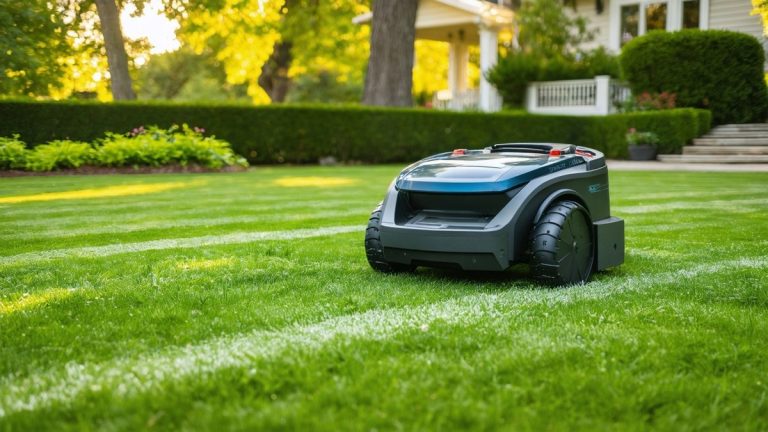
Segway Navimow i215 LiDAR vs Navimow H210: LiDAR or LiDAR Plus RTK

0

Quick Verdict

If you’re choosing between the Navimow i215 LiDAR vs H210 for a small yard, the i215 LiDAR is the simpler value play: it costs less, covers more area on paper, and uses Segway’s LiDAR + Vision dual system with wire-free operation. The H210 is the more expensive option, but it adds EFLS navigation that combines LiDAR, Network RTK, and Vision for buyers who specifically want Segway’s higher-end positioning within the Navimow lineup comparison.

For most homeowners comparing a lidar vs rtk robot mower setup in a compact yard, the i215 LiDAR looks like the more practical pick. The H210 makes sense if you want the Navimow model with RTK in the navigation stack and are comfortable paying more, even though its listed max area is smaller.

At a Glance: Key Specs

Spec Segway Navimow i215 LiDAR Segway Navimow H210
MSRP (USD) $1,599.00 $1,799.00
Max area 0.37 acre 0.25 acre
Max slope 45% (24°) 45% (24°)
Navigation LiDAR + Vision dual system EFLS (LiDAR + Network RTK + Vision)
Boundary Wire-free (“No wires. No antenna.”) Wire-free (“No wires, no antenna”)
Cutting width Not listed by the manufacturer Not listed by the manufacturer
Cutting height Not listed by the manufacturer Not listed by the manufacturer
Runtime / charging Not listed by the manufacturer Not listed by the manufacturer

Segway Navimow i215 LiDAR: Where It Fits

The Segway Navimow i215 LiDAR is the more affordable of these two models, with an MSRP of $1,599.00. On the manufacturer’s page, it is listed for a max area of 0.37 acre, and Segway also notes support for up to 0.44 acre mapped area in the FAQ. For a homeowner shopping a Navimow lineup comparison for a small yard, that puts the i215 LiDAR in a strong position if you want a wire-free robot mower with more mapped coverage than its sibling.

Its navigation system is listed as LiDAR + Vision dual system, and the boundary setup is wire-free with Segway’s “No wires. No antenna.” positioning. That matters for buyers who want to avoid perimeter wire installation and the maintenance that can come with it. The manufacturer lists max slope at 45% (24°), which is the same as the H210, so terrain capability does not separate these two models on paper. However, cutting width, cutting height, and runtime / charging are not listed by the manufacturer on the page provided, so those details should not be used to distinguish the models. If your priority is getting into the Navimow ecosystem at the lower price point, the i215 LiDAR is the cleaner fit.

Segway Navimow H210: Where It Fits

The Segway Navimow H210 sits above the i215 LiDAR in price at $1,799.00, but it is listed with a smaller max area of 0.25 acre. That makes it an interesting choice for homeowners who are not shopping purely by coverage size and instead want a model built around Segway’s EFLS navigation stack. EFLS combines LiDAR, Network RTK, and Vision, which is the main technical difference in this lidar vs rtk robot mower comparison.

Like the i215 LiDAR, the H210 is wire-free and does not require an antenna, according to the manufacturer. It also carries the same max slope rating of 45% (24°), so both models are similarly positioned for sloped lawns. The important caveat is that cutting width, cutting height, and runtime / charging are not listed by the manufacturer on the page provided, so those specs cannot be used to justify the higher price. For a homeowner who specifically wants the H-series approach and values the inclusion of Network RTK in the navigation system, the H210 is the model to look at. But if you are simply comparing specs and price for a small yard, the H210’s smaller listed area and higher MSRP make it harder to recommend as the default choice.

The Key Differences

  • Price: The i215 LiDAR is $1,599.00, while the H210 is $1,799.00.
  • Coverage: The i215 LiDAR is listed for 0.37 acre, compared with 0.25 acre for the H210.
  • Navigation approach: The i215 LiDAR uses LiDAR + Vision dual system, while the H210 uses EFLS with LiDAR + Network RTK + Vision.
  • Boundary setup: Both are wire-free and do not require an antenna.
  • Slope rating: Both are listed at 45% (24°), so neither has an advantage there.

Which Should You Buy?

Choose the Segway Navimow i215 LiDAR if you want the better value for a small yard, want to spend less, and prefer the model with the larger listed max area. It is also the simpler recommendation if your main goal is to get a wire-free mower without paying extra for RTK-based navigation.

Choose the Segway Navimow H210 only if you specifically want the H-series model and prefer its EFLS navigation system with Network RTK in the mix. That makes the H210 the more specialized option, not the more practical one for most buyers.

If your yard is closer to the upper end of these two models’ listed coverage, the i215 LiDAR is the safer fit on paper because it is rated for 0.37 acre versus 0.25 acre. If your top priority is budget, the i215 LiDAR wins again. If your top priority is the presence of RTK in the navigation system, the H210 is the one to consider.

Bottom Line

For most homeowners comparing the Navimow i215 LiDAR vs H210, the i215 LiDAR is the better all-around buy: it is cheaper, covers more area on paper, and still delivers a wire-free LiDAR + Vision setup. The H210 only makes more sense if you specifically want the EFLS package with Network RTK and are willing to pay more for it, even though its listed max area is smaller.

Frequently Asked Questions

What is the main difference between the Navimow i215 LiDAR and H210?

The main difference is navigation. The i215 LiDAR uses LiDAR + Vision dual system, while the H210 uses EFLS, which combines LiDAR, Network RTK, and Vision. The i215 LiDAR is also cheaper and listed for a larger max area.

Which model covers more lawn area?

The Segway Navimow i215 LiDAR is listed for 0.37 acre, while the H210 is listed for 0.25 acre. Segway also notes support for up to 0.44 acre mapped area in the i215 LiDAR FAQ.

Are both mowers wire-free?

Yes. Both models are listed as wire-free and do not require an antenna. The i215 LiDAR is described as “No wires. No antenna.” and the H210 as “No wires, no antenna.”

Sources

Specifications checked against the manufacturers’ own product pages on 2026-09-24. Prices and specs can change; confirm with the manufacturer before buying.

Source: aimowernews.com
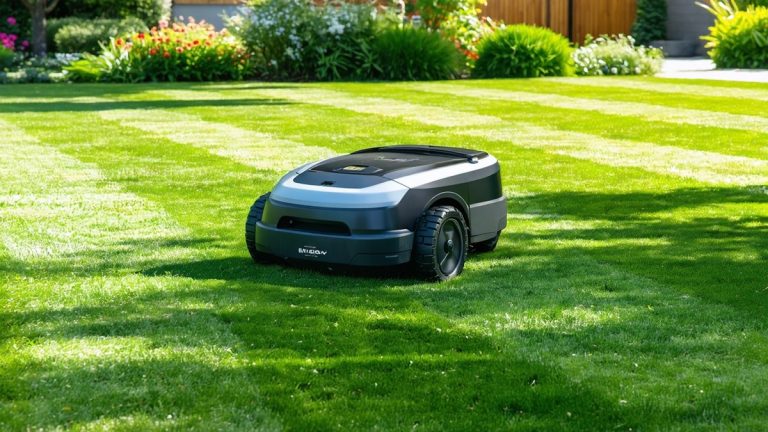
Mammotion LUBA mini 2 AWD vs Segway Navimow i215 LiDAR: LiDAR Mowers for Third-Acre Yards

0

Quick Verdict

If you’re shopping for a robot mower for a third-acre yard with trees and noticeable slopes, the Mammotion LUBA mini 2 AWD 1500 is the more aggressive terrain tool on paper thanks to its 80% max slope rating and 360° LiDAR + Dual Camera AI Vision navigation. The Segway Navimow i215 LiDAR is the lower-priced option, but its 45% max slope limit makes it better suited to gentler terrain.

For a robot mower under trees, both are wire-free and both use LiDAR-based navigation, but Mammotion’s all-wheel-drive platform and steeper slope rating make it the stronger fit when your yard is uneven, hilly, or has tricky transitions.

At a Glance: Key Specs

Spec Mammotion LUBA mini 2 AWD 1500 Segway Navimow i215 LiDAR
MSRP (USD) $1,699.00 $1,599.00
Max area 0.37 acre 0.37 acre
Max slope 80% (38.6°) 45% (24°)
Navigation 360° LiDAR + Dual Camera AI Vision LiDAR + Vision dual system
Boundary Wire-free Wire-free
Cutting width Not listed by the manufacturer Not listed by the manufacturer
Cutting height High: 2.2"-4.0"; Standard: 0.8"-2.6" Not listed by the manufacturer
Runtime / charging 6.1Ah battery; up to 3,800 sq.ft per charge; FAQ says up to 0.12 acre per charge Not listed by the manufacturer

Mammotion LUBA mini 2 AWD 1500: Where It Fits

The Mammotion LUBA mini 2 AWD 1500 is aimed at homeowners who want a wire-free robot mower for a yard that is more demanding than flat suburban turf. Its headline advantage is slope handling: the manufacturer rates it for up to 80% slope (38.6°), which is a major differentiator in the under-$2,000 class. That makes it especially relevant if your third-acre property includes hills, banks, or uneven transitions around trees and landscaping beds.

Navigation is another selling point. Mammotion lists 360° LiDAR + Dual Camera AI Vision, and the mower is positioned as a no-wire, no-antenna system. For buyers trying to avoid perimeter wire installation, that matters. The manufacturer’s page also lists a 6.1Ah battery, plus conflicting per-charge coverage claims: up to 3,800 sq.ft per charge on the page and up to 0.12 acre of mowing coverage per charge in the FAQ. Cutting height depends on version: the High Version is listed at 2.2"-4.0", while the Standard Version is listed at 0.8"-2.6". If your priority is a lidar robot lawn mower that can better handle slopes and tree-dotted terrain, this is the stronger match.

Segway Navimow i215 LiDAR: Where It Fits

The Segway Navimow i215 LiDAR is the more budget-friendly option in this comparison, with an MSRP of $1,599.00. It is also a wire-free mower with no antenna, and Segway describes its positioning as a LiDAR + Vision dual system. On paper, it is built for homeowners who want the convenience of a boundary-free setup without paying quite as much as the Mammotion.

Its max area is also listed at 0.37 acre, which puts it in the same general yard-size class as the LUBA mini 2 AWD 1500. But the slope rating is much lower at 45% (24°), so this mower is better suited to moderate grades rather than steeper banks or more rugged terrain. Segway also says the i215 LiDAR supports up to 0.44 acre mapped area in the FAQ, which is useful context for larger mapped layouts, but the manufacturer does not list cutting width, cutting height, or runtime on the product page. If your yard is mostly manageable terrain and you want a lidar robot lawn mower with a lower upfront price, the i215 LiDAR is the simpler value play.

The Key Differences

  • Slope handling: Mammotion is rated to 80% (38.6°), while Segway is rated to 45% (24°). For hilly third-acre yards, that is the biggest practical difference.
  • Price: The Segway Navimow i215 LiDAR has the lower MSRP at $1,599.00, while the Mammotion LUBA mini 2 AWD 1500 is $1,699.00.
  • Navigation: Mammotion lists 360° LiDAR + Dual Camera AI Vision; Segway lists LiDAR + Vision dual system. Both are wire-free and avoid a perimeter wire.
  • Terrain focus: Mammotion’s AWD platform and steeper slope spec make it the better fit for uneven ground and yard sections around trees or changes in elevation.
  • Spec transparency: Mammotion lists more on the product page, including battery and cutting height ranges. Segway’s product page leaves cutting width, cutting height, and runtime not listed by the manufacturer.

Which Should You Buy?

Choose the Mammotion LUBA mini 2 AWD 1500 if your third-acre yard has steep slopes, banks, or tricky terrain around trees. Its 80% slope rating gives it a clear edge for homes where traction matters more than saving a bit of money. It is also the better fit if you want more detail from the manufacturer on cutting height options and battery coverage claims.

Choose the Segway Navimow i215 LiDAR if your yard is closer to the moderate end of the slope scale and you want the lower MSRP. It still gives you wire-free operation and LiDAR-based navigation, which will appeal to homeowners who want to skip boundary wire installation but do not need Mammotion’s steeper-grade capability.

If your yard is under trees and has mixed terrain, the safest rule is simple: steeper slopes favor Mammotion; flatter or moderately sloped yards can make the Segway the more economical buy. If boundary-free setup is your top priority, both qualify. If terrain is your biggest challenge, the Mammotion is the stronger pick.

Bottom Line

For third-acre yards with trees and slopes, the Mammotion LUBA mini 2 AWD 1500 is the more capable terrain machine on paper, mainly because of its 80% slope rating and AWD design. The Segway Navimow i215 LiDAR is the lower-cost alternative, but its 45% slope limit makes it better suited to gentler properties. If you are comparing the LUBA mini 2 AWD vs Navimow i215 LiDAR for a challenging yard, slope should be the deciding factor.

Frequently Asked Questions

Which mower is better for a robot mower under trees?

Both mowers are wire-free and use LiDAR-based navigation, which is relevant for tree-dotted yards where perimeter wire installation is inconvenient. Based on the manufacturer specs, the Mammotion LUBA mini 2 AWD 1500 has the stronger terrain profile for more complex yards because of its 80% slope rating and 360° LiDAR + Dual Camera AI Vision system.

Do both mowers cover a third-acre yard?

Yes. Both the Mammotion LUBA mini 2 AWD 1500 and the Segway Navimow i215 LiDAR list a max area of 0.37 acre. Segway also states up to 0.44 acre mapped area in its FAQ, while Mammotion lists up to 3,800 sq.ft per charge on the product page and up to 0.12 acre per charge in the FAQ.

Which one handles steeper slopes?

The Mammotion LUBA mini 2 AWD 1500. It is rated for 80% slope (38.6°), while the Segway Navimow i215 LiDAR is rated for 45% (24°). If your yard has noticeable hills or banks, that difference is the clearest reason to choose Mammotion.

Sources

Specifications checked against the manufacturers’ own product pages on 2026-09-24. Prices and specs can change; confirm with the manufacturer before buying.

Source: aimowernews.com
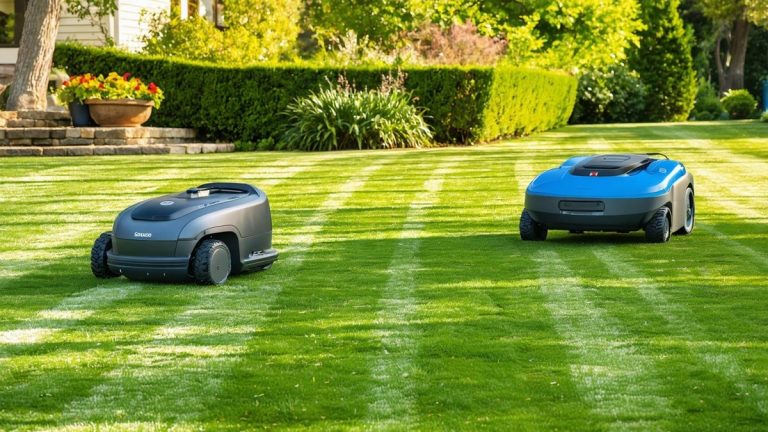
Segway Navimow X330 vs Husqvarna Automower 420 iQ: One-Acre Wire-Free Mowers Compared

0

Quick Verdict

If you want a wire-free robot mower for one acre at a lower MSRP, the Segway Navimow X330 is the more budget-friendly choice and is built for exactly that size of property. If you prefer Husqvarna’s Automower 420 iQ ecosystem and are willing to pay more, it offers a different approach with EPOS satellite positioning plus onboard radar and support for both physical wire and virtual wire boundary options.

For a homeowner comparing Navimow X330 vs Automower 420 iQ, the biggest decision points are boundary preference, price, and how your lawn’s slope fits each machine’s limits.

At a Glance: Key Specs

Spec Segway Navimow X330 Husqvarna Automower 420 iQ
MSRP (USD) $2,299.00 $3,299.99
Max area 1.0 acre 1 acre (±20%)
Max slope 50% (27°); 25% (14°) at boundary 45% inside installation; 15% at boundary
Navigation EFLS 3.0 (cm-level) EPOS satellite positioning + onboard radar
Boundary Wire-free Physical wire, Virtual wire
Cutting width 9.3 in 9.4 in
Cutting height 2 – 4 in 1 in – 4 in (electric)
Runtime / charging Charging time 65 min; full charge mowing time 160 min Typical mow time on one charge 84 min; typical charging time 54 min

Segway Navimow X330: Where It Fits

The Segway Navimow X330 is aimed squarely at homeowners who want a 1 acre robot lawn mower without installing boundary wire. Its listed maximum area is 1.0 acre, which makes it an obvious fit for larger suburban lots that sit right around the one-acre mark. The mower uses EFLS 3.0 with cm-level positioning, and Segway also lists 300° RGB+ToF object detection on the product page, which tells you the machine is built around sensor-based navigation rather than a physical perimeter.

On paper, the X330 is also the more affordable option here, with an MSRP of $2,299.00. Its cutting width is 9.3 inches, and its cutting height range is 2 to 4 inches, which will suit many common cool-season and warm-season lawn preferences. The slope rating is strong for a wire-free mower at 50% inside the lawn, with 25% at the boundary. For buyers who want to avoid wire installation and keep upfront cost lower, the X330 is the simpler pitch.

Husqvarna Automower 420 iQ: Where It Fits

The Husqvarna Automower 420 iQ is positioned as a premium one-acre mower with a different boundary strategy. Husqvarna lists maximum area at 1 acre, with a note of ±20%, plus a separate irregular 0.5 acre figure and systematic 1 acre coverage. That makes it important for homeowners to think not just about total lawn size, but also how the lawn is shaped and whether the mowing pattern fits the property layout.

Its navigation system is listed as EPOS satellite positioning plus onboard radar, and the boundary options include both physical wire and virtual wire. The MSRP is $3,299.99, which puts it well above the Segway. The cutting width is 9.4 inches, very close to the X330, while the cutting height range is 1 inch to 4 inches with electric adjustment. Husqvarna lists typical mow time on one charge at 84 minutes and typical charging time at 54 minutes. For homeowners who want a premium brand and are comfortable with the higher price, the 420 iQ is the more feature-flexible option on paper.

The Key Differences

  • Price: The Segway Navimow X330 costs $2,299.00, while the Husqvarna Automower 420 iQ costs $3,299.99.
  • Boundary approach: The X330 is wire-free only. The 420 iQ supports physical wire and virtual wire.
  • Navigation: The X330 uses EFLS 3.0 with cm-level positioning. The 420 iQ uses EPOS satellite positioning plus onboard radar.
  • Slope handling: The X330 lists 50% inside the lawn and 25% at the boundary. The 420 iQ lists 45% inside installation and 15% at the boundary.
  • Cutting range: The X330 cuts from 2 to 4 inches, while the 420 iQ cuts from 1 to 4 inches with electric adjustment.

Which Should You Buy?

If your priority is the best-value wire-free robot mower one acre option, the Segway Navimow X330 is the cleaner fit. It is cheaper, explicitly rated for 1.0 acre, and removes boundary wire from the setup equation. That makes it appealing for homeowners who want to get mowing without committing to a wired perimeter.

If you are willing to spend more and want a mower from a different premium ecosystem, the Husqvarna Automower 420 iQ is worth a closer look. It may be the better choice if you want the option of physical wire or virtual wire boundary management, or if you prefer Husqvarna’s EPOS-based approach and onboard radar.

For steeper lawns, the X330 has the stronger listed slope rating. For lawns where a lower cutting height matters, the 420 iQ goes down to 1 inch. For buyers focused on upfront cost, the Segway wins clearly. For buyers who value boundary flexibility, the Husqvarna has the edge.

Bottom Line

For a one-acre lawn, both mowers are serious contenders, but they solve the job differently. The Segway Navimow X330 is the more affordable wire-free choice with a clear one-acre rating and stronger listed slope handling, while the Husqvarna Automower 420 iQ costs more but adds EPOS satellite positioning, radar, and both physical-wire and virtual-wire boundary options. If your main goal is a simpler, lower-cost path to automated mowing, the X330 looks compelling. If boundary flexibility and a premium Husqvarna platform matter more, the 420 iQ deserves the extra spend.

Frequently Asked Questions

Which mower is better for a one-acre lawn?

Both are listed for one-acre use. The Segway Navimow X330 is rated for 1.0 acre, while the Husqvarna Automower 420 iQ is rated for 1 acre (±20%) and also lists irregular 0.5 acre and systematic 1 acre coverage.

Does either mower require boundary wire?

The Segway Navimow X330 is listed as wire-free. The Husqvarna Automower 420 iQ supports both physical wire and virtual wire.

Which model has the higher slope rating?

The Segway Navimow X330 lists a maximum slope of 50% inside the lawn and 25% at the boundary. The Husqvarna Automower 420 iQ lists 45% inside installation and 15% at the boundary.

Sources

Specifications checked against the manufacturers’ own product pages on 2026-09-24. Prices and specs can change; confirm with the manufacturer before buying.

Source: aimowernews.com
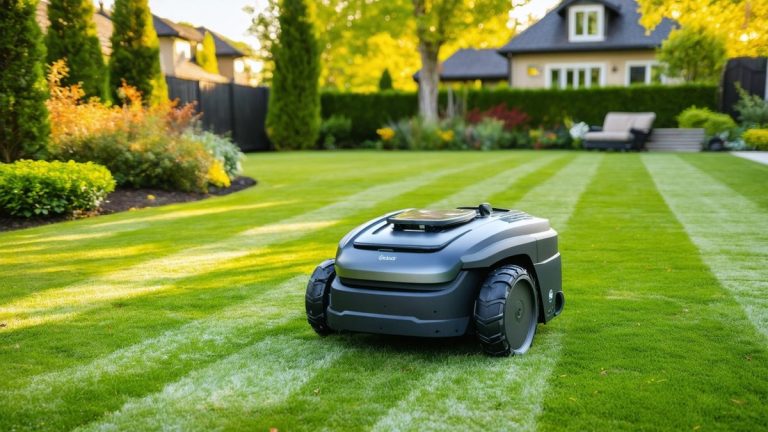
Anthbot Genie 1000 vs Segway Navimow i206 AWD: Sub-$1,000 RTK Mowers Compared

0

Quick Verdict

If you want a budget RTK robot mower for a small-to-medium yard and care most about coverage per dollar, the Anthbot Genie 1000 is the more flexible pick on paper. It is priced lower and is rated for a much larger maximum area than the Segway.

If your yard is smaller and you prefer a wire-free mower from a brand with a more compact spec sheet, the Segway Navimow i206 AWD fits that lane. It costs more, but it offers antenna-free setup and a wire-free boundary system in a mower rated for smaller lawns.

At a Glance: Key Specs

Spec Anthbot Genie 1000 Segway Navimow i206 AWD
MSRP (USD) $799.00 $999.00
Max area Up to 2000m² / 0.49acre 0.15 acre
Max slope 45%/24° 45%(24°)
Navigation RTK (155 satellites) with RTK station; 300° vision obstacle avoidance; 4G EFLS NRTK: tri-frequency Network RTK + Vision
Boundary Wire-free (“No Wire Model”) Wire-free; antenna-free setup
Cutting width not listed by the manufacturer not listed by the manufacturer
Cutting height not listed by the manufacturer not listed by the manufacturer
Runtime / charging 5Ah battery; 120min fast charging Battery 2.55Ah; charging time 60 minutes per cycle; daily mowing area 0.37 acre / 24 hours; Map storage up to 0.18 acre per FAQ

Anthbot Genie 1000: Where It Fits

The Anthbot Genie 1000 is the more aggressive value play in this comparison. At $799.00 MSRP, it undercuts the Segway Navimow i206 AWD while also being rated for a much larger maximum area: up to 2000m² / 0.49 acre. For homeowners shopping for a robot mower under 1000, that combination makes it stand out immediately.

It uses RTK navigation with an RTK station, support for 155 satellites, 300° vision obstacle avoidance, and 4G. Anthbot also describes it as a wire-free “No Wire Model,” which will appeal to anyone who wants to avoid buried boundary wire. The manufacturer lists a 5Ah battery and 120-minute fast charging, but does not list cutting width or cutting height on the product page.

For a homeowner with a yard that is not tiny, or one who wants more headroom for future lawn expansion, the Genie 1000 looks like the better fit on paper. Its 45%/24° slope rating also puts it in the same steepness class as the Segway. If your main goal is to get into RTK-based mowing without crossing the $1,000 mark, this is the model that most clearly matches that brief.

Segway Navimow i206 AWD: Where It Fits

The Segway Navimow i206 AWD is the pricier option at $999.00 MSRP, but it is aimed squarely at smaller lawns. Segway rates it for 0.15 acre, which is well below the Anthbot’s stated maximum area. That makes it a more focused choice for homeowners with compact yards who want a wire-free mower and do not need the extra coverage capacity.

Segway’s navigation system is listed as EFLS NRTK: tri-frequency Network RTK + Vision, and the mower is described as wire-free with antenna-free setup. Those are attractive setup-related claims for buyers who want to keep the installation as clean as possible. The manufacturer also lists a 2.55Ah battery, 60-minute charging time per cycle, and daily mowing area of 0.37 acre / 24 hours. In the FAQ, map storage is listed up to 0.18 acre. As with the Anthbot, cutting width and cutting height are not listed by the manufacturer.

For a homeowner focused on a smaller lawn, the Segway’s appeal is simplicity and fit. It is not trying to be the biggest mower in the class. Instead, it is a more compact wire-free RTK robot mower for buyers who value brand familiarity and a tighter yard-size target.

The Key Differences

  • Price: The Anthbot Genie 1000 is $799.00, while the Segway Navimow i206 AWD is $999.00.
  • Coverage: Anthbot is rated up to 2000m² / 0.49 acre, versus 0.15 acre for the Segway.
  • Navigation approach: Anthbot lists RTK with an RTK station, 155 satellites, 300° vision obstacle avoidance, and 4G; Segway lists EFLS NRTK with tri-frequency Network RTK + Vision.
  • Boundary setup: Both are wire-free, but Segway specifically says antenna-free setup.
  • Battery and charging: Anthbot lists a 5Ah battery and 120-minute fast charging; Segway lists a 2.55Ah battery and 60-minute charging time per cycle.

Which Should You Buy?

Choose the Anthbot Genie 1000 if your priority is getting the most lawn coverage for the least money. It is the stronger match for a homeowner with a small-to-medium yard who wants a budget RTK robot mower and likes the idea of more maximum-area headroom. It is also the better fit if you want wire-free operation but do not want to spend close to $1,000.

Choose the Segway Navimow i206 AWD if your lawn is clearly on the smaller side and you prefer a mower that is explicitly positioned for that footprint. Its 0.15 acre rating makes it the more narrowly targeted option, and the antenna-free setup may matter if you want a cleaner installation approach.

For steepness, there is no separator: both are rated for 45%/24° slopes. So slope alone should not decide this one. Budget and yard size are the real decision points here.

Bottom Line

For most homeowners comparing the Anthbot Genie 1000 vs Navimow i206 AWD, the Anthbot is the stronger value on paper because it costs less and is rated for a much larger area. The Segway makes sense if your yard is small and you want a wire-free mower with antenna-free setup, but the higher price and smaller coverage rating make it the more specialized buy.

Frequently Asked Questions

Is the Anthbot Genie 1000 better value than the Segway Navimow i206 AWD?

Based on the manufacturer specs, the Anthbot Genie 1000 offers better value for most buyers. It has a lower MSRP at $799.00 and a much larger maximum area rating of up to 2000m² / 0.49 acre.

Which mower is better for a small yard?

The Segway Navimow i206 AWD is the more clearly small-yard-focused model. The manufacturer rates it for 0.15 acre, which is far smaller than the Anthbot Genie 1000’s stated maximum area.

Do either of these mowers require boundary wire?

No. Both are listed as wire-free. Anthbot describes the Genie 1000 as a “No Wire Model,” and Segway lists the Navimow i206 AWD as wire-free with antenna-free setup.

Sources

Specifications checked against the manufacturers’ own product pages on 2026-09-24. Prices and specs can change; confirm with the manufacturer before buying.

Source: aimowernews.com
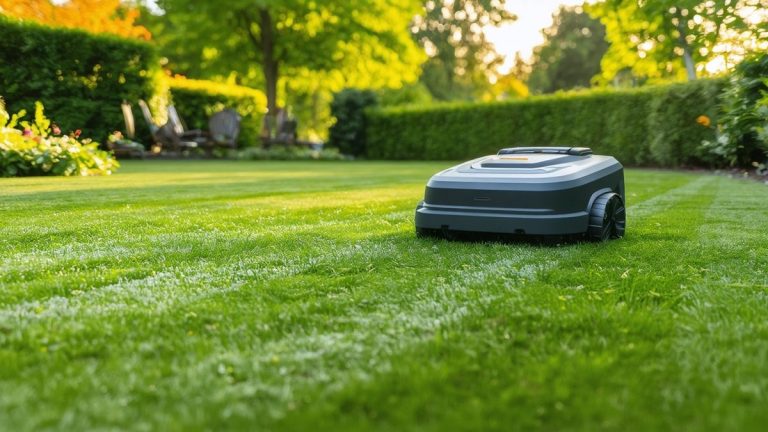
Worx Landroid L vs Landroid Vision Cloud: Boundary Wire or RTK Cloud for a Half-Acre Lawn

0

Quick Verdict

If you want a traditional robot mower setup for a half-acre lawn and you do not mind installing a boundary wire, the Worx Landroid L ½ Acre (WR155) is the straightforward choice. If you prefer a wire-free robot mower and want RTK Cloud navigation with stereo camera V-SLAM, the Worx Landroid Vision Cloud ½ Acre (WR320.1) is the more modern option.

For homeowners comparing Worx Landroid L vs Vision Cloud, the main tradeoff is simple: wired simplicity and included boundary wire on the WR155, or wire-free operation with no on-site antenna required on the WR320.1.

At a Glance: Key Specs

Spec Worx Landroid L ½ Acre (WR155) Worx Landroid Vision Cloud ½ Acre (WR320.1)
MSRP (USD) not listed by the manufacturer not listed by the manufacturer
Max area 1/2 Acre 0.5 acre
Max slope 30 % 30% (17°)
Navigation Boundary wire; AIA cutting algorithm RTK Cloud + stereo camera V-SLAM
Boundary Wire (820 ft. included) Wire-free; no on-site antenna required
Cutting width 8″ 8.7 in
Cutting height 1.5″-3.5″ (manual) 1.57 to 3.54 in (electric)
Runtime / charging 20 V 5 Ah battery 20 V 5 Ah battery; charge time 100 min

Worx Landroid L ½ Acre (WR155): Where It Fits

The Worx Landroid L ½ Acre (WR155) is aimed at homeowners who want a proven boundary-wire robot mower for a lawn up to 1/2 acre or 21,780 sq ft. Its navigation system is based on a boundary wire and an AIA cutting algorithm, and the box includes 820 ft. of boundary wire, which makes it a more traditional install-and-mow approach. For buyers who are comfortable defining the mowing area with wire, that can be a practical way to keep the mower focused on the right zone.

The WR155 is rated for a max slope of 30 %, uses an 8″ cutting width, and offers a manual cutting height range of 1.5″-3.5″. It runs on a 20 V 5 Ah battery. The manufacturer does not list an MSRP on the product page, instead showing “Discover the best price,” though page data contains USD 1499.99 and it is not printed. For homeowners comparing a boundary wire vs wire-free robot mower, the WR155 is the simpler wired option in this Worx robot mower comparison.

Worx Landroid Vision Cloud ½ Acre (WR320.1): Where It Fits

The Worx Landroid Vision Cloud ½ Acre (WR320.1) is built for homeowners who want a wire-free robot mower without installing a boundary wire. According to the manufacturer, it uses RTK Cloud plus stereo camera V-SLAM for navigation, and it does not require an on-site antenna. That makes it the more advanced navigation option in this Worx Landroid L vs Vision Cloud comparison, especially for buyers who want to avoid the upfront work of laying wire around the lawn.

The WR320.1 is rated for 0.5 acre and a 30% slope (17°). It has an 8.7 in cutting width and an electric cutting height adjustment from 1.57 to 3.54 in. It uses a 20 V 5 Ah battery and lists a 100 min charge time. The manufacturer does not print an MSRP on the page, although page data contains USD 1799.99. The product page also notes lifetime free RTK Cloud service. For homeowners who want a cleaner install and wire-free operation, this model is the more modern choice.

The Key Differences

  • Boundary wire vs wire-free: The WR155 uses a boundary wire and includes 820 ft. of wire. The WR320.1 is wire-free and does not require an on-site antenna.
  • Navigation approach: WR155 uses boundary wire plus AIA cutting algorithm. WR320.1 uses RTK Cloud and stereo camera V-SLAM.
  • Cutting width: WR155 has an 8″ cutting width, while WR320.1 is wider at 8.7 in.
  • Cutting height adjustment: WR155 uses manual adjustment from 1.5″-3.5″. WR320.1 uses electric adjustment from 1.57 to 3.54 in.
  • Price transparency: Neither manufacturer page lists an MSRP. Page data contains USD 1499.99 for WR155 and USD 1799.99 for WR320.1, but those prices are not printed on the pages.

Which Should You Buy?

Choose the Worx Landroid L ½ Acre (WR155) if your priority is a wired setup and you are fine installing a boundary wire around the lawn. It is the better fit if you want the more traditional approach and do not mind the extra setup step in exchange for a system that stays within a defined wire perimeter.

Choose the Worx Landroid Vision Cloud ½ Acre (WR320.1) if you want a boundary wire vs wire-free robot mower decision to land on the wire-free side. It is the stronger fit for homeowners who value avoiding boundary wire installation and prefer RTK Cloud navigation with stereo camera V-SLAM.

If your lawn is right around half an acre and you want the simplest install, the WR320.1 is the cleaner choice. If you are more budget-conscious and prefer a conventional wired system, the WR155 is the more straightforward pick. If slope is your deciding factor, both are rated for 30%, so the real difference comes down to navigation style, installation effort, and whether you want wire-free operation.

Bottom Line

In this Worx robot mower comparison, the WR155 is the better fit for homeowners who are comfortable with boundary wire and want a traditional half-acre setup, while the WR320.1 is the more advanced wire-free option for buyers who want RTK Cloud navigation and no on-site antenna. Since both are rated for 0.5 acre and 30% slope, your decision mostly comes down to installation preference and whether you want wired simplicity or wire-free convenience.

Frequently Asked Questions

Is the Worx Landroid L ½ Acre (WR155) wire-free?

No. The WR155 uses a boundary wire for navigation, and the box includes 820 ft. of boundary wire.

Does the Worx Landroid Vision Cloud ½ Acre (WR320.1) need an on-site antenna?

No. The manufacturer states that the WR320.1 is wire-free and does not require an on-site antenna.

Do both mowers cover the same size lawn?

Yes. Both are designed for about half an acre. The WR155 is listed as up to 1/2 acre or 21,780 sq ft, and the WR320.1 is listed at 0.5 acre.

Sources

Specifications checked against the manufacturers’ own product pages on 2026-09-24. Prices and specs can change; confirm with the manufacturer before buying.

Source: aimowernews.com
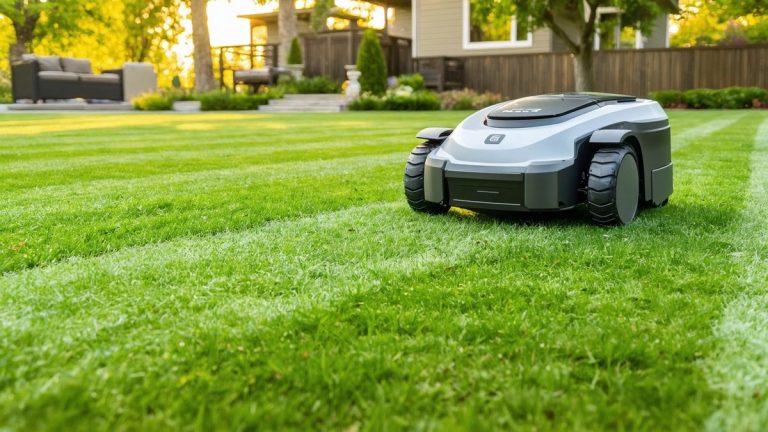
Husqvarna Automower 410 iQ vs Segway Navimow H220: Half-Acre Wire-Free Mowers Compared

0

Quick Verdict

If you want a premium wire-free robot mower comparison for a half-acre yard, the Segway Navimow H220 is the cleaner fit on paper because it is designed as a wire-free system and comes in at a lower MSRP. If you prefer a mower with more detailed manufacturer-listed cutting specs and a hybrid boundary approach that still supports virtual wire, the Husqvarna Automower 410 iQ is the stronger spec-sheet match for homeowners who want more boundary flexibility.

For a half acre robot mower decision, both can cover the same stated max area, but they get there in different ways: Husqvarna leans on EPOS satellite positioning plus onboard radar, while Segway uses EFLS with LiDAR, Network RTK, and vision.

At a Glance: Key Specs

Spec Husqvarna Automower 410 iQ Segway Navimow H220
MSRP (USD) $2,599.99 $2,199.00
Max area 0.5 acre (±20%); irregular 0.25 acre, systematic 0.5 acre 0.5 acre; supports up to 0.6 acre mapped area per FAQ
Max slope 45% inside installation; 15% at boundary 45% (24°)
Navigation EPOS satellite positioning + onboard radar EFLS (LiDAR + Network RTK + Vision)
Boundary Physical wire, Virtual wire Wire-free (“No wires, no antenna”)
Cutting width 9.4 in not listed by the manufacturer
Cutting height 1 in – 4 in (electric) not listed by the manufacturer
Runtime / charging Typical mow time on one charge 84 min; typical charging time 108 min not listed by the manufacturer

Husqvarna Automower 410 iQ: Where It Fits

The Husqvarna Automower 410 iQ is aimed at homeowners who want a premium mower for up to 0.5 acre and value detailed, clearly stated specs. Husqvarna lists a max area of 0.5 acre (±20%), with separate guidance for irregular and systematic mowing coverage, which is useful if your lawn has a more complex shape. It also lists a max slope of 45% inside the installation and 15% at the boundary, so it has a specific split between interior terrain and edge conditions.

On the navigation side, Husqvarna uses EPOS satellite positioning plus onboard radar. That matters for buyers comparing a wire-free robot mower setup, because the 410 iQ supports both physical wire and virtual wire boundary options. The manufacturer also lists a 9.4-inch cutting width and an electric cutting-height adjustment from 1 inch to 4 inches. For buyers who care about runtime details, Husqvarna states 84 minutes of typical mow time on one charge and 108 minutes of typical charging time. At $2,599.99 MSRP, it sits above the Segway on price, so it makes the most sense for buyers who want Husqvarna’s positioning system and the most complete manufacturer-published spec sheet.

Segway Navimow H220: Where It Fits

The Segway Navimow H220 is built for homeowners who want a true wire-free setup and a lower entry price than the Husqvarna. Segway lists a max area of 0.5 acre, with support for up to 0.6 acre mapped area per FAQ, which gives it a little extra mapped-area headroom in the manufacturer’s own materials. It also lists a max slope of 45% (24°), putting it in the same general hillside-capable class as the Husqvarna on paper.

Where the H220 stands out most is boundary simplicity. Segway describes it as wire-free with “No wires, no antenna,” which will appeal to buyers who want to avoid physical boundary installation. Its navigation stack is listed as EFLS, combining LiDAR, Network RTK, and Vision. The manufacturer page also notes Network RTK is included, while Connect+ is free for one year and then $32.90 per year. Segway does not list cutting width, cutting height, runtime, or charging time on the product page text provided here, so shoppers comparing mowing performance details will have less published data to work with. At $2,199 MSRP, it is the lower-cost option in this automower 410 iQ vs Navimow H220 matchup.

The Key Differences

  • Price: The Segway Navimow H220 is cheaper at $2,199.00 MSRP, while the Husqvarna Automower 410 iQ is $2,599.99 MSRP.
  • Boundary setup: Husqvarna supports both physical wire and virtual wire; Segway is explicitly wire-free with no wires and no antenna.
  • Navigation approach: Husqvarna uses EPOS satellite positioning plus onboard radar; Segway uses EFLS with LiDAR, Network RTK, and Vision.
  • Published mowing specs: Husqvarna lists a 9.4-inch cutting width, 1-inch to 4-inch cutting height, 84-minute mow time, and 108-minute charging time; Segway does not list those specs on the manufacturer page text provided.
  • Area guidance: Both are rated for 0.5 acre, but Segway also says it supports up to 0.6 acre mapped area per FAQ, while Husqvarna gives separate irregular and systematic area guidance.

Which Should You Buy?

Choose the Husqvarna Automower 410 iQ if you want the more detailed published spec sheet, prefer the option of physical wire or virtual wire, or want a mower with clearly stated cutting-height and runtime information. It is also the better fit if you like the idea of EPOS satellite positioning plus onboard radar and are comfortable paying the higher MSRP.

Choose the Segway Navimow H220 if your priority is a wire-free robot mower comparison winner on price and installation simplicity. It is the more straightforward choice for homeowners who do not want wires or an antenna and want a mower rated for 0.5 acre at a lower MSRP.

For a half-acre yard with slope: both list 45% max slope, so slope alone does not separate them. For a budget-conscious buyer: Segway is the better value on price. For buyers who want boundary flexibility: Husqvarna is stronger because it supports both physical wire and virtual wire. For buyers who want the least boundary hardware: Segway is the cleaner fit.

Bottom Line

In the Husqvarna Automower 410 iQ vs Segway Navimow H220 matchup, the best choice comes down to how much you value published mowing specs versus lower-cost wire-free simplicity. Husqvarna offers more detailed manufacturer-listed information and more boundary options, while Segway offers a lower MSRP and a cleaner no-wire setup for homeowners who want less installation hardware.

Frequently Asked Questions

Which mower is better for a half-acre lawn?

Both mowers are rated by the manufacturer for 0.5 acre, so either can fit a half-acre yard on paper. Husqvarna also provides separate irregular and systematic area guidance, while Segway notes support for up to 0.6 acre mapped area per FAQ.

Is the Segway Navimow H220 completely wire-free?

Yes. Segway describes the H220 as wire-free and states “No wires, no antenna.”

Does the Husqvarna Automower 410 iQ have more published cutting details?

Yes. Husqvarna lists a 9.4-inch cutting width, a cutting height range of 1 inch to 4 inches, 84 minutes of typical mow time on one charge, and 108 minutes of typical charging time. Those specs are not listed by the manufacturer for the Segway Navimow H220 in the provided product-page text.

Sources

Specifications checked against the manufacturers’ own product pages on 2026-09-24. Prices and specs can change; confirm with the manufacturer before buying.

Source: aimowernews.com
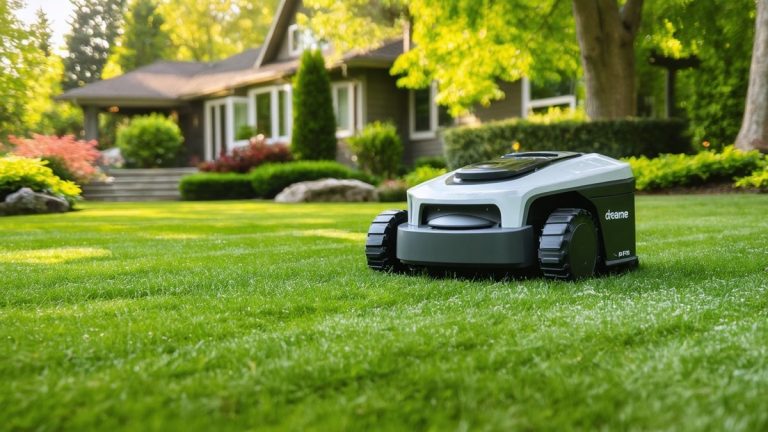
Dreame A3 AWD Pro 5000 vs Mammotion LUBA 3 AWD 5000: LiDAR Mowers for Acre-Plus Yards

0

Quick Verdict

If you’re comparing the Dreame A3 AWD Pro 5000 vs Mammotion LUBA 3 AWD 5000 for an acre-plus yard with trees, both are serious wire-free options for large properties and steep terrain. The Dreame is the lower-priced choice and may appeal if you want a 1 acre LiDAR robot mower approach with no RTK and no wires, while the Mammotion adds NetRTK plus dual camera AI vision alongside 360° LiDAR.

For homeowners prioritizing a simpler, fully wire-free setup and a lower MSRP, Dreame looks compelling. If you want the broader navigation stack and a larger stated max area, Mammotion is the more feature-rich option on paper.

At a Glance: Key Specs

Spec Dreame A3 AWD Pro 5000 Mammotion LUBA 3 AWD 5000
MSRP (USD) $2,799.99 $3,299.00
Max area 5,000㎡ / 1.20 Acre 1.25 acres
Max slope 80% (38.7°) 80% (38.6°)
Navigation OmniSense 3.0: 360° 3D LiDAR + Binocular AI Vision Tri-Fusion: 360° LiDAR + NetRTK (iNavi) + Dual Camera AI Vision
Boundary Wire-free; no RTK, no wires Wire-free; no wire, no RTK installation
Cutting width 40cm (15.8″) 400mm (15.7 in)
Cutting height 3–10cm (1.2″–3.9″) Standard: 1.0″–2.7″; High: 2.2″–4.0″
Runtime / charging 10Ah battery Up to 15Ah; 215 mins runtime per charge; up to 0.42 acre per charge

Dreame A3 AWD Pro 5000: Where It Fits

The Dreame A3 AWD Pro 5000 is aimed squarely at homeowners who want a large-yard robotic mower without boundary wire installation. Its big selling points are straightforward: a listed max area of 5,000㎡, a store variant labeled 1.20 Acre, and OmniSense 3.0 navigation built around 360° 3D LiDAR plus binocular AI vision. For buyers searching for a lidar robot mower large yard solution, that combination is likely to matter more than flashy extras.

It also matches the Mammotion on slope capability, with a listed maximum slope of 80% (38.7°). The cutting width is listed at 40cm (15.8″), and the cutting height range runs from 3cm to 10cm (1.2″–3.9″), which gives it a broad adjustment range for different lawn conditions. The manufacturer’s boundary claim is simple: “No RTK. No Wires.”

For acre-plus properties with trees, the Dreame’s appeal is the lower MSRP and the fact that it stays fully wire-free without RTK. If your priority is getting into a LiDAR-based mower at a lower price point, this is the more budget-conscious of the two.

Mammotion LUBA 3 AWD 5000: Where It Fits

The Mammotion LUBA 3 AWD 5000 is the more expensive model here, but it also comes with the more elaborate navigation package on paper. Mammotion calls it Tri-Fusion: 360° LiDAR plus NetRTK (iNavi) plus Dual Camera AI Vision. For homeowners comparing a dreame a3 awd pro 5000 vs luba 3 awd 5000 setup in a tree-filled yard, that extra layer of positioning technology may be a deciding factor if you want more than LiDAR alone.

Mammotion lists a max area of 1.25 acres and the same 80% slope capability (38.6°). The cutting width is 400mm (15.7 in), essentially in the same class as Dreame’s. The cutting height depends on version: the Standard Version is listed at 1.0″–2.7″, while the High Version is listed at 2.2″–4.0″. At check time, the Standard Version was in stock and the High Version was out of stock.

Battery and runtime details are also more specific on Mammotion’s product page: up to 15Ah large battery, 215 minutes runtime per charge, and up to 0.42 acre per charge. If your property is close to the upper end of the one-acre-plus range, that per-charge figure may be worth noting.

The Key Differences

  • Price: Dreame is listed at $2,799.99, while Mammotion is listed at $3,299.00.
  • Max area: Dreame lists 5,000㎡ / 1.20 Acre; Mammotion lists 1.25 acres.
  • Navigation: Dreame uses 360° 3D LiDAR plus binocular AI vision; Mammotion adds NetRTK (iNavi) and dual camera AI vision to 360° LiDAR.
  • Boundary approach: Both are wire-free, but Dreame explicitly says “No RTK. No Wires,” while Mammotion says “No Wire, No RTK Installation.”
  • Cutting range: Dreame lists 3–10cm (1.2″–3.9″); Mammotion’s Standard Version is 1.0″–2.7″ and its High Version is 2.2″–4.0″.

Which Should You Buy?

Choose the Dreame A3 AWD Pro 5000 if you want the lower MSRP, prefer a wire-free mower with no RTK, and your yard is around the 1-acre mark or slightly above. It is also the cleaner fit if you value a simpler spec sheet and don’t need the extra navigation layer Mammotion advertises.

Choose the Mammotion LUBA 3 AWD 5000 if you want the more advanced navigation stack and a slightly higher stated max area. It may also make sense if you want the broader cutting-height options tied to the Standard or High Version listings, depending on which version is available.

For acre-plus yards with trees, both are in the right category. If your top priority is budget, Dreame is the stronger value play. If your top priority is navigation redundancy and a higher listed area ceiling, Mammotion is the more feature-rich choice.

Bottom Line

Both mowers are credible wire-free options for homeowners with large, tree-filled lawns, and both are listed with 80% slope capability. The Dreame A3 AWD Pro 5000 is the better fit for buyers who want a lower price and a LiDAR-first approach without RTK, while the Mammotion LUBA 3 AWD 5000 is the better fit for buyers who want the more advanced Tri-Fusion navigation package and the slightly higher max area rating.

Frequently Asked Questions

Is the Dreame A3 AWD Pro 5000 a good 1 acre LiDAR robot mower?

Based on the manufacturer’s listed specs, it is designed for large lawns: 5,000㎡, which Dreame’s store variant data labels as 1.20 Acre. It uses 360° 3D LiDAR plus binocular AI vision and does not require RTK or boundary wires.

Does the Mammotion LUBA 3 AWD 5000 need boundary wire?

No. Mammotion lists it as wire-free and says there is no wire and no RTK installation required. Its navigation package is listed as Tri-Fusion: 360° LiDAR plus NetRTK (iNavi) plus Dual Camera AI Vision.

Which mower handles steeper yards better?

On the manufacturer’s published specs, both are rated for 80% slope. Dreame lists that as 38.7°, and Mammotion lists it as 38.6°. Based on the published numbers, they are essentially tied for slope capability.

Sources

Specifications checked against the manufacturers’ own product pages on 2026-09-24. Prices and specs can change; confirm with the manufacturer before buying.

Source: aimowernews.com
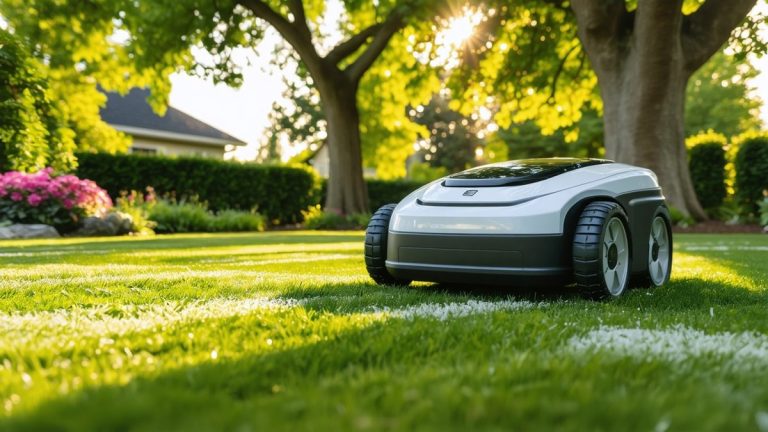
Dreame A3 AWD 1000 vs Ecovacs GOAT O1000 LiDAR PRO: Quarter-Acre LiDAR Mowers Compared

0

Quick Verdict

If you want a robot mower without an RTK antenna for a small yard, the Dreame A3 AWD 1000 is the more straightforward fit on paper because it clearly lists a maximum area of 1,000m², or 0.25 acre, and it costs less than the Ecovacs model. It also stands out for its very steep 80% slope rating and wire-free OmniSense 3.0 navigation.

The Ecovacs GOAT O1000 LiDAR PRO is the better pick if you value a slightly wider cutting width, electric cutting-height adjustment, and the included TruEdge string trimmer. But because Ecovacs does not list a maximum lawn area on its US product page, it is harder to judge as a quarter-acre mower from the manufacturer’s own specs alone.

At a Glance: Key Specs

Spec Dreame A3 AWD 1000 Ecovacs GOAT O1000 LiDAR PRO
MSRP (USD) $1,399.99 $1,499.99
Max area 1,000m² / 0.25 acre Not listed by the manufacturer
Max slope 80% (38.7°) 45% (24°) work area; 17% virtual boundary
Navigation OmniSense 3.0: 360° 3D LiDAR + Binocular AI Vision HoloScope 360 Dual-LiDAR + AI camera
Boundary Wire-free; no RTK, no wires Wire-free; no physical wires
Cutting width 7.9″ 8.66 in
Cutting height 1.2″-3.9″ in 0.2″ increments 1.18-3.15 in
Runtime / charging 5Ah battery Charging time 70 min; mowing time per charge 90 min

Dreame A3 AWD 1000: Where It Fits

The Dreame A3 AWD 1000 is aimed squarely at homeowners who want a LiDAR robot mower comparison to come down to coverage, slope handling, and price. On the manufacturer’s page, it is rated for up to 1,000m², or 0.25 acre, which makes it easy to place in the small-yard category. That is a useful advantage when you are shopping for a mower for a compact suburban lawn and do not want to guess whether a model is sized correctly for your property.

Its biggest headline spec is slope capability: 80%, or 38.7°, which is far above the Ecovacs model’s listed work-area slope rating. Dreame also says the mower uses OmniSense 3.0, combining 360° 3D LiDAR with binocular AI vision, and that it is wire-free with “No RTK. No Wires.” For buyers trying to avoid an RTK antenna and buried boundary wire, that message is very clear. The cutting width is 7.9″, and the cutting height ranges from 1.2″ to 3.9″ in 0.2″ increments, giving it a broad adjustment range for different grass lengths.

At $1,399.99 MSRP, it is also the lower-priced option here. Dreame separately lists an A3 AWD 2000 variant for 0.50 acre at $1,899.99, which suggests the 1000 model is the more budget-conscious choice for quarter-acre lawns.

Ecovacs GOAT O1000 LiDAR PRO: Where It Fits

The Ecovacs GOAT O1000 LiDAR PRO is also a robot mower without RTK antenna and without physical boundary wires, but its positioning is a little different. Ecovacs highlights HoloScope 360 Dual-LiDAR, combining a 360° rotating LiDAR system with 3D-ToF LiDAR plus an AI camera. For buyers who care about LiDAR-based navigation and want a wire-free setup, that combination will be appealing on paper.

Where the Ecovacs model stands out is in a few convenience-oriented details. It has a slightly wider cutting width at 8.66 in, electric cutting-height adjustment from 1.18 to 3.15 in, and it includes TruEdge string trimmer. Ecovacs also lists mowing efficiency figures of about 120㎡/h in Delicate mode and about 180㎡/h in Efficient mode, along with a 70-minute charging time and 90 minutes of mowing time per charge. Those are useful details for homeowners thinking about how long a mowing session may take.

The main limitation for comparison shoppers is that Ecovacs does not list a maximum lawn area on the US product page. It also lists 45% (24°) for the work area and 17% for the virtual boundary, which is much less aggressive than the Dreame’s slope claim. At $1,499.99 MSRP, it costs more than the Dreame while giving less clarity on total lawn coverage.

The Key Differences

  • Area rating: Dreame clearly states 1,000m² / 0.25 acre; Ecovacs does not list a max area.
  • Slope handling: Dreame claims 80% (38.7°), while Ecovacs lists 45% (24°) work area and 17% virtual boundary.
  • Price: Dreame is $1,399.99 MSRP; Ecovacs is $1,499.99 MSRP.
  • Cutting setup: Ecovacs has the wider cutting width at 8.66 in; Dreame lists 7.9″.
  • Height adjustment: Dreame offers 1.2″-3.9″ in 0.2″ increments; Ecovacs offers 1.18-3.15 in with electric adjustment.

Which Should You Buy?

Choose the Dreame A3 AWD 1000 if your yard is around a quarter acre or smaller, you want a mower with a clearly stated area rating, and you prefer the lower MSRP. It is also the stronger pick if your property includes steeper slopes, because Dreame’s listed 80% slope capability is far higher than Ecovacs’ published slope figures.

Choose the Ecovacs GOAT O1000 LiDAR PRO if you want the slightly wider cutting width, electric cutting-height adjustment, and the included TruEdge string trimmer. It may also appeal if you prefer Ecovacs’ dual-LiDAR plus AI camera navigation package and do not mind that the manufacturer does not list a maximum lawn area on the US page.

If your decision comes down to budget + clarity, Dreame is easier to recommend because the quarter-acre sizing is explicit. If your priority is feature set + trimming convenience, Ecovacs has the more feature-rich package on paper. For homeowners specifically searching for a LiDAR robot mower comparison without RTK, both are relevant, but Dreame is the cleaner fit for small yards.

Bottom Line

For a homeowner choosing between these two wire-free mowers, the Dreame A3 AWD 1000 is the more compelling quarter-acre option because it clearly states its coverage, costs less, and lists a much higher slope rating. The Ecovacs GOAT O1000 LiDAR PRO brings a wider cutting width, electric height adjustment, and a trimmer, but its US product page leaves out the max lawn area, which makes it harder to match confidently to a small yard.

Frequently Asked Questions

Does either mower need an RTK antenna?

No. Dreame states “No RTK. No Wires.” Ecovacs says the GOAT O1000 LiDAR PRO is wire-free with no physical wires. Based on the manufacturer pages, neither model requires an RTK antenna.

Which mower is better for a quarter-acre lawn?

The Dreame A3 AWD 1000 is the clearer choice for a quarter-acre lawn because the manufacturer lists 1,000m², or 0.25 acre, as its maximum area. Ecovacs does not list a maximum lawn area on its US product page.

Which one handles steeper slopes?

The Dreame A3 AWD 1000 lists a maximum slope of 80% (38.7°). The Ecovacs GOAT O1000 LiDAR PRO lists 45% (24°) for the work area and 17% for the virtual boundary. On the manufacturer specs alone, Dreame is the steeper-slope option.

Sources

Specifications checked against the manufacturers’ own product pages on 2026-09-24. Prices and specs can change; confirm with the manufacturer before buying.

Source: aimowernews.com
Segway Navimow i210 AWD vs Sunseeker X3 Plus: Wire-Free Mowers for Quarter-Acre Yards

0

Quick Verdict

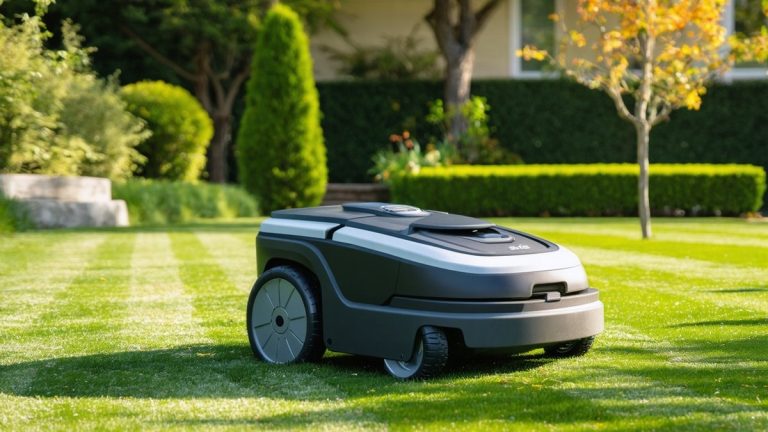
If you want a quarter-acre robot mower with the strongest slope capability in this matchup, the Segway Navimow i210 AWD stands out. It is built for up to 0.25 acre and supports 45% (24°) slopes, which makes it the better fit for more challenging lawns.

The Sunseeker X3 Plus is the more budget-friendly option at a lower MSRP, and it covers a slightly larger stated area at up to 0.3 acre. If your yard is relatively gentle and you want a lower upfront cost in a wire-free RTK mower under $1300, it deserves a close look.

At a Glance: Key Specs

Spec Segway Navimow i210 AWD Sunseeker X3 Plus
MSRP (USD) $1,299.00 $899.99
Max area 0.25 acre Up to 0.3 acre
Max slope 45% (24°) 30% / 17°
Navigation EFLS NRTK: tri-frequency Network RTK + Vision RTK + VSLAM / Vision AI
Boundary Wire-free; antenna-free setup Wire-free; no buried perimeter wire
Cutting width Not listed by the manufacturer 8 in
Cutting height Not listed by the manufacturer 1.6 in to 3.2 in
Runtime / charging Battery 5.1Ah; 120 minutes per cycle; 0.37 acre / 24 hours Not listed by the manufacturer

Segway Navimow i210 AWD: Where It Fits

The Segway Navimow i210 AWD is the more premium choice in this comparison, with an MSRP of $1,299.00. For homeowners shopping in the mid-budget range, that price puts it at the top end of the category, but its specification sheet is aimed at more demanding lawns. Segway lists a maximum area of 0.25 acre, which lands squarely in the quarter-acre class many suburban buyers are targeting.

The biggest differentiator is slope handling. At 45% (24°), it is built for steeper terrain than the Sunseeker X3 Plus. Segway also says it uses EFLS NRTK: tri-frequency Network RTK + Vision, with a wire-free and antenna-free setup. The box includes a GNSS antenna, and the manufacturer lists a 5.1Ah battery, 120 minutes per cycle charging time, and a mowing capacity of 0.37 acre / 24 hours.

Two specs are not listed by the manufacturer on the page text available to us: cutting width and cutting height. For buyers who care most about slope capability and a wire-free setup on a smaller lawn, this mower is the stronger technical fit.

Sunseeker X3 Plus: Where It Fits

The Sunseeker X3 Plus is the more affordable option here, with an MSRP of $899.99. That makes it especially attractive for homeowners looking for a wire-free RTK mower under $1300 without stretching into the higher end of the market. Sunseeker lists a maximum area of up to 0.3 acre, which is slightly above the quarter-acre mark and gives it a bit more stated coverage on paper than the Segway.

Its navigation stack is listed as RTK + VSLAM / Vision AI, and it uses a wire-free approach with no buried perimeter wire. The manufacturer also provides a cutting width of 8 in and a cutting height range of 1.6 in to 3.2 in, which gives shoppers more direct mowing-spec visibility than the Segway page in this comparison.

Where it trails the Navimow is slope performance: 30% / 17° is useful for many yards, but it is not as capable on steeper ground. Runtime and charging details are not listed by the manufacturer, so buyers comparing daily coverage should focus on the area rating and their lawn’s terrain.

The Key Differences

  • Price: The Sunseeker X3 Plus is significantly cheaper at $899.99, while the Segway Navimow i210 AWD is $1,299.00.
  • Slope capability: The Segway handles steeper lawns at 45% (24°), compared with 30% / 17° for the Sunseeker.
  • Coverage: The Sunseeker is rated for up to 0.3 acre, while the Segway is rated for 0.25 acre.
  • Navigation approach: Both are wire-free, but the Segway uses EFLS NRTK: tri-frequency Network RTK + Vision, while the Sunseeker uses RTK + VSLAM / Vision AI.
  • Cutting specs: The Sunseeker lists an 8 in cutting width and 1.6 in to 3.2 in cutting height; those specs are not listed by the manufacturer for the Segway page text we checked.

Which Should You Buy?

Choose the Segway Navimow i210 AWD if your yard is a true quarter-acre lawn with steeper sections, because its 45% (24°) slope rating is the standout advantage. It also makes sense if you want a wire-free mower from a higher-priced tier and value the manufacturer’s tri-frequency Network RTK + Vision positioning.

Choose the Sunseeker X3 Plus if your priority is value. At $899.99, it is the better fit for buyers who want to stay comfortably below the Segway’s MSRP while still getting a wire-free mower with RTK-based navigation. It is also appealing if you want a slightly larger stated area rating of up to 0.3 acre.

For a flatter lawn: the Sunseeker is easier to justify on price. For a hillier lawn: the Segway is the safer pick on paper. For a homeowner focused on the most budget-friendly path into wire-free mowing: the Sunseeker is the clear value option. For a buyer prioritizing slope performance in a quarter-acre yard: the Segway is the stronger match.

Bottom Line

In the Navimow i210 AWD vs Sunseeker X3 Plus matchup, the decision comes down to terrain and budget. The Segway Navimow i210 AWD is the better choice for steeper quarter-acre yards, while the Sunseeker X3 Plus is the better value pick for flatter lawns and buyers who want to keep the upfront cost lower. Both are wire-free, but they serve slightly different homeowners.

Frequently Asked Questions

Which mower is better for a quarter-acre yard?

The Segway Navimow i210 AWD is rated for 0.25 acre, which matches a quarter-acre yard directly. The Sunseeker X3 Plus is rated for up to 0.3 acre, so it also fits that size class on paper.

Which one is better for slopes?

The Segway Navimow i210 AWD is better for slopes because it is rated at 45% (24°). The Sunseeker X3 Plus is rated at 30% / 17°.

Are both mowers wire-free?

Yes. The Segway Navimow i210 AWD is listed as wire-free with an antenna-free setup, and the Sunseeker X3 Plus is also listed as wire-free with no buried perimeter wire.

Sources

Specifications checked against the manufacturers’ own product pages on 2026-09-24. Prices and specs can change; confirm with the manufacturer before buying.

Source: aimowernews.com
Lymow One Plus vs Husqvarna Automower 435 iQ AWD: Robot Mowers for Steep Terrain

0

Quick Verdict

If your priority is maximum slope capability and a wire-free setup, the Lymow One Plus stands out as a steep-slope robotic mower with tracked drive, RTK + VSLAM navigation, and a lower MSRP than the Husqvarna. It is especially interesting for rough terrain where traction matters and where you want virtual boundaries without a physical wire.

The Husqvarna Automower 435 iQ AWD is the better fit if you want a premium AWD mower with EPOS satellite positioning, onboard radar, and a more compact cutting deck. It costs more, but it is built around Husqvarna’s established virtual-wire approach and offers a different balance of slope handling, runtime, and area capacity.

At a Glance: Key Specs

Spec Lymow One Plus Husqvarna Automower 435 iQ AWD
MSRP (USD) $3,199.00 $4,999.99
Max area 1.73 Acres/day (10A version); 1.1 Acres/Day (5A version); 0.57 Acres/charge 1.3 acre (±20%); 0.9 acre irregular; 1.3 acre systematic
Max slope 100% (45°) 70% inside installation; 50% at boundary
Navigation RTK + VSLAM EPOS satellite positioning + onboard radar
Boundary Wire-free virtual boundary; RTK reference station included Virtual wire or physical wire
Cutting width 16 in 8.7 in
Cutting height 1.2 – 4.0 in 1.2 in – 2.8 in
Runtime / charging Maximum runtime 3 Hours; 5A: 150 min (10%-90%); 10A: 90 min (10%-90%) Typical mow time on one charge 145 min; typical charging time 45 min

Lymow One Plus: Where It Fits

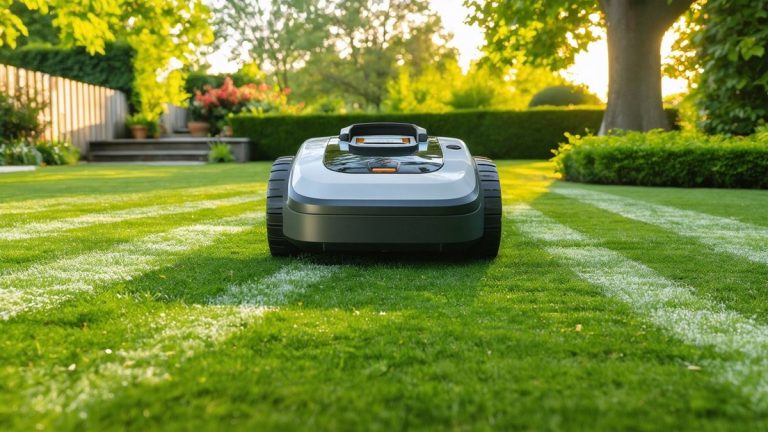
The Lymow One Plus is aimed at homeowners who need a steep-slope robotic mower and want to avoid boundary wire installation. Its tracked drive is the headline difference here, and its maximum slope rating of 100% (45°) is notably aggressive for difficult yards. For properties with rough ground, uneven traction, or terrain where wheels can struggle, that tracked design may be a major reason to consider it.

It also offers RTK + VSLAM navigation and a wire-free virtual boundary system with an included RTK reference station. That makes it attractive for buyers who want a modern, perimeter-free setup. In terms of coverage, the manufacturer lists 1.73 Acres per day for the 10A version, 1.1 Acres/Day for the 5A version, and 0.57 Acres per charge. The cutting width is 16 inches, which is wider than the Husqvarna here, and the cutting height range runs from 1.2 to 4.0 inches. Price is also a major factor: the 10A version is $3,199.00, while the 5A version is $2,999.00.

Husqvarna Automower 435 iQ AWD: Where It Fits

The Husqvarna Automower 435 iQ AWD is a premium AWD robot mower for homeowners who want a well-known brand in the steep-terrain category and a virtual-wire option built around EPOS satellite positioning. The manufacturer lists both Husqvarna Cloud and an included EPOS reference station as positioning options, and it also includes onboard radar. For buyers comparing a steep slope robotic mower for a more complex yard, that combination may be appealing.

Its slope rating is strong, though lower than the Lymow’s headline number: 70% inside installation and 50% at the boundary. The mower’s area capacity is listed at 1.3 acre, with 0.9 acre for irregular layouts and 1.3 acre for systematic mowing, plus a typical mow time of 145 minutes and typical charging time of 45 minutes. The cutting width is 8.7 inches, and the cutting height is 1.2 inches to 2.8 inches with electric adjustment. At $4,999.99 MSRP, it is the more expensive option in this comparison, so it makes the most sense for buyers who value the Husqvarna ecosystem and EPOS-based setup over price.

The Key Differences

  • Traction approach: Lymow One Plus uses tracked drive, while the Husqvarna 435 iQ AWD uses AWD. For very rough terrain, that difference may matter a lot.
  • Slope capability: Lymow lists 100% (45°), compared with Husqvarna’s 70% inside installation and 50% at boundary.
  • Boundary setup: Both are wire-free-capable, but Lymow uses a virtual boundary with RTK reference station included, while Husqvarna uses EPOS satellite positioning and can also work with a physical wire.
  • Cutting width: Lymow’s 16-inch cutting width is much wider than Husqvarna’s 8.7 inches.
  • Price: Lymow’s 10A version is $3,199.00, while the Husqvarna MSRP is $4,999.99.

Which Should You Buy?

Choose the Lymow One Plus if: your yard is steep, rough, and traction is the top concern; you want a tracked robot mower; you prefer a wire-free virtual boundary; or you want to spend less than the Husqvarna while getting a wider cutting deck and the higher slope rating on paper. It also makes more sense if your property is large enough to benefit from the listed 1.73 Acres/day figure on the 10A version.

Choose the Husqvarna Automower 435 iQ AWD if: you want a premium AWD mower with EPOS positioning, you value the option of a physical wire as well as virtual wire, or your yard fits within the listed 1.3 acre capacity. It is also worth considering if you prefer a smaller cutting width and a brand that many homeowners already know in the robotic mower market.

For budget-focused buyers: the Lymow One Plus is the lower-cost choice at $3,199.00 for the 10A version. For mixed terrain with boundary flexibility: the Husqvarna’s support for both virtual wire and physical wire may be useful. For the steepest terrain: the Lymow’s 100% (45°) slope rating is the standout number in this matchup.

Bottom Line

For steep, rough terrain, the Lymow One Plus is the more aggressive slope specialist on paper, with tracked drive, wire-free setup, and a lower MSRP. The Husqvarna Automower 435 iQ AWD remains a strong premium alternative, especially for buyers who want EPOS-based navigation and the flexibility of virtual or physical wire. If your main challenge is traction on difficult ground, the Lymow has the clearer spec advantage; if you want a polished AWD platform from Husqvarna, the 435 iQ AWD is the safer premium pick.

Frequently Asked Questions

Is the Lymow One Plus a tracked robot mower?

Yes. The manufacturer notes that the Lymow One Plus uses tracked drive rather than wheeled drive. That is one of its main differentiators in a steep slope robotic mower comparison.

Does the Husqvarna Automower 435 iQ AWD need a boundary wire?

Not necessarily. The manufacturer lists EPOS satellite positioning with Husqvarna Cloud or an included EPOS reference station, and it also lists virtual wire and physical wire boundary options.

Which mower handles steeper slopes on paper?

The Lymow One Plus. Its listed maximum slope is 100% (45°), while the Husqvarna Automower 435 iQ AWD is listed at 70% inside installation and 50% at the boundary.

Sources

Specifications checked against the manufacturers’ own product pages on 2026-09-24. Prices and specs can change; confirm with the manufacturer before buying.

Source: aimowernews.com