


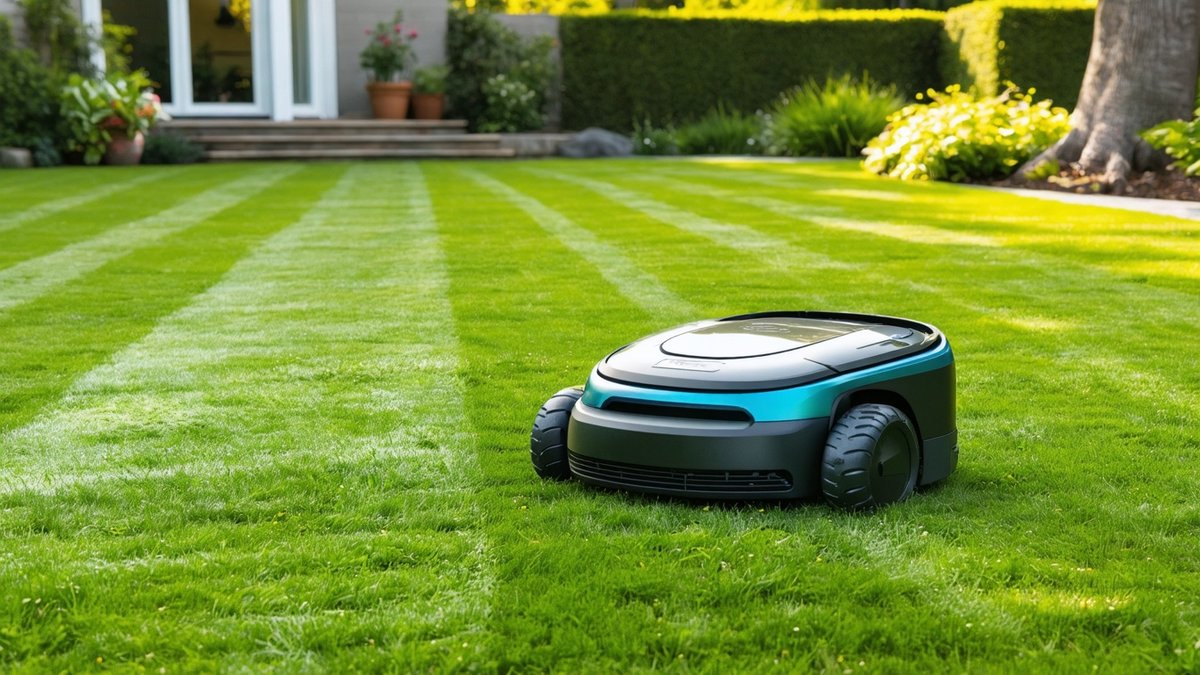
Recent advances in satellite positioning and camera‑based navigation have removed the need for buried perimeter wire, prompting a fresh look at robotic mower options for 2026. At the same time, the article reminds buyers that most machines still default to overnight schedules, which can put nocturnal wildlife such as hedgehogs, toads and slow‑worms at risk. By focusing on daylight operation and improved obstacle detection, homeowners can enjoy the convenience of a robot lawn mower while reducing harm to garden creatures.
Why Daylight Scheduling Matters for Wildlife
The source notes that hedgehogs, toads and slow‑worms move at dusk and after dark, yet many robotic mowers are sold with overnight schedules as the default setting. Running a machine at 2 a.m. means it is active exactly when these animals are most active in the garden. The simple remedy highlighted is to set mowing hours to daylight only and never schedule overnight operation. This change costs nothing and removes most of the risk to vulnerable wildlife.
How Wire‑Free Navigation Has Evolved
Older robotic mowers required a weekend‑long effort to bury perimeter wire around the lawn, and the wire had to be redrawn whenever the garden layout changed. Today, most models use RTK satellite positioning combined with visual mapping to replace that wire. Setup can now be completed in an afternoon using a smartphone app. The way the RTK signal reaches the mower varies: some brands need a separate antenna with clear sky, while WORX delivers correction data over the internet, eliminating the need for a local base station. The article also advises checking for subscription costs, noting that the models featured do not charge extra for the positioning service, with Segway offering lifetime free network RTK on its X‑series and WORX stating there is no additional cloud cost.
Key Features to Evaluate in 2026 Robot Mowers
Obstacle detection is presented as the most important specification, yet it is not often highlighted in marketing. Bump sensors only react after contact, which is adequate for static objects like plant pots but unsuitable for animals. Vision and LiDAR systems can identify objects before contact; although none are specifically trained to recognise a curled hedgehog, a mower that stops for any unexpected object will generally stop for more things than one that relies solely on bump sensing. Because no product safety regulator has set a wildlife‑detection standard, the article recommends paying for better sensing technology while still mowing in daylight, treating the sensors as a back‑stop rather than a complete solution. Additional considerations include the size and shape of the lawn, shaded areas, and whether separate lawn zones are connected by a path at least 3.3 feet wide, as outlined by EcoFlow’s published limitations.
Sourced Model Highlights
- Segway Navimow X430 – Described as best for large gardens, handles up to an acre, four‑wheel drive, slopes to 84 percent. Dual 180W motors with zero‑turn steering, cuts 17 inches wide at heights from 0.75 to 4 inches, clears obstacles up to 2.8 inches. Includes lifetime network RTK with no subscription. Price range: $2,000 to $2,800.
- WORX Landroid Vision Cloud – Highlighted for easy setup; no antenna or clear‑sky base station needed because it pulls commercial‑grade RTK correction over the internet. Four‑wheel drive, acre capacity, 84 percent slopes, cut‑to‑zero edge trimming, front‑wheel steering that avoids turf damage. Price range: $1,600 to $2,200. Cloud reliance means performance depends on home internet uptime.
- EcoFlow Blade – Noted for transparent suitability guidance. Covers about 0.7 acres wire‑free with GPS route planning, RTK obstacle avoidance and anti‑theft auto‑lock; optional sweeping kit collects leaves and debris. Price range: $1,300 to $1,900. Limitations include heavy tree cover or gardens split into unconnected sections.
- Segway Navimow i110N – Positioned for small lawns; handles a quarter acre, combines RTK with visual SLAM for better performance under trees and beside buildings. Operates at 58 decibels with multi‑zone scheduling. Price range: $800 to $1,200. Not suited for the steep slopes or rough terrain managed by the X430.
- Perimeter‑Wire Robot Mower – Presented as the budget option; older technology is cheaper by a factor of three or four. Covers roughly a quarter acre on slopes to 45 percent after laying boundary wire. Price range: $500 to $800. Uses bump‑based obstacle detection, which the article argues is less suitable for wildlife.
What This Means for You
If you are considering a robotic mower in 2026, the most impactful step you can take right now is to restrict operation to daylight hours. This simple schedule change protects hedgehogs, toads and other nocturnal garden visitors without any extra cost. When evaluating models, prioritize those that use vision or LiDAR for obstacle detection and verify whether the RTK service requires a subscription or additional hardware. Match the mower’s stated lawn‑size, slope and shade tolerances to your garden’s actual conditions, and remember that wire‑free setup now typically takes an afternoon rather than a weekend.
Frequently Asked Questions
- Do I need to bury a perimeter wire with the latest robot mowers?
- No. Most current models use RTK satellite positioning and visual mapping, eliminating the need for buried wire. Setup is done through an app in an afternoon.
- Why should I mow only during daylight?
- Hedgehogs, toads, slow‑worms and similar wildlife are active from dusk onward. Running a mower at night increases the chance of injury. Daytime mowing removes most of that risk at no extra cost.
- Are there any subscription fees for the positioning service on the models mentioned?
- The source states that the models featured do not charge for the positioning service. Segway offers lifetime free network RTK on its X‑series, and WORX notes there is no additional cloud cost, though you should confirm these details for the specific model you choose.
Source: onegreenplanet.org

Author: AI Mow
AI Mow is the AI-assisted news desk of AI Mower News. It monitors manufacturer announcements, trade shows and industry sources, and drafts stories in our editorial voice. Every article is checked against its original source before publication — our fact gate holds anything that claims testing we did not do or specs the source does not support — and is published under this byline for transparency. How we work: https://aimowernews.com/editorial-guidelines/ · The people behind it: https://aimowernews.com/our-team/
Sources & evidence
Each figure in this article is tied to where it came from. “Manufacturer claim” means the maker states it and AI Mower News has not tested it.
- REPORTEDDual 180W motors with zero‑turn steering, cuts 17 inches wide at heights from 0.75 to 4 inches, clears obstacles up to 2.8 inches. — onegreenplanet.org
- REPORTEDPrice range: $2,000 to $2,800. — onegreenplanet.org
- REPORTEDPrice range: $1,600 to $2,200. — onegreenplanet.org
- REPORTEDCovers about 0.7 acres wire‑free with GPS route planning, RTK obstacle avoidance and anti‑theft auto‑lock; optional sweeping kit collects leaves and debris. — onegreenplanet.org
- REPORTEDPrice range: $1,300 to $1,900. — onegreenplanet.org
- REPORTEDPrice range: $800 to $1,200. — onegreenplanet.org
- REPORTEDPrice range: $500 to $800. — onegreenplanet.org
Last checked September 18, 2026. Spot an error? Tell us.