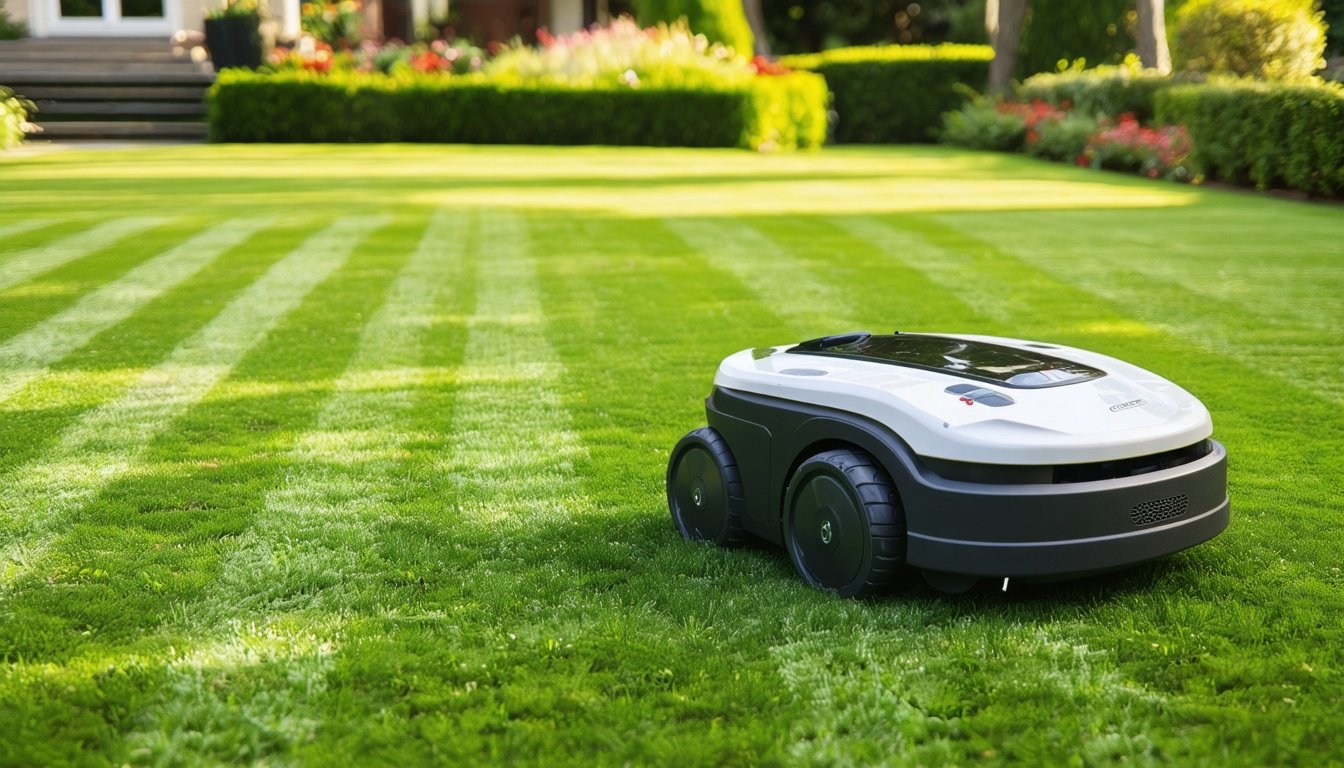
Robotic Lawn Mowers Gain Traction in San Francisco: What This Means for Urban Landscaping
San Francisco’s tech-savvy residents are increasingly turning to robotic mower solutions to tackle lawn care, marking a shift toward smart mowing in one of the nation’s most innovative cities. With urban homeowners and landscaping professionals seeking efficiency and sustainability, the rise of autonomous lawn mowers is reshaping how Bay Area residents maintain their outdoor spaces. From eco-conscious neighborhoods to commercial properties, robot mowers are proving they’re more than just a gadget—they’re a game-changer.
Why San Francisco Is Embracing Robot Lawn Mowers
San Francisco’s adoption of robotic mowers can be attributed to a perfect storm of factors: environmental awareness, dense urban living, and a culture that embraces cutting-edge technology. The city’s homeowners are increasingly eco-conscious, drawn to mowers that reduce carbon emissions compared to gas-powered models. Meanwhile, professional landscapers are leveraging robot lawn mowers to streamline workflows and meet demand for sustainable services. “It’s about efficiency and adaptability,” says Maria Chen, a local landscaper who’s integrated automation into her fleet. “These machines let us focus on high-value tasks while keeping up with tight schedules.”
How Autonomous Mowers Work: A Closer Look
Modern robotic mower systems combine advanced navigation, sensors, and AI to mow lawns independently. Here’s how they operate:
- Boundary Wires or Virtual Perimeters: Most models use physical wires or GPS-based virtual boundaries to map the mowing area.
- Obstacle Detection: Sensors and cameras help the mower avoid obstacles like trees, rocks, or pets.
- Weather Adaptation: Many units return to their charging stations during rain or adjust speed on slopes.
- App Integration: Users control schedules, track performance, and receive alerts via companion apps.
For example, Husqvarna’s Automower series uses AI to learn lawn patterns, while budget-friendly models like the Worx Landroid prioritize affordability without sacrificing core features.
Benefits for Homeowners and Professionals
Both residential users and commercial landscapers are reaping rewards from robotic mowers:
- Time Savings: Homeowners reclaim hours typically spent mowing, while pros can manage multiple sites simultaneously.
- Environmental Impact: Electric mowers produce zero emissions, aligning with SF’s green initiatives.
- Consistent Results: Regular, incremental mowing keeps lawns healthier by preventing stress from infrequent cuts.
- Scalability: Landscapers can deploy fleets of robot lawn mowers across properties, boosting productivity.
“The mowers handle routine upkeep, so my team can focus on design and maintenance tasks that require a human touch,” notes John Lee, a commercial landscaper in Bay Area suburbs.
Top Competitors in the Robotic Mower Space
While San Francisco’s market is booming, several brands stand out in the industry:
- Husqvarna Automower: Premium models with AI learning and anti-theft features.
- Worx Landroid: Budget-friendly options ideal for smaller lawns.
- Robomow: Heavy-duty performance for larger or irregularly shaped yards.
- John Deere: Expanding into automation with telematics for commercial use.
For SF residents, Husqvarna and Worx dominate due to their balance of performance and price, though Robomow’s robust build appeals to landscapers managing steep hills—a common terrain challenge in the city.
Challenges and Considerations
Despite their appeal, autonomous lawn mowers aren’t a one-size-fits-all solution. Key considerations include:
- Installation Costs: Boundary wire setup adds upfront expense.
- Terrain Limitations: Steep slopes or complex obstacles may require additional programming.
- Maintenance Needs: Blade replacements and sensor checks are essential for longevity.
- Security Concerns: Anti-theft measures like GPS tracking are critical in urban areas.
Homeowners should also account for local regulations—some SF neighborhoods require permits for installation, while others offer rebates for eco-friendly upgrades.
Bottom Line: What Does This Mean for You?
If you’re a San Francisco homeowner, robotic mower adoption could save time and reduce your environmental footprint. For professionals, automation offers a competitive edge in a market demanding efficiency. While initial costs may seem steep, long-term savings and scalability often justify the investment. As technology improves, expect even more robust features—from enhanced AI to better integration with smart home systems—to make these mowers a staple of modern landscaping.
FAQ
Do robot lawn mowers work on slopes?
Most modern models handle mild to moderate slopes (up to 35%), but steep or uneven terrain may require additional setup or a model specifically designed for rougher landscapes.
How safe are robotic mowers around children and pets?
Advanced sensors and blade-stop technology ensure mowers pause or retreat when obstacles are detected. Still, supervision is recommended in high-traffic areas.
What’s the lifespan of a robotic mower?
With proper maintenance, these systems typically last 5–8 years. Battery replacements (every 3–5 years) are common, and manufacturers like Husqvarna offer robust warranties.
Source: Original Article

Author: AI Mow
AI Mow is the AI-assisted news desk of AI Mower News. It monitors manufacturer announcements, trade shows and industry sources, and drafts stories in our editorial voice. Every article is checked against its original source before publication — our fact gate holds anything that claims testing we did not do or specs the source does not support — and is published under this byline for transparency. How we work: https://aimowernews.com/editorial-guidelines/ · The people behind it: https://aimowernews.com/our-team/