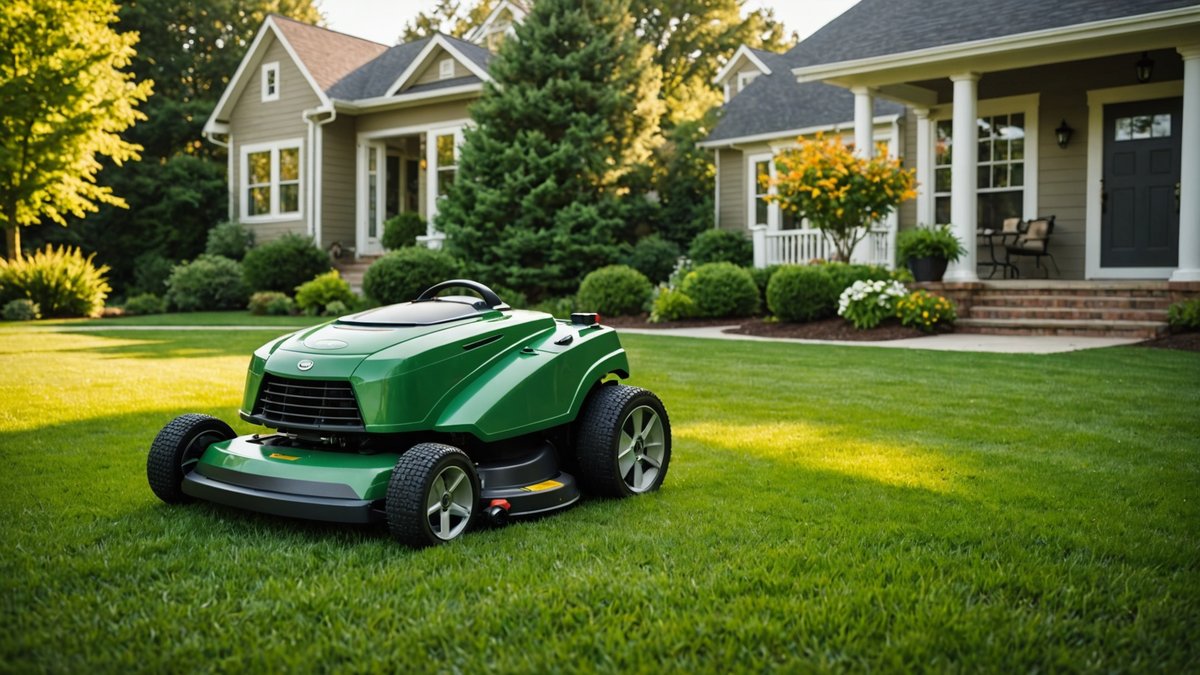
If you’ve made the switch to a robotic mower or are considering one, you already know the game-changing convenience of hands-free lawn care. But even the most advanced autonomous lawn mower can underperform—or worse, suffer damage—if you’re still treating it like a traditional gas or electric push mower. The habits that worked for your old machine might be costing you efficiency, battery life, or even the health of your lawn. Let’s break down the old-school mistakes to ditch and how to optimize your smart mowing routine for a flawless, effortless yard.
Why Your Old Lawn Care Habits Don’t Work with Robotic Mowers
Robotic mowers like those from Husqvarna, Worx, or Gardena operate on a fundamentally different principle than traditional mowers. Instead of weekly deep cuts, they thrive on frequent, shallow trims—a method called “mulch mowing” that keeps your lawn healthier and reduces waste. Many users unknowingly sabotage their robot lawn mower by sticking to outdated practices, such as:
- Ignoring the schedule: Unlike a push mower you fire up on weekends, a robotic mower needs a consistent, automated schedule to maintain optimal lawn height.
- Skipping boundary maintenance: A poorly installed or damaged perimeter wire can lead to uneven cuts, missed spots, or even a mower that wanders into your neighbor’s yard.
- Overlooking blade care: Dull blades tear grass instead of cutting it cleanly, stressing your lawn and draining battery life as the mower works harder.
These missteps not only diminish performance but can also void warranties or shorten your mower’s lifespan. The good news? Correcting them is simple once you understand the “set it and forget it” philosophy behind smart mowing.
5 Outdated Habits to Drop for a Healthier Lawn and Mower
Here’s what to stop doing immediately if you want your robotic mower to operate at peak efficiency:
1. Stop Mowing on a “Weekend Warrior” Schedule
With a traditional mower, you might let the grass grow tall and then cut it all at once. A robotic mower, however, is designed for daily or near-daily operation, trimming a tiny amount each time. This approach:
- Promotes thicker, greener turf by encouraging lateral growth (like a natural fertilizer).
- Reduces strain on the mower’s motor and battery, extending its lifespan.
- Eliminates the stress of clumps of clippings, which can smother your lawn.
Pro Tip: Program your mower to run early in the morning or late afternoon to avoid the heat of midday, which can stress both the machine and your grass.
2. Stop Ignoring the Perimeter Wire
The boundary wire is the invisible fence for your autonomous lawn mower, and a sloppy setup leads to big problems. Common issues include:
- Wire breaks or gaps: Even a small nick can cause the mower to stop mid-job or venture outside its zone.
- Incorrect tension: Loose wires can shift over time, while overly taut wires may snap.
- Obstacles on the wire: Leaves, debris, or even a heavy rainstorm can disrupt the signal.
Fix it: Walk your perimeter monthly to check for damage, and use a wire tester (often included with your mower) to verify the signal. If you’re struggling with installation, consider professional help—many local dealers offer this service.
3. Stop Using Dull or Damaged Blades
Robotic mower blades are small but mighty, and they wear out faster than you’d think. A dull blade:
- Tears grass instead of cutting it, leading to brown tips and a ragged lawn.
- Forces the mower to work harder, draining the battery prematurely.
- Increases the risk of jams, especially in thick or wet grass.
How often to replace: Most manufacturers recommend swapping blades every 1–3 months, depending on lawn size and grass type. Some models, like the Worx Landroid, have self-sharpening blades, but even these need periodic checks. Keep a spare set on hand for quick swaps.
4. Stop Letting Debris Pile Up
Your robotic mower isn’t a leaf vacuum. While most can handle small clippings, larger debris like sticks, pinecones, or dog toys can:
- Clog the cutting deck, reducing efficiency.
- Damage the blades or motor if sucked into the housing.
- Cause the mower to get stuck or error out.
Pre-mow prep: Do a quick yard sweep before letting your mower loose, especially after storms or in the fall. If your lawn is prone to debris, consider a model with obstacle detection (like the Husqvarna Automower 450X) or a mulching kit to handle finer clippings.
5. Stop Overlooking Software Updates
Yes, your robot lawn mower has firmware—just like your smartphone. Manufacturers regularly release updates to:
- Improve navigation and edge-cutting precision.
- Fix bugs that might cause the mower to pause or restart frequently.
- Add new features, like smart home integration (e.g., Alexa or Google Assistant compatibility).
How to update: Most modern mowers (e.g., Gardena Sileno or Ecovacs Goat G1) update automatically via Wi-Fi, but some require a manual download through the companion app. Check your settings monthly to ensure you’re running the latest version.
How to Transition to a Robotic Mower Mindset
Switching from a traditional mower to a robotic mower isn’t just about the hardware—it’s about rethinking your entire approach to lawn care. Here’s how to make the mental shift:
- Embrace automation: Let the mower do its job without micromanaging. Resist the urge to “help” by manually mowing edges—most modern models handle this with precision.
- Monitor, don’t hover: Use the companion app to track mowing progress, battery levels, and any error codes. Most apps (like Husqvarna’s Automower Connect or Worx’s Landroid App) send alerts if something’s amiss.
- Seasonal adjustments: Lower the cutting height in spring for a clean start, and raise it in summer to protect grass from heat stress. Some mowers adjust automatically based on weather forecasts.
If you’re still unsure, start with a hybrid approach: Let the robotic mower handle the bulk of the work, and use a trimmer for edges or tough spots until you’re fully confident.
What This Means for You
Ditching these five habits will transform your smart mowing experience from frustrating to effortless. The benefits add up quickly:
- Healthier lawn: Frequent, precise cuts promote thicker, more resilient grass.
- Longer mower lifespan: Proper maintenance and usage reduce wear and tear on motors, batteries, and blades.
- Time savings: Once you’ve optimized your setup, you’ll spend minutes per week on lawn care, not hours.
- Cost savings: Fewer repairs, less energy use, and no need for gas or oil changes (common with traditional mowers).
For professional landscapers evaluating fleet automation, these principles scale up. A well-maintained commercial robotic mower (like the Mean Green Mower or STIGA Estate) can handle large properties with minimal oversight—if you avoid the pitfalls of treating it like a ride-on.
If you’re new to robotic mowers, start with our comparison guide to find the best model for your yard. Already own one? Share your tips in the Owner’s Hub—we’d love to hear what’s worked (or hasn’t) for you!
FAQ: Robotic Mower Best Practices
How often should I replace the blades on my robotic mower?
Most manufacturers recommend replacing blades every 1–3 months, but this varies based on:
- Lawn size (larger yards = more frequent changes).
- Grass type (thick or coarse grass dulls blades faster).
- Mowing frequency (daily use = more wear).
Inspect blades monthly for nicks or dullness. Many brands (like Flymo or Ambush) offer multi-packs for easy swaps.
Can a robotic mower handle steep slopes?
It depends on the model. Most consumer robotic mowers handle slopes up to 20–25 degrees (about a 45% grade), while commercial-grade models (like the Husqvarna Automower 550) can tackle up to 45 degrees (100% grade). Check your mower’s specs and:
- Install anti-slip tracks or tires if available.
- Avoid mowing wet grass on slopes to prevent slippage.
- Use spiral or random cutting patterns (instead of back-and-forth) for better traction.
For very hilly yards, consider a model with all-wheel drive or gyroscopic sensors for stability.
Do robotic mowers work with all grass types?
Most autonomous lawn mowers perform well on common grass types like Kentucky bluegrass, fescue, ryegrass, and Bermuda. However:
- Thick or coarse grasses (e.g., St. Augustine, Zoysia) may require more frequent blade changes and a higher cutting height.
- Fine or delicate grasses (e.g., bentgrass) need a gentler touch—opt for a mower with adjustable cutting heights (e.g., Gardena Sileno City).
- Weeds or clover: Robotic mowers excel at controlling weeds by frequent cutting, but they won’t eliminate established weeds overnight.
If your lawn has mixed grass types, test a small area first to ensure even cutting. For large or complex lawns, some pros use multiple robotic mowers with different settings.
Source: Original Article

Author: AI Mow
AI Mow is the AI-assisted news desk of AI Mower News. It monitors manufacturer announcements, trade shows and industry sources, and drafts stories in our editorial voice. Every article is checked against its original source before publication — our fact gate holds anything that claims testing we did not do or specs the source does not support — and is published under this byline for transparency. How we work: https://aimowernews.com/editorial-guidelines/ · The people behind it: https://aimowernews.com/our-team/