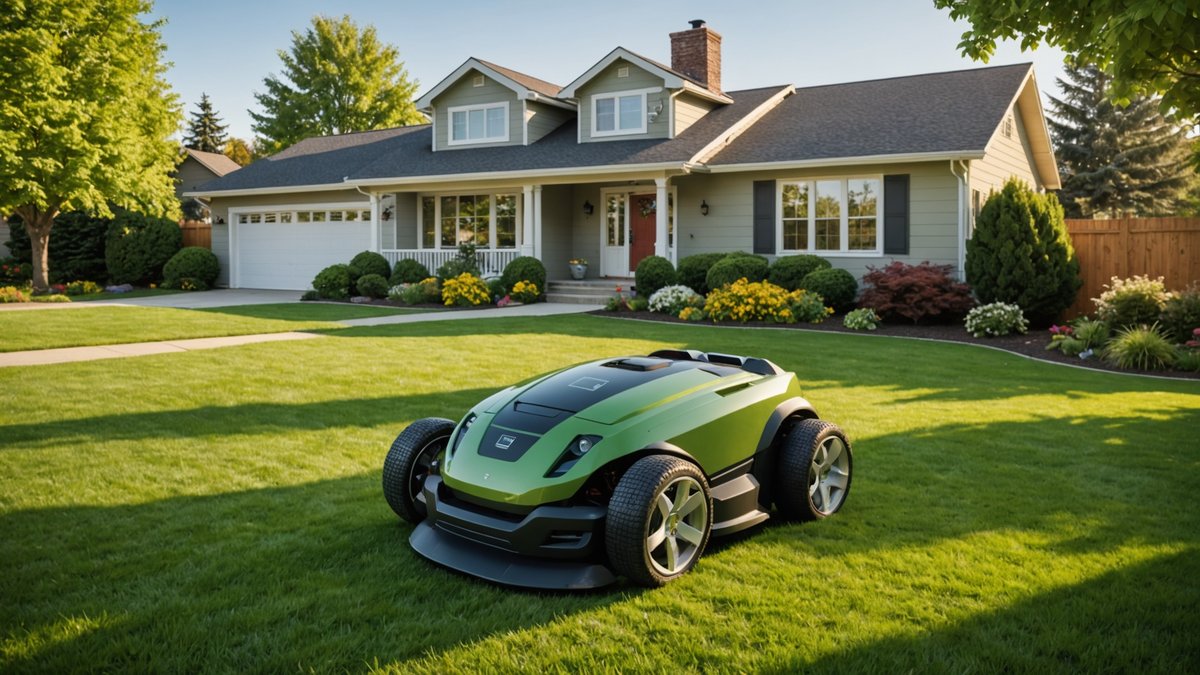
Imagine waking up to a perfectly manicured lawn, a crystal-clear pool, and a garden that looks like it was tended by a professional—all without lifting a finger. That’s the promise of home automation, and for many, it’s becoming a reality. While the idea of robots handling yard work isn’t new, the latest generation of autonomous lawn mowers and smart home devices are making it easier than ever to outsource the most tedious outdoor chores. But how do these robots actually perform in real-world conditions? And are they worth the investment for the average homeowner?
One recent experiment by a tech-savvy homeowner put three robots to the test: a robot lawn mower, a robotic pool cleaner, and a garden assistant. The results? A dramatic reduction in weekend chores and a newfound appreciation for the power of automation. Let’s dive into how these machines work together, what sets them apart, and what it means for anyone considering a smarter, more hands-off approach to yard and home maintenance.
The Rise of the Robotic Lawn Mower: A Game-Changer for Yard Care
At the heart of this automation trio is the robotic mower, a device that has evolved from a niche luxury to a mainstream must-have for homeowners tired of pushing a mower under the summer sun. Unlike traditional mowers, these autonomous machines operate on a schedule, quietly trimming the lawn while you focus on more important things—like enjoying your backyard.
Modern autonomous lawn mowers use a combination of GPS, boundary wires, and advanced sensors to navigate your yard with precision. They can handle slopes, avoid obstacles, and even return to their charging stations when the battery runs low. Brands like Husqvarna, Worx, and Robomow have led the charge, but newer players are entering the market with innovative features like app-controlled mowing zones and voice assistant integration.
For the homeowner in the experiment, the robotic mower was the first domino to fall. Once the lawn was under control, the rest of the outdoor chores began to feel like unnecessary manual labor. The key takeaway? A robot lawn mower doesn’t just save time—it changes how you think about yard work entirely.
How the Trio of Robots Works Together
The real magic happened when the robotic mower was paired with two other automated helpers: a robotic pool cleaner and a garden-assist bot. Here’s how they complemented each other:
- Robotic Lawn Mower: Handled daily or weekly mowing, ensuring the lawn stayed at the ideal height without clippings or uneven patches. Models like the Husqvarna Automower 450X or Worx Landroid M can tackle up to 1 acre, with smart features like rain sensors and anti-theft alarms.
- Robotic Pool Cleaner: Took over the grimy task of scrubbing pool floors and walls. Brands like Dolphin or Polaris offer models that map your pool for efficient cleaning, reducing the need for chemicals and manual skimming.
- Garden Assistant Robot: A newer category, these bots (like the Tertill or MiRobot) can weed garden beds, monitor soil moisture, or even plant seeds. In this setup, the garden bot handled weeding and soil maintenance, freeing up time for more creative landscaping.
Together, these robots created a self-sustaining outdoor ecosystem. The lawn stayed lush, the pool remained inviting, and the garden thrived—all with minimal human intervention. The homeowner reported spending less than 30 minutes a week overseeing the robots, compared to the 5+ hours previously dedicated to manual upkeep.
Smart Mowing: The Tech Behind the Convenience
Smart mowing is more than just a buzzword—it’s the backbone of what makes robotic lawn care so effective. Today’s autonomous lawn mowers are packed with technology that would’ve seemed like science fiction a decade ago. Here’s what sets them apart:
- GPS and Navigation: High-end models use GPS to map your yard and optimize mowing patterns, ensuring no spot is missed. Some even learn your lawn’s layout over time for improved efficiency.
- Boundary Systems: Most robots rely on a perimeter wire installed around the yard, but newer models use virtual boundaries or AI-powered obstacle detection to stay within limits.
- App Integration: Control your mower from your phone with apps that let you adjust schedules, check battery levels, or even receive alerts if the mower encounters an issue. Brands like Gardena and Ecovacs offer robust app experiences.
- Weather Adaptability: Smart sensors can detect rain or extreme temperatures, automatically pausing mowing to avoid damage to the lawn or the machine.
- Multi-Zone Support: Some robot lawn mowers can handle multiple zones, making them ideal for complex yards with gardens, patios, or other obstacles.
This level of sophistication means that smart mowing isn’t just about convenience—it’s also about precision. The robots can maintain a consistent grass height, promote healthier lawn growth, and even reduce the need for fertilizers by mulching clippings as they go.
Cost, Competition, and Alternatives
Of course, all this automation comes at a price. A high-quality robotic mower can cost anywhere from $800 to $4,000, depending on the size of your yard and the features you need. Robotic pool cleaners typically range from $500 to $1,500, while garden bots are still emerging, with prices varying widely.
For homeowners on a budget, there are more affordable alternatives. The Worx Landroid S, for example, offers a solid entry-level robot lawn mower for around $600, while the Robomow RS630 is a mid-range option with strong performance. If you’re looking for a premium experience, the Husqvarna Automower 450X or the Stiga S500 are top-tier choices with advanced features like app control and multi-zone support.
It’s also worth considering whether you need all three robots. For many, starting with a robotic mower is the most impactful first step. From there, you can add a pool cleaner or garden bot as your budget allows. Alternatively, some homeowners opt for hybrid solutions, like using a robotic mower for the lawn and a traditional service for the pool or garden.
What This Means for You
So, should you invest in a trio of robots to handle your outdoor chores? The answer depends on your priorities, budget, and the size of your property. Here’s the bottom line:
- Time Savings: If you currently spend hours each week on yard work, pool maintenance, or gardening, the time saved with automation can be life-changing. The initial setup may take some effort, but the long-term payoff is significant.
- Cost vs. Value: While the upfront cost of these robots can be steep, consider the long-term savings. You’ll spend less on lawn care services, pool chemicals, and even water (since robotic mowers promote healthier lawns that retain moisture better). Over time, the robots can pay for themselves.
- Quality of Life: Beyond the practical benefits, there’s something to be said for the peace of mind that comes with a well-maintained outdoor space. Whether you’re a busy parent, a professional with a demanding schedule, or simply someone who’d rather relax than rake, these robots can enhance your quality of life.
- Scalability: You don’t need to dive in all at once. Start with a robotic mower and see how it fits into your routine. If it works well, you can gradually add more automation to other areas of your outdoor space.
For professional landscapers, the implications are even more profound. Fleets of autonomous lawn mowers can handle routine maintenance for multiple properties, freeing up human workers to focus on more complex tasks. Companies like Greenworks and Mean Green offer commercial-grade robotic mowers designed for exactly this purpose.
Real-World Considerations
Before you rush out to buy a robot lawn mower and its companions, there are a few practical considerations to keep in mind:
- Installation: Most robotic mowers require a boundary wire to be installed around the perimeter of your yard. This can be a DIY project, but for larger or more complex yards, professional installation might be necessary.
- Maintenance: While these robots are low-maintenance compared to traditional tools, they’re not entirely maintenance-free. You’ll need to clean the mower’s blades, check the pool cleaner’s filters, and ensure the garden bot’s batteries are charged.
- Security: Robotic mowers are an investment, so it’s important to consider security features like PIN codes, alarms, or GPS tracking to prevent theft.
- Weather Limitations: While most robots can handle light rain, heavy downpours or extreme heat might require manual intervention. Always check the manufacturer’s guidelines for weather-related usage.
FAQ
Are robotic mowers safe for pets and children?
Yes, most modern robotic mowers are designed with safety in mind. They come equipped with sensors that stop the blades immediately if the mower is lifted or tipped. Additionally, their lightweight design and slow movement make them unlikely to cause harm. However, it’s always a good idea to supervise pets and children around any automated equipment until you’re confident they understand how to interact with it safely.
Can a robotic mower handle a yard with lots of obstacles?
It depends on the model. Entry-level autonomous lawn mowers may struggle with complex yards featuring numerous trees, flower beds, or steep slopes. However, high-end models like the Husqvarna Automower 450X or the Robomow RS630 are designed to navigate obstacles with ease. Some even use AI to learn your yard’s layout over time, improving their performance as they go.
Do robotic pool cleaners work with all types of pools?
Most robotic pool cleaners are designed to work with in-ground pools, but there are models available for above-ground pools as well. The key is to choose a cleaner that matches the size and shape of your pool. For example, the Dolphin Nautilus CC is a great option for small to medium in-ground pools, while the Polaris P965iQ Sport is better suited for larger pools with complex shapes. Always check the manufacturer’s specifications to ensure compatibility.
Source: Original Article

Author: AI Mow
AI Mow is the AI-assisted news desk of AI Mower News. It monitors manufacturer announcements, trade shows and industry sources, and drafts stories in our editorial voice. Every article is checked against its original source before publication — our fact gate holds anything that claims testing we did not do or specs the source does not support — and is published under this byline for transparency. How we work: https://aimowernews.com/editorial-guidelines/ · The people behind it: https://aimowernews.com/our-team/