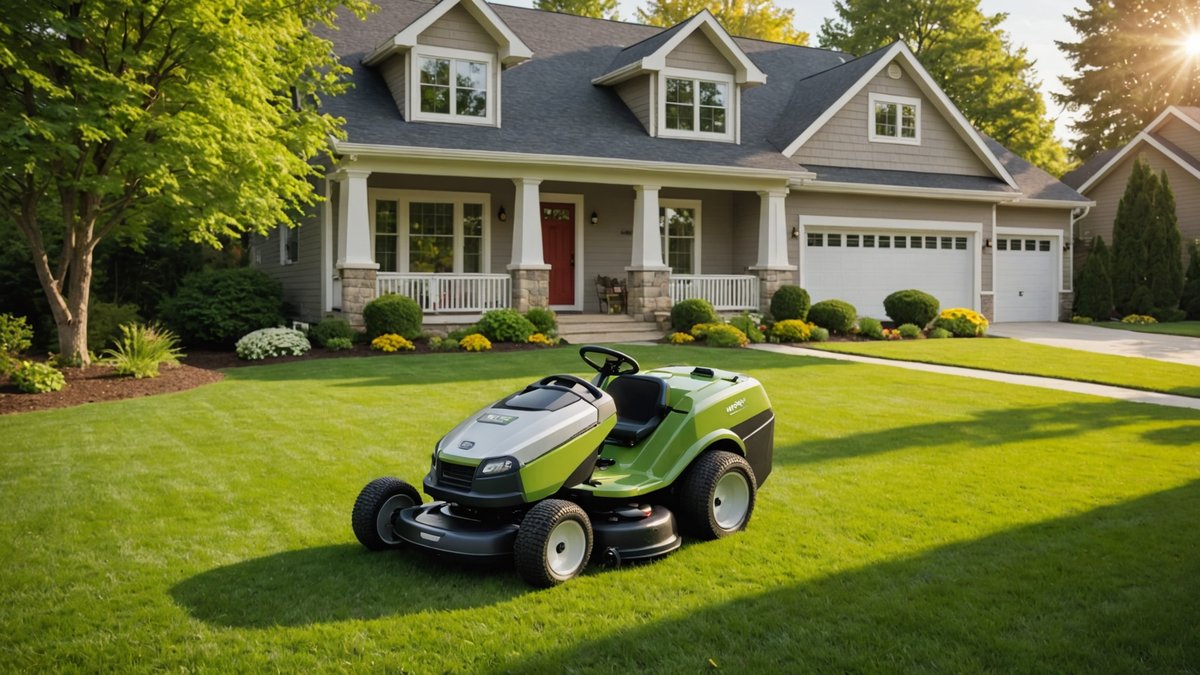
Imagine waking up to a perfectly manicured lawn, a sparkling clean pool, and a house free of dust—all without lifting a finger. That’s the promise of smart home automation, and for many homeowners, it’s becoming a reality. While the concept of robots handling household chores isn’t new, the latest wave of autonomous lawn mowers, pool cleaners, and vacuum bots are smarter, more efficient, and more integrated than ever. For those tired of spending weekends pushing a mower or skimming leaves, this trio of robots could be the ultimate upgrade for your home and garden.
The Rise of the Robotic Workforce for Your Home
Gone are the days when robotic helpers were clunky, unreliable gadgets. Today’s robot lawn mowers and their counterparts for pools and homes are sleek, AI-powered machines designed to work seamlessly together. The synergy between these devices doesn’t just save time—it transforms how we think about property maintenance. Instead of juggling separate systems, homeowners can now manage their outdoor and indoor chores through unified apps, scheduling routines, and even voice commands via smart home platforms like Apple HomeKit, Google Assistant, or Amazon Alexa.
At the heart of this revolution is the robotic mower, which has evolved from a niche luxury to a mainstream solution for homeowners seeking convenience and precision. Brands like Husqvarna, Worx, and Gardena have led the charge, but newer players are pushing boundaries with features like multi-zone mowing, obstacle avoidance, and even weather adaptation. Pair this with a robotic pool cleaner (think iRobot’s Mirra or Polaris models) and a robot vacuum like the Ecovacs Deebot or Roborock, and you’ve got a fully automated ecosystem that keeps your property in top shape year-round.
Why a Robotic Mower is the Game-Changer for Your Lawn
Of the trio, the autonomous lawn mower often delivers the most dramatic transformation. Unlike traditional mowers, these smart machines operate on a schedule you set, quietly trimming your grass to the perfect height while you focus on other things. They’re not just about convenience—they also promote healthier lawns. By mowing frequently and mulching clippings, they return nutrients to the soil, reducing the need for fertilizers and water.
Modern robot lawn mowers are packed with features that make them a worthy investment:
- Autonomous Navigation: Uses GPS, boundary wires, or virtual fences to map and mow your lawn without human intervention.
- Obstacle Detection: Advanced sensors and cameras help avoid pets, toys, and garden decor, reducing the risk of damage or accidents.
- Smart Scheduling: Adjusts mowing frequency based on grass growth, season, or weather forecasts (some models even pause during rain).
- Multi-Zone Support: Ideal for complex yards, these mowers can handle front lawns, backyards, and even steep slopes (up to 35-45% incline in some models).
- Low Maintenance: Self-charging and weather-resistant, with blades that rarely need sharpening. Some models offer app-based diagnostics for troubleshooting.
- Eco-Friendly Operation: Electric-powered, producing zero emissions and operating at a fraction of the noise of gas mowers.
For homeowners with larger properties, commercial-grade robotic mowers like those from STIHL or Mean Green can handle acres of land, making them a favorite among landscaping pros looking to automate their fleet.
How the Trio Works Together
The magic happens when your robotic mower, pool cleaner, and home vacuum sync up. Here’s how a typical day might look:
- Early Morning: Your autonomous lawn mower heads out at dawn, taking advantage of cooler temperatures and quieter hours to mow the lawn. It avoids the patio area where the kids’ toys are scattered, thanks to its obstacle detection.
- Midday: The robotic pool cleaner glides into action, scrubbing the pool’s floor and walls while filtering out debris. It communicates with your smart home system to ensure it doesn’t run during peak energy hours.
- Evening: As the family winds down, the robot vacuum whirs to life inside, picking up dirt, pet hair, and grass clippings tracked in from the yard. Meanwhile, the robot lawn mower returns to its dock to recharge, ready for its next outing.
Many of these robots can be controlled via a single app, allowing you to monitor their progress, adjust schedules, or receive alerts if something goes wrong. Some systems even integrate with smart irrigation controllers, ensuring your lawn is watered just before the mower does its rounds—maximizing efficiency and lawn health.
Real-World Benefits and Considerations
For homeowners, the benefits of adopting this robotic trio are clear:
- Time Savings: Reclaim hours each week that would otherwise be spent on chores. The average homeowner spends 70+ hours per year mowing alone—a figure that drops to near zero with a robotic mower.
- Cost Efficiency: While the upfront cost of a robot lawn mower (typically $800–$3,500) may seem steep, the long-term savings on fuel, maintenance, and even lawn care services add up. Plus, many models qualify for energy-efficiency rebates.
- Improved Property Value: A well-maintained lawn and clean pool enhance curb appeal, making your home more attractive to potential buyers. For landscaping pros, offering robotic mowing services can set your business apart in a competitive market.
Of course, there are a few considerations to keep in mind. Installation can be a hurdle for some robotic mowers, as boundary wires or GPS mapping may require professional setup. Additionally, while these robots are low-maintenance, they’re not no-maintenance. Blades may need occasional cleaning, and sensors should be checked for debris. Lastly, not all models are created equal—cheaper options may lack the durability or smart features of premium brands.
If you’re on the fence, consider starting with one robot (e.g., a robotic mower) and expanding your fleet as you see the benefits. Many users report that once they experience the convenience of automation, they’re quick to add more robots to their routine.
What This Means for You
The era of the fully automated home and garden is here, and it’s more accessible than ever. For homeowners, investing in a robotic mower—and eventually a pool cleaner and indoor vacuum—means less time spent on chores and more time enjoying your space. The initial cost is offset by the long-term savings, convenience, and even the potential boost to your property’s value.
For landscaping professionals, the shift toward smart mowing presents an opportunity to streamline operations, reduce labor costs, and offer premium automated services to clients. Brands like Husqvarna’s Automower and STIHL’s iMow are already popular in commercial fleets, proving that autonomous lawn mowers aren’t just for tech enthusiasts—they’re a practical tool for businesses, too.
If you’re ready to dive in, start by assessing your lawn’s size and complexity. For small to medium yards, models like the Worx Landroid or Gardena Sileno are excellent entry points. For larger properties, consider the Husqvarna Automower 450X or STIHL iMow RMI 632. And don’t forget to check for compatibility with your existing smart home ecosystem—seamless integration will make your life even easier.
FAQ: Robotic Mowers and Smart Home Automation
Are robotic mowers safe for pets and kids?
Yes! Most modern robot lawn mowers are equipped with lift and tilt sensors that stop the blades immediately if the mower is lifted or tipped over. Additionally, obstacle detection ensures they avoid pets, toys, and small children. However, it’s always a good idea to supervise young kids and pets until you’re confident in the mower’s operation. Some models also offer geofencing or app alerts to notify you if the mower is moved outside its designated area.
Can a robotic mower handle slopes and uneven terrain?
It depends on the model. Many mid-range and premium autonomous lawn mowers can handle slopes up to 20-35%, while some commercial-grade models (like the Husqvarna Automower NERA) tackle inclines up to 45%. For very uneven or hilly yards, look for mowers with traction control, larger wheels, or all-wheel drive. Always check the manufacturer’s specs to ensure the mower is suitable for your terrain.
Do I need a smart home system to use a robotic mower?
No, you don’t need a smart home system to operate a robot lawn mower. Most models come with their own dedicated apps for scheduling, monitoring, and controlling the mower. However, integrating your mower with a smart home platform (like Google Assistant, Amazon Alexa, or Apple HomeKit) can enhance convenience. For example, you could set up routines where your mower starts automatically when you leave for work or pause if the weather turns bad. If you already have a smart home setup, opt for a mower with compatible connectivity (Wi-Fi, Bluetooth, or Zigbee).
Source: Original Article

Author: AI Mow
AI Mow is the AI-assisted news desk of AI Mower News. It monitors manufacturer announcements, trade shows and industry sources, and drafts stories in our editorial voice. Every article is checked against its original source before publication — our fact gate holds anything that claims testing we did not do or specs the source does not support — and is published under this byline for transparency. How we work: https://aimowernews.com/editorial-guidelines/ · The people behind it: https://aimowernews.com/our-team/