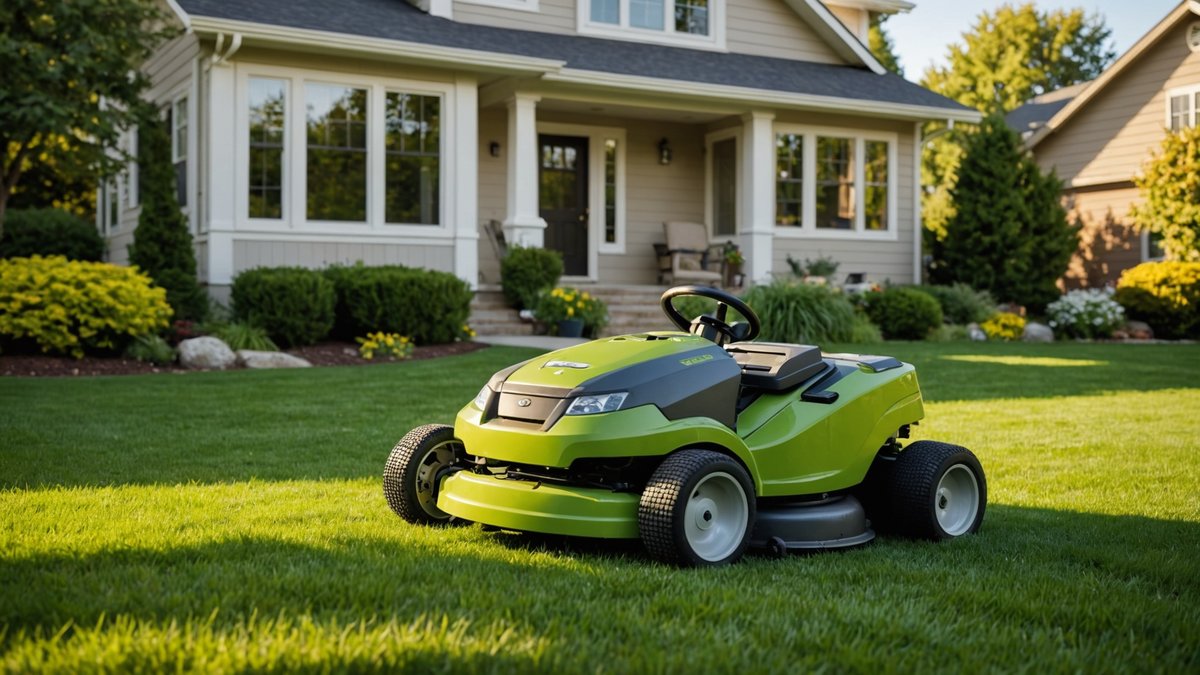
Imagine waking up to a perfectly manicured lawn—every day—without lifting a finger. That’s the promise of the robotic mower revolution, and it’s no longer a futuristic fantasy. But as these autonomous lawn mowers gain traction, the real question isn’t whether they’ll replace traditional mowing (spoiler: they won’t, at least not entirely). Instead, the conversation is shifting to how they’re reshaping the way we think about lawn care, efficiency, and even our weekends. Experts agree: the rise of smart mowing isn’t about replacement—it’s about reimagining what’s possible.
The Robotic Mower Boom: More Than a Gadget
The robot lawn mower market has exploded in recent years, with brands like Husqvarna, Worx, and Robomow leading the charge. These aren’t just novelty items for tech enthusiasts; they’re sophisticated machines designed to handle everything from small suburban yards to sprawling commercial properties. Unlike their early predecessors, today’s models are packed with AI-driven navigation, weather sensors, and even smartphone integration, allowing homeowners to control their mowing schedules with a tap.
So, why the sudden surge? For starters, time is a luxury. The average American spends 70 hours per year mowing their lawn, according to the U.S. Environmental Protection Agency. That’s nearly two full workweeks that could be reclaimed with an autonomous lawn mower. Add to that the growing demand for eco-friendly solutions—many robotic mowers are electric, reducing emissions and noise pollution—and it’s clear why these machines are winning over skeptics.
How Robotic Mowers Are Changing the Game
The shift toward smart mowing isn’t just about convenience; it’s about precision and sustainability. Here’s how these machines are setting a new standard:
- Consistent Results: Robotic mowers cut grass little and often, which promotes healthier lawns by preventing thatch buildup and encouraging denser growth. Unlike traditional mowers that might leave clumps or uneven patches, these machines deliver a golf-course-like finish every time.
- Time-Saving Automation: Set a schedule (or let the mower decide based on weather conditions), and your lawn stays trim without any effort on your part. Some models, like the Husqvarna Automower® 450X, even use GPS to optimize mowing patterns for maximum efficiency.
- Eco-Friendly Operation: Most robotic mowers are battery-powered, eliminating the need for gas and reducing your carbon footprint. They also mulch grass clippings, returning nutrients to the soil and reducing waste.
- Safety and Smart Features: Modern robot lawn mowers are equipped with lift and tilt sensors, automatic shutdown if they’re picked up, and obstacle detection to avoid pets, toys, or garden decor. Some even integrate with smart home systems like Alexa or Google Assistant.
- Scalability for Pros: Landscaping professionals are adopting robotic mowers for fleet automation, allowing them to manage multiple properties simultaneously. Brands like Mean Green Mowers and Belrobotics offer commercial-grade options for large-scale operations.
Of course, no technology is without its limitations. Robotic mowers still struggle with very steep slopes, thick brush, or highly uneven terrain—areas where a traditional mower (or a riding mower) might still be the better choice. But for the vast majority of homeowners, these machines are more than up to the task.
Robotic Mowers vs. Traditional Mowers: The Real Comparison
It’s easy to pit robotic mowers against their human-operated counterparts, but the truth is, they serve different purposes—and in many cases, they complement each other. Here’s how they stack up:
Robotic Mowers Win When It Comes To:
- Convenience: Once installed, they operate autonomously. No pushing, no sweat, no weekend chores.
- Consistency: They mow frequently, keeping your lawn looking pristine at all times.
- Low Maintenance: No oil changes, spark plugs, or air filters to replace—just occasional blade sharpening and battery checks.
Traditional Mowers Still Have the Edge For:
- Heavy-Duty Tasks: If you’re tackling overgrown grass, thick weeds, or rough terrain, a gas-powered mower may still be your best bet.
- One-Time Use: For homeowners who mow infrequently or have very small lawns, the upfront cost of a robot lawn mower (typically $800–$4,000) might not be justified.
- Immediate Results: Robotic mowers work gradually. If you need to cut a foot-tall lawn in one go, a traditional mower is the way to go.
For many, the ideal setup is a hybrid approach: a robotic mower for regular maintenance and a traditional mower for occasional heavy-duty work. Some homeowners even use robotic mowers for the front lawn and a push mower for the backyard or garden areas.
What’s Next for Smart Mowing?
The autonomous lawn mower industry is far from reaching its peak. Innovations on the horizon include:
- AI-Powered Navigation: Future models may use advanced AI to learn your lawn’s layout over time, avoiding obstacles more intelligently and adapting to seasonal changes.
- Solar-Powered Models: Some brands are experimenting with solar panels to extend battery life and reduce charging time.
- Swarm Technology: For commercial users, fleets of robotic mowers could work together to cover large areas more efficiently, communicating with each other to avoid overlap.
- Integration with Smart Homes: Expect deeper integration with home automation systems, allowing your mower to sync with sprinklers, weather stations, and even robotic pool cleaners for a fully automated outdoor space.
As these technologies mature, the line between robotic mowers and traditional mowers will continue to blur. But one thing is certain: the days of the weekend mowing ritual are numbered for those who embrace automation.
The Bottom Line: What This Means for You
So, will robot lawn mowers replace traditional mowing? Not entirely—but they will change how we think about lawn care. For homeowners tired of the weekly chore, these machines offer a compelling way to save time and maintain a beautiful lawn with minimal effort. For landscaping professionals, they present an opportunity to scale operations and reduce labor costs.
If you’re on the fence, consider this: the upfront cost of a robotic mower is often offset by the long-term savings in time, fuel, and maintenance. Plus, many users report that their lawns look better than ever after switching to smart mowing.
That said, robotic mowers aren’t a one-size-fits-all solution. Evaluate your lawn’s size, terrain, and your personal needs before diving in. And if you’re still unsure, many dealers offer rentals or trial periods—perfect for testing the waters before committing.
One thing’s for sure: the lawn care industry is evolving, and autonomous lawn mowers are leading the charge. Whether you’re ready to adopt one today or just curious about the future, this is a trend worth watching.
FAQ: Robotic Mowers and the Future of Lawn Care
### Are robotic mowers worth the investment?
For most homeowners with a lawn larger than 1,000 square feet, a robotic mower can pay for itself in time saved within a few years. If you value your weekends and want a consistently well-maintained lawn, the investment is often justified. However, for very small lawns or those with complex terrain, a traditional mower might still be the better choice.
### Can robotic mowers handle all types of grass and terrain?
Most robot lawn mowers perform well on level or gently sloping lawns with common grass types like Kentucky bluegrass, Bermuda, or fescue. However, they may struggle with very steep hills (typically anything over a 20–25% slope), thick brush, or wet, boggy areas. Always check the manufacturer’s specifications for slope and terrain capabilities before purchasing.
### How do robotic mowers compare to competitors like Husqvarna, Worx, and Robomow?
Each brand has its strengths. Husqvarna Automower® models are known for their reliability and smart features, while Worx Landroid mowers offer great value for budget-conscious buyers. Robomow excels in handling larger lawns with complex layouts. For commercial users, brands like Mean Green Mowers and Belrobotics provide heavy-duty options. Compare specs like battery life, cutting width, and app connectivity to find the best fit for your needs.
Source: Original Article

Author: AI Mow
AI Mow is the AI-assisted news desk of AI Mower News. It monitors manufacturer announcements, trade shows and industry sources, and drafts stories in our editorial voice. Every article is checked against its original source before publication — our fact gate holds anything that claims testing we did not do or specs the source does not support — and is published under this byline for transparency. How we work: https://aimowernews.com/editorial-guidelines/ · The people behind it: https://aimowernews.com/our-team/