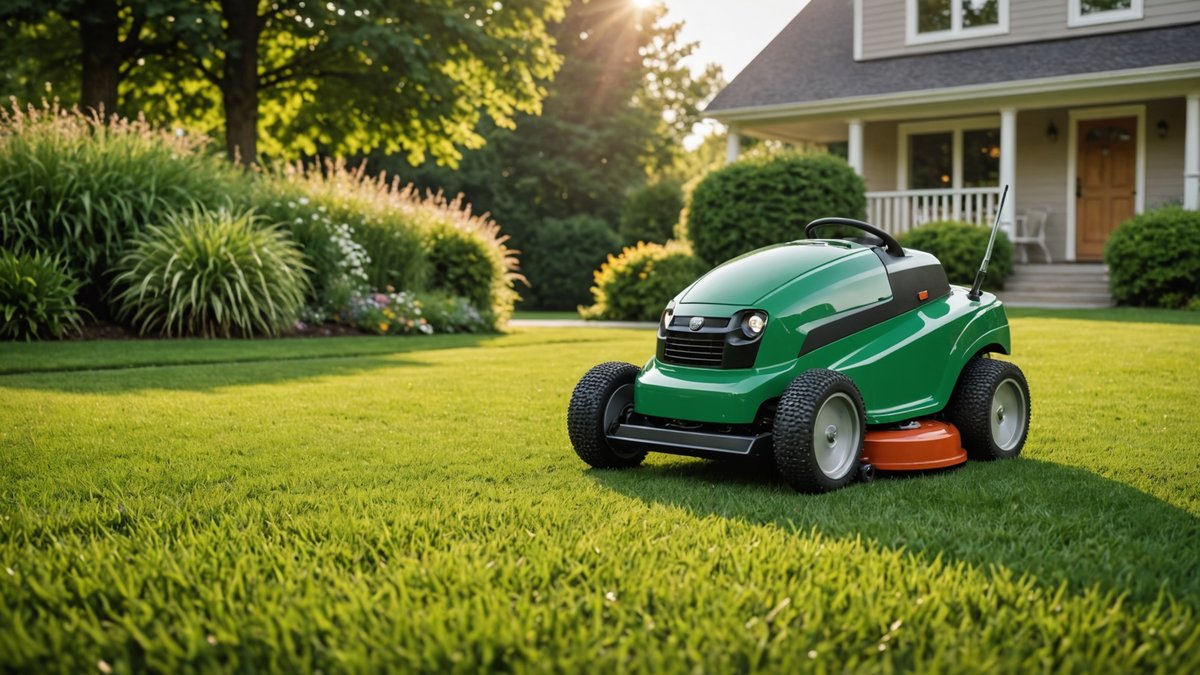
For many homeowners, the sight of a robotic mower silently gliding across the lawn, maintaining a pristine finish, is the epitome of modern convenience. These autonomous garden assistants have revolutionized lawn care, offering more free time and perfectly manicured grass. However, an unexpected debate is now brewing, particularly in Germany, where local authorities are raising concerns about the nocturnal habits of these machines and their potential impact on local wildlife, specifically hedgehogs.
The call from some German mayors for a night-time ban on robot lawn mower operation has put a spotlight on the delicate balance between technological convenience and ecological responsibility. It’s a critical discussion for anyone invested in smart mowing solutions, prompting us to consider how we can best integrate this innovative technology while safeguarding our natural environment.
The Nocturnal Threat: Hedgehogs and Robotic Mowers
The core of the issue lies in the natural behavior of hedgehogs. These beloved garden visitors are nocturnal, meaning they are most active during the night, foraging for food and moving between habitats. Unfortunately, this also coincides with a popular time for many homeowners to schedule their robotic mower to run.
While modern robotic mowers come equipped with various safety features – including lift sensors, bump sensors, and even some with basic obstacle detection – they are not always infallible against small, slow-moving creatures like hedgehogs. These animals tend to curl into a ball when threatened, a defense mechanism that, sadly, can make them more vulnerable to the rotating blades of a mower, rather than allowing them to escape or be detected as a larger obstacle.
Why Night Mowing Became Popular
It’s easy to understand why night-time operation appeals to many robot lawn mower owners. Scheduling the mower to work after dark means:
- Uninterrupted Daytime Use: The lawn is clear during the day for kids to play, pets to roam, or simply for enjoying your outdoor space without a machine running.
- Reduced Noise: While robotic mowers are incredibly quiet, running them at night ensures minimal disturbance during peak waking hours.
- Optimal Grass Health (Sometimes): Mowing during cooler night hours can sometimes be gentler on certain grass types, reducing stress from direct sun exposure, though daytime mowing in the morning or late afternoon is generally preferred for grass health.
The convenience of “set it and forget it” smart mowing often leads users to choose schedules that best fit their lifestyle, and for many, that means overnight operation.
Existing Solutions and Best Practices
The good news is that responsible robotic mower ownership already includes practices that can mitigate these risks. Many manufacturers and wildlife organizations advocate for:
- Daytime Operation: The simplest and most effective solution is to schedule your robotic mower to run during daylight hours when hedgehogs and other nocturnal wildlife are typically asleep and hidden.
- Pre-Mow Checks: Before initiating a mowing cycle, especially if you must mow near dusk or dawn, take a few minutes to walk your lawn and check for any wildlife. This is also good practice for removing toys, fallen branches, or other debris.
- Wildlife-Friendly Garden Design: Creating designated “wildlife corners” with longer grass or log piles can provide safe havens for hedgehogs and other small creatures, encouraging them away from the main lawn area.
- Advanced Sensors: While not perfect, newer robotic mower models are continually improving their obstacle detection capabilities. When purchasing a new unit, researching models with enhanced safety features is always a smart move.
What This Means for You
The debate in Germany serves as an important reminder for the global community of robotic mower owners and professionals. It highlights the need for a balanced approach to adopting new technologies.
For Homeowners:
Consider reviewing your robot lawn mower schedule. If you’re currently mowing at night, shifting to daytime operation (ideally early morning or late afternoon) is a simple change that can make a significant difference for local wildlife. Always perform a quick visual check of your lawn before your mower begins its cycle. Embrace the spirit of smart mowing by not just automating your lawn care, but also by doing so responsibly and with an awareness of your local ecosystem.
For Professional Landscapers:
This discussion presents an opportunity to educate your clients on best practices for robotic mower use. Offering “wildlife-friendly” scheduling as part of your service can be a valuable differentiator. Staying informed about potential local regulations regarding night-time operation, similar to the proposals in Germany, will be crucial for maintaining compliance and providing the best advice to your clients.
Ultimately, the goal is to enjoy the unparalleled convenience and efficiency of a robotic mower while ensuring our gardens remain safe
Source: Original Article

Author: AI Mow
AI Mow is the AI-assisted news desk of AI Mower News. It monitors manufacturer announcements, trade shows and industry sources, and drafts stories in our editorial voice. Every article is checked against its original source before publication — our fact gate holds anything that claims testing we did not do or specs the source does not support — and is published under this byline for transparency. How we work: https://aimowernews.com/editorial-guidelines/ · The people behind it: https://aimowernews.com/our-team/