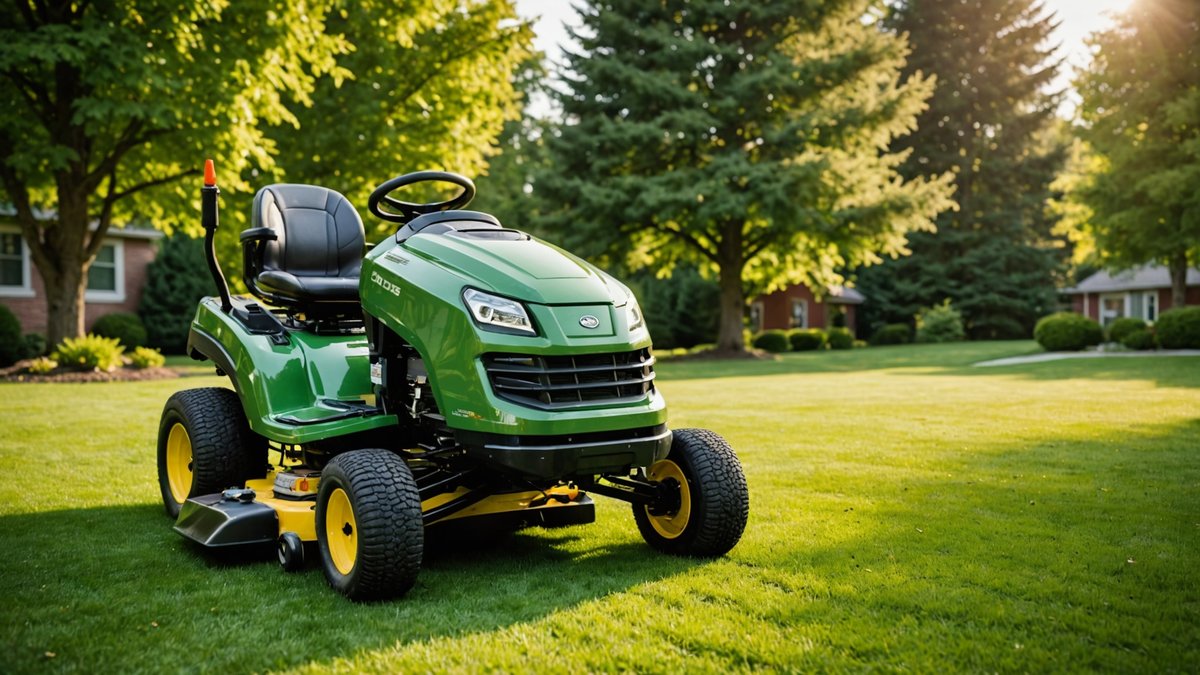
Manufacturer-stated. The 80\u00d780 cm hybrid lawn grid matches Nordic Lawn\u2019s listed product (checked 21 Sep 2026). AI Mower News has not independently tested this product.
\n
Could This Grid System Be the Key to a Perfect Robotic Mowing Experience?
Robotic lawn mowers are revolutionizing lawn care, offering convenience and precision. But let’s face it: some lawns just aren’t “ Robot -ready.” Uneven terrain, muddy patches, and persistent wear and tear can all pose challenges for even the most advanced robot lawn mower. Now, a new product aims to tackle these issues head-on: a flexible artificial grass grid designed to reinforce lawns and optimize conditions for smart mowing. Introducing the Hybrid Lawn Grid
The “Hybrid Lawn Grid” is an 80×80 cm (approximately 31.5 x 31.5 inches) panel constructed from a flexible, durable material. Its primary purpose is to provide a stable and even surface for your robot lawn mower, particularly in areas prone to damage or difficult terrain. While details are still emerging, the concept is straightforward: lay down these grids, and your robotic mower gains a smoother, more consistent surface to navigate. The grid design also promotes healthy grass growth by:
- Reinforcing high-traffic areas: Preventing ruts and bare patches caused by foot traffic or the robot lawn mower itself.
- Improving drainage: Reducing muddy areas that can bog down your robot.
- Protecting grass roots: Shielding them from excessive wear and tear.
Benefits of Using a Lawn Grid with Your Robot Lawn Mower
So, why consider using a lawn grid system with your robotic mower? Here are a few potential benefits:
- Enhanced Mowing Performance: A smoother surface translates to more consistent cuts and fewer missed spots. Your robot lawn mower can operate more efficiently and effectively.
- Extended Lawn Life: By protecting the grass and promoting healthy growth, the grid system can help your lawn withstand the rigors of robotic mowing and general use.
- Reduced Maintenance: Fewer ruts, less mud, and less wear and tear mean less time and effort spent on lawn repairs.
- Improved Robot Longevity: A smoother operating surface can reduce the strain on your robotic mower’s motors and wheels, potentially extending its lifespan.
Is This Artificial Grass?
It’s important to note that the “Hybrid” in the name suggests that this grid is designed to work *with* your existing grass, not replace it. The open grid structure allows grass to grow through it, providing a natural look and feel while still offering the benefits of reinforcement and stabilization. It’s a hybrid approach to lawn care, blending the natural with the technological.
What This Means for You
For Homeowners: If you’ve struggled to achieve a perfectly manicured lawn with your robot lawn mower due to uneven terrain or persistent wear, the Hybrid Lawn Grid could be a game-changer. It’s a relatively simple and potentially cost-effective way to optimize your lawn for smart mowing and enjoy a consistently beautiful yard. Keep an eye out for availability and pricing to see if it fits your budget and needs.
For Landscaping Pros: As robotic mower adoption increases, clients will expect flawless results. The Hybrid Lawn Grid offers a solution for problem areas, allowing you to deliver consistently high-quality cuts, even on challenging properties. This could be a valuable tool for enhancing your service offerings and ensuring customer satisfaction with automated mowing solutions.
Diving Deeper: Understanding the Technical Specifications
While the initial details of the Hybrid Lawn Grid are promising, understanding the technical specifications is crucial before making a purchase. Let’s delve into the aspects that matter most to robotic mower users.
Material Composition and Durability
The type of material used in the grid’s construction will significantly impact its longevity and performance. We need to know whether it’s made from recycled plastics, virgin polymers, or a composite material. Key factors include:
- UV Resistance: Exposure to sunlight can degrade many plastics over time. A UV-resistant material will prevent the grid from becoming brittle and cracking.
- Weather Resistance: The grid should be able to withstand temperature fluctuations, rain, snow, and ice without warping or deteriorating.
- Load-Bearing Capacity: The grid needs to support the weight of the robotic mower and foot traffic without collapsing or deforming.
- Chemical Resistance: Resistance to common lawn care chemicals like fertilizers and herbicides is essential to prevent degradation.
Ideally, the manufacturer will provide detailed specifications on the material’s properties and expected lifespan under typical lawn conditions. Look for certifications or independent testing that validates these claims.
Grid Design and Grass Growth
The grid’s design is also critical for promoting healthy grass growth. Factors to consider include:
- Open Area Percentage: The percentage of the grid that’s open space determines how much sunlight, water, and air can reach the grass roots. A higher percentage is generally better for grass growth.
- Cell Size and Shape: The size and shape of the grid’s cells can affect how easily grass can grow through it. A design that allows for unimpeded vertical growth is ideal.
- Grid Height: The height of the grid above the soil surface can influence how well it protects the grass roots. A slightly elevated grid can also improve drainage.
Consider looking for grids with a design that mimics natural turf conditions, allowing for optimal grass growth and a seamless integration with the existing lawn.
Installation and Maintenance
The ease of installation and maintenance is another important factor to consider. Key questions to ask include:
- Installation Method: Does the grid simply lay on top of the soil, or does it require anchoring? Anchoring may be necessary on sloped lawns or in areas with heavy foot traffic.
- Cutting and Shaping: Can the grid be easily cut and shaped to fit around obstacles like trees, shrubs, and flower beds?
- Cleaning and Maintenance: Does the grid require regular cleaning to prevent debris buildup? Can it be easily removed for lawn aeration or other maintenance tasks?
A user-friendly installation process and minimal maintenance requirements will save you time and effort in the long run.
Pricing and Availability
While the Hybrid Lawn Grid shows promise, pricing and availability will be crucial factors in its adoption. It’s essential to compare the cost of the grid system with other lawn reinforcement options, such as:
- Traditional Lawn Repair: Filling ruts, reseeding bare patches, and applying soil amendments.
- Artificial Turf: Replacing natural grass with synthetic turf.
- Other Grid Systems: Comparing different brands and designs of lawn grids.
Consider the long-term costs and benefits of each option when making your decision. The Hybrid Lawn Grid may have a higher initial cost than traditional lawn repair, but it could save you money in the long run by reducing maintenance and extending lawn life.
Check with online retailers, home improvement stores, and landscaping suppliers for availability and pricing information. Look for introductory offers or discounts that can help you save money.
Expert Analysis: Is the Hybrid Lawn Grid Right for Your Lawn?
The Hybrid Lawn Grid appears to be a promising solution for improving robotic mower performance and enhancing lawn health. However, it’s not a one-size-fits-all solution. Here’s an expert analysis to help you determine if it’s right for your lawn:
Ideal Use Cases
The Hybrid Lawn Grid is particularly well-suited for lawns with the following characteristics:
- Uneven Terrain: Lawns with bumps, dips, and other irregularities that can hinder robotic mower navigation.
- High-Traffic Areas: Areas that experience heavy foot traffic, such as walkways, play areas, and pet runs.
- Muddy Patches: Areas with poor drainage that are prone to mud and standing water.
- Sloping Lawns: Lawns with steep slopes where robotic mowers may struggle to maintain traction.
Potential Drawbacks
While the Hybrid Lawn Grid offers many benefits, there are also some potential drawbacks to consider:
- Initial Cost: The upfront cost of the grid system may be higher than traditional lawn repair methods.
- Aesthetics: Some homeowners may not like the look of the grid, especially if it’s highly visible.
- Maintenance: While the grid is designed to be low-maintenance, it may require occasional cleaning to prevent debris buildup.
Final Verdict
The Hybrid Lawn Grid is a potentially valuable tool for optimizing lawns for robotic mowing and improving overall lawn health. If you have a lawn with uneven terrain, high-traffic areas, or muddy patches, it’s worth considering. However, be sure to weigh the costs and benefits carefully before making a purchase. Consider starting with a small test area to see how the grid performs on your lawn before investing in a larger area.
📰 Related Articles
- Scythe Robotics Acquired: What It Means for AI Mowers
- Robotic Lawn Mower Market Booming: $3.66 Billion by 2032
- Worx Landroid Vision Cloud: Smarter Mowing, Bigger Yards
- RoboUP Raccoon 2 SE: Affordable Smart Mowing for Smaller Yards
🔗 Essential Resources
- 📖 Manual Finder — 51 brands, 195+ models
- 🤖 AI Support Assistant — instant troubleshooting
- 📐 Complete Guide to Robotic Mowers 2026
- 🏆 Independent Rankings 2026
- ⚠️ Buyer’s Guide: What Dealers Won’t Tell You

Author: AI Mow
AI Mow is the AI-assisted news desk of AI Mower News. It monitors manufacturer announcements, trade shows and industry sources, and drafts stories in our editorial voice. Every article is checked against its original source before publication — our fact gate holds anything that claims testing we did not do or specs the source does not support — and is published under this byline for transparency. How we work: https://aimowernews.com/editorial-guidelines/ · The people behind it: https://aimowernews.com/our-team/