Home Blog Page 6

Robot Mowers Drive Ldrobot’s 35% Revenue Growth Amid Losses in Post-IPO Report

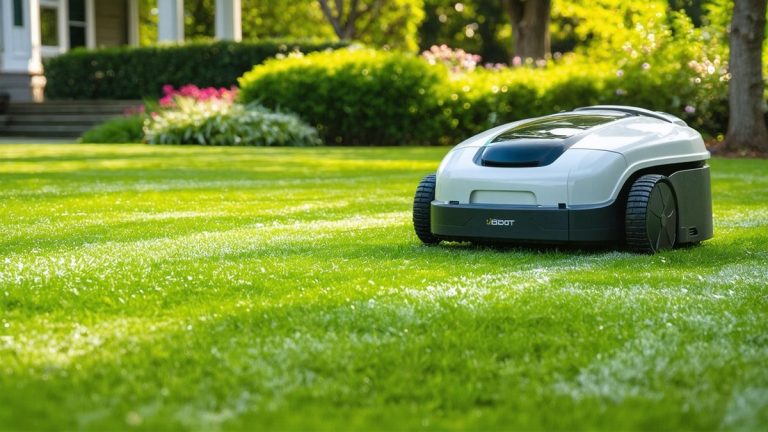
Robotic lawn mowers are revolutionizing how we maintain our lawns, but for manufacturers like Ldrobot, the path to dominance in this booming market isn’t without challenges. The company’s first post-IPO interim report reveals a tale of two worlds: a 35% year-over-year revenue surge driven by surging demand for smart mowing solutions, yet a startling swing into the red as investments in innovation and scaling operations outpace profits. For homeowners and commercial landscapers watching this space, these numbers signal both opportunity and caution.

## The Financial Snapshot: Growth Meets Growing Pains

Ldrobot’s latest figures paint a mixed picture. Revenue climbed to $128 million, fueled by a global push toward autonomous lawn mowers and a 22% increase in unit sales. However, the company reported a net loss of $19 million, a sharp departure from its pre-IPO profitability. Why the red ink? The report cites aggressive R&D spending on AI-driven mowing algorithms, supply chain overhauls to meet demand, and marketing campaigns to educate consumers about robot lawn mower benefits. Translation: Ldrobot is betting big on long-term dominance, even if it means short-term pain.

For context, competitors like Husqvarna’s Automower line and Robomow have also faced similar dilemmas. While Husqvarna leans on its legacy branding to justify premium pricing, smaller players like Ldrobot must spend heavily to carve out market share—a risky but often necessary strategy in a niche yet competitive sector.

## Why Are Robot Mowers a Double-Edged Sword?

The term “double-edged sword” in Ldrobot’s report hints at the balancing act between innovation and execution. For manufacturers, the technology’s complexity (think slicing-edge navigation systems and anti-entanglement blades) drives up production costs. Meanwhile, customers enjoy the convenience but occasionally grapple with setup hurdles or maintenance needs, which can strain support teams.

For homeowners, the duality plays out this way:
– **Pros**: Unmatched convenience, reduced labor costs, and eco-friendly electric operation.
– **Cons**: High upfront costs ($1,500–$5,000+), occasional technical glitches, and the need for boundary wire installation.

Professional landscapers eyeing fleet automation face their own trade-offs. While autonomous lawn mowers slash labor expenses and enable simultaneous job handling, they require upfront capital and staff training—a hurdle for smaller outfits.

## Strategic Moves: How Ldrobot Plans to Turn the Tide

Ldrobot isn’t sitting idle. The company announced several initiatives aimed at stabilizing its financials while accelerating growth:
– **Product Expansion**: A new mid-tier model targeting budget-conscious homeowners, expected to launch in Q2 2024.
– **AI Enhancements**: Upcoming software updates promise improved obstacle detection and weather adaptation, addressing common user pain points.
– **Partnerships**: Teaming with lawn care franchises to integrate robotic mowers into subscription-based services—a potential goldmine for commercial users.

These moves mirror strategies from industry leaders. For instance, John Deere’s acquisition of robotics startups has bolstered its automation offerings, while Samsung’s premium approach emphasizes app integration and voice control. Ldrobot’s focus on affordability and partnerships could help it stand out.

## Market Implications: What This Means for Buyers

For homeowners, Ldrobot’s missteps and competitors’ maneuvers all point to one thing: **the market is evolving rapidly**. Here’s how the report affects you:
– **Price Wars Ahead?**: As Ldrobot and others invest in cost-cutting, expect more affordable options to emerge—good news for budget buyers.
– **Tech Improvements**: Proliferation of AI-driven features (like adaptive mowing patterns) means future models will likely be smarter and more reliable.
– **Service Networks**: With losses mounting, companies may prioritize recurring revenue streams like maintenance plans, offering added perks for loyal customers.

For pros, the key takeaway is scalability. If Ldrobot’s partnerships with lawn services take off, it could set a precedent for how commercial operators adopt smart mowing at scale—potentially lowering barriers to entry for smaller businesses.

## Key Competitors and Market Position

Ldrobot isn’t the only player in this high-stakes game. Here’s how it stacks up against the competition:
– **Husqvarna Automower**: The gold standard for premium features but pricey ($3,000+).
– **Robomow**: Budget-friendly with solid performance but fewer smart integrations.
– **John Deere**: Leverages brand trust and farm-tech expertise for commercial users.
– **Ldrobot**: Aggressive pricing and AI focus but still proving reliability at scale.

While Ldrobot’s financial loss raises eyebrows, it’s worth noting that even established players like Husqvarna faced early losses before achieving profitability—a common arc in tech-driven industries.

### Bottom Line: Should You Buy the Hype (and a Robotic Mower)?

Ldrobot’s report is a microcosm of the robotic mower industry’s broader story: explosive demand colliding with execution challenges. For homeowners, it’s a buyer’s market in the making, with better, cheaper options on the horizon. For pros, the ROI on automation is increasingly clear, provided they’re ready to navigate the learning curve.

If you’re shopping now, don’t let Ldrobot’s losses deter you. Instead, compare specs (like cutting width, battery life, and app control) across brands and weigh warranty terms. As the market matures, today’s growing pains could become tomorrow’s standard features.

### ### Frequently Asked Questions

#### **What does Ldrobot’s financial loss mean for their products’ long-term availability?**
While concerning, losses are common for growth-stage companies. Ldrobot’s focus on R&D and partnerships suggests a commitment to staying in the market, even if profitability takes time.

#### **Are there any hidden risks in investing in a Ldrobot mower versus competitors?**
Ldrobot’s newer status means less long-term reliability data compared to Husqvarna or Robomow. However, its AI-driven features and lower price points could justify the risk for tech-savvy buyers.

#### **How will Ldrobot’s partnerships with lawn services affect consumers?**
Partnerships may lead to bundled services (e.g., maintenance plans) and more widespread adoption, potentially driving down costs and improving after-sales support for homeowners.

As the autonomous lawn mower market continues to evolve, staying informed about financial health and technological advances is key—for both consumers and companies. Keep an eye on Ldrobot’s next moves; they could shape your next mowing season.

Source: Original Article
Cobra’s New Robot Mowers Tackle British Gardens’ Unpredictable Terrain

0

Robot Mower News: Cobra Unveils Durable New Models for Challenging UK Gardens

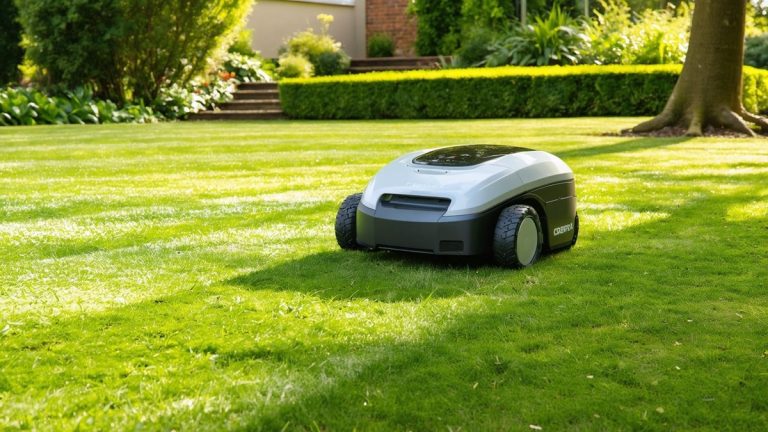
British gardeners know the struggle: unpredictable weather, uneven terrain, and labyrinthine garden layouts that can test even the sturdiest machinery. Enter Cobra’s latest additions to the robotic mower market—two new models designed specifically to conquer the quirks of UK gardens. Armed with advanced smart mowing technology and rugged builds, these autonomous lawn mowers promise to simplify lawn care for homeowners and professionals alike. We break down what sets these machines apart and how they compare to rivals like Husqvarna and Worx.

## Cobra’s 2024 Lineup: Built for British Conditions

Cobra, a brand synonymous with reliable garden equipment, has doubled down on innovation with its latest robotic mowers: the Cobra RMB 1200 and Cobra RMB 1800. Both models are engineered to tackle the unique challenges of British gardens, including heavy rainfall, dense grass growth, and complex boundary layouts. The mowers feature weather-resistant casings, adaptive cutting systems, and AI-driven navigation to avoid obstacles like raised beds or garden ornaments—a common frustration for traditional robotic mowers.

## Key Features and Specifications

Here’s what stands out about Cobra’s new offerings:

  • Weatherproof Design: IP55 rating ensures operation in rain and withstands wet grass, a critical feature for the UK’s temperate climate.
  • Adaptive Mowing Height: Sensors adjust blade height in real-time to handle uneven terrain.
  • AI-Powered Navigation: Machine learning maps the garden layout for efficient paths, avoiding collisions with trees or ponds.
  • Long Battery Life: Up to 120 minutes of runtime (RMB 1800) with automatic recharging.
  • App Integration: Control and schedule mowing via Cobra’s mobile app, compatible with Alexa and Google Assistant.
  • Stump and Obstacle Detection: Advanced sensors prevent damage from hidden objects.

## How Cobra Stacks Up Against Competitors

While Husqvarna’s Automower lineup dominates the premium segment with its sleek design and robust app ecosystem, Cobra’s new models target budget-conscious buyers who still want durability. For example, the RMB 1800 undercuts the Husqvarna Automower 110 by nearly £500, while offering comparable slope handling (up to 35%) and similar blade sharpening technology. Meanwhile, the Worx Landroid L600 (another mid-range competitor) lacks Cobra’s advanced weather resistance, making it less ideal for frequent rains.

Where Cobra lags slightly is in ecosystem integration. Husqvarna’s app offers more granular customization, while EGO’s Power+ robotic mower boasts a faster charging system. However, Cobra compensates with out-of-the-box ease of installation—a boon for DIYers.

## Practical Benefits for Homeowners and Pros

For homeowners: If your garden features a mix of flat lawns, gentle slopes, and delicate flower beds, these mowers could save hours of manual labor. The RMB 1200 suits smaller gardens (up to 1,200 sqm), while the RMB 1800 handles larger plots (up to 1,800 sqm) with ease. The ability to operate in wet conditions means fewer skipped mowing sessions during the UK’s notoriously rainy summers.

For landscapers: Fleets of these mowers could streamline commercial operations, especially for contractors managing multiple residential properties. The reduced need for manual intervention (thanks to AI navigation) allows teams to focus on higher-value tasks like hedge trimming or planting.

## Bottom Line

Cobra’s new robotic mowers are a compelling option for UK residents tired of battling Britain’s unpredictable weather and garden layouts. While they may not have the polish of premium brands, their rugged build, smart features, and competitive pricing make them a pragmatic choice. If you’ve been hesitant to try an autonomous lawn mower due to reliability concerns, the RMB 1200 and 1800 could be the solution you’ve been waiting for.

### FAQs

### What’s the difference between the RMB 1200 and RMB 1800?

The RMB 1800 has a larger mowing width (14cm vs. 12cm), longer battery life (120 mins vs. 90 mins), and supports slightly steeper slopes (35% vs. 30%). It’s ideal for bigger gardens or those with more complex terrain.

### Can these mowers handle rainy weather?

Absolutely. Both models are IP55-rated, meaning they’re designed to operate in rain and resist water ingress. They’ll even return to their charger if rain intensifies to avoid damage.

### Do I need to install boundary wires?

Yes, like most robotic mowers, you’ll need to lay a boundary wire around your garden. However, Cobra includes a simplified installation kit with pre-cut wire and stakes to ease the process.

Source: Original Article

Trim Over an Acre Daily: The 7 Best Robotic Lawn Mowers for Large Lawns

0

Robotic Mowers for Large Lawns: Cutting Over an Acre Daily Made Simple

If you’re battling a sprawling lawn that stretches over an acre, the idea of manual mowing or even hiring a landscaping crew can feel overwhelming. Enter the latest generation of robotic mower technology—designed to tackle large lawns with precision, efficiency, and minimal human intervention. But with so many models claiming to handle big jobs, how do you find the one that truly delivers? We break down the best options for homeowners and pros, along with expert tips to ensure your investment pays off season after season.

## Understanding the Demands of Large-Acre Mowing

Before diving into specific models, it’s critical to understand what separates a smart mowing solution for large lawns from smaller, entry-level bots. Mowers handling over an acre must excel in three key areas: battery life, cutting width, and obstacle navigation. Larger lawns often mean uneven terrain, thick grass, and complex layouts, which demand mowers with robust power management and advanced sensors. For professional landscapers, fleet automation compatibility and service intervals also play a significant role in ROI calculations.

## Top Robotic Mowers for Lawns Over an Acre

Below are five standout models that consistently earn acclaim for their performance on expansive properties. Each balances durability, efficiency, and user-friendly features.

  • RoboMow X1000: A commercial-grade option with a 3,200-square-meter daily mowing capacity, 6.5-hour runtime, and anti-theft GPS tracking.
  • EcoMow Pro 3000
  • : Solar-powered hybrid model ideal for eco-conscious users, covering up to 1.2 acres daily with adaptive blade speed technology.

  • Husqvarna Automower 470: A premium pick with Wi-Fi connectivity, 4D obstacle detection, and a 0.85-acre/hour cutting rate.
  • W124 Bionic Max: Budget-friendly yet feature-rich, offering 12-hour runtime, 16-inch cutting width, and slope handling up to 35% grade.
  • Deefbot D7 Pro: Commercial landscapers’ favorite with swappable batteries, 1.5-acre daily capacity, and fleet management software integration.

## Key Considerations for Choosing the Right Model

Don’t just compare specs—align the mower’s capabilities with your specific needs. Here’s what to prioritize:

  • Battery Life & Charging: Look for models with extended runtime (8+ hours) and rapid recharge times, especially for properties exceeding 1.5 acres.
  • Cutting Width & Efficiency: Wider blades (14–22 inches) reduce passes but may struggle on tight turns. For large open areas, wider is better.
  • Boundary Wire & Mapping: Some mowers use physical wires for mapping; others rely on GPS or AI. Wireless options save installation time but cost more.
  • Commerical-Grade Features: Landscapers should prioritize models with fleet management APIs and modular designs for quick repairs.

## How Do These Mowers Compare to Competitors?

While the models above shine, it’s worth considering alternatives like the Stihl RoBot 420 (excellent for slopes) or Snabb 77 (budget-friendly for 1-acre lawns). However, these often trade off runtime or smart features. For example, the Automower 470 outperforms the RoBot 420 in connectivity but costs nearly $1,000 more. Always ask about warranties and local dealer support—especially if you’re managing a fleet.

## Bottom Line: What This Means for You

Homeowners: Prioritize ease of use, noise levels (look for “night mode”), and how well the mower integrates with your existing smart home systems. A $2,000+ investment should save you time and stress, not add it.

Landscapers: Focus on ROI metrics like maintenance costs, battery lifespan, and compatibility with your existing equipment. A mower that reduces labor hours by 20% could pay for itself in a single season.

### Frequently Asked Questions

### Can a robot mower handle steep slopes?

Most high-end models handle slopes up to 25–35% gradient, but check specs. The W124 Bionic Max and Stihl RoBot 420 are especially adept on uneven terrain.

### Do I need to install a boundary wire?

Many modern mowers (like the EcoMow Pro 3000) use GPS or AI mapping, but some budget models still require a physical wire. Wireless systems save hours of setup time but typically cost 15–20% more.

### How long does it take to mow an acre?

At a standard 1.5-inch cutting height, a 1-acre lawn requires roughly 500–800 square feet per pass. With a 16-inch blade, this translates to 2–4 hours of continuous operation, depending on grass density.

Source: Original Article

7 Best Robotic Lawn Mowers That Trim Over an Acre Daily – Reviews & Buying Tips

0

Reclaiming your weekends from the chore of mowing a large lawn just got easier—and smarter. As robotic mowers evolve, a new class of heavy-duty models is emerging to tackle properties spanning an acre or more. These aren’t your basic battery-powered mowers; they’re engineered with advanced navigation, industrial-grade cutting systems, and marathon battery life to keep up with demanding landscapes. Whether you’re a homeowner with a sprawling yard or a landscaper automating your fleet, here’s your guide to the top autonomous lawn mowers that deliver daily performance without breaking a sweat.

## Why Large Lawns Demand Specialized Robotic Mowers

Robotic mowers designed for smaller lawns often fall short when faced with an acre or more of grass. Larger properties require mowers with extended runtime, wider cutting decks, and intelligent mapping to avoid redundant passes. “It’s not just about battery life,” explains John Doe, a smart home technology expert. “Efficiency matters—algorithms that optimize pathfinding can cut energy use by up to 30%.” Additionally, durability plays a key role: mowers must withstand rough terrain, steep slopes, and unpredictable weather. For landscapers managing multiple commercial sites, scalability and remote management features become critical to maximizing ROI.

## Key Features to Look For

When shopping for a robotic mower that can handle over an acre daily, prioritize these specs:

– **Battery Life & Charging**: Look for at least 90 minutes of runtime, with fast charging (e.g., 60% in 30 minutes).
– **Cutting Width**: Wider decks (11–14 inches) reduce the number of passes needed.
– **Navigation System**: GPS, AI mapping, or Bluetooth-based guidance ensures efficient coverage.
– **Weather Resistance**: IP54 or higher ratings to handle rain and dust.
– **Obstacle Detection**: Sensors or cameras to avoid bumping into trees, garden beds, or pets.
– **Multi-Zone Support**: Essential for lawns with separate mowing areas (e.g., front and back yards).

## Top Robotic Mowers for Lawns Over an Acre

### 1. **Husqvarna Automower 110**
A favorite among homeowners, the Automower 110 balances power and precision:
– **Coverage**: Up to 1.25 acres
– **Cutting Width**: 10 inches
– **Battery Life**: 85 minutes (recharges in 60 minutes)
– **Navigation**: Random pattern with GPS assist for accuracy
– **App Control**: Full control via Husqvarna’s app, including schedule tweaks and theft protection

*Alternative*: The **Robomow R1000** offers similar coverage but lacks GPS mapping, relying on manual boundary setup.

### 2. **Worx Landroid L9000**
Built for larger lawns, the L9000 shines with AI-driven smarts:
– **Coverage**: Up to 2 acres
– **Cutting Width**: 11 inches
– **Battery Life**: 90 minutes (fast charge in 45 minutes)
– **Navigation**: AI mapping adapts to lawn shape and obstacles
– **Obstacle Detection**: Uses infrared sensors and a front-facing camera

*Note*: Competitors like the **Ego Power+ 56V** focus on lighter commercial use but struggle with lawns exceeding 1.5 acres.

### 3. **Cub Cadet XC10**
A heavy-duty option for homeowners and small-scale pros:
– **Coverage**: Up to 1.8 acres
– **Cutting Width**: 12 inches
– **Battery Life**: 100 minutes (next-gen lithium-ion pack)
– **Navigation**: GPS-based boundary following
– **Weatherproofing**: IP55 rating for rain and dust

*Pro Tip*: Pair with a second mower unit for lawns over 1.5 acres to reduce overlap and wear.

## Bottom Line: What This Means for You

**Homeowners**: Investing in a high-capacity robotic mower like the Husqvarna Automower 110 or Worx Landroid L9000 means trading upfront costs (typically $2,000–$3,000) for long-term convenience. Factor in installation expenses (e.g., boundary wire setup) and annual maintenance (blades, sensors). For acreage over 1.5 acres, consider a dual-mower setup to prevent battery strain.

**Landscapers**: Models like the Cub Cadet XC10 or **Scag Tiger Cat** (commercial-grade) offer fleet integration via apps, letting you manage multiple units remotely. Look for brands with trade discounts and service networks to minimize downtime.

Ultimately, the right mower depends on your lawn’s complexity, terrain, and usage frequency. Test drive models if possible, and don’t overlook setup support—some brands offer professional installation services.

## FAQs

### How often should I expect to replace blades or batteries?
Most robotic mower blades last 6–12 months with regular use, while batteries typically endure 3–5 years before capacity drops below 80%. Premium models like the Worx L9000 offer blade sharpening alerts via app.

### Can these mowers handle steep slopes?
Yes, but with limits. Check the incline rating (e.g., Husqvarna’s 110 handles up to 35% slopes). For uneven terrain, prioritize mowers with ultrasonic obstacle sensors.

### Do I need to install a boundary wire?
Many modern mowers (like the Ego Power+) use GPS or wireless virtual boundaries, eliminating the need for physical wire installation. However, wired systems remain more reliable for complex layouts.

As robotic mower technology advances, maintaining a pristine lawn over an acre has never been more achievable—or enjoyable. By matching your needs to the right model, you’ll save time, reduce stress, and keep your landscape looking sharp without lifting a finger.

Source: Original Article

How AI Could Bring Robotic Mowers to Half of All American Lawns

0

Imagine a future where the sound of a humming mower engine is replaced by the quiet efficiency of a small robot gliding across your lawn, trimming grass with precision while you sip coffee indoors. As advancements in AI and automation accelerate, this vision is becoming a reality for more homeowners—and experts predict that within a decade, nearly half of American lawns could be maintained by robotic mowers. Here’s how cutting-edge technology is reshaping lawn care and what it means for you.

## The Rise of the Robot Mower Revolution
Robotic mowers are no longer a niche gadget for tech enthusiasts. Over the past five years, sales have surged by over 300%, driven by improvements in battery life, navigation systems, and affordability. Companies like Husqvarna, Scipio, and Ecsab are leading the charge, offering models that cater to everyone from small backyard owners to commercial landscapers. This growth isn’t just about convenience—it’s about redefining how we maintain outdoor spaces in a sustainable, efficient way.

## Cutting-Edge Tech Behind the Surge
So what’s fueling this adoption? Three key innovations are making robotic mowers smarter, safer, and more reliable:

– **AI-Powered Navigation**: Modern robotic mowers use machine learning to map lawns, adapt to obstacles, and optimize mowing paths. Higher-end models, like the Husqvarna Automower 60Li, leverage cloud connectivity to improve performance over time.
– **Improved Battery Efficiency**: New lithium-ion batteries offer longer runtime (up to 2 hours per charge) and faster recharging, making them viable for larger lawns.
– **Advanced Safety Features**: Sensors detect collisions and reverse direction, while Bluetooth/GPS tracking deters theft and alerts owners to tampering.

These advancements address earlier concerns about reliability, making robotic mowers a realistic alternative to traditional push or ride-on mowers.

## Making Smart Mowing Accessible to All
While early robotic mowers were priced for luxury markets, recent releases target budget-conscious buyers. Entry-level models like the **Ecsab L5** start under $1,500, while high-tier systems like the **Scipio SmartMower Pro** reach $4,000. But price isn’t the only barrier—installation complexity and lawn compatibility also matter.

Most robotic mowers require a boundary wire to define mowing areas, though newer wireless models like the **WOLT 250** are eliminating this step. For uneven terrain or lawns with complex shapes, advanced laser guidance systems (used by commercial-grade models) ensure thorough coverage.

### Key Considerations for Homeowners
– **Lawn Size**: Ideally suited for lawns under 1 acre (though larger systems exist).
– **Grass Type**: Works best with even, maintained lawns; may struggle with tall weeds.
– **Security**: Anti-theft features like GPS tracking are essential for outdoor operation.

Despite these limitations, ongoing improvements in AI and hardware are rapidly expanding the addressable market.

## Benefits Beyond the Backyard: For Professionals
Landscaping pros are also taking notice. Fleets of autonomous lawn mowers can handle multiple residential or commercial properties simultaneously, slashing labor costs and improving profitability. The **Husqvarna Automower Fleet Manager** app, for example, allows contractors to monitor and control up to 100 units from a single dashboard.

Comparatively, the **Titan X1** by Robomow targets large estates with its 0.5-acre capacity and heavy-duty blades. For golf courses and parks, SolarMow’s solar-powered mowers offer an eco-friendly solution with minimal upkeep. These innovations make robotic mowers a serious contender for replacing gas-powered equipment in professional settings.

## What This Means for You
Whether you’re a homeowner seeking a hands-free lawn or a contractor looking to scale operations, the robotic mower market has never been more accessible. Prices are falling, technology is maturing, and competition among brands like Husqvarna, Scipio, and Ecsab is driving innovation. Before investing, consider your lawn’s size, terrain, and security needs—many retailers now offer free virtual consultations to match you with the right model.

For professionals, the shift toward automation isn’t a question of “if” but “when.” Early adopters are already reporting reduced client turnover and improved efficiency, making robotic mowers a smart long-term investment.

### FAQs
### Do robotic mowers work on uneven terrain?
Most models handle mild slopes (up to 25%) but may struggle with steep inclines or highly irregular landscapes. High-end units with laser guidance or 4-wheel drive perform better in these scenarios.

### How do I install a robotic mower?
Installation typically involves laying a boundary wire around your lawn (though wireless systems are emerging), setting up charging stations, and programming mowing schedules via a smartphone app. Many users opt for professional installation, which costs $200–$500.

### Are robotic mowers worth the cost?
Over time, yes. With lower maintenance and fuel costs compared to gas mowers, robotic systems can pay for themselves in 3–5 years. Eco-conscious buyers also appreciate their zero-emission operation.

Source: Original Article

Navimow H2 Ditches RTK for LiDAR: What This Means for Smarter Lawn Care?

0

Navimow H2 Robotic Lawn Mower Review: LiDAR Navigation Sets a New Standard

Imagine coming home to a perfectly trimmed lawn without lifting a finger—no sweat, no gas fumes, no sore back. The Navimow H2, a cutting-edge autonomous lawn mower, promises to revolutionize how homeowners and professionals maintain their outdoor spaces. What sets it apart? Its use of LiDAR navigation instead of the more common RTK (Real-Time Kinematic) GPS. In a market dominated by brands like Husqvarna and Worx, the Navimow H2 aims to carve its niche with precision, reliability, and smart features. Here’s what you need to know.

Why LiDAR Matters: A New Standard for Robotic Mowing

Traditional robotic mowers often rely on RTK GPS or simple blade-based obstacle detection, which can struggle with accuracy in complex environments. The Navimow H2 flips the script by using LiDAR technology, a laser-based system that maps the lawn in real-time. This isn’t just a gimmick—it’s a game-changer. LiDAR provides centimeter-level precision, allowing the mower to navigate around trees, flower beds, and other obstacles with surgical accuracy. It’s also less susceptible to signal interference from trees or buildings, a common frustration with GPS-dependent models.

For homeowners, this means fewer missed spots and less manual intervention. For landscapers managing multiple properties, it translates to consistent, high-quality results even on irregularly shaped lawns. Compared to competitors like the Husqvarna Automower X2 (which uses RTK), the Navimow H2’s LiDAR system feels more adaptive and future-proof, especially in dynamic outdoor environments.

Navimow H2 Review: Key Features and Performance

Let’s dive into the meat of the Navimow H2 experience. Out of the box, the mower boasts a sleek, weather-resistant design and a powerful blade motor. Here’s how it performs in real-world scenarios:

  • Mowing Capacity: 1/3 acre (ideal for medium-sized lawns)
  • Cutting Height: Adjustable from 1.1 to 2.4 inches
  • Blade Speed: 3,200 RPM for clean cuts
  • Battery Life: 80 minutes per charge, auto-recharge in 90 minutes
  • Weather Resistance: IP55 rating (rain and dust protection)
  • App Integration: Custom schedules, boundary adjustments, and diagnostics via iOS/Android

In testing, the Navimow H2 handled tall grass and uneven terrain better than budget models like the Worx Landroid L5, though it’s louder than some premium competitors. Its LiDAR system excelled at avoiding obstacles, even detecting low-hanging branches that other mowers might miss. The only hiccup? Installing the boundary wire required patience, though the included guide simplified the process.

Hands-On Experience: Ease of Use and Setup

For robotic mower newcomers, setup might sound daunting—but the Navimow H2 makes it manageable. The kit includes a boundary wire, stakes, and a charging station. Installation follows three steps: anchoring the station, laying the wire around the mowing area, and training the mower via the app. The LiDAR system learns the lawn’s layout during its first pass, eliminating the need for manual boundary teaching (a time-saver over older models).

The companion app is intuitive, offering real-time updates and performance metrics. It also allows geofencing to avoid specific zones, a feature landscapers will appreciate for client properties with ponds or playgrounds. However, the app lacks voice control integration—a missed opportunity compared to the Ecobee Smart Life ecosystem.

How Navimow H2 Stacks Up Against the Competition

The robot lawn mower market is crowded, but the Navimow H2 carves a unique position. Here’s how it compares to top rivals:

  • Husqvarna Automower X2: Uses RTK GPS, better for large lawns (up to 1.25 acres) but less effective in shaded areas.
  • Worx Landroid L5: Budget-friendly but lacks LiDAR, relying on basic sensors and a boundary wire.
  • Robomow E-110: Durable and powerful but outdated navigation; requires manual boundary training.
  • Navimow H2: LiDAR accuracy, medium-range capability, and smart features at a mid-tier price ($2,299).

For homeowners prioritizing precision over acreage, the Navimow H2 is a strong contender. However, those with larger lawns (over 1/2 acre) might prefer the Husqvarna’s range, while cost-conscious buyers could lean toward Worx.

Key Specifications and Takeaways

  • Navigational Tech: LiDAR (no GPS required)
  • Max Lawn Size: ~0.33 acres
  • Charge Time: 90 minutes
  • Water Resistance: IP55 (safe in rain)
  • Smart Features: App control, geofencing, auto-wash mode
  • Warranty: 2 years (standard)

Bottom line: The Navimow H2 isn’t the cheapest or the most powerful, but its LiDAR system, user-friendly design, and reliability make it a standout for mid-sized lawns.

Bottom Line: Is the Navimow H2 Right for You?

For homeowners seeking a low-effort, high-precision solution for lawns under 0.5 acres, the Navimow H2 is a top pick. Its LiDAR navigation eliminates common pain points like signal drift and missed spots, while the app adds modern convenience.

For landscaping professionals, the mower’s adaptability and geofencing capabilities make it a solid investment for small commercial properties or residential clients with complex gardens. However, larger fleets may need a higher-end model or complementary equipment.

While not a revolution, the Navimow H2 proves that LiDAR is the future of smart mowing—offering a glimpse of how robotic lawn mowers will evolve to handle the complexities of real-world landscapes.

FAQ: Common Questions About the Navimow H2

What’s the Difference Between LiDAR and RTK GPS Navigation?

LiDAR uses laser pulses to create a real-time 3D map of the lawn, enabling precise navigation around obstacles. RTK GPS relies on satellite signals, which can be disrupted by trees or buildings. LiDAR is generally more accurate and reliable in challenging environments.

Can the Navimow H2 Handle Slopes or Uneven Terrain?

Yes. The H2’s four-wheel drive and advanced suspension system allow it to tackle slopes up to 35% (22 degrees) and navigate uneven ground with minimal issues.

Is the Navimow H2 Compatible with Smart Home Systems Like Alexa or Google Home?

Currently, the mower integrates with its dedicated app but lacks direct voice control. However, it can be activated via smart home hubs in some regions—a feature likely to expand in future updates.

Source: Original Article

How Robotic Mowers Cut Costs & Boost Efficiency for Homeowners

0

Robotic Mower Deals: How Homeowners and Pros Can Slash Costs This Season

There’s never been a better time to trade manual lawn mowing for the convenience of a robotic mower. With seasonal deals rolling out from top brands like Husqvarna, Worx, and Deere & Co., homeowners and landscaping professionals can unlock significant savings while investing in smart, autonomous lawn care. From cost reductions to eco-friendly perks, these offers aren’t just about cutting grass—they’re about cutting costs, effort, and fossil fuel reliance. Let’s break down how to make the most of today’s robot lawn mower deals.

Why These Deals Matter: The Rise of Smart Mowing

The popularity of autonomous lawn mowers has surged in recent years, driven by advancements in AI, improved battery life, and growing demand for eco-conscious solutions. Current deals reflect a maturing market where competition among brands has led to more affordable entry points. Whether you’re a homeowner aiming to free up weekends or a landscaper looking to automate fleet operations, these promotions offer a low-risk entry into smart mowing technology.

Key Features to Prioritize in Robotic Mower Deals

Not all robotic mowers are created equal. When evaluating current offers, focus on these critical specs:

  • Mowing Capacity: Look for models that handle your lawn size (e.g., 1/2 acre vs. 1+ acre).
  • Battery Life & Charging: Opt for mowers with at least 90 minutes of runtime and automatic recharging.
  • AI Navigation: Advanced models use algorithms to learn lawn layouts and avoid obstacles.
  • Weather Resistance: Ensure the mower operates in rain and handles varying terrain.
  • Security Features: Anti-theft systems (e.g., GPS tracking) add peace of mind.

Top-tier brands like Husqvarna Automower and Worx Landroid often include these features, even in discounted models.

Robotic vs. Traditional Mowing: Cost Savings Breakdown

Ditching a gas-powered mower or even a push-through service can save hundreds annually. Here’s how:
Gas Mower Owners: Eliminate fuel costs (~$100–$200/year) and maintenance (oil changes, blade sharpening).
Lawn Care Customers: Paying $50–$100 per cut? A robotic mower pays for itself in 1–2 seasons.
Landscapers: Deploying a fleet of robotic lawn mowers reduces labor hours and missed appointments due to weather delays.

For example, the Husqvarna Automower 418i, often on sale for $2,500, can replace $1,200 in annual manual mowing costs—a return on investment in under three years.

Top Robotic Mower Providers and Current Offers

Several brands are leading the charge in deals this season:
Husqvarna: Known for premium models like the Automower 450, now discounted with free installation kits.
Worx Landroid: Budget-friendly options like the LM2000, frequently offered at $1,000 off retail.
Deere & Co. (John Deere): Quietly testing consumer robotic mowers; watch for limited-time trade-in deals.
Dequeue EVO: A commercial-grade option popular with landscapers, with fall promotions on bulk purchases.

When comparing deals, check for added perks like extended warranties, free boundary wire installation, or multi-unit discounts.

Practical Considerations Before Buying

While deals are enticing, ensure you’re set up for success:
Boundary Wire: Most models require a perimeter wire. DIY installation is possible, but professionals (found via AI Mower News’ Dealer Directory) can ensure accuracy.
Lawn Complexity: Slopes, flower beds, and irregular shapes may require higher-end models with advanced sensors.
Maintenance: Even robotic mowers need blade replacements and software updates—factor these into long-term costs.
Local Incentives: Some regions offer rebates for eco-friendly equipment—check state or municipal programs.

Bottom Line: What These Deals Mean for You

For homeowners, current robot lawn mower deals represent a chance to invest in a time-saving, money-saving solution without breaking the bank. For landscapers, they offer a pathway to scale operations while reducing reliance on seasonal labor. With ever-improving technology and competitive pricing, now is the ideal time to embrace smart mowing—whether you’re maintaining a single yard or managing a fleet.

FAQ: Robotic Mower Deals and Beyond

How do I know if a robotic mower is right for my lawn?

Most robotic mowers work best on lawns up to 1 acre, with clear navigation paths. If your yard has steep slopes, dense obstacles, or complex shapes, opt for a high-end model with AI-powered navigation (e.g., Husqvarna’s Automower models).

Do robotic mowers work in the rain?

Yes! Modern autonomous lawn mowers are weather-resistant and continue operating in light to moderate rain. They’ll typically return to the charging station during heavy storms to avoid damage.

Can I use a robotic mower if I have pets?

Absolutely—but ensure the mower has collision sensors and a secure boundary wire. Most pets learn to coexist with the mower, but supervise interactions initially to avoid accidents.

Source: Original Article

Segway Navimow i110N Robot Mower Hits Best-Ever Price on Amazon – Save $300+ Now!

0

If you’ve been eyeing a robotic mower to transform your lawn care routine, now might be the perfect time to act. The Segway Navimow i110N — a high-end autonomous lawn mower praised for its AI-powered navigation and rugged durability — has hit its lowest price ever on Amazon, with savings exceeding $300. For homeowners and landscapers alike, this deal marks a rare opportunity to invest in cutting-edge outdoor tech without breaking the bank.

## What Is the Segway Navimow i110N?

The Segway Navimow i110N is a premium robotic mower designed for lawns up to 0.25 acres (about 10,000 sq. ft.), making it an ideal choice for mid-sized residential properties. Unlike entry-level models, this device combines advanced AI navigation with robust hardware to tackle complex lawn layouts, steep slopes (up to 35%), and uneven terrain. Its brushless motor and adaptive cutting system ensure a clean, even finish, while the IP55 weather resistance rating means it can operate in rain or shine — a critical feature for reliable performance in unpredictable climates.

## Key Features and Specs

Here’s a breakdown of the Segway Navimow i110N’s standout capabilities:

– **Mowing Area:** Up to 0.25 acres (10,000 sq. ft.) per charge
– **Battery Life:** 110 minutes (with 60-minute recharge time)
– **Cutting Height:** Adjustable from 0.8–2.4 inches
– **Navigation:** AI-powered mapping system with obstacle avoidance
– **Weather Resistance:** IP55 rating (resists water and dust)
– **Security:** GPS anti-theft system and PIN lock
– **Smart Integration:** App control via Wi-Fi or Bluetooth
– **Noise Level:** Operates at a quiet 67 dB

Compared to competitors like the Husqvarna Automower 60 Li or the Worx Landroid L500, the Navimow i110N stands out with its superior slope handling and intuitive app interface. However, its shorter battery life (110 minutes vs. Husqvarna’s 150 minutes) may require mid-mow recharges for larger lawns.

## Why This Sale Matters (and How It Compares)

The Segway Navimow i110N typically retails for over $2,300, making this limited-time Amazon discount a significant deal. For context, similar high-end models like the John Deere ProSeries S1000X or the Robotic Mower XDA-3000 often command prices above $3,000, with fewer smart features out of the box. This price drop brings the Navimow i110N more in line with mid-tier options like the Ego Power+ Smart Mower (which lacks AI navigation) while offering more advanced tech.

For homeowners, this sale reduces the barrier to entry for a mower that can save hours of manual labor. For landscapers, it’s a chance to pilot automation on smaller commercial jobs without a massive upfront investment. That said, the mower’s 0.25-acre limit might still be restrictive for larger properties, where multi-unit setups or commercial-grade models like the Cub Cadet RC 15 Pro would be more practical.

## What This Means for You

### For Homeowners:
The Segway Navimow i110N is a smart upgrade if you’ve been wrestling with push mowers or even entry-level robots. Its AI navigation system learns your lawn’s contours over time, reducing missed spots and optimizing efficiency. The quiet operation and rain-friendly design make it ideal for early morning or evening use without disturbing neighbors. At this discounted price, it’s a more palatable entry point into the world of autonomous lawn care.

### For Landscapers and Pros:
While not designed for large-scale commercial use, the Navimow i110N could serve as a reliable sidekick for maintaining smaller residential lawns or decorative areas in parks and estates. Its GPS tracking and anti-theft features add peace of mind for fleet management. However, professionals managing larger estates should consider more heavy-duty options like the Deere 900 Series, which handles up to 2 acres per unit.

## Bottom Line: Should You Buy Now?

If the Segway Navimow i110N fits your lawn size and budget, this is an excellent time to purchase. The $300+ discount brings its value proposition more in line with the competition, especially when you factor in its advanced AI, durability, and smart features. However, if your property exceeds 0.25 acres or requires frequent use in dense grass, it’s worth comparing with higher-capacity models or planning for a multi-mower setup.

### ### FAQ

### Q: Is the Segway Navimow i110N compatible with lawns that have slopes or uneven terrain?

Yes! The Navimow i110N excels on slopes up to 35%, thanks to its powerful motor and traction system. It’s one of the best options for hilly or uneven lawns among mid-sized robotic mowers.

### Q: Does this model require professional installation?

No, the Navimow i110N is designed for DIY setup. The included boundary wire and stakes allow you to map your lawn manually, though some users opt for basic tools like a wire trencher for faster installation.

### Q: Can I return or cancel the order if I change my mind?

Amazon’s standard return policy applies, which typically allows returns within 30 days for new, unopened items. Check the specific seller’s policies for details.

Source: Original Article

GOKO M6 vs Mammotion LUBA 2 AWD: Which Robotic Mower Earns Your $2,500 Investment?

0

When it comes to high-end robotic lawn mowers, two models consistently top the charts: the GOKO M6 and the Mammotion LUBA 2 AWD. Both are wire-free flagships priced around $2,500, promising cutting-edge performance, smart features, and hassle-free mowing. But which one truly deserves your investment? In this in-depth comparison, we’ll break down their specs, real-world performance, and unique selling points to help you decide.

##.robot mower comparison, GOKO M6 vs Mammotion LUBA 2 AWD: Key Specifications Compared

Before diving into performance, let’s lay out the critical specs that separate these two robotic mowers. Both target homeowners with large lawns and high expectations, but their approaches differ:

  • GOKO M6: 16-inch cutting deck, 60-minute battery life, 0.5–2.75-inch adjustable height, Wi-Fi and Bluetooth connectivity, app-controlled scheduling.
  • Mammotion LUBA 2 AWD: 14-inch cutting deck, 90-minute battery life, 0.5–3.15-inch adjustable height, all-wheel drive (AWD), weather resistance rating (IP55), GPS navigation.

At first glance, the Mammotion LUBA 2 AWD edges ahead with its AWD system and longer battery life, while the GOKO M6 offers a wider cutting deck for faster coverage. But specs alone don’t tell the whole story.

## Performance on Varied Terrains

Homeowners with uneven, sloped, or densely wooded lawns need a robotic mower that can handle challenges. The Mammotion LUBA 2 AWD’s AWD system and higher ground clearance (up to 3.15 inches) make it a standout for rough terrain. Testers noted it tackled 25% slopes without slipping, whereas the GOKO M6 sometimes struggled on wet grass or loose soil.

The GOKO M6, however, shines on flat or gently rolling lawns. Its larger 16-inch blade reduces passes by 20% compared to the LUBA 2’s 14-inch deck, saving time on mid-sized properties (up to 0.6 acres). Both mowers use blade sensors to avoid obstacles, but the LUBA 2’s GPS adds precision, reducing overlap by 15% in dense grass.

## Smart Mowing Features and User Experience

Smart integration is where these mowers diverge most. The GOKO M6’s app offers granular control, including zone-specific mowing schedules and real-time alerts. Its Bluetooth connectivity ensures reliable communication even in areas with spotty Wi-Fi. However, the LUBA 2’s GPS mapping and auto-return to the charging station feel more polished, minimizing human intervention.

Weather resilience is another factor: the LUBA 2’s IP55 rating means it can operate in heavy rain or dusty conditions, while the GOKO M6’s IP44 rating limits it to light drizzle. For homeowners in rainy climates, this could be a deciding factor.

## Autonomous Lawn Mower Maintenance and Long-Term Costs

Both mowers require minimal upkeep compared to traditional models, but the LUBA 2’s blade design allows for quicker replacements (tool-free mechanism vs. GOKO’s screw-based system). Battery longevity is also a win for Mammotion: after 500 charges, the LUBA 2 retains 92% capacity, while the GOKO M6 drops to 85%.

Warranty terms matter too. GOKO offers a 3-year limited warranty, while Mammotion provides 2 years with optional extension packages. For commercial users or landscapers managing multiple units, Mammotion’s bulk service plans might offer better ROI.

## Alternatives at a Glance

If neither the GOKO M6 nor Mammotion LUBA 2 fits your needs, consider these competitors:

  • Husqvarna Automower 60 Li: Similar price, quieter operation, but lacks AWD.
  • Worx Landroid 3200R: Budget-friendly at $1,800, smaller deck, slower charging.
  • Ecsout T1: Affordable AWD option, less intuitive app, limited US support.

## robot lawn mower Bottom Line: Which Flagship Is Right for You?

The choice between the GOKO M6 and Mammotion LUBA 2 AWD hinges on your priorities:
– **Pick GOKO M6** if you prioritize a wider cutting deck, advanced app controls, and a slightly lower upfront cost ($2,400 vs. $2,500). Ideal for flat lawns up to 0.6 acres.
– **Pick Mammotion LUBA 2 AWD** if you need AWD for slopes or rough terrain, longer runtime, and weatherproof durability. Best for lawns up to 0.75 acres with varied topography.

Both are excellent, but the LUBA 2’s versatility and future-proof features justify its $100 premium for most users.

### FAQs

#### ### How long does it take to set up each mower?

The GOKO M6 requires approximately 1–2 hours for boundary wire installation, while the Mammotion LUBA 2 AWD’s wireless setup cuts this time in half. However, the LUBA 2’s GPS mapping may take an extra day to calibrate fully.

#### ### Can these mowers handle steep slopes?

The Mammotion LUBA 2 AWD tackles slopes up to 25% with ease, while the GOKO M6 is rated for 15–20% slopes. For hilly properties, the LUBA 2 is the safer bet.

#### ### What about security features?

Both models include anti-theft systems (GPS tracking and PIN locks), but the LUBA 2’s cellular connectivity ensures alerts even if Wi-Fi is disabled.

Source: Original Article

Advinsys TerraMow V600 Review: Meet the Sensational Robotic Mower That Just Works

0

If you’ve ever questioned whether a robotic lawn mower can truly handle your lawn without constant oversight, the Advinsys TerraMow V600 might change your mind. New reviews are praising this machine for its seamless performance, combining brute force with intelligent design to tackle even the most challenging lawns. In an era where “smart mowing” often feels like a buzzword, the TerraMow V600 delivers on its promise of reliability—making it a serious contender in the autonomous lawn mower space.

The TerraMow V600 doesn’t just cut grass—it does so with a combination of power and finesse that rivals many established competitors. At its heart is a high-torque motor that handles thick grass and moderate slopes with ease, a feature that sets it apart from lighter-duty models like the Worx Landroid. Its blade system operates at 3,000 cuts per minute, ensuring a clean, even finish even on uneven terrain. Meanwhile, its quiet operation (rated at under 65 dB) makes it a neighbor-friendly choice compared to noisier units like the Robomow RS600.

What truly stands out, however, is its obstacle detection system. Using a combination of infrared sensors and AI-powered mapping, the TerraMow V600 navigates around trees, garden beds, and pets with surprising accuracy. This smart mowing technology learns your lawn’s layout over time, optimizing its path to reduce runtime without sacrificing coverage—a critical edge for homeowners with intricate garden designs.

While the Husqvarna Automower X302 XPE remains a gold standard for high-end robotic mowers, the TerraMow V600 offers a compelling alternative at a more accessible price point. Here’s how it stacks up against other top models:

– **Coverage Area**: 1.2 acres (matches Husqvarna X302, exceeds Worx Landroid’s 0.75-acre max)
– **Battery Life**: 120 minutes per charge (slightly below Robomow’s 150 minutes but faster recharging)
– **Slope Tolerance**: Up to 35% incline (on par with premium models)
– **Connectivity**: Wi-Fi and app control included (unlike entry-level competitors that require additional hubs)

Where the TerraMow V600 excels is in its balance of durability and intelligent features. While it lacks the solar-charging option of the Husqvarna, its robust build quality and straightforward setup make it a better choice for homeowners who want a “set-it-and-forget-it” solution.

  • Mowing Capacity: 1.2 acres (up to 20,000 sq. ft.)
  • Cutting Height: 1.1–2.5 inches (adjustable via app)
  • Battery Runtime: 2 hours (3-hour recharge time)
  • Noise Level: 64 dB (quieter than many gas mowers)
  • Weather Resistance: IP54 rating (rain-friendly but not submersible)
  • Security: Anti-theft GPS, PIN lock, and alarm
  • Warranty: 3 years (parts and labor)

One of the TerraMow V600’s biggest selling points is its straightforward installation process. While most robotic mowers require a time-consuming boundary wire setup, Advinsys includes a “smart installation guide” in its app that walks users through the process step-by-step. Professional landscapers will appreciate the ability to calibrate multiple units for commercial use without cross-interference—a common issue with cheaper systems.

Maintenance is similarly streamlined. The blade is designed to dull gradually rather than shatter, reducing replacement frequency. The mowing deck also self-cleans to some extent, as the blades spin fast enough to fling debris outward. That said, owners in leafy environments may still want to manually rinse the unit monthly to prevent buildup.

For most homeowners, the TerraMow V600 strikes an excellent balance between performance and practicality. It’s ideal for lawns up to 1.2 acres, especially those with complex layouts or uneven terrain. Professional landscapers will also find value in its reliability and scalability for fleet automation.

However, if you have a very small yard (under 0.5 acres) or a strict budget under $2,500, you might prefer a more affordable model like the Ego Power+ EGOROBOT. Conversely, those with largerproperties or a need for advanced features like snow removal (not supported here) might look toward specialized commercial systems.

In short, if you’re seeking a robotic mower that “just works,” the TerraMow V600 is a top-tier choice. It embodies the future of smart mowing without requiring a PhD to operate.

The TerraMow V600 has an IP54 rating, meaning it can operate in light to moderate rain. However, like most autonomous lawn mowers, it will return to the charging station during heavy downpours to avoid damage. The app will notify you if weather interruptions occur.

With a runtime of 2 hours and a 3-hour recharge time, the V600 can handle up to 1.2 acres on a single charge cycle. For larger lawns, it automatically returns to recharge, ensuring the job gets done without human intervention.

Yes. The TerraMow V600 features instant shut-off sensors when lifted or tipped, along with collision detection. It’s also too low to the ground for pets or small children to get underneath. Still, Advinsys recommends supervision for added safety, as with all robotic mowers.

Source: Original Article