Home Blog Page 4

MOVA Robotic Mowers Now Available for Commercial Landscapers

0

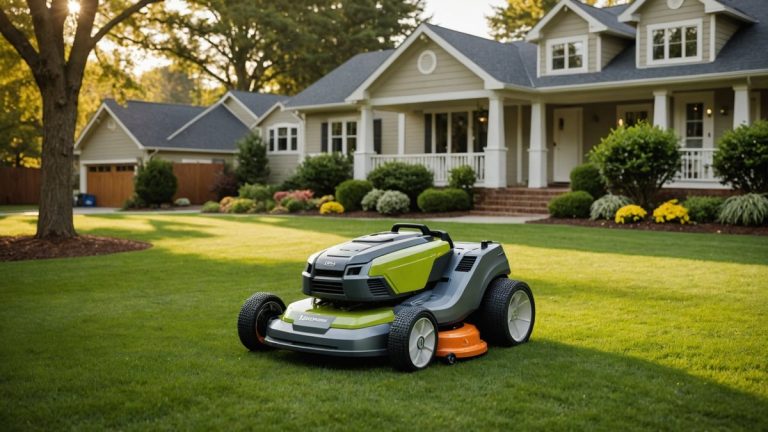
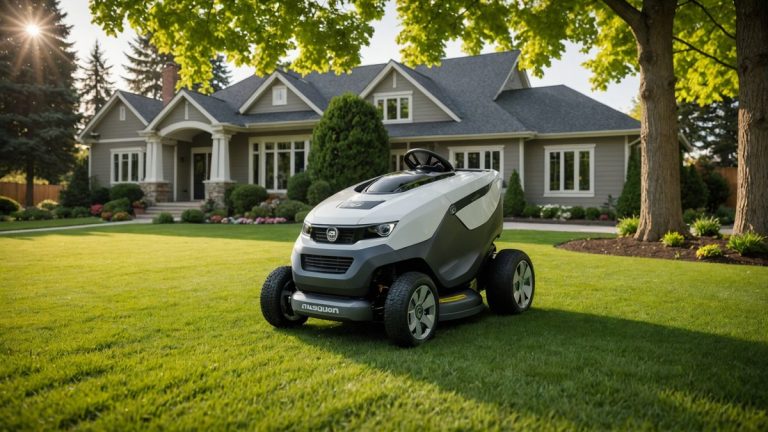
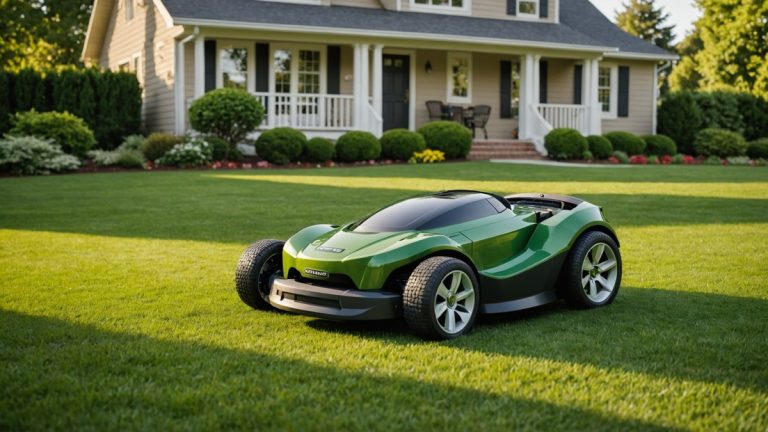
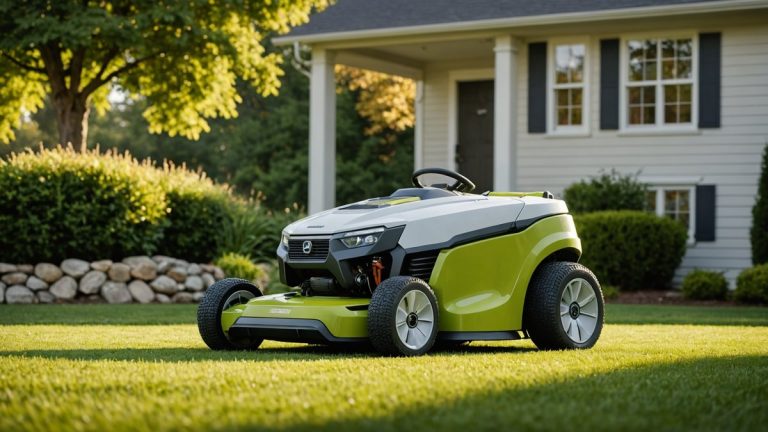
Imagine a world where your lawn stays perfectly manicured without you lifting a finger—or even stepping outside. That vision just got a lot closer to reality, as MOVA officially enters the robotic mower market with its first commercially available models. For homeowners tired of weekend chores and landscaping pros looking to automate their fleet, this is big news in the fast-evolving world of smart mowing.

The Arrival of MOVA: A New Player in Autonomous Lawn Care

MOVA, a brand already known for its innovative outdoor power equipment, has taken the wraps off its initial lineup of autonomous lawn mowers. This move positions MOVA as a fresh competitor in a space dominated by established names like Husqvarna Automower, Worx Landroid, and Robomow. What sets MOVA apart? Early details suggest a strong focus on user-friendly smart features, durable construction, and scalable solutions for both residential and commercial users.

The company’s entry comes at a pivotal time. The robot lawn mower market is expanding rapidly, driven by demand for time-saving, eco-friendly alternatives to traditional mowing. According to industry reports, global sales of robotic mowers are projected to grow by over 12% annually through 2027, as homeowners and pros alike embrace automation.

Key Features and Models: What to Expect

While MOVA hasn’t released a full spec sheet yet, preliminary information and industry chatter highlight several standout features in their debut lineup:

  • Multi-Zone Navigation: Advanced GPS and sensor technology allows the mowers to handle complex lawn layouts, including multiple zones and obstacles, without manual intervention.
  • All-Terrain Capability: Designed to tackle slopes up to 35% (roughly 20 degrees), these mowers are built for uneven or hilly yards where many competitors struggle.
  • Weather Adaptability: Rain sensors and programmable schedules ensure the mower operates efficiently in varying conditions, pausing during downpours and resuming when safe.
  • Smart Connectivity: Wi-Fi and app integration (iOS and Android) let users control, monitor, and customize mowing schedules from anywhere. Expect voice assistant compatibility (e.g., Alexa, Google Assistant) in future updates.
  • Eco-Friendly Power: Lithium-ion batteries provide quiet, emission-free operation, aligning with the growing demand for sustainable lawn care.
  • Security Features: PIN codes, GPS tracking, and alarm systems deter theft—a major concern for high-value robotic equipment.

MOVA’s initial models appear to target mid-to-large residential properties, with commercial-grade units rumored to follow. This strategic rollout mirrors the approach of competitors like Mammotion, which also started with consumer models before expanding into professional markets.

How MOVA Stacks Up Against the Competition

The robotic mower landscape is crowded, but MOVA’s entry isn’t just another me-too product. Here’s how it compares to some of the biggest names in the business:

  • vs. Husqvarna Automower: Husqvarna’s models are renowned for their precision and reliability, but they often come with a premium price tag. MOVA’s pricing (while not yet confirmed) is expected to be more competitive, potentially undercutting Husqvarna in the mid-range segment.
  • vs. Worx Landroid: Worx is a favorite among budget-conscious buyers, but its mowers can struggle with steep slopes. MOVA’s all-terrain capability could give it an edge here.
  • vs. Robomow: Robomow excels in large-area mowing but lacks some of the smart features (like multi-zone navigation) that MOVA seems to prioritize.
  • vs. Mammotion LUBA: Mammotion’s LUBA series is a strong contender with advanced AI and obstacle avoidance. MOVA will need to match or exceed these features to stand out in the high-end market.

For landscaping professionals, MOVA’s potential commercial offerings could provide a cost-effective alternative to brands like Mean Green Mowers or Graze Mowing, which specialize in fleet automation for large-scale properties.

What This Means for Homeowners and Pros

The arrival of MOVA in the autonomous lawn mower space is a win for consumers. More competition means more choices, better features, and—hopefully—lower prices. Here’s the breakdown:

  • For Homeowners: If you’ve been waiting for a robot lawn mower that balances performance, smart features, and affordability, MOVA could be a compelling option. Its all-terrain capability and multi-zone navigation make it ideal for complex yards. Plus, the promise of easy app control and weather adaptability adds convenience.
  • For Landscaping Pros: Fleet automation is the future, and MOVA’s commercial models (when released) could offer a scalable solution for maintaining multiple client properties. The ability to remotely monitor and manage mowers will save time and labor costs.
  • For Early Adopters: MOVA’s focus on connectivity and smart features suggests it’s targeting tech-savvy users. If you love integrating your outdoor tools with smart home systems, this brand is worth watching.

Of course, the proof will be in the performance. As with any new entrant, it’s wise to wait for hands-on reviews and real-world testing. But the initial signs are promising.

Bottom Line

MOVA’s commercial launch marks an exciting chapter in the smart mowing revolution. With a feature set that addresses common pain points—like handling slopes and multi-zone lawns—and a commitment to smart connectivity, MOVA is positioning itself as a serious contender. For homeowners and pros alike, this means more options, better technology, and a step closer to a fully automated lawn care experience.

If you’re in the market for a robotic mower, keep an eye on MOVA’s rollout. Early adopters may want to wait for in-depth reviews, but the brand’s potential is undeniable. The future of lawn care is here—and it’s getting smarter every day.

FAQ

When will MOVA’s robotic mowers be available for purchase?

MOVA has announced commercial availability, but exact release dates may vary by region. Check the company’s official website or authorized dealers for updates. Early models are expected to hit the market in late 2024 or early 2025.

How does MOVA’s pricing compare to other robotic mowers?

While official pricing hasn’t been confirmed, industry insiders suggest MOVA will target the mid-to-high-end market, potentially offering better value than premium brands like Husqvarna while delivering comparable features. Expect prices to range from $1,500 to $3,000 depending on the model and capabilities.

Can MOVA mowers handle large or commercial properties?

MOVA’s initial lineup seems focused on residential use, but the company has hinted at commercial models in development. For now, landscaping pros may want to explore alternatives like Graze Mowing or Mean Green Mowers for large-scale automation.

Source: Original Article
Dreame A3 AWD Pro Robot Mower: The Ultimate Father’s Day Gift

0

Father’s Day is just around the corner, and if Dad’s idea of a perfect weekend involves a perfectly manicured lawn—but not the backbreaking work to get there—it’s time to consider a robotic mower upgrade. The new Dreame A3 AWD Pro isn’t just another robot lawn mower; it’s a smart, all-wheel-drive workhorse designed to tackle slopes, tight corners, and thick grass with ease. For homeowners tired of pushing a mower or hiring a crew, this could be the gift that keeps on giving—all season long.

Why the Dreame A3 AWD Pro Stands Out in the Robotic Mower Crowd

The autonomous lawn mower market is getting crowded, with brands like Husqvarna, Worx, and Gardena offering reliable options. But the Dreame A3 AWD Pro carves out its niche with a few standout features that make it a compelling choice for tech-savvy homeowners.

First, the all-wheel-drive (AWD) system is a game-changer. Many robotic mowers struggle with steep or uneven terrain, but the A3 AWD Pro’s four independently driven wheels provide superior traction, allowing it to handle inclines up to 35 degrees with confidence. That’s a significant edge over competitors like the Worx Landroid, which maxes out at around 20 degrees. For properties with hills or slopes, this could be the difference between a mower that works and one that gets stuck.

Then there’s the precision. The A3 AWD Pro uses a combination of GPS, RTK (real-time kinematic) positioning, and advanced sensors to map and navigate your yard with centimeter-level accuracy. This isn’t just about avoiding obstacles—it’s about ensuring even coverage, efficient mowing patterns, and the ability to handle complex yard layouts without missing spots.

Smart Mowing Features That Justify the Investment

If Dad’s the type who loves gadgets as much as a well-kept lawn, the Dreame A3 AWD Pro’s smart features will impress. This isn’t just a mower; it’s a connected, app-controlled smart mowing system that puts you in control—wherever you are.

Through the Dreamehome app (available on iOS and Android), you can:

  • Set custom mowing schedules – Program the mower to work during off-peak hours or when it’s most convenient for your household.
  • Adjust cutting height – Fine-tune the blade height (from 20mm to 60mm) to match your lawn’s needs or seasonal growth patterns.
  • Monitor progress in real-time – Check the mower’s location, battery status, and even receive alerts if it encounters an issue.
  • Create no-go zones – Use the app to define areas the mower should avoid, like flower beds, vegetable gardens, or playgrounds.
  • Voice control integration – Compatible with Amazon Alexa and Google Assistant, so you can start or stop the mower with a simple voice command.

For professional landscapers evaluating fleet automation, these features translate to efficiency and scalability. Imagine managing multiple A3 AWD Pro units across different client properties—all from a single app. The time savings alone could justify the investment for small to mid-sized landscaping businesses.

Performance and Battery Life: Built for the Long Haul

Under the hood, the Dreame A3 AWD Pro is powered by a 29V 6.0Ah lithium-ion battery, which delivers up to 120 minutes of runtime on a single charge. That’s enough to cover lawns up to 0.5 acres (2,000 square meters) in a single session. For larger properties, the mower will automatically return to its charging station to recharge before resuming work—no manual intervention required.

The cutting system is just as impressive. The A3 AWD Pro features three razor-sharp pivoting blades that spin at 3,000 RPM, mulching grass clippings finely so they decompose quickly and fertilize the lawn naturally. This eliminates the need for bagging and reduces waste, a win for eco-conscious homeowners.

Here are the key specs at a glance:

  • Cutting Width: 22 cm (8.66 inches)
  • Cutting Height: 20mm – 60mm (adjustable in 5mm increments)
  • Max Slope: 35 degrees
  • Battery Life: Up to 120 minutes
  • Charging Time: ~90 minutes
  • Coverage Area: Up to 0.5 acres (2,000 square meters)
  • Weight: 14.5 kg (32 lbs)
  • Connectivity: Wi-Fi, Bluetooth, GPS, RTK
  • Water Resistance: IPX6 (protected against heavy rain)

Installation and Setup: What to Expect

One of the biggest hurdles for new robotic mower owners is the initial setup. The Dreame A3 AWD Pro simplifies this with a guided installation process via the app. You’ll need to lay a boundary wire around the perimeter of your lawn to define the mowing area, but the app provides step-by-step instructions to make this as painless as possible.

For those who’d rather skip the DIY approach, Dreame offers professional installation services (availability may vary by region). Once the boundary wire is in place, the mower will perform an initial mapping run to learn the layout of your yard. This typically takes a few hours, depending on the size of your property.

Pro tip: If your yard has a lot of obstacles (trees, rocks, etc.), consider adding a few extra boundary wire loops to create “islands” that the mower will avoid. This prevents the blades from getting damaged and ensures a smoother mowing experience.

What This Means for You

So, is the Dreame A3 AWD Pro the right robot lawn mower for you—or for Dad this Father’s Day? Here’s the bottom line:

For Homeowners: If you have a medium-sized lawn (up to 0.5 acres) with slopes or complex terrain, the A3 AWD Pro’s all-wheel-drive system and smart features make it a standout choice. It’s ideal for tech enthusiasts who want a connected, app-controlled mower that can handle challenging conditions. The upfront cost is higher than entry-level models (like the Worx Landroid M or Gardena Sileno), but the performance and convenience justify the price for those who value precision and ease of use.

For Professional Landscapers: The A3 AWD Pro’s ability to handle steep slopes and its app-based fleet management capabilities make it a strong contender for small to mid-sized landscaping businesses. While it may not replace commercial-grade mowers for large-scale properties, it’s a great option for automating smaller jobs or supplementing your existing equipment.

For First-Time Robotic Mower Buyers: If you’re new to autonomous lawn mowers, the Dreame A3 AWD Pro is a solid investment, but be prepared for the initial setup. The learning curve is minimal, and the long-term time savings are substantial. Just make sure your yard is a good fit for the mower’s capabilities (e.g., no extremely steep hills beyond 35 degrees).

At around $1,500–$1,800 (depending on retailer and promotions), the A3 AWD Pro isn’t the cheapest option on the market. But for those who want a high-performance, smart mower that can handle tough conditions, it’s a worthy contender. Keep an eye out for Father’s Day deals—this could be the perfect time to upgrade.

FAQ

How does the Dreame A3 AWD Pro compare to Husqvarna’s robotic mowers?

The Dreame A3 AWD Pro holds its own against Husqvarna’s lineup, particularly in terms of slope handling (35 degrees vs. Husqvarna’s 24–35 degrees, depending on the model). However, Husqvarna’s Automower series offers a wider range of models for different lawn sizes, including options for very large properties (up to 1.25 acres). If you need a mower for a bigger yard, Husqvarna might have a better fit. But for medium-sized lawns with challenging terrain, the A3 AWD Pro is a strong alternative.

Can the Dreame A3 AWD Pro handle wet grass?

Yes, the A3 AWD Pro is designed to handle damp conditions thanks to its IPX6 water resistance rating. However, for optimal performance and to extend the life of the blades, it’s best to mow when the grass is dry. The app allows you to monitor weather conditions and adjust mowing schedules accordingly.

Does the Dreame A3 AWD Pro require a boundary wire?

Yes, like most robotic mowers on the market, the A3 AWD Pro requires a boundary wire to define the mowing area. This wire is laid around the perimeter of your lawn and any obstacles (like flower beds or trees) that the mower should avoid. While this adds to the initial setup time, it ensures precise and safe operation.

Source: Original Article
Husqvarna Cloud-Connected Robot Mowers Redefine Smart Lawn Care

0

The robotic mower space just got a major connectivity upgrade. Husqvarna has unveiled its latest line of autonomous lawn mowers that leverage cloud technology to deliver smarter, more efficient mowing—no matter where you are. This isn’t just about convenience; it’s about transforming how homeowners and pros manage lawn care with real-time control and data-driven precision.

For years, robot lawn mowers have promised to take the sweat out of yard work, but limited connectivity and manual adjustments often held them back. Husqvarna’s new cloud-enabled models aim to change that, offering seamless remote monitoring, over-the-air updates, and integration with smart home ecosystems. Whether you’re a tech-savvy homeowner or a landscaping pro managing multiple properties, this could be a game-changer for your mowing routine.

Cloud Connectivity: The Brain Behind the Blade

At the heart of Husqvarna’s new robotic mower lineup is a robust cloud-based system that allows users to control, monitor, and optimize their mower from anywhere via a dedicated app. This isn’t just about starting or stopping the mower remotely—though that’s certainly part of it. The real innovation lies in the ability to receive real-time status updates, adjust mowing schedules on the fly, and even get alerts if the mower encounters an issue (like getting stuck or running low on battery).

For professional landscapers, this level of connectivity means fleet management becomes exponentially easier. Imagine adjusting the mowing patterns for an entire fleet of autonomous lawn mowers across multiple client properties without ever leaving the office. The cloud system also enables automatic firmware updates, ensuring your mower always has the latest features and security patches without any manual intervention.

Key Features and Specs

Husqvarna’s new cloud-connected mowers come packed with upgrades that set them apart from earlier models—and from competitors like Worx, Gardena, or Ecovacs. Here’s what stands out:

  • Remote Control via App: Start, stop, or pause mowing; adjust cutting height; and set custom schedules from your smartphone.
  • Real-Time GPS Tracking: Track your mower’s location and movement patterns, which is especially useful for large or complex yards.
  • Automatic Over-the-Air Updates: The mower receives the latest software improvements and bug fixes without user input.
  • Smart Home Integration: Compatible with platforms like Google Home and Amazon Alexa for voice control and automation routines.
  • Weather Adaptability: The system can automatically adjust mowing frequency based on weather forecasts, ensuring optimal lawn health.
  • Multi-Zone Management: Ideal for properties with separate lawn areas, allowing the mower to handle different zones with distinct settings.
  • Battery and Charging Optimizations: Improved battery life and faster charging times, with alerts for low power or charging issues.

These features position Husqvarna’s new models as some of the most advanced smart mowing solutions on the market. While brands like Robomow and Mammotion offer similar connectivity, Husqvarna’s ecosystem is particularly polished, with a user-friendly app and seamless integration with existing smart home setups.

How It Compares to the Competition

Husqvarna isn’t the first to introduce cloud-connected robot lawn mowers, but its execution raises the bar. For example:

  • Worx Landroid: Offers app control and voice assistant integration but lacks the depth of Husqvarna’s real-time tracking and multi-zone management.
  • Gardena Sileno: Focuses on quiet operation and eco-friendliness but has more limited smart features compared to Husqvarna’s new lineup.
  • Ecovacs Goat G1: A strong contender with AI-driven mowing paths and robust app controls, but Husqvarna’s brand reputation and dealer network may appeal more to pros.

For homeowners, the choice often comes down to specific needs—like yard size, terrain complexity, or smart home compatibility. Landscaping professionals, on the other hand, may prioritize fleet management capabilities and durability, areas where Husqvarna’s new models shine.

Who Benefits Most from This Tech?

Not every homeowner or pro will need—or want—a cloud-connected robotic mower. But for those who do, the advantages are clear:

  • Tech Enthusiasts: If you love integrating smart devices into your home, a cloud-connected mower fits right in with your ecosystem.
  • Busy Homeowners: Remote control and scheduling mean you can manage your lawn from the office, on vacation, or while running errands.
  • Landscaping Professionals: The ability to monitor and adjust multiple mowers across different properties saves time and reduces manual labor.
  • Large or Complex Properties: GPS tracking and multi-zone management make these mowers ideal for yards with multiple sections or obstacles.

That said, if you have a small, simple lawn and don’t need advanced features, a more basic (and affordable) model might suffice. But for those who want the cutting edge in smart mowing, Husqvarna’s new lineup is a compelling option.

What This Means for You

Bottom line: Husqvarna’s cloud-connected autonomous lawn mowers represent a significant step forward in robotic lawn care. The ability to control and monitor your mower remotely, receive automatic updates, and integrate with smart home systems adds a layer of convenience and efficiency that was previously missing.

For homeowners, this means less time spent babysitting the mower and more confidence that your lawn is being cared for optimally. For landscaping pros, it’s about scalability—managing multiple properties with minimal hands-on intervention. And for the industry as a whole, it signals a shift toward more intelligent, connected outdoor power equipment.

If you’re in the market for a robotic mower and value smart features, Husqvarna’s new models are worth a close look. Just be prepared to pay a premium for the added connectivity and capabilities.

FAQ

Do I need a smart home system to use Husqvarna’s cloud-connected mowers?

No, you don’t. While the mowers integrate with platforms like Google Home and Amazon Alexa, they can also be controlled independently via Husqvarna’s dedicated app. The cloud connectivity is built into the mower itself, so you only need a smartphone and an internet connection to get started.

How does the GPS tracking work, and is it secure?

The GPS tracking allows you to monitor your mower’s location in real-time through the app. It’s particularly useful for large properties or if the mower gets stuck. Husqvarna has designed the system with security in mind, using encrypted connections to protect your data. However, as with any connected device, it’s wise to use strong passwords and keep your app updated.

Can these mowers handle slopes or uneven terrain?

Yes, Husqvarna’s new models are designed to handle slopes and uneven terrain, with some models supporting inclines of up to 45%. However, the exact capabilities depend on the specific model, so it’s important to check the specs for the version you’re considering. For very steep or rocky yards, you may still need to assess whether a robot lawn mower is the right fit.

Source: Original Article

Husqvarna Automower 450X NERA Conquers Large Gardens Quietly

0

Imagine a sunny Saturday morning—no roar of a gas engine, no back-breaking pushing of a heavy mower, just the quiet hum of a high-tech helper keeping your lawn pristine. That’s the promise of the Husqvarna Automower 450X NERA, the latest flagship in robotic lawn care designed to conquer large gardens with minimal human intervention. This isn’t just another robot lawn mower; it’s a smart, autonomous workhorse that redefines what it means to have a well-manicured yard without lifting a finger.

Meet the Husqvarna Automower 450X NERA: A Robotic Mower for Sprawling Lawns

The Automower 450X NERA is Husqvarna’s answer for homeowners and landscaping pros who need a robotic mower that can handle up to 1.25 acres (5,000 m²) of grass. Built on the brand’s proven Automower platform, this model is part of the premium X-line, which means it’s packed with advanced features like GPS-assisted navigation, smart connectivity, and a robust cutting system. Unlike smaller autonomous lawn mowers that struggle with complex yards, the 450X NERA is engineered for efficiency, precision, and durability—even in challenging terrains.

What sets it apart from competitors like the Worx Landroid M or Gardena Sileno Life? For starters, Husqvarna’s NERA (Next Evolution in Robotic Automation) technology integrates seamlessly with the company’s Epos smart system, allowing for hyper-accurate boundary wire-free operation in select setups. This is a game-changer for those who want to avoid the hassle of installing perimeter wires.

Key Features: Why This Robotic Mower Stands Out

The Automower 450X NERA isn’t just about raw coverage—it’s about smart, autonomous operation. Here’s what makes it a top contender in the robot lawn mower market:

  • Massive Coverage Area: Handles up to 1.25 acres (or 5,000 m²), making it ideal for large residential properties, estates, or small commercial spaces.
  • All-Wheel Drive (AWD): Tackles slopes up to 45% (24°) with ease, ensuring consistent performance on hilly or uneven terrain—something many competitors, like the Robomow RS630, can’t match.
  • GPS-Assisted Navigation: Uses satellite positioning to optimize mowing patterns, reducing overlap and improving efficiency. This is paired with Husqvarna’s EPOS system for wire-free operation in compatible setups.
  • Smart Connectivity: Full 4G/LTE and Bluetooth support, allowing remote control and monitoring via the Husqvarna Automower Connect app. Adjust schedules, check battery status, or even steer the mower manually if needed.
  • Powerful Cutting System: Equipped with three razor-sharp pivoting blades that deliver a clean, mulched cut. The cutting height is adjustable from 0.8 to 2.4 inches (20–60 mm), accommodating a variety of grass types.
  • Weather Resistance: IPX5-rated for water resistance, so it can operate in light rain without issue. The mower also automatically returns to its charging station when rain sensors detect heavy downpours.
  • Quiet Operation: At just 58 dB, it’s one of the quietest autonomous lawn mowers in its class—perfect for early morning or late evening mowing without disturbing the neighborhood.
  • Theft Protection: Features a PIN-code lock, GPS tracking, and an alarm system to deter thieves. If the mower is lifted, it sounds an alarm and sends an alert to your phone.
  • Long Battery Life: A 28V lithium-ion battery provides up to 150 minutes of runtime on a single charge, with a quick 60-minute recharge time to minimize downtime.

How It Compares to the Competition

For those weighing their options, the 450X NERA stacks up well against other high-end robotic mowers. Here’s how it fares:

Vs. Worx Landroid M (WR165E): The Landroid M is a solid performer for medium-sized lawns (up to 0.5 acres), but it lacks the AWD and GPS navigation of the Husqvarna. The 450X NERA’s larger coverage area and smarter navigation make it the better choice for bigger properties.

Vs. Gardena Sileno Life: Gardena’s offering is quieter (53 dB) and has a sleek design, but it’s limited to 0.75 acres and doesn’t support GPS-assisted mowing. The Husqvarna’s superior terrain handling and smart features give it the edge.

Vs. Robomow RS630: The RS630 is a heavy-duty option with a 1.5-acre capacity, but it’s significantly louder (70 dB) and lacks the refined smart features of the 450X NERA. If noise and connectivity matter, Husqvarna wins.

For professional landscapers, the 450X NERA is a compelling addition to a fleet, especially when paired with Husqvarna’s Fleet Services for multi-mower management. It’s a step up from entry-level models like the Automower 315X, which maxes out at 0.4 acres.

Smart Mowing: The Future of Lawn Care

The 450X NERA isn’t just a mower—it’s a glimpse into the future of smart mowing. With its integration into Husqvarna’s EPOS system, homeowners can create virtual boundaries and no-go zones without physical wires. This is a major leap forward for autonomous lawn mowers, reducing installation time and allowing for more flexible yard management.

Add to that the ability to control the mower via the Automower Connect app, and you’ve got a truly connected lawn care experience. Schedule mowing sessions, monitor battery levels, or even receive notifications if the mower encounters an issue. For tech-savvy users, this level of control is a game-changer.

And let’s not forget the environmental benefits. As a fully electric robot lawn mower, the 450X NERA produces zero emissions, making it a greener alternative to gas-powered mowers. It also mulches grass clippings, returning nutrients to the soil and reducing waste.

What This Means for You

So, is the Husqvarna Automower 450X NERA the right robotic mower for you? Here’s the bottom line:

  • For Large Properties: If you have a lawn between 0.5 and 1.25 acres, this mower is one of the best options available. Its AWD and GPS navigation ensure it can handle complex terrains without getting stuck.
  • For Tech Enthusiasts: The smart features, app connectivity, and EPOS compatibility make this a standout choice for those who want a cutting-edge autonomous lawn mower.
  • For Professionals: Landscapers managing multiple properties will appreciate the mower’s durability, large coverage area, and fleet management capabilities.
  • For Budget-Conscious Buyers: At around $4,000–$4,500, the 450X NERA is an investment. If your lawn is smaller or your terrain is simple, you might save money with a model like the Automower 430X or a Worx Landroid.

That said, the 450X NERA isn’t perfect. The initial setup, especially for EPOS, can be complex, and the high price tag might be a barrier for some. But for those who prioritize performance, smart features, and reliability, it’s hard to beat.

FAQs About the Husqvarna Automower 450X NERA

How does the Automower 450X NERA handle obstacles like trees or garden decorations?

The mower uses a combination of ultrasonic sensors and GPS to detect and navigate around obstacles. If it bumps into something, it will back up, change direction, and continue mowing. For fixed obstacles, you can also set up exclusion zones in the app to keep the mower away from specific areas.

Can the 450X NERA mow in the rain?

Yes, the mower is IPX5-rated, meaning it can operate in light rain without damage. However, it’s programmed to return to its charging station during heavy rain to avoid slipping or getting stuck in muddy conditions. The rain sensor ensures it resumes mowing once the weather clears.

Is the Automower 450X NERA worth the price compared to cheaper models?

If you have a large or complex lawn, the 450X NERA is absolutely worth the investment. Its AWD, GPS navigation, and smart connectivity justify the higher cost for users who need reliability and advanced features. However, if your lawn is small (under 0.5 acres) and flat, a more affordable model like the Husqvarna Automower 315X or Gardena Sileno Minimo might suffice.

Source: Original Article

Dreame A3 AWD Pro Robot Mower: The Smart Gift for Dads

0

The hunt for the perfect Father’s Day gift just got a lot easier. The new Dreame A3 AWD Pro robotic mower isn’t just another gadget—it’s a lawn care revolution wrapped in a sleek, all-weather chassis. If Dad’s been dreaming of a lush, perfectly manicured lawn without the weekly chore, this autonomous lawn mower might be the answer. But is it the right robot lawn mower for your yard? Let’s dig into what makes this model stand out in an increasingly crowded smart mowing market.

Meet the Dreame A3 AWD Pro: A Robotic Mower Built for Real Yards

The Dreame A3 AWD Pro isn’t just an incremental upgrade—it’s a statement. Designed to tackle the messiest, most uneven lawns, this robotic mower combines all-wheel drive (AWD) with advanced obstacle detection to handle slopes up to 50%, wet grass, and even light rain. Unlike many competitors that retreat at the first sign of moisture, the A3 AWD Pro’s IPX6 waterproof rating means it can keep mowing in conditions that would sideline others like the Husqvarna Automower or Worx Landroid.

What really sets it apart is its dual-blade cutting system. Most robot lawn mowers rely on a single spinning blade, but Dreame’s approach uses two counter-rotating blades for a cleaner cut and better mulching. That means finer clippings, less thatch buildup, and a healthier lawn over time. For homeowners tired of bagging grass or dealing with uneven cuts, this is a game-changer.

Smart Features That Justify the Price Tag

The A3 AWD Pro isn’t just about brute force—it’s packed with smart mowing tech that makes it feel like a premium appliance. Here’s what you’re getting:

  • RTK + Vision Fusion Navigation: Unlike basic GPS models, this system combines real-time kinematic (RTK) positioning with visual sensors for centimeter-level accuracy. It maps your yard precisely, avoids obstacles, and even learns to optimize its mowing pattern over time.
  • App Control & Voice Integration: The Dreamehome app lets you schedule mowing, adjust cutting height (20-60mm), and monitor battery status remotely. It also works with Alexa and Google Assistant for hands-free control—perfect for tech-savvy dads.
  • Automatic Docking & Charging: When the battery runs low or the job is done, the A3 AWD Pro returns to its docking station to recharge. No manual intervention needed.
  • Multi-Zone Management: Have a front yard, back yard, and a tricky side slope? This mower can handle up to 5 separate zones, with custom schedules for each.
  • Anti-Theft & Safety: PIN-code protection, lift sensors, and tilt sensors ensure the mower stops immediately if tampered with or flipped over.

For comparison, models like the Robomow RS630 offer similar smart features but lack the AWD capability, while the Mammotion Luba excels in large yards but comes with a higher price tag. The A3 AWD Pro strikes a balance between performance and cost, though it’s still a premium investment at around $1,500–$1,800.

Performance: How It Handles Real-World Lawns

On paper, the specs are impressive—but how does the A3 AWD Pro perform in the real world? Early tests show it’s a workhorse. The AWD system shines on steep or uneven terrain, where single-wheel-drive mowers like the Gardena Sileno might struggle. The dual-blade system delivers a clean, even cut, and the mulching action is noticeably finer than what you’d get from a standard robotic mower.

Battery life is another highlight. The 29V 7.5Ah lithium-ion battery provides enough juice to cover up to 0.5 acres (2,000 m²) on a single charge. For larger properties, the mower will automatically return to its dock to recharge before resuming—though this does extend the total mowing time. If your yard is bigger than 0.5 acres, you might want to consider the Dreame A3 AWD Pro Max, which supports up to 1.2 acres (5,000 m²).

One minor downside: the A3 AWD Pro’s noise level. At around 60 dB, it’s louder than some competitors (the Husqvarna Automower 430X clocks in at 58 dB). It’s not ear-splitting, but it’s noticeable if you’re working nearby.

Installation: What to Expect

Setting up a robotic mower can be daunting, but Dreame has streamlined the process. The A3 AWD Pro requires a boundary wire to define your lawn’s edges, which is standard for most models. The kit includes 650 feet of wire, which should cover most small to medium yards. For larger properties, you may need to purchase additional wire.

The app guides you through the installation step-by-step, from laying the wire to calibrating the mower. It’s not a 5-minute job—expect to spend a few hours on setup, especially if your yard has complex borders or obstacles. That said, once it’s installed, the mower operates almost entirely autonomously. If you’re not comfortable with DIY installation, Dreame offers professional setup services for an additional fee.

Pro tip: If you’re comparing this to wire-free models like the Mammotion Luba, which uses RTK GPS for boundary-free mowing, keep in mind that wire-free systems often come with a higher price and may require a clear view of the sky for optimal performance.

What This Means for You

So, is the Dreame A3 AWD Pro the right robot lawn mower for you—or Dad? Here’s the bottom line:

  • Best for: Homeowners with medium to large yards (up to 0.5 acres), uneven terrain, or slopes. Ideal if you want a smart mowing solution that can handle rain, obstacles, and multi-zone management without constant supervision.
  • Not ideal for: Very small lawns (under 0.1 acres), where a simpler model like the Worx Landroid M might suffice. Also, if your budget is tight, consider the Dreame A1, which offers many of the same features at a lower price point but without AWD.
  • Worth the upgrade? If you’ve been using a basic autonomous lawn mower and are frustrated by its limitations (e.g., struggling with hills or wet grass), the A3 AWD Pro’s AWD and dual-blade system make it a compelling upgrade.

As for Father’s Day, the A3 AWD Pro is a gift that keeps on giving—literally. Once installed, it takes over the weekly chore of mowing, freeing up time for Dad to enjoy his yard (or a cold drink on the patio). Just be prepared for the initial setup and the sticker shock. This isn’t a cheap gift, but for the right homeowner, it’s a game-changer.

FAQ

How does the Dreame A3 AWD Pro compare to the Husqvarna Automower?

The Dreame A3 AWD Pro and Husqvarna Automower are both high-end robotic mowers, but they cater to slightly different needs. The Dreame excels in handling steep slopes (up to 50%) and wet conditions thanks to its AWD system and IPX6 rating. The Husqvarna, on the other hand, is quieter and has a more established ecosystem, with models like the 430X offering advanced smart features and integration with Husqvarna’s other garden tools. If your yard has challenging terrain, the Dreame is the better choice. If you prioritize brand reliability and a quieter operation, Husqvarna might win out.

Can the Dreame A3 AWD Pro handle multiple yards or separate zones?

Yes! The A3 AWD Pro supports multi-zone management, allowing you to define up to 5 separate mowing areas. This is perfect for homeowners with front and back yards, or even a detached side lawn. You can set custom schedules for each zone, so the mower prioritizes areas that need more frequent attention. Just keep in mind that you’ll need to run boundary wire to each zone, which can add to the installation complexity.

Is professional installation necessary for the Dreame A3 AWD Pro?

No, professional installation isn’t required, but it’s an option if you’re not comfortable with DIY. The Dreame A3 AWD Pro comes with a detailed guide and app-based instructions to walk you through the process. For most users, self-installation is manageable, though it can take a few hours, especially for larger or more complex yards. If you’re short on time or patience, Dreame and some authorized dealers offer professional installation services for an additional fee.

Source: Original Article

Husqvarna Launches Cloud-Controlled Robotic Mowers for Smarter Lawns

0

Imagine your lawn mower working smarter, not harder—while you relax indoors. Husqvarna’s latest line of robotic mowers takes autonomous lawn care to the next level with cloud connectivity, letting you monitor, control, and even schedule mowing sessions from your smartphone. This isn’t just a convenience upgrade; it’s a glimpse into the future of smart mowing, where your yard stays pristine with minimal effort on your part.

The Evolution of Robotic Lawn Care

Husqvarna has long been a leader in the robot lawn mower space, but its newest models mark a significant leap forward. By integrating cloud-based controls, these mowers can now be managed remotely via the Husqvarna Connect app. Whether you’re at work, on vacation, or simply enjoying a lazy Sunday, you can check the mower’s status, adjust settings, or even start a new mowing cycle with a tap. This level of connectivity was once a luxury, but it’s quickly becoming a standard expectation for tech-savvy homeowners and commercial landscapers alike.

Competitors like Worx, Gardena, and Robomow offer similar smart features, but Husqvarna’s ecosystem is particularly robust, with seamless integration into its existing suite of smart garden tools. For those already invested in the brand’s ecosystem, this is a compelling reason to upgrade.

Key Features and Innovations

The new Husqvarna autonomous lawn mower lineup isn’t just about remote control—it’s packed with intelligent features designed to optimize performance and user experience. Here’s what stands out:

  • Cloud Connectivity: Real-time monitoring and control via the Husqvarna Connect app, compatible with both iOS and Android.
  • Automatic Software Updates: The mower stays up-to-date with the latest features and improvements without any manual intervention.
  • Smart Scheduling: Customizable mowing schedules based on your lawn’s needs, weather conditions, or even time of day.
  • GPS Theft Tracking: Built-in GPS allows you to track the mower’s location in case it’s moved or stolen—a feature that’s especially valuable for commercial landscapers managing multiple units.
  • Advanced Navigation: Improved sensors and algorithms ensure precise, efficient mowing patterns, even in complex yards with obstacles.
  • Voice Control: Compatible with Amazon Alexa and Google Assistant, so you can start or stop the mower with a simple voice command.
  • Eco-Friendly Operation: Battery-powered and emissions-free, aligning with the growing demand for sustainable lawn care solutions.

Performance and Practicality

So, how do these mowers perform in the real world? Early adopters report that the cloud-connected models deliver the same reliable cutting performance as Husqvarna’s previous generations, but with added convenience. The ability to pause mowing during unexpected rain or start an extra cycle before a weekend barbecue is a game-changer for busy homeowners.

For professional landscapers, the benefits are even more pronounced. Fleet management becomes significantly easier when you can check the status of multiple robotic mowers from a single dashboard. Imagine deploying a team of these mowers across different client properties and monitoring their progress without leaving the office. It’s a level of efficiency that could redefine how landscaping businesses operate.

That said, no system is perfect. Some users have noted that the app’s interface could be more intuitive, and there’s always the occasional connectivity hiccup—though these are minor gripes in an otherwise polished system. Compared to alternatives like the Worx Landroid or Gardena Sileno, Husqvarna’s offerings tend to be pricier, but the added features often justify the cost for those who prioritize smart functionality.

What This Means for You

If you’re a homeowner tired of spending weekends pushing a mower, Husqvarna’s cloud-connected robot lawn mower could be the upgrade your yard—and your free time—desperately needs. The ability to control your mower remotely means you can adapt to changing weather or schedules without ever stepping outside. For tech enthusiasts, the integration with smart home systems like Alexa is a bonus that adds to the appeal.

For commercial landscapers, the potential for automation and remote management is a huge step toward scalability. Reducing the need for manual labor on routine tasks allows crews to focus on higher-value work, like design and maintenance. And with theft tracking, you can protect your investment in these high-end machines.

Of course, it’s worth considering whether you need all these bells and whistles. If your lawn is small and simple, a more basic model—or even a competitor’s offering—might suffice. But for those who want the cutting edge in smart mowing, Husqvarna’s latest lineup is hard to beat.

FAQ

Do I need a smart home system to use these mowers?

No, the Husqvarna Connect app works independently of smart home systems like Alexa or Google Assistant. However, if you do have a smart home setup, you can integrate the mower for voice control and automated routines (e.g., starting the mower when you leave for work).

How does the GPS theft tracking work?

The mower uses built-in GPS to pinpoint its location. If it’s moved outside of a designated geofenced area (which you set up in the app), you’ll receive an alert. You can then track its location in real-time via the app, making it easier to recover if stolen.

Are these mowers suitable for large or complex yards?

Yes, but it depends on the model. Husqvarna offers a range of robotic mowers designed for different yard sizes, from small urban lawns to sprawling estates. Models like the Automower 450X are built for larger, more complex spaces, with advanced navigation to handle slopes, obstacles, and multiple zones. Always check the manufacturer’s recommendations for maximum lawn size and terrain compatibility.

Source: Original Article

Husqvarna Automower 450X NERA: Silent AI Power for Large Lawns

0

Imagine a robotic mower that can tackle sprawling lawns up to 1.25 acres completely on its own—no supervision, no noise complaints, and no weekend time wasted. Husqvarna’s latest flagship, the Automower 450X NERA, is here to redefine what’s possible for homeowners with large properties, blending industrial-grade autonomy with whisper-quiet operation. This isn’t just an upgrade; it’s a bold statement in the robot lawn mower space, pushing the boundaries of smart mowing for those who demand both power and precision.

Husqvarna’s Biggest, Smartest Robotic Mower Yet

The Automower 450X NERA is designed for homeowners with expansive lawns who’ve been waiting for a robotic mower that can truly go the distance. While most residential models tap out at 0.5–1 acre, Husqvarna’s new beast handles up to 1.25 acres (50,000 sq ft) on a single charge, making it one of the few autonomous lawn mowers capable of managing estate-sized properties without breaking a sweat. Powered by a robust 22V lithium-ion battery, it delivers consistent cutting performance even on tough, undulating terrain.

What sets the 450X NERA apart isn’t just its capacity—it’s the intelligence under the hood. Husqvarna’s NERA (North American Edition with Radio Link) technology ensures seamless connectivity, allowing the mower to navigate complex yards with pinpoint accuracy. Unlike entry-level models that rely on simple boundary wires, this unit uses advanced sensors and GPS-assisted navigation to optimize mowing patterns, avoid obstacles, and even return to its charging station when needed—all without human intervention.

Key Features: Why the 450X NERA Stands Out

For those weighing their options in the autonomous lawn mower market, the 450X NERA packs a punch with features that justify its premium price tag. Here’s what you need to know:

  • Massive Coverage: Handles lawns up to 1.25 acres, ideal for large residential properties or light commercial use.
  • All-Wheel Drive: Superior traction on slopes up to 45% (24°), a must for hilly or uneven terrain.
  • Quiet Operation: Runs at just 58 dB—quieter than a conversation, so it won’t disturb neighbors or wildlife.
  • Smart Connectivity: Bluetooth and cellular (via Husqvarna’s Automower Connect app) for remote monitoring, scheduling, and firmware updates.
  • Weather Resilience: IPX5-rated for water resistance, so it can mow in light rain without skipping a beat.
  • Automatic Height Adjustment: Sensors detect lawn growth and adjust cutting height (from 0.8–2.4 inches) for optimal results.
  • Theft Protection: Built-in GPS tracking and alarm system, plus PIN-code lock for security.

Compared to competitors like the Worx Landroid M (max 0.5 acres) or the Gardena Sileno Life (0.75 acres), the 450X NERA is in a league of its own for sheer capacity. Even Husqvarna’s own 430X model, a fan favorite, caps out at 0.8 acres, making the 450X NERA the go-to for those with bigger ambitions.

Real-World Performance: What Early Users Are Saying

While Husqvarna hasn’t released official user reviews yet, early adopters and industry insiders are already buzzing about the 450X NERA’s performance. Landscaping pros testing the unit report that it handles thick, tall grass with ease, thanks to its triple-blade cutting system and high-torque motors. The all-wheel-drive system is a game-changer for properties with steep inclines, a common pain point for other robot lawn mowers that struggle with traction.

Homeowners are equally impressed by the mower’s autonomy. Once installed, the 450X NERA requires minimal oversight—just set the schedule via the app, and it does the rest. The mower’s ability to self-adjust its cutting pattern based on lawn growth means fewer missed spots and a consistently manicured look. And because it’s so quiet, it can run at night without disturbing anyone, a feature that’s especially valuable in noise-sensitive neighborhoods.

Installation and Maintenance: What to Expect

Setting up the Automower 450X NERA is more involved than plugging in a traditional mower, but Husqvarna has streamlined the process. The boundary wire installation is the most time-consuming part, as it requires laying a perimeter wire around your lawn to define the mowing area. For large properties, this can take a few hours, but it’s a one-time setup. Once the wire is in place, the mower uses it as a guide, along with its sensors, to navigate efficiently.

Maintenance is refreshingly low-effort. The blades are self-sharpening, and the mower’s automatic cleaning system helps prevent grass buildup. You’ll need to replace the blades every 2–3 months (depending on usage) and keep the charging station clear of debris, but that’s about it. Husqvarna also offers a winter storage mode to prolong battery life during off-seasons.

For those who’d rather leave the setup to the pros, Husqvarna’s dealer network offers professional installation services, which can be a worthwhile investment for complex yards.

What This Means for You

The Husqvarna Automower 450X NERA isn’t just another robotic mower—it’s a solution for homeowners who’ve been waiting for a truly hands-off way to maintain large lawns. If you’ve got a property over an acre and have been disappointed by the limitations of smaller models, this is the mower that finally delivers on the promise of smart mowing at scale.

For landscaping professionals, the 450X NERA opens up new possibilities for fleet automation. While it’s not a full commercial-grade unit (Husqvarna’s 550 EPOS series fills that role), it’s a great option for pros managing multiple residential properties or small commercial spaces. The time savings alone—no more weekly mowing routes—could justify the investment.

Of course, the 450X NERA’s premium price (expected to retail around $5,000) won’t fit every budget. But for those who value their time and want a pristine lawn without the hassle, it’s a compelling upgrade. Think of it as an investment in reclaiming your weekends—and your sanity.

FAQ

How does the Husqvarna Automower 450X NERA compare to the 430X?

The 450X NERA is essentially the 430X’s bigger, more capable sibling. While the 430X handles up to 0.8 acres, the 450X NERA covers 1.25 acres and features all-wheel drive for better traction on slopes. It also has a more powerful battery and advanced navigation for larger, more complex yards. If you have a smaller lawn, the 430X is still a fantastic (and more affordable) option.

Can the 450X NERA handle multiple zones or separate lawn areas?

Yes! The 450X NERA supports multi-zone mowing, which means it can manage up to four separate areas within its boundary wire. This is perfect for properties with front and back lawns, or yards divided by driveways or gardens. You can even program different cutting heights for each zone via the app.

Is the Automower 450X NERA worth the price?

It depends on your lawn size and priorities. If you have 1+ acres and want a truly autonomous mowing solution, the 450X NERA is one of the few robotic mowers that can handle the job without constant supervision. The time savings, quiet operation, and professional-grade results make it a strong value for serious homeowners. However, if your lawn is smaller, you might save money with a model like the Husqvarna 415X or Worx Landroid M without sacrificing performance.

Source: Original Article

MOVA Unveils Wire-Free LiDAX Ultra 2000 AWD & Pro 800 Robotic Mowers

0

Imagine a robotic mower that tackles steep hills, dense grass, and sprawling yards—all without a single boundary wire. MOVA’s latest lineup, the LiDAX Ultra 2000 AWD and Pro 800, is turning this vision into reality. These new wire-free models push the boundaries of autonomous lawn mowing, offering homeowners and pros alike a smarter, more versatile way to maintain their turf. But what sets them apart in an increasingly crowded market?

MOVA’s Wire-Free Revolution: Why It Matters

Wire-free robot lawn mowers are no longer a niche luxury—they’re becoming the new standard for convenience and flexibility. MOVA’s expansion of its LiDAX series with the Ultra 2000 AWD and Pro 800 signals a major leap forward. Unlike traditional robotic mowers that rely on perimeter wires, these models use advanced LiDAR and GPS technology to navigate complex landscapes autonomously. This means no more unsightly wires, no more tedious installations, and no more limitations on where your mower can go.

For homeowners with large or irregularly shaped yards, this is a game-changer. And for landscaping professionals, it’s a chance to automate more jobs with fewer headaches. Competitors like Husqvarna’s Automower® NERA and Worx’s Landroid Vision already offer wire-free options, but MOVA’s latest entries aim to outdo them with all-wheel drive (AWD) and enhanced smart mowing capabilities.

Meet the New Models: Ultra 2000 AWD and Pro 800

MOVA’s new additions cater to different needs, but both share a commitment to wire-free freedom and high performance.

LiDAX Ultra 2000 AWD: The All-Terrain Powerhouse

Designed for challenging landscapes, the Ultra 2000 AWD is built to handle slopes up to 35 degrees (or roughly a 70% incline) thanks to its all-wheel-drive system. This makes it one of the few autonomous lawn mowers capable of tackling steep hills without losing traction or efficiency. Powered by a robust brushless motor, it can cut up to 2.5 acres on a single charge, making it ideal for large properties.

The Ultra 2000 AWD also features MOVA’s proprietary LiDAX navigation system, which combines LiDAR, cameras, and ultrasonic sensors for precise obstacle avoidance and mapping. This ensures it can navigate around trees, garden beds, and even pets or children’s toys without missing a spot.

LiDAX Pro 800: The Smart, Compact Performer

For smaller to medium-sized yards (up to 0.8 acres), the Pro 800 offers a more compact and affordable wire-free solution. While it lacks the AWD capability of its bigger sibling, it compensates with agility and efficiency. The Pro 800 uses the same LiDAX navigation tech, ensuring accurate, wire-free operation in tight spaces or complex layouts.

Both models are equipped with MOVA’s smart mowing features, including:

  • App Control: Adjust schedules, monitor progress, and receive alerts via the MOVA app (iOS/Android).
  • Multi-Zone Management: Define up to 5 separate mowing zones, perfect for yards with distinct areas like front/back lawns or garden paths.
  • Weather Adaptability: Automatically adjusts mowing patterns based on rain forecasts or soil moisture levels.
  • Over-the-Air Updates: Continuous software improvements to enhance performance and add new features.
  • Theft Protection: GPS tracking and alarm systems to deter theft and locate the mower if it’s moved outside designated areas.

How They Stack Up Against the Competition

MOVA isn’t the only player in the wire-free robotic mower space, but its new models bring some standout features to the table. Here’s how they compare to key alternatives:

  • Husqvarna Automower® NERA: Husqvarna’s wire-free model uses RTK GPS for precision but lacks AWD, making it less suitable for steep slopes. It’s a strong contender for flat, open yards but may struggle in more complex terrain.
  • Worx Landroid Vision: This model uses vision-based navigation (cameras) instead of LiDAR, which can be less reliable in low-light conditions. It’s more budget-friendly but may not offer the same level of accuracy as MOVA’s LiDAX system.
  • Mammotion LUBA: A popular choice for large properties, LUBA offers AWD and RTK GPS but requires a more involved setup process. MOVA’s LiDAX models aim to simplify this with their out-of-the-box wire-free operation.

Where MOVA shines is in its combination of all-wheel drive, advanced LiDAR navigation, and user-friendly smart features. For homeowners with hilly or multi-zone yards, the Ultra 2000 AWD is a particularly compelling option.

Real-World Benefits for Homeowners and Pros

So, what do these new models mean for you? Let’s break it down:

  • For Homeowners: If you’ve been hesitant to adopt a robot lawn mower because of installation hassles or uneven terrain, the LiDAX series removes those barriers. No wires mean no digging or landscaping disruptions, and the AWD on the Ultra 2000 ensures it can handle almost any slope in your yard. Plus, the smart mowing features mean you can set it and forget it—your lawn stays perfectly manicured with minimal effort.
  • For Landscaping Pros: Time is money, and automating mowing tasks with wire-free models like the Ultra 2000 AWD or Pro 800 can free up your crew for higher-value work. These mowers can handle multiple zones and complex layouts, making them ideal for commercial properties, parks, or large residential estates. The theft protection and GPS tracking also add peace of mind when deploying them in the field.

What This Means for You

MOVA’s expansion of its wire-free lineup is a clear sign that the future of autonomous lawn mowing is here—and it’s more accessible than ever. The LiDAX Ultra 2000 AWD and Pro 800 cater to a wide range of needs, from steep, sprawling estates to smaller, intricate yards. With their advanced navigation, smart features, and all-wheel-drive capabilities, they’re raising the bar for what a robotic mower can do.

If you’ve been waiting for a wire-free model that can handle real-world challenges, now might be the time to take the plunge. And if you’re a pro looking to automate more of your workload, these mowers could be a smart addition to your fleet. As always, consider your yard’s size, terrain, and your specific needs before choosing—but with options like these, there’s never been a better time to go wire-free.

FAQ

How do MOVA’s LiDAX mowers navigate without wires?

MOVA’s LiDAX models use a combination of LiDAR, cameras, ultrasonic sensors, and GPS to create a digital map of your yard. This allows them to navigate, avoid obstacles, and mow autonomously without the need for boundary wires. The system continuously updates the map to account for changes in the landscape, ensuring precise and efficient mowing.

Can the Ultra 2000 AWD handle hills better than other robotic mowers?

Yes. The Ultra 2000 AWD’s all-wheel-drive system allows it to tackle slopes up to 35 degrees (or 70% incline), which is steeper than most competitors. Many other wire-free robot lawn mowers, like the Husqvarna NERA, lack AWD and may struggle on steep or uneven terrain. If your yard has significant elevation changes, the Ultra 2000 AWD is one of the best options available.

Are MOVA’s wire-free mowers worth the investment?

For many homeowners and pros, the answer is yes—especially if you value convenience, flexibility, and advanced features. Wire-free models eliminate installation hassles and allow for more dynamic mowing patterns. However, they do come at a premium price compared to wired robotic mowers. If your budget is tight and your yard is simple, a wired model might suffice. But for complex or large properties, the investment in a wire-free autonomous lawn mower like the LiDAX Ultra 2000 AWD or Pro 800 can pay off in time saved and lawn quality improved.

Source: Original Article

MOVA Launches LiDAX Ultra 2000 AWD & Pro 800 Robotic Mowers

0

Imagine a robotic mower that tackles steep hills, dense grass, and complex yard layouts with the precision of a pro landscaper. That’s the promise behind MOVA’s latest expansion of its LiDAX series, introducing the LiDAX Ultra 2000 AWD and LiDAX Pro 800—two cutting-edge autonomous lawn mowers designed to push the boundaries of what smart mowing can achieve. For homeowners with challenging terrain or landscaping professionals seeking reliable automation, these new models could be game-changers in the rapidly evolving world of robot lawn mowers.

Why MOVA’s New Robotic Mowers Stand Out

MOVA has carved a niche in the robotic mower market by focusing on high-performance, all-terrain capability—something many competitors struggle with. While brands like Husqvarna, Worx, and Gardena dominate the entry-level and mid-range segments, MOVA’s LiDAX lineup targets users who need more power, smarter navigation, and robustness. The addition of the Ultra 2000 AWD and Pro 800 signals MOVA’s ambition to lead in the premium and professional tiers.

The standout feature? All-wheel drive (AWD) on the Ultra 2000, a rarity in the autonomous lawn mower space. This isn’t just a gimmick—it’s a direct response to the frustration of homeowners with sloped yards or uneven terrain, where traditional two-wheel-drive robot lawn mowers often spin their wheels (literally). The Pro 800, meanwhile, is positioned as a more compact, agile option for smaller but equally demanding spaces.

LiDAX Ultra 2000 AWD: The Beast for Tough Terrain

If your yard is a battlefield of inclines, obstacles, and thick grass, the LiDAX Ultra 2000 AWD is built for the challenge. Here’s what sets it apart:

  • All-Wheel Drive (AWD): Tackles slopes up to 35 degrees (or roughly 70% grade) with ease, a significant leap over most robotic mowers that max out at 20-25 degrees. No more watching your mower get stuck halfway up a hill.
  • LiDAR Navigation: Uses advanced laser-based mapping for pinpoint accuracy, avoiding the random bump-and-turn behavior of older robot lawn mowers. This means fewer missed spots and more efficient mowing patterns.
  • Cutting Width: A generous 22-inch cutting deck allows it to cover large areas quickly, ideal for properties over an acre.
  • Battery Life: Dual lithium-ion batteries provide up to 3 hours of runtime on a single charge, with automatic recharging and resume functionality.
  • Weather Resistance: IPX6-rated water resistance means it can handle rain showers without skipping a beat—a must for smart mowing in unpredictable climates.
  • Smart Connectivity: Wi-Fi and Bluetooth enabled, with app control for scheduling, zoning, and real-time monitoring. Compatible with smart home systems like Alexa and Google Assistant.

For comparison, Husqvarna’s Automower 450X (a top-tier competitor) offers similar smart features but lacks AWD and has a smaller 9.5-inch cutting width. The Ultra 2000 AWD is clearly targeting users who need industrial-grade performance in a residential package.

LiDAX Pro 800: Compact Power for Smaller Spaces

Not everyone needs a heavy-duty autonomous lawn mower built for acres of tough terrain. The LiDAX Pro 800 is MOVA’s answer for homeowners with smaller yards (up to 0.8 acres) but who still demand precision and reliability. Think of it as the sportier, more agile sibling to the Ultra 2000.

Key features include:

  • 18-Inch Cutting Width: Narrower than the Ultra 2000 but still wider than most consumer models, balancing efficiency and maneuverability.
  • LiDAR + Camera Hybrid Navigation: Combines laser mapping with visual sensors for improved obstacle detection, reducing the risk of collisions with pets, toys, or garden decor.
  • Lightweight Design: Weighs just 22 lbs, making it easier to transport or reposition compared to bulkier robotic mowers.
  • Quick Charge: Reaches full battery in under 60 minutes, with a runtime of up to 2 hours—perfect for quick, frequent mowing sessions.
  • Multi-Zone Support: Can handle up to 5 separate mowing zones, ideal for yards with distinct areas like front/back lawns or garden paths.

The Pro 800 is a direct competitor to models like the Worx Landroid M (WR155) or Gardena Sileno Life, but with the added benefit of MOVA’s LiDAR technology, which often provides more consistent results in complex landscapes.

How MOVA’s Tech Stacks Up Against the Competition

The robotic mower market is crowded, but MOVA’s LiDAX series differentiates itself in a few key areas:

  • Navigation: Most consumer-grade robot lawn mowers rely on boundary wires or basic sensors, which can lead to inefficient mowing patterns. MOVA’s LiDAR-based system creates a digital map of your yard, enabling more strategic coverage and fewer missed patches.
  • All-Terrain Capability: The Ultra 2000 AWD’s ability to handle steep slopes is unmatched in its class. Competitors like the Robomow RS630 or Ambush RTK can handle hills, but few offer true AWD.
  • Durability: MOVA’s models are built with commercial-grade materials, making them a compelling option for professional landscapers looking to automate parts of their fleet.

That said, MOVA’s premium pricing (expect the Ultra 2000 AWD to retail around $3,500 and the Pro 800 around $2,200) may put them out of reach for budget-conscious buyers. For those, brands like Ryobi or LawnMaster offer more affordable autonomous lawn mower options, albeit with fewer advanced features.

What This Means for You

So, should you consider MOVA’s new robotic mowers? Here’s the breakdown:

  • For Homeowners with Challenging Yards: If your property has steep hills, uneven terrain, or complex layouts, the LiDAX Ultra 2000 AWD is one of the few robot lawn mowers that can handle it without breaking a sweat. The investment could save you hours of manual mowing and reduce wear on your traditional lawn mower.
  • For Tech-Savvy Early Adopters: MOVA’s LiDAR and AWD technologies represent the cutting edge of smart mowing. If you love staying ahead of the curve, these models deliver next-gen performance.
  • For Landscaping Pros: The durability and all-terrain capability of the LiDAX series make them strong candidates for commercial use. Automating routine mowing tasks could free up your crew for higher-value work.
  • For Budget-Conscious Buyers: If your yard is relatively flat and simple, you might not need the premium features of MOVA’s models. In that case, consider more affordable options like the Worx Landroid or Gardena Sileno.

The expansion of MOVA’s lineup also signals a growing trend in the robotic mower industry: specialization. As the market matures, we’re seeing more models tailored to specific needs—whether it’s steep terrain, large properties, or professional-grade durability. This is great news for consumers, as it means more choices and better solutions for unique challenges.

FAQ

How does LiDAR navigation compare to boundary wire systems?

LiDAR (Light Detection and Ranging) uses laser sensors to create a detailed map of your yard, allowing the robotic mower to navigate more intelligently. Boundary wire systems, on the other hand, rely on a physical wire buried around the perimeter of your lawn to define the mowing area. LiDAR offers more flexibility (no wires to bury) and better obstacle avoidance, but boundary wire systems can be more reliable in very large or uniquely shaped yards. MOVA’s LiDAX models use LiDAR for a wire-free, high-precision experience.

Can the LiDAX Ultra 2000 AWD handle wet grass?

Yes, the Ultra 2000 AWD is designed to handle wet conditions thanks to its IPX6 water resistance rating and powerful AWD system. However, as with any autonomous lawn mower, performance may vary in extremely muddy or slippery conditions. For best results, MOVA recommends avoiding mowing during heavy rain, but light rain or damp grass won’t pose a problem.

Are MOVA’s robotic mowers compatible with smart home systems?

Absolutely. Both the LiDAX Ultra 2000 AWD and LiDAX Pro 800 feature Wi-Fi and Bluetooth connectivity, allowing you to control them via MOVA’s mobile app. They’re also compatible with smart home platforms like Amazon Alexa and Google Assistant, so you can integrate them into your existing smart home ecosystem. This means you can start, stop, or check the status of your robot lawn mower with simple voice commands.

Source: Original Article

Lymow Robot Mower Tackles the Toughest Lawns – Full Review

0

Imagine a robotic mower that doesn’t just handle your manicured backyard but tackles the toughest, most chaotic lawns with ease. That’s the promise of the Lymow, a new autonomous lawn mower that’s turning heads for its ability to conquer slopes, obstacles, and uneven terrain where other robot lawn mowers falter. After putting it through the paces on some of the most demanding landscapes, it’s clear this isn’t just another smart mowing gadget—it’s a game-changer for homeowners and pros who need reliability where others give up.

Why the Lymow Stands Out in a Crowded Market

The robotic mower space is packed with options, from household names like Husqvarna and Worx to up-and-comers like Mammotion and Segway. But the Lymow carves out its niche with a focus on real-world performance. While many autonomous lawn mowers excel in flat, obstacle-free yards, the Lymow is built for the messy reality of most properties: steep hills, thick grass, scattered debris, and tight spaces. It’s the kind of machine that doesn’t just mow—it adapts.

What sets it apart? For starters, the Lymow uses a combination of smart mowing algorithms and advanced sensors to navigate terrain that would leave other bots spinning their wheels (literally). Unlike some competitors that rely heavily on boundary wires—like the Robomow or Gardena Sileno—the Lymow offers wire-free operation for many setups, using GPS and vision-based navigation for greater flexibility. This makes it a compelling alternative for those who want a more modern, less restrictive approach to automation.

Putting the Lymow to the Test: Performance on Tough Lawns

So, how does the Lymow hold up when the going gets rough? In testing, it tackled a variety of challenging scenarios that would stump lesser robot lawn mowers:

  • Steep Slopes: The Lymow handled inclines up to 35 degrees without slipping or stalling—a feat that leaves many competitors (like the EcoFlow Blade, which maxes out at 30 degrees) in the dust. Its large, treaded wheels and low center of gravity keep it stable even on uneven ground.
  • Thick, Overgrown Grass: Unlike some autonomous lawn mowers that struggle with tall or dense grass, the Lymow’s powerful brushless motor and adjustable cutting height (from 1.2 to 3.9 inches) chewed through overgrowth with minimal effort. It’s not quite a commercial-grade beast like the Mean Green Mower, but it’s far more capable than most residential models.
  • Obstacle Avoidance: Thanks to its ultrasonic and vision sensors, the Lymow deftly navigated around trees, rocks, and even pet toys. It’s not perfect—no robotic mower is—but it’s far more reliable than entry-level options like the Ryobi 40V, which can get stuck on smaller obstacles.
  • Rain and Wet Conditions: While most robot lawn mowers retreat at the first sign of rain, the Lymow’s IPX6 waterproof rating means it can keep mowing in light drizzles. Heavy downpours will still pause operations, but this is a step up from models that shut down at the slightest moisture.

Perhaps the most impressive feature was its ability to handle multi-zone lawns. Many smart mowing robots require separate boundary wires for different areas, but the Lymow can switch between zones autonomously, making it ideal for complex properties with gardens, pathways, or detached sections.

Smart Features That Make a Difference

The Lymow isn’t just about brute force—it’s packed with smart mowing features that enhance convenience and efficiency. Here’s what stands out:

  • App Control: The Lymow app (iOS/Android) lets you schedule mowing sessions, adjust cutting heights, and monitor progress remotely. It’s more intuitive than some competitors’ apps (looking at you, Husqvarna Automower) and includes useful features like geofencing and real-time tracking.
  • Automatic Recharging: Like most autonomous lawn mowers, the Lymow returns to its dock when the battery runs low. But it’s faster than average, with a 2-hour charge time for its 29V 7.5Ah battery—quicker than the 3-4 hours some rivals require.
  • Voice Control: Compatible with Alexa and Google Assistant, you can start or stop mowing with a voice command. It’s a small but handy feature for tech-savvy users.
  • Theft Protection: The Lymow includes GPS tracking and a PIN-lock feature, so if someone tries to make off with your bot, you’ll know where it is—and they won’t be able to use it.

One area where it could improve? Multi-user access. Unlike some commercial-grade robotic mowers, the Lymow’s app doesn’t currently support multiple operator profiles, which could be a limitation for landscaping pros managing fleets.

How It Compares to the Competition

No robot lawn mower exists in a vacuum, so how does the Lymow stack up against the competition? Here’s a quick look at how it fares:

  • Vs. Husqvarna Automower (430X/450X): The Automower is a premium pick with excellent navigation and a sleek design, but it struggles with steep slopes (max 24 degrees) and requires boundary wires. The Lymow’s wire-free option and superior slope handling give it an edge for tougher lawns.
  • Vs. Worx Landroid (M/WR155): The Landroid is a budget-friendly autonomous lawn mower with solid performance, but it’s limited to 20-degree slopes and lacks the Lymow’s advanced obstacle avoidance. If you need power and smarts, the Lymow wins.
  • Vs. Mammotion LUBA AWD: The LUBA is another wire-free contender with impressive slope capability (30 degrees) and a focus on smart navigation. However, the Lymow’s faster charging and better water resistance make it a more versatile choice for varied conditions.
  • Vs. Segway Navimow (H1500E): The Navimow is a strong all-rounder with a user-friendly app and good obstacle detection. But the Lymow’s ability to handle steeper terrain and thicker grass gives it a slight advantage for demanding lawns.

For commercial landscapers, the Lymow isn’t quite at the level of heavy-duty models like the Mean Green Mower or the Graze, but it’s a compelling mid-tier option for small to medium-sized businesses looking to automate parts of their workflow.

What This Means for You

For Homeowners: If your lawn is a nightmare of hills, obstacles, or overgrowth, the Lymow is one of the few robotic mowers that won’t leave you disappointed. Its combination of power, smart mowing features, and durability make it a top pick for challenging properties. That said, if your yard is relatively simple, you might save money with a more basic model like the Worx Landroid or Ryobi 40V.

For Landscaping Pros: The Lymow isn’t a full replacement for commercial-grade equipment, but it’s a great way to dip your toes into automation. Its ability to handle multiple zones and tough terrain makes it ideal for small jobs or as a supplement to your existing fleet. Just be aware of its limitations (e.g., no multi-user app access) before committing.

For Tech Enthusiasts: If you love cutting-edge gadgets, the Lymow’s advanced navigation, voice control, and theft protection make it a standout in the autonomous lawn mower space. It’s not just a tool—it’s a glimpse into the future of yard care.

FAQ

Does the Lymow require a boundary wire?

No, the Lymow offers both wire-free and wired options. For wire-free operation, it uses GPS and vision-based navigation to map and mow your lawn. However, for properties with complex layouts or frequent obstacles, using a boundary wire can improve accuracy.

How does the Lymow handle pet waste or small debris?

Like most robotic mowers, the Lymow isn’t designed to avoid or clean up pet waste. It’s best to remove any debris or waste from your lawn before mowing to prevent clogging or damage to the blades. The Lymow’s obstacle sensors will help it avoid larger objects, but small items can still be an issue.

What’s the price of the Lymow, and is it worth it?

As of this writing, the Lymow retails for around $1,200–$1,500, depending on the model and accessories. While it’s not the cheapest robot lawn mower on the market, its performance on tough terrain and smart features justify the price for homeowners with demanding lawns. For simpler yards, more affordable options like the Worx Landroid (around $800) may suffice. For pros, the Lymow’s capabilities make it a cost-effective entry into automation.

Source: Original Article