Home Blog Page 3

Sunseeker Robot Mower Cuts Football Fields Wire-Free

0

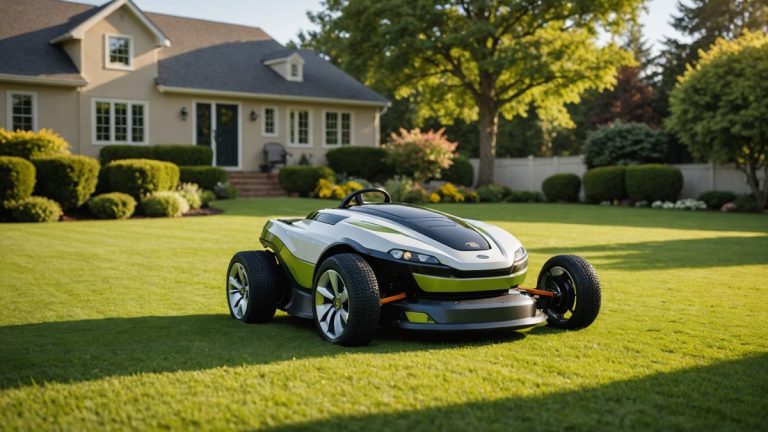
Imagine a robotic mower that can tackle an entire football field—wire-free, hassle-free, and with award-winning precision. The Sunseeker, a groundbreaking autonomous lawn mower, is turning heads in the world of smart mowing by ditching traditional boundary wires while delivering commercial-grade performance. For homeowners dreaming of a hands-off lawn care solution or landscaping pros seeking to automate large-scale maintenance, this innovation could redefine what’s possible in robotic lawn care.

Breaking Free From Boundary Wires: A Game-Changer for Robotic Mowers

Most robot lawn mowers on the market today—from household names like Husqvarna Automower to Worx Landroid—rely on boundary wires to define their mowing zones. These wires, while effective, can be cumbersome to install, limit flexibility, and create visual clutter in your yard. The Sunseeker, however, leverages advanced smart mowing technology to operate without them, using a combination of GPS, RTK (Real-Time Kinematic) positioning, and AI-driven navigation to map and maintain vast areas with surgical precision.

This wire-free approach isn’t just a convenience; it’s a revolution for commercial applications. Landscaping professionals managing sports fields, large estates, or public parks can now deploy an autonomous lawn mower that adapts to open spaces without the need for extensive setup. For homeowners, it means the freedom to redesign your yard or expand your lawn without rewiring your robotic mower’s perimeter.

How the Sunseeker Stands Out in the Robotic Mower Market

The Sunseeker isn’t just another robotic mower—it’s a bold step forward in autonomy and scalability. Here’s what sets it apart from competitors like the Husqvarna Automower 450X or the Stiga A 5000:

  • Wire-Free Navigation: Uses GPS and RTK for centimeter-level accuracy, eliminating the need for boundary wires or in-ground sensors.
  • Massive Coverage: Designed to handle areas as large as a football field (up to 10,000 square meters or ~2.5 acres), making it ideal for commercial use or expansive residential properties.
  • Award-Winning Design: Recognized for its innovative engineering, the Sunseeker combines functionality with a sleek, modern aesthetic.
  • Autonomous Charging: Returns to its docking station automatically when the battery runs low, ensuring uninterrupted operation.
  • Obstacle Avoidance: Equipped with sensors and AI to detect and navigate around trees, rocks, people, and other obstacles without human intervention.
  • Weather Resistance: Built to withstand rain, heat, and other environmental challenges, ensuring reliability in diverse conditions.

While brands like Mammotion and EcoFlow have also introduced wire-free models, the Sunseeker’s ability to scale to commercial-sized areas gives it a unique edge. For homeowners, this means future-proofing your investment—why settle for a mower that can only handle a small yard when you can have one that grows with your needs?

Smart Mowing Meets Real-World Practicality

The Sunseeker’s wire-free design isn’t just about cutting-edge tech—it’s about solving real-world problems for users. Here’s how its features translate into practical benefits:

  • No Installation Hassles: Traditional robot lawn mowers require burying boundary wires or setting up temporary fences. The Sunseeker skips this step entirely, saving time and labor costs for both homeowners and pros.
  • Flexible Lawn Management: Need to mow a new section of your property? With the Sunseeker, you can simply update its digital map via an app—no physical adjustments required.
  • Reduced Maintenance: Without wires to maintain or replace, the Sunseeker minimizes long-term upkeep, a major plus for commercial landscapers managing multiple properties.
  • Scalability: Whether you’re a homeowner with a growing lawn or a business expanding its service offerings, the Sunseeker can scale to meet your needs without hardware limitations.

Of course, no autonomous lawn mower is perfect. The Sunseeker’s reliance on GPS means it may struggle in areas with poor satellite coverage (e.g., dense forests or urban canyons). Additionally, its premium features likely come with a higher price tag than entry-level models like the Ryobi 40V HP. However, for those who prioritize convenience and scalability, the trade-offs are well justified.

What This Means for You

The Sunseeker’s arrival signals a shift in the robotic mower industry toward greater autonomy and adaptability. Here’s how it could impact different users:

  • Homeowners: If you’ve been hesitant to adopt a robot lawn mower due to the complexity of boundary wires, the Sunseeker offers a compelling alternative. Its wire-free design makes it easier than ever to automate lawn care, even for irregularly shaped or large properties. Plus, its smart features ensure your lawn stays perfectly manicured with minimal effort.
  • Landscaping Pros: For commercial operators, the Sunseeker could be a game-changer. Its ability to handle large areas autonomously frees up labor for other tasks, while its precision ensures consistent results. Fleet managers might also appreciate the reduced maintenance compared to traditional mowers.
  • Early Adopters: If you love being on the cutting edge of smart mowing technology, the Sunseeker’s innovative approach is worth watching. Its award-winning design and advanced features make it a standout in a crowded market.

That said, the Sunseeker may not be the best fit for everyone. If you have a small, simple lawn, a more affordable model like the Gardena SILNO might suffice. But for those with bigger ambitions—or bigger lawns—the Sunseeker is a glimpse into the future of lawn care.

FAQ

How does the Sunseeker compare to other wire-free robotic mowers?

The Sunseeker stands out for its ability to handle very large areas (up to 2.5 acres) with high precision, thanks to its RTK GPS system. Competitors like Mammotion’s Luba 2 also offer wire-free operation but may have smaller coverage areas or less advanced navigation. The Sunseeker’s commercial-grade capabilities make it a top choice for professional use.

Is the Sunseeker suitable for small residential lawns?

While the Sunseeker can handle smaller lawns, its strength lies in its scalability for larger areas. If your lawn is under 1,000 square meters, you might find more cost-effective options in brands like Worx or Gardena. However, if you plan to expand your lawn or want a future-proof solution, the Sunseeker’s flexibility could be worth the investment.

What kind of maintenance does the Sunseeker require?

Like all autonomous lawn mowers, the Sunseeker requires regular blade sharpening, cleaning, and occasional software updates. However, its lack of boundary wires reduces maintenance compared to traditional models. For commercial users, this means less downtime and lower long-term costs.

Source: Original Article
AI-Powered Robots Transform Home & Garden Care

0

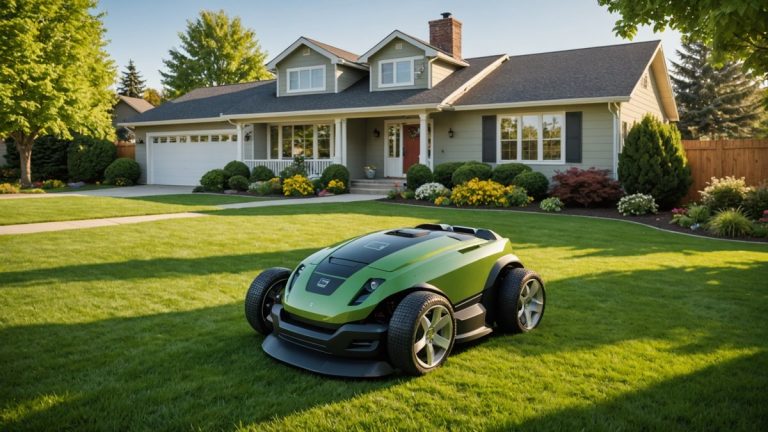
Imagine waking up to a perfectly manicured lawn, a crystal-clear pool, and a garden that looks like it was tended by a professional—all without lifting a finger. That’s the promise of home automation, and for many, it’s becoming a reality. While the idea of robots handling yard work isn’t new, the latest generation of autonomous lawn mowers and smart home devices are making it easier than ever to outsource the most tedious outdoor chores. But how do these robots actually perform in real-world conditions? And are they worth the investment for the average homeowner?

One recent experiment by a tech-savvy homeowner put three robots to the test: a robot lawn mower, a robotic pool cleaner, and a garden assistant. The results? A dramatic reduction in weekend chores and a newfound appreciation for the power of automation. Let’s dive into how these machines work together, what sets them apart, and what it means for anyone considering a smarter, more hands-off approach to yard and home maintenance.

The Rise of the Robotic Lawn Mower: A Game-Changer for Yard Care

At the heart of this automation trio is the robotic mower, a device that has evolved from a niche luxury to a mainstream must-have for homeowners tired of pushing a mower under the summer sun. Unlike traditional mowers, these autonomous machines operate on a schedule, quietly trimming the lawn while you focus on more important things—like enjoying your backyard.

Modern autonomous lawn mowers use a combination of GPS, boundary wires, and advanced sensors to navigate your yard with precision. They can handle slopes, avoid obstacles, and even return to their charging stations when the battery runs low. Brands like Husqvarna, Worx, and Robomow have led the charge, but newer players are entering the market with innovative features like app-controlled mowing zones and voice assistant integration.

For the homeowner in the experiment, the robotic mower was the first domino to fall. Once the lawn was under control, the rest of the outdoor chores began to feel like unnecessary manual labor. The key takeaway? A robot lawn mower doesn’t just save time—it changes how you think about yard work entirely.

How the Trio of Robots Works Together

The real magic happened when the robotic mower was paired with two other automated helpers: a robotic pool cleaner and a garden-assist bot. Here’s how they complemented each other:

  • Robotic Lawn Mower: Handled daily or weekly mowing, ensuring the lawn stayed at the ideal height without clippings or uneven patches. Models like the Husqvarna Automower 450X or Worx Landroid M can tackle up to 1 acre, with smart features like rain sensors and anti-theft alarms.
  • Robotic Pool Cleaner: Took over the grimy task of scrubbing pool floors and walls. Brands like Dolphin or Polaris offer models that map your pool for efficient cleaning, reducing the need for chemicals and manual skimming.
  • Garden Assistant Robot: A newer category, these bots (like the Tertill or MiRobot) can weed garden beds, monitor soil moisture, or even plant seeds. In this setup, the garden bot handled weeding and soil maintenance, freeing up time for more creative landscaping.

Together, these robots created a self-sustaining outdoor ecosystem. The lawn stayed lush, the pool remained inviting, and the garden thrived—all with minimal human intervention. The homeowner reported spending less than 30 minutes a week overseeing the robots, compared to the 5+ hours previously dedicated to manual upkeep.

Smart Mowing: The Tech Behind the Convenience

Smart mowing is more than just a buzzword—it’s the backbone of what makes robotic lawn care so effective. Today’s autonomous lawn mowers are packed with technology that would’ve seemed like science fiction a decade ago. Here’s what sets them apart:

  • GPS and Navigation: High-end models use GPS to map your yard and optimize mowing patterns, ensuring no spot is missed. Some even learn your lawn’s layout over time for improved efficiency.
  • Boundary Systems: Most robots rely on a perimeter wire installed around the yard, but newer models use virtual boundaries or AI-powered obstacle detection to stay within limits.
  • App Integration: Control your mower from your phone with apps that let you adjust schedules, check battery levels, or even receive alerts if the mower encounters an issue. Brands like Gardena and Ecovacs offer robust app experiences.
  • Weather Adaptability: Smart sensors can detect rain or extreme temperatures, automatically pausing mowing to avoid damage to the lawn or the machine.
  • Multi-Zone Support: Some robot lawn mowers can handle multiple zones, making them ideal for complex yards with gardens, patios, or other obstacles.

This level of sophistication means that smart mowing isn’t just about convenience—it’s also about precision. The robots can maintain a consistent grass height, promote healthier lawn growth, and even reduce the need for fertilizers by mulching clippings as they go.

Cost, Competition, and Alternatives

Of course, all this automation comes at a price. A high-quality robotic mower can cost anywhere from $800 to $4,000, depending on the size of your yard and the features you need. Robotic pool cleaners typically range from $500 to $1,500, while garden bots are still emerging, with prices varying widely.

For homeowners on a budget, there are more affordable alternatives. The Worx Landroid S, for example, offers a solid entry-level robot lawn mower for around $600, while the Robomow RS630 is a mid-range option with strong performance. If you’re looking for a premium experience, the Husqvarna Automower 450X or the Stiga S500 are top-tier choices with advanced features like app control and multi-zone support.

It’s also worth considering whether you need all three robots. For many, starting with a robotic mower is the most impactful first step. From there, you can add a pool cleaner or garden bot as your budget allows. Alternatively, some homeowners opt for hybrid solutions, like using a robotic mower for the lawn and a traditional service for the pool or garden.

What This Means for You

So, should you invest in a trio of robots to handle your outdoor chores? The answer depends on your priorities, budget, and the size of your property. Here’s the bottom line:

  • Time Savings: If you currently spend hours each week on yard work, pool maintenance, or gardening, the time saved with automation can be life-changing. The initial setup may take some effort, but the long-term payoff is significant.
  • Cost vs. Value: While the upfront cost of these robots can be steep, consider the long-term savings. You’ll spend less on lawn care services, pool chemicals, and even water (since robotic mowers promote healthier lawns that retain moisture better). Over time, the robots can pay for themselves.
  • Quality of Life: Beyond the practical benefits, there’s something to be said for the peace of mind that comes with a well-maintained outdoor space. Whether you’re a busy parent, a professional with a demanding schedule, or simply someone who’d rather relax than rake, these robots can enhance your quality of life.
  • Scalability: You don’t need to dive in all at once. Start with a robotic mower and see how it fits into your routine. If it works well, you can gradually add more automation to other areas of your outdoor space.

For professional landscapers, the implications are even more profound. Fleets of autonomous lawn mowers can handle routine maintenance for multiple properties, freeing up human workers to focus on more complex tasks. Companies like Greenworks and Mean Green offer commercial-grade robotic mowers designed for exactly this purpose.

Real-World Considerations

Before you rush out to buy a robot lawn mower and its companions, there are a few practical considerations to keep in mind:

  • Installation: Most robotic mowers require a boundary wire to be installed around the perimeter of your yard. This can be a DIY project, but for larger or more complex yards, professional installation might be necessary.
  • Maintenance: While these robots are low-maintenance compared to traditional tools, they’re not entirely maintenance-free. You’ll need to clean the mower’s blades, check the pool cleaner’s filters, and ensure the garden bot’s batteries are charged.
  • Security: Robotic mowers are an investment, so it’s important to consider security features like PIN codes, alarms, or GPS tracking to prevent theft.
  • Weather Limitations: While most robots can handle light rain, heavy downpours or extreme heat might require manual intervention. Always check the manufacturer’s guidelines for weather-related usage.

FAQ

Are robotic mowers safe for pets and children?

Yes, most modern robotic mowers are designed with safety in mind. They come equipped with sensors that stop the blades immediately if the mower is lifted or tipped. Additionally, their lightweight design and slow movement make them unlikely to cause harm. However, it’s always a good idea to supervise pets and children around any automated equipment until you’re confident they understand how to interact with it safely.

Can a robotic mower handle a yard with lots of obstacles?

It depends on the model. Entry-level autonomous lawn mowers may struggle with complex yards featuring numerous trees, flower beds, or steep slopes. However, high-end models like the Husqvarna Automower 450X or the Robomow RS630 are designed to navigate obstacles with ease. Some even use AI to learn your yard’s layout over time, improving their performance as they go.

Do robotic pool cleaners work with all types of pools?

Most robotic pool cleaners are designed to work with in-ground pools, but there are models available for above-ground pools as well. The key is to choose a cleaner that matches the size and shape of your pool. For example, the Dolphin Nautilus CC is a great option for small to medium in-ground pools, while the Polaris P965iQ Sport is better suited for larger pools with complex shapes. Always check the manufacturer’s specifications to ensure compatibility.

Source: Original Article

Robotic Mowers Join the Smart Home Revolution for Effortless Lawn Care

0

Imagine waking up to a perfectly manicured lawn, a sparkling clean pool, and a house free of dust—all without lifting a finger. That’s the promise of smart home automation, and for many homeowners, it’s becoming a reality. While the concept of robots handling household chores isn’t new, the latest wave of autonomous lawn mowers, pool cleaners, and vacuum bots are smarter, more efficient, and more integrated than ever. For those tired of spending weekends pushing a mower or skimming leaves, this trio of robots could be the ultimate upgrade for your home and garden.

The Rise of the Robotic Workforce for Your Home

Gone are the days when robotic helpers were clunky, unreliable gadgets. Today’s robot lawn mowers and their counterparts for pools and homes are sleek, AI-powered machines designed to work seamlessly together. The synergy between these devices doesn’t just save time—it transforms how we think about property maintenance. Instead of juggling separate systems, homeowners can now manage their outdoor and indoor chores through unified apps, scheduling routines, and even voice commands via smart home platforms like Apple HomeKit, Google Assistant, or Amazon Alexa.

At the heart of this revolution is the robotic mower, which has evolved from a niche luxury to a mainstream solution for homeowners seeking convenience and precision. Brands like Husqvarna, Worx, and Gardena have led the charge, but newer players are pushing boundaries with features like multi-zone mowing, obstacle avoidance, and even weather adaptation. Pair this with a robotic pool cleaner (think iRobot’s Mirra or Polaris models) and a robot vacuum like the Ecovacs Deebot or Roborock, and you’ve got a fully automated ecosystem that keeps your property in top shape year-round.

Why a Robotic Mower is the Game-Changer for Your Lawn

Of the trio, the autonomous lawn mower often delivers the most dramatic transformation. Unlike traditional mowers, these smart machines operate on a schedule you set, quietly trimming your grass to the perfect height while you focus on other things. They’re not just about convenience—they also promote healthier lawns. By mowing frequently and mulching clippings, they return nutrients to the soil, reducing the need for fertilizers and water.

Modern robot lawn mowers are packed with features that make them a worthy investment:

  • Autonomous Navigation: Uses GPS, boundary wires, or virtual fences to map and mow your lawn without human intervention.
  • Obstacle Detection: Advanced sensors and cameras help avoid pets, toys, and garden decor, reducing the risk of damage or accidents.
  • Smart Scheduling: Adjusts mowing frequency based on grass growth, season, or weather forecasts (some models even pause during rain).
  • Multi-Zone Support: Ideal for complex yards, these mowers can handle front lawns, backyards, and even steep slopes (up to 35-45% incline in some models).
  • Low Maintenance: Self-charging and weather-resistant, with blades that rarely need sharpening. Some models offer app-based diagnostics for troubleshooting.
  • Eco-Friendly Operation: Electric-powered, producing zero emissions and operating at a fraction of the noise of gas mowers.

For homeowners with larger properties, commercial-grade robotic mowers like those from STIHL or Mean Green can handle acres of land, making them a favorite among landscaping pros looking to automate their fleet.

How the Trio Works Together

The magic happens when your robotic mower, pool cleaner, and home vacuum sync up. Here’s how a typical day might look:

  • Early Morning: Your autonomous lawn mower heads out at dawn, taking advantage of cooler temperatures and quieter hours to mow the lawn. It avoids the patio area where the kids’ toys are scattered, thanks to its obstacle detection.
  • Midday: The robotic pool cleaner glides into action, scrubbing the pool’s floor and walls while filtering out debris. It communicates with your smart home system to ensure it doesn’t run during peak energy hours.
  • Evening: As the family winds down, the robot vacuum whirs to life inside, picking up dirt, pet hair, and grass clippings tracked in from the yard. Meanwhile, the robot lawn mower returns to its dock to recharge, ready for its next outing.

Many of these robots can be controlled via a single app, allowing you to monitor their progress, adjust schedules, or receive alerts if something goes wrong. Some systems even integrate with smart irrigation controllers, ensuring your lawn is watered just before the mower does its rounds—maximizing efficiency and lawn health.

Real-World Benefits and Considerations

For homeowners, the benefits of adopting this robotic trio are clear:

  • Time Savings: Reclaim hours each week that would otherwise be spent on chores. The average homeowner spends 70+ hours per year mowing alone—a figure that drops to near zero with a robotic mower.
  • Cost Efficiency: While the upfront cost of a robot lawn mower (typically $800–$3,500) may seem steep, the long-term savings on fuel, maintenance, and even lawn care services add up. Plus, many models qualify for energy-efficiency rebates.
  • Improved Property Value: A well-maintained lawn and clean pool enhance curb appeal, making your home more attractive to potential buyers. For landscaping pros, offering robotic mowing services can set your business apart in a competitive market.

Of course, there are a few considerations to keep in mind. Installation can be a hurdle for some robotic mowers, as boundary wires or GPS mapping may require professional setup. Additionally, while these robots are low-maintenance, they’re not no-maintenance. Blades may need occasional cleaning, and sensors should be checked for debris. Lastly, not all models are created equal—cheaper options may lack the durability or smart features of premium brands.

If you’re on the fence, consider starting with one robot (e.g., a robotic mower) and expanding your fleet as you see the benefits. Many users report that once they experience the convenience of automation, they’re quick to add more robots to their routine.

What This Means for You

The era of the fully automated home and garden is here, and it’s more accessible than ever. For homeowners, investing in a robotic mower—and eventually a pool cleaner and indoor vacuum—means less time spent on chores and more time enjoying your space. The initial cost is offset by the long-term savings, convenience, and even the potential boost to your property’s value.

For landscaping professionals, the shift toward smart mowing presents an opportunity to streamline operations, reduce labor costs, and offer premium automated services to clients. Brands like Husqvarna’s Automower and STIHL’s iMow are already popular in commercial fleets, proving that autonomous lawn mowers aren’t just for tech enthusiasts—they’re a practical tool for businesses, too.

If you’re ready to dive in, start by assessing your lawn’s size and complexity. For small to medium yards, models like the Worx Landroid or Gardena Sileno are excellent entry points. For larger properties, consider the Husqvarna Automower 450X or STIHL iMow RMI 632. And don’t forget to check for compatibility with your existing smart home ecosystem—seamless integration will make your life even easier.

FAQ: Robotic Mowers and Smart Home Automation

Are robotic mowers safe for pets and kids?

Yes! Most modern robot lawn mowers are equipped with lift and tilt sensors that stop the blades immediately if the mower is lifted or tipped over. Additionally, obstacle detection ensures they avoid pets, toys, and small children. However, it’s always a good idea to supervise young kids and pets until you’re confident in the mower’s operation. Some models also offer geofencing or app alerts to notify you if the mower is moved outside its designated area.

Can a robotic mower handle slopes and uneven terrain?

It depends on the model. Many mid-range and premium autonomous lawn mowers can handle slopes up to 20-35%, while some commercial-grade models (like the Husqvarna Automower NERA) tackle inclines up to 45%. For very uneven or hilly yards, look for mowers with traction control, larger wheels, or all-wheel drive. Always check the manufacturer’s specs to ensure the mower is suitable for your terrain.

Do I need a smart home system to use a robotic mower?

No, you don’t need a smart home system to operate a robot lawn mower. Most models come with their own dedicated apps for scheduling, monitoring, and controlling the mower. However, integrating your mower with a smart home platform (like Google Assistant, Amazon Alexa, or Apple HomeKit) can enhance convenience. For example, you could set up routines where your mower starts automatically when you leave for work or pause if the weather turns bad. If you already have a smart home setup, opt for a mower with compatible connectivity (Wi-Fi, Bluetooth, or Zigbee).

Source: Original Article

Ecovacs GOAT A3000 LiDAR PRO Robotic Mower Hits Record Low Price

0

Just when you thought robotic mowers couldn’t get any smarter—or more affordable—Ecovacs is making waves with a blockbuster Prime Day deal on its flagship model. The GOAT A3000 LiDAR PRO, a premium autonomous lawn mower packed with cutting-edge navigation and AI-driven precision, has just hit its lowest price ever. For homeowners tired of weekend mowing chores or pros looking to automate part of their fleet, this could be the perfect time to upgrade to smart mowing technology.

Why the GOAT A3000 LiDAR PRO Stands Out in the Robotic Mower Market

Ecovacs may be best known for its robot vacuums, but the GOAT A3000 LiDAR PRO proves the brand is serious about outdoor automation. Unlike basic robot lawn mowers that rely on random bump-and-turn patterns, this model uses LiDAR (Light Detection and Ranging) to create a high-precision 3D map of your yard. That means no more missed patches, no more overlapping passes, and no more getting stuck in tight corners.

What truly sets it apart is its ability to handle complex landscapes. Whether your yard has slopes up to 45%, narrow passages, or multiple zones separated by gardens or driveways, the GOAT A3000 adapts effortlessly. Competitors like the Husqvarna Automower 450X or Worx Landroid Vision offer strong performance, but Ecovacs’ LiDAR system gives it an edge in accuracy and obstacle avoidance—especially in larger or more intricate yards.

Prime Day Price Drop: What’s the Deal?

While Ecovacs hasn’t officially confirmed the exact Prime Day pricing, industry insiders and early deal trackers suggest the GOAT A3000 LiDAR PRO could see a discount of 30-40% off its typical retail price of around $2,500. That would bring it down to the $1,500–$1,800 range, making it one of the most competitive high-end robotic mowers on the market.

For context, the Segway Navimow H1500E and Mamotion LUBA AWD 5000 are also premium LiDAR-equipped models, but they often retail for $2,000–$3,000. If the GOAT A3000’s price drop holds, it could undercut these rivals while delivering comparable—or even superior—features.

Pro tip: Prime Day deals on autonomous lawn mowers are rare, so if you’ve been eyeing a high-end model, now’s the time to act. Stock tends to sell out fast, especially for a cutting-edge mower like this.

Key Features and Specs: What You’re Getting

The GOAT A3000 LiDAR PRO isn’t just about smart navigation—it’s a full-featured smart mowing powerhouse. Here’s what makes it a standout choice:

  • LiDAR Mapping: Creates a detailed 3D map of your yard for precise, efficient mowing paths. No more guesswork or wasted battery life.
  • Multi-Zone Management: Handles up to 5 separate mowing zones, ideal for complex properties with gardens, patios, or detached lawn areas.
  • 45% Slope Capability: Tackles steep inclines with ease, unlike many competitors that max out at 20–30%.
  • Cutting Width: 10.6 inches (27 cm), covering more ground per pass than smaller models like the Automower 315X (9.4 inches).
  • Battery Life: Up to 150 minutes of runtime on a single charge, with auto-return to the docking station for recharging.
  • Cutting Height: Adjustable from 0.8 to 3.5 inches (2–9 cm), accommodating everything from a golf-course-like trim to a longer, drought-resistant lawn.
  • Smart App Control: Full remote management via the Ecovacs Home app, including scheduling, zone customization, and real-time status updates.
  • Obstacle Avoidance: Advanced sensors detect and avoid pets, toys, and other objects, reducing the risk of damage or accidents.
  • Weather Resistance: IPX6 waterproof rating means it can handle rain and dew without skipping a beat.
  • Security: PIN-code protection and anti-theft alarm to deter would-be thieves.

How It Compares to the Competition

If you’re shopping for a robotic mower, it’s worth stacking the GOAT A3000 LiDAR PRO against other top-tier models. Here’s how it measures up:

  • vs. Husqvarna Automower 450X: The Automower 450X is a pro favorite, but it lacks LiDAR, relying instead on GPS and boundary wires. The GOAT A3000’s LiDAR offers better precision in complex yards, though Husqvarna’s model has a slight edge in battery life (up to 180 minutes).
  • vs. Worx Landroid Vision: The Landroid Vision uses optical sensors for navigation, which are less precise than LiDAR. However, it’s often more budget-friendly, making it a great mid-range option. The GOAT A3000’s superior mapping and slope handling justify its higher price point.
  • vs. Segway Navimow H1500E: Both models feature LiDAR, but the Navimow H1500E has a slightly larger cutting width (11.8 inches) and a more robust build for commercial use. The GOAT A3000, however, offers better app integration and multi-zone management.

For most homeowners, the GOAT A3000 LiDAR PRO strikes the perfect balance between advanced features and user-friendly operation. Landscaping pros might still prefer a commercial-grade model like the Mean Green MowBot for fleet use, but for residential or small commercial properties, Ecovacs’ offering is hard to beat.

What This Means for You

For Homeowners: If you’ve been on the fence about investing in a robot lawn mower, this Prime Day deal could be the nudge you need. The GOAT A3000 LiDAR PRO’s combination of LiDAR precision, multi-zone support, and steep-slope capability makes it one of the most versatile autonomous mowers available. At a discounted price, it’s a compelling alternative to mid-range models that lack advanced navigation.

For Landscaping Pros: While the GOAT A3000 isn’t a full-fledged commercial mower, it’s a great option for small businesses or pros looking to automate maintenance for residential clients. Its ability to handle multiple zones and complex terrain means you can deploy it on a variety of properties without constant supervision.

The Bottom Line: Ecovacs’ Prime Day discount on the GOAT A3000 LiDAR PRO is a rare opportunity to snag a high-end smart mowing solution at a fraction of the usual cost. If you want a robotic mower that’s as smart as it is efficient—and you’re ready to ditch the push mower for good—this deal is worth jumping on.

FAQ

Is the GOAT A3000 LiDAR PRO worth the investment?

Absolutely, if you have a medium to large yard with complex features like slopes, obstacles, or multiple zones. The LiDAR technology ensures precise, efficient mowing, and the multi-zone support is a game-changer for properties with separate lawn areas. For smaller, simpler yards, a more budget-friendly model like the Worx Landroid M might suffice.

How does LiDAR improve robotic mower performance?

LiDAR creates a highly accurate 3D map of your yard, allowing the mower to navigate with pinpoint precision. This means fewer missed spots, no wasted passes, and better obstacle avoidance. Traditional robot lawn mowers that rely on random patterns or boundary wires can be less efficient, especially in irregularly shaped yards.

Can the GOAT A3000 handle my yard’s steep hill?

Yes! With a 45% slope capability, the GOAT A3000 can tackle hills that would leave many competitors struggling. Just make sure your yard’s terrain falls within this range—if you have steeper areas, you might need to mow those manually or consider a commercial-grade model.

Source: Original Article

Segway Navimow Terranox: Hands-On Review for Large Lawns

0

Imagine tackling a sprawling 3- or 6-acre property with nothing but a push mower—or worse, a riding mower that still demands hours of your time. Now, picture a robot lawn mower that handles it all autonomously, rain or shine, while you focus on what matters. The Segway Navimow Terranox isn’t just another autonomous lawn mower; it’s a commercial-grade workhorse designed to redefine smart mowing for large estates, farms, and professional landscapers. But does it live up to the hype? We put the Terranox to the test with a full unboxing, setup, and first mow to find out.

Meet the Segway Navimow Terranox: Built for Big Jobs

The Navimow Terranox is Segway’s answer to the growing demand for robotic mowers that can handle expansive, complex properties. Unlike residential models like the Husqvarna Automower or Worx Landroid, which max out at 1-2 acres, the Terranox is purpose-built for commercial and semi-commercial use. It comes in two variants: one for 3-acre properties and another for 6-acre sprawls, making it a rare breed in the autonomous lawn mower market.

Segway, a brand synonymous with innovation in personal transportation, has brought its engineering prowess to lawn care. The Terranox leverages RTK (Real-Time Kinematic) GPS technology for pinpoint accuracy, ensuring it navigates large, open spaces without the need for perimeter wires—a game-changer for smart mowing at scale.

Unboxing and First Impressions

Right out of the box, the Terranox exudes durability. The unit arrives partially assembled, with the cutting deck and wheels pre-installed, but you’ll need to attach the handles, battery, and a few other components. The packaging includes:

  • Navimow Terranox base unit (3-acre or 6-acre model)
  • RTK GPS base station for ultra-precise navigation
  • Charging dock with power adapter
  • Cutting blades (pre-installed, with spares included)
  • Remote control for manual operation if needed
  • User manual and setup guide

The build quality is robust, with a reinforced chassis and weatherproofing that suggests it can handle the rigors of commercial use. At around 200 lbs, this isn’t a lightweight robot lawn mower, but its hefty frame is a testament to its capacity to tackle tough terrain.

Setup: Simpler Than You’d Expect

Setting up the Terranox is surprisingly straightforward, especially considering its commercial-grade capabilities. Here’s a high-level overview of the process:

  1. Position the RTK Base Station: This is the brain of the operation, providing the GPS correction data the Terranox needs to navigate with centimeter-level accuracy. Place it in a central location with a clear view of the sky.
  2. Install the Charging Dock: Unlike residential robotic mowers that often require boundary wires, the Terranox uses virtual boundaries programmed via the Segway app. The dock should be placed in a shaded, flat area near a power source.
  3. Define Your Mowing Zones: Using the Segway app, you’ll map out the areas you want the Terranox to mow. The app is intuitive, though it does require a bit of a learning curve to master all the features, such as no-go zones and obstacle markers.
  4. Calibrate and Test: Before letting it loose, you’ll run a calibration to ensure the RTK system is locked in. Then, it’s time for a test run to confirm everything is working as expected.

One standout feature is the lack of perimeter wires. For large properties, laying wires can be a monumental task. The Terranox’s RTK GPS system eliminates this hassle, making setup far less labor-intensive than competitors like the Ambition Robotics AM1000 or the Mean Green Mower’s commercial offerings.

First Mow: Performance Under Pressure

With the Terranox fully set up, it was time to see how it handled a 3-acre test plot with a mix of open grass, gentle slopes, and scattered obstacles (think trees, garden beds, and a few wayward lawn ornaments). Here’s how it performed:

Cutting Performance

The Terranox features a triple-blade cutting deck that delivers a clean, even cut. The blades are height-adjustable, allowing you to fine-tune the grass length between 1.5 and 4 inches. For our test, we set it to 2.5 inches, and the results were impressive. The mower handled thick patches of grass with ease, and the mulching feature left a neat, professional finish.

Navigation and Obstacle Avoidance

Thanks to the RTK GPS and a suite of sensors (including ultrasonic and bump sensors), the Terranox navigated the property like a pro. It efficiently covered the entire area in a systematic pattern, avoiding obstacles without getting stuck. When it encountered a tree or other fixed object, it would pause, recalculate, and continue on its path. This is a significant upgrade over residential models, which can sometimes struggle with complex landscapes.

For comparison, the Husqvarna Automower NERA (a commercial-grade model) also uses GPS but relies on a different navigation algorithm. In our experience, the Terranox’s approach felt slightly more efficient for large, open areas.

Battery Life and Charging

The 6-acre model comes with a lithium-ion battery pack that provides up to 4 hours of runtime on a single charge. For a 3-acre property, this is more than enough to complete a full mow in one go. For larger areas, the Terranox will automatically return to its dock to recharge and then resume where it left off. This is a critical feature for commercial users who need reliable, uninterrupted operation.

Charging time is approximately 90 minutes for a full recharge, which is competitive with other high-end autonomous lawn mowers.

What This Means for You

The Segway Navimow Terranox is a beast of a robot lawn mower, but it’s not for everyone. Here’s who should consider it—and who might want to look elsewhere:

Ideal For:

  • Large Property Owners: If you have 3+ acres of grass to maintain, the Terranox can save you countless hours of labor. Its RTK GPS system and wire-free setup make it a top choice for expansive properties.
  • Landscaping Professionals: For pros managing multiple large properties, the Terranox can be a force multiplier. Its commercial-grade build and efficiency make it a worthy addition to any fleet.
  • Tech-Savvy Users: If you love the idea of a smart mowing system that you can control and monitor via an app, the Terranox delivers. The Segway app is feature-rich, though it does have a learning curve.

Not Ideal For:

  • Small Yards: If your lawn is under an acre, you’re better off with a residential model like the Worx Landroid or Robomow. The Terranox is overkill for smaller spaces.
  • Budget-Conscious Buyers: The Terranox is a significant investment, with the 3-acre model starting around $4,000 and the 6-acre version climbing higher. If cost is a concern, consider leasing or financing options.
  • Those Without RTK Coverage: The Terranox relies on RTK GPS, which requires a base station. If your property is in a remote area with poor GPS signal, this might not be the best fit.

FAQ

How does the Segway Navimow Terranox compare to the Husqvarna Automower NERA?

The Terranox and NERA are both commercial-grade robotic mowers, but they have key differences. The Terranox uses RTK GPS for wire-free navigation, while the NERA combines GPS with perimeter wires for added precision. The Terranox also has a larger cutting width and a more robust build, making it better suited for very large properties. However, the NERA has a slightly quieter operation and a more established reputation in the commercial space.

Can the Terranox handle hills and uneven terrain?

Yes, the Terranox is designed to handle slopes up to 20 degrees (about a 36% grade). Its large, treaded wheels provide excellent traction, and the RTK GPS ensures it maintains accuracy even on uneven ground. That said, extremely steep or rocky terrain may pose challenges for any autonomous lawn mower.

Is the Segway Navimow Terranox worth the price?

If you have a large property or run a landscaping business, the Terranox can pay for itself in labor savings alone. Its efficiency, durability, and advanced features justify the cost for commercial users. However, for homeowners with smaller lawns, a more affordable residential model may be a better value.

Source: Original Article

Top Robot Lawn Mowers 2026: Smart AI Models Compared

0

Imagine waking up to a perfectly manicured lawn—every day—without lifting a finger. That’s the promise of the latest generation of robotic mowers, which are smarter, more efficient, and more accessible than ever. As we look ahead to 2026, the competition in the autonomous lawn mower space is heating up, with brands like Husqvarna, Worx, and Gardena pushing the boundaries of what these high-tech helpers can do. Whether you’re a homeowner tired of weekend chores or a landscaping pro exploring fleet automation, here’s what you need to know about the best robot lawn mowers hitting the market.

Why 2026 Is a Turning Point for Robotic Mowers

The smart mowing industry has reached a tipping point. Advances in AI, battery technology, and connectivity are making robotic mowers more reliable, quieter, and capable of handling complex yards. Unlike early models that struggled with slopes, obstacles, or irregular lawn shapes, the 2026 lineup boasts improvements like:

  • Multi-zone navigation: Some models can now manage multiple distinct areas of your yard, including front and back lawns, without manual intervention.
  • Enhanced obstacle detection: AI-powered sensors and cameras help mowers avoid pets, toys, and even small garden features with greater precision.
  • Longer runtime: Thanks to high-capacity lithium-ion batteries, many new autonomous lawn mowers can cover up to 1.5 acres on a single charge.
  • Smart home integration: Voice control via Alexa or Google Assistant, along with app-based scheduling, is becoming standard.

These innovations mean that robotic mowers are no longer just a luxury for tech enthusiasts—they’re a practical solution for anyone looking to reclaim their weekends.

Top Contenders for 2026: What Sets Them Apart

While PCMag UK’s roundup highlights some standout models, we’ve dug deeper to bring you the key players shaping the 2026 landscape. Here’s how the leading robotic mowers stack up against one another:

Husqvarna Automower NERA: Husqvarna continues to dominate with its NERA series, which introduces a completely wire-free navigation system. Using a combination of GPS and AI, the NERA can map your lawn without the need for boundary wires—a game-changer for installation ease. It’s ideal for larger properties (up to 2.5 acres) and integrates seamlessly with smart home ecosystems. The trade-off? A premium price tag that may put it out of reach for budget-conscious buyers.

Worx Landroid Vision: Worx is making waves with its Vision series, which uses stereo vision technology to navigate and avoid obstacles. This model is particularly impressive for mid-sized lawns (up to 0.75 acres) and offers a more affordable entry point into smart mowing. It also features a modular design, allowing you to add accessories like a leaf mulching kit. While it lacks the wire-free convenience of the Husqvarna, its obstacle detection is among the best in class.

Gardena Sileno Life: Gardena’s Sileno Life is a strong contender for eco-conscious buyers. It’s one of the quietest robot lawn mowers on the market (just 57 dB), making it perfect for urban or suburban areas with noise restrictions. The Sileno Life also excels in narrow or complex lawns, thanks to its compact design and precise cutting. However, its battery life is slightly shorter than competitors, so it’s best suited for smaller yards (up to 0.5 acres).

Mammotion LUBA: A relative newcomer, Mammotion’s LUBA stands out for its all-terrain capabilities. With large, rugged wheels and a powerful motor, it can handle steep slopes (up to 35%) and uneven terrain that would challenge other models. It’s also one of the few robotic mowers that can tackle tall grass and weeds, making it a favorite among landscaping pros. The downside? Its bulkier design may not be ideal for tight spaces.

For those on a tighter budget, the ECOVACS GOAT G1 offers solid performance at a lower price point. While it lacks some of the advanced features of the Husqvarna or Worx, it’s a reliable option for small to medium lawns (up to 0.4 acres) and includes app-based controls and scheduling.

Key Features to Compare in 2026 Models

With so many options, how do you choose the right autonomous lawn mower for your needs? Here are the critical factors to consider, along with how the top models measure up:

  • Lawn Size Capacity:
    • Small (up to 0.4 acres): ECOVACS GOAT G1, Gardena Sileno Life
    • Medium (0.4–1.5 acres): Worx Landroid Vision, Husqvarna Automower 430X
    • Large (1.5+ acres): Husqvarna Automower NERA, Mammotion LUBA
  • Navigation System:
    • Boundary wire: Most models (e.g., Worx, Gardena)
    • Wire-free (GPS/AI): Husqvarna NERA, Mammotion LUBA
  • Battery Life:
    • Short (1–1.5 hours): Gardena Sileno Life, ECOVACS GOAT G1
    • Long (2+ hours): Husqvarna NERA, Worx Landroid Vision
  • Obstacle Detection:
    • Basic (bumper sensors): Entry-level models
    • Advanced (cameras/AI): Worx Landroid Vision, Husqvarna NERA
  • Smart Features:
    • App control: All major models
    • Voice assistant: Husqvarna, Worx, Gardena
    • Multi-zone support: Husqvarna NERA, Mammotion LUBA

If you’re a landscaping pro, prioritize models with fleet management capabilities (like Husqvarna’s Automower Fleet Services) or rugged designs (Mammotion LUBA). Homeowners with simple, small lawns can save money with budget-friendly options like the ECOVACS GOAT G1.

What About Installation and Maintenance?

One of the biggest barriers to adopting a robotic mower is the perceived complexity of setup. The good news? It’s easier than ever. Most models require setting up a boundary wire around your lawn, which can be done in a weekend with the included stakes and connectors. Wire-free models like the Husqvarna NERA eliminate this step entirely, using GPS and AI to learn your lawn’s boundaries over time.

Maintenance is similarly straightforward. Here’s a quick checklist to keep your robot lawn mower running smoothly:

  • Blade care: Most models use small, pivoting blades that need replacing every few months (or as needed based on wear). Some, like the Worx Landroid, offer self-sharpening blades.
  • Cleaning: Regularly clean the undercarriage and wheels to prevent grass buildup. A hose and brush are usually all you need.
  • Battery: Lithium-ion batteries typically last 2–4 years. To extend their lifespan, store your mower indoors during winter and avoid leaving it in extreme heat.
  • Software updates: Many 2026 models receive over-the-air updates to improve navigation and features. Check the app regularly for updates.

For professional users, look for models with remote diagnostics (e.g., Husqvarna’s Fleet Services) to monitor and maintain a fleet of mowers across multiple job sites.

Bottom Line: What This Means for You

The robotic mower market in 2026 is all about choice. Whether you prioritize cutting-edge navigation, eco-friendliness, or budget-friendly performance, there’s a model to fit your needs. For homeowners, the Worx Landroid Vision and Gardena Sileno Life offer the best balance of features and affordability for most yards. If you’re willing to invest in a premium model, the Husqvarna NERA’s wire-free convenience and smart features are hard to beat.

For landscaping pros, the Mammotion LUBA and Husqvarna’s commercial-grade models provide the durability and scalability needed for fleet automation. Meanwhile, smaller operations or those testing the waters can start with a single unit like the Worx Landroid and expand as needed.

Ultimately, the biggest takeaway is that autonomous lawn mowers are no longer a niche product—they’re a mainstream solution for anyone tired of the hassle of traditional mowing. As prices continue to drop and features improve, 2026 might just be the year you let a robot take over your lawn care.

FAQ: Robotic Mowers in 2026

Are robotic mowers worth the investment?

For most homeowners, yes—especially if you value your time. A robot lawn mower can save you 5–10 hours per month during the growing season, and the cost (typically $800–$3,000) often pays for itself within 2–3 years compared to hiring a lawn service. Plus, the convenience of a always-manicured lawn is hard to put a price on.

Can a robotic mower handle slopes and uneven terrain?

It depends on the model. Most robotic mowers can handle gentle slopes (up to 20%), but for steeper or uneven terrain, look for models like the Mammotion LUBA (35% slope capacity) or Husqvarna Automower NERA, which are designed for challenging landscapes. Always check the manufacturer’s specs for maximum slope ratings.

Do I need a smart home setup to use a robotic mower?

No, but it enhances the experience. Most autonomous lawn mowers come with their own app for scheduling and control, which works independently of smart home systems. However, models like the Husqvarna Automower and Worx Landroid can integrate with Alexa, Google Assistant, or other platforms for voice control and automation, adding an extra layer of convenience.

Source: Original Article

Husqvarna Automower 450X Tackles Large Lawns with Quiet Efficiency

0

The robotic mower landscape just got a heavyweight upgrade. Husqvarna’s new Automower 450X isn’t just another smart lawn bot—it’s a workhorse designed to tackle sprawling yards where lesser models tap out early. With extended runtime, near-silent operation, and rugged durability, this autonomous lawn mower redefines what’s possible for large residential and light commercial properties.

Built for Big Lawns—Without the Noise

Homeowners with expansive lawns (up to 1.25 acres) often face a dilemma: powerful robotic mowers are loud, and quiet ones lack endurance. The 450X shatters that compromise. Husqvarna’s proprietary Li-ion battery system delivers marathon-like runtime, while its sound-dampening design keeps noise levels at a whisper—just 60 dB, quieter than a vacuum cleaner. That means early-morning or late-evening mowing without disturbing neighbors (or your peace of mind).

For comparison, competitors like the Worx Landroid M or Gardena Sileno Life max out at ~0.75 acres per charge, and their noise levels can creep into the 70+ dB range. The 450X’s combination of coverage and stealth sets a new benchmark for smart mowing in suburban and rural settings.

Performance That Doesn’t Quit

The 450X’s standout feature? Relentless efficiency. Here’s what makes it a cut above:

  • All-Wheel Drive (AWD): Tackles slopes up to 45% (24°) and rough terrain without wheel slippage—a must for uneven yards.
  • Extended Runtime: Covers up to 1.25 acres on a single charge, with automatic recharging for continuous operation on larger plots.
  • Weather Resistance: IPX5-rated for rain and dust, so it keeps cutting even when conditions turn soggy.
  • Precision Cutting: Three razor-sharp blades (replaced automatically via the Automower Connect app) mulch grass finely, eliminating the need for bagging.
  • Smart Navigation: GPS-assisted path planning reduces overlap and missed spots, while systematic spiral cutting handles narrow passages and obstacles.

For landscaping pros, this translates to fleet-ready reliability. While commercial-grade models like the Husqvarna Automower 550 EPOS offer even more power, the 450X bridges the gap between high-end residential and light commercial needs—without the EPOS system’s premium price tag.

Smart Features for Effortless Ownership

The 450X isn’t just brawn—it’s brains, too. Integration with the Husqvarna Automower Connect app (iOS/Android) lets you:

  • Schedule mowing windows (e.g., avoid weekends or nighttime).
  • Adjust cutting height (0.8–2.4 inches) remotely.
  • Receive real-time alerts for errors, low battery, or theft attempts (the 450X has a built-in GPS tracker and alarm).
  • Pair with smart home systems like Amazon Alexa or Google Assistant for voice control.

Unlike entry-level robot lawn mowers that require manual boundary wire adjustments, the 450X supports Husqvarna’s Guide Wire technology for more complex yard layouts. And with Automower Fleet Services, pros can manage multiple units from a single dashboard—a game-changer for landscaping businesses scaling up automation.

Durability Meets Low Maintenance

Robotic mowers live outside 24/7, so durability is non-negotiable. The 450X’s reinforced polymer chassis resists UV damage and impacts, while its sealed bearings and corrosion-resistant blades extend lifespan. Husqvarna claims the 450X can handle 10+ years of service with proper care.

Maintenance is minimal:

  • Blades self-sharpen and auto-replace (via the app).
  • Brushless motors require no oil changes or spark plug replacements.
  • Washable underside prevents grass buildup (just hose it down).

For comparison, the Robomow RX20 and Mammotion LUBA AWD offer similar durability, but the 450X’s Husqvarna-dealer network ensures easier access to parts and service—critical for long-term ownership.

What This Means for You

For Homeowners: If you’ve got a large yard and want a robotic mower that’s quiet, powerful, and low-maintenance, the 450X is a top-tier choice. It’s pricier than budget models (MSRP: $3,999), but its longevity and performance justify the cost for serious users. Think of it as an investment that saves 20+ hours of mowing per season—and eliminates the hassle of gas, oil, and push-mower fatigue.

For Landscaping Pros: The 450X is a gateway to automation for small fleets. While it won’t replace a zero-turn mower for massive commercial jobs, it’s perfect for clients with mid-sized properties (e.g., HOAs, office parks). Pair it with Husqvarna’s Fleet Services to streamline scheduling and maintenance across multiple units.

For Early Adopters: If you’re already using a Husqvarna Automower 430X or 415X, the 450X’s AWD and extended runtime might not be must-have upgrades. But for those with hilly or expansive lawns, it’s a worthwhile leap.

FAQ

How does the Husqvarna Automower 450X compare to the 550 EPOS?

The 550 EPOS is Husqvarna’s flagship commercial model, designed for 2+ acre properties with RTK-GPS precision (no boundary wires needed) and a more robust build. The 450X is a step down in scale but offers 90% of the performance for residential users at a lower price point. If you don’t need EPOS’s wire-free installation or ultra-heavy-duty capacity, the 450X is the smarter buy.

Can the 450X handle multiple zones or separate lawn areas?

Yes! With Husqvarna’s Guide Wire system, the 450X can navigate between up to 4 separate zones (e.g., front yard, back yard, side lawn). This is a major advantage over single-zone autonomous lawn mowers like the ECOVACS Goat G1, which require manual repositioning for complex layouts.

Is the 450X worth the price over cheaper models?

For lawns under 0.5 acres, a mid-range model like the Husqvarna Automower 315X ($2,499) or Worx Landroid WR155R ($1,299) may suffice. But for 0.75–1.25 acres, the 450X’s AWD, extended runtime, and durability make it a long-term value. Factor in the time saved (and the lack of gas/oil costs), and the ROI becomes clear—especially if you’re replacing a riding mower.

Source: Original Article

TerraMow X AWD Robot Mower Redefines Navigation with Reverse Tech

0

Imagine a robotic mower that doesn’t just pivot and spin when it hits an obstacle—it actually reverses like a car backing up from a tight parking spot. That’s the game-changing innovation behind the new TerraMow X AWD, a robot lawn mower that’s redefining how autonomous mowers navigate tricky terrain. If you’ve ever watched a traditional autonomous lawn mower struggle with tight corners, steep slopes, or cluttered yards, this could be the breakthrough you’ve been waiting for.

Why the TerraMow X AWD Stands Out in the Robotic Mower Market

The smart mowing industry has seen its fair share of incremental upgrades—better battery life, improved blade efficiency, and smarter app controls. But the TerraMow X AWD introduces a fundamental shift in how these machines move. Unlike most robot lawn mowers, which rely on zero-turn or pivoting mechanisms to change direction, the TerraMow X AWD uses an all-wheel-drive (AWD) system paired with reverse capability. This means it can back up and retry its path rather than getting stuck or wasting time spinning in place.

For homeowners with complex yards—think narrow passages, sharp turns, or hilly landscapes—this feature could drastically reduce mowing time and improve coverage. And for landscaping pros managing multiple properties, it might just be the edge needed to automate more challenging jobs without constant manual intervention.

Key Features and Specs: What’s Under the Hood

The TerraMow X AWD isn’t just about its reverse function. Here’s what else sets it apart:

  • All-Wheel Drive (AWD): Provides superior traction on slopes and uneven terrain, reducing wheel slippage and improving efficiency.
  • Reverse Navigation: Instead of turning in place when blocked, the mower reverses and recalculates its path, saving time and energy.
  • Advanced Obstacle Detection: Uses a combination of sensors (likely ultrasonic or LiDAR, though the manufacturer hasn’t confirmed) to detect and avoid obstacles before they become a problem.
  • Smart Zoning: Allows users to define specific areas for mowing, prioritizing high-traffic zones or avoiding delicate garden beds.
  • Battery Life: Early reports suggest a runtime of up to 2.5 hours on a single charge, with a quick-recharge feature to minimize downtime.
  • App Integration: Full control via a smartphone app, including scheduling, zone management, and real-time monitoring.
  • Weather Resistance: IPX5-rated for water resistance, so it can handle light rain without issue.

While the exact battery capacity and cutting width haven’t been officially confirmed, leaks suggest it will compete with premium models like the Husqvarna Automower 450X or the Worx Landroid M, both of which offer around 9-10 inches of cutting width and similar runtime specs.

How It Compares to the Competition

The robotic mower market is crowded, with brands like Husqvarna, Worx, Gardena, and Robomow leading the charge. So where does the TerraMow X AWD fit in?

Husqvarna Automower 450X: A top-tier model with excellent navigation and app features, but it lacks the reverse capability of the TerraMow. It handles slopes well but can struggle in tight, obstacle-heavy yards.

Worx Landroid M: Known for its affordability and modular design, the Landroid M is a great mid-range option. However, its navigation isn’t as sophisticated as the TerraMow’s AWD system, and it may require more manual adjustments in complex yards.

Gardena Sileno Life: A quiet, efficient mower with strong smart features, but its turning mechanism is more traditional, meaning it may not handle tight spaces as elegantly as the TerraMow.

Robomow RS630: A commercial-grade option with impressive power, but it’s bulkier and less agile than the TerraMow, which could be a drawback for residential use.

The TerraMow X AWD’s reverse navigation and AWD system give it a unique advantage in yards where traditional autonomous lawn mowers might falter. It’s not just about avoiding obstacles—it’s about doing so efficiently, without wasting time or battery life.

Real-World Applications: Who Needs the TerraMow X AWD?

Not every homeowner needs a robot lawn mower with reverse capability—but for some, it could be a game-changer. Here’s who should consider the TerraMow X AWD:

  • Homeowners with Complex Yards: If your lawn has narrow passages, sharp turns, or lots of obstacles (like garden beds, trees, or play structures), the TerraMow’s reverse navigation will help it cover the entire area without getting stuck.
  • Those with Sloped or Uneven Terrain: The AWD system provides better traction on hills and uneven ground, reducing the risk of the mower slipping or getting lodged.
  • Landscaping Professionals: For pros managing multiple properties, the TerraMow’s efficiency and ability to handle tricky layouts could save time and reduce the need for manual touch-ups.
  • Tech Enthusiasts: If you love cutting-edge gadgets and want the latest in smart mowing technology, the TerraMow X AWD is a standout choice.

On the other hand, if your yard is relatively flat and open, you might not need the extra features—and could save money by opting for a simpler model like the Worx Landroid S or Gardena Sileno City.

What This Means for You

The TerraMow X AWD isn’t just another robotic mower—it’s a glimpse into the future of autonomous lawn care. Its reverse navigation and AWD system address two of the biggest pain points for robot lawn mower owners: inefficient pathfinding and poor performance on challenging terrain. For homeowners, this means less time spent babysitting the mower and more time enjoying a perfectly manicured lawn. For pros, it could mean the ability to automate jobs that were previously too complex for robots.

That said, the TerraMow X AWD is likely to come with a premium price tag, so it’s worth weighing whether its advanced features justify the cost for your specific needs. If you’re already happy with a simpler model, there may not be a pressing need to upgrade. But if your current mower struggles with your yard’s layout, the TerraMow could be the solution you’ve been waiting for.

We’re still waiting on official pricing and availability, but early buzz suggests it will launch in late 2024. Stay tuned for a full hands-on review once we get our hands on a unit!

FAQ

How does the TerraMow X AWD’s reverse function work?

The TerraMow X AWD uses its AWD system to detect when it’s stuck or blocked. Instead of spinning in place, it reverses a short distance, recalculates its path, and continues mowing. This is similar to how a self-driving car might handle a dead-end street.

Is the TerraMow X AWD suitable for steep slopes?

Yes! The AWD system provides better traction on inclines, making it a strong choice for yards with slopes. However, the exact maximum slope angle it can handle hasn’t been confirmed yet. Most premium robotic mowers can manage slopes up to 35-45 degrees, so we expect the TerraMow to be in a similar range.

How does it compare to other high-end robotic mowers like the Husqvarna Automower?

The TerraMow X AWD’s standout feature is its reverse navigation, which sets it apart from most competitors. While models like the Husqvarna Automower 450X are excellent in their own right, they rely on traditional turning mechanisms that can be less efficient in tight or obstacle-heavy spaces. If your yard has a lot of tight corners or obstacles, the TerraMow’s reverse function could give it an edge.

Source: Original Article

Segway Navimow X430 Review: Smart Mowing Without the Hassle

0

Imagine a robotic mower that doesn’t just cut your lawn—it outsmarts it. The Segway Navimow X430 is here to redefine what it means to have a truly hands-free, autonomous lawn mower experience, combining precision navigation with the kind of reliability that makes you wonder why you ever pushed a mower in the first place. If you’ve been waiting for a robot lawn mower that actually lives up to the hype, this might be the one.

First Impressions: A Robotic Mower That Means Business

The Segway Navimow X430 arrives with a promise: no boundary wires, no guesswork, no hassle. Unlike many smart mowing solutions that require you to bury wires or meticulously map your yard, the X430 leverages Segway’s RTK (Real-Time Kinematic) GPS technology to navigate with centimeter-level accuracy. Right out of the box, it feels like a premium piece of tech—sleek, sturdy, and designed for those who want a no-compromise approach to lawn care.

For homeowners tired of the weekly chore or landscaping pros looking to automate parts of their workflow, the X430 positions itself as a game-changer. It’s not just another robotic mower; it’s a statement that autonomy in yard care has finally arrived.

Cutting-Edge Navigation: How the X430 Stays on Track

The standout feature of the Navimow X430 is its navigation system. Most robot lawn mowers rely on boundary wires or random bounce patterns, which can lead to missed spots or inefficient mowing. The X430, however, uses a combination of:

  • RTK GPS for pinpoint accuracy, ensuring it stays within your yard’s boundaries without physical wires.
  • VisionLink technology, which uses cameras and AI to detect obstacles—like toys, pet bowls, or garden decor—and avoid them intelligently.
  • Multi-zone mapping, allowing you to define different areas of your lawn (e.g., front yard, backyard, side patches) and customize mowing schedules for each.

This level of precision is a significant leap forward, especially when compared to competitors like the Husqvarna Automower or Worx Landroid, which often require boundary wires for similar accuracy. For those with complex yards or multiple zones, the X430’s system is a breath of fresh air.

Performance: Power, Precision, and Quiet Operation

Under the hood, the X430 is built to handle lawns up to 1.25 acres (5,000 square meters) in a single charge. Here’s what you need to know about its performance:

  • Cutting Width: 22 inches (56 cm), which is wider than many residential models, allowing it to cover more ground quickly.
  • Cutting Height: Adjustable from 1.2 to 3.5 inches (3 to 9 cm), giving you flexibility for different grass types and seasons.
  • Battery Life: Up to 3 hours of runtime on a single charge, with a 60V 10Ah lithium-ion battery that recharges in about 90 minutes.
  • Noise Level: A whisper-quiet 58 dB, so it won’t disturb you or your neighbors—even if it’s mowing at night.
  • Blade System: Three razor-sharp pivoting blades that mulch grass finely, returning nutrients to your lawn for a healthier look.

The X430 also excels in handling slopes up to 45% (about 24 degrees), making it suitable for hilly or uneven terrains where other autonomous lawn mowers might struggle. And thanks to its all-wheel drive, it maintains traction even on wet or slippery grass.

For professional landscapers, this kind of performance could mean reducing labor costs on smaller jobs or offering automated maintenance as an add-on service. For homeowners, it’s about reclaiming your weekends.

Smart Features: The Brain Behind the Brawn

A smart mowing system is only as good as its software, and the Navimow X430 doesn’t disappoint. The companion app (available for iOS and Android) lets you:

  • Schedule mowing sessions with customizable frequency and duration.
  • Monitor the mower’s progress in real-time, including battery levels and coverage maps.
  • Receive alerts for issues like low battery, blade wear, or if the mower gets stuck.
  • Control the mower remotely, including sending it back to its dock or adjusting its path.

The app is intuitive and well-designed, though it does require a stable Wi-Fi connection for full functionality. One minor drawback: unlike some competitors (like the Gardena Sileno Life), the X430 doesn’t yet support voice control via Alexa or Google Assistant. However, Segway has hinted at future updates to expand smart home integration.

Another standout feature is the auto-return and recharge function. When the battery runs low, the X430 automatically heads back to its docking station, recharges, and resumes mowing where it left off. This ensures continuous coverage without manual intervention.

What This Means for You

So, is the Segway Navimow X430 the ultimate robotic mower for your needs? Here’s the bottom line:

  • For Homeowners: If you have a medium to large yard (up to 1.25 acres) and want a truly wire-free, autonomous solution, the X430 is one of the most advanced options available. Its precision navigation and obstacle avoidance make it ideal for complex lawns with multiple zones or obstacles. The upfront cost is higher than entry-level models (around $2,500–$3,000), but the long-term time savings and convenience justify the investment for many.
  • For Pros: Landscaping businesses can use the X430 to automate maintenance for smaller residential clients, freeing up time for higher-value services. Its durability and slope-handling capabilities make it a solid choice for semi-professional use, though fleets may still prefer commercial-grade models like the STIHL iMow or Mean Green for larger properties.
  • For Tech Enthusiasts: If you love cutting-edge gadgets, the X430’s RTK GPS and AI-powered obstacle detection are impressive feats of engineering. It’s a great example of how smart mowing technology is evolving.

The X430 isn’t perfect—its high price point and lack of voice control may deter some—but it’s a strong contender in the growing autonomous lawn mower market. For those who prioritize precision, convenience, and a wire-free setup, it’s a top-tier choice.

FAQ

How does the Segway Navimow X430 compare to the Husqvarna Automower?

The X430’s biggest advantage over the Husqvarna Automower (e.g., the 430X or 450X) is its wire-free navigation. Husqvarna models typically require boundary wires for accurate mowing, while the X430 uses RTK GPS. However, Husqvarna offers a broader range of models for different yard sizes and has a longer track record in the robotic mower space. If you prefer a tried-and-true system with boundary wires, Husqvarna is a great alternative. If you want a wire-free experience, the X430 is the better choice.

Can the Navimow X430 handle multiple lawns or separate zones?

Yes! The X430 supports multi-zone mapping, allowing you to define and schedule mowing for different areas of your property. This is especially useful for homeowners with front and back yards separated by a driveway or other obstacles. You can set custom schedules for each zone, ensuring every part of your lawn gets the attention it needs.

Is the Segway Navimow X430 worth the price?

It depends on your priorities. If you value time savings, convenience, and advanced technology, the X430 is a worthy investment. Its wire-free setup, precision navigation, and smart features make it one of the most hassle-free autonomous lawn mowers on the market. However, if you’re on a tight budget, there are more affordable options (like the Worx Landroid or Robomow) that may require boundary wires but still deliver solid performance. For larger properties or professional use, the X430’s capabilities justify its premium price.

Source: Original Article

TerraMow X AWD Robot Mower Reverses Instead of Turning – First Look

0

Imagine a robotic mower that doesn’t just pivot in place or struggle with tight spaces—it reverses like a pro, tackling slopes and obstacles with the agility of a full-sized lawn tractor. That’s the promise of the TerraMow X AWD, a groundbreaking autonomous lawn mower that’s redefining how robot mowers navigate complex yards. If you’ve ever watched a robot lawn mower get stuck on a steep hill or spin its wheels in a tight corner, this innovation might just be the game-changer you’ve been waiting for.

Why the TerraMow X AWD Stands Out in the Robotic Mower Market

The smart mowing industry has seen its share of incremental upgrades—better batteries, sharper blades, and smarter apps—but the TerraMow X AWD introduces a fundamental shift in how these machines move. Most robotic mowers rely on a zero-turn radius design, spinning in place to change direction. While effective in open areas, this approach can lead to inefficiencies, uneven cuts, or even damage to turf in challenging terrains. The TerraMow X AWD, however, borrows a page from automotive engineering with its all-wheel-drive (AWD) system and the ability to reverse, mimicking the maneuverability of a traditional rider mower.

This isn’t just a gimmick. For homeowners with hilly yards, tight passages, or obstacle-ridden landscapes, the TerraMow X AWD could mean the difference between a robot that almost works and one that actually delivers a flawless cut every time. Competitors like the Husqvarna Automower or Worx Landroid excel in their own right, but none currently offer this level of adaptive movement.

How the Reverse Feature Works: A Closer Look

The TerraMow X AWD’s party trick—reversing instead of turning—is enabled by a combination of advanced sensors, AI-driven path planning, and its AWD powertrain. Here’s how it works in practice:

  • Obstacle Detection: When the mower encounters an obstacle (a tree, a rock, or even a tight fence line), its ultrasonic and camera-based sensors assess the situation in real time.
  • Path Recalculation: Instead of attempting a wide turn—which can leave uncut patches or stress the turf—the mower’s AI brain calculates the most efficient escape route, often opting to reverse and approach from a different angle.
  • AWD Traction: The all-wheel-drive system ensures that reversing isn’t just a last resort but a smooth, controlled movement, even on slopes up to 35 degrees. This is a significant leap over many robot lawn mowers, which often struggle with inclines steeper than 20 degrees.
  • Seamless Integration: The reversing behavior is integrated into the mower’s standard operating mode, so users don’t need to manually intervene or switch settings. It’s all part of the autonomous lawn mower experience.

This system is particularly advantageous for large or irregularly shaped yards, where traditional robotic mowers might get bogged down in repetitive, inefficient patterns.

Key Specs and Features: What You Need to Know

The TerraMow X AWD isn’t just about its reverse capability—it’s a feature-packed machine designed to compete with the best in the robotic mower space. Here’s a breakdown of its standout specifications:

  • Cutting Width: 22 inches, making it suitable for medium to large yards (up to 1.5 acres).
  • Battery Life: A high-capacity lithium-ion battery delivers up to 3 hours of continuous runtime, enough to cover roughly 0.75 acres per charge. The mower automatically returns to its docking station to recharge.
  • Cutting Height: Adjustable from 1.5 to 4 inches, accommodating a variety of grass types and seasonal needs.
  • Navigation: Uses a combination of GPS, RTK (real-time kinematic) positioning, and boundary wire for precision mowing. The reverse feature is a bonus layer of intelligence on top of this.
  • Smart Connectivity: Wi-Fi and Bluetooth enabled, with a companion app for remote control, scheduling, and real-time monitoring. Compatible with smart home systems like Alexa and Google Home.
  • Safety: Equipped with lift and tilt sensors, as well as emergency stop buttons. The reversing function is designed to prioritize safety, avoiding collisions with pets, children, or objects.
  • Weather Resistance: IPX6-rated for water resistance, allowing it to operate in light rain (though heavy downpours may pause mowing for safety).

For comparison, the Robomow RS630 offers a similar cutting width but lacks the AWD and reverse capabilities, while the Ecovacs Goat G1 focuses more on AI obstacle avoidance than adaptive movement.

Real-World Applications: Who Benefits Most?

The TerraMow X AWD isn’t just a novelty—it’s a practical solution for specific challenges faced by homeowners and professionals alike. Here’s who stands to gain the most:

  • Hilly or Sloped Yards: If your property has steep inclines, the AWD and reverse features ensure consistent, even cuts without the mower getting stuck or damaging the turf.
  • Complex Landscapes: Yards with tight corners, narrow passages, or numerous obstacles (e.g., gardens, trees, or decorative rocks) will benefit from the mower’s ability to navigate without leaving uncut patches.
  • Large Properties: The 22-inch cutting width and efficient path planning make it a strong candidate for yards up to 1.5 acres, reducing the time and effort required compared to smaller models like the Gardena Sileno.
  • Professional Landscapers: For commercial robotic mower fleets, the TerraMow X AWD’s durability and adaptability could reduce the need for manual touch-ups, improving efficiency and client satisfaction.

That said, the TerraMow X AWD may be overkill for small, flat yards with minimal obstacles. In such cases, more affordable options like the Ryobi 40V HP or Mammotion Luba might suffice.

What This Means for You

The TerraMow X AWD represents a significant step forward in smart mowing technology, particularly for those who’ve been hesitant to adopt robotic mowers due to limitations in navigation or terrain handling. Its ability to reverse and adapt to complex environments addresses two of the biggest pain points in the autonomous lawn mower market: efficiency and reliability on challenging landscapes.

For homeowners, this could mean less time spent babysitting the mower and more time enjoying a perfectly manicured lawn. For professionals, it offers a way to automate more of the workload without sacrificing quality. The TerraMow X AWD isn’t cheap—expect a price tag in the $3,000–$4,000 range—but for those with the right yard, it could be a worthwhile investment.

As with any emerging tech, it’s worth waiting to see real-world reviews and long-term performance data. But if the TerraMow X AWD delivers on its promises, it could set a new standard for what robotic mowers are capable of.

FAQ

How does the TerraMow X AWD compare to other high-end robotic mowers?

The TerraMow X AWD’s standout feature is its reversing capability and AWD system, which most competitors lack. For example, the Husqvarna Automower NERA (a solar-powered model) excels in sustainability but doesn’t offer the same level of adaptive movement. The Ecovacs Goat G1 focuses on AI obstacle avoidance, while the TerraMow prioritizes maneuverability. If your yard has steep slopes or tight spaces, the TerraMow is likely the better choice.

Can the TerraMow X AWD handle wet grass?

Yes, to an extent. The TerraMow X AWD is IPX6-rated, meaning it can handle light rain and damp conditions. However, like most robot lawn mowers, it’s not recommended for use in heavy rain or on soggy ground, as this can lead to uneven cuts, clumping, or potential damage to the mower’s blades and motors. The mower’s sensors will typically pause operation if conditions become unsafe.

Is the TerraMow X AWD worth the investment for a small yard?

For small, simple yards (under 0.5 acres with minimal obstacles), the TerraMow X AWD’s advanced features may be unnecessary. More budget-friendly options like the Worx Landroid M or Gardena Sileno Minimo can handle basic mowing tasks effectively. However, if your small yard has steep slopes or complex landscaping, the TerraMow’s reversing and AWD capabilities could still justify the cost.

Source: Original Article