


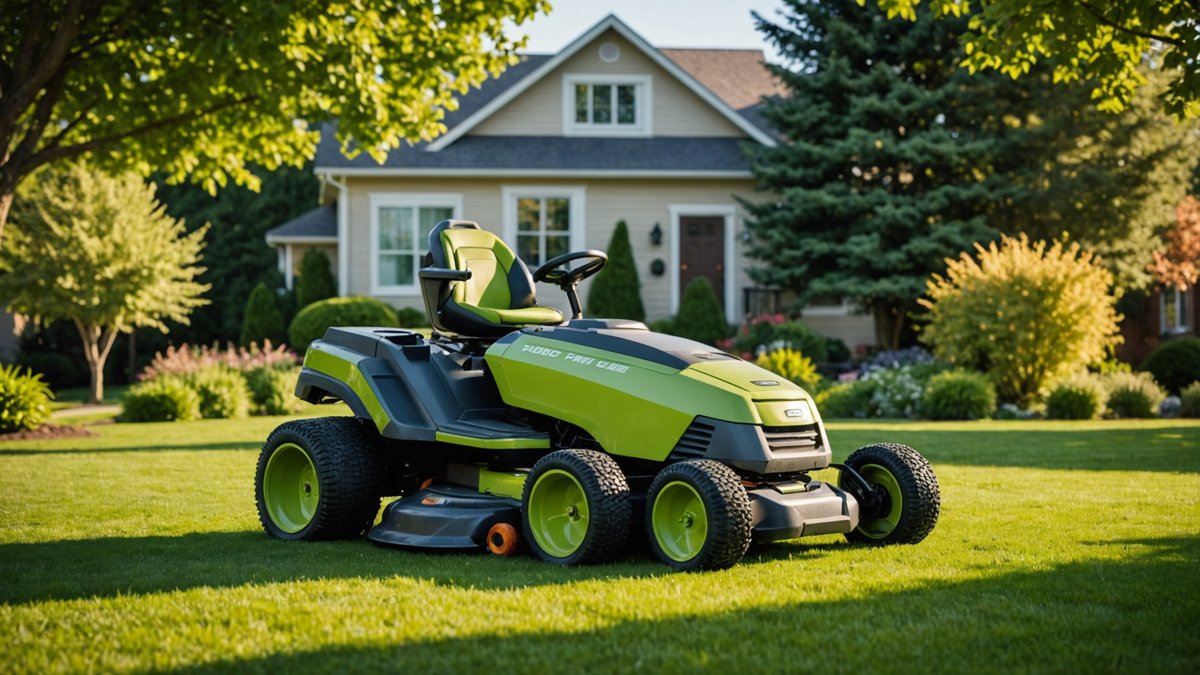
The allure of a perfectly manicured lawn without lifting a finger is strong. But do robot lawn Mowers actually deliver on their promise? Here at AI Mower News, we’ve been putting the latest generation of these autonomous wonders through rigorous testing to determine whether they’re a worthwhile investment for the modern homeowner. Robot Lawn Mowers: Hype vs. Reality Robot lawn mowers have evolved significantly over the past few years. Early models were plagued by issues such as getting stuck, struggling with uneven terrain, and offering inconsistent cutting results. Today, advancements in sensor technology, GPS navigation, and AI-powered obstacle avoidance have resulted in more reliable and efficient machines. However, the fundamental question remains: are they truly ‘good’ enough to replace traditional lawn care methods? Popular Mechanics’ recent test highlights this ongoing debate. They scrutinized several models, evaluating factors like cutting performance, ease of use, and overall value. Their findings, and our own extensive research, reveal a mixed bag. While some models excel in specific areas, no single Mower has yet achieved perfection across all categories. Key Features and Performance Metrics When evaluating a robot lawn mower, consider these crucial factors: Cutting Area: Ensure the mower’s specified cutting area matches your lawn size. Overestimating is always preferable to underestimating. Cutting Height: Look for adjustable cutting heights to achieve your desired lawn appearance. Most mowers offer a range of approximately 0.8 to 4 inches. Battery Life: Longer battery life translates to fewer charging cycles and increased efficiency, especially for larger lawns. Expect run times ranging from 60 to 120 minutes on a single charge. Navigation and Obstacle Avoidance: Advanced sensors, GPS, and AI algorithms are essential for navigating complex landscapes and avoiding obstacles like trees, flowerbeds, and pets. Connectivity and Control: Most modern mowers offer smartphone app integration, allowing you to schedule mowing times, adjust settings, and monitor performance remotely. Security Features: Theft protection, such as GPS tracking and PIN codes, is increasingly common. Consider the Husqvarna Automower 450XH , a high-end model priced around $3,500. It boasts a large cutting area (up to 1.25 acres), excellent obstacle avoidance, and seamless smartphone integration. However, its high price point may be prohibitive for some homeowners. A more budget-friendly option is the Worx Landroid M500 , priced around $1,200. While it doesn’t offer the same level of advanced features as the Husqvarna, it provides reliable performance for smaller lawns. Real-World Performance and User Experience Beyond the specifications, the true test of a robot lawn mower lies in its real-world performance. We’ve received feedback from hundreds of users, highlighting both the benefits and drawbacks of these machines. Pros: Time Savings: The most obvious benefit is the time saved on lawn mowing. Consistent Cutting: Robot mowers typically cut a small amount of grass frequently, resulting in a consistently even cut and healthier lawn. Mulching Benefits: The fine clippings act as a natural fertilizer, promoting lawn health. Quiet Operation: Compared to traditional gas-powered mowers, robot mowers are significantly quieter. Cons: Initial Investment: Robot mowers typically have a higher upfront cost than traditional mowers. Boundary Wire Installation: Most models require the installation of a boundary wire to define the mowing area. Maintenance: While relatively low-maintenance, robot mowers still require occasional blade replacement and cleaning. Limitations with Tall Grass: Robot mowers may struggle with extremely tall or overgrown grass. The Future of Autonomous Lawn Care The technology behind robot lawn mowers continues to evolve rapidly. We expect to see further advancements in AI-powered navigation, obstacle avoidance, and smart home integration.
Delving Deeper: Understanding the Technology
To truly assess the value proposition of robot lawn mowers, it’s crucial to understand the technology that powers them. Several key components work in harmony to enable autonomous operation:
- Sensors: Robot mowers rely on a suite of sensors to perceive their environment. These include:
- Bump sensors: Detect collisions with obstacles.
- Tilt sensors: Prevent operation on steep slopes, ensuring safety.
- Rain sensors: Automatically return the mower to its charging station during inclement weather.
- Lift sensors: Immediately stop the blades if the mower is lifted, preventing accidents.
- Navigation Systems: These systems guide the mower within the defined boundaries.
- Boundary Wires: Most common in entry-level and mid-range models, these wires emit a low-frequency signal that the mower detects to stay within the designated area.
- GPS Navigation: Higher-end models utilize GPS for more precise mapping and navigation. Some even feature virtual boundaries, eliminating the need for physical wires.
- SLAM (Simultaneous Localization and Mapping): This advanced technology allows the mower to build a map of its surroundings in real-time, improving obstacle avoidance and navigation in complex environments.
- Cutting System: Robot mowers typically employ small, pivoting blades that offer several advantages:
- Safety: The blades retract upon contact with hard objects, reducing the risk of damage or injury.
- Mulching: The fine clippings decompose quickly, enriching the soil.
- Energy Efficiency: Smaller blades require less power, extending battery life.
- Battery Technology: Lithium-ion batteries are the standard for robot lawn mowers, offering a good balance of energy density, lifespan, and charging time.
Installation Considerations: A DIY Project or Professional Help?
The installation process for robot lawn mowers varies depending on the model and the complexity of your lawn. Models that use boundary wires require careful planning and installation to ensure proper operation.
- DIY Installation: Many homeowners opt for DIY installation to save on costs. This typically involves:
- Laying the boundary wire around the perimeter of the lawn, securing it with pegs.
- Connecting the wire to the charging station.
- Programming the mower with the desired schedule and settings.
- Professional Installation: For larger or more complex lawns, professional installation is often recommended. Professionals can ensure the wire is properly installed, hidden from view, and optimized for the mower’s performance. They can also provide guidance on programming and maintenance.
Cost of Installation: DIY installation typically involves the cost of the mower itself and potentially some extra pegs or wire if needed. Professional installation can range from $200 to $800 or more, depending on the size and complexity of the lawn.
Maintenance Tips for Long-Term Performance
While robot lawn mowers are generally low-maintenance, regular care is essential to ensure optimal performance and longevity:
- Blade Replacement: Replace the blades regularly, typically every few months or as needed. Dull blades can result in uneven cutting and reduced efficiency.
- Cleaning: Clean the mower regularly to remove grass clippings and debris. This will prevent buildup that can affect performance.
- Battery Care: Follow the manufacturer’s recommendations for battery charging and storage. Avoid overcharging or leaving the mower in direct sunlight for extended periods.
- Winter Storage: Store the mower in a dry, protected location during the winter months. Remove the battery and store it separately in a cool, dry place.
- Software Updates: Many models receive software updates that improve performance and add new features. Be sure to install these updates when available.
Robot Mower vs. Traditional Mower: A Detailed Comparison
Choosing between a robot lawn mower and a traditional mower depends on your individual needs and priorities. Here’s a detailed comparison:
| Feature | Robot Lawn Mower | Traditional Mower |
|---|---|---|
| Price | Higher upfront cost | Lower upfront cost |
| Effort | Autonomous operation | Requires manual operation |
| Cutting Quality | Consistent, even cut | Variable, depends on operator skill |
| Noise Level | Significantly quieter | Louder, especially gas-powered models |
| Environmental Impact | Electric, lower emissions | Gas-powered models produce emissions |
| Maintenance | Low maintenance | Regular maintenance required (oil changes, spark plugs, etc.) |
| Lawn Size | Suitable for various lawn sizes, models designed for specific areas | Suitable for various lawn sizes, requires appropriate mower size |
| Terrain | Some models struggle with steep slopes or uneven terrain | Can handle most terrain types, depending on mower type |
Pricing Tiers and What to Expect
Robot lawn mowers are available in a range of price points, each offering different features and capabilities:
- Entry-Level (Under $1,000): These models are suitable for small lawns and offer basic functionality. Expect boundary wire installation, limited features, and shorter battery life.
- Mid-Range ($1,000 – $2,500): These mowers offer a good balance of features and performance. Expect larger cutting areas, better obstacle avoidance, and smartphone connectivity.
- High-End ($2,500+): These models are designed for large, complex lawns and offer advanced features such as GPS navigation, SLAM technology, virtual boundaries, and premium build quality.
What This Means for Homeowners
Robot lawn mowers offer a compelling solution for homeowners seeking a convenient and efficient way to maintain their lawns. While the initial investment may be higher than traditional mowers, the time savings, consistent cutting quality, and environmental benefits can make them a worthwhile investment.
However, it’s important to carefully consider your lawn size, terrain, and budget when choosing a robot lawn mower. Research different models, read reviews, and compare features to find the best fit for your needs.
As the technology continues to evolve, we can expect to see even more advanced and affordable robot lawn mowers in the future, making lawn care easier and more sustainable for homeowners everywhere.
📰 Related Articles
📊 Brand Profiles Mentioned
🔗 Essential Resources
- 📖 Manual Finder — 51 brands, 195+ models
- 🤖 AI Support Assistant — instant troubleshooting
- 📐 Complete Guide to Robotic Mowers 2026
- 🏆 Independent Rankings 2026
- ⚠️ Buyer’s Guide: What Dealers Won’t Tell You

Author: AI Mow
Ai Mow is the editorial team behind Ai Mower News, dedicated to bringing you the latest news, reviews, and insights on robotic lawn mowers and smart gardening technology.