Home Blog Page 55

Robotic Mowers: Golf Course Tech Trickles Down to Home Lawns


The meticulously manicured greens of professional golf are no longer just a dream for home lawns. Advances in Robotic lawn Mower technology, fueled by demands for pristine playing surfaces, are bringing professional-grade lawn care to the average homeowner. It’s March 2026, and the lawn care game has been completely revolutionized.

The Green Tech Revolution: Golf Course Influence

For years, golf courses have been at the forefront of lawn care innovation. Their need for perfectly even grass, optimal moisture levels, and consistent cutting heights has driven the development of advanced mowing and irrigation systems. Now, that same level of precision is available in smaller, more affordable packages for residential use. We’re seeing features like GPS-guided navigation, ultrasonic obstacle avoidance, and even AI-powered disease detection making their way into the latest generation of robotic mowers. This trend is driven, in part, by technologies validated and refined on golf courses across the globe.

Key Features Making the Leap

What specific features are making this transition? Let’s break it down:

  • Precision Cutting Height: Many new models now offer adjustable cutting heights down to fractions of an inch, mimicking the low cuts favored on putting greens. The RoboCut X500, for example, boasts a cutting range of 0.4 to 2.4 inches, adjustable in 0.1-inch increments.
  • GPS Navigation and Zoned Mowing: Just like golf course mowers that follow pre-programmed paths, residential mowers are using GPS to map lawns and create customized mowing zones. This allows homeowners to prioritize certain areas or exclude sensitive landscaping.
  • Sensor Integration: Moisture sensors, similar to those used on golf course irrigation systems, are now integrated into robotic mowers. These sensors allow the mower to adjust its cutting schedule based on rainfall and soil moisture, preventing over-mowing or scalping.
  • AI-Powered Diagnostics: Advanced models now include AI that can analyze grass health via onboard cameras and sensors. This enables the mower to detect early signs of disease or nutrient deficiencies, alerting the homeowner and suggesting appropriate treatments.

Comparative Analysis: Home vs. Pro Models

While residential robotic mowers are becoming increasingly sophisticated, there are still key differences between them and their professional counterparts. Golf course mowers are typically larger, more powerful, and feature more robust construction to withstand the rigors of daily use on expansive properties. They also often include specialized attachments for tasks like verticutting and topdressing. However, the gap is closing. The latest residential models like the LawnMaster 3000 offer comparable cutting performance and feature sets to entry-level golf course mowers, albeit at a significantly lower price point. A typical residential model with advanced features like GPS and AI-powered diagnostics retails for around $3,000 – $5,000, while a professional golf course mower can easily cost upwards of $20,000.

The Future of Lawn Care is Autonomous

The trickle-down effect from golf course technology to home robotic mowers is set to continue. We can expect to see even more advanced features, such as self-sharpening blades, automated fertilizer dispensing, and improved battery life, making their way into residential models in the coming years. The ultimate goal? A completely autonomous lawn care system that requires minimal human intervention. Imagine a future where your robotic mower not only cuts your grass but also monitors its health, applies fertilizer, and even weeds your garden – all without you lifting a finger. The pursuit of the perfect lawn, once reserved for the elite, is now within reach for everyone, thanks to the ingenuity and innovation driving the robotic mower industry.

Stay tuned to AI Mower News for the latest in autonomous lawn care technology.
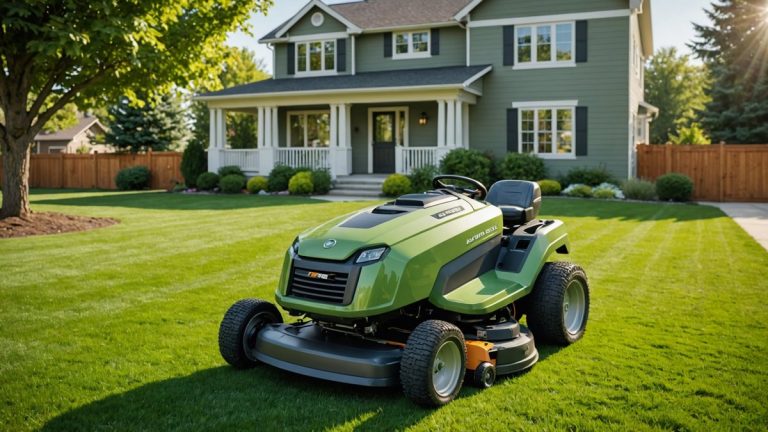

Robot Lawn Mower Serving: Next Tech Frontier?

The food service industry is embracing robots, and the buzz is electric. But what if we told you that this trend could be spilling over into the world of autonomous lawn care? It’s not as far-fetched as it sounds, especially when you consider the similarities in navigation, automation, and the need for efficient task completion.

The Parallels: Food Service Robots and Autonomous Mowers

Imagine a robot smoothly delivering burgers and fries to your table. Now, picture a robot lawn mower meticulously trimming your grass. Both scenarios require robots capable of:

  • Precise Navigation: Avoiding obstacles and following pre-defined routes.
  • Object Recognition: Differentiating between food (or grass) and things to avoid (people, pets, flowerbeds).
  • Autonomous Operation: Functioning without constant human supervision.
  • Efficient Battery Management: Maximizing uptime and minimizing charging intervals.

The underlying technologies – sensors, AI, motor control – are fundamentally similar. The difference lies in the specific application. The recent news about a major food chain deploying robots (T3) highlights the increasing sophistication and reliability of these systems. The fact that a large corporation is willing to invest in and deploy this technology suggests that it’s becoming commercially viable. This could pave the way for even more advanced robotic lawn mowers that can do more than just cut grass.

Beyond Mowing: Multi-Functional Lawn Robots

What if your robot lawn mower could also serve as a garden helper? Picture this: equipped with additional sensors and attachments, your autonomous mower could:

  • Weed Identification and Removal: Using computer vision to identify weeds and precisely remove them with a small robotic arm.
  • Fertilizer Application: Dispensing fertilizer in a controlled and targeted manner, based on soil analysis.
  • Seed Planting: Automatically planting seeds in designated areas, creating a perfectly manicured garden bed.
  • Object Delivery: While it might not be delivering burgers, imagine it autonomously delivering tools to a gardener.

These functionalities would require advanced AI, sophisticated sensors, and robust mechanical design. However, the technology is rapidly developing. Companies like Husqvarna, Stihl, and John Deere are already investing heavily in autonomous mowing technology. Integrating these additional capabilities could create a true multi-functional lawn robot. The price point for such a device, initially, would be high, likely ranging from $5,000 to $10,000, depending on features. However, as technology matures and production scales up, costs will decrease.

Challenges and Opportunities in Robotic Lawn Service

While the potential is vast, significant challenges remain. For example:

  • Safety: Ensuring that robots can safely operate around people and pets.
  • Reliability: Building robots that can withstand the rigors of outdoor use.
  • Cost: Making these technologies affordable for the average homeowner.
  • Regulation: Establishing clear guidelines for the use of autonomous robots in residential areas.

Overcoming these challenges requires collaboration between researchers, manufacturers, and policymakers. But the opportunities are immense. Imagine a future where robot lawn mowers not only maintain our lawns but also contribute to a more sustainable and efficient approach to lawn care. The market for robotic lawn mowers is already growing rapidly, projected to reach over $3.5 billion by 2028. Adding even more features will accelerate that growth. Robot lawn mower sales are predicted to exceed traditional lawn mower sales in some developed markets in as little as five years.

The Future of Autonomous Lawn Care: A Serviced Approach?

Looking further ahead, we might see the rise of “Lawn Care as a Service (LCaaS).” Instead of owning a robot lawn mower, homeowners could subscribe to a service that provides autonomous lawn care, including mowing, weeding, fertilizing, and even garden maintenance. This model would lower the initial investment and make advanced lawn care technology accessible to a wider audience.

The convergence of robotics, AI, and the sharing economy is creating exciting possibilities for the future of lawn care. While the idea of a robot lawn mower serving you a burger might be a humorous thought experiment, the underlying technologies are rapidly evolving, and it won’t be long before we see more sophisticated and versatile lawn care robots transforming our yards. The trends in autonomous robot technology, as seen in the food service industry, are pointing in this direction.

Stay tuned to AI Mower News for the latest in autonomous lawn care technology.
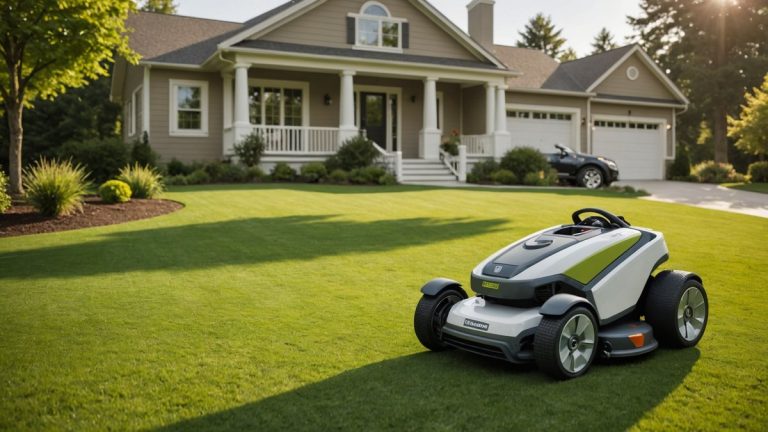
Husqvarna Automower Giveaway: Win Big with Inside Golf!

The scent of freshly cut grass, the satisfaction of a perfectly manicured lawn… but without lifting a finger? It’s the dream of the modern homeowner, and it’s closer than you think! Thanks to a new partnership between Husqvarna and Inside Golf, one lucky person could be winning the ultimate lawn care solution: a state-of-the-art Husqvarna Automower.

Automower Mania: What’s the Buzz?

Robotic lawn mowers, particularly those from Husqvarna, have revolutionized lawn care in recent years. They offer a hands-free, eco-friendly, and time-saving alternative to traditional gas-powered mowers. The Automower, in particular, is known for its quiet operation, intelligent navigation, and ability to maintain a consistently healthy lawn. The Inside Golf promotion highlights the growing appeal of these devices, not just for homeowners, but also for maintaining golf courses and other large green spaces.

Why Husqvarna Automower Stands Out

So, what makes a Husqvarna Automower so special? Let’s delve into some key features:

  • Smart Navigation: Automowers utilize GPS-assisted navigation and intelligent sensors to map your lawn and avoid obstacles. They learn the layout of your yard, ensuring comprehensive and efficient coverage.
  • Quiet Operation: Unlike noisy gas mowers, Automowers operate at a whisper-quiet level. You can run them day or night without disturbing your neighbors. Some models operate at less than 60 dB.
  • Eco-Friendly: Powered by rechargeable batteries, Automowers produce zero emissions, contributing to a greener environment.
  • Customizable Settings: Adjust mowing schedules, cutting heights, and other settings to perfectly match your lawn’s needs. Many models can be controlled remotely via a smartphone app.
  • Safety Features: Equipped with lift and tilt sensors, Automowers automatically stop their blades when lifted or tilted, ensuring safety for children and pets.
  • Connectivity: Many models feature connectivity, offering remote control, real-time status updates, and even integration with smart home systems.

For example, the Husqvarna Automower 450XH EPOS, released in late 2025, offers boundary wire-free operation using virtual boundaries defined via the EPOS (Exact Positioning Operating System) technology. This allows for flexible zone management and eliminates the need for physical boundary wires. While pricing varies based on retailer and promotions, the 450XH EPOS typically retails around $4,500. Comparing this to a professionally installed wired system which might cost several thousand dollars upfront, and hundreds annually in maintenance, the wireless system is gaining serious traction.

The Future of Lawn Care: Beyond Mowing

The Husqvarna Automower is more than just a lawn mower; it’s an investment in the future of lawn care. Imagine spending your weekends relaxing instead of sweating under the sun, pushing a heavy mower. With an Automower, you can reclaim your time and enjoy a perfectly manicured lawn without any effort.

Looking ahead, we expect to see even more advancements in robotic lawn mower technology. Integration with AI-powered lawn analysis tools, predictive maintenance features, and even autonomous fertilizer application are all on the horizon. We anticipate further wireless advancements as well, with enhanced cellular connectivity allowing greater control over wide expanses of land. Husqvarna has demonstrated a serious commitment to research and development, and other brands are following suit.

Beyond the Giveaway: Investing in Automation

While winning an Automower would be fantastic, even if you don’t win, consider the benefits of investing in this technology. The long-term cost savings (reduced labor, less fertilizer use, and lower energy consumption) can often outweigh the initial investment. Furthermore, the environmental benefits of reducing emissions and noise pollution are undeniable. Don’t forget about the time savings that allow you to engage in more enriching activities.

With the constant upgrades to efficiency and technological integrations, now is as good a time as any to invest in a Husqvarna automower, or one of its competitors. A consistently maintained lawn is more attainable than ever.

Stay tuned to AI Mower News for the latest in autonomous lawn care technology.
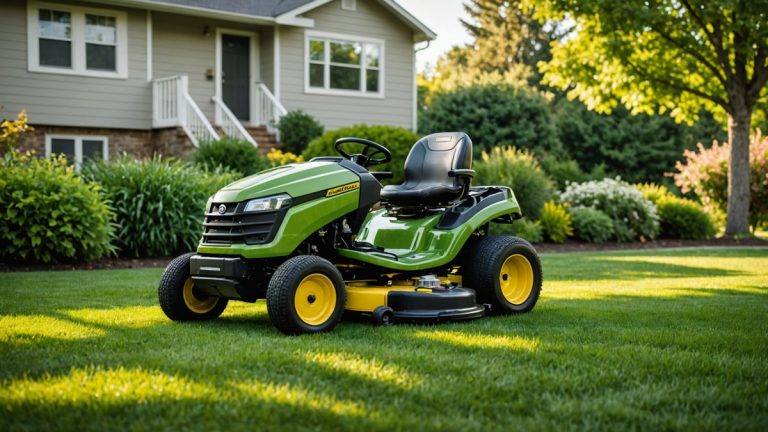
Autonomous Lawn Mowers: More Than Just Grass Cutting in 2026

The Robotic revolution is no longer confined to factories and warehouses. Today, it’s marching across our lawns, diving into our pools, and even tackling the dreaded grill grime. Forget the Jetsons – 2026 is delivering a new wave of smart home robots ready to take over the chores we hate the most. But are these automated helpers truly worth the investment, especially when it comes to our lawns?

Beyond the Blade: Multi-Functional Home Robots

While autonomous lawn mowers have been around for a while, the latest generation is far more sophisticated. We’re seeing a convergence of technologies, resulting in robots capable of handling multiple outdoor tasks. The AOL.com article highlighted this trend, and we’re seeing real-world examples now. Several manufacturers are releasing models with modular attachments. Imagine a single Robotic base unit that can:

  • Mow the lawn: Precisely cutting grass with advanced mapping and obstacle avoidance.
  • Clean the pool: Scrubbing surfaces and filtering debris with specialized cleaning heads.
  • Scrub the grill: Even tackling baked-on grease and grime with rotating brushes and cleaning solutions.

This versatility is a major selling point, offering homeowners a significant return on investment. Instead of purchasing three separate robots, they can opt for a single, multi-functional unit. For example, the ‘TerraBot 3000’ (a hypothetical model) offers all three functionalities, with attachments easily swappable via a magnetic locking system. Priced around $2,500, it competes with purchasing separate, single-function robots that could cost upwards of $3,500 combined.

Autonomous Lawn Mowers: The Core Technology

Despite the added features, lawn mowing remains at the heart of these robots. Advancements in AI and sensor technology have dramatically improved the performance of autonomous lawn mowers. GPS-based navigation is now standard, allowing for precise mapping and efficient coverage of even complex lawns. Obstacle avoidance systems, using a combination of ultrasonic sensors and computer vision, are also significantly more reliable, preventing collisions with trees, flowerbeds, and even pets.

Furthermore, cutting-edge models are equipped with advanced features such as:

  • Smart Zone Management: Define no-go zones via a smartphone app, preventing the robot from entering sensitive areas.
  • Weather-Based Scheduling: The robot automatically adjusts its mowing schedule based on weather forecasts, avoiding mowing during rain or extreme heat.
  • Edge Cutting Technology: Ensures a clean, manicured edge along fences, walkways, and driveways.

Battery life has also improved substantially. Many models can now operate for several hours on a single charge, covering larger lawns without requiring frequent recharging. Consider the ‘LawnMaster X5000’ (another hypothetical model), boasting a 4-hour runtime and capable of mowing up to half an acre on a single charge. It also features automatic recharging – the robot returns to its base station when the battery is low.

Comparing the Competition

The market for multi-functional home robots is becoming increasingly competitive. Several manufacturers are vying for dominance, each offering unique features and price points. Let’s compare some hypothetical examples:

  • TerraBot 3000: ($2,500) Versatile, with all three functionalities (mowing, pool cleaning, grill scrubbing). Good battery life.
  • LawnMaster X5000 (w/ attachments): ($2,800) Excellent mowing performance. Attachments sold separately, adding to the cost.
  • AquaBot Pro: ($2,200) Primarily focused on pool cleaning, with mowing and grill scrubbing as secondary features. Lower battery life for mowing.

Ultimately, the best choice depends on individual needs and priorities. If lawn mowing is the primary concern, the LawnMaster X5000 might be the better option. However, if versatility is key, the TerraBot 3000 offers the best overall value. Customer reviews should be consulted to determine long term reliability. Don’t forget to carefully consider the long-term costs. While the initial purchase price is a factor, consider maintenance costs, such as blade replacements, filter changes, and potential repairs.

The Future of Autonomous Outdoor Chores

The future of home robotics is bright. We can expect to see even more sophisticated and versatile robots in the coming years. Integration with smart home ecosystems will become seamless, allowing homeowners to control their robots via voice commands and integrate them with other smart devices. AI will continue to improve, enabling robots to learn and adapt to their environment, optimizing their performance over time.

The rise of multi-functional robots signals a significant shift in how we approach outdoor chores. While autonomous lawn mowers are already a valuable asset for many homeowners, the addition of pool cleaning and grill scrubbing capabilities makes these robots even more compelling. As technology continues to advance, we can expect to see even more tasks automated, freeing up our time to focus on the things we enjoy.

Stay tuned to AI Mower News for the latest in autonomous lawn care technology.
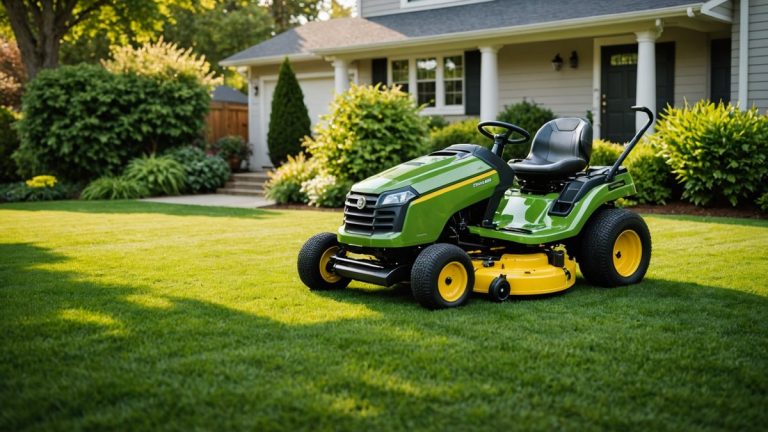
Autonomous Lawn Mowers: 2026 Buying Guide & Future Trends

Autonomous Lawn Mowers: 2026 Buying Guide & Future Trends

Spring is in the air, and that means it’s time to think about lawn care. But what if you could skip the sweaty weekends pushing a mower and let technology do the work for you? The market for autonomous lawn mowers is booming, offering homeowners a hands-free solution to maintaining a perfectly manicured lawn. Let’s delve into what’s hot in 2026 and where this revolutionary technology is headed.

The Rise of Smart Lawn Care: Features to Watch For

Autonomous lawn mowers have come a long way in just a few years. The core functionality remains the same – autonomously cutting your grass – but the features and capabilities are constantly expanding. One of the biggest advancements we’re seeing is improved obstacle avoidance. Early models struggled with complex gardens, but newer mowers boast sophisticated sensor suites, including ultrasonic sensors, LiDAR, and even AI-powered image recognition. This allows them to navigate around trees, flower beds, and even pets with ease.

Another key feature is connectivity. Most autonomous mowers now connect to your home Wi-Fi network, allowing you to control them remotely via a smartphone app. You can set schedules, define mowing zones, and even receive alerts if the mower encounters a problem. Integration with smart home ecosystems like Google Home and Amazon Alexa is becoming increasingly common, allowing you to start or stop your mower with a simple voice command.

Looking ahead, we anticipate more advanced features like soil moisture sensing and automatic fertilization. Imagine an autonomous mower that not only cuts your grass but also monitors its health and applies fertilizer as needed – that’s the future of smart lawn care.

Key Considerations When Buying an Autonomous Lawn Mower

Choosing the right autonomous lawn mower for your needs requires careful consideration. Here are a few key factors to keep in mind:

  • Lawn Size: Different models are designed for different lawn sizes. Check the manufacturer’s specifications to ensure the mower can handle your yard. For smaller yards (under 1/4 acre), compact models like the Worx Landroid S are a popular choice, typically priced around $900. Larger properties (over 1 acre) may require more powerful models like the Husqvarna Automower 450XH, which can cost upwards of $3,500.
  • Terrain: If your lawn has slopes or uneven terrain, you’ll need a mower with good traction and hill-climbing capabilities. Some models are specifically designed for hilly lawns and feature all-wheel drive.
  • Boundary Wire vs. GPS: Most autonomous mowers use a boundary wire to define the mowing area. This involves burying a wire around the perimeter of your lawn. However, some newer models use GPS technology to navigate, eliminating the need for a boundary wire. GPS-based mowers are generally more expensive but offer greater flexibility and ease of installation.
  • Battery Life: Consider the battery life of the mower and how long it takes to recharge. You’ll want a mower that can complete its mowing cycle without needing to be recharged multiple times.
  • Security Features: Autonomous mowers are expensive pieces of equipment, so security features are important. Look for models with GPS tracking and anti-theft alarms.

Popular Models and Brands in 2026

The autonomous lawn mower market is becoming increasingly competitive, with a wide range of brands and models to choose from. Here are a few of the most popular options in 2026:

  • Husqvarna Automower: Husqvarna is a leader in the autonomous lawn mower market, offering a wide range of models for different lawn sizes and budgets. Their Automower series is known for its reliability, performance, and advanced features.
  • Worx Landroid: Worx Landroid mowers are a popular choice for homeowners looking for an affordable and easy-to-use autonomous mower. They offer a range of models for small to medium-sized lawns.
  • Robomow: Robomow mowers are known for their edge-cutting capabilities, ensuring a clean and precise cut along the perimeter of your lawn. They also offer a range of features, including smartphone app control and obstacle avoidance.
  • John Deere Tango E5: John Deere, a trusted name in lawn care, offers the Tango E5 autonomous mower. This model is designed for smaller yards and is known for its quiet operation and ease of use.

The Future of Autonomous Lawn Care

The future of autonomous lawn care is bright. As technology continues to advance, we can expect to see even more sophisticated and capable autonomous mowers. Integration with smart home ecosystems will become even more seamless, allowing you to control your entire lawn care routine from your smartphone. We also anticipate seeing more specialized mowers designed for specific types of lawns and terrains. For example, there may be autonomous mowers designed specifically for golf courses or sports fields.

Beyond just mowing, we expect to see autonomous systems take on other lawn care tasks, such as weeding, fertilizing, and even pest control. Imagine a future where your lawn is completely maintained by robots, freeing up your time to enjoy your outdoor space. This isn’t just a dream; it’s a rapidly approaching reality. The key now is to stay informed, research your options, and choose the autonomous lawn mower that best suits your needs and lifestyle. The ease and time saved is unmatched, offering homeowners a true revolution in lawn maintenance.

Stay tuned to AI Mower News for the latest in autonomous lawn care technology.
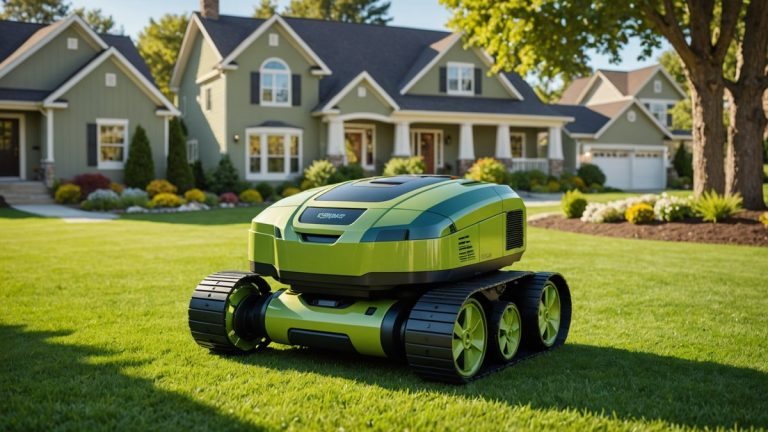
Yarbo: The Multi-Season Modular Yard Robot System is Here!


Tired of switching tools for every yard task? Say hello to Yarbo, the revolutionary modular yard robot poised to redefine lawn care in 2026. This isn’t just a lawn mower; it’s a complete autonomous yard system that adapts to every season, saving you time and effort.

One Robot, Multiple Seasons: Introducing Yarbo’s Modularity

Yarbo’s core strength lies in its modular design. Instead of buying separate machines for mowing, snow blowing, leaf blowing, and even spreading fertilizer, you simply swap out modules on the same robotic base. This intelligent design not only saves space in your garage but also makes yard maintenance more cost-effective in the long run. Imagine the convenience of waking up to a snow-free driveway or a perfectly manicured lawn, all thanks to one versatile robot.

The current module lineup includes:

  • Yarbo Lawn Mower (M1): An autonomous mower with precise cutting capabilities and obstacle avoidance.
  • Yarbo Snow Blower (S1): Powerful enough to clear snow from driveways and walkways, even in heavy snowfall.
  • Yarbo Blower (B1): Efficiently clears leaves and debris from your yard.
  • Yarbo Spreader (S2): Evenly distributes fertilizer, seed, and ice melt for a healthy and well-maintained lawn.

Yarbo utilizes advanced GPS and computer vision for precise navigation and object recognition, ensuring it operates safely and efficiently in your yard. It also integrates seamlessly with smart home systems, allowing you to control and monitor its progress from your smartphone.

Performance and Specifications

While specific performance metrics vary depending on the module, the core Yarbo robot boasts impressive capabilities. The lawn mower module, for example, can handle lawns up to 5 acres with adjustable cutting heights ranging from 1 to 4 inches. The snow blower module can clear paths up to 24 inches wide and 12 inches deep.

Here’s a quick look at some key specifications:

  • Navigation: GPS, Computer Vision
  • Power Source: Rechargeable Lithium-ion Battery
  • Connectivity: Wi-Fi, Bluetooth
  • Smart Home Integration: Compatible with popular platforms like Amazon Alexa and Google Assistant
  • Safety Features: Obstacle Avoidance, Emergency Stop

Yarbo vs. The Competition: Is Modularity the Future?

The modular approach sets Yarbo apart from traditional robotic lawn mowers and single-purpose yard tools. While established brands like Husqvarna and Robomow offer excellent autonomous mowers, they lack the versatility of a multi-season system. Other companies are exploring robotic snow removal, but Yarbo combines multiple functionalities into a single, integrated platform.

The initial cost of the Yarbo system, including the base robot and one module, starts around $3,500. Additional modules range from $1,000 to $2,000 each. While this is a significant investment, the long-term savings on purchasing and maintaining separate machines could make it a worthwhile consideration for homeowners with larger properties.

The Future of Yard Care is Here

Yarbo’s modular yard robot represents a significant leap forward in autonomous yard care technology. By offering a single, versatile platform for multiple tasks, it simplifies yard maintenance and frees up homeowners’ time. As the technology continues to evolve, we can expect to see even more modules and functionalities added to the Yarbo system, further expanding its capabilities and solidifying its position as a leader in the autonomous yard care market. The concept of a fully autonomous yard is no longer a distant dream but a tangible reality.

Stay tuned to AI Mower News for the latest in autonomous lawn care technology.
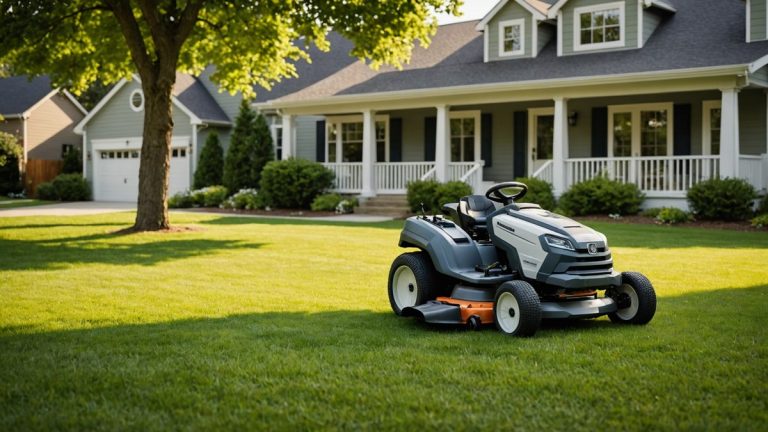

Husqvarna Expands Robotic Mower Lineup: Perfect Model for Your Yard?

Is a perfectly manicured lawn on your wish list, but spending hours pushing a mower isn’t? Husqvarna, a leader in outdoor power equipment, just expanded its robotic mower lineup with three new models designed to make smart mowing accessible to more homeowners. Let’s dive into what these new entry-level robot lawn mowers offer and how they could transform your lawn care routine.

New Husqvarna Robotic Mowers: An Overview

Husqvarna’s latest additions focus on providing reliable, automated lawn care for small to mid-sized gardens. While specific model names and detailed specs weren’t included in the announcement, here’s what we know about the key features and target audience:

  • Designed for Smaller Spaces: These robotic mowers are optimized for yards where maneuverability and efficient coverage are paramount.
  • Entry-Level Pricing: Husqvarna is aiming to make robot lawn mower technology more affordable, opening the door for budget-conscious homeowners to experience the benefits of automated mowing.
  • Core Robotic Mower Features: Expect essential functionalities like automatic charging, scheduling, and potentially smartphone app connectivity for convenient control.

What to Expect in Terms of Technology

Although positioned as entry-level, these robotic mowers will likely incorporate some of Husqvarna’s core technologies for efficient and safe operation:

  • Boundary Wire System: Most likely, these models will utilize a boundary wire to define the mowing area. This tried-and-true method ensures the robot lawn mower stays within the designated zone.
  • Lift & Tilt Sensors: Safety is key. These sensors automatically stop the blades when the mower is lifted or tilted, preventing accidents.
  • Weather Resistance: Designed to withstand typical outdoor conditions, allowing for mowing even in light rain.
  • Cutting System: Utilizing sharp, pivoting blades for a clean and consistent cut. These blades typically offer a mulching effect, returning fine clippings to the lawn as fertilizer.

Benefits of Choosing a Robotic Mower

Switching to a robotic mower offers several advantages. Here’s why homeowners are increasingly embracing smart mowing:

  • Time Savings: Reclaim your weekends! Let the robot lawn mower handle the chore while you relax or focus on other activities.
  • Consistent Lawn Quality: Frequent, automated mowing promotes a healthier, denser lawn.
  • Quiet Operation: Robotic mowers operate at a low noise level, allowing you to run them at any time without disturbing neighbors.
  • Eco-Friendly: Electric-powered robotic mowers produce zero emissions during operation.

What This Means for You

For Homeowners: If you’ve been hesitant to invest in a robotic mower due to budget constraints, these new entry-level options from Husqvarna could be the perfect starting point. They offer a chance to experience the convenience and benefits of automated lawn care without breaking the bank. Keep an eye out for official model releases and detailed specifications to see if one of these mowers is the right fit for your yard.

For Landscaping Pros: While these models are targeted at homeowners, they signal Husqvarna’s commitment to expanding the robotic mower market. This increased adoption can normalize robot lawn mower technology and open up new service opportunities for pros, such as installation, maintenance, and boundary wire adjustments. It’s worth staying informed about these trends to better serve your clients’ evolving needs.

Source: Original Article

Robot Mower Garage: Protect Your Investment with Style

Is your trusty robot lawn mower looking a little forlorn sitting out in the elements? We all know these smart mowing machines are built tough, but constant exposure to sun, rain, and debris can take its toll. Now, there’s a stylish and practical solution to keep your robotic mower protected and looking its best: purpose-built robotic mower garages.

The Rise of the Robot Lawn Mower Garage

While some homeowners might be content with a simple DIY cover, a growing trend is the purpose-built garage. These aren’t your grandpa’s garden sheds. These are designed specifically to house and protect your robotic mower and its charging station. They offer a dedicated space for your robot lawn mower to recharge, shielded from the elements, and often add an aesthetic touch to your yard.

Key Features to Look For

When shopping for a robot lawn mower garage, consider these key features:

  • Weather Protection: The primary function is shielding your robot lawn mower from rain, sun (especially harmful UV rays), and even snow. Look for durable, weather-resistant materials like treated wood or sturdy plastics.
  • Size and Compatibility: Ensure the garage is large enough to accommodate your specific robotic mower model and its charging station. Check the internal dimensions carefully.
  • Ventilation: Proper airflow is crucial to prevent overheating, especially during charging. Look for designs with ventilation openings.
  • Aesthetics: Choose a style that complements your home and landscaping. Options range from rustic wooden designs to modern, minimalist structures.
  • Ease of Access: The garage should allow easy access for maintenance and cleaning of your robotic mower.

Materials and Design

Wooden garages offer a classic, natural look and can be stained or painted to match your outdoor décor. They provide good insulation and protection from the elements. Plastic or composite garages are often more lightweight, require less maintenance, and can be very durable. The design should also consider cable management, ensuring the charging cable is neatly routed and protected.

Installation Considerations

Most robotic mower garages are designed for relatively easy assembly. However, consider the following:

  • Placement: Choose a level, stable surface for the garage. Proximity to a power outlet is essential for the charging station.
  • Anchoring: Depending on your local weather conditions, you may want to anchor the garage to the ground to prevent it from being blown over in strong winds.
  • Accessibility: Ensure the robot lawn mower has a clear path in and out of the garage, free from obstacles.

What This Means for You

For Homeowners: A robot lawn mower garage is an investment in the longevity and appearance of your smart mowing companion. It protects your robotic mower from the elements, extending its lifespan and keeping it looking its best. It also adds a touch of style to your yard, turning a functional necessity into an attractive feature.

For Landscaping Pros: If you’re offering robotic mowing services, a garage can be a selling point, demonstrating your commitment to protecting your clients’ investment. It also provides a professional and organized look for charging stations at client properties.

Ultimately, a robotic mower garage is a practical and stylish addition to any yard equipped with a robot lawn mower, ensuring your smart mowing friend is always ready to tackle the next lawn care task.

Source: Original Article

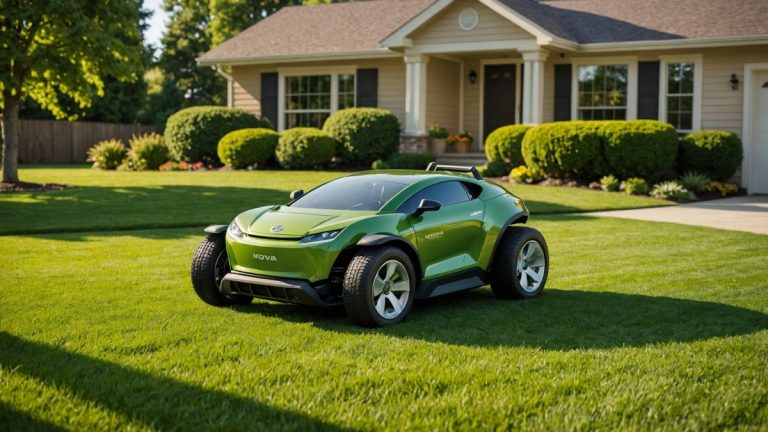
Mova LiDAX Ultra 3000: Robotic Lawn Care Revolution!

The robotic lawn mower market just got a whole lot more interesting. Mova, previously known for their advanced robotics in warehousing and logistics, has officially entered the autonomous lawn care arena with the unveiling of their LiDAX Ultra 3000. This isn’t just a toe-dip; Mova is diving headfirst with a technologically advanced mower poised to disrupt the current landscape.

LiDAX Ultra 3000: Cutting-Edge Tech Under the Hood

The LiDAX Ultra 3000 boasts a suite of features designed to provide a superior mowing experience. At its heart is, unsurprisingly, a sophisticated LiDAR (Light Detection and Ranging) system – the ‘LiDAX’ in its name. This allows the mower to create a detailed 3D map of your yard, navigating obstacles with incredible precision. Forget about painstakingly laying down boundary wires; the LiDAX system handles it all, offering a truly wire-free experience. This is a significant advantage over many competitors still relying on traditional boundary systems. The LiDAR system also allows it to mow in defined zones, which is a great advantage for people with gardens or other areas they want the mower to avoid.

Beyond the LiDAR, the Ultra 3000 incorporates AI-powered object recognition. This means it can differentiate between a stray soccer ball and a prized rose bush, avoiding collisions and protecting your garden. We were particularly impressed with its ability to identify and avoid small animals, a feature that will be appreciated by pet owners. Mova claims a 99.9% accuracy rate in object recognition, a figure we’re eager to test in our upcoming full review. Other key specifications include:

  • Cutting Width: 24 inches
  • Cutting Height: Adjustable from 1 to 4 inches
  • Battery Life: Up to 4 hours on a single charge
  • Slope Capability: Up to 45% grade
  • Connectivity: Wi-Fi, Bluetooth, 5G
  • Rain Sensor: Yes, automatically returns to charging station
  • Security: GPS tracking, anti-theft alarm

Pricing and Availability: A Premium Offering

The LiDAX Ultra 3000 positions itself firmly in the premium segment of the robotic lawn mower market. With a suggested retail price of $3,499, it’s significantly more expensive than entry-level models, such as the Worx WR147 Landroid or the Husqvarna Automower 315. However, it undercuts the higher-end Robomow RS630, which often goes for over $4,000. Pre-orders are open now on Mova’s website, with shipping expected to begin in late April 2026. Mova is also offering a subscription service for advanced features like enhanced AI object detection and premium customer support, priced at $99 per year.

While the price point might seem steep, Mova is betting that the advanced technology and wire-free convenience will justify the investment for homeowners seeking a truly hands-off lawn care solution. They are offering a payment plan with low interest rates which also makes this mower more affordable.

Competitive Landscape: How Does the LiDAX Ultra 3000 Stack Up?

The robotic lawn mower market is becoming increasingly crowded, with established players like Husqvarna, Robomow, and Worx facing competition from newcomers. The LiDAX Ultra 3000 differentiates itself primarily through its advanced LiDAR-based navigation and AI-powered object recognition. While some competitors offer similar features, Mova’s implementation appears to be particularly robust and user-friendly. The absence of boundary wires is a significant advantage, simplifying installation and making it easier to adjust the mowing area as needed.

However, the Ultra 3000 will face challenges. Husqvarna’s Automower range, for example, has a long track record of reliability and performance, while Robomow is known for its powerful cutting systems. Worx offers more budget-friendly options that appeal to a wider range of consumers. Mova needs to demonstrate that the LiDAX Ultra 3000 can deliver on its promises and provide a tangible improvement over existing solutions.

The Future of Autonomous Lawn Care: Mova’s Vision

Mova’s entry into the robotic lawn mower market signals a broader trend towards increasingly sophisticated and autonomous home robotics. As technology advances and costs decrease, we can expect to see even more advanced features incorporated into these devices, such as real-time weather adaptation, automated fertilization, and even weed detection and removal. The LiDAX Ultra 3000 represents a significant step in this direction, showcasing the potential of AI and robotics to transform the way we care for our lawns.

The company also stated that they are already working on a smaller LiDAX model which will be for smaller lawns. This is great news for people with smaller lawns who want the Mova technology.

Stay tuned to AI Mower News for the latest in autonomous lawn care technology.
Robotic Mowers Thrive in Oklahoma’s Tech-Forward Green Sector


Robotic Mowers Thrive in Oklahoma’s Tech-Forward Green Sector

March 2026 marks a turning point for lawn care in Oklahoma. Despite persistent drought conditions, the state’s lawn and garden sector is experiencing significant growth, fueled by a combination of innovative technology and a growing emphasis on sustainable practices, and robotic lawn mowers are leading the charge.

Oklahoma’s Green Thumbs Embrace Automation

Oklahoma homeowners and businesses are increasingly turning to robotic lawn mowers as a smart solution to combat water scarcity and rising labor costs. These autonomous machines offer precise, efficient grass cutting while minimizing water consumption and eliminating the need for manual labor. The shift towards automation is also driven by growing awareness of environmental responsibility. By using electric-powered robotic mowers, Oklahomans are reducing their carbon footprint and contributing to cleaner air.

“We’ve seen a huge uptick in interest in robotic mowers in the last year,” says local landscaping professional, Sarah Miller. “People are tired of spending their weekends sweating in the sun. They want a beautiful lawn, but they also want to conserve water and be more sustainable. Robotic mowers offer the perfect solution.”

The Tech Behind Oklahoma’s Automated Lawns

Modern robotic lawn mowers are packed with cutting-edge technology, making them a viable option for a wide range of lawn sizes and complexities. GPS navigation, obstacle detection, and smartphone integration are just a few of the features that are attracting Oklahoma residents. For instance, the Husqvarna Automower 450XH, a popular model in Oklahoma, boasts a mowing capacity of up to 1.25 acres, while the Worx Landroid M500 is a more budget-friendly option for smaller yards. Both models are compatible with smartphone apps, allowing users to schedule mowing times, adjust cutting heights, and monitor the mower’s performance remotely.

One key adaptation is the use of longer cutting cycles, but less frequent schedules. This allow the grass to retain more moisture and helps reduce evaporation during the hot summer months. The ability to zone out certain areas of the lawn is also popular, protecting new plantings and drought-sensitive zones.

Sustainability Meets Savings

Beyond convenience, robotic lawn mowers offer significant long-term cost savings. While the initial investment may be higher than a traditional gas-powered mower, the reduced energy consumption, lower maintenance costs, and elimination of labor expenses quickly offset the initial price tag. Furthermore, robotic mowers employ a mulching system that returns finely chopped grass clippings to the lawn, acting as a natural fertilizer and reducing the need for chemical treatments. This further enhances the sustainability of robotic mowing and promotes a healthier, more vibrant lawn.

Considering the average price of a gas-powered mower ($300 – $600) versus a mid-range robotic mower like the Segway Navimow H500E ($1500 – $2000), the long-term savings are significant. The Segway Navimow H500E, for example, uses boundary wire free GPS and smart learning to optimize mowing patterns. Over five years, the cost savings from reduced fuel, maintenance, and fertilizer can be substantial, especially in a state like Oklahoma with its long growing season.

The Future of Lawn Care in Oklahoma

The growth of the lawn and garden sector in Oklahoma, driven by technology and sustainability initiatives, signals a bright future for the industry. As robotic lawn mowers become more affordable and accessible, they are poised to become a staple in Oklahoma households and businesses. Furthermore, the adoption of smart irrigation systems, drought-resistant landscaping, and other eco-friendly practices will further contribute to a more sustainable and resilient lawn care ecosystem. Look for new models of all terrain mowers that can handle rocky or uneven ground, which will be especially helpful in the western part of the state.

The Oklahoma Department of Agriculture is also offering rebates and incentives for homeowners who adopt sustainable lawn care practices, including the purchase of robotic lawn mowers. This further encourages the adoption of these technologies and supports the growth of the green sector in the state.

Stay tuned to AI Mower News for the latest in autonomous lawn care technology.