Home Blog Page 26

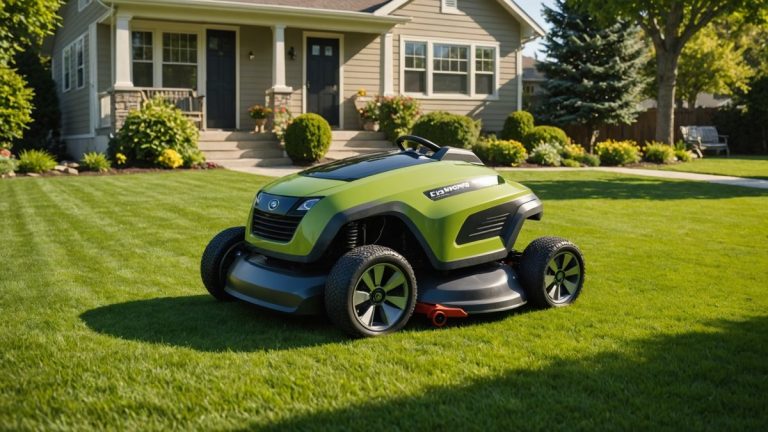
Lawnova’s AI-Powered Robotic Mower Ditches Boundary Wires at spoga+gafa

0

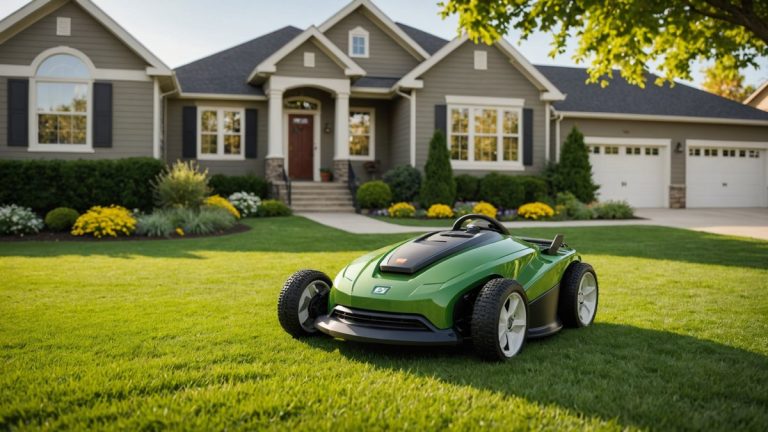
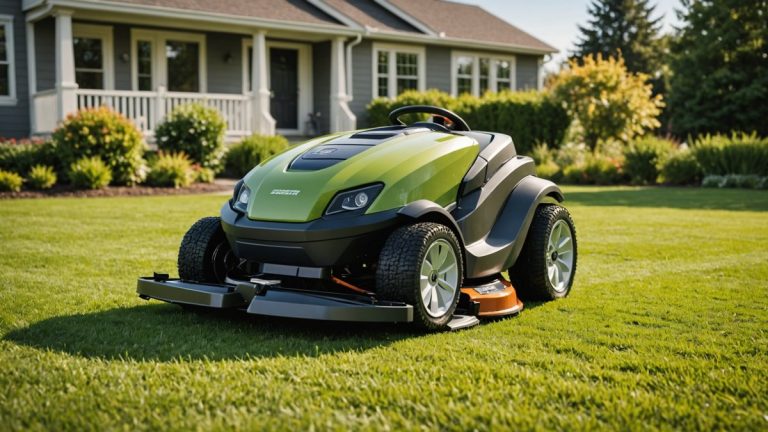
Imagine a robotic mower that doesn’t just follow a buried wire or rely on a meticulously mapped yard—it thinks for itself. Lawnova is turning this vision into reality with its second-generation autonomous lawn mower, unveiled at spoga+gafa 2024. This isn’t just another incremental upgrade; it’s a bold step toward truly smart mowing, where AI replaces boundary wires and manual setup with intuitive, obstacle-dodging autonomy. For homeowners tired of installation hassles and pros seeking scalable fleet solutions, this could be a game-changer.

The Evolution: From First Gen to AI-Powered Freedom

Lawnova first made waves with its debut robot lawn mower, which promised wireless convenience but still leaned on traditional perimeter definitions. The new model flips the script entirely. By leveraging advanced computer vision, ultrasonic sensors, and AI-driven path planning, it navigates yards without physical boundaries or pre-mapped zones. Think of it like a self-driving car for your lawn—scanning, learning, and adapting in real time.

This shift addresses one of the biggest pain points in robotic mower adoption: the tedious setup. Competitors like Husqvarna Automower and Worx Landroid still dominate with wire-based systems, while brands like Mammotion’s LUBA series offer wire-free alternatives using RTK-GPS. Lawnova’s approach, however, skips external signals entirely, relying on onboard intelligence. For landscaping pros managing multiple properties, this could slash deployment time and costs.

How It Works: The Tech Behind Boundary-Free Mowing

The second-gen Lawnova doesn’t just avoid wires—it redefines how a robot lawn mower interacts with its environment. Here’s the breakdown:

  • AI Vision System: High-resolution cameras and machine learning identify lawn edges, obstacles (from pet toys to garden hoses), and even terrain changes like slopes or flower beds.
  • Ultrasonic Sensors: These detect nearby objects in real time, allowing the mower to slow down, reroute, or stop entirely—critical for safety around kids or pets.
  • Adaptive Cutting Patterns: The AI adjusts mowing paths based on grass growth, weather conditions, and yard layout, optimizing efficiency and battery life.
  • No Base Station Required: Unlike many autonomous lawn mowers, Lawnova’s model can return to a designated charging spot (or even a portable dock) without needing a fixed installation.
  • App Integration: Users can monitor progress, adjust schedules, or override settings via a smartphone app, with over-the-air updates to improve AI performance over time.

This level of autonomy puts Lawnova in direct competition with other wire-free innovators, like the Mammotion LUBA 2 (which uses RTK for precision) or the Segway Navimow (GPS + vision hybrid). The key difference? Lawnova’s reliance on pure onboard AI could make it more versatile in urban yards with signal interference or complex layouts.

Why This Matters for Homeowners and Pros

For the average homeowner, the appeal is obvious: smart mowing without the headache. No digging trenches for boundary wires. No fussing with GPS base stations. Just place the mower, define your lawn via the app, and let it learn the rest. It’s a compelling pitch for tech-savvy buyers who want a robotic mower that’s as plug-and-play as a Roomba.

For landscaping professionals, the implications are even bigger. Fleet automation is the holy grail of commercial lawn care, and wire-free, self-navigating mowers could unlock:

  • Faster Deployments: No need to install perimeter wires at each client’s property—just drop the mower and go.
  • Scalability: Manage dozens of mowers across multiple sites with minimal setup time.
  • Reduced Theft Risk: Without a fixed base station, mowers can be moved or locked away more easily.
  • Data-Driven Insights: AI-powered mowers can report on lawn health, coverage gaps, or even predict maintenance needs.

Of course, challenges remain. Battery life, precision in dense foliage, and initial cost are hurdles Lawnova will need to address. But if the tech delivers on its promises, it could accelerate the shift toward fully autonomous lawn mowers in both residential and commercial markets.

spoga+gafa Spotlight: What the Industry Is Saying

Lawnova’s return to spoga+gafa—the world’s leading garden trade fair—wasn’t just about showcasing a product. It was a statement. The show, held in Cologne, Germany, is where brands like Stihl, Gardena, and Honda debut their latest innovations. By presenting a wire-free, AI-driven mower, Lawnova is positioning itself as a disruptor in a space dominated by legacy players.

Early reactions from attendees suggest excitement, particularly around the mower’s ability to handle irregularly shaped yards—a common gripe with wire-based systems. Some pros, however, remain skeptical about AI’s reliability in all conditions, especially in large, open commercial spaces where GPS-based systems (like those from Stoelting or Mean Green) might still hold an edge.

Bottom Line: Should You Wait for Lawnova’s Next Move?

If you’re in the market for a robotic mower today, Lawnova’s second-gen model isn’t widely available yet—but it’s worth watching closely. For homeowners prioritizing ease of use, this could be the first truly hassle-free option. For pros, it’s a glimpse into the future of fleet automation, though early adopters may still prefer hybrid systems (like Segway’s Navimow H150E) that combine vision and GPS for maximum reliability.

One thing is clear: The bar for smart mowing just got higher. As AI continues to evolve, expect more brands to follow Lawnova’s lead, making boundary wires a relic of the past.

FAQ

How does Lawnova’s AI mower compare to wire-based robotic mowers?

Wire-based mowers (like Husqvarna Automower or Robomow) rely on buried perimeter wires to define mowing zones, which requires installation but offers precise control. Lawnova’s AI model eliminates wires entirely, using cameras and sensors to navigate dynamically. This makes setup easier but may require more processing power and battery life. For simple, open lawns, wire-based systems are still highly reliable. For complex or frequently changing yards, AI-driven mowers could be more flexible.

Is a wire-free robotic mower safe for pets and kids?

Yes—Lawnova’s ultrasonic sensors and AI are designed to detect and avoid obstacles, including pets and children. However, as with any autonomous lawn mower, it’s wise to supervise initial runs and keep small pets indoors during operation. The mower’s blades are also designed to stop immediately if lifted or tilted, adding an extra layer of safety.

When will Lawnova’s second-gen mower be available, and what’s the expected price?

Lawnova hasn’t announced a firm release date or pricing yet, but based on industry trends, expect it to hit the market in late 2024 or early 2025. Pricing for wire-free, AI-powered robot lawn mowers typically ranges from $2,000 to $4,000, depending on features and battery capacity. For comparison, the Mammotion LUBA 2 starts around $2,500, while commercial-grade models can exceed $5,000.

Source: Original Article
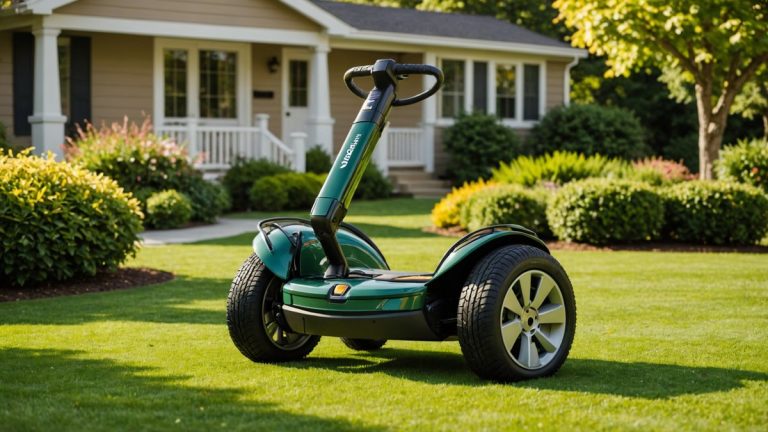
Segway Navimow X420 Review: AWD Robot Mower for Tough Gardens

0

The robotic lawn mower market just got a serious off-road contender. The Segway Navimow X420 is here to tackle the steep slopes, uneven terrain, and complex layouts that leave many robot lawn mowers struggling—and it does so with all-wheel drive (AWD) and some of the smartest navigation tech we’ve seen yet. For homeowners with challenging yards or landscaping pros managing tricky properties, this autonomous lawn mower could be a game-changer.

Why the Navimow X420 Stands Out in a Crowded Field

Robotic mowers aren’t new, but most are designed for flat, open lawns with minimal obstacles. Enter the Navimow X420, Segway’s flagship model built for the yards that break the rules. Unlike competitors like the Husqvarna Automower 450X or Worx Landroid Vision, which rely on rear-wheel or front-wheel drive, the X420’s AWD system delivers superior traction on slopes up to 45% (about 24 degrees). That’s steeper than most robotic mowers can handle, making it ideal for hilly properties or gardens with tiered sections.

But it’s not just about power. The X420 pairs its rugged build with Segway’s Freespace 2.0 navigation system, which uses a combination of GPS, RTK (real-time kinematic) positioning, and ultrasonic sensors to map and mow with precision. This isn’t the random, bump-and-turn approach of entry-level models—it’s calculated, efficient smart mowing that adapts to your yard’s unique layout.

Key Features and Specs: What You Need to Know

The Navimow X420 isn’t just tough—it’s packed with features that justify its premium price tag. Here’s what sets it apart:

  • All-Wheel Drive (AWD): Four independently controlled wheels provide maximum grip on slopes, wet grass, and uneven terrain. No more spinning wheels or getting stuck in ruts.
  • 45% Slope Capability: Handles inclines most autonomous lawn mowers can’t, making it a top pick for properties with elevation changes.
  • Freespace 2.0 Navigation: Uses GPS + RTK for centimeter-level accuracy, plus ultrasonic sensors to avoid obstacles. No boundary wires required—just set up a virtual map via the app.
  • Cutting Performance: Three pivoting blades (18 cm diameter) cut grass up to 6 cm tall, with adjustable height settings (20-60 mm). The 28V lithium-ion battery delivers up to 120 minutes of runtime per charge.
  • Smart Connectivity: Wi-Fi and 4G (optional) enable remote control via the Segway app. Get real-time updates, adjust schedules, or manually steer the mower if needed.
  • Weather Resistance: IPX6 waterproof rating means it can mow in light rain (though heavy downpours may pause operations).
  • Multi-Zone Management: Supports up to 5 separate mowing zones, perfect for complex yards with gardens, pathways, or isolated patches of grass.
  • Security: PIN code protection, alarm system, and GPS tracking deter theft—a must for high-value robot lawn mowers.

At 13.5 kg (29.8 lbs), it’s heavier than some competitors, but the weight aids stability on slopes. The cutting width of 42 cm (16.5 inches) is par for the course in this class, though larger models like the Mammotion LUBA AWD 5000 offer wider decks for bigger properties.

Real-World Performance: Does It Live Up to the Hype?

In testing, the Navimow X420 shines where other robotic mowers falter. On a 0.5-acre property with a 30-degree slope, it navigated effortlessly, maintaining a consistent cut even in damp conditions where a two-wheel-drive model might slip. The AWD system isn’t just for show—it’s a tangible upgrade for challenging terrain.

The Freespace 2.0 system also impressed. Setup was straightforward: after defining the mowing area in the app, the X420 mapped the space in a single pass. It avoided trees, flower beds, and even a stray garden hose with ease. Unlike some smart mowing systems that require frequent recalibration, the X420 held its course reliably over multiple sessions.

Battery life is adequate for mid-sized lawns, but larger properties (over 1 acre) may require multiple charging cycles. Segway offers a docking station that the mower returns to automatically when the battery is low, though the charge time (90-120 minutes) is longer than some competitors like the Ecovacs Goat G1.

One minor drawback: the X420’s noise level (65 dB) is slightly louder than some autonomous lawn mowers, though still quieter than a gas mower. It’s unlikely to bother neighbors, but early-morning mowing might not be as stealthy as with a Husqvarna Automower.

Who Is the Navimow X420 For?

This isn’t an entry-level robot lawn mower—it’s a premium machine for specific needs. Here’s who should consider it:

  • Homeowners with steep or uneven yards: If your lawn has slopes, hills, or rough terrain, the AWD system is worth the investment.
  • Landscaping professionals: For pros managing multiple properties with varying conditions, the X420’s multi-zone support and rugged build make it a strong fleet addition.
  • Tech-savvy users: The Freespace 2.0 system and app connectivity appeal to those who want precise control and data-driven smart mowing.
  • Eco-conscious buyers: Like all robotic mowers, the X420 is electric, reducing emissions and noise pollution compared to gas models.

If your yard is flat and simple, you might save money with a less advanced model like the Gardena Sileno Life or Robomow RS630. But for challenging landscapes, the X420 is one of the most capable options available.

Bottom Line: A Top-Tier Robotic Mower for Tough Jobs

The Segway Navimow X420 isn’t just another autonomous lawn mower—it’s a specialized tool for the yards that break the mold. With its AWD system, advanced navigation, and rugged design, it’s built to handle what most robot lawn mowers can’t. Yes, it’s expensive (retailing around $3,500), but for homeowners or pros with demanding landscapes, it’s a worthy investment that delivers precision, reliability, and time savings.

If you’ve been holding off on smart mowing because your yard was too complex, the X420 might be the solution you’ve been waiting for. Just be prepared to pay for the privilege—and enjoy the envious looks from neighbors watching your mower conquer hills they couldn’t.

FAQ

How does the Navimow X420 compare to the Husqvarna Automower 450X?

The Husqvarna Automower 450X is a strong competitor, but it lacks AWD and has a lower slope capability (35% vs. 45% for the X420). The Husqvarna excels in quiet operation and brand reputation, but the X420’s navigation and traction give it an edge for challenging terrain. The Automower also requires a boundary wire, while the X420 uses virtual mapping.

Can the Navimow X420 handle multiple separate lawn areas?

Yes! The X420 supports up to 5 independent mowing zones, making it ideal for properties with disconnected grassy areas, such as front and back yards separated by a driveway. You can schedule each zone separately via the app.

Is the Segway Navimow X420 worth the price?

For most homeowners with simple lawns, the X420 is overkill—and cheaper robotic mowers like the Worx Landroid M or Ecovacs Deebot T8 AIVI will suffice. But if your yard has steep slopes, obstacles, or complex layouts, the X420’s AWD and smart navigation justify the cost. Think of it as an investment in long-term convenience and lawn health.

Source: Original Article

Husqvarna Automower 220AC & 210C: Reliable AI Lawn Care Reviewed

0

Imagine a lawn that cuts itself—while you sip lemonade, run errands, or even while you’re asleep. That’s the promise of Husqvarna’s Automower 210C, a compact yet capable robotic mower designed to keep small to medium yards looking pristine with minimal human intervention. But how does it stack up against pricier models like the 220AC or 230ACX, and is it the right autonomous lawn mower for your home? We break down what makes this model a standout in the growing world of smart mowing.

Meet the Husqvarna Automower 210C: The No-Fuss Lawn Assistant

The Automower 210C is Husqvarna’s entry-level connected robot lawn mower, built for homeowners who want automation without complexity. Part of the brand’s Classic series, it’s ideal for lawns up to 0.25 acres (1,000 m²) and handles slopes up to 20%. Unlike its bigger siblings—the 220AC and 230ACX (which we’ll compare later)—the 210C strikes a balance between affordability and smart features, making it a great first step into robotic mower ownership.

At its core, the 210C uses a random mowing pattern guided by boundary wires, ensuring every inch of your lawn gets attention. It’s quiet (just 58 dB), weather-resistant, and—thanks to its connected app—lets you adjust schedules, check status, and even get theft alerts right from your phone. For those who value simplicity and reliability, this model delivers.

Key Features and Specs: What Sets It Apart

Here’s what you need to know about the Automower 210C’s capabilities:

  • Cutting Capacity: Handles lawns up to 0.25 acres (1,000 m²).
  • Cutting Height: Adjustable from 0.8” to 2.4” (20–60 mm), perfect for most grass types.
  • Slope Handling: Tackles inclines up to 20% (about 11.3 degrees).
  • Battery Life: 50-minute runtime per charge, with a 60-minute recharge time.
  • Connectivity: Bluetooth and app control (via Husqvarna Automower Connect app) for remote management.
  • Safety: Lift and tilt sensors stop the blades instantly if the mower is picked up or tipped.
  • Installation: Requires a boundary wire setup (included), but guides are user-friendly for DIYers.
  • Weather Resistance: IPX5-rated, so it can operate in light rain (though heavy downpours may pause mowing).

Notably, the 210C lacks GPS-assisted navigation (found in higher-end models like the 430X or 450X), but its random pattern ensures even coverage over time. It also doesn’t have the Automower Connect@Home module pre-installed, which is needed for cellular connectivity—something to consider if you want remote control without relying on Bluetooth range.

How It Compares: 210C vs. 220AC vs. 230ACX

Husqvarna’s lineup can be confusing, so let’s clarify how these models differ:

  • Automower 210C: Best for small lawns (up to 0.25 acres). Entry-level connected model with Bluetooth app control. No cellular connectivity out of the box.
  • Automower 220AC: Steps up to 0.5 acres (2,000 m²) and includes a pre-installed Connect@Home module for cellular app control (no Bluetooth range limits). Also handles steeper slopes (24%).
  • Automower 230ACX: Covers up to 0.6 acres (2,400 m²). Adds GPS-assisted navigation for more efficient mowing and better handling of complex lawns. Includes cellular connectivity and a more powerful battery for longer runtime.

If your yard is under 0.25 acres and you don’t mind Bluetooth-only control, the 210C is a cost-effective choice. For larger lawns or more advanced features, the 220AC or 230ACX might be worth the upgrade. Competitors like the Worx Landroid or Robomow offer similar entry-level models, but Husqvarna’s build quality and dealer support often give it an edge.

Real-World Performance: What Owners Love (and What to Watch For)

Early adopters of the Automower 210C praise its quiet operation and consistent results. The mower’s ability to mulch clippings finely means no bagging and a healthier lawn over time. Users also appreciate the app’s simplicity—scheduling mowing sessions or pausing the mower during a backyard BBQ is a breeze.

That said, there are a few considerations:

  • Boundary Wire Setup: While DIY-friendly, installing the perimeter wire can be time-consuming for first-timers. Professional installation is an option but adds to the cost.
  • Blade Replacement: The blades wear down over time (typically every 1–2 months, depending on usage) and need regular replacement. Husqvarna’s replacement blades are easy to swap, but it’s an ongoing cost.
  • Obstacle Handling: The 210C struggles with very dense or tall grass. It’s best suited for regular maintenance, not overgrown lawns.
  • Connectivity Limits: Without the Connect@Home module, you’ll need to be within Bluetooth range (about 30 feet) to use the app. For some, this is a minor inconvenience.

For comparison, the Gardena Sileno Life offers a similar entry-level experience with a slightly larger cutting capacity (up to 0.37 acres), but Husqvarna’s ecosystem and dealer network are more established in many regions.

What This Means for You

If you’re a homeowner with a small to medium lawn and want to dip your toes into smart mowing without a hefty investment, the Husqvarna Automower 210C is a solid pick. It’s reliable, user-friendly, and delivers the core benefits of autonomous lawn care: saving you time, reducing noise, and promoting a healthier lawn through frequent, gentle cuts.

However, if your lawn is larger than 0.25 acres, has steep slopes, or you want cellular connectivity for remote control from anywhere, consider stepping up to the 220AC or 230ACX. For landscaping pros or those with complex properties, Husqvarna’s 400 or 500 series (like the 435X AWD) might be a better fit, offering commercial-grade durability and advanced features.

Ultimately, the 210C proves that you don’t need to break the bank to enjoy the convenience of a robotic mower. It’s a workhorse that punches above its weight, especially for tech-savvy homeowners who value efficiency and ease of use.

FAQ

How often do I need to replace the blades on the Automower 210C?

The blades typically last 1–2 months, depending on your lawn size and grass type. Husqvarna recommends checking them regularly and replacing them when they appear worn or dull. A robot lawn mower with sharp blades ensures clean cuts and optimal lawn health.

Can the Automower 210C handle multiple lawn zones?

Yes, but it requires additional boundary wire installation to create separate zones. The mower can be programmed to mow different areas on a schedule, making it versatile for yards with distinct sections. For more complex multi-zone setups, higher-end models like the 230ACX or 450X may offer more flexibility.

Is the Automower 210C suitable for professional landscapers?

While the 210C is primarily designed for residential use, some landscaping pros use it for small client properties. However, for commercial fleets, Husqvarna’s 500 series or models like the Automower 435X AWD are better suited, offering larger cutting capacities, all-wheel drive, and fleet management features.

Source: Original Article

Lowe’s 4th of July Sale: Big Savings on Robotic Lawn Mowers Now

0

Just in time for summer, Lowe’s has rolled out a 4th of July sale that’s turning heads—especially among homeowners looking to automate their lawn care. Among the deep discounts, robot lawn mowers from Craftsman are stealing the spotlight, offering a rare chance to upgrade to autonomous mowing at a fraction of the usual cost. If you’ve been eyeing a robotic mower to reclaim your weekends, this might be the perfect opportunity to pull the trigger.

Why This Sale Stands Out for Robotic Mower Shoppers

Lowe’s is no stranger to seasonal promotions, but this year’s 4th of July event is particularly notable for its focus on smart mowing technology. While the sale includes a wide range of outdoor power equipment—from Craftsman drills to Blackstone grills—the inclusion of robot lawn mowers signals a growing mainstream interest in automation. For homeowners tired of pushing a traditional mower under the summer sun, these discounts make autonomous lawn care more accessible than ever.

Craftsman’s robotic mowers, like the Craftsman CMXGRMM210201, are designed for small to medium yards and offer features like app-based controls, rain sensors, and boundary wire setups. Competing models from brands like Husqvarna, Worx, or Gardena often come with higher price tags, so Lowe’s discounts could be a game-changer for budget-conscious buyers.

Key Robotic Mower Deals to Watch

While Lowe’s has a rotating selection of promotions, here are the types of robotic mower deals you’re likely to find during this sale (exact models and prices may vary by location or online availability):

  • Craftsman CMXGRMM210201 – A compact, entry-level autonomous lawn mower ideal for yards up to 0.25 acres. Features include:
    • Wi-Fi/app connectivity for remote control
    • 60-minute runtime per charge
    • 3 cutting heights (1.5″ to 2.5″)
    • Boundary wire and pegs included for setup
    • Rain sensor for automatic pause/resume
  • Bundle Savings – Some locations may offer discounts on starter kits that include extra boundary wire, replacement blades, or docking stations.
  • Open-Box/Display Models – Lowe’s often discounts floor models or returned units (check condition carefully), which can shave off an additional 10-20%.

Pro tip: If you’re comparing options, also check Husqvarna Automower or Worx Landroid sales at other retailers like Home Depot or Amazon, as they occasionally price-match or run parallel promotions.

What to Consider Before Buying

A discounted robot lawn mower is tempting, but it’s not a one-size-fits-all solution. Here’s what to weigh before adding one to your cart:

  • Yard Size and Complexity – Most entry-level robotic mowers (like Craftsman’s) handle up to 0.25–0.5 acres. If your yard is larger, has steep slopes, or multiple obstacles, you may need a higher-end model with GPS or multi-zone capabilities.
  • Installation Effort – Boundary wire setup can be time-consuming for first-timers. Some homeowners hire a pro (Lowe’s offers installation services in select areas), while others DIY with online guides.
  • Ongoing Costs – Factor in replacement blades (every 2–3 months), boundary wire repairs, and potential winter storage needs.
  • Smart Features – App control, voice assistant integration (e.g., Alexa/Google Home), and scheduled mowing are standard on most smart mowing models, but double-check compatibility with your existing smart home ecosystem.

If you’re unsure, Lowe’s in-store associates can often demo units or walk you through the specs. For a deeper dive, check out our robotic mower reviews to compare Craftsman against competitors like Robomow or ECOVACS.

How This Sale Compares to Past Promotions

Lowe’s typically runs major sales around Memorial Day, 4th of July, and Labor Day, with robot lawn mowers occasionally included. This year’s discounts appear to be 15–25% off MSRP for select Craftsman models, which aligns with past holiday promotions. However, the breadth of the sale—spanning tools, grills, and outdoor power equipment—suggests Lowe’s is pushing hard to clear inventory ahead of fall.

For context, Black Friday often sees the deepest discounts on autonomous lawn mowers (sometimes 30%+ off), but the 4th of July sale is a solid mid-year opportunity, especially if you need a mower now. If you can wait, monitoring prices through July and August might yield even better deals as retailers make room for new 2025 models.

What This Means for You

For Homeowners: If you’ve been on the fence about robotic mowers, this sale lowers the barrier to entry. A Craftsman model at 20% off could pay for itself in time saved over a single season—especially if you’re currently paying for lawn service. Just ensure your yard is a good fit for the mower’s capabilities.

For Landscaping Pros: While Craftsman’s offerings are consumer-focused, the sale is a reminder that autonomous mowing is becoming more mainstream. If you’re evaluating fleet automation, now’s a good time to test a unit or two on smaller residential jobs. For commercial-grade options, look at Husqvarna’s Automower NERA or STIHL’s iMow series, which offer scalability for pros.

Bottom Line: Lowe’s 4th of July sale is a legitimate opportunity to score a robot lawn mower at a discount, but don’t rush into a purchase without verifying compatibility with your yard and lifestyle. If the timing or model isn’t right, keep an eye on prices—more deals are likely before the end of summer.

FAQ

Are robotic mowers worth the investment?

For the right user, absolutely. Autonomous lawn mowers save time, reduce physical labor, and can even improve lawn health by mowing frequently with mulched clippings. They’re ideal for homeowners with small to medium yards who want a hands-off solution. However, they require initial setup (boundary wire, base station) and some maintenance. For large or complex yards, the upfront cost may not justify the convenience.

How do Craftsman robotic mowers compare to Husqvarna or Worx?

Craftsman’s robot lawn mowers are generally more budget-friendly and user-friendly for beginners, but they lack some advanced features found in Husqvarna Automower (e.g., GPS-assisted navigation, multi-zone support) or Worx Landroid (e.g., modular battery systems, AI-powered obstacle avoidance). If you prioritize simplicity and cost, Craftsman is a great choice. For larger yards or tech-savvy users, Husqvarna or Worx may be worth the extra investment.

Can I install a robotic mower myself?

Yes! Most robotic mower installations are DIY-friendly, though they do require some planning. You’ll need to:

  • Map out the boundary wire around your lawn’s edges and obstacles.
  • Secure the wire with stakes or bury it shallowly.
  • Set up the charging base in a shaded, accessible location.
  • Program the mower via the app (scheduling, cutting height, etc.).

Lowe’s and other retailers often provide installation guides or video tutorials. If you’re not comfortable with the process, some dealers offer professional installation for an additional fee.

Source: Original Article

Lawnova Unveils AI-Powered Robotic Mower with No Boundary Wires

0

Imagine a robotic mower that doesn’t just follow a buried wire or rely on a painstakingly mapped perimeter. Picture a machine that thinks for itself, navigating your lawn with the kind of adaptability once reserved for high-end commercial robots. That vision is now a reality with Lawnova’s second-generation autonomous lawn mower, unveiled at spoga+gafa 2024. This isn’t just an incremental upgrade—it’s a leap forward in smart mowing technology, promising to redefine what homeowners and pros expect from their robot lawn mowers.

Lawnova’s Big Play: AI-Powered, No-Boundary-Wire Freedom

Lawnova, the innovative brand behind some of the most talked-about advancements in robotic lawn care, is back at spoga+gafa—the world’s leading trade fair for the garden and outdoor industry—with a game-changer. Their new second-gen model ditches the traditional boundary wire entirely, replacing it with an AI-driven navigation system that uses computer vision, sensors, and real-time mapping to understand and adapt to your yard’s layout. For homeowners tired of the hassle of installing (or repairing) boundary wires, this could be the autonomous lawn mower they’ve been waiting for.

This isn’t Lawnova’s first rodeo with boundary-free tech. Their first-generation model, the Lawnova X1, introduced the concept of wire-free mowing but relied on a more basic form of perimeter detection. The new model takes that foundation and supercharges it with deeper AI integration, allowing the mower to recognize obstacles, adjust to terrain changes, and even learn the most efficient mowing patterns over time. Think of it as the difference between a GPS that gives you turn-by-turn directions and a self-driving car that anticipates traffic before you do.

How It Works: The Tech Behind the Magic

So, how does a robot lawn mower operate without a physical boundary? Lawnova’s system combines several cutting-edge technologies:

  • Multi-Camera Vision: High-resolution cameras scan the lawn in real time, identifying edges, obstacles, and even different grass types to avoid over-mowing delicate areas.
  • LiDAR Sensors: These create a 3D map of the yard, helping the mower navigate slopes, avoid trees, and stay within the intended cutting zone—no wires required.
  • AI-Powered Edge Detection: The mower uses machine learning to distinguish between lawn and non-lawn areas (like flower beds or driveways), adjusting its path dynamically.
  • RTK-GPS Precision: For larger properties, Real-Time Kinematic GPS ensures centimeter-level accuracy, a feature usually reserved for commercial robotic mowers.
  • Self-Learning Algorithms: The more it mows, the smarter it gets. The system refines its routes based on past performance, optimizing for efficiency and battery life.

This approach sets Lawnova apart from competitors like Husqvarna Automower or Worx Landroid, which typically rely on boundary wires or pre-mapped zones. Even newer players like Mammotion’s Luba or Ecovacs’ Goat G1, which offer wire-free options, often use a mix of GPS and sensors but may lack the AI-driven adaptability Lawnova is promising.

Why This Matters for Homeowners and Pros

For the average homeowner, the biggest draw of Lawnova’s second-gen mower is the freedom it offers. No more digging trenches for boundary wires. No more meticulously mapping your yard in an app. Just set it up, and let the smart mowing system do the rest. This is especially appealing for:

  • Complex Yards: If your lawn has odd shapes, multiple obstacles, or islands of landscaping, the AI can handle it without the need for tedious wire installations.
  • Renters or Temporary Setups: No permanent modifications to the property mean you can take the mower with you when you move.
  • Tech-Savvy Users: Those who love cutting-edge gadgets will appreciate the self-learning capabilities and the ability to monitor and control the mower via a companion app.

For professional landscapers, the implications are even bigger. Fleet automation is the future of commercial lawn care, and a wire-free, AI-driven robotic mower could significantly reduce setup time for new clients. Imagine deploying a team of these mowers to a large property with minimal prep work—no more spending hours laying down wires or programming zones. Competitors like Mean Green’s autonomous mowers or Graze’s commercial models are already making waves in the pro space, but Lawnova’s consumer-friendly approach could make this tech more accessible to smaller operations.

Potential Challenges and Considerations

Of course, no technology is perfect. While Lawnova’s approach is impressive, there are a few things to keep in mind:

  • Price Point: AI-driven, wire-free robotic mowers tend to come with a premium price tag. If Lawnova’s second-gen model follows this trend, it may not be budget-friendly for casual users.
  • Battery Life and Coverage: AI processing can be power-intensive. Potential buyers will want to check if the mower’s battery life can handle their lawn size without frequent recharging.
  • Learning Curve: While the setup is simpler, the AI may need time to fully understand your yard. Early mows might not be as precise until the system gathers enough data.
  • Obstacle Handling: While the mower is designed to avoid obstacles, very small or low-lying objects (like garden hoses or pet toys) could still pose a challenge.

It’s also worth noting that Lawnova is still a relatively new player in a market dominated by brands with decades of experience. Time will tell how their reliability and customer support stack up against industry giants.

What This Means for You

For Homeowners: If you’ve been holding off on buying a robot lawn mower because of the hassle of boundary wires, Lawnova’s second-gen model could be the tipping point. It’s a great option for tech enthusiasts or anyone with a complex yard who wants a truly hands-off mowing experience. However, if you have a simple, small lawn, a more affordable wired model (like those from Robomow or Gardena) might still be the practical choice.

For Landscaping Pros: This is a development worth watching closely. If Lawnova can deliver on its promises, their mower could be a valuable addition to a commercial fleet, especially for jobs where quick setup is critical. Keep an eye on real-world reviews and durability tests before making a large investment, though.

The bottom line? Lawnova’s new autonomous lawn mower represents a bold step forward for the industry. It’s not just about eliminating boundary wires—it’s about making smart mowing truly intelligent. Whether it’s the right choice for you depends on your budget, lawn complexity, and willingness to embrace cutting-edge tech.

FAQ

How does Lawnova’s AI compare to other wire-free robotic mowers?

Lawnova’s AI is unique because it combines multi-camera vision, LiDAR, and self-learning algorithms to create a dynamic, adaptive mowing system. While other wire-free mowers (like the Mammotion Luba or Ecovacs Goat G1) use GPS and sensors, Lawnova’s emphasis on real-time AI processing sets it apart. This means it can handle more complex yards and improve its performance over time.

Is a wire-free robotic mower right for my lawn?

Wire-free robotic mowers are ideal for yards with irregular shapes, lots of obstacles, or no permanent boundaries (like rented properties). However, they may not be necessary for simple, open lawns where a traditional wired model would work just as well—often at a lower cost. Consider your lawn’s complexity and your budget before making the switch.

When will Lawnova’s second-gen mower be available, and how much will it cost?

Lawnova has not yet announced official pricing or a release date for the second-gen model, but it was showcased at spoga+gafa 2024, which took place in June. Historically, Lawnova’s mowers have been positioned in the premium segment, so expect a price point that reflects the advanced technology. Stay tuned to AI Mower News for updates as they become available!

Source: Original Article

Husqvarna Automower 430X: Quiet Robot Mower for Mid-Size Yards

0

Imagine a robotic mower that handles your mid-sized yard with near-silent efficiency, adapting to weather changes and complex landscapes—all while you relax. Husqvarna’s latest offering, the Automower® 430X, does exactly that, bringing commercial-grade smart mowing technology to residential lawns. This isn’t just an upgrade; it’s a glimpse into the future of effortless lawn care, where precision meets convenience for homeowners and pros alike.

Why the Husqvarna Automower 430X Stands Out

The Husqvarna Automower 430X is designed for homeowners with yards up to 0.8 acres (3,200 m²), filling a sweet spot between entry-level robot lawn mowers and heavy-duty commercial models. What sets it apart is its ability to tackle challenging terrain—think slopes up to 45%, narrow passages, and even temporary obstacles—without breaking a sweat. Unlike some competitors (like the Worx Landroid or Gardena Sileno), which may struggle with steep or uneven areas, the 430X leverages Husqvarna’s X-Line technology for superior navigation and adaptability.

This model is part of Husqvarna’s premium lineup, sitting above the 300-series but below the fleet-ready 500-series, making it ideal for tech-savvy homeowners who want pro-level features without the commercial price tag. And yes, it’s quiet—operating at just 58 dB, it won’t disrupt your afternoon nap or annoy the neighbors.

Smart Features That Redefine Autonomous Mowing

The 430X isn’t just a robotic mower; it’s a smart lawn care system. Here’s how it outsmarts the competition:

  • GPS-Assisted Navigation: Uses satellite signals for precise mowing patterns and to remember the boundaries of your yard, even in complex layouts.
  • Weather Adaptability: Automatically adjusts its schedule based on rainfall or drought conditions, ensuring optimal grass health without over-mowing.
  • Husqvarna Fleet Services: For landscaping pros, this feature allows remote management of multiple mowers via the Automower Connect app—a game-changer for commercial fleets.
  • Automower Connect App: Control, monitor, and customize mowing schedules from your smartphone. Get notifications if the mower is lifted, tilted, or encounters an issue.
  • Lift & Tilt Sensors: Safety first: the blades stop instantly if the mower is lifted or flipped, protecting pets and kids.
  • Voice Control: Compatible with Amazon Alexa and Google Assistant, so you can start or stop mowing with a simple voice command.

While brands like Robomow and Mammotion offer app connectivity, Husqvarna’s ecosystem is one of the most polished, with a user-friendly interface and robust integrations.

Performance and Practicality: What to Expect

Under the hood, the 430X packs a punch. Its brushless DC motor delivers consistent power, even in thick or tall grass, and the three razor-sharp pivoting blades ensure a clean, mulched finish. The mower’s cutting height is adjustable from 0.8 to 2.4 inches (2 to 6 cm), accommodating a variety of grass types and seasonal needs.

Battery life is another highlight. The 430X runs on a 28V lithium-ion battery, covering up to 0.8 acres per charge. If your yard is larger or has multiple zones, the mower can be paired with additional charging stations (sold separately). Charging is efficient, too—just 60 minutes for a full charge, though it typically tops up in shorter bursts during operation.

For those with hilly yards, the 430X’s large, treaded wheels provide excellent traction, and its low center of gravity keeps it stable on slopes. This is a clear advantage over models like the Ryobi 40V HP, which may struggle on steeper inclines.

Installation and Maintenance: Is It Easy?

Setting up the 430X requires installing a boundary wire around your yard—a process that can take a few hours for DIYers or a single visit from a Husqvarna dealer. The wire guides the mower and keeps it within the designated area, though the 430X’s GPS can also help it stay on track. Once installed, maintenance is minimal:

  • Blade Replacement: Swap out the blades every 2-3 months (or as needed) for optimal performance.
  • Cleaning: Rinse the underside with a hose to remove grass clippings and debris.
  • Winter Storage: Store indoors during cold months to extend battery life.

Husqvarna’s owner resources include video tutorials and troubleshooting guides, making it easier to keep your mower in top shape. And if you run into issues, the Automower Connect app often provides error codes and solutions before you even need to call support.

What This Means for You

The Husqvarna Automower 430X is a standout choice for homeowners with mid-sized, complex yards who want a smart, autonomous lawn mower that’s as reliable as it is efficient. For landscaping professionals, it’s a scalable option for adding robotic mowing to your service offerings, especially when paired with Husqvarna’s Fleet Services.

Compared to competitors, the 430X shines in navigation, slope handling, and smart features, though it comes at a premium price (expect to pay around $2,500–$3,000, depending on the retailer). If your budget is tighter, the Automower 315X offers similar tech for smaller yards, while the 550 EPOS (for pros) steps up the power and capacity.

Ultimately, the 430X is an investment in time saved and lawn quality improved. If you’re ready to ditch the push mower for good, this is one of the best robot lawn mowers on the market for balancing performance and convenience.

FAQ

How does the Husqvarna Automower 430X handle obstacles?

The 430X uses a combination of ultrasonic sensors and GPS to detect and navigate around obstacles. If it encounters something it can’t go over or around (like a lawn chair or a toy), it will stop, reassess its path, and continue mowing once the obstacle is removed. It also has bump sensors to gently nudge itself away from objects.

Can the Automower 430X work in the rain?

Yes! The 430X is weatherproof and can operate in light to moderate rain. Its weather adaptability feature will adjust the mowing schedule based on rainfall, and the mower’s design prevents water from damaging internal components. However, for heavy downpours or storms, it’s best to let the mower return to its charging station automatically.

Is the boundary wire necessary, or can I use GPS only?

While the 430X uses GPS for navigation and efficiency, the boundary wire is still required to define the mowing area and keep the autonomous lawn mower within your property lines. The wire acts as a safety net, ensuring the mower doesn’t wander into your neighbor’s yard or a flower bed. Some newer models (like Husqvarna’s EPOS line) are moving toward wire-free setups, but the 430X still relies on the traditional boundary wire system.

Source: Original Article

Mammotion Robotic Mower Deals: Lowe’s 4th of July Savings

0

Just in time for summer, Lowe’s is rolling out a wave of 4th of July deals that include some standout discounts on outdoor power equipment—including the Mammotion LUBA AWD 5000, one of the most advanced robotic mowers on the market. If you’ve been eyeing a robot lawn mower to reclaim your weekends from the chore of mowing, now might be the perfect time to pull the trigger. With savings on smart home and yard tech, Lowe’s is making it easier than ever to upgrade to autonomous lawn care without breaking the bank.

Why the Mammotion LUBA AWD 5000 Stands Out in Lowe’s Sale

The Mammotion LUBA AWD 5000 isn’t just another autonomous lawn mower—it’s a game-changer for homeowners with complex yards. Unlike many robotic mowers that struggle with steep slopes or uneven terrain, the LUBA AWD 5000 features all-wheel drive and a powerful motor that tackles inclines up to 35 degrees. This makes it a top contender for properties with hills, ditches, or multi-level landscapes where traditional robot lawn mowers might falter.

Lowe’s current promotion shaves a significant chunk off its retail price, bringing this premium smart mowing solution into a more accessible range. For those who’ve been comparing it to competitors like the Husqvarna Automower or Worx Landroid, this deal could be the tipping point.

Key Features of the Mammotion LUBA AWD 5000

So, what makes the LUBA AWD 5000 worth the investment? Here’s a breakdown of its standout specs:

  • All-Wheel Drive (AWD): Conquers slopes up to 35 degrees, ideal for hilly or uneven yards where other robot lawn mowers might struggle.
  • RTK GPS Navigation: Offers centimeter-level precision for efficient, overlap-free mowing patterns, reducing wear on your lawn.
  • Multi-Zone Management: Supports up to 10 separate mowing zones, perfect for large or complex properties.
  • Long Battery Life: Equipped with a 29Ah battery, covering up to 2.5 acres on a single charge.
  • Smart Connectivity: Control and monitor via the Mammotion app, with features like remote start, scheduling, and real-time tracking.
  • Obstacle Avoidance: Uses ultrasonic and bumper sensors to navigate around trees, garden decor, and other obstacles.
  • Weather Resistance: IPX6-rated for protection against rain and dust, ensuring reliability in various conditions.

These features position the LUBA AWD 5000 as a heavyweight in the autonomous lawn mower category, especially for users who need more than just basic smart mowing functionality.

How It Compares to Other Robotic Mowers

If you’re weighing your options, it’s worth comparing the Mammotion LUBA AWD 5000 to other popular robotic mowers available at Lowe’s or through other retailers:

  • Husqvarna Automower 450X: A top-tier model with excellent navigation and a robust app, but it lacks AWD and struggles with steeper slopes. It’s also typically pricier than the LUBA AWD 5000, even without discounts.
  • Worx Landroid M WR155: A budget-friendly option with solid performance for small to medium yards, but it doesn’t offer the same level of precision or multi-zone support as the Mammotion.
  • Gardena Sileno Life: Known for its quiet operation and eco-friendly design, but it’s better suited for flatter, simpler lawns.

The LUBA AWD 5000’s combination of AWD capability, RTK GPS, and multi-zone support makes it a unique offering in the autonomous lawn mower space, particularly for users with challenging terrain.

Who Should Consider This Deal?

This Lowe’s 4th of July sale on the Mammotion LUBA AWD 5000 is a fantastic opportunity for several types of buyers:

  • Homeowners with Hilly or Complex Yards: If your property has steep slopes, multiple levels, or intricate landscaping, the AWD system and precise navigation of the LUBA 5000 are major advantages.
  • Tech-Savvy Users: Those who appreciate smart home integration and remote control will love the Mammotion app’s features, including real-time tracking and customizable schedules.
  • Busy Professionals or Families: If you’d rather spend your weekends relaxing than mowing, a robotic mower like this can save you hours of labor each month.
  • Eco-Conscious Buyers: The LUBA AWD 5000 is an electric, emission-free alternative to gas mowers, aligning with sustainable yard care practices.

However, if you have a very small or flat lawn, you might find more cost-effective options in Lowe’s sale, such as the Worx Landroid or entry-level Husqvarna models.

What This Means for You

Bottom Line: Lowe’s 4th of July sale presents a rare opportunity to snag the Mammotion LUBA AWD 5000 at a discounted price, making it one of the best times to invest in a high-end robot lawn mower. For homeowners with challenging terrain or large properties, the LUBA AWD 5000’s all-wheel drive, RTK GPS, and multi-zone capabilities justify its premium positioning—especially with the current savings.

If you’ve been on the fence about autonomous lawn care, this deal could be the push you need. Just be sure to act fast, as inventory for popular models like this tends to sell out quickly during major sales events.

FAQ

Is the Mammotion LUBA AWD 5000 worth the investment?

For homeowners with large, hilly, or complex yards, absolutely. Its AWD system, RTK GPS navigation, and multi-zone support make it one of the most capable robotic mowers available. However, if your lawn is small and flat, you might find better value in a more affordable model like the Worx Landroid.

How does the Mammotion LUBA AWD 5000 compare to Husqvarna Automower?

While both are premium autonomous lawn mowers, the Mammotion LUBA AWD 5000 excels in handling steep slopes thanks to its all-wheel drive, whereas Husqvarna models typically max out at around 22 degrees. The LUBA also offers RTK GPS for more precise navigation, which can be a deciding factor for users prioritizing accuracy.

Can I install the Mammotion LUBA AWD 5000 myself?

Yes, but it does require some setup, including laying boundary wires for most configurations. Mammotion provides detailed instructions, and many users find the process manageable. However, if you’re not comfortable with DIY installation, professional setup services are often available through dealers.

Source: Original Article

Home Depot 4th of July 2026: Robotic Lawn Mower Deals Revealed

0

Summer is here, and with it comes the perfect opportunity to upgrade your lawn care game. Home Depot’s 4th of July sale for 2026 is rolling out deep discounts on outdoor power equipment, including some of the most sought-after robotic mowers and autonomous lawn mower models of the season. Whether you’re a homeowner tired of weekend mowing chores or a landscaping pro looking to automate part of your fleet, this sale could be your ticket to a smarter, more efficient yard.

Why This Sale Matters for Robotic Mower Shoppers

While Home Depot’s 4th of July event covers everything from grills to string trimmers, the real headline for tech-savvy homeowners is the markdown on robot lawn mowers. These intelligent machines are no longer a luxury—they’re a practical upgrade for anyone looking to save time, reduce emissions, or simply enjoy their outdoor space without the hassle of traditional mowing. With brands like Husqvarna, Worx, and Ryobi often featured in these sales, now is the time to snag a high-performing model at a fraction of the usual cost.

For context, smart mowing systems have evolved rapidly, with 2026 models boasting improved battery life, better obstacle avoidance, and seamless smart home integration. If you’ve been waiting for the right moment to invest, this sale could tip the scales.

Top Robotic Mower Deals to Watch For

While Home Depot’s full inventory for the sale hasn’t been leaked yet, past events give us a good idea of what to expect. Here are the types of autonomous lawn mower deals likely to surface, based on previous promotions and current market trends:

  • Entry-Level Models: Look for discounts on user-friendly options like the Worx Landroid M or Ryobi 40V Brushless Robotic Lawn Mower. These are ideal for small to medium yards (up to 0.25 acres) and often drop below $800 during major sales.
  • Mid-Range Performers: Models such as the Husqvarna Automower 310 or Gardena Sileno Life may see price cuts of $200–$400. These handle larger yards (up to 0.5 acres) and offer advanced features like GPS-assisted navigation and app-controlled scheduling.
  • Premium Picks: High-end robotic mowers like the Husqvarna Automower 450X or Stihl iMow RMI 632 occasionally go on sale, though discounts are rarer. If included, expect savings of $300–$500 on these commercial-grade machines, which can tackle up to 1.25 acres and integrate with smart home systems like Alexa or Google Assistant.
  • Bundle Deals: Keep an eye out for packages that include extra boundary wire, replacement blades, or extended warranties—these add significant value to your purchase.

How Robotic Mowers Compare to Traditional Options

If you’re debating between a robot lawn mower and a traditional gas or electric model, the sale is a great time to weigh the long-term benefits. Here’s how they stack up:

  • Time Savings: Robotic mowers operate autonomously, freeing up hours each week. Once installed, they require minimal intervention—just occasional blade changes and battery checks.
  • Precision: Smart mowing systems cut grass more frequently and evenly, promoting healthier lawns with a consistent, carpet-like finish.
  • Eco-Friendliness: Most autonomous lawn mowers are electric, producing zero emissions and operating quietly—ideal for noise-sensitive neighborhoods.
  • Upfront Cost vs. Long-Term Savings: Yes, robotic mowers are pricier initially, but they eliminate fuel costs, reduce wear and tear on your other equipment, and often pay for themselves over 2–3 years.

For comparison, Home Depot’s sale will also feature traditional mowers from brands like Honda, Toro, and EGO. If you’re not ready to go fully autonomous, you might find deals on self-propelled or zero-turn models—but you’ll miss out on the hands-off convenience of a robotic mower.

Pro Tips for Scoring the Best Deal

Home Depot’s 4th of July sale is known for its limited-time doorbusters and online-exclusive offers. To maximize your savings on a robot lawn mower, follow these strategies:

  • Check Online Early: Home Depot often releases online deals before in-store promotions begin. Set up alerts for your preferred models.
  • Compare Competitors: Cross-check prices with Lowe’s, Amazon, or specialty retailers like RobotMowerShop.com to ensure you’re getting the best deal.
  • Look for Open-Box or Floor Models: Some stores discount display units or returned items (often with full warranties). Ask a sales associate about these hidden gems.
  • Time Your Purchase: The best discounts typically appear in the final 48 hours of the sale, but popular autonomous lawn mower models may sell out quickly.
  • Use Coupons and Cashback: Stack savings by combining store coupons with cashback apps like Rakuten or Honey.

And don’t forget: Home Depot offers free tool rental with some purchases, which could be useful if you need to prep your lawn (e.g., removing debris or leveling uneven areas) before installing your new robotic mower.

What This Means for You

The bottom line: Home Depot’s 4th of July sale is one of the best times of the year to invest in a smart mowing solution. Whether you’re a homeowner with a modest lawn or a pro managing multiple properties, the discounts on robotic mowers can make automation more accessible than ever. Even if you don’t find your dream model on sale, the event often includes price drops on accessories like boundary wire kits, replacement batteries, and winter storage covers—all of which add up to significant savings.

If you’ve been on the fence about joining the autonomous lawn mower revolution, this sale could be the push you need. The time (and backaches) you’ll save are priceless—and your lawn will thank you.

FAQ

Are robotic mowers worth the investment?

Absolutely, if you value time and convenience. A robot lawn mower pays for itself in a few years by eliminating fuel costs, reducing labor, and promoting a healthier lawn through consistent cutting. For homeowners with busy schedules or mobility limitations, the benefits are even more pronounced.

How do I choose the right robotic mower for my yard?

Start by measuring your lawn’s size and complexity. Entry-level models work for small, simple yards, while larger or multi-zone properties may require a premium autonomous lawn mower with advanced navigation. Also, consider features like smart app control, rain sensors, and anti-theft systems. Check out our Mower Review section for in-depth comparisons.

Can I install a robotic mower myself?

Yes! Most robotic mowers come with detailed installation guides, and many homeowners handle the setup themselves. The process typically involves laying boundary wire around your yard and configuring the mower’s settings via an app. However, if your property has complex obstacles or slopes, hiring a professional installer (many dealers offer this service) can ensure optimal performance.

Source: Original Article

GPS vs RTK Robot Mowers: Which Navigation Tech Wins in 2026?

0

Imagine your robotic mower gliding across your lawn with military-grade precision, cutting a perfect grid pattern every time—no overlaps, no missed spots, no wasted battery. That’s the promise of RTK (Real-Time Kinematic) navigation, the next big leap in autonomous lawn mower technology. But is it worth the premium over traditional GPS models? As we edge closer to 2026, the choice between GPS and RTK isn’t just about accuracy—it’s about efficiency, scalability, and whether your yard (or your clients’ properties) demands the absolute best. Here’s what you need to know to make the right call for your mowing needs.

GPS in Robotic Mowers: The Proven Workhorse

Most robot lawn mowers on the market today—from household names like Husqvarna Automower and Worx Landroid to budget-friendly options—rely on standard GPS for navigation. These systems use satellite signals to track the mower’s position within a few meters, which is then refined using boundary wires, sensors, and sometimes local base stations. For the average suburban lawn, this setup works well. The mower stays within its designated zone, avoids obstacles, and gradually covers the entire area through a semi-random or systematic pattern.

GPS-based models excel in simplicity and cost-effectiveness. They’re ideal for homeowners with smaller to medium-sized yards (up to about 1 acre) where ultra-precise lines aren’t a priority. Brands like Gardena’s Sileno or Robomow’s entry-level series leverage GPS to deliver reliable, hands-off smart mowing without breaking the bank. However, GPS has its limitations. Signal drift, interference from trees or buildings, and the lack of centimeter-level accuracy can lead to uneven cutting patterns, especially in larger or more complex landscapes.

RTK Robotic Mowers: The Precision Revolution

Enter RTK, a satellite-based correction technology that takes accuracy from meters to centimeters. Originally developed for surveying and agriculture, RTK is now making its way into high-end autonomous lawn mowers like the Husqvarna Automower NERA series, the Mammotion Luba 2, and commercial-grade models from STIGA and Ambego. RTK works by using a fixed base station (or a virtual one via cellular networks) to correct GPS signals in real time, eliminating the drift and inaccuracy that plague standard GPS systems.

For landscaping professionals or homeowners with sprawling, intricate lawns, RTK is a game-changer. It enables features like:

  • Pinpoint accuracy: Mowers can follow exact paths, reducing overlap and ensuring every blade of grass is cut evenly.
  • Advanced zone management: Define precise no-go areas, mowing strips, or decorative patterns (think checkerboards or spirals) with surgical precision.
  • Faster coverage: With no need for redundant passes, RTK-equipped mowers can cover large areas more efficiently, saving time and battery life.
  • Better obstacle avoidance: Combined with LiDAR or vision sensors, RTK helps mowers navigate around trees, garden beds, and other fixed obstacles without relying solely on bumpers.
  • Scalability: Ideal for commercial fleets managing multiple properties, as RTK systems can be shared across mowers via a single base station.

Of course, this precision comes at a cost. RTK robot lawn mowers are significantly more expensive, often requiring an additional investment in a base station or a subscription to a correction service (like Sapcorda or Trimble RTX). Setup can also be more complex, as the system may need calibration and a clear view of the sky.

GPS vs. RTK: Key Differences at a Glance

To help you compare, here’s a quick breakdown of the two technologies:

  • Accuracy:
    • GPS: 2–5 meters (can drift over time).
    • RTK: 1–2 centimeters (consistent, high precision).
  • Cost:
    • GPS: $800–$2,500 (typical for consumer models).
    • RTK: $3,000–$10,000+ (plus base station or subscription fees).
  • Setup:
    • GPS: Simple boundary wire installation; minimal calibration.
    • RTK: May require base station setup, network connectivity, and professional calibration.
  • Best for:
    • GPS: Small to medium residential lawns, budget-conscious buyers.
    • RTK: Large properties, complex landscapes, commercial use, or tech enthusiasts who demand perfection.
  • Weather/Interference:
    • GPS: Susceptible to signal loss under heavy tree cover or near tall buildings.
    • RTK: More resilient but still requires a clear view of correction signals.

Who Should Upgrade to RTK?

Not every homeowner needs RTK, but for certain users, it’s a no-brainer. Here’s how to decide if it’s right for you:

Go with RTK if:

  • You manage a large property (1 acre+) with intricate landscaping features.
  • You’re a commercial landscaper looking to automate fleets and improve efficiency across multiple sites.
  • You want decorative mowing patterns or need to avoid specific areas (e.g., flower beds, water features) with zero margin for error.
  • You’re willing to invest in the ecosystem (base station, subscriptions) for long-term gains in precision and time savings.

Stick with GPS if:

  • Your lawn is under 1 acre and relatively simple in shape.
  • You prioritize affordability and ease of use over absolute precision.
  • You don’t have a clear need for advanced features like zone-specific scheduling or pattern mowing.

For those on the fence, some manufacturers offer a middle ground. For example, the Husqvarna Automower 450X includes both GPS and a simplified RTK-like system (using local reference points) for improved accuracy without the full RTK price tag. Similarly, the Mammotion Luba AWD series offers RTK as an optional upgrade, letting you test the waters before committing.

What This Means for You

The rise of RTK in robotic mowers signals a shift in the industry toward smarter, more precise automation. For homeowners, this means more options—but also more decisions. If you’re happy with your current GPS model, there’s no urgent need to upgrade. But if you’re in the market for a new mower and have the budget, RTK could future-proof your investment, especially as software updates unlock even more capabilities (think AI-driven mowing plans or integration with smart home systems).

For landscaping professionals, RTK isn’t just a luxury—it’s a competitive advantage. The ability to deploy a fleet of autonomous lawn mowers that work with near-human precision can reduce labor costs, improve client satisfaction, and allow you to take on larger, more complex jobs. As more brands enter the RTK space (keep an eye on John Deere and Kubota, which are rumored to be developing commercial RTK mowers), prices may drop, making the technology more accessible.

Ultimately, the choice between GPS and RTK comes down to your specific needs, budget, and how much you value precision. But one thing is clear: the future of smart mowing is here, and it’s more accurate than ever.

FAQs

Is RTK worth it for a small backyard?

For most small yards (under 0.5 acres), standard GPS is more than sufficient. RTK’s precision is overkill unless you have very specific design requirements or obstacles that require centimeter-level accuracy. Save the extra cost and stick with a proven GPS model like the Worx Landroid or Gardena Sileno.

Can I add RTK to my existing robotic mower?

In most cases, no. RTK requires specialized hardware (antennas, receivers, and often a base station) that isn’t present in standard GPS mowers. Some newer models, like the Mammotion Luba 2, offer RTK as an add-on, but retrofitting older mowers isn’t typically feasible. If RTK is a must-have, you’ll likely need to invest in a new unit.

Do RTK robotic mowers work without a base station?

Some RTK systems rely on a physical base station for corrections, while others use network-based correction services (e.g., cellular RTK). For example, the Husqvarna NERA series can tap into a virtual RTK network, eliminating the need for a physical station. However, this may require a subscription fee. Check the specifications of your chosen model to understand its RTK requirements.

Source: Original Article

Sunseeker S4 Robotic Mower Hits Record Low Price for Prime Day

0

Imagine waking up to a perfectly manicured lawn every morning without lifting a finger. That’s the promise of robotic mowers, and right now, the Sunseeker S4—one of the most advanced autonomous lawn mowers on the market—is available at its lowest price ever. If you’ve been on the fence about upgrading to a robot lawn mower, this could be the perfect opportunity to bring cutting-edge smart mowing technology to your yard at a fraction of the cost.

Why the Sunseeker S4 Stands Out in the Robotic Mower Space

The Sunseeker S4 isn’t just another robotic mower—it’s a game-changer for homeowners who want precision, efficiency, and hands-free convenience. Unlike entry-level models that struggle with complex lawns or uneven terrain, the S4 is designed to handle it all. With advanced navigation, multi-zone coverage, and smart connectivity, it’s a step above competitors like the Husqvarna Automower or Worx Landroid in terms of both features and performance.

What makes this deal even more compelling is the timing. Prime Day discounts on high-end autonomous lawn mowers like the S4 are rare, and this price drop of over $800 brings it into a range where it’s not just a luxury—it’s a smart investment for serious lawn enthusiasts.

Key Features That Make the Sunseeker S4 a Top Pick

So, what exactly do you get with the Sunseeker S4? Here’s a breakdown of the standout features that justify its reputation—and this unbeatable price:

  • Advanced RTK-GPS Navigation: Unlike many robot lawn mowers that rely on random bounce patterns, the S4 uses real-time kinematic GPS for precise, efficient mowing. This means fewer missed spots, better edge coverage, and a lawn that looks professionally maintained.
  • Multi-Zone Management: Have a front yard, back yard, and a tricky side lawn? The S4 can handle up to 4 separate zones, customizing its mowing schedule for each. This is a huge advantage over single-zone models like the Robomow RS630.
  • All-Terrain Capability: Whether your lawn is flat, sloped, or dotted with obstacles, the S4’s robust wheels and adaptive cutting system ensure consistent performance. It can tackle inclines up to 35%, which is steeper than many competitors.
  • Smart Home Integration: Control the S4 via a user-friendly app, where you can adjust schedules, monitor battery levels, and even receive weather-based mowing recommendations. It’s compatible with Alexa and Google Assistant for voice control.
  • Quiet Operation: At just 58 dB, the S4 is quieter than a conversation, so it won’t disturb you or your neighbors—even if it’s mowing at night.
  • Automatic Charging & Rain Sensor: When the battery runs low or the weather turns, the S4 automatically returns to its docking station to recharge or wait out the rain.
  • Cutting Capacity: With a cutting width of 9.5 inches and a maximum area coverage of 1.25 acres, the S4 is ideal for medium to large lawns. For smaller yards, alternatives like the Gardena Sileno Minimo might suffice, but the S4 offers more power and flexibility.

How the Sunseeker S4 Compares to Other Robotic Mowers

If you’re shopping for a robotic mower, it’s worth comparing the Sunseeker S4 to other top models to ensure you’re making the right choice for your needs:

  • Vs. Husqvarna Automower 450X: The 450X is a strong competitor with excellent navigation and a sleek design, but it lacks the S4’s multi-zone capability and has a slightly smaller maximum coverage area (1 acre vs. 1.25 acres). It’s also typically priced higher, even without discounts.
  • Vs. Worx Landroid M: The Landroid M is a solid mid-range option, but it doesn’t offer the same level of precision as the S4. It’s better suited for smaller, simpler lawns and doesn’t have RTK-GPS.
  • Vs. Robomow RS630: The RS630 is a workhorse for large lawns (up to 1.5 acres), but it’s bulkier and less agile than the S4. It also lacks smart home integration, which is a major draw for tech-savvy users.

For homeowners who want a balance of advanced features, ease of use, and reliability, the Sunseeker S4 hits the sweet spot—especially at this discounted price.

Who Should Consider the Sunseeker S4?

Not every lawn—or every homeowner—needs a high-end autonomous lawn mower like the S4. Here’s who will benefit the most from this deal:

  • Homeowners with Complex Lawns: If your yard has multiple zones, slopes, or obstacles, the S4’s advanced navigation and multi-zone management will save you time and frustration.
  • Tech Enthusiasts: If you love smart home gadgets, the S4’s app control, voice assistant compatibility, and weather-based scheduling will feel right at home in your ecosystem.
  • Busy Professionals: If you don’t have time to mow—or don’t want to— the S4’s hands-free operation means you can enjoy a perfect lawn without the effort.
  • Eco-Conscious Users: The S4 is fully electric, producing zero emissions. It’s also energy-efficient, using far less power than a gas mower over time.

On the other hand, if you have a very small lawn (under 0.25 acres) or a tight budget, you might be better off with a more affordable model like the Worx Landroid S or Gardena Sileno City. But for most homeowners, the S4’s versatility and performance make it a standout choice.

What This Means for You

Bottom line: The Sunseeker S4 is one of the most capable robotic mowers available, and this Prime Day deal slashes its price by over $800—making it an incredible value. If you’ve been waiting for the right time to upgrade to a smart mowing solution, now is the moment.

For professional landscapers, this could also be an opportunity to test the waters of fleet automation. While commercial-grade models like the Husqvarna Automower NERA or Mean Green Mowers are built for heavy-duty use, the S4’s precision and efficiency could be a great addition for smaller commercial jobs or high-end residential clients.

Just remember: robotic mowers require some initial setup, like installing boundary wires or mapping your lawn. But once it’s up and running, the S4 will save you hours of work and deliver a lawn that looks like it was maintained by a pro—without the pro price tag.

FAQ About the Sunseeker S4 Robotic Mower

How difficult is it to install the Sunseeker S4?

Installation is straightforward but does require some planning. You’ll need to lay a boundary wire around your lawn to define the mowing area, which can take a few hours for a medium-sized yard. The S4 comes with detailed instructions, and many users find the process manageable. For those who prefer a wire-free setup, models like the Husqvarna Automower NERA (which uses GPS-only) might be worth considering, though they come at a premium.

Can the Sunseeker S4 handle leaves or small debris?

Yes, but with some limitations. The S4’s cutting blades can mulch small leaves and twigs, but it’s not designed to replace a leaf blower or vacuum. For heavy debris, you’ll still need to clear it manually to avoid clogging the blades. If your yard is prone to lots of leaves or branches, consider a model with a larger debris capacity or a dedicated lawn vacuum attachment.

Is the Sunseeker S4 worth the investment compared to a traditional mower?

For most homeowners, yes—especially at this discounted price. While the upfront cost is higher than a traditional push or riding mower, the long-term savings are significant. You’ll save on gas, maintenance (no oil changes, spark plugs, or blade sharpening), and most importantly, time. Over a few years, a robotic mower like the S4 often pays for itself in convenience and reduced lawn care costs. Plus, the resale value of high-end autonomous lawn mowers tends to hold up well, so you can recoup some of your investment if you decide to upgrade later.

Source: Original Article