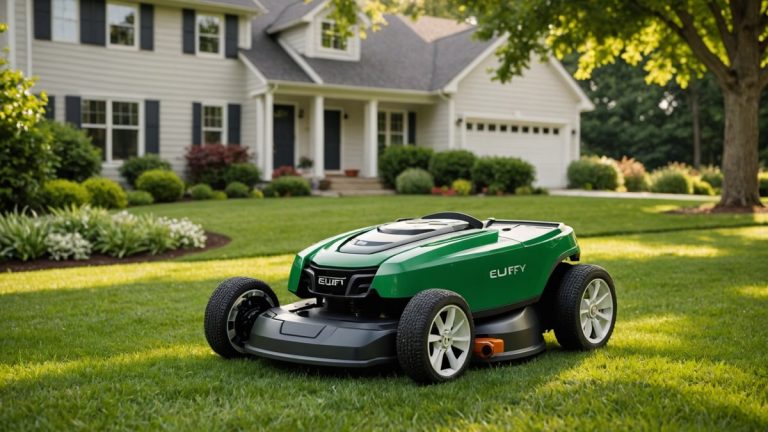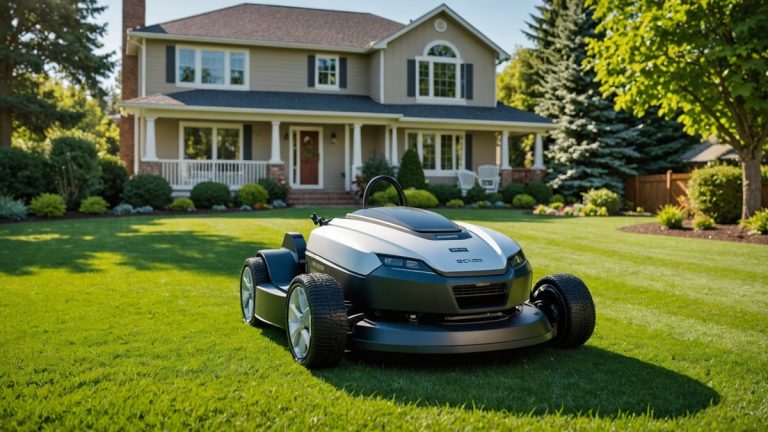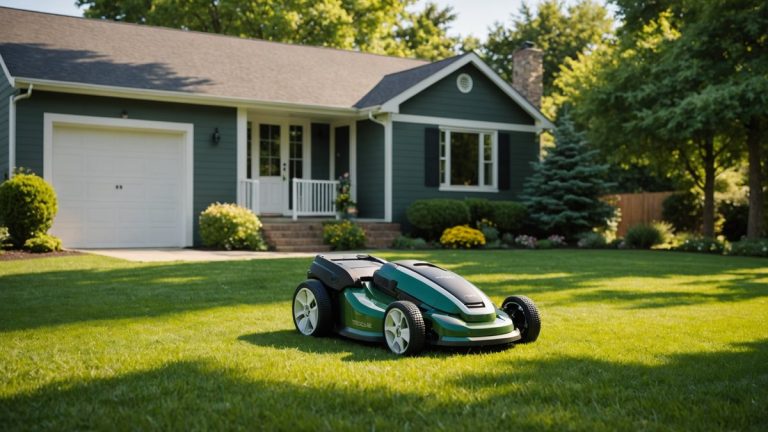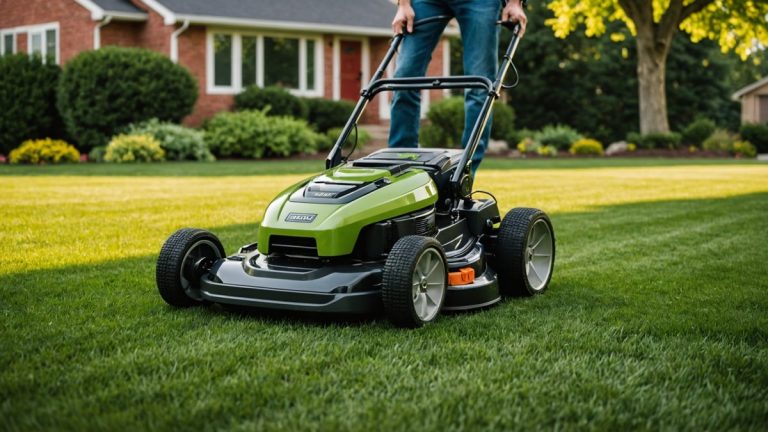

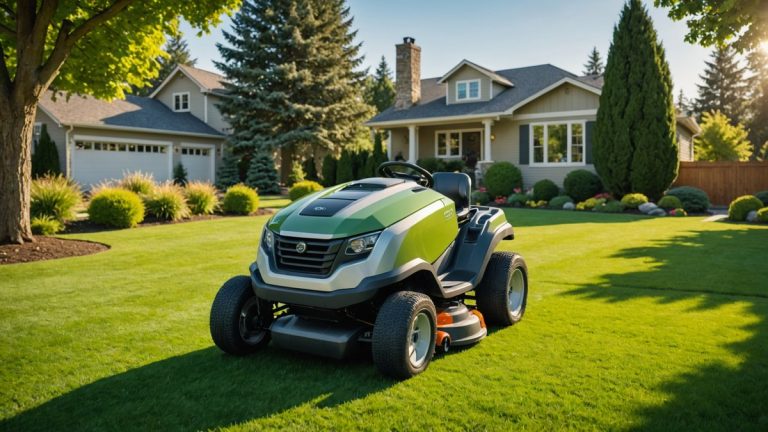
Imagine a robotic mower that navigates your yard with the precision of a self-driving car—only this one doesn’t need a driver’s license. Dreame, a brand known for pushing the boundaries of smart home tech, has just unveiled an autonomous lawn mower that might make your current robot lawn mower look like a relic. Packed with advanced sensors, AI-driven mapping, and obstacle avoidance that rivals some electric vehicles, this new model isn’t just another gadget for your garage—it’s a glimpse into the future of smart mowing.
Dreame’s Vision: A Robotic Mower That Thinks Like a Pro
Dreame’s latest offering isn’t just another incremental upgrade in the world of robotic mowers. The company has taken a page from the autonomous vehicle playbook, equipping its new model with a suite of technologies that allow it to handle complex yards with minimal human intervention. Unlike traditional robot lawn mowers that rely on boundary wires or simplistic bump-and-turn logic, Dreame’s mower uses a combination of LIDAR, cameras, and ultrasonic sensors to create a detailed, real-time map of your lawn. This means it can navigate around flower beds, trees, and even the family dog without missing a blade of grass—or worse, taking a tumble down the garden steps.
For homeowners tired of the limitations of older models, this is a game-changer. No more laying down boundary wires, no more getting stuck on uneven terrain, and no more guessing whether your mower will actually finish the job before the battery dies. Dreame’s approach leans heavily on AI, allowing the mower to learn and adapt to your yard over time, much like how a smart mowing system should.
Under the Hood: The Tech That Powers Dreame’s Autonomous Mower
So, what exactly makes this mower smarter than the average autonomous lawn mower? Let’s break down the standout features:
- Multi-Sensor Fusion: Combines LIDAR, cameras, and ultrasonic sensors for 360-degree awareness, ensuring it avoids obstacles with car-like precision.
- AI-Powered Mapping: Creates and updates a digital twin of your lawn, allowing the mower to optimize its path for efficiency and coverage.
- No Boundary Wires Needed: Uses virtual boundaries set via an app, eliminating the hassle of physical wire installation.
- All-Terrain Capability: Handles slopes up to 35 degrees and uneven ground, making it suitable for yards that would challenge lesser models.
- Smart Battery Management: Dynamically adjusts power consumption based on terrain and grass density to maximize runtime.
- App Integration: Full control via a user-friendly app, including scheduling, zoning, and real-time monitoring.
This level of sophistication puts Dreame’s mower in direct competition with high-end models from brands like Husqvarna Automower, Worx Landroid, and Gardena Sileno. However, Dreame’s focus on AI and sensor integration could give it an edge, particularly for tech-savvy users who want their robotic mower to feel as advanced as their smartphone.
How It Compares: Dreame vs. The Competition
The market for autonomous lawn mowers is crowded, but Dreame’s entry stands out for its emphasis on self-driving tech. Here’s how it stacks up against some of the most popular alternatives:
- Husqvarna Automower: Known for reliability and precision, but most models require boundary wires. Dreame’s wire-free approach could appeal to those who want a cleaner setup.
- Worx Landroid: Offers affordable options with decent smart features, but lacks the advanced sensor suite of Dreame’s model.
- Gardena Sileno: Great for mid-sized yards, but doesn’t have the same level of AI-driven adaptability.
- Ecovacs Goat G1: A direct competitor in the “smart” category, but Dreame’s multi-sensor system may offer better obstacle avoidance.
For professional landscapers, Dreame’s mower could be a compelling option for small to medium-sized commercial jobs, especially if they’re looking to automate parts of their workflow. While it may not replace a full fleet of commercial mowers, it’s a step toward more efficient, hands-off lawn care.
What This Means for You
So, should you ditch your current robot lawn mower for Dreame’s latest creation? It depends on your needs. If you’re frustrated by the limitations of older models—like boundary wires, poor obstacle handling, or inefficient mowing patterns—this could be the upgrade you’ve been waiting for. The AI-driven mapping and sensor suite make it one of the most intelligent autonomous lawn mowers on the market, ideal for homeowners with complex yards or a love for cutting-edge tech.
However, early adopters should be prepared for a few potential downsides. As with any new technology, there may be a learning curve, and the price point could be higher than entry-level models. But for those who value performance, convenience, and a truly smart mowing experience, Dreame’s mower is a strong contender.
For landscaping professionals, this mower could be a great addition to a fleet, particularly for smaller jobs or clients with tricky yards. It won’t replace your ride-on mower, but it could save time and labor on maintenance tasks.
FAQ
Does Dreame’s robotic mower work without boundary wires?
Yes! One of the standout features of Dreame’s autonomous lawn mower is its ability to operate without physical boundary wires. Instead, it uses virtual boundaries set through the companion app, making installation and setup much simpler.
How does Dreame’s mower handle obstacles like trees or pet toys?
Thanks to its multi-sensor fusion system (LIDAR, cameras, and ultrasonic sensors), the mower can detect and avoid obstacles in real time. This means it can navigate around trees, flower beds, toys, and even pets without getting stuck or damaging your yard.
Is this mower suitable for large yards?
Dreame’s mower is designed for medium to large residential yards, but its exact capacity depends on the battery size and model. For very large properties, you might need to consider commercial-grade options or multiple units. However, its efficient AI-driven path planning helps maximize coverage, making it a solid choice for most homeowners.
Source: Original Article