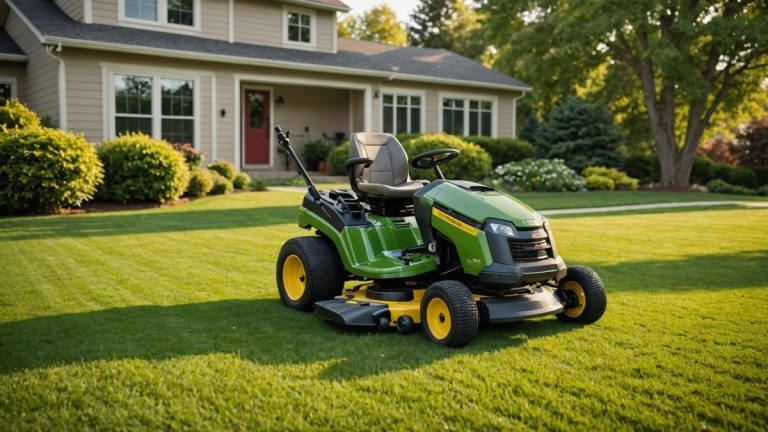
For years, robotic mowers have been the promise of effortless lawn care—until they hit a steep slope, a sprawling yard, or a labyrinth of flower beds. The latest generation of autonomous lawn mowers is changing that narrative, tackling large, complex properties with precision and adaptability that earlier models simply couldn’t match. If you’ve been sitting on the sidelines waiting for a robot lawn mower that can truly replace your weekend chore, 2024 might be the year to take the leap.
Why Earlier Robotic Mowers Struggled with Complex Lawns
Early smart mowing solutions were often limited by battery life, navigation systems, and an inability to handle obstacles like steep inclines, multiple zones, or irregularly shaped yards. Many homeowners with larger or more intricate properties found themselves disappointed, as these mowers required constant babysitting—defeating the purpose of automation. Brands like Husqvarna and Worx offered reliable options for small, simple lawns, but anything beyond a quarter-acre with a few trees often pushed them to their limits.
The Breakthrough: Smarter Navigation and Longer Runtime
The newest wave of autonomous lawn mowers leverages advanced technologies to overcome these hurdles. Here’s what’s making them game-changers:
- Multi-Zone Mapping: Models like the Husqvarna Automower NERA and ECOVACS GOAT G1 use RTK (Real-Time Kinematic) GPS and AI-powered vision systems to create detailed maps of your property, allowing them to navigate multiple mowing zones, avoid obstacles, and even return to a charging station mid-job if needed.
- Improved Battery Life: Lithium-ion batteries with faster charging and extended runtime (some lasting up to 3 hours on a single charge) mean these mowers can cover larger areas—up to 5 acres in some commercial models—without frequent interruptions.
- All-Terrain Capability: Enhanced traction and adaptive cutting heights (some adjust automatically based on grass length) allow these mowers to tackle slopes up to 45% and uneven terrain that would leave older models spinning their wheels.
- Smart Connectivity: Integration with smartphone apps lets you monitor progress, adjust schedules, or even control the mower remotely. Some models, like the Mammotion LUBA, support voice commands via Alexa or Google Assistant.
- Obstacle Avoidance: Ultra-wide-angle cameras and ultrasonic sensors help the mower detect and navigate around pets, toys, or landscaping features without getting stuck or damaging your garden.
These improvements aren’t just incremental—they represent a fundamental shift in what robot lawn mowers can accomplish. Where first-gen models were glorified Roombas for your yard, today’s options are closer to autonomous landscaping assistants.
How They Compare to the Competition
Not all robotic mowers are created equal, and the latest models stand out in a crowded market. Here’s how they stack up against some established players:
- Husqvarna Automower NERA: A premium option with RTK GPS, all-wheel drive, and the ability to handle up to 2.5 acres. Ideal for homeowners with complex lawns who want top-tier performance. However, it comes with a hefty price tag (around $4,000).
- ECOVACS GOAT G1: A more budget-friendly alternative (starting at $2,500) that still offers multi-zone mapping and a robust obstacle avoidance system. It’s a great mid-range choice for yards up to 1.5 acres.
- Mammotion LUBA: Known for its AI-powered vision system and user-friendly app, the LUBA is a strong contender for tech-savvy users. It’s particularly good at handling narrow passages and tight spaces.
- Worx Landroid M: While not as advanced as the newer models, the Landroid M remains a solid, affordable option for smaller, simpler lawns (under 0.5 acres). It’s a good entry point for those new to smart mowing.
For professional landscapers, brands like Mean Green Mowers and Graze are rolling out commercial-grade autonomous lawn mowers designed for fleet use, with swappable batteries and rugged builds to handle daily wear and tear.
Real-World Performance: What Homeowners Are Saying
Early adopters of these next-gen mowers report a dramatic reduction in the time and effort required to maintain their lawns. One user with a 2-acre property in Colorado noted that their Husqvarna NERA handled steep slopes and multiple mowing zones without issue, cutting their weekly lawn care time from 4 hours to just 30 minutes of supervision. Another homeowner in Florida praised the ECOVACS GOAT G1 for its ability to navigate around palm trees and garden beds without getting stuck.
Of course, no technology is perfect. Some users have reported occasional hiccups with GPS accuracy in heavily wooded areas, and the initial setup (mapping your yard, installing boundary wires, etc.) can take a few hours. But once configured, these mowers consistently deliver a well-manicured lawn with minimal intervention.
What This Means for You
If you’ve been waiting for a robotic mower that can handle your sprawling, obstacle-filled yard, the wait is over. The latest models are smarter, more capable, and more reliable than ever before. Here’s how to decide if one is right for you:
- For Small to Medium Yards (Under 1 Acre): Models like the Worx Landroid M or Gardena Sileno Life are affordable and effective for simpler layouts.
- For Large or Complex Yards (1-3 Acres): Invest in a high-end model like the Husqvarna NERA or ECOVACS GOAT G1 for the best performance and least hassle.
- For Professional Landscapers: Look into commercial options like Mean Green’s autonomous mowers or Graze’s fleet solutions to automate routine maintenance and free up your crew for higher-value tasks.
Keep in mind that while the upfront cost of these mowers is higher than traditional push or riding mowers, the long-term savings in time, labor, and even fuel (for gas-powered alternatives) can justify the investment. Plus, many manufacturers offer financing options to spread out the cost.
FAQ
Are robotic mowers safe for pets and kids?
Yes, modern autonomous lawn mowers are designed with safety in mind. They feature automatic shutdown if lifted or tipped, and their obstacle avoidance systems help them steer clear of pets, children, and objects. However, it’s always a good idea to supervise the first few runs to ensure everything operates smoothly in your specific environment.
Do I need to install boundary wires?
Many newer models, like the Husqvarna NERA and ECOVACS GOAT G1, use GPS and vision-based navigation, eliminating the need for boundary wires. However, some models still rely on wires for precise edge definition, so check the specs before purchasing.
How much maintenance do robotic mowers require?
Robot lawn mowers require minimal maintenance compared to traditional mowers. You’ll need to clean the blades and undercarriage periodically, replace blades as they wear out (typically every few months), and ensure the charging station is free of debris. Some models also require winter storage in colder climates. Overall, the maintenance is far less demanding than that of a gas mower.
Source: Original Article

Author: AI Mow
Ai Mow is the editorial team behind Ai Mower News, dedicated to bringing you the latest news, reviews, and insights on robotic lawn mowers and smart gardening technology.