


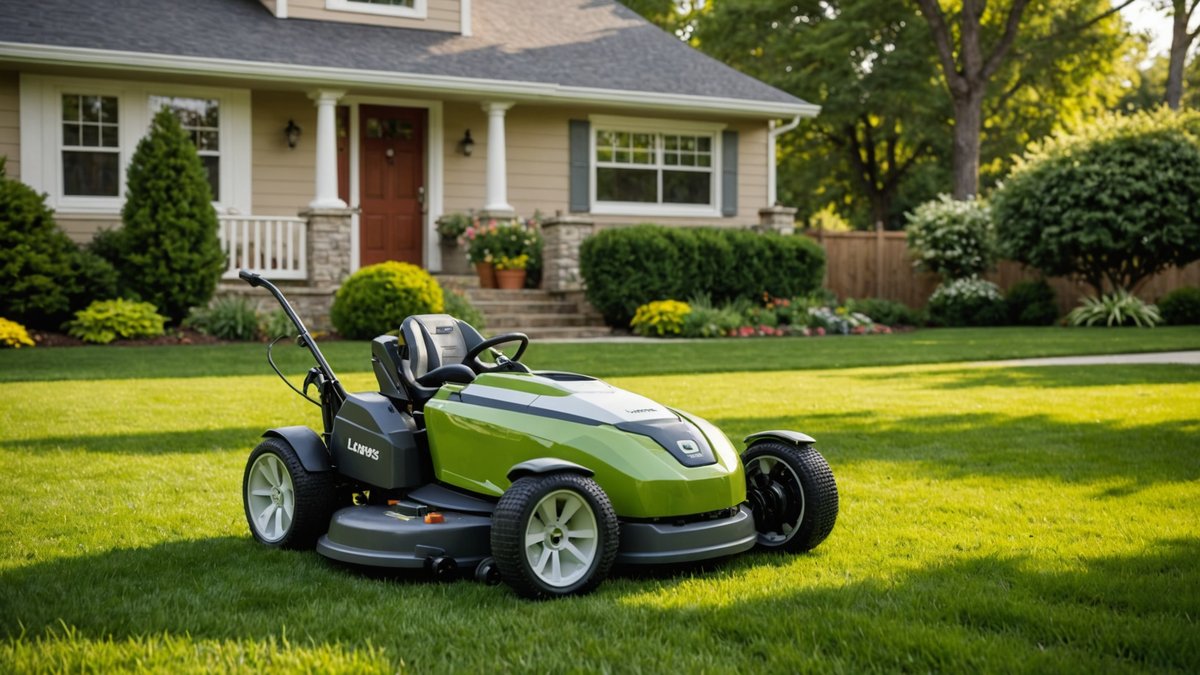
The robotic mower market just got a little more interesting. LawnMaster, a brand known for its affordable outdoor power equipment, has quietly launched its first robot lawn mower—a move that could shake up the entry-level segment dominated by names like Worx, Gardena, and Husqvarna. For homeowners curious about smart mowing but wary of premium prices, this newcomer promises a compelling blend of features and value. But does it deliver? Let’s dig in.
LawnMaster Enters the Robotic Mower Arena
LawnMaster, a subsidiary of the global tool manufacturer Chervon, has built a reputation for delivering budget-friendly yet capable lawn care tools, from cordless mowers to trimmers. Their entry into the autonomous lawn mower space signals a growing trend: more brands are recognizing that robotics aren’t just for high-end buyers. While the company hasn’t yet released a full press kit, early listings and retailer descriptions reveal a mower tailored for small to medium yards, with a focus on simplicity and ease of use.
This launch comes at a time when the robotic mower market is expanding rapidly. According to industry reports, global sales are expected to grow by over 12% annually through 2030, driven by rising demand for time-saving, eco-friendly lawn care solutions. LawnMaster’s foray could attract first-time buyers who’ve been on the fence due to cost or complexity.
Key Features and Specifications
While full hands-on reviews are still scarce, initial details paint a picture of a no-frills robot lawn mower designed for efficiency. Here’s what we know so far:
- Cutting Width: Approximately 7 inches (18 cm), typical for compact models like the Worx Landroid M or Gardena Sileno City.
- Battery: 20V lithium-ion, compatible with LawnMaster’s existing cordless tool ecosystem—a big plus for brand-loyal users.
- Runtime: Up to 60 minutes per charge, with an estimated coverage of 1/8 to 1/4 acre per session. Ideal for small urban or suburban lawns.
- Navigation: Uses a boundary wire system, similar to most entry-level autonomous lawn mowers, for precise edge definition. No word yet on advanced sensors or GPS-based mapping (a feature reserved for pricier models like the Husqvarna Automower 430X).
- Cutting Height: Adjustable between 0.8 to 2 inches (2 to 5 cm), accommodating a variety of grass types.
- Connectivity: Bluetooth-enabled for basic control via a companion app. Lack of Wi-Fi may limit remote monitoring compared to competitors like the Ecovacs Goat G1.
- Weather Resistance: IPX4-rated, meaning it can handle light rain but should be sheltered during heavy downpours.
- Price: Expected to retail around $600–$800, undercutting many mid-range options while offering parity with budget picks like the Ryobi RM480e.
How It Stacks Up Against Competitors
LawnMaster’s robot lawn mower enters a crowded field, so how does it compare? For starters, it’s positioned squarely in the entry-level tier, competing with models like:
- Worx Landroid M (WR140): A popular choice for small yards, with a similar boundary wire system and app control. The Landroid M, however, offers a slightly larger cutting width (8 inches) and a more established app ecosystem.
- Gardena Sileno City: Known for its quiet operation and reliability, the Sileno City is a strong contender but often priced higher. It also includes a rain sensor, which LawnMaster’s model may lack.
- Ryobi RM480e: Another budget-friendly option with a 20V battery platform, though Ryobi’s model has a wider 8.5-inch cutting deck and supports Wi-Fi connectivity.
Where LawnMaster may shine is in its integration with the brand’s existing 20V battery system. If you already own LawnMaster tools, this could be a seamless addition to your lineup. However, the absence of Wi-Fi and advanced features like zone management or voice assistant compatibility (found in the Ecovacs or Robomow models) could be a drawback for tech-savvy users.
Who Is This Mower For?
The LawnMaster autonomous lawn mower seems tailor-made for a few specific groups:
- First-Time Buyers: Homeowners new to smart mowing who want to test the waters without a hefty investment.
- Small Lawn Owners: Those with yards under 1/4 acre who don’t need the endurance or complexity of larger models.
- LawnMaster Loyalists: Existing users of the brand’s cordless tools who can leverage their current batteries and chargers.
- Eco-Conscious Users: The mower’s electric operation means zero emissions, aligning with the growing demand for sustainable lawn care.
On the flip side, it may not be the best fit for:
- Large or complex lawns requiring multi-zone programming or GPS navigation.
- Users who prioritize smart home integration (e.g., Alexa/Google Assistant support).
- Professional landscapers, who would likely need a more robust, commercial-grade robotic mower like those from Husqvarna or STIHL.
What This Means for You
LawnMaster’s entry into the robotic mower market is a win for consumers, as it adds another affordable option to a segment that’s been growing rapidly. For homeowners who’ve been waiting for prices to drop or for a brand they already trust to release a model, this could be the nudge they need to automate their lawn care.
That said, it’s not a game-changer in terms of technology. The mower relies on tried-and-true boundary wire navigation and lacks some of the bells and whistles of higher-end models. But for its target audience—small lawn owners seeking simplicity and value—it hits the mark.
If you’re in the market for a robot lawn mower, the LawnMaster model is worth considering, especially if you’re already invested in the brand’s ecosystem. However, it’s wise to compare it against established alternatives like the Worx Landroid or Gardena Sileno to ensure you’re getting the best fit for your needs.
FAQ
Is the LawnMaster robotic mower suitable for hilly yards?
Based on initial specs, the LawnMaster autonomous lawn mower is designed for flat to gently sloping yards. Most entry-level robotic mowers struggle with steep inclines (over 15–20 degrees), so if your lawn has significant elevation changes, you may need a model with stronger motors and better traction, such as the Husqvarna Automower 430X or the Robomow RS630.
Can I use the LawnMaster robotic mower without a boundary wire?
No, the LawnMaster model appears to rely on a boundary wire for navigation, which is standard for most budget-friendly robotic mowers. If you prefer a wire-free setup, you’ll need to look at higher-end models with GPS or vision-based navigation, like the Segway Navimow or the Ecovacs Goat G1.
How does the LawnMaster robotic mower handle obstacles?
Entry-level robot lawn mowers typically use bump sensors to detect and navigate around obstacles. While specific details on LawnMaster’s collision avoidance aren’t yet available, it’s safe to assume it will perform similarly to competitors like the Worx Landroid, which uses bump-and-turn logic to avoid trees, rocks, or other lawn features.
Source: Original Article

Author: AI Mow
Ai Mow is the editorial team behind Ai Mower News, dedicated to bringing you the latest news, reviews, and insights on robotic lawn mowers and smart gardening technology.