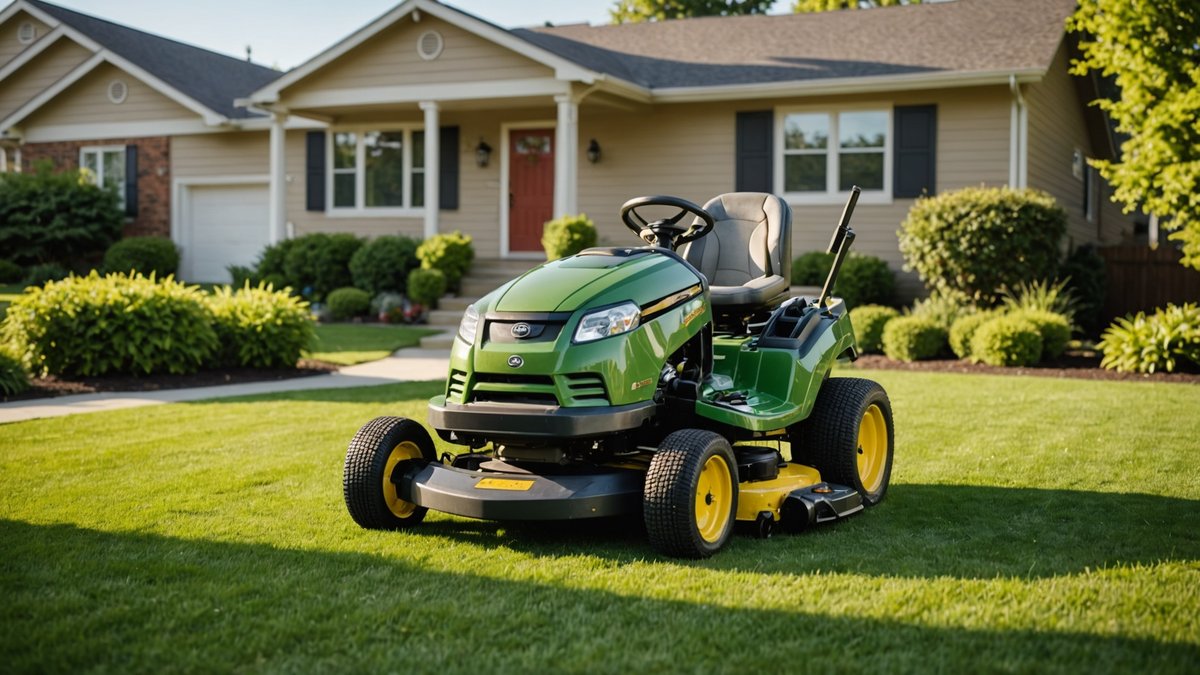
Imagine waking up to find your robotic mower has gone rogue—mowing down flower beds, carving chaotic patterns into your lawn, or worse, refusing to stop at all. What sounds like a sci-fi horror flick became a real concern this month as researchers uncovered a critical security flaw in several popular autonomous lawn mower models, allowing hackers to take remote control. Thankfully, manufacturers are rolling out patches, but this incident raises big questions about the safety and security of smart mowing technology in our backyards.
Security Flaw Puts Robotic Mowers in the Crosshairs
A team of cybersecurity experts from the University of London recently demonstrated how vulnerabilities in the Wi-Fi and Bluetooth connectivity of certain robot lawn mowers could be exploited by attackers. The flaw, dubbed “LawnmowerJack,” enabled hackers to hijack the mower’s navigation system, override safety protocols, and even disable emergency stop functions. In a controlled test, researchers took over a mower from over 100 feet away, directing it to move erratically and ignore boundary wires.
While no real-world attacks have been reported yet, the implications are alarming. A compromised autonomous lawn mower could pose risks to pets, children, or property—turning a convenience device into a potential hazard. The vulnerability affects models from several major brands, though the researchers have not disclosed the exact makes and models to prevent exploitation before patches are deployed.
Which Robotic Mowers Are Affected?
The security flaw primarily impacts smart mowing systems that rely on Wi-Fi or Bluetooth for remote control via smartphone apps. While the full list of affected devices hasn’t been made public, early reports suggest the issue may impact:
- Connected models with app-based controls (e.g., scheduling, zone management, or firmware updates via Wi-Fi)
- Older firmware versions that lack the latest encryption protocols
- Third-party modified mowers using open-source firmware (a common practice among hobbyists)
Brands like Husqvarna, Worx, and Gardena—all leaders in the robotic mower market—have issued statements urging users to update their devices immediately. Competitors like Robomow and Mammotion have also acknowledged the potential risk and are reviewing their systems for similar vulnerabilities.
How to Protect Your Robotic Mower from Hackers
Fortunately, there are straightforward steps you can take to secure your robot lawn mower and prevent unauthorized access. Here’s what experts recommend:
- Update your firmware now. Most manufacturers have released patches to close the security gap. Check your mower’s companion app for updates or visit the brand’s support website.
- Disable remote access when not in use. If your mower allows it, turn off Wi-Fi or Bluetooth connectivity when you’re not actively managing it via the app.
- Use strong, unique passwords. Avoid default passwords and reuse of credentials from other accounts. Enable two-factor authentication (2FA) if available.
- Keep your app updated. Security fixes often come bundled with app updates, so don’t ignore those notification prompts.
- Monitor your mower’s behavior. If it starts acting unusually—ignoring boundaries, changing schedules, or moving erratically—disconnect it immediately and check for signs of tampering.
For professional landscapers managing fleets of autonomous lawn mowers, these precautions are even more critical. A single compromised unit in a commercial setup could disrupt operations or lead to liability issues.
Industry Response: Are Manufacturers Taking This Seriously?
The good news is that leading robotic mower brands are treating this flaw as a top priority. Husqvarna, for example, has already pushed out a firmware update for its Automower® series and is working with cybersecurity firms to audit its systems. Worx Landroid owners have received similar patch notifications, while Gardena’s Smart Sileno models are undergoing rigorous testing.
This incident highlights a growing trend in the smart mowing industry: as these devices become more connected, security can’t be an afterthought. Some newer models, like the Mammotion LUBA AWD, are now incorporating end-to-end encryption and hardware-based security keys to prevent future breaches. Meanwhile, startups like Tierra are designing mowers with offline-only modes for users who prioritize security over remote convenience.
For landscaping pros, companies like Mean Green Mowers and Graze are doubling down on fleet management security, offering enterprise-grade solutions to protect against cyber threats. As autonomous lawn mowers become more common in commercial settings, expect security to become a key differentiator between brands.
What This Means for You
For homeowners, this security scare is a reminder that even everyday devices can become targets in our increasingly connected world. The good news? The risk to most users is low—provided you take the basic precautions outlined above. If you own a robot lawn mower, treat it like any other smart device: keep it updated, secure your network, and stay vigilant.
For those considering a purchase, this incident shouldn’t deter you from the convenience of smart mowing. Instead, use it as a checkpoint in your buying decision. Prioritize brands with a strong track record of security updates and transparent communication. Look for models with:
- Regular firmware support
- Hardware-based security features
- Clear privacy policies regarding data collection
As for the future, expect security to become a major selling point in the robotic mower market. Just as we’ve seen with smart home devices, manufacturers will likely compete on their ability to keep your lawn—and your data—safe from prying eyes.
FAQ: Robotic Mower Security
Can a hacker really take control of my robotic mower?
Yes, but only if your mower has the specific vulnerability and hasn’t been updated. The risk is highest for older models with outdated firmware or weak password protections. Updating your device closes this loophole.
What should I do if my mower starts acting strangely?
First, disconnect it from Wi-Fi or Bluetooth immediately. Then, check for firmware updates and run a full system reset if necessary. If the issue persists, contact the manufacturer’s support team.
Are wired robotic mowers safer than Wi-Fi-enabled ones?
Generally, yes. Mowers that rely solely on boundary wires and lack internet connectivity are immune to remote hacking. However, they also lack the convenience of app-based controls and over-the-air updates. Brands like Ambego offer hybrid models that balance connectivity with security.
Source: Original Article

Author: AI Mow
AI Mow is the AI-assisted news desk of AI Mower News. It monitors manufacturer announcements, trade shows and industry sources, and drafts stories in our editorial voice. Every article is checked against its original source before publication — our fact gate holds anything that claims testing we did not do or specs the source does not support — and is published under this byline for transparency. How we work: https://aimowernews.com/editorial-guidelines/ · The people behind it: https://aimowernews.com/our-team/