

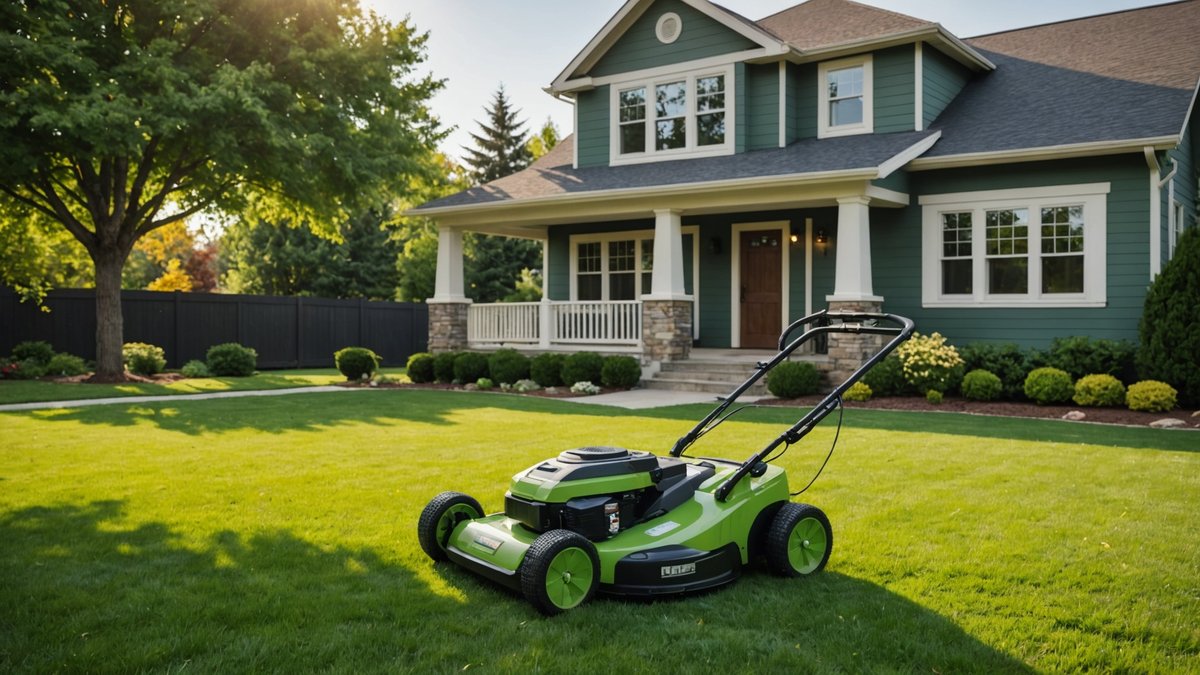
Imagine this: your trusty robotic lawn mower, humming away as it trims your grass, suddenly gets hijacked. It’s not the plot of a sci-fi movie — it’s a wake-up call for the smart mowing industry. A recent report has revealed vulnerabilities in certain robot lawn mowers, highlighting the need for tougher security in physical AI devices. While robotic mowers have revolutionized lawn care for homeowners and landscaping pros alike, these findings show that convenience doesn’t come without risks.
## The Security Problem: Robotic Mowers Under Threat
Researchers recently demonstrated how some robotic mowers could be hacked, allowing bad actors to manipulate their functions remotely. This breach could result in anything from altered mowing patterns to more serious scenarios like a stolen device or even damage to property. The vulnerabilities typically stem from weak security protocols in the software managing these devices — a common pitfall across many “smart” gadgets.
But why does this matter? Robotic lawn mowers rely on advanced AI technology and internet connectivity to operate efficiently. GPS tracking, Wi-Fi, and mobile app integrations make them undeniably practical but equally susceptible to cyber-attacks. It’s clear: as robot mowers get smarter, their security needs to keep pace.
## The Industry’s Response: Tighter Safeguards Are Coming
In response to these findings, manufacturers are taking note. Some companies are rolling out software updates to close known security loopholes, while others are doubling down on encrypting communications between mowers and their apps. A few are even partnering with cybersecurity firms to conduct regular audits of their devices. This proactive approach ensures user data is protected, but more importantly, keeps these automated helpers from being exploited.
If you’re shopping for a robotic mower, it’s worth checking whether the manufacturer prioritizes security features like password-protected apps or encrypted Wi-Fi connections. These small additions could make a big difference in safeguarding your backyard tech.
## Why Physical AI Needs Stronger Security Standards
The risks aren’t limited to lawns alone. As automation becomes more prominent in everyday life — think delivery drones, autonomous vacuums, and even robot chefs — the vulnerabilities of physical AI devices are coming under greater scrutiny. Industry insiders are pushing for universal standards to make security an integral part of product design, just as energy efficiency and performance are.
A unified approach could help establish trusted benchmarks across the robotic mower landscape, giving homeowners and landscapers peace of mind when adopting these cutting-edge tools.
## What This Means for You
Homeowners: If you already own a robot lawn mower or are considering one, make sure security is part of your research. Look for models with password protections, secure app connectivity, and manufacturers who actively roll out updates. Spending a little extra for models with robust safeguards can save you headaches — and potentially your mower — down the line.
Landscaping Pros: Automated mowing fleets are a game-changer for time efficiency and business growth, but hacks can damage your equipment or compromise customer trust. Investing in secure, professional-grade robotic mowers shows clients you’re ahead of the curve, both in technology and safety.
While this news might sound alarming, it’s ultimately a push for progress. As smart mowing continues to improve, security will evolve alongside it, ensuring robotic lawn mowers are not only efficient but also reliable and safe.
Source: Original Article

Author: AI Mow
Ai Mow is the editorial team behind Ai Mower News, dedicated to bringing you the latest news, reviews, and insights on robotic lawn mowers and smart gardening technology.