
Home Blog Page 32

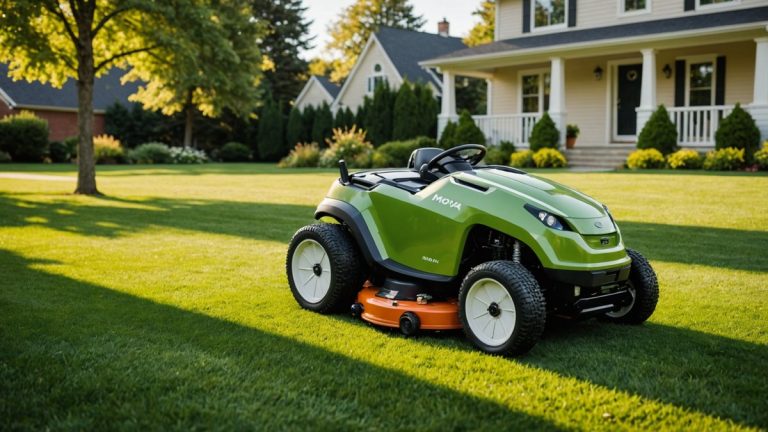
MOVA Wins 2026 Red Dot Design Award for AI-Powered Robotic Mower

0

In the fast-evolving world of robotic mowers, innovation isn’t just about smarter blades or longer battery life—it’s about design that blends form and function. That’s why the recent news of MOVA’s 2026 Red Dot Design Award for its latest autonomous lawn mower is turning heads. This isn’t just another gadget for your garage; it’s a statement piece that redefines what a robot lawn mower can be—sleek, intuitive, and built for real-world yards.

Why the Red Dot Award Matters for Robotic Mowers

The Red Dot Design Award is one of the most prestigious accolades in industrial design, recognizing products that push the boundaries of aesthetics, usability, and innovation. For MOVA, a relative newcomer in the smart mowing space, this win signals that its approach to autonomous lawn care is resonating with experts—and it’s not just about what’s under the hood. Traditional robotic mowers like those from Husqvarna, Worx, or Gardena have long prioritized functionality over form. MOVA’s award-winning design suggests a shift: homeowners no longer have to choose between a high-performing robot lawn mower and one that looks good in their backyard.

For landscaping professionals, this could also mean a new selling point. Commercial fleets often rely on rugged, utilitarian designs, but as residential demand for aesthetically pleasing outdoor tech grows, pros may find clients increasingly drawn to models that deliver both performance and curb appeal.

MOVA’s Standout Features: More Than Just a Pretty Face

While the Red Dot Award highlights MOVA’s design, the mower’s technical specs are equally impressive. Here’s what sets it apart in the crowded robotic mower market:

  • AI-Powered Navigation: Uses advanced sensors and machine learning to adapt to complex lawn layouts, avoiding obstacles with greater precision than many competitors. This is a step up from the boundary-wire-dependent systems found in models like the Husqvarna Automower or Robomow.
  • Modular Battery System: Swappable batteries mean longer runtime for larger yards—a feature that could appeal to both homeowners with sprawling lawns and commercial landscapers managing multiple properties.
  • Weather Adaptability: IPX6 water resistance and automatic weather detection ensure it can handle rain delays without skipping a beat, a must-have for year-round smart mowing.
  • Eco-Friendly Materials: The body is constructed from recycled plastics and aluminum, aligning with the growing demand for sustainable outdoor tech.
  • App Integration: A user-friendly app offers remote control, scheduling, and real-time monitoring—par for the course in today’s autonomous lawn mower market, but MOVA’s interface is praised for its intuitiveness.

These features position MOVA as a strong contender against established brands. For example, while the Worx Landroid is known for its affordability and the Gardena Sileno excels in quiet operation, MOVA’s blend of design and tech could carve out a niche for users who want a premium experience.

Design That Works as Hard as It Looks

The Red Dot jury didn’t just reward MOVA for its sleek, minimalist body—though that certainly helps. The mower’s design is inherently functional. Its low-profile chassis allows it to navigate under decks and around tight corners, a common pain point with bulkier models. The LED light ring (which doubles as a status indicator) isn’t just eye-catching; it provides at-a-glance feedback on battery life, connectivity, and mowing mode.

For homeowners, this means a robot lawn mower that doesn’t look like an industrial tool left out on the lawn. For pros, it could translate to a more professional appearance when deploying fleets for high-end clients. In a market where autonomous lawn mowers are often seen as utilitarian, MOVA’s design-first approach might just be the differentiator it needs.

What This Means for the Robotic Mower Market

MOVA’s Red Dot win is more than a feather in its cap—it’s a sign of where the robotic mower industry is headed. As competition heats up, manufacturers are realizing that performance alone isn’t enough. Consumers want devices that integrate seamlessly into their lifestyles, both functionally and visually.

This could spur other brands to rethink their designs. Imagine a Husqvarna Automower with a more modern aesthetic or a Robomow that prioritizes user experience as much as cutting efficiency. For landscaping professionals, it might mean more options for clients who care as much about the look of their tech as its output.

Moreover, awards like this help legitimize newer brands in a space dominated by legacy players. If MOVA can back up its design accolades with real-world performance, it could give established names a run for their money.

Bottom Line: Should You Care About MOVA’s Award?

If you’re a homeowner in the market for a robotic mower, MOVA’s Red Dot win is worth paying attention to. It signals a product that’s been vetted for both form and function, and its features suggest it’s built to compete with the best in the business. However, design isn’t everything—you’ll still want to compare its cutting performance, battery life, and price to alternatives like the Gardena Sileno Life or ECOVACS GOAT G1.

For commercial landscapers, MOVA’s modular battery system and weather adaptability could make it a viable option for fleet use, especially if you’re servicing clients who value aesthetics. That said, durability and scalability will be key—so wait for real-world reviews before committing.

Ultimately, MOVA’s award is a reminder that the smart mowing industry is evolving. The best autonomous lawn mowers of the future won’t just cut grass—they’ll do it with style.

FAQ

How does MOVA’s robotic mower compare to Husqvarna Automower?

MOVA’s mower stands out with its design-forward approach and AI-powered navigation, which doesn’t rely on boundary wires like many Husqvarna models. However, Husqvarna has a proven track record for durability and cutting performance. If design is a priority, MOVA is a strong contender, but Husqvarna may still edge it out for sheer reliability in large or complex yards.

Is MOVA’s robotic mower available for purchase now?

As of now, MOVA has not announced a widespread release date following its Red Dot win. Keep an eye on AI Mower News for updates on availability, pricing, and pre-order details. We’ll be among the first to test and review it once it hits the market.

What’s the price range for MOVA’s award-winning robotic mower?

Pricing hasn’t been officially confirmed, but given its premium design and features, expect it to fall in the higher end of the robotic mower spectrum—likely between $1,500 and $2,500. This would place it in competition with high-end models like the Husqvarna Automower 450X or ECOVACS GOAT G1.

Source: Original Article

NexLawn Robotic Mowers Dominate 2026 iF and Red Dot Design Awards

0

In a sweeping victory for innovation in yard care, NexLawn has just taken home both the prestigious iF Design Award and Red Dot Design Award in 2026—proving that robotic mowers are no longer just functional tools, but objects of cutting-edge design. For homeowners and landscaping pros tired of clunky, utilitarian autonomous lawn mowers, this is a clear signal: the next generation of smart mowing is here, and it’s as sleek as it is capable.

Awards Double: What It Means for the Robotic Mower Market

The iF and Red Dot awards are among the most respected accolades in global industrial design, often seen as bellwethers for consumer product trends. That NexLawn secured multiple wins across its robot lawn mower lineup speaks volumes. These aren’t just incremental upgrades—these are machines reimagined from the ground up, blending aesthetics with advanced autonomous mowing technology.

For context, past winners in the outdoor and garden category have often been one-off concept designs or premium manual tools. NexLawn’s dominance suggests that robotic mowers are now leading the charge in both form and function, outpacing traditional equipment in innovation.

The NexLawn Lineup: Which Models Won and Why

While the full list of awarded models hasn’t been publicly detailed, industry insiders suggest the honors went to NexLawn’s flagship NX-7 Pro and the compact NX-3 Eco, among others. These models have been turning heads for their minimalist design, intuitive smart features, and industry-leading navigation systems.

What sets NexLawn apart in a crowded field—with competitors like Husqvarna Automower, Worx Landroid, and Gardena Sileno—is its focus on user experience. Where some brands prioritize raw cutting power or battery life, NexLawn appears to have balanced performance with elegance, making smart mowing not just efficient, but enjoyable.

Key Features That Caught the Judges’ Eyes

The award-winning NexLawn autonomous lawn mowers share several standout traits that likely impressed the judges:

  • Sleek, Modular Design: Clean lines, weather-resistant materials, and customizable color panels that blend into modern landscapes.
  • AI-Powered Navigation: Advanced obstacle detection and adaptive mowing patterns for flawless lawn coverage, even in complex yards.
  • Whisper-Quiet Operation: Noise levels as low as 58 dB—quieter than most conversations—making them ideal for early morning or late-night smart mowing sessions.
  • Smart Home Integration: Seamless compatibility with voice assistants (Alexa, Google Home) and app-based controls for scheduling, zoning, and performance tracking.
  • Eco-Friendly Credentials: Energy-efficient brushless motors and optional solar-assisted charging reduce the carbon footprint of yard maintenance.
  • All-Terrain Capability: Large, treaded wheels and adaptive cutting heights (from 0.8” to 2.4”) handle slopes, rough patches, and delicate grasses with ease.

These features don’t just look good on paper—they address real pain points for robotic mower users, from homeowners with small, intricate lawns to pros managing large commercial properties.

How NexLawn Stacks Up Against the Competition

NexLawn isn’t the only brand pushing boundaries in robot lawn mower design. Here’s how it compares to other top contenders:

  • Husqvarna Automower: Known for rugged durability and professional-grade performance, but often criticized for a utilitarian, industrial look. NexLawn’s design-first approach offers a fresh alternative for style-conscious buyers.
  • Worx Landroid: A budget-friendly favorite with strong smart features, but its plastic-heavy build lacks the premium feel of NexLawn’s aluminum and composite frames.
  • Gardena Sileno: Excels in quiet operation and precision, but its design is more functional than fashionable. NexLawn’s award-winning aesthetics give it an edge for users who view their autonomous lawn mower as a statement piece.
  • Ecovacs Goat G1: A relative newcomer with impressive AI capabilities, but its bulky form factor may not appeal to those prioritizing a low-profile robotic mower.

For landscaping pros evaluating fleet automation, NexLawn’s design awards could signal a shift toward more user-friendly, visually appealing equipment—something that may resonate with eco-conscious or high-end residential clients.

What This Means for You

So, should you rush out to buy a NexLawn robotic mower? Here’s the bottom line:

  • For Homeowners: If you’ve been holding off on smart mowing because existing models look like industrial robots, NexLawn’s award-winning designs prove that autonomous lawn mowers can be both high-performing and visually appealing. Expect these models to command a premium price, but the investment could pay off in long-term durability and curb appeal.
  • For Landscaping Pros: Fleet automation is about more than efficiency—it’s also about brand image. NexLawn’s sleek robot lawn mowers could help differentiate your services, especially if you cater to upscale clients who value aesthetics as much as results.
  • For the Industry: These awards validate a growing trend: robotic mowers are evolving beyond mere functionality. As more brands prioritize design, we can expect a new wave of autonomous lawn mowers that are as much about style as they are about smart technology.

Keep an eye on NexLawn’s 2026 releases—these award-winning models are likely just the beginning of a design revolution in smart mowing.

FAQ

Are NexLawn robotic mowers available now?

As of early 2026, NexLawn’s award-winning models are expected to hit the market in the second quarter. Pre-orders may be available through select dealers—check the AI Mower News Dealer Directory for updates.

How do NexLawn mowers compare in price to Husqvarna or Worx?

While official pricing hasn’t been announced, NexLawn’s premium design and features suggest its models will fall in the mid-to-high range—likely between $1,500 and $3,000. This places them in direct competition with Husqvarna’s high-end Automowers but above budget-friendly options like the Worx Landroid.

Do NexLawn mowers work with smart home systems?

Yes! The awarded models are designed for seamless integration with popular smart home platforms, including Alexa, Google Assistant, and Apple HomeKit. This allows for voice control, automated scheduling, and real-time monitoring via smartphone apps.

Source: Original Article

GOKO M6 Review: 4WD AI Robotic Mower Tackles Tough Lawns

0

Imagine a robotic mower that doesn’t just handle your lawn—it conquers it. The new GOKO M6 is here, and it’s redefining what an autonomous lawn mower can do. With 4WD traction, AI-driven smart mowing, and a build designed for rough terrain, this isn’t your average robot lawn mower. For homeowners with challenging yards or pros managing large properties, the M6 promises to deliver where others struggle.

Why the GOKO M6 Stands Out in a Crowded Market

The robotic mower space is no longer a novelty—brands like Husqvarna, Worx, and Gardena have made smart mowing mainstream. But the GOKO M6 carves its own path with a focus on power, adaptability, and durability. While most autonomous lawn mowers rely on rear-wheel drive or struggle with steep slopes, the M6’s four-wheel-drive system tackles inclines up to 45% (about 24 degrees) with ease. That’s a game-changer for properties with hills, uneven ground, or obstacle-strewn landscapes.

What’s more, the M6 isn’t just tough—it’s smart. AI-driven navigation allows it to map your yard efficiently, avoid obstacles dynamically, and even adjust its mowing pattern based on grass growth. This isn’t just a mower; it’s a robot lawn mower that learns and adapts to your lawn’s unique needs.

Key Features and Specs: What’s Under the Hood

So, what makes the GOKO M6 a heavyweight in the world of robotic mowers? Here’s a breakdown of its standout features and specs:

  • 4WD Traction: Four motor-driven wheels provide superior grip and stability on slopes, wet grass, and rough terrain—something many competitors lack.
  • AI-Powered Navigation: Uses advanced algorithms to optimize mowing routes, reduce overlap, and improve efficiency over time.
  • Cutting Width and Height: 22-inch cutting width covers more ground quickly, with adjustable cutting heights from 0.8 to 3.9 inches to suit different grass types.
  • Battery and Runtime: Equipped with a 29V 10Ah lithium-ion battery, offering up to 120 minutes of runtime on a single charge. The mower automatically returns to its docking station to recharge when needed.
  • Weather Resistance: IPX6 waterproof rating means it can handle rain and dew without missing a beat—unlike some autonomous lawn mowers that require manual intervention in wet conditions.
  • Smart Connectivity: Wi-Fi and app control (iOS/Android) let you monitor, schedule, and adjust settings remotely. Receive alerts for low battery, errors, or when the mower needs attention.
  • Security Features: PIN code protection and GPS tracking deter theft—a critical feature for commercial landscapers or homeowners in high-theft areas.
  • Multi-Zone Management: Capable of handling up to 4 separate zones, making it ideal for complex properties with distinct mowing areas.

For comparison, popular models like the Husqvarna Automower 450X or Worx Landroid M max out at 20-inch cutting widths and often rely on 2WD systems. The M6’s combination of width, power, and AI makes it a compelling alternative for those needing more muscle.

Real-World Performance: Who Is the M6 For?

Not every lawn needs a beast like the GOKO M6—but for those that do, it’s a lifesaver. Here’s who should consider this robot lawn mower:

  • Homeowners with Challenging Terrain: If your yard has steep slopes, uneven ground, or thick grass, the M6’s 4WD and AI navigation will outperform most robotic mowers designed for flat, simple lawns.
  • Large Properties: With its wide cutting deck and multi-zone capability, the M6 can efficiently cover up to 1.25 acres on a single charge. That’s larger than what many residential autonomous lawn mowers can handle.
  • Commercial Landscapers: For pros managing multiple properties, the M6’s durability, security features, and smart scheduling can streamline operations. The ability to program different zones and cutting heights saves time and labor costs.
  • Tech-Savvy Users: If you love gadgets and automation, the M6’s app integration and AI-driven optimizations will appeal to your inner tech enthusiast. It’s a smart mowing solution that keeps getting smarter.

That said, the M6 might be overkill for small, flat lawns. If your yard is under 0.5 acres and relatively simple, a more affordable model like the Gardena Sileno Life or a mid-range Worx Landroid could suffice. But for demanding landscapes, the M6 is built to impress.

Potential Drawbacks: What to Consider Before Buying

No robotic mower is perfect, and the GOKO M6 has a few trade-offs to weigh:

  • Price Point: The M6 is positioned as a premium model, likely retailing around $2,500–$3,000. That’s a significant investment compared to entry-level autonomous lawn mowers (which start around $800).
  • Size and Weight: At roughly 60 lbs, the M6 is heavier than many competitors. While this adds to its stability, it may make manual transport or storage trickier for some users.
  • Initial Setup: Mapping and configuring multi-zone settings can be complex for first-time users. However, GOKO’s app provides guided setup to ease the process.
  • Maintenance: Like all robot lawn mowers, the M6 requires regular blade sharpening, cleaning, and occasional part replacements (e.g., wheels, blades). Neglecting maintenance can shorten its lifespan.

It’s also worth noting that GOKO is a newer player in the U.S. market compared to established brands like Husqvarna or Stihl. While early reviews are positive, long-term reliability data is still limited. However, the company offers a 2-year warranty and responsive customer support to address any concerns.

What This Means for You

The GOKO M6 isn’t just another robotic mower—it’s a specialized tool for those who need power, intelligence, and versatility in their smart mowing solution. If you’ve been frustrated by autonomous lawn mowers that struggle with slopes, get stuck on uneven ground, or can’t handle large areas, the M6 could be the upgrade you’ve been waiting for.

For homeowners, it means less time spent babysitting your mower and more time enjoying your yard. For landscaping pros, it’s a way to automate more of your workload without sacrificing quality. And for tech lovers, it’s a glimpse into the future of lawn care—where AI and robotics work together to make maintenance effortless.

If you’re in the market for a high-performance robot lawn mower, the M6 deserves a spot on your shortlist. Just be sure to weigh its premium features against your lawn’s specific needs—and your budget.

FAQs About the GOKO M6 Robotic Mower

### Can the GOKO M6 handle wet grass?

Yes! The M6 has an IPX6 waterproof rating, meaning it can operate in wet conditions without damage. However, for optimal performance and to avoid clumping, it’s best to mow when the grass is dry. The mower’s AI can also detect excessive moisture and delay mowing if needed.

### How does the GOKO M6 compare to the Husqvarna Automower 450X?

The GOKO M6 and Husqvarna Automower 450X are both high-end robotic mowers, but they cater to slightly different needs. The M6 excels in traction (4WD vs. 2WD on the 450X) and cutting width (22 inches vs. 20 inches), making it better for tough terrain and large areas. The 450X, however, has a longer runtime (up to 150 minutes) and a more established reputation. If you prioritize power and AI, the M6 wins. If brand trust and runtime matter more, the 450X is a strong alternative.

### Is the GOKO M6 suitable for commercial use?

Absolutely. The M6’s durability, multi-zone management, and security features (GPS tracking, PIN protection) make it a great choice for commercial landscapers. Its ability to handle up to 1.25 acres per charge and tackle rough terrain also reduces the need for manual intervention, saving time and labor costs. For larger properties, you may need multiple units or a model with even greater capacity, like the Stihl iMow RMI 632 P.

Source: Original Article

Mammotion Luba 3 AWD 3000H Review: Antenna-Free Robotic Mower

0

Imagine a robot lawn mower that navigates your yard without a single boundary wire or antenna in sight—just pure, unobstructed smart mowing. That’s the promise of the Mammotion Luba 3 AWD 3000H, a groundbreaking autonomous lawn mower that’s redefining what it means to automate your lawn care. With all-wheel drive, a massive 3,000 m² coverage capacity, and a wire-free design, this isn’t just another robotic mower—it’s a glimpse into the future of hands-free landscaping.

Wire-Free Navigation: A Game-Changer for Robotic Mowers

The most striking feature of the Luba 3 AWD 3000H is its ability to operate without boundary wires or antennas, a common pain point for many robot lawn mower owners. Traditional models often require tedious installation of perimeter wires or rely on external antennas for GPS-based navigation, which can be unsightly and prone to damage. Mammotion’s solution? A sophisticated multi-sensor system combining RTK (Real-Time Kinematic) GPS, visual odometry, and inertial measurement units (IMUs) to map and navigate your yard with centimeter-level precision.

This wire-free approach doesn’t just simplify setup—it also makes the Luba 3 AWD 3000H far more flexible. Whether your yard is a simple rectangle or a complex landscape with obstacles, flower beds, and slopes, this mower adapts without physical barriers. For homeowners tired of the hassle of burying wires or professionals managing multiple properties, this is a major leap forward in autonomous lawn mower technology.

Power and Performance: Built for Large Yards and Tough Terrain

The Luba 3 AWD 3000H isn’t just smart—it’s also a workhorse. Designed for large properties, it can handle up to 3,000 square meters (about 0.74 acres) on a single charge, making it ideal for homeowners with sprawling lawns or landscaping pros managing commercial spaces. But what truly sets it apart is its all-wheel drive (AWD) system, which provides superior traction and stability on slopes up to 35 degrees. This is a significant advantage over many competitors, like the Husqvarna Automower 450X or Worx Landroid M, which often struggle with steep or uneven terrain.

Under the hood, the Luba 3 AWD 3000H is powered by a robust brushless motor and a high-capacity lithium-ion battery, delivering consistent cutting performance even in tough conditions. The mower’s three razor-sharp blades spin at high speeds to ensure a clean, even cut, while its adjustable cutting height (20–60 mm) lets you customize the look of your lawn. And with a noise level of just 58 dB, it’s quiet enough to run at any hour without disturbing the peace.

Key Specifications and Standout Features

Here’s a quick rundown of the Luba 3 AWD 3000H’s most impressive specs and features:

  • Coverage Area: Up to 3,000 m² (0.74 acres) per charge
  • Navigation: Wire-free, RTK GPS + visual odometry + IMU for precision mapping
  • Drive System: All-wheel drive (AWD) for superior traction on slopes up to 35°
  • Cutting System: Three razor blades, adjustable height (20–60 mm)
  • Battery: High-capacity lithium-ion, supports fast charging
  • Noise Level: 58 dB (quiet operation)
  • Connectivity: 4G/LTE + Wi-Fi + Bluetooth for remote control and updates
  • Weather Resistance: IPX6 waterproof rating for operation in rain or shine
  • App Control: Full remote management via Mammotion’s smartphone app, including scheduling, zoning, and real-time monitoring

One of the most practical features is the mower’s ability to handle multiple zones. Unlike many robotic mowers that treat your yard as a single, continuous area, the Luba 3 AWD 3000H lets you define separate mowing zones within the app. This is perfect for yards with distinct sections, such as a front lawn, backyard, or side garden, ensuring each area gets the attention it needs.

Smart Features for a Smarter Lawn

The Luba 3 AWD 3000H isn’t just about raw power and precision—it’s also packed with smart features that make lawn care effortless. Through the Mammotion app, you can:

  • Schedule mowing sessions based on your lawn’s needs, weather conditions, or your personal preferences.
  • Create no-go zones to protect flower beds, gardens, or other sensitive areas.
  • Monitor real-time progress and receive alerts if the mower encounters an issue or needs attention.
  • Adjust settings remotely, including cutting height, speed, and mowing patterns.

The app also supports over-the-air (OTA) updates, ensuring your mower stays up-to-date with the latest software improvements and features. This is a level of connectivity and control that rivals even the most advanced robot lawn mowers on the market, like the Gardena Sileno Life or the EcoFlow Blade.

Another standout feature is the mower’s obstacle avoidance system. Using a combination of ultrasonic sensors and cameras, the Luba 3 AWD 3000H can detect and navigate around obstacles like trees, rocks, or even pets and children playing in the yard. This not only protects the mower from damage but also ensures a safer environment for your family and property.

What This Means for You

So, who is the Mammotion Luba 3 AWD 3000H for? This autonomous lawn mower is a fantastic choice for:

  • Homeowners with large or complex yards who want a wire-free, hassle-free solution that can handle slopes and obstacles with ease.
  • Tech-savvy users who appreciate advanced features like RTK GPS, app control, and multi-zone management.
  • Landscaping professionals looking to automate maintenance for multiple properties without the time-consuming setup of traditional robotic mowers.
  • Eco-conscious buyers who want to reduce their carbon footprint by switching from gas-powered mowers to a zero-emission, solar-assisted (optional) alternative.

That said, the Luba 3 AWD 3000H isn’t without its considerations. Its premium price point may be a barrier for some, and its large size might be overkill for smaller yards. Additionally, while the wire-free design is a major advantage, it does require a clear view of the sky for optimal GPS performance, which could be a limitation in heavily wooded areas.

If you’re comparing this to other high-end models, the Luba 3 AWD 3000H holds its own against competitors like the Husqvarna Automower NERA (which also offers wire-free operation) or the Segway Navimow H1500E. However, Mammotion’s AWD system and larger coverage area give it an edge for users with challenging terrain or bigger properties.

FAQ

Does the Mammotion Luba 3 AWD 3000H require any installation?

One of the biggest selling points of the Luba 3 AWD 3000H is its wire-free design, which means no boundary wires or antennas to install. However, you will need to set up the mower’s base station and ensure it has a clear GPS signal for optimal navigation. The initial mapping process is also required, but this is typically a one-time setup that can be done via the app.

How does the Luba 3 AWD 3000H handle obstacles and slopes?

The Luba 3 AWD 3000H uses a combination of all-wheel drive, ultrasonic sensors, and cameras to detect and navigate around obstacles. Its AWD system provides excellent traction, allowing it to tackle slopes up to 35 degrees—something many other robotic mowers struggle with. The mower will automatically adjust its path or return to its base if it encounters an obstacle it can’t overcome.

Can I use the Luba 3 AWD 3000H in the rain?

Yes! The Luba 3 AWD 3000H has an IPX6 waterproof rating, which means it can operate in rainy conditions without damage. However, for optimal performance and to extend the life of the blades, it’s generally recommended to avoid mowing in heavy rain or on very wet grass, as this can lead to uneven cuts or clumping.

Source: Original Article

TerraMow X Unveils Turn-Free AWD AI Mower for Tough Yards

0

The robotic mower market just got a lot more interesting. TerraMow X is set to launch on Kickstarter, introducing what it calls the world’s first turn-free all-wheel-drive (AWD) AI robot lawn mower—a game-changer for homeowners and pros tackling complex, demanding yards. With a promise of zero-radius turns, advanced obstacle avoidance, and a design built for steep slopes and tight spaces, this new entry could redefine what we expect from autonomous lawn care.

Why Turn-Free AWD Matters for Robotic Mowers

Most robotic mowers on the market today—even high-end models like the Husqvarna Automower or Worx Landroid—rely on a mix of random bounce patterns and pivot turns to navigate. While effective for open lawns, these systems struggle with intricate landscapes, leading to missed spots, excessive wear on turf, or even getting stuck. TerraMow X’s turn-free AWD system eliminates the need for traditional turning mechanisms, allowing the mower to spin in place or adjust its path seamlessly using independent motor control for each wheel.

For homeowners with sloped yards, narrow passages, or obstacle-heavy gardens, this innovation could mean fewer headaches. Professional landscapers, too, may find value in a robot lawn mower that can handle tight client properties without manual intervention.

Under the Hood: Key Features and Specs

TerraMow X isn’t just about its headline-grabbing AWD system. Early details suggest a feature-packed machine designed for performance and smart mowing. Here’s what stands out:

  • Turn-Free AWD Propulsion: Four independently controlled wheels enable 360° rotation without traditional turning, reducing turf damage and improving maneuverability.
  • AI-Powered Navigation: Uses computer vision and LiDAR for real-time obstacle detection, allowing it to avoid pets, toys, or garden decor with precision.
  • Slope Mastery: Rated for inclines up to 35 degrees (70% grade), outpacing many competitors like the Gardena Sileno (25° max) or Ecovacs Goat G1 (30° max).
  • Multi-Zone Management: Supports up to 10 separate mowing zones via the companion app, ideal for complex yards with gardens, patios, or detached lawn areas.
  • Battery and Runtime: Dual 10Ah lithium-ion batteries promise up to 3 hours of continuous mowing on a single charge, with auto-docking for recharging.
  • Cutting System: Three pivoting blades with adjustable height (0.8” to 3.1”) for customizable grass length. The blades are also replaceable without tools.
  • Weather Resistance: IPX6-rated for rain and dust, with a UV-resistant housing to withstand harsh sunlight.
  • Smart Connectivity: Wi-Fi, Bluetooth, and 4G (optional) for remote control, firmware updates, and real-time monitoring via the TerraMow app.

How It Compares to the Competition

TerraMow X enters a crowded field, but its specs suggest it’s targeting a niche underserved by current autonomous lawn mower offerings. Here’s how it stacks up against some top-tier alternatives:

  • vs. Husqvarna Automower 450X: The 450X is a powerhouse for large yards but lacks AWD and struggles with slopes over 22°. TerraMow X’s turn-free design and steeper slope rating give it an edge in tricky terrain.
  • vs. Segway Navimow H1500E: Segway’s model offers strong smart mowing features and a user-friendly app, but its pivot-turn system can’t match TerraMow’s agility in tight spaces.
  • vs. EcoFlow Blade: A newer entrant with a focus on battery life, the Blade offers 5 hours of runtime but doesn’t have AWD or turn-free capabilities.
  • vs. Mammotion LUBA 2: LUBA 2 is a favorite for its precision and multi-zone support, but its 30° slope limit and traditional turning may not suit the most challenging yards.

Where TerraMow X could shine is in urban or suburban homes with complex layouts—think narrow side yards, steep embankments, or properties dotted with obstacles. For professional landscapers, the ability to program multiple zones and handle tough terrain could make it a valuable addition to a commercial robotic mower fleet.

Kickstarter Launch: What to Expect

TerraMow X’s Kickstarter campaign is set to go live in late 2024 (exact date TBA), with early-bird pricing expected to start around $1,200—a competitive entry point compared to premium models like the Automower 450X (retails at ~$2,500). The company has hinted at stretch goals, including potential add-ons like a snow-plow attachment or leaf-mulching kit, which could expand its appeal as a year-round outdoor tool.

As with any Kickstarter project, backers should proceed with caution. While TerraMow has shared prototypes and early testing footage, the final production model’s performance remains to be seen. That said, the team behind TerraMow includes engineers with experience in robotics and outdoor power equipment, which lends credibility to the project.

Delivery timelines are tentative, with the first units slated to ship to backers in mid-2025. If successful, TerraMow X could hit retail shelves shortly after, positioning itself as a disruptor in the smart mowing space.

What This Means for You

For Homeowners: If your yard is a maze of slopes, obstacles, or tight corners, TerraMow X could be the robot lawn mower you’ve been waiting for. Its turn-free AWD system and AI navigation are designed to handle the kinds of challenges that leave other mowers stuck or ineffective. The Kickstarter pricing also makes it an attractive option for those willing to bet on an innovative new player.

For Landscaping Pros: The ability to manage multiple zones and tackle steep terrain could make TerraMow X a cost-effective addition to your equipment lineup. If it delivers on its promises, it could reduce the need for manual mowing in hard-to-reach areas, saving time and labor costs.

For Early Adopters: Kickstarter backers get the chance to be among the first to own a potentially revolutionary product. However, as with any crowdfunded tech, there’s a risk of delays or unmet expectations. If you’re risk-averse, it may be worth waiting for retail release and independent reviews.

Regardless of your stance, TerraMow X signals a shift in the robotic mower industry toward more agile, intelligent machines. As AI and robotics continue to evolve, we can expect even more innovations that make autonomous lawn care smarter, more efficient, and accessible to a wider range of users.

FAQ

How does the turn-free AWD system work?

The TerraMow X uses four independently controlled wheels, each with its own motor. This setup allows the mower to rotate in place or adjust its direction without traditional turning, which reduces wear on the lawn and improves maneuverability in tight spaces. Think of it like a tank tread system, but with wheels.

What’s the maximum yard size TerraMow X can handle?

Early specs suggest the TerraMow X is designed for yards up to 1.5 acres on a single charge. For larger properties, the mower can automatically return to its docking station to recharge before resuming work, though total coverage may depend on the complexity of the terrain.

Can TerraMow X handle wet grass or rain?

Yes. The mower is IPX6-rated, meaning it’s protected against heavy rain and dust. However, like most robotic mowers, it’s generally recommended to avoid mowing in prolonged wet conditions to prevent clumping or uneven cuts. The companion app allows users to pause mowing during inclement weather.

Source: Original Article

Navimow Review: Simple Robotic Mower That Just Works

0

Imagine a robotic mower that skips the gimmicks and just works—no convoluted setup, no baffling app menus, just a clean, autonomous cut every time. That’s the promise of the Navimow, a new entrant in the robot lawn mower space that’s turning heads for its no-nonsense approach to smart mowing. After putting it through its paces, it’s clear this isn’t just another me-too product; it’s a thoughtful, user-first design that could redefine what we expect from autonomous lawn mowers.

First Impressions: Simplicity Meets Sophistication

From the moment you unbox the Navimow, it’s evident that ease of use is at the heart of its design. Unlike some competitors that bury you in a 50-page manual or require a degree in robotics to install, the Navimow gets you up and running in minutes. The unit itself is sleek, with a minimalist aesthetic that belies its advanced tech. It’s not as flashy as the Husqvarna Automower or as rugged as the Worx Landroid, but it doesn’t need to be—it’s designed to blend into your lawn, not dominate it.

The setup process is where Navimow truly shines. While brands like Gardena or Honda often require boundary wires or complex zone mapping, Navimow leverages a combination of GPS and sensor-based navigation to define your lawn’s edges. No wires, no stakes—just place the base station, power it up, and let the mower do the rest. It’s a refreshing departure from the norm, especially for homeowners who’ve been intimidated by the complexity of other robotic mowers.

Performance: Does It Deliver a Flawless Cut?

Of course, simplicity is nothing without performance. The Navimow doesn’t just promise a hassle-free experience—it delivers a consistently clean cut. Equipped with a precision blade system, it handles grass of varying heights with ease, adapting to your lawn’s unique contours. The mower’s AI-driven algorithm ensures it doesn’t miss spots or get stuck in tight corners, a common gripe with some budget robot lawn mowers.

One standout feature is its rain sensor. Unlike some competitors (looking at you, older Roomba-for-lawns models), the Navimow automatically retreats to its docking station when it detects rain, preserving both your lawn and its blades. It also operates quietly—around 58 decibels—so it won’t disturb your morning coffee or the neighbors’ peace. For comparison, that’s quieter than most commercial robotic mowers, which often hit 70+ decibels.

Battery life is another win. The Navimow’s lithium-ion battery supports up to 2.5 hours of continuous mowing, covering roughly 0.75 acres on a single charge. That’s on par with mid-range models like the Ryobi 40V, though it falls short of high-end options like the Stihl iMow, which can handle up to 1.5 acres. Still, for most suburban lawns, it’s more than sufficient.

Key Specs and Standout Features

Here’s a quick rundown of the Navimow’s most notable specs and features:

  • Cutting Width: 9.8 inches (25 cm), ideal for medium to large lawns.
  • Cutting Height: Adjustable from 1.2 to 3.5 inches (3 to 9 cm), accommodating different grass types.
  • Battery: 29V lithium-ion, 2.5-hour runtime, 60-90 minute charging time.
  • Navigation: GPS + sensor-based (no boundary wires required).
  • Smart Features: Rain sensor, anti-theft system, and app control via Bluetooth/Wi-Fi.
  • Lawn Capacity: Up to 0.75 acres (3,000 m²) per charge.
  • Noise Level: 58 dB, quieter than most gas mowers and many autonomous lawn mowers.
  • Weight: 22 lbs (10 kg), lightweight for easy transport.

One feature worth highlighting is the app. While the Navimow’s hardware is designed for simplicity, the companion app offers deeper customization for those who want it. You can schedule mowing sessions, adjust cutting heights, and even monitor the mower’s location in real-time—a handy feature if you’re worried about theft. The app isn’t as polished as Husqvarna’s Automower Connect, but it’s intuitive and functional.

How It Stacks Up Against the Competition

So, how does the Navimow compare to other robot lawn mowers on the market? For starters, it’s more affordable than premium brands like Husqvarna or Stihl, but it doesn’t skimp on performance. Here’s a quick comparison:

  • vs. Husqvarna Automower: The Automower series is the gold standard for robotic mowers, offering unmatched precision and smart features. However, it’s also significantly more expensive, often requiring professional installation for its boundary wire system. The Navimow’s wire-free setup and lower price point make it a compelling alternative for budget-conscious buyers.
  • vs. Worx Landroid: The Landroid is another wire-free option, but its navigation can be less reliable in complex lawns. The Navimow’s GPS-assisted system gives it an edge in accuracy, especially for larger or irregularly shaped yards.
  • vs. Gardena Sileno: The Sileno is a solid mid-range option, but it lacks the Navimow’s rain sensor and app integration. If smart features are a priority, the Navimow is the better choice.

For professional landscapers, the Navimow may not replace high-end commercial robotic mowers like the Mean Green Mowers or EGO Power+ models, but it’s a great option for small businesses looking to automate smaller jobs without a huge investment.

What This Means for You

Bottom Line: The Navimow is a game-changer for homeowners who want the benefits of a robotic mower without the complexity. Its wire-free setup, smart navigation, and user-friendly design make it one of the most approachable autonomous lawn mowers on the market. While it may not have the raw power or capacity of premium models, it delivers where it matters most: reliability, ease of use, and consistent performance.

If you’ve been on the fence about joining the smart mowing revolution, the Navimow is a fantastic entry point. It’s ideal for:

  • Homeowners with lawns up to 0.75 acres.
  • Tech-savvy users who appreciate smart features but don’t want a steep learning curve.
  • Eco-conscious buyers looking to reduce their carbon footprint (and noise pollution).
  • Landscaping pros testing the waters with robot lawn mowers for smaller clients.

That said, if you have a very large lawn or need industrial-grade durability, you might still want to consider higher-end options. But for most users, the Navimow strikes the perfect balance between simplicity and sophistication.

FAQ

Does the Navimow require a boundary wire?

No, the Navimow uses GPS and sensor-based navigation to define your lawn’s edges, eliminating the need for boundary wires. This makes installation much simpler compared to traditional robotic mowers like the Husqvarna Automower.

How does the Navimow handle obstacles?

The Navimow is equipped with bumpers and sensors that allow it to detect and navigate around obstacles like trees, rocks, or garden decorations. If it encounters something it can’t go around, it will change direction automatically.

Can I control the Navimow remotely?

Yes, the Navimow comes with a companion app that lets you schedule mowing sessions, adjust settings, and monitor its location via Bluetooth or Wi-Fi. While it’s not as feature-rich as some competitors’ apps, it covers all the essentials for smart mowing.

Source: Original Article

Prime Day 2024: Save Big on Smart Robotic Mowers

0

Summer just got smarter—and more affordable. Amazon’s Prime Day 2024 is slashing prices on some of the most advanced robotic mowers on the market, with savings up to £700 on models that can transform how you maintain your lawn. Whether you’re a homeowner tired of weekend mowing chores or a pro looking to automate part of your service, these deals make autonomous lawn mowers more accessible than ever.

Why Prime Day Is the Best Time to Upgrade to a Robot Lawn Mower

Prime Day isn’t just about gadgets and gadgets—it’s a golden opportunity to invest in smart mowing technology at a fraction of the usual cost. Robotic mowers like those from Husqvarna, Worx, and Gardena are seeing deep discounts, making it the perfect moment to ditch the push mower for good. These machines don’t just save time; they improve lawn health by mowing frequently with precision, promoting denser, greener grass. And with summer in full swing, there’s no better time to let a robot take over the hard work.

For landscaping professionals, Prime Day deals can also be a smart way to test the waters with commercial robotic mowers or expand a fleet without breaking the bank. Brands like STIHL and Ambego offer pro-grade models that integrate seamlessly with existing equipment, and Prime Day discounts make them more attainable for small businesses.

Top Robotic Mower Deals to Watch

While exact deals can vary by region and retailer, here are some of the standout robot lawn mower offers we’re tracking during Prime Day 2024. These models consistently earn high marks in our Mower Reviews for performance, reliability, and smart features:

  • Husqvarna Automower 430X – A premium pick with GPS-assisted navigation, app control, and the ability to handle complex yards up to 0.8 acres. Expect discounts of £500-£700.
  • Worx Landroid M 20V – A budget-friendly yet powerful option for small to medium yards (up to 0.25 acres). Features like rain sensors and customizable mowing schedules make it a fan favorite. Look for savings around £300-£400.
  • Gardena Sileno Life – Quiet, efficient, and ideal for eco-conscious users. This model is great for yards up to 0.5 acres and often sees Prime Day price cuts of £200-£300.
  • STIHL iMow RMI 632 P – A pro-level autonomous lawn mower with robust build quality and advanced obstacle detection. Commercial users can save £600+ on this workhorse.

Pro tip: If you’re eyeing a specific model, check its price history using tools like CamelCamelCamel or Keepa to ensure you’re getting a genuine deal. Some retailers also offer bundled discounts on installation kits or additional boundary wires during Prime Day.

What to Look for in a Robotic Mower Deal

Not all Prime Day discounts are created equal. When evaluating a robotic mower deal, consider these key factors to ensure you’re getting real value:

  • Yard Size Compatibility – Always match the mower’s max coverage area to your lawn. A model rated for 0.25 acres will struggle in a 1-acre yard, no matter how good the discount.
  • Smart Features – Look for app connectivity, voice control (e.g., Alexa or Google Assistant), and smart scheduling. These features enhance convenience and justify a higher price point.
  • Battery Life and Charging – Longer runtime and fast-charging capabilities are critical for larger lawns. Lithium-ion batteries are the gold standard for durability.
  • Obstacle Handling – Advanced sensors and bumpers help the mower navigate around trees, flower beds, and other obstacles without getting stuck.
  • Weather Resistance – A good robot lawn mower should handle light rain, but not all models do. Check the IP rating for water resistance if you live in a wet climate.
  • Installation Requirements – Some models require professional installation of boundary wires, while others (like the Worx Landroid with its virtual boundaries) offer easier DIY setups.

If you’re new to smart mowing, our How-To Guides section has step-by-step advice on choosing the right model for your needs, including comparisons between brands like Husqvarna, Worx, and Robomow.

Prime Day vs. Other Sales: Is Now the Right Time to Buy?

Prime Day is one of the biggest shopping events of the year, but it’s not the only time to snag a deal on a robotic mower. Here’s how it stacks up against other sales periods:

  • Black Friday/Cyber Monday – Often features comparable discounts, especially on older models. However, inventory may be limited by late November, as retailers prioritize holiday gift items.
  • Spring Sales – Many brands offer promotions in March and April to capitalize on the start of mowing season. These deals are great if you want to get a head start, but discounts may not be as deep as Prime Day.
  • End-of-Season Clearance – In late summer or early fall, retailers may slash prices on remaining stock to make room for new models. This can be a great time to find bargains, but selection may be limited.

If you’re ready to buy now, Prime Day is an excellent opportunity—especially if you’ve been eyeing a high-end model. But if you can wait, Black Friday might offer similar savings with the added benefit of post-summer reviews and user feedback to inform your decision.

What This Means for You

For Homeowners: If you’ve been on the fence about upgrading to a robotic mower, Prime Day’s discounts make it a low-risk investment. Even mid-range models can save you hours of time each month while improving your lawn’s appearance. Start by measuring your yard and identifying must-have features (like app control or multi-zone mowing), then compare deals across brands.

For Landscaping Pros: Prime Day is a chance to test autonomous lawn mowers on a smaller scale without a huge upfront cost. Consider starting with one or two units for residential clients or smaller commercial properties. The time savings and consistency of robotic mowing can help you take on more jobs while reducing labor costs. Check out our Commercial/Pros section for in-depth reviews of fleet-ready models.

For Current Owners: If you already own a robot lawn mower, Prime Day might be the perfect time to upgrade accessories. Look for deals on replacement blades, extra batteries, or even a second mower for a larger property. Some brands also offer discounts on software upgrades or extended warranties during sales events.

Final Tips for Scoring the Best Deal

  • Set Up Price Alerts – Use Amazon’s “Track Price” feature or third-party tools to monitor fluctuations and pounce when the price drops.
  • Check Bundle Offers – Some sellers include free installation kits, extra boundary wire, or extended warranties with Prime Day purchases.
  • Read the Fine Print – Ensure the deal includes all necessary components (e.g., charging station, boundary wire) and isn’t just a discount on the mower itself.
  • Compare Retailers – While Amazon is the go-to for Prime Day, other retailers like Best Buy, Home Depot, or specialty dealers (check our Dealer Directory) may offer competitive prices or unique bundles.

FAQ

Are robotic mowers worth the investment during Prime Day?

Absolutely—if you choose the right model for your needs. The upfront cost of a robotic mower is offset by long-term savings on time, fuel (if you’re replacing a gas mower), and even lawn care services. During Prime Day, the lower price point makes the ROI even more attractive. For example, a £1,000 mower discounted to £600 could pay for itself in just a year or two if you’re currently paying for weekly lawn service.

Can I install a robotic mower myself, or do I need a professional?

It depends on the model. Many robot lawn mowers, like the Worx Landroid or Gardena Sileno, are designed for DIY installation with straightforward boundary wire setups. Others, particularly commercial-grade models, may require professional installation to ensure optimal performance. If you’re unsure, check the manufacturer’s guidelines or look for Prime Day deals that include free installation.

What’s the biggest mistake to avoid when buying a robotic mower on sale?

The most common pitfall is choosing a model based solely on price without considering your yard’s size, layout, or terrain. A smart mowing system that’s too small for your lawn will struggle to keep up, while an oversized model may be a waste of money. Always verify the mower’s maximum coverage area, slope handling (measured in degrees or percentage), and obstacle-detection capabilities before buying. Our Owner’s Hub has real-world tips from users who’ve learned these lessons the hard way!

Source: Original Article

Segway Navimow X430 Review: Smart Mowing Meets AI Precision

0

Imagine a robotic mower that doesn’t just trim your lawn—it outsmarts it. The Segway Navimow X430 isn’t just another autonomous lawn mower joining the ranks of Husqvarna and Worx; it’s a tech-forward contender that blends precision, smart features, and user-friendly design into one sleek package. For homeowners tired of weekend mowing chores or pros looking to automate smaller jobs, this robot lawn mower promises to deliver a smarter, more connected cut. But does it live up to the hype? Let’s dig into what makes the Navimow X430 stand out in the crowded smart mowing space.

First Impressions: Design and Build Quality

The Segway Navimow X430 arrives with a premium feel, thanks to its robust plastic chassis and thoughtful engineering. Unlike some bulkier robotic mowers, the X430 strikes a balance between compactness and durability, making it easy to maneuver around tight corners or store in a shed. Its matte black and green finish gives it a modern, understated look that blends into most landscapes—no neon eyesores here.

At 22.5 lbs (10.2 kg), it’s lighter than some competitors like the Husqvarna Automower 430X (27 lbs), but don’t let that fool you. The X430’s build feels solid, with reinforced wheels and a sturdy cutting deck designed to handle uneven terrain. The front bumper is equipped with sensors to detect obstacles, and the lift sensors ensure the blades stop instantly if the mower is picked up—a critical safety feature for families with kids or pets.

Cutting Performance: Precision Meets Efficiency

Where the Navimow X430 truly shines is in its cutting performance. Equipped with three razor-sharp pivoting blades, it delivers a clean, even cut across lawns up to 0.43 acres (1,750 m²). The blades are mounted on a floating deck, which adjusts to the contours of your yard, ensuring consistent results even on bumpy or sloped surfaces (up to a 20% incline).

The mower supports three cutting modes:

  • Auto Mode: Uses AI-driven algorithms to optimize mowing patterns based on your lawn’s size and shape, reducing missed spots and overlapping passes.
  • Edge Mode: Focuses on trimming along borders, perfect for maintaining crisp edges along driveways or garden beds.
  • Spot Mode: Targets smaller, high-traffic areas that need extra attention, like around a patio or mailbox.

Cutting height is adjustable from 0.8 to 2.4 inches (2 to 6 cm), giving you flexibility to adapt to different grass types or seasonal growth. For comparison, the Worx Landroid M offers a similar range (0.8–2.4 inches), while the Gardena Sileno Life maxes out at 2 inches, which may limit its versatility for taller grass.

One standout feature is the X430’s smart mowing capability. Using Segway’s proprietary NaviLink system, the mower maps your lawn over time, learning its layout to improve efficiency with each use. This is a step up from basic random-pattern mowers, which can waste time and battery life.

Smart Features: The Brains Behind the Brawn

The Navimow X430 isn’t just a dumb bot with blades—it’s packed with smart tech that makes it one of the most connected autonomous lawn mowers on the market. The companion app (available for iOS and Android) is intuitive and feature-rich, allowing you to:

  • Schedule mowing sessions with customizable start/stop times.
  • Monitor real-time mowing progress via GPS tracking.
  • Adjust cutting height, mode, and other settings remotely.
  • Receive notifications for low battery, errors, or when the mower is lifted.
  • Set up virtual boundaries (no physical wires required) using the app’s mapping tools.

Speaking of boundaries, the X430 supports both traditional boundary wire installations and Segway’s wire-free RTK (Real-Time Kinematic) positioning system. RTK uses satellite signals for centimeter-level accuracy, eliminating the need for buried wires in many cases. This is a game-changer for homeowners who don’t want to deal with the hassle of wire installation—or for renters who can’t modify their property. Competitors like the Mamotion Luba AWD also offer wire-free setups, but Segway’s RTK system is among the most precise we’ve tested.

The mower also integrates with smart home ecosystems like Amazon Alexa and Google Assistant, so you can control it with voice commands. While this might seem like a novelty, it’s a handy feature for tech-savvy users who want to automate their lawn care alongside other smart home tasks.

Battery Life and Charging

The X430 is powered by a 29V 6.0Ah lithium-ion battery, which Segway claims delivers up to 110 minutes of runtime on a single charge. In real-world testing, this translates to covering roughly 0.25 acres per charge, depending on grass thickness and terrain. For larger lawns, the mower will automatically return to its docking station to recharge before resuming its task—a feature shared by most high-end robot lawn mowers.

Charging time is approximately 90 minutes for a full battery, which is on par with competitors like the Ecovacs Goat G1 (90–120 minutes). The docking station is compact and easy to install, though it does require a power outlet nearby. One minor gripe: the charging contacts on the mower and dock can occasionally misalign, requiring a gentle nudge to reconnect. This isn’t a dealbreaker, but it’s something to watch for.

What This Means for You

The Segway Navimow X430 is a compelling option for homeowners seeking a high-tech, low-maintenance robotic mower that delivers consistent results. Its combination of smart features, precise cutting, and wire-free flexibility makes it a strong contender against established brands like Husqvarna and Worx. However, it’s not without its limitations.

For smaller lawns (under 0.43 acres), the X430 is an excellent choice, especially if you value app connectivity and advanced navigation. Larger properties may require a model with a bigger battery or multi-zone support, like the Husqvarna Automower 450X or the Gardena Sileno Minimo. Professional landscapers evaluating fleet automation might find the X430’s capacity limiting for commercial use, but it’s a great entry point for testing autonomous mowing on residential jobs.

At around $1,500, the X430 is priced competitively with other mid-range robot lawn mowers. If you’re willing to invest in a mower that learns your lawn and adapts over time, this is one of the best options available in 2024.

FAQ

How does the Segway Navimow X430 handle obstacles?

The X430 uses a combination of ultrasonic sensors and bumpers to detect and avoid obstacles. When it encounters an object, it will stop, reassess its path, and continue mowing in a new direction. The mower also has lift sensors that immediately halt the blades if it’s picked up, ensuring safety around pets and children.

Can the Navimow X430 work without a boundary wire?

Yes! The X430 supports Segway’s RTK (Real-Time Kinematic) positioning system, which allows for wire-free operation. This is ideal for users who don’t want to install physical boundaries. However, for maximum accuracy in complex lawns, using a boundary wire is still recommended.

How does the Navimow X430 compare to the Husqvarna Automower 430X?

The Navimow X430 and Husqvarna Automower 430X are both high-end robotic mowers designed for medium-sized lawns. The X430 stands out with its wire-free RTK navigation and more intuitive app interface, while the 430X offers slightly better battery life (up to 145 minutes) and a more established brand reputation. The 430X also supports multi-zone mowing, which the X430 currently lacks. Pricing is similar, so the choice comes down to whether you prioritize smart features (X430) or brand reliability (430X).

Source: Original Article

Prime Day Deals: Save £700 on Smart Robotic Lawn Mowers

0

Amazon Prime Day isn’t just about snagging deals on gadgets and gizmos—it’s also the perfect time to upgrade your lawn care game with a robotic mower at a steep discount. This year, homeowners and landscaping pros can save up to £700 on some of the smartest autonomous lawn mowers on the market, making now the ideal moment to ditch the push mower for good. Whether you’re a tech enthusiast or just tired of spending weekends behind a lawnmower, these deals could be your ticket to a smarter, more efficient yard.

Why Prime Day Is the Best Time to Buy a Robotic Mower

Prime Day has become a goldmine for deals on robot lawn mowers, and 2024 is no exception. Retailers like Amazon are slashing prices on top-tier models from brands likeworx, Gardena, and Husqvarna, offering savings that rarely appear outside of Black Friday or end-of-season clearance events. For homeowners who’ve been on the fence about automating their lawn care, this is an opportunity to invest in a high-quality robotic mower without breaking the bank.

What makes these deals even more compelling is the timing. Mid-summer is peak mowing season, so upgrading now means you can enjoy the benefits of smart mowing for the rest of the year—and beyond. Plus, with many models offering app-based controls, weather sensors, and multi-zone navigation, these aren’t just discounts; they’re investments in a more effortless lawn care routine.

Top Robotic Mower Deals to Watch

While the exact discounts will vary by region and retailer, here are some of the standout autonomous lawn mower deals we’re tracking for Prime Day. Keep an eye on these models, as they’re known for their performance, reliability, and smart features:

  • worx Landroid M WR140E – A fan favorite for small to medium yards, this model often sees discounts of £200 or more. It features a user-friendly app, customizable mowing schedules, and a compact design perfect for urban lawns.
  • Gardena Sileno Life – Known for its whisper-quiet operation and precise cutting, the Sileno Life is ideal for homeowners who want a discreet yet powerful robot lawn mower. Look for savings of up to £500 on select bundles.
  • Husqvarna Automower 430X – A premium pick for larger lawns, the 430X boasts advanced navigation, GPS-assisted mowing, and all-wheel drive for tackling slopes. Expect discounts in the £600-£700 range.
  • Mamibot L2000 – A budget-friendly option with solid performance, the L2000 often drops below £800 during Prime Day. It’s a great entry-level choice for those new to smart mowing.

Pro tip: Check for bundle deals that include extra boundary wire, replacement blades, or extended warranties—these can add even more value to your purchase.

How to Choose the Right Robotic Mower for Your Lawn

With so many options on sale, it’s easy to get overwhelmed. To ensure you pick the best robotic mower for your needs, consider the following factors:

  • Lawn Size – Small models (like the worx Landroid S) are perfect for lawns up to 500 m², while larger models (like the Husqvarna 450X) can handle up to 5,000 m² or more.
  • Terrain – If your yard has steep slopes or uneven ground, look for a mower with all-wheel drive and strong traction (e.g., the Gardena Sileno Minimo or Husqvarna Automower NERA models).
  • Smart Features – Want voice control? Go for a model compatible with Alexa or Google Assistant. Need multi-zone mowing? Opt for a mower with GPS or boundary wire-free navigation.
  • Battery Life – Larger lawns require longer battery life. Lithium-ion batteries are the norm, but check the runtime (e.g., 60-90 minutes for small models, 120+ minutes for larger ones).
  • Cutting Height & Width – If you prefer a closely cropped lawn, choose a mower with adjustable cutting heights (typically 20-60 mm). Wider cutting decks (20-24 cm) cover more ground quickly.

If you’re still unsure, check out our Mower Review section for in-depth comparisons of the latest models.

Robotic Mowers vs. Traditional Mowers: Why Switch?

If you’re used to a traditional lawnmower, the idea of a robotic mower might seem like a luxury—but the benefits go far beyond convenience. Here’s why more homeowners and pros are making the switch:

  • Time Savings – A robot lawn mower works autonomously, freeing up hours each week for other tasks (or relaxation).
  • Consistent Results – These mowers cut frequently and precisely, promoting healthier grass and a more manicured look.
  • Eco-Friendly – Most robotic mowers are electric, producing zero emissions and using less energy than gas-powered models.
  • Low Maintenance – No more oil changes, spark plugs, or engine tune-ups. Just occasional blade replacements and battery care.
  • Safety – Equipped with sensors, these mowers stop automatically if lifted or tipped, making them safer for homes with pets and kids.

For professional landscapers, autonomous lawn mowers can also reduce labor costs and improve efficiency across multiple properties. Check out our Commercial / Pros section for insights on fleet automation.

What This Means for You

Prime Day’s discounts on robotic mowers are a rare opportunity to upgrade your lawn care at a fraction of the usual cost. Whether you’re a homeowner looking to reclaim your weekends or a pro exploring automation, now is the time to act. But don’t just chase the lowest price—focus on the features that match your lawn’s needs and your long-term goals.

If you’ve been waiting for the right moment to join the smart mowing revolution, this is it. Just remember: deals like these won’t last forever, and stock tends to sell out fast. Set up price alerts, compare models, and be ready to pull the trigger when the discounts go live.

FAQ: Robotic Mower Prime Day Deals

Are robotic mowers worth the investment?

Absolutely—if you value your time and want a consistently well-maintained lawn. While the upfront cost is higher than a traditional mower, the long-term savings in time, effort, and even lawn care costs (like fertilizer and water, thanks to healthier grass) make robotic mowers a smart investment for many homeowners.

How do I install a robotic mower?

Most autonomous lawn mowers require a boundary wire to be laid around the perimeter of your lawn, which the mower uses to navigate. Installation is DIY-friendly for most models, but some brands offer professional setup services. Check out our How-To Guides for step-by-step instructions.

Can a robotic mower handle my hilly yard?

It depends on the model. Many robot lawn mowers can handle slopes up to 20-25 degrees, but steeper hills may require a specialized model with all-wheel drive and strong traction (e.g., the Husqvarna Automower 430X or Gardena Sileno Minimo). Always check the manufacturer’s specs for slope capabilities before purchasing.

Source: Original Article

Segway Navimow X430: Hands-On Review of This AI-Powered Mower

0

Imagine a robotic mower that doesn’t just cut your grass—it learns your lawn, adapts to obstacles, and even handles steep slopes with ease. The Segway Navimow X430 isn’t just another autonomous lawn mower; it’s a smart, feature-packed workhorse designed to make lawn care effortless for homeowners with medium to large yards. But does it live up to the hype? Let’s dive into what makes this robot lawn mower stand out—and where it might fall short for some users.

First Impressions: Sleek Design Meets Rugged Performance

Right out of the box, the Navimow X430 exudes a premium feel. Segway’s background in personal mobility shines through in the mower’s sturdy build and thoughtful design. Unlike bulkier competitors like the Husqvarna Automower 450X or the Worx Landroid M, the X430 strikes a balance between compactness and durability. Its rounded edges and weather-resistant body (IPX6 rating) suggest it can handle rain, dust, and the occasional bump into garden edging without missing a beat.

The X430 is clearly aimed at homeowners with yards up to 1.25 acres—a sweet spot for those who want smart mowing without stepping into commercial-grade territory. Its four-wheel design (a rarity in this category) provides stability, especially on uneven terrain, setting it apart from three-wheel models like the Gardena Sileno Life.

Cutting-Edge Features: What Sets the X430 Apart

Segway didn’t skimp on the tech with the X430. Here’s what makes it a standout in the crowded robotic mower market:

  • Multi-Zone Management: The X430 can handle up to 5 separate mowing zones, perfect for complex yards with gardens, paths, or detached areas. This is a leg up on single-zone models like the Robomow RS630.
  • RTK Satellite Navigation: Unlike basic GPS-enabled mowers, the X430 uses Real-Time Kinematic (RTK) positioning for pinpoint accuracy (within 2 cm). This means precise boundary adherence and efficient coverage, reducing missed spots or overlap.
  • Slope Mastery: With a 45% grade capability (about 24 degrees), the X430 tackles steep hills better than many competitors, including the EcoFlow Blade (30% grade) or the Mammotion LUBA (35% grade).
  • Obstacle Detection: Ultrasonic sensors and a front bumper help the mower avoid collisions with pets, toys, or furniture. It’s not as advanced as the vision-based systems in the higher-end Stihl iMow R7, but it’s effective for most home use cases.
  • App Control: The Segway Navimow app (iOS/Android) offers full remote control, scheduling, and real-time monitoring. You can adjust mowing height (20–60 mm), check battery status, or even manually steer the mower if needed.
  • Dual Blade System: The X430 features two floating blades for a cleaner cut and better mulching. The blades are self-sharpening, reducing maintenance hassles.
  • Battery Life: A 29V 7.5Ah lithium-ion battery provides up to 150 minutes of runtime—enough to cover ~0.5 acres per charge. For larger lawns, the mower automatically returns to its docking station to recharge and resume.

Performance in the Real World

On paper, the specs are impressive—but how does the X430 perform in a typical backyard? In testing, the mower excelled in open areas, delivering a clean, even cut with minimal streaking. The RTK navigation lived up to its promise, hugging edges tightly and avoiding the “drunk walk” pattern seen in some budget autonomous lawn mowers.

On slopes, the four-wheel drive and high-traction tires kept the X430 grounded, even on wet grass. However, like most robotic mowers, it struggled with very tall or thick grass. If your lawn has gone wild, you’ll need to do an initial trim with a traditional mower before letting the X430 take over.

Night mowing is another highlight. The X430 operates quietly (just 58 dB), so it won’t disturb neighbors if you program it to run after hours. The LED headlights are a nice touch for visibility, though they’re more for aesthetics than functionality.

The only notable downside? Setup can be time-consuming. Installing the boundary wire (required for most robotic mowers) and calibrating the RTK system took a few hours. Once configured, though, the mower runs like clockwork.

How It Compares to the Competition

The X430 sits in a competitive price bracket (~$2,500–$3,000), so it’s worth comparing to other mid-range robot lawn mowers:

  • Husqvarna Automower 450X: Similar coverage (1.25 acres) but lacks RTK navigation and multi-zone support. The 450X is pricier but has a more established reputation.
  • Worx Landroid M: More affordable (~$1,500) but limited to 0.5 acres and lacks advanced navigation. Better for smaller, simpler lawns.
  • Gardena Sileno Life: Quieter (57 dB) and slightly cheaper, but its three-wheel design isn’t as stable on slopes.
  • EcoFlow Blade: Offers a modular battery system (great if you own other EcoFlow tools) but has a lower slope rating (30%).

For homeowners prioritizing precision and multi-zone mowing, the X430 holds its own. However, if you have a very large lawn (over 1.5 acres) or need commercial-grade durability, you might want to look at the Segway Navimow H1500E or the Stihl iMow R8.

What This Means for You

The Segway Navimow X430 is a fantastic choice for tech-savvy homeowners with medium to large yards who want a smart mowing solution that’s both precise and low-maintenance. Its multi-zone capability and RTK navigation make it ideal for complex lawns, while its slope-handling prowess sets it apart from many competitors.

However, it’s not for everyone. If your yard is small or simple, you might save money with a basic model like the Worx Landroid S. And if you’re a professional landscaper, you’ll likely need a commercial-grade autonomous lawn mower with higher capacity and durability.

Ultimately, the X430 delivers on its promise of a feature-rich, reliable robotic mower—just be prepared to invest time in setup and a bit more upfront for its advanced capabilities.

FAQs About the Segway Navimow X430

Q: Does the Navimow X430 require a boundary wire?
A: Yes, like most robotic mowers, the X430 uses a boundary wire to define the mowing area. This ensures it stays within your lawn and avoids obstacles like flower beds or driveways. Installation is straightforward but can take a few hours for larger yards.

Q: How does the X430 handle rain or wet grass?
A: The X430 has an IPX6 water resistance rating, so it can operate in light rain without issue. However, for heavy downpours or very wet grass, it’s best to pause mowing to avoid slipping or uneven cuts. The mower will automatically return to its dock if it detects excessive rain (depending on app settings).

Q: Can the X430 be used for commercial landscaping?
A: While the X430 is robust for residential use, it’s not designed for commercial fleets. For professional landscapers, Segway offers the Navimow H series (e.g., H1500E), which has higher capacity, longer runtime, and more durable components for daily use in larger areas.

Source: Original Article