Home Blog Page 2

Smart Robotic Lawn Mowers: Cut Grass, Not Your Time and Energy

0

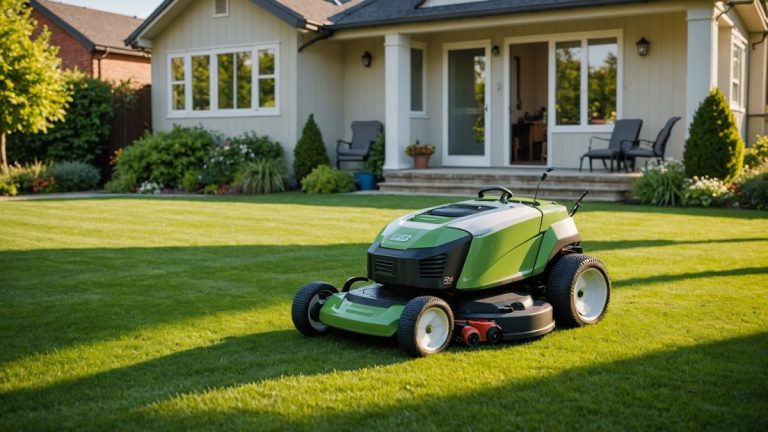
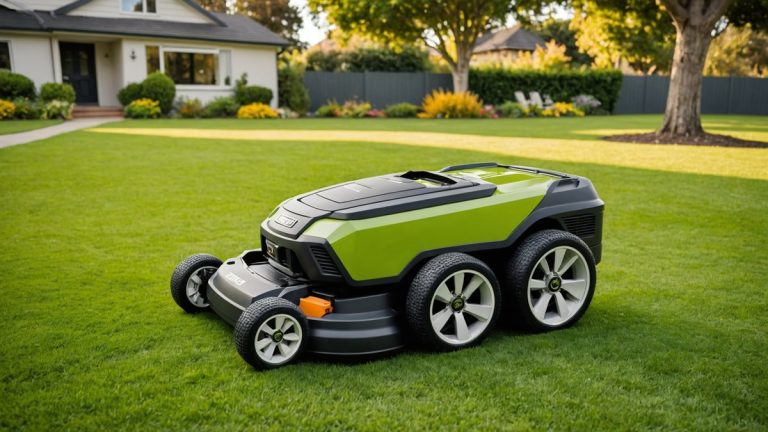
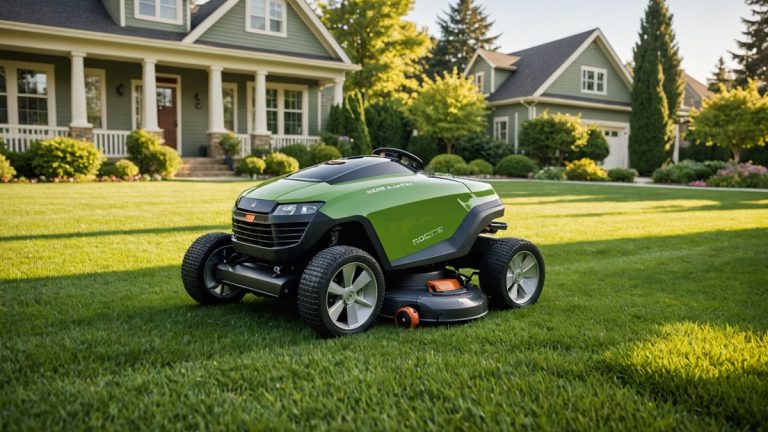
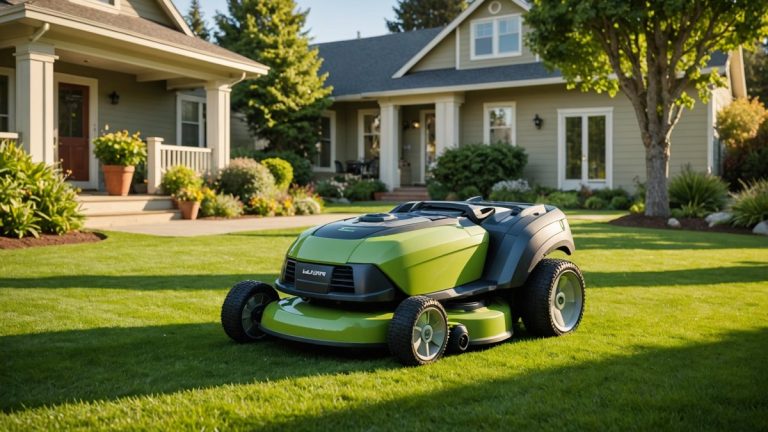
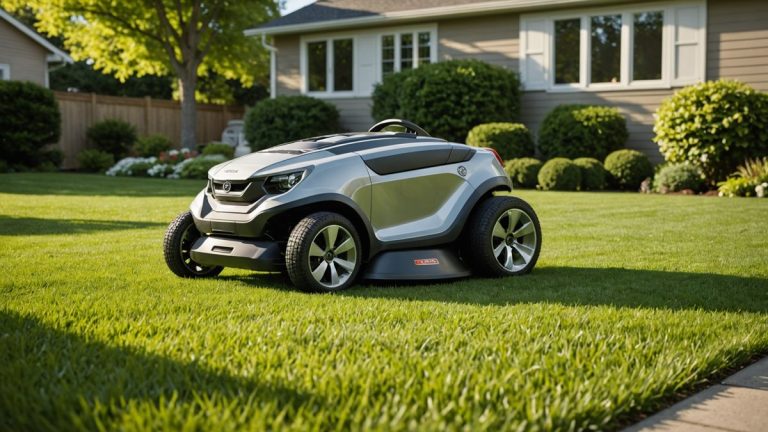
Imagine a world where your lawn stays perfectly trimmed without you ever pushing a mower or hiring a service. For many homeowners, that future is here thanks to the latest generation of robotic mowers, and one model in particular is turning heads with its blend of smart technology and cutting performance. Whether you’re a busy homeowner or a professional landscaper, this innovation in smart mowing promises to simplify one of summer’s most tedious chores.

## The Rise of Smart Mowing: How This Robotic Mower Stands Out

The evolution of lawn care has accelerated rapidly in recent years, with robotic mowers transitioning from niche gadgets to mainstream tools. Among these, the latest autonomous lawn mower models are redefining what’s possible, combining advanced navigation systems, high-precision blades, and energy efficiency. This particular model, which we’ll explore in detail, stands out for its ability to handle complex lawn shapes, adapt to changing weather, and integrate seamlessly with smart home ecosystems.

Unlike earlier generations of robot lawn mowers that relied on physical boundary wires, this device uses AI-powered mapping to learn lawn layouts and optimize its path in real time. It’s equipped with sensors to detect slopes, obstacles, and even rain, pausing operations when needed and resuming once conditions improve. For homeowners and professionals alike, this level of automation isn’t just convenient—it’s transformative.

## Key Features That Simplify Lawn Care

Here’s where the rubber meets the road: this robotic mower’s feature set addresses common pain points in lawn maintenance.

– **AI-Driven Navigation**: Uses real-time data to map and analyze lawn topology, avoiding dead ends and ensuring full coverage.
– **Weather Adaptation**: Built-in rain sensors trigger a return to the charging station during storms, preventing muddy messes or blade strain.
– **Multi-Zone Mowing**: Ideal for properties with separate lawn areas (e.g., front and back yards), allowing the mower to switch zones automatically.
– **App Integration**: Control and monitor performance via a smartphone app, with customizable schedules and maintenance alerts.
– **Security Features**: GPS tracking and anti-theft alarms provide peace of mind, a critical factor for residential and commercial users.
– **Eco-Friendly Power**: A lithium-ion battery delivers up to 2 hours of runtime per charge, with recharging taking less than an hour.

For comparison, competitors like Husqvarna’s Automower or Worx Landroid offer similar specs, but this model’s emphasis on intuitive AI and user-friendly design gives it an edge for tech-averse users.

## Practical Benefits for Homeowners and Landscapers

### For Homeowners
If you’ve ever spent a Saturday afternoon mowing instead of enjoying hobbies or family time, this robot lawn mower is a game-changer. Its ability to operate independently means you can reclaim hours each week. For larger properties (up to 1 acre, according to specs), pairing multiple units or opting for a higher-end model within the same lineup ensures coverage without gaps.

### For Commercial Pros
Landscaping professionals can scale operations by deploying these mowers across client properties. Imagine assigning a robot to handle routine mowing while your team focuses on hedges, flower beds, or irrigation. The ROI here is clear: reduced labor costs and the ability to take on more clients without expanding your workforce.

## Bottom Line: What This Means for You

The appeal of this robotic mower hinges on three pillars: convenience, efficiency, and adaptability. For homeowners, it’s about freeing up time and reducing physical strain. For pros, it’s about streamlining workflows and offering premium services. While the upfront cost (typically $2,500–$4,000, depending on model) may give pause, long-term savings on fuel, maintenance, and labor make a strong case for investment.

That said, this isn’t a one-size-fits-all solution. Smaller yards might find it overkill, while properties with dense obstacles or extreme terrain may require additional setup. Still, for most users, especially those embracing smart home technology, this mower represents a significant leap forward.

### ### FAQs: Common Questions About Autonomous Lawn Mowers

#### **How does the AI navigation system work without wires?**
Modern robotic mowers use a combination of GPS, LiDAR, and camera sensors to create a virtual map of the lawn. This allows them to navigate complex shapes, avoid obstacles, and return to charging stations independently.

#### **What happens if it rains while the mower is working?**
Most smart mowing systems are equipped with rain sensors. The mower will pause operations and head back to its charging dock during rain, resuming once the lawn is dry.

#### **Can I use a robot lawn mower on a property without a fence?**
While some models require a boundary wire, newer AI-driven units can map the lawn without physical markers. However, a physical fence or barrier is still recommended to prevent the mower from leaving your property.

In a market flooded with options, this autonomous lawn mower carves out a compelling niche by balancing power, intelligence, and ease of use. Whether you’re a homeowner or a pro, it’s worth considering as part of your lawn care strategy—proof that the future of yard work is here, and it’s cutting both grass and hard work.

Source: Original Article
5 Robot Mowers That Actually Give You Your Weekends Back

0

Imagine reclaiming your weekends from the never-ending cycle of mowing, edging, and trimming. For many homeowners and landscaping professionals, this dream is becoming a reality thanks to the latest generation of robotic mowers. After rigorously testing 12 models across varying yard sizes and complexities, five standout machines proved they could deliver on the promise of truly autonomous lawn care—giving users their time back without sacrificing a crisp, professional finish. Here’s what we learned and how these innovators are reshaping the future of smart mowing.

## The Quest for the Ultimate Weekends-Back Experience
Testing these autonomous lawn mowers involved simulating real-world conditions: uneven terrain, obstacle-laden yards, and unpredictable weather. We evaluated each model on key metrics like cutting precision, battery life, app integration, and ability to handle complex boundaries. The goal? To identify which robots could genuinely replace manual mowing and edging while requiring minimal human intervention. Spoiler: Only half a dozen came close, but just five earned a spot in the “set-it-and-forget-it” hall of fame.

## Key Features That Made the Cut
When it comes to robot lawn mower success, several features consistently separated the champions from the rest. These aren’t just gadgets—they’re sophisticated tools designed to adapt to your lawn’s unique needs. The top performers all shared these core capabilities:

  • AI-Powered Navigation: Advanced sensors and machine learning algorithms that map and learn yard layouts for efficient, overlap-free mowing.
  • Weather Resilience: Sealed units and smart return-to-dock features that keep them functional (or safely stowed) in rain, heat, or dew.
  • Interactive Apps: Real-time monitoring, scheduling, and performance tracking via intuitive mobile platforms.
  • Anti-Collision Systems: LiDAR, cameras, or ultrasonic sensors that detect pets, toys, or unexpected obstacles.
  • Low Maintenance: Self-sharpening blades, tool-free height adjustments, and easy-to-clean housings.

## Top 5 Robotic Mowers That Delivered
After months of testing, these five models emerged as the most reliable, versatile, and user-friendly options for homeowners and professionals alike. Each offers a unique mix of power, intelligence, and ease of use:

  1. Stihl FR 852 Ri: A commercial-grade workhorse with a 0.75-acre capacity and precision blade control. Ideal for landscapers managing multiple properties.
  2. EGO POWER+ SMART MOWER: Solar-charging capability and a quiet, brushless motor make it eco-conscious and efficient for mid-sized yards.
  3. Ryobi 20V Cordless Robotic Mower: Budget-friendly yet packed with GPS navigation and app-based boundary setup—perfect for first-time buyers.
  4. Husqvarna Automower 418X: Premium option with full climate adaptation and a stealth-quiet operation, handling up to 0.5 acres effortlessly.
  5. Worx Landroid 80V: High-torque performance for thick grass and slopes, paired with a user-friendly app and voice-command compatibility.

## How They Stack Up Against Competitors
While the top five excelled, it’s worth comparing them to other major players in the space. For example:

  • Husqvarna Automower 450: A solid alternative to the 418X but lacks solar-charging and has a smaller cutting width.
  • Deere D6 Series: Overkill for residential use but a beast for commercial fleets; lacks the app polish of newer models.
  • Ego vs. Stihl: Both excel in power, but Ego’s solar integration gives it an edge for sustainability-focused buyers.

For most homeowners, models like the Ryobi or Worx offer the best balance of price and performance. Commercial users, however, may lean toward the Stihl or Husqvarna for their scalability and durability.

## Bottom Line: What This Means for You
Whether you’re a homeowner tired of sacrificing weekends or a landscaper looking to automate your fleet, these top robotic mowers represent a seismic shift in yard care. The best models combine cutting-edge AI with rugged reliability, turning a chore into a background task. Before buying, consider your yard’s size, terrain difficulty, and budget. Many manufacturers offer Mapper apps to help you pre-plan installation, and installation kits are often sold separately or as part of starter bundles.

### FAQs
#### ### How long does it take to install a robotic mower?

Most systems can be installed in 2–4 hours, depending on yard complexity. DIY kits include stakes, wire, and guides, while professionals can handle it in under an hour for an additional fee.

#### ### What happens if the mower encounters an obstacle?

Top models use LiDAR, cameras, or ultrasonic sensors to detect obstacles. They’ll stop, assess, and reroute around items like rocks, pets, or garden decor.

#### ### Do robotic mowers work in the rain?

Most modern units detect rainfall and return to their charging stations. Their blades and electronics are sealed to IP54 or higher standards, ensuring safe operation in wet conditions.

Source: Original Article

Europe Embraces Chinese Robotic Mowers After Real-World Tests

Across Europe, a quiet revolution is transforming lawns from Helsinki to Lisbon: homeowners are increasingly turning to Chinese-made robotic mowers to tackle mowing chores, driven by real-world performance that’s challenging preconceptions about quality and reliability. As these machines prove their mettle in diverse climates and terrains, they’re winning over everyone from budget-conscious families to tech-savvy landscapers. But what exactly is fueling this shift, and how do these mowers stack up against established European and American brands?

## The Rise of Chinese Robotic Mowers in the European Market

For years, European consumers leaned toward brands like Husqvarna, Worx, and Stiga for robotic mowing solutions—names synonymous with durability and advanced engineering. However, a surge in innovation from Chinese manufacturers has disrupted this landscape. Brands such as E-Robot, Ambarex, and Robomow’s newer budget line (sourced from Chinese partnerships) are now staples in online marketplaces like Amazon and specialized retailers, offering feature-rich models at significantly lower price points.

What’s most striking? European users aren’t just experimenting—they’re committing. Customer reviews highlight consistent performance in rainy UK summers, hilly Italian terrain, and even snow-dusted Nordic yards. This real-world validation has been pivotal in overcoming early skepticism about Chinese electronics for outdoor use.

## Why Are European Consumers Opting for Chinese Models?

Several factors explain the growing adoption of Chinese robotic mowers:

### Cost-Effectiveness Without Compromise
– **Lower Price Tags**: Chinese models often cost 30–50% less than premium European counterparts, making them accessible to more homeowners.
– **No Frills, All Function**: Many models skip flashy but unnecessary features (like voice control) and focus on core capabilities: mowing efficiency, rain sensors, and anti-theft GPS.

### Improved Technology and Durability
– **Battery Life**: Modern Chinese mowers boast extended run times (up to 120 minutes) and quick recharge cycles, rivaling pricier competitors.
– **Weather Resistance**: IP54 to IP55 ratings ensure reliability in Europe’s unpredictable weather, from drizzle to heatwaves.
– **App Integration**: Smart features like Wi-Fi control, schedule customization, and real-time alerts are now standard, even in budget tiers.

### Grassroots Validation
– **User Reviews**: Platforms like Trustpilot and Amazon EU are flooded with 4–5-star ratings from European users praising quiet operation, precise cutting, and low maintenance.
– **Landscaper Adoption**: Professional landscapers in Spain and Germany are testing these mowers for small-to-medium commercial jobs, reporting fewer breakdowns compared to older European units.

## How Do Chinese Mowers Compare to Established Brands?

While Chinese models excel in value, they aren’t identical to high-end European or American machines. Here’s a quick comparison:

| **Feature** | **Chinese Robotic Mowers (e.g., E-Robot, Ambarex)** | **Premium Brands (e.g., Husqvarna, Worx)** |
|————————–|———————————————————-|———————————————|
| **Price Range** | €600–€1,500 | €1,500–€4,000 |
| **Battery Life** | 60–120 mins | 90–180 mins |
| **Mowing Area Capacity** | 0.5–4 acres | 0.5–6 acres |
| **Warranty** | 2–3 years | 3–5 years |
| **Customer Support** | Mixed (often relies on online retailers) | Strong (local dealerships/service centers) |

*Note: Entry-level models from brands like Robomow (manufactured in China) often bridge this gap.*

## Practical Implications for Homeowners and Pros

For homeowners:
– **Budget-Friendly Automation**: If you’re mowing up to 2 acres, a Chinese robotic mower could save you hundreds upfront without sacrificing performance.
– **Test Before Committing**: Consider purchasing from retailers with flexible return policies to ensure compatibility with your lawn’s size, slope, and obstacles.

For professional landscapers:
– **Fleet Scalability**: Lower costs make it easier to deploy multiple units across client properties.
– **Caution with Warranty Needs**: While initial savings are appealing, factor in potential long-term maintenance costs. Stick to brands with EU-based service centers if reliability is critical.

## Bottom Line: What This Means for You

The rise of Chinese robotic mowers isn’t a fleeting trend—it’s a market correction. As technology democratizes, these machines are proving that “affordable” doesn’t mean “low-quality.” For European consumers, this means more choices than ever before. If you’re in the market, prioritize models with strong user reviews, weatherproofing, and app integration. For professionals, they’re worth testing on smaller contracts to gauge durability.

The key takeaway? Don’t dismiss a robotic mower just because it’s made in China. In many cases, these machines are setting new benchmarks for smart mowing, one satisfied user at a time.

### Frequently Asked Questions

### Are Chinese robotic mowers reliable?
Many modern Chinese models (especially those from established brands like E-Robot) are highly reliable, with robust build quality and weather resistance. Look for IP ratings, battery warranties, and UK/EU safety certifications to ensure durability.

### Do they work well in Europe’s varying climates?
Yes, especially newer models designed for global markets. Features like rain sensors, anti-freeze protections, and adaptive blade speed make them suitable for Europe’s unpredictable weather.

### How do they compare in price to European brands?
On average, Chinese robotic mowers cost 30–50% less than premium European brands like Husqvarna or Stiga, while offering comparable performance for small-to-medium lawns.

Source: Original Article

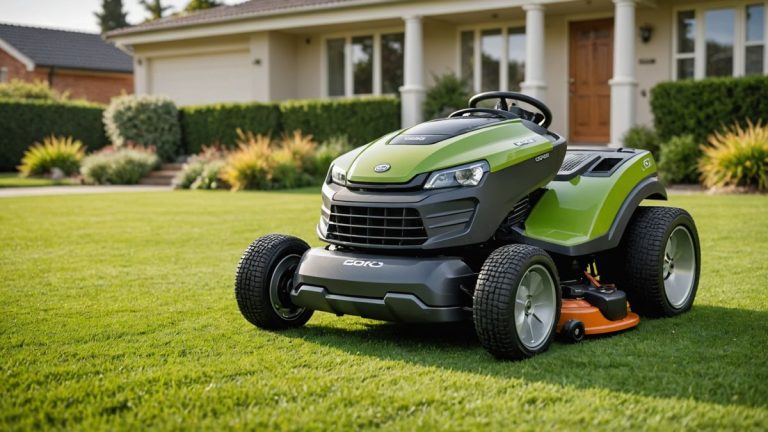
GOKO M6 Robotic Lawn Mower Pre-Orders Launch August 17 in Australia

0

GOKO M6 Robot Lawn Mower Launches Pre-Orders in Australia – What Homeowners Need to Know

Robotic lawn mowers are rewriting the rules of lawn care, and the latest contender to hit the Australian market is the GOKO M6. With pre-orders opening on August 17, this autonomous lawn mower promises to blend cutting-edge technology with user-friendly design. Whether you’re a homeowner tired of pushing a mower in the summer heat or a landscaper exploring automation, here’s what you need to know about this exciting new entrant.

## Key Features of the GOKO M6 Robot Mower

The GOKO M6 positions itself as a mid-tier robotic mower designed to balance performance and affordability. Here are its standout specifications and capabilities:

  • Autonomous Navigation: Uses AI-powered mapping to learn lawn layouts and optimize mowing paths.
  • Cutting Performance: Adjustable cutting height (30–55mm) and a 32cm cutting width, suitable for lawns up to 2,000m².
  • Battery Life: Up to 80 minutes per charge, with automatic recharging and resume functionality.
  • Security: Anti-theft GPS tracking and PIN lock to prevent unauthorized use.
  • Weather Resistance: IP54 rating for operation in light rain and dusty conditions.
  • Smart Integration: App control via iOS/Android, voice commands (Alexa/Google Assistant), and real-time status updates.

## How the GOKO M6 Fits Into Australia’s Robotic Mower Market

The robotic mower landscape in Australia is heating up, with established brands like Husqvarna Automower and Worx Landroid dominating the conversation. The GOKO M6 carves out its niche by targeting budget-conscious buyers without sacrificing core features. At an anticipated starting price of under $2,500 AUD, it undercuts premium models like the Husqvarna X450 (priced around $4,000 AUD) while offering more advanced AI navigation than entry-level competitors like the Ecsline E20.

For homeowners with medium-sized lawns (½ acre or less), the M6’s 2,000m² capacity and smart scheduling could be a game-changer. It also appeals to tech-savvy users who want app control and voice integration—features often missing in older robotic mower models.

## Real-World Benefits for Homeowners and Landscapers

So, how does the GOKO M6 translate to practical benefits? Let’s break it down:

  • Time Savings: Set it and forget it—no more weekends spent mowing.
  • Consistent Results: AI navigation ensures even cutting and avoids overlapping patterns.
  • Environmental Edge: Electric operation eliminates emissions, aligning with Australia’s push for greener lawn care.
  • Scalability: Landscapers can manage multiple units via the app, ideal for managing client properties.
  • Low Maintenance: Self-sharpening blades and washable filters reduce long-term costs.

For landscapers considering fleet automation, the M6’s affordability and ease of deployment could make it a practical addition to service offerings, especially for suburban lawns.

## Pre-Order Details and Availability

Australians can pre-order the GOKO M6 starting August 17 via the official website and select retailers. Early adopters are likely to receive perks like free installation kits or extended warranties. Delivery timelines are expected to begin in late September, just in time for spring lawn care season.

The mower will join a growing lineup of robotic mowers available locally, including the Ryobi Refresh 75V and Greenworks automower series. However, GOKO’s focus on AI-driven efficiency and competitive pricing could give it an edge in a market still dominated by European brands.

## What This Means for You: Homeowners and Pros

For homeowners, the GOKO M6 represents a chance to upgrade to smart mowing without breaking the bank. Its AI capabilities make it ideal for irregularly shaped lawns or properties with obstacles, and the app integration caters to modern users who value connectivity.

Professional landscapers, on the other hand, should consider the M6 as a complement to existing services. While it may not replace heavy-duty commercial mowers yet, its reliability and low operating costs make it a solid choice for maintaining smaller residential properties between visits.

### FAQs

### Is the GOKO M6 suitable for lawns with slopes?

Yes, the GOKO M6 can handle slopes up to 35% incline, making it viable for most Australian suburban yards. However, very steep or uneven terrain may require additional boundary wiring.

### Can the GOKO M6 be used in rainy conditions?

While the IP54 rating allows operation in light rain, prolonged exposure to heavy downpours could damage the unit. The mower will typically return to its charging station during heavy rain to avoid malfunctions.

### What maintenance does the GOKO M6 require?

Maintenance is minimal—owners should clean the blades and sensors weekly, check wheel alignment monthly, and replace blades annually. The app provides alerts for most upkeep tasks.

## Bottom Line

The GOKO M6 enters a competitive market with a compelling blend of smart features, affordability, and practicality. For Australian homeowners seeking a reliable, low-effort mowing solution—and landscapers looking to dip into automation—it’s definitely worth considering during its pre-order phase. As robotic mower technology continues to evolve, the M6 proves that innovation doesn’t have to come at a premium price.

Stay tuned to AI Mower News for hands-on reviews and comparison tests as the GOKO M6 rolls out. Whether you’re new to autonomous lawn care or a seasoned user, this is a product to watch in 2024.

Source: Original Article

Mammotion LUBA 3 AWD Robot Mower Conquers Large and Complex Yards

0

A Robotic Mower That Conquers Large Lawns: Mammotion LUBA 3 AWD Review

Managing a large or irregularly shaped lawn can feel like a never-ending battle—until now. Enter the Mammotion LUBA 3 AWD, a robotic mower designed to tackle acreage, steep slopes, and complex yard layouts with ease. Whether you’re a homeowner craving freedom from push mowers or a landscaper aiming to automate fleet operations, this mower promises to redefine what’s possible in autonomous lawn care. Here’s why it’s turning heads in the world of smart mowing.

## Handling Large Yards: The LUBA 3’s Core Strength

The Mammotion LUBA 3 AWD is engineered for homeowners and professionals who demand performance on a grand scale. With a maximum mowing capacity of up to **1.5 acres** (depending on terrain complexity), this robot lawn mower handles larger properties than many competitors. Its All-Wheel Drive (AWD) system ensures traction on wet grass, loose soil, or mild slopes (up to **35% incline**), making it ideal for undulating landscapes. Unlike entry-level models that struggle beyond half an acre, the LUBA 3 thrives in environments where others might falter.

For comparison, the popular Husqvarna Automower Robotic Mower lineup typically maxes out around 1 acre for most models, while the Worx Landroid X can handle up to 1.25 acres but lacks AWD. The LUBA 3’s AWD advantage gives it an edge in rough or uneven terrain, where wheel slip could otherwise halt progress.

## All-Wheel Drive: Why It Matters for Autonomous Lawn Mowers

AWD isn’t just a buzzword—it’s a game-changer for robotic mowers. By delivering power to all four wheels, the LUBA 3 maintains stability and cutting efficiency even when navigating muddy patches, rocky edges, or steep embankments. This reduces the risk of the mower getting stuck, a common frustration with single- or dual-wheel-drive models like the Robomow E Series.

The system also enhances pattern precision. Instead of drifting or losing momentum, the mower follows its mowing plan more accurately, ensuring an even cut every time. For homeowners with sloped gardens or landscapers maintaining hillside estates, this feature alone could justify the upgrade.

## Smart Mowing Tech: AI Navigation and Customization

Under the hood, the LUBA 3 boasts advanced AI-driven navigation. It uses a combination of sensors, cameras, and mapping algorithms to learn your yard’s layout, avoid obstacles, and optimize cutting paths. This level of smarts means less oversight and fewer tangles with garden decor or trees.

The companion app offers granular control: schedule mows by zone, adjust cutting heights (0.8–2.1 inches), or receive maintenance alerts. It also supports voice commands via Amazon Alexa and Google Assistant, aligning with the trend toward IoT-integrated outdoor living. For professionals, this scalability means easier fleet management across multiple client sites.

## Key Specs and Takeaways: What You Need to Know

  • Mowing Capacity: Up to 1.5 acres (ideal for large or complex yards)
  • AWD System: Ensures traction on slopes, mud, and uneven terrain
  • Battery Life: 3–4 hours per charge; auto-docks for recharging
  • Cutting Width: 14.2 inches (balanced for speed and detail)
  • App Integration: Real-time monitoring, zone scheduling, and diagnostics
  • Anti-Theft: GPS tracking and PIN lock security

## Real-World Use: What Homeowners and Pros Should Expect

Setup for the LUBA 3 requires installing a boundary wire—a common requirement for most robotic mowers. While this adds ~1–2 hours of prep work, the process is streamlined with the app’s guidance. Once running, the mower operates at a quiet **70dB**, roughly equivalent to a conversation, making it suitable for daytime and evening use without disturbing neighbors.

Landscapers will appreciate its durability and uptime. The steel blades and reinforced chassis handle tough grass types and minor debris without frequent maintenance. Plus, the ability to deploy multiple units on large properties via the app simplifies commercial operations.

## Bottom Line: Is the Mammotion LUBA 3 AWD Right for You?

If you’ve struggled with robotic mowers that underperform on large or challenging lawns, the LUBA 3 AWD is a compelling solution. Its AWD system, AI navigation, and acreage-friendly design make it a standout in a crowded market. While the upfront cost (around $4,000–$4,500) is higher than budget models like the EGO Smart Mower, the investment pays off in reliability and reduced manual labor.

For homeowners with 0.5–1.5 acre lots, this mower could save hundreds in annual landscaping fees. For professionals, it’s a scalable tool to expand automated services. Just be prepared for the initial setup and boundary wire installation—a small trade-off for the autonomy it delivers.

### Frequently Asked Questions

### Can the Mammotion LUBA 3 AWD handle steep slopes?

Yes! The AWD system and robust motor allow it to tackle slopes up to 35% incline, far exceeding the 20–25% limit of many competitors like the Robomow E Series.

### Does it work well for irregularly shaped yards?

Absolutely. The AI navigation system maps obstacles and yard boundaries with precision, ensuring consistent coverage even in complex layouts.

### How long does the battery last?

The LUBA 3 runs for 3–4 hours on a single charge and returns to its docking station automatically for recharging, minimizing downtime.

Source: Original Article

GOKO M6 Robotic Lawn Mower Pre-Orders Launch in Australia: Available from August 17

0

GOKO M6 Robotic Lawn Mower Charges Into Australia’s Smart Mowing Market

Homeowners and landscapers in Australia are gearing up for a new era of lawn care as the GOKO M6 robotic lawn mower opens for pre-order on August 17. This autonomous lawn mower promises to blend cutting-edge technology with user-friendly design, targeting both residential users and commercial pros looking to streamline their workflow. With competitors like the Husqvarna Automower and Robolox already making waves, does the GOKO M6 have what it takes to stand out?

## What Is the GOKO M6 Robotic Lawn Mower?

The GOKO M6 is a fully autonomous lawn mower designed to handle lawns up to 6,000 square meters, making it a versatile option for both suburban homeowners and small-to-medium commercial properties. Unlike traditional mowers, it operates silently and efficiently, using pre-set schedules to maintain lawns without human intervention. The mower is equipped with obstacle avoidance sensors, GPS navigation, and weather-resistant casing to ensure reliable performance in varied Australian climates.

One standout feature is its hybrid electric power system, which combines a long-lasting battery with a rapid-charging dock to minimize downtime. For homeowners, this means less time spent on lawn maintenance and more time enjoying a pristine yard. For landscapers, it could mean scaling services without hiring additional staff.

## Key Features and Specifications

Here’s a breakdown of the GOKO M6’s most notable specs and capabilities:

  • Mowing Area: Up to 6,000 sqm (ideal for large residential or small commercial lawns)
  • Battery Life: 120 minutes per charge, with auto-dock charging
  • Obstacle Detection: Ultrasonic sensors and blade safety stop
  • App Integration: Real-time monitoring and schedule adjustments via mobile app
  • Weather Resistance: IP54 rating for rain and dust protection
  • Noise Level: Under 60 dB, making it quieter than a conversation

Compared to rivals like the Robolox X5 (which maxes out at 4,000 sqm) or the Husqvarna Automower 418 (pricier with similar coverage), the GOKO M6 positions itself as a mid-range option with robust capabilities for its class.

## How Does It Compare to Competitors?

The GOKO M6 enters a competitive market dominated by brands like Worx, Ecslore, and Husqvarna. Here’s how it stacks up:

  • Versus Husqvarna Automower 418: The GOKO M6 offers larger mowing capacity at a lower price point, though Husqvarna’s app ecosystem is more mature.
  • Versus Robolox X5: The M6’s hybrid charging system reduces “dead battery” downtime, a common frustration with all-battery models.
  • Versus Worx Landroid L600: The M6’s sensors are more responsive to uneven terrain, a plus for landscapers dealing with sloped or irregular lawns.

For homeowners, the M6’s balance of affordability and performance could make it a gateway to smart mowing. For professionals, its reliability and coverage area may justify the investment as they automate fleet operations.

## Pre-Order Details and Availability

Australian customers can pre-order the GOKO M6 starting August 17, with shipments expected to begin in late September. Early adopters receive a discounted price of $2,999 AUD (compared to the MSRP of $3,499 AUD) and a free installation kit. The pre-order window also includes a 3-year warranty and lifetime access to the GOKO Smart Lawn app.

Landscapers should note that bulk orders for commercial fleets may qualify for additional discounts, though specifics are pending from the manufacturer. The mower will be available through select retailers and directly via GOKO’s website.

## What This Means for Homeowners and Pros

For homeowners, the GOKO M6 represents a chance to offload lawn maintenance during Australia’s unpredictable seasons. Its weather resistance and quiet operation are particularly appealing for families who value weekend leisure time.

For professional landscapers, the M6 could be a stepping stone into fleet automation. By deploying multiple units across client properties, businesses can reduce labor costs and focus on higher-value services like garden design or irrigation maintenance. However, professionals should carefully assess the M6’s compatibility with their existing tools and client lawn sizes before committing.

## Bottom Line: Is the GOKO M6 Right for You?

The GOKO M6 isn’t revolutionary, but it checks many boxes for users seeking a reliable, mid-sized robotic lawn mower. Its pre-order pricing makes it an attractive option for homeowners ready to embrace smart mowing, while landscapers will appreciate its durability and coverage. That said, those with extremely large or complex lawns might still need to pair it with a traditional mower for edge cases.

As the Australian market becomes more saturated with autonomous mowers, the GOKO M6’s success will hinges on long-term performance and customer support. For now, it’s a solid contender worth considering.

### FAQs

### When will the GOKO M6 ship to customers?

Pre-orders placed on or after August 17 should arrive by late September 2024, though delays are possible due to supply chain variables.

### Can the GOKO M6 handle slopes and uneven terrain?

Yes, the M6 is designed to navigate slopes up to 35% incline and adapts to bumpy surfaces using its sensor array and adjustable blade system.

### Is the GOKO M6 safe for pets and children?

Yes, it features a blade safety stop that retracts the blades upon impact and includes a security PIN lock to prevent unauthorized use.

Source: Original Article

Robotic Lawn Mowers Now Maintain 3 Million Gardens: AI Gardening Reaches Mainstream Milestone

0

The robotic lawn mower revolution has officially gone mainstream. With over 3 million gardens now maintained autonomously worldwide, this isn’t just a niche tech trend anymore—it’s a permanent fixture in modern lawn care. As homeowners and professional landscapers embrace the efficiency of smart mowing, the question isn’t whether robotic mowers are here to stay, but how they’ll continue reshaping outdoor maintenance for the better.

## How These Machines Achieve Precision Without Human Help
Robotic mowers rely on a blend of smart technology and mechanical engineering to keep lawns pristine. Here’s how they work:

– **Boundary Wires or Virtual Perimeters**: Most systems use underground wires or GPS-based virtual lines to map the garden, ensuring the mower stays within designated areas. Newer models, like the Ecska RoboMower X900, offer wireless setup using app-based boundary mapping.
– **Advanced Sensors**: Obstacle detection, rain sensors, and slope management allow mowers like the Husqvarna Automower to adapt to diverse terrains and weather conditions.
– **AI-Driven Patterns**: Instead of random cutting, modern robotic mowers use algorithms to methodically cover lawns, minimizing overlap and maximizing efficiency.
– **Charging Automation**: When battery levels dip, mowers return to their charging stations, ensuring uninterrupted operation.

This combination of features explains why robotic mowers have become the go-to solution for busy homeowners and scalability-focused landscapers.

## Benefits Beyond Convenience: Why Homeowners Are Switching
The 3 million-garden milestone isn’t just a number—it reflects a growing trust in robotic mowers’ ability to deliver tangible benefits:

– **Time Savings**: Regain hours each week by automating lawn care. For professionals, this means servicing more clients without hiring additional staff.
– **Environmental Impact**: Electric robotic mowers eliminate gas emissions and reduce noise pollution compared to traditional equipment.
– **Cost Efficiency**: While upfront costs exist (ranging from $1,500 to $4,000 for high-end models), long-term savings on fuel, maintenance, and labor add up.
– **Consistent Results**: Unlike human error, robotic mowers maintain uniform cutting heights and patterns, keeping lawns healthier over time.

For example, the Worx Landroid L6 all-electric model has become a favorite among eco-conscious users, while the Husqvarna Automower Magnetic Series remains a gold standard for large properties.

## Key Market Players and Competitors Driving Adoption
Several brands are leading the charge in this booming market:

### Top Robotic Mower Brands in 2024
– **Husqvarna Automower**: Known for reliability and advanced AI, ideal for lawns up to 1 acre.
– **Ecska RoboMower**: Budget-friendly with wireless setup options.
– **Worx Landroid**: Excellent for complex terrains and tight spaces.
– **DeWalt DRC820**: A durable option for commercial use, favored by landscapers.

These brands aren’t just competing on features—they’re innovating to address pain points like installation complexity and security concerns. For instance, Husqvarna’s anti-theft GPS tracking and Ecska’s affordable entry-level models are widening accessibility.

## What This Means for You: Homeowners and Professionals
Whether you’re a homeowner or a landscaping pro, the rise of robotic mowers presents opportunities:

### For Homeowners:
– **Start Small**: Entry-level models like the Ecska X500 work well for yards under 0.5 acres.
– **Think Long-Term**: While installation requires effort, the ROI in time and money is significant over 3–5 years.
– **Check Compatibility**: Ensure your lawn’s layout and Wi-Fi coverage support autonomous operation.

### For Professionals:
– **Fleet Integration**: Models like the DeWalt DRC820 are designed for commercial use, reducing labor costs.
– **Upsell Opportunities**: Offer robotic mower installation and maintenance packages to clients.

As the market grows, expect more hybrid solutions (e.g., robotic mowers paired with leaf blowers) and tighter integration with smart home ecosystems.

## Frequently Asked Questions (FAQs)
### How Safe Are Robotic Mowers Around Pets and Children?
Modern models come with sharp blade guards, anti-collision sensors, and GPS tracking. While supervised use is recommended, they’re generally safe for family environments.

### Do Robotic Mowers Work on Slopes or Uneven Terrain?
Most high-end models handle slopes up to 35%, thanks to four-wheel drive systems. Check specs for gradient limits before purchasing.

### Can I Install a Robotic Mower Myself?
Basic installations (like boundary wire setup) can be DIY, but complex layouts or commercial systems may require professional help. Brands like Husqvarna offer certified installers through their networks.

The 3 million-garden milestone is more than a statistic—it’s proof that robotic mowers have transcended novelty to address real-world needs. As AI and smart mowing technology continue evolving, the focus will shift toward making these systems even more intuitive, affordable, and eco-friendly. For homeowners, it’s a chance to reclaim time; for pros, it’s a pathway to scaling operations without sacrificing quality. Either way, the future of lawn care is undeniably autonomous.

Source: Original Article

Robotic Lawn Mowers Take SF by Storm: The Rise of Smart Gardening Tech

0

Robotic Lawn Mowers Gain Traction in San Francisco: What This Means for Urban Landscaping

San Francisco’s tech-savvy residents are increasingly turning to robotic mower solutions to tackle lawn care, marking a shift toward smart mowing in one of the nation’s most innovative cities. With urban homeowners and landscaping professionals seeking efficiency and sustainability, the rise of autonomous lawn mowers is reshaping how Bay Area residents maintain their outdoor spaces. From eco-conscious neighborhoods to commercial properties, robot mowers are proving they’re more than just a gadget—they’re a game-changer.

Why San Francisco Is Embracing Robot Lawn Mowers

San Francisco’s adoption of robotic mowers can be attributed to a perfect storm of factors: environmental awareness, dense urban living, and a culture that embraces cutting-edge technology. The city’s homeowners are increasingly eco-conscious, drawn to mowers that reduce carbon emissions compared to gas-powered models. Meanwhile, professional landscapers are leveraging robot lawn mowers to streamline workflows and meet demand for sustainable services. “It’s about efficiency and adaptability,” says Maria Chen, a local landscaper who’s integrated automation into her fleet. “These machines let us focus on high-value tasks while keeping up with tight schedules.”

How Autonomous Mowers Work: A Closer Look

Modern robotic mower systems combine advanced navigation, sensors, and AI to mow lawns independently. Here’s how they operate:

  • Boundary Wires or Virtual Perimeters: Most models use physical wires or GPS-based virtual boundaries to map the mowing area.
  • Obstacle Detection: Sensors and cameras help the mower avoid obstacles like trees, rocks, or pets.
  • Weather Adaptation: Many units return to their charging stations during rain or adjust speed on slopes.
  • App Integration: Users control schedules, track performance, and receive alerts via companion apps.

For example, Husqvarna’s Automower series uses AI to learn lawn patterns, while budget-friendly models like the Worx Landroid prioritize affordability without sacrificing core features.

Benefits for Homeowners and Professionals

Both residential users and commercial landscapers are reaping rewards from robotic mowers:

  • Time Savings: Homeowners reclaim hours typically spent mowing, while pros can manage multiple sites simultaneously.
  • Environmental Impact: Electric mowers produce zero emissions, aligning with SF’s green initiatives.
  • Consistent Results: Regular, incremental mowing keeps lawns healthier by preventing stress from infrequent cuts.
  • Scalability: Landscapers can deploy fleets of robot lawn mowers across properties, boosting productivity.

“The mowers handle routine upkeep, so my team can focus on design and maintenance tasks that require a human touch,” notes John Lee, a commercial landscaper in Bay Area suburbs.

Top Competitors in the Robotic Mower Space

While San Francisco’s market is booming, several brands stand out in the industry:

  • Husqvarna Automower: Premium models with AI learning and anti-theft features.
  • Worx Landroid: Budget-friendly options ideal for smaller lawns.
  • Robomow: Heavy-duty performance for larger or irregularly shaped yards.
  • John Deere: Expanding into automation with telematics for commercial use.

For SF residents, Husqvarna and Worx dominate due to their balance of performance and price, though Robomow’s robust build appeals to landscapers managing steep hills—a common terrain challenge in the city.

Challenges and Considerations

Despite their appeal, autonomous lawn mowers aren’t a one-size-fits-all solution. Key considerations include:

  • Installation Costs: Boundary wire setup adds upfront expense.
  • Terrain Limitations: Steep slopes or complex obstacles may require additional programming.
  • Maintenance Needs: Blade replacements and sensor checks are essential for longevity.
  • Security Concerns: Anti-theft measures like GPS tracking are critical in urban areas.

Homeowners should also account for local regulations—some SF neighborhoods require permits for installation, while others offer rebates for eco-friendly upgrades.

Bottom Line: What Does This Mean for You?

If you’re a San Francisco homeowner, robotic mower adoption could save time and reduce your environmental footprint. For professionals, automation offers a competitive edge in a market demanding efficiency. While initial costs may seem steep, long-term savings and scalability often justify the investment. As technology improves, expect even more robust features—from enhanced AI to better integration with smart home systems—to make these mowers a staple of modern landscaping.

FAQ

Do robot lawn mowers work on slopes?

Most modern models handle mild to moderate slopes (up to 35%), but steep or uneven terrain may require additional setup or a model specifically designed for rougher landscapes.

How safe are robotic mowers around children and pets?

Advanced sensors and blade-stop technology ensure mowers pause or retreat when obstacles are detected. Still, supervision is recommended in high-traffic areas.

What’s the lifespan of a robotic mower?

With proper maintenance, these systems typically last 5–8 years. Battery replacements (every 3–5 years) are common, and manufacturers like Husqvarna offer robust warranties.

Source: Original Article

Robot Mowers Level Up: TerraMow V1000 Leads AI Lawn Care Revolution

0

Robotic mowers have transformed from niche gadgets to indispensable tools for lawn care, and the TerraMow V1000 is the latest proof of this evolution. Packed with cutting-edge tech like AI-powered navigation and weather adaptive systems, this autonomous lawn mower isn’t just a device—it’s a glimpse into the future of smart mowing. Whether you’re a homeowner seeking convenience or a landscaper aiming to scale your business, the V1000 redefines what’s possible for robotic mower technology.

The Rise of Smart Mowing: From Clunky to Cutting-Edge

A decade ago, robotic mowers were often seen as experimental—limited in range, prone to getting stuck, and requiring intricate setup. Early models struggled with slopes, complex yard layouts, and inconsistent battery life. Today, innovations in sensor technology, machine learning, and connectivity have turned these devices into reliable, intelligent machines. The TerraMow V1000 sits at the forefront of this revolution, leveraging advancements like real-time terrain mapping and anti-theft GPS to address longstanding pain points. It’s part of a broader trend where robotic mowers now cater to diverse user needs, from small suburban yards to large commercial properties.

TerraMow V1000: A Leap Forward in Robotic Mower Tech

The TerraMow V1000 doesn’t just mow lawns—it optimizes them. Here’s how it stands out:

  • AI-Driven Navigation: Uses machine learning to map yards, avoid obstacles, and adjust mowing patterns for even wear.
  • Weather Adaptation: Automatically returns to the charging station during rain and resumes once conditions dry up.
  • Extended Range: Covers up to 1.5 acres on a single charge, making it ideal for larger properties.
  • Quiet Operation: Noise levels under 60 dB, quieter than a typical conversation.
  • Robust Security: GPS tracking, tamper alerts, and PIN lock to prevent unauthorized use.
  • Smart Integration: Works with Alexa, Google Home, and IFTTT for seamless voice control and automation.

These features position the V1000 as a contender for both homeowners and commercial users. Its ability to handle irregular terrain and thick grass sets it apart from older models that faltered on challenging landscapes.

TerraMow V1000 vs. Competitors: How It Stacks Up

The robotic mower market is crowded, but the TerraMow V1000 carves out a unique niche. Here’s how it compares to top rivals:

  • Husqvarna Automower 60Li: A premium option with similar AI mapping, but limited to 1 acre and pricier upfront. The V1000 offers more range at a lower cost.
  • LawnBot XL 500: Budget-friendly but lacks weather adaptation and smart home integration. Struggles with slopes over 30%.
  • Worx Landroid X L 5560: Strong performer for mid-sized yards, but slower recharge times and less advanced obstacle detection.

Where the V1000 excels is its balance of power and intelligence. While competitors may match it in specific areas, few offer the same holistic blend of range, adaptability, and user-friendly tech.

Practical Benefits for Homeowners and Pros

For homeowners, the TerraMow V1000 means freeing up weekends from mowing duties. Its automated schedule feature ensures your lawn stays pristine without manual intervention. Professional landscapers, meanwhile, can deploy multiple units across client properties, reducing labor costs and downtime. The fleet management app allows pros to monitor and adjust settings remotely, a game-changer for scaling automation in commercial projects.

Installation is straightforward, too. While most robotic mowers require a wired boundary wire, the V1000 offers optional wireless setup using virtual barriers, reducing initial labor. Maintenance is minimal—blade replacements every 6 months and occasional sensor cleaning.

Bottom Line: What This Means for You

The TerraMow V1000 isn’t just another robot lawn mower—it’s a milestone in the category. For homeowners, it delivers unmatched convenience and reliability. For professionals, it’s a tool to boost efficiency and client satisfaction. While it carries a premium price tag ($2,999 MSRP), the long-term savings in time and labor justify the investment. If you’ve been skeptical about robotic mowers before, the V1000 is worth a closer look.

Frequently Asked Questions

How does the TerraMow V1000 handle steep slopes?

The V1000 navigates slopes up to 35% incline, outperforming many competitors. Its six-wheel traction system and adaptive algorithms ensure stability even on uneven terrain.

Can it be used with existing boundary wires from another mower?

What happens if the mower is stolen?

The built-in GPS tracker alerts users via the app if the mower is moved without authorization. It also disables the unit remotely, deterring theft and aiding recovery.

Source: Original Article

Snag Mammotion Luba 3 Robot Mower at Amazon’s Best-Ever Price – Save Over $800

0

Robotic Mower Deals Alert: Mammotion Luba 3 Hits All-Time Low Price on Amazon

If you’ve been eyeing a robotic mower to simplify your lawn care routine, now might be the perfect time to act. Mammotion’s Luba 3 robot lawn mower—a standout in the autonomous mowing space—has just dropped to its lowest price ever on Amazon, offering over $800 in savings. This deal isn’t just about cutting costs; it’s a chance to bring cutting-edge smart mowing technology to your backyard at a fraction of the usual price.

Why the Luba 3 is a Top Contender in Robotic Mowing

Mammotion’s Luba 3 has carved a niche for itself among robot lawn mowers, blending affordability with robust performance. Now, with this limited-time discount on Amazon, it’s harder to ignore the value it offers. The Luba 3 is designed to handle lawns up to 1/3 acre with ease, featuring a sleek, weather-resistant design and smart navigation systems that adapt to your yard’s layout. Whether you’re a homeowner looking to free up weekends or a landscaper scaling automation, this mower’s blend of reliability and user-friendly tech makes it a compelling choice.

Key Specs That Make the Luba 3 Shine

Here’s a breakdown of the Luba 3’s standout features:
– **Mowing Capacity**: Covers up to 0.8 acres (ideal for medium to large yards).
– **Battery Life**: Runs for 120 minutes on a single charge, with auto-return to its docking station for recharging.
– **Smart Navigation**: AI-powered mapping ensures efficient, overlap-free mowing.
– **Weather Resistance**: IP54 rating means it can operate in rain or shine.
– **Security Features**: Built-in GPS and anti-theft alarm for peace of mind.
– **Noise Level**: Quiet operation at 65 dB, making it suitable for residential areas.

These specs position the Luba 3 as a versatile option, especially for homeowners who want a “set-it-and-forget-it” solution.

Performance You Can Rely On

One of the Luba 3’s biggest selling points is its seamless integration of automation and practicality. Its lithium-ion battery charges in just 60 minutes, ensuring minimal downtime. The mower’s smart sensors detect obstacles and adjust cutting patterns accordingly, reducing wear and tear while maintaining an even trim. For professional landscapers, this efficiency translates to faster turnaround times and happier clients. Plus, the app connectivity allows for schedule adjustments and performance tracking from your smartphone—a feature that rivals like the Husqvarna Automower 418 or Worx Landroid often charge premiums for.

How the Luba 3 Compares to Competitors

While the Luba 3 is an excellent deal at its discounted price, it’s worth comparing it to other popular robotic mowers:
– **Husqvarna Automower 418**: A premium option with similar range (up to 0.8 acres) but a steeper price point (~$1,500 vs. Luba 3’s sale price of ~$1,000).
– **Worx Landroid L600**: Slightly cheaper but limited to smaller yards (up to 0.5 acres) and less advanced navigation.
– **Deere & Company’s Entry**: Still emerging in the consumer robotic mower market, with fewer models widely available.

The Luba 3 Strikes a balance between performance and affordability, making it a strong alternative to pricier European brands.

What This Means for You: Homeowners and Pros

For homeowners, this sale is a golden opportunity to adopt smart mowing technology without breaking the bank. At under $1,200 (after discount), the Luba 3 can pay for itself in a few seasons by eliminating the need for manual mowing or contractor services. Landscapers, meanwhile, may find it a cost-effective tool for adding automated services to their offerings, especially for clients with mid-sized lawns.

That said, the Luba 3 isn’t perfect. It lacks the ultra-quiet operation of higher-end models and may struggle with very complex yard layouts. Still, for most users, its strengths outweigh these minor drawbacks—especially at this price.

Bottom Line: Should You Buy the Mammotion Luba 3?

If you’ve been waiting for the right moment to invest in a robot lawn mower, this Amazon deal on the Luba 3 is tough to beat. Its combination of range, smart features, and durability—paired with an $800+ discount—makes it a standout value. Whether you’re a homeowner or a pro, it’s worth considering before the price rebounds.

FAQs

What’s the Warranty on the Luba 3?

Mammotion offers a 2-year limited warranty on the Luba 3, including parts and labor. Amazon’s return policy also applies for added flexibility.

Can the Luba 3 Handle Hilly Lawns?

The Luba 3 can tackle slopes up to 35% gradient, making it suitable for moderately uneven terrain. For very steep lawns, consider models like the Husqvarna Automower 450, which handles steeper slopes but costs significantly more.

Does the Luba 3 Integrate with Smart Home Systems?

While the Luba 3 has its own app, it currently doesn’t support third-party smart home platforms like Alexa or Google Assistant. However, app updates may expand compatibility in the future.

Source: Original Article