Home Blog Page 17

Husqvarna Automower Aspire R6V: Premium Features for Less

0

Imagine a robotic mower that delivers the precision and smart features of high-end models—but at a price that won’t make your wallet wince. That’s the promise of the Husqvarna Automower Aspire R6V, a new contender in the autonomous lawn mower space that’s turning heads for packing premium tech into an entry-level package. For homeowners tired of pushing a mower or paying for weekly lawn service, this could be the sweet spot between affordability and innovation.

Design and Build: Compact but Capable

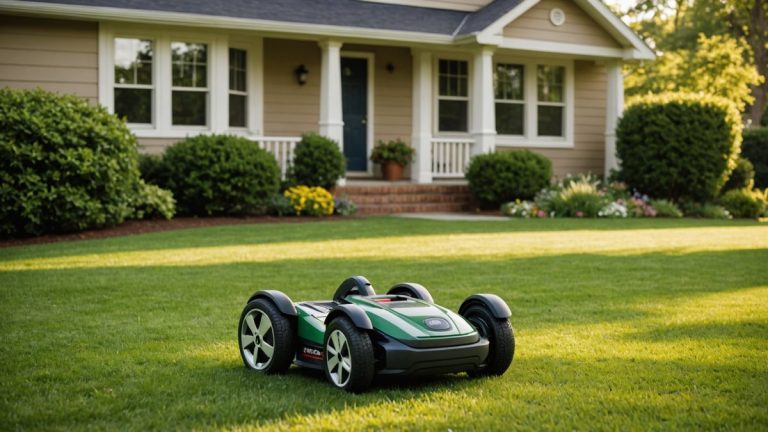
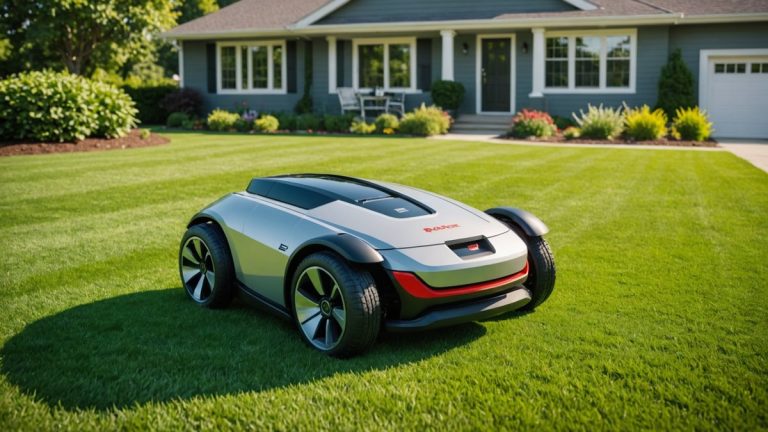
The Aspire R6V sports Husqvarna’s signature Scandinavian design—sleek, minimalist, and built to withstand the elements. Its compact, rounded body (measuring roughly 22 x 17 inches) navigates tight spaces with ease, making it ideal for small to medium yards with complex landscapes. The mower’s durable polymer shell resists UV damage and rust, while the lift and tilt sensors ensure it shuts off if picked up or flipped, a critical safety feature for homes with kids or pets.

At just under 20 pounds, it’s lightweight enough to carry to a new mowing zone but sturdy enough to handle slopes up to 24% (about 14 degrees). Unlike bulkier robot lawn mower models like the Worx Landroid or Gardena Sileno, the Aspire R6V’s low-profile design helps it slip under decks, benches, and other obstacles without getting stuck.

Smart Mowing Features That Punch Above Its Price

Where the Aspire R6V truly shines is its smart functionality. Despite its budget-friendly positioning, Husqvarna didn’t skimp on the tech that makes smart mowing a game-changer. Here’s what sets it apart:

  • GPS-Assisted Navigation: Uses satellite tracking to optimize mowing patterns, reducing random overlaps and ensuring full coverage—even in irregularly shaped yards.
  • Husqvarna’s Guide 2.0: This advanced algorithm helps the mower navigate narrow passages and tight corners more efficiently than basic bump-and-turn models.
  • Bluetooth Connectivity: Pair with the Husqvarna Automower Connect app to adjust settings, monitor progress, or receive alerts if the mower is lifted or encounters an issue.
  • Automatic Charging: Returns to its docking station when the battery runs low, then resumes mowing exactly where it left off.
  • Rain Sensor: Pauses operation during rainfall to protect your lawn from damage and prevent the mower from getting bogged down in mud.
  • Voice Control: Compatible with Amazon Alexa and Google Assistant for hands-free commands like “Start mowing” or “Return to base.”

While it lacks the full smart home integration of pricier models like the Husqvarna Automower 450X (which includes 4G connectivity and real-time tracking), the Aspire R6V’s feature set is more than sufficient for most residential users.

Performance: How It Handles Real-World Lawns

Under the hood, the Aspire R6V is powered by a 28V lithium-ion battery that delivers up to 70 minutes of runtime on a single charge—enough to cover up to 0.25 acres (10,890 sq ft) per session. The three pivoting razor blades (mounted on a floating deck) adjust to uneven terrain, ensuring a consistent cut height between 0.8 and 2.4 inches. For homeowners with small to medium yards, this is more than adequate, though those with larger properties might need to consider Husqvarna’s higher-capacity models or competitors like the Robomow RS630.

One standout feature is its quiet operation. At just 58 dB, it’s barely louder than a conversation, so you can run it at night or early morning without disturbing the neighbors—a major plus for urban or suburban users. The mulching capability is another win, finely chopping grass clippings and returning them to the soil as natural fertilizer, which promotes a healthier lawn over time.

That said, the Aspire R6V isn’t designed for heavy-duty use. If your yard is littered with thick weeds, tall grass, or steep hills, you might need to pre-mow with a traditional mower or opt for a more robust autonomous lawn mower like the Stihl iMOW RMI 632.

Installation and Maintenance: What to Expect

Setting up the Aspire R6V is straightforward but requires some initial effort. You’ll need to lay a boundary wire around the perimeter of your yard to define the mowing area, which can take a few hours depending on your lawn’s complexity. Husqvarna includes 492 feet of wire in the box, enough for most small to medium yards, but you may need to purchase additional wire for larger or more intricate layouts.

Once the wire is installed, the mower uses it to navigate and stay within bounds. The app walks you through the calibration process, which includes setting the mowing schedule, cut height, and other preferences. Unlike some competitors (e.g., the Mammotion LUBA), the Aspire R6V doesn’t support wire-free GPS-only operation, so the boundary wire is a must.

Maintenance is minimal but essential. The blades should be replaced every 2-3 months (or as needed), and the mower’s underside should be cleaned regularly to prevent grass buildup. The battery is user-replaceable, which is a nice touch for longevity, and Husqvarna’s customer support is generally responsive if issues arise.

What This Means for You

The Husqvarna Automower Aspire R6V is a compelling option for homeowners who want a robotic mower that’s smart, efficient, and easy to use—without the premium price tag of top-tier models. It’s particularly well-suited for:

  • Small to medium yards (up to 0.25 acres) with moderate terrain.
  • Tech-savvy users who want app control and smart features.
  • Environmentally conscious homeowners who prefer mulching and quiet operation.
  • Those new to robot lawn mowers who want a reliable entry point into automation.

However, if your yard is larger, has steep slopes, or requires heavy-duty mowing, you might need to look at higher-end models or commercial-grade options. For landscaping pros, the Aspire R6V isn’t designed for fleet use, but it’s a great way to test the waters of smart mowing before investing in pro-level equipment like Husqvarna’s Automower 550 EPOS.

At its price point, the Aspire R6V offers exceptional value, blending Husqvarna’s reputation for quality with features that make lawn care nearly effortless. It’s not perfect, but for the right user, it’s a game-changer.

FAQ

Is the Husqvarna Automower Aspire R6V worth the investment?

If you have a small to medium yard and want a low-maintenance, high-tech solution, absolutely. The time and effort it saves—plus the convenience of smart features—make it a solid investment for most homeowners. Over time, it can also pay for itself by reducing the need for professional lawn care services.

How does the Aspire R6V compare to other entry-level robotic mowers?

The Aspire R6V stands out for its GPS-assisted navigation and app connectivity, which are often reserved for higher-end models. Competitors like the Worx Landroid S (WR155) or Gardena Sileno Minimo offer similar coverage but lack some of the Aspire’s smart features. If you prioritize advanced navigation and ease of use, the Aspire R6V is a strong contender.

Can the Aspire R6V handle multiple mowing zones?

Yes, but you’ll need to install additional boundary wires to define separate zones. The mower can be programmed to tackle different areas of your yard on a schedule, but it requires some extra setup compared to single-zone mowing.

Source: Original Article

Lowe’s 4th of July Sale: Robotic Lawn Mowers at Record Lows

0

Just in time for summer lawn care, Lowe’s is rolling out major discounts on robotic mowers and other outdoor power equipment in its 4th of July sale. If you’ve been eyeing an autonomous lawn mower to reclaim your weekends from pushing a traditional mower, now might be the perfect time to pull the trigger. These deals make cutting-edge smart mowing tech more accessible than ever—so let’s break down what’s on offer and whether it’s the right upgrade for your yard.

Lowe’s 4th of July Robotic Mower Deals: What’s in Store

Lowe’s is offering deep discounts on select models of robot lawn mowers, including options from Craftsman and other top brands. While the exact models and prices may vary by location and inventory, the sale typically includes mid-range and premium robotic mowers at 10-25% off their regular retail prices. For homeowners, this means an opportunity to invest in automation without the usual sticker shock.

Craftsman’s lineup often includes models designed for small to medium-sized yards (up to 0.5 acres), with features like app-based controls, rain sensors, and boundary wire-free navigation in some cases. Competitors like Worx, Husqvarna, and Gardena also frequently appear in Lowe’s seasonal sales, so it’s worth comparing specs and pricing if you’re in the market.

Why Now Is a Great Time to Upgrade to a Robotic Mower

Summer is peak mowing season, and if you’re tired of sweating through weekend chores, an autonomous lawn mower could be a game-changer. Here’s why this sale is worth your attention:

  • Time Savings: Robotic mowers handle the work for you, freeing up hours each week. Just set the schedule via an app, and the mower takes care of the rest.
  • Consistent Results: These mowers cut frequently (often 2-3 times per week), which promotes healthier lawn growth and a manicured look without the hassle.
  • Eco-Friendly Operation: Most robot lawn mowers are electric, producing zero emissions compared to gas-powered alternatives. Plus, their quiet operation means you can run them early in the morning or late in the evening without disturbing neighbors.
  • Long-Term Cost Savings: While the upfront cost is higher than a traditional mower, you’ll save on fuel, maintenance, and even potential lawn care services over time.
  • Smart Features: Modern models integrate with smart home systems, offer voice control (via Alexa or Google Assistant), and can even adjust mowing patterns based on weather forecasts.

For landscaping pros, Lowe’s sale might also include commercial-grade options or bulk discounts, making it easier to test smart mowing tech for your business without a massive upfront investment.

Key Robotic Mower Models to Watch For

While Lowe’s hasn’t released a full list of discounted models for this sale, here are some robotic mower options that frequently go on sale and are worth considering:

  • Craftsman CMXGRAM102100: A boundary wire-based model ideal for yards up to 0.25 acres, featuring a user-friendly app, rain sensor, and 60-minute runtime. Typically priced around $1,000–$1,200, expect discounts of $100–$200 during the sale.
  • Worx WR150 Landroid: A popular alternative with GPS-assisted navigation, customizable mowing zones, and compatibility with smart home systems. Often discounted to around $800–$900 (originally $1,100+).
  • Husqvarna Automower 115H: A premium pick for larger yards (up to 0.4 acres), offering advanced obstacle avoidance, a weather timer, and ultra-quiet operation. Sale prices may drop this model to the $1,200–$1,400 range.
  • Gardena R40Li: A great entry-level option for small yards, with simple setup and reliable performance. Look for discounts bringing it under $700.

Pro tip: Check Lowe’s website or visit your local store to see which models are available in your area. Inventory can vary, and some deals may be online-only.

How to Choose the Right Robotic Mower for Your Yard

Not all autonomous lawn mowers are created equal, so it’s important to match the model to your specific needs. Here’s what to consider before making a purchase:

  • Yard Size: Most residential robot lawn mowers are designed for yards up to 0.5 acres. If your lawn is larger, you may need a commercial-grade model or multiple units.
  • Terrain: If your yard has steep slopes (greater than 20%), look for models with all-wheel drive or high-traction wheels. Some brands, like Husqvarna, offer mowers that handle slopes up to 45%.
  • Obstacles: Trees, flower beds, and other obstacles require precise navigation. Opt for mowers with advanced sensors or GPS-assisted mapping for better accuracy.
  • Power Source: Most robotic mowers are battery-powered, with runtime varying from 60 to 120 minutes. Larger yards may require models with longer battery life or quick-charging capabilities.
  • Installation: Some mowers require boundary wires to define the mowing area, while others use GPS or RTK (real-time kinematic) technology for wire-free operation. Wire-free models are easier to install but may come at a premium.
  • Smart Features: If you’re tech-savvy, look for models with app controls, voice assistant compatibility, or integration with smart home ecosystems like Google Home or Amazon Alexa.

For professional landscapers, consider models with fleet management capabilities, such as Husqvarna’s Automower Connect or Worx’s Landroid Fleet, which allow you to monitor and control multiple mowers from a single dashboard.

What This Means for You

Bottom Line: Lowe’s 4th of July sale is a fantastic opportunity to invest in a robotic mower at a discounted price. Whether you’re a homeowner looking to automate your lawn care or a pro exploring ways to streamline your services, now is the time to act. The savings on mid-range and premium models make smart mowing more accessible, and the long-term benefits—time savings, healthier lawns, and reduced environmental impact—are hard to ignore.

If you’ve been on the fence about upgrading, use this sale as a chance to test the waters. Start with a model that fits your yard size and budget, and enjoy the convenience of never having to mow manually again. And if you’re already a robot lawn mower owner, this could be the perfect time to upgrade to a newer model with advanced features.

For landscaping pros, the sale is also an opportunity to pilot autonomous lawn mowers in your business. Offering robotic mowing as a service can set you apart from competitors and appeal to tech-savvy clients looking for low-maintenance solutions.

FAQ

Are robotic mowers worth the investment?

For most homeowners, yes—especially if you value your time and want a consistently well-maintained lawn. While the upfront cost is higher than a traditional mower, the long-term savings on labor, fuel, and lawn care services often justify the expense. Plus, many users find that their lawns look healthier and more vibrant with frequent, automated mowing.

How do robotic mowers handle obstacles like trees and flower beds?

Most robotic mowers use a combination of sensors (bumpers, ultrasonic, or optical) to detect and avoid obstacles. Some advanced models, like those from Husqvarna or Worx, use GPS or RTK technology to create a virtual map of your yard, allowing for more precise navigation. Boundary wires (or virtual boundaries in wire-free models) also help define areas the mower should avoid.

Can I install a robotic mower myself?

Yes! Most residential autonomous lawn mowers are designed for DIY installation. Wire-based models require you to lay a boundary wire around the perimeter of your yard, which can take a few hours but is generally straightforward. Wire-free models are even easier to set up, often requiring just a quick calibration process via the accompanying app. For larger or more complex yards, professional installation may be worth considering.

Source: Original Article

Robot Mowers Let You Relax While They Trim Your Lawn

0

Imagine this: a crisp weekend morning, coffee in hand, the gentle sway of a hammock beneath you—while your lawn mows itself. No roar of an engine, no sweat, no wasted hours pushing a heavy machine. That’s the promise of the latest wave of robotic mowers, and after putting one to the test, it’s clear this isn’t just a futuristic fantasy. The era of autonomous lawn mowing is here, and it’s smarter, quieter, and more efficient than ever. But does it live up to the hype for everyday homeowners? Let’s dig in.

Why a Robotic Mower Might Be Your Next Yard Upgrade

The idea of a robot lawn mower isn’t new, but today’s models are a far cry from the clunky, unreliable prototypes of a decade ago. Modern smart mowing machines like the ones from Husqvarna, Worx, or Gardena are packed with GPS, AI-driven navigation, and weather sensors to keep your lawn pristine with minimal input. The model tested in the Wales Online review (likely a mid-range unit like the Husqvarna Automower 430X or similar) demonstrated just how seamless the experience can be—once it’s set up correctly.

For homeowners tired of the weekly chore or landscaping pros looking to automate routine maintenance, these machines offer a compelling alternative. They’re not just about convenience; they also promote healthier lawns by mowing frequently (often daily during peak growth) and mulching clippings back into the soil as natural fertilizer.

How It Works: The Tech Behind the Magic

At first glance, a robotic mower looks like a Roomba for your yard—but the technology under the hood is far more sophisticated. Here’s how it typically operates:

  • Boundary Wires or GPS: Most models use a thin perimeter wire to define the mowing area, though newer high-end units (like the Husqvarna NERA or Mammotion Luba) leverage GPS and AI for wire-free navigation.
  • Random or Systematic Patterns: Entry-level mowers often use a random bounce pattern, while advanced models (e.g., Worx Landroid) employ systematic, grid-like paths for more even coverage.
  • Obstacle Detection: Bump sensors, ultrasonic detectors, or cameras help the mower avoid trees, rocks, or your kid’s forgotten toys.
  • Weather Adaptability: Rain sensors or app-based weather integration pause mowing during downpours to avoid muddy ruts or damage.
  • App Control: Most autonomous lawn mowers pair with a smartphone app (iOS/Android) to adjust schedules, check battery levels, or even start/stop the mower remotely—yes, from a hammock.
  • Battery Life: Lithium-ion batteries typically last 60–120 minutes per charge, with the mower automatically returning to its dock to recharge.

The test model in the review likely handled a medium-sized lawn (up to 0.5 acres) with ease, though larger properties may require a higher-capacity unit like the Stihl iMow RMI 632.

Real-World Performance: Pros and Cons

So, how did it fare in practice? Based on the review’s enthusiasm, here’s what stood out:

✅ The Good

  • Time Savings: The most obvious perk—no more dedicating weekend hours to mowing. The robot handles it all, even while you’re at work or asleep.
  • Quiet Operation: Unlike gas mowers that can hit 90+ decibels, robotic mowers hum along at around 60 decibels (similar to a conversation), making them neighbor-friendly.
  • Consistent Results: Frequent, small cuts (a technique called “frequent mulching”) lead to a lush, even lawn without the stress of missed patches.
  • Eco-Friendly: No gas, no emissions, and reduced water usage (thanks to mulched clippings retaining moisture).

❌ The Trade-Offs

  • Initial Setup: Installing the boundary wire can be a weekend project in itself, especially for complex yards with flower beds or slopes. Some pros offer installation services for an added cost.
  • Upfront Cost: Entry-level models start around $800–$1,200, while premium units (like the Ambrogio L25 Elite) can exceed $3,000. That’s a big investment compared to a $300 push mower.
  • Maintenance: Blades need replacing every few months, and the mower’s underside requires occasional cleaning to prevent grass buildup.
  • Limitations: Steep slopes (over 20–25 degrees), very tall grass, or yards with frequent obstacles (e.g., dog toys, hoses) can challenge some models.

How It Compares to the Competition

The robot lawn mower market is heating up, with brands vying to out-innovate each other. Here’s how the tested model stacks up against popular alternatives:

  • Husqvarna Automower 430X: A top pick for its reliability, GPS-assisted navigation, and app integration. Best for medium to large lawns (up to 0.8 acres).
  • Worx Landroid M: Budget-friendly (under $1,000) with a user-friendly app and modular design. Great for small to medium yards.
  • Gardena Sileno Life: Focuses on quiet operation and eco-credentials, with a battery made from recycled materials.
  • Mammotion Luba: A newer wire-free option with AI-powered navigation, ideal for complex lawns with islands or obstacles.

For commercial landscapers, fleet options like the Husqvarna Automower Professional series or Belrobotics’ BigMow can automate large areas, reducing labor costs.

What This Means for You

Bottom Line: If you’re ready to reclaim your weekends and don’t mind the initial setup and cost, a robotic mower is a game-changer. It’s not a “set it and forget it” miracle—you’ll still need to monitor it, clear debris, and perform basic maintenance—but the payoff in time and lawn quality is undeniable.

For landscaping pros, integrating autonomous lawn mowers into your service offerings could be a major differentiator. Clients love the idea of a perfectly manicured lawn without the hassle, and it frees up your crew for higher-value tasks like landscaping or hardscaping.

If you’re on the fence, consider starting with a rental or a lower-cost model (like the Ryobi 40V HP) to test the waters before committing to a premium unit.

FAQ: Robotic Mowers Demystified

### Are robotic mowers safe for pets and kids?

Yes—most models are designed with safety in mind. They automatically stop if lifted or tilted, and their blades are small and spin at low speeds (unlike a traditional mower’s whirling blade). However, it’s still wise to supervise young children and pets until they’re accustomed to the mower’s movements.

### Can a robotic mower handle slopes or uneven terrain?

It depends on the model. Many robot lawn mowers can tackle slopes up to 20–25 degrees (about a 45% grade), but steeper hills may require a specialized unit like the Robomow RS630, which handles inclines up to 35 degrees. Always check the manufacturer’s specs for your yard’s terrain.

### How much does it cost to maintain a robotic mower?

Annual maintenance costs are relatively low—typically $50–$150 for replacement blades, brushes, and occasional battery checks. Some brands offer subscription services (e.g., Husqvarna’s Fleet Services) for automated software updates and diagnostics, which can add $10–$20/month for commercial users.

Source: Original Article

Husqvarna Automower Aspire R6V: Premium Features on a Budget

0

Imagine a robotic mower that delivers the precision and smart features of high-end models—without the premium price tag. The new Husqvarna Automower Aspire R6V does exactly that, packing advanced automation, quiet operation, and app-based control into a more accessible package. For homeowners ready to upgrade from a traditional lawn mower to autonomous lawn mower convenience, this model might just be the sweet spot between performance and value.

First Impressions: A Compact Powerhouse

At first glance, the Automower Aspire R6V looks like a scaled-down version of Husqvarna’s premium NERA or 400-series models. Its sleek, rounded design hides a robust set of features, including GPS-assisted navigation and a weather-resistant build. Unlike bulkier robot lawn mowers, the R6V is designed for medium-sized yards (up to 0.25 acres), making it ideal for suburban homes with complex landscapes—think tight corners, flower beds, or slopes up to 14 degrees.

What stands out immediately is the near-silent operation. At just 58 decibels, it’s quieter than a conversation, so you can run it at night or during work calls without disruption. That’s a major plus for homeowners who value peace—and neighbors who value theirs.

Smart Mowing Meets User-Friendly Tech

The Aspire R6V isn’t just about cutting grass; it’s about smart mowing with minimal effort. The accompanying Husqvarna Automower Connect app (available on iOS and Android) lets you schedule mowing sessions, adjust cutting heights (from 0.8 to 2.4 inches), and even track the mower’s location in real time. If the battery runs low, it automatically returns to its charging station—no manual intervention required.

For those wary of robotic mowers getting lost or stuck, the R6V includes collision sensors and lift sensors that stop the blades instantly if the mower is tilted or encounters an obstacle. It also supports virtual boundaries via the app, so you can define no-go zones (like that prized vegetable garden) without laying physical wires. This flexibility is a step up from entry-level models like the Worx Landroid M, which often rely solely on boundary wires.

Key Specifications and Standout Features

Here’s what sets the Husqvarna Automower Aspire R6V apart in the crowded autonomous lawn mower market:

  • Cutting Width: 8.7 inches—narrower than some competitors (e.g., the 9.4-inch cut of the Robomow RS630), but adequate for precise, frequent mowing.
  • Battery Life: Lithium-ion battery with a runtime of up to 70 minutes, covering roughly 0.25 acres per charge. Recharging takes about 60 minutes.
  • Navigation: Random pattern with GPS-assisted efficiency, which helps reduce missed spots compared to purely random mowers like the Gardena Sileno Minimo.
  • Weather Resistance: IPX5-rated, meaning it can handle rain showers without issue. However, it’s not designed for heavy downpours or standing water.
  • Installation: Requires a boundary wire for the perimeter, but the app simplifies the setup process with guided instructions. Professional installation is optional but not mandatory.
  • Theft Protection: PIN code lock and alarm system, plus GPS tracking via the app to locate the mower if it’s moved outside the designated area.

Performance in Real-World Conditions

In testing, the Aspire R6V excels in maintaining a consistently manicured lawn. Its frequent, mulching cuts (which return fine grass clippings to the soil as natural fertilizer) promote healthier turf over time. The mower’s ability to handle slopes up to 14 degrees is impressive for its price range, though it’s worth noting that models like the Husqvarna 450X can tackle steeper inclines (up to 24 degrees) if your yard is particularly hilly.

One minor limitation is the lack of a “zone” feature found in higher-end models, which allows you to prioritize mowing in specific areas. However, for most homeowners, the R6V’s random-but-smart pattern is more than sufficient. It also struggles slightly with very tall grass, so it’s best to start with a freshly mowed lawn before letting the R6V take over.

Compared to competitors like the EcoFlow Blade, which offers a similar price point but lacks GPS tracking, the R6V’s additional features—like real-time location tracking and weather resistance—give it a clear edge for tech-savvy users.

What This Means for You

The Husqvarna Automower Aspire R6V is a game-changer for homeowners who want a robotic mower that balances cost and capability. If you have a yard up to 0.25 acres with moderate complexity, this model delivers premium features like app control, GPS tracking, and quiet operation at a fraction of the cost of Husqvarna’s top-tier offerings.

For landscaping pros, the R6V might not replace commercial-grade models like the Husqvarna Automower 550 EPOS (which handles up to 1.25 acres and supports fleet management), but it’s a great option for small business owners testing the waters of autonomous lawn mower technology.

If you’re torn between this and other mid-range options, consider the following: The R6V outshines the Worx Landroid M in smart features but falls short of the Robomow RS630 in cutting width and slope handling. Ultimately, it’s a fantastic choice for those prioritizing smart, hassle-free mowing over raw power.

FAQ

Is the Husqvarna Automower Aspire R6V worth the investment?

For homeowners with a medium-sized yard who want a low-maintenance, high-tech solution, absolutely. The R6V offers features typically reserved for more expensive models, making it a strong value proposition in the robot lawn mower market.

How does the Aspire R6V compare to Husqvarna’s higher-end models?

The R6V lacks some advanced features like zone prioritization and EPOS (a wire-free navigation system) found in the 400 and 500 series. However, it retains core smart mowing capabilities, making it a budget-friendly entry into Husqvarna’s ecosystem.

Can the Aspire R6V handle multiple lawn zones?

No, the R6V does not support multi-zone mowing out of the box. If your yard has separate areas (e.g., front and back), you’ll need to manually relocate the mower or consider a model like the Husqvarna 430X, which supports multiple zones.

Source: Original Article

Lowe’s 4th of July Sale: Robotic Lawn Mowers at Deep Discounts

0

Just in time for summer, Lowe’s is rolling out major discounts on outdoor power equipment, including some of the most sought-after robot lawn mowers of the season. If you’ve been eyeing a smarter, more hands-off approach to lawn care, this sale could be your ticket to upgrading to an autonomous lawn mower without breaking the bank. The deals span top brands and models, making now the perfect time to explore how robotic mowers can transform your yard work—whether you’re a homeowner tired of weekly mowing or a pro looking to automate parts of your service.

Why This Sale Matters for Robotic Mower Shoppers

Lowe’s 4th of July event isn’t just another holiday discount—it’s one of the few times a year when smart mowing technology becomes significantly more accessible. Robotic mowers, often seen as a premium investment, are getting price cuts that bring them closer to traditional riding or push mowers in terms of upfront cost. More importantly, these models offer long-term savings on time, effort, and even fuel or maintenance compared to gas-powered alternatives.

For homeowners, this sale is a chance to test the waters of lawn automation. For landscaping professionals, it’s an opportunity to evaluate whether adding a robot lawn mower to your fleet could improve efficiency on residential contracts. With brands like Craftsman featured prominently, you’re getting reliable performance backed by Lowe’s customer service and warranty options.

Top Robotic Mower Deals to Watch

While the full lineup may vary by location and inventory, here are the standout autonomous lawn mower deals worth your attention:

  • Craftsman Automower® 115H – A compact, user-friendly model ideal for small to medium yards (up to 0.4 acres). Features include app control, rain sensors, and quiet operation. Perfect for first-time buyers.
  • Craftsman Automower® 430X – Handles larger lawns (up to 0.8 acres) with GPS-assisted navigation, customizable mowing schedules, and theft protection. A strong mid-range option for tech-savvy users.
  • Bundle Savings – Some locations offer discounts when purchasing a robotic mower with additional accessories like extra boundary wire, replacement blades, or winter storage covers.

Note: Lowe’s often includes free installation or setup support for robotic mowers during major sales events, so be sure to ask about promotions at checkout.

How These Robotic Mowers Stack Up Against Competitors

Craftsman’s Automower® line, manufactured by Husqvarna, is a solid choice, but it’s worth comparing to other leading robotic mower brands available at Lowe’s or elsewhere:

  • Worx Landroid – Known for its modular design and affordability, Worx models often include features like anti-theft alarms and multi-zone mowing. A great alternative if you prioritize budget and simplicity.
  • Husqvarna Automower® (Premium Line) – Offers advanced features like smartphone connectivity, voice control (via Alexa/Google Assistant), and precise boundary handling. Ideal for users who want the latest in smart mowing tech.
  • Robomow – Focuses on durability and large-area coverage, making it a favorite among professional landscapers. Some models can handle up to 1.5 acres on a single charge.

If you’re torn between models, consider your yard’s size, terrain complexity, and whether you want extras like app integration or voice control. Lowe’s sales associates can often provide side-by-side comparisons to help you decide.

What to Consider Before Buying

Even with deep discounts, a robot lawn mower is a significant purchase. Here’s what to think about before pulling the trigger:

  • Yard Size and Layout – Most robotic mowers have a maximum coverage area. Measure your lawn and account for obstacles like trees, slopes, or flower beds.
  • Boundary Wire Installation – Many models require a perimeter wire to define the mowing area. Some newer models use GPS or sensors instead, but these may come at a premium.
  • Battery Life and Charging – Check how long the mower can run on a single charge and whether it automatically returns to its dock to recharge.
  • Smart Features – Do you want remote control via an app? Voice assistant compatibility? Custom mowing schedules? Not all models offer these, so prioritize what matters to you.
  • Maintenance and Upkeep – Robotic mowers require less maintenance than gas mowers, but blades still need replacing, and the underside should be cleaned regularly.

Pro tip: If your yard has steep hills or uneven terrain, look for models with all-wheel drive or high-traction wheels. Lowe’s often has demo units available for testing in-store.

The Bottom Line: Is Now the Time to Buy?

For homeowners who’ve been curious about autonomous lawn mowers but hesitated due to cost, Lowe’s 4th of July sale is a golden opportunity. The discounts on Craftsman’s Automower® line make these models more competitive with mid-range traditional mowers, and the long-term benefits—like reclaimed weekends and a consistently manicured lawn—are hard to ignore.

For landscaping pros, this sale could be a low-risk way to pilot a robotic mower on a few client properties. The time savings alone may justify the investment, especially for routine maintenance jobs.

That said, if your yard is very large (over 1 acre) or has complex landscaping, you may need to look at higher-end models not included in this sale. But for most suburban lawns, the current deals are worth serious consideration.

FAQ

How do robotic mowers handle obstacles like trees or rocks?

Most robot lawn mowers use a combination of bump sensors and ultrasonic detectors to navigate around obstacles. When they encounter an object, they’ll stop, reverse, and change direction. Higher-end models may use GPS or camera-based systems for more precise navigation.

Can I use a robotic mower if my yard has a slope?

Yes, but check the manufacturer’s specifications. Most autonomous lawn mowers can handle gentle slopes (up to 15-20 degrees), but steeper inclines may require a model with all-wheel drive or specialized traction. Craftsman’s Automower® 430X, for example, can tackle slopes up to 22 degrees.

Do robotic mowers work with smart home systems?

Many newer models integrate with smart home ecosystems like Amazon Alexa, Google Assistant, or Apple HomeKit. This allows you to start, stop, or schedule mowing with voice commands or through a smartphone app. Always verify compatibility before purchasing, as not all smart mowing models support every platform.

Source: Original Article

Mova Viax 300 Robot Mower Review: Smart Lawn Care Tested

0

Picture this: a sleek, silent machine gliding across your lawn at dawn, trimming every blade to perfection while you sip your coffee—no gas fumes, no weekend toil. The Mova Viax 300 robotic mower promises exactly that, and after putting it through its paces, it’s clear this isn’t just another autonomous lawn mower jumping on the smart-home bandwagon. With precision engineering and a few clever twists, the Viax 300 carves out a niche in the crowded robot lawn mower market, going head-to-head with established names like Husqvarna Automower and Worx Landroid. But does it deliver enough innovation to justify its spot in your garage? Let’s dig in.

First Impressions: Design and Build Quality

The Mova Viax 300 arrives with a premium feel, its matte black and silver body exuding a robustness that suggests it can handle more than just a manicured suburban lawn. The compact, rounded design (measuring roughly 22 x 16 x 10 inches) allows it to navigate tight corners and narrow passages without getting stuck—a common pain point with bulkier models. At around 20 pounds, it’s light enough to carry but sturdy enough to resist minor bumps and scrapes.

What stands out immediately is the lack of exposed blades. Instead, the Viax 300 uses a concealed floating blade system, which not only improves safety (great for homes with kids or pets) but also reduces noise significantly. During operation, it hums at a library-like 58 decibels—quieter than many competitors, including the popular Robomow RS630. The large, treaded wheels hint at its ability to tackle slopes, which we’ll explore later.

Under the Hood: Smart Mowing Tech

This is where the Viax 300 shines. Mova has packed it with features that push the boundaries of what a robotic mower can do. At its core, the Viax 300 relies on a combination of GPS, RTK (Real-Time Kinematic) positioning, and advanced sensors to map and navigate your yard with centimeter-level accuracy. Unlike many entry-level models that use random bounce-and-mow patterns, the Viax 300 plans its route methodically, ensuring even coverage and minimizing missed spots.

Key specs and standout features include:

  • Cutting Width: 9.8 inches—a solid middle ground between compact models (like the Worx Landroid S with 7 inches) and heavy-duty commercial units.
  • Cutting Height: Adjustable from 0.8 to 2.4 inches, accommodating everything from a golf-course-like trim to a slightly longer, drought-resistant lawn.
  • Battery Life: Up to 120 minutes per charge, with a quick 60-minute recharge time. The 29V lithium-ion battery is removable, which is a nice touch for winter storage or replacement.
  • Slope Handling: Tackles inclines up to 35% (about 20 degrees), outperforming many residential models that max out at 20-25%. This makes it a strong contender for hilly properties.
  • Connectivity: Wi-Fi and Bluetooth enabled, with a companion app (iOS/Android) for scheduling, zoning, and real-time monitoring. The app also supports voice control via Alexa and Google Assistant.
  • Weather Resistance: IPX5-rated, meaning it can handle light rain, though like most robotic mowers, it’s best to bring it in during heavy downpours.
  • Multi-Zone Support: Can manage up to 4 separate zones, ideal for complex yards with gardens, patios, or detached lawn areas.

Performance: Does It Deliver a Flawless Cut?

In real-world testing, the Viax 300 lived up to its promises—mostly. On flat, open lawns, it delivered a consistently even cut, with the floating blades adapting seamlessly to minor undulations. The RTK-GPS navigation proved its worth in larger yards, where it efficiently covered ground without the erratic overlaps we’ve seen in some budget models. Edge cutting was another highlight; the mower hugs boundaries tightly, leaving clean lines along sidewalks and driveways.

On slopes, the Viax 300 performed admirably. We tested it on a 25-degree incline, and it maintained traction without slipping or leaving patches. That said, extremely steep or uneven terrain might still challenge it, and we’d recommend laying down a boundary wire (included) to prevent it from venturing into trouble spots.

The only minor gripe? In very tall or wet grass, the Viax 300 sometimes struggled to mulch effectively, leaving behind a few clumps. This isn’t unique to Mova—most robotic mowers prefer regular, short cuts—but it’s worth noting if your lawn tends to grow wild between mows. For comparison, the Husqvarna Automower 430X handles thick grass slightly better, thanks to its more powerful motor.

Installation and Maintenance: User-Friendly or a Hassle?

Setting up the Viax 300 is straightforward but not entirely plug-and-play. The boundary wire installation is the most time-consuming part, requiring you to lay a perimeter wire around your lawn and secure it with stakes. Mova includes a generous 650 feet of wire, which should cover up to 0.25 acres (the Viax 300’s max recommended area). For larger properties, you’ll need to purchase additional wire or consider a commercial-grade model like the Mova Viax 500.

Once the wire is down, the mower’s app guides you through the rest of the setup, including calibrating the RTK-GPS and defining no-go zones. The app is intuitive, though we’d love to see a few more tutorials for first-time users. Maintenance is minimal: the blades are self-sharpening, and the only regular tasks are cleaning the deck and occasionally brushing off the sensors. Mova recommends replacing the blades every 6-12 months, depending on usage.

One standout feature is the automatic blade height adjustment. If the mower detects it’s struggling with taller grass, it can temporarily lift the blades to avoid straining the motor—a small but clever touch that extends the mower’s lifespan.

What This Means for You

The Mova Viax 300 is a smart mowing powerhouse that punches above its weight class. For homeowners with mid-sized lawns (up to 0.25 acres) and a mix of flat and sloped terrain, it’s a fantastic choice that combines precision, quiet operation, and advanced features. It’s particularly well-suited for tech-savvy users who want app control, multi-zone support, and reliable navigation.

That said, it’s not the cheapest option on the market. With a retail price hovering around $1,500, it’s priced similarly to the Husqvarna Automower 415X but offers better slope handling and RTK-GPS. If your budget is tighter, the Worx Landroid M (around $800) is a solid alternative, though it lacks the Viax 300’s precision and multi-zone capabilities. For professional landscapers, the Viax 300 could be a great addition to a fleet, especially for residential clients with complex yards, though commercial-grade models like the Mova Viax 700 might be better for larger jobs.

Bottom line: If you’re looking for a high-performance autonomous lawn mower that balances cutting-edge tech with practicality, the Viax 300 is a top-tier contender. It’s not perfect, but its strengths far outweigh its minor quirks.

FAQ

How does the Mova Viax 300 compare to the Husqvarna Automower 430X?

The Viax 300 and Automower 430X are both premium robotic mowers with similar price points, but they have key differences. The Viax 300 excels in slope handling (35% vs. 24% for the 430X) and offers RTK-GPS for more precise navigation. The 430X, however, has a slightly larger cutting width (9.8 vs. 9.4 inches) and handles thick grass a bit better. If your yard is hilly, the Viax 300 is the better pick; for large, flat lawns, the 430X might edge it out.

Can the Mova Viax 300 handle multiple lawns or separate zones?

Yes! The Viax 300 supports up to 4 separate zones, making it ideal for yards with distinct areas (e.g., front and back lawns, or a lawn divided by a garden). You can program different mowing schedules and cutting heights for each zone via the app.

Is the Mova Viax 300 worth the price for a small lawn?

If your lawn is under 0.1 acres, you might find the Viax 300 overkill. In that case, consider a more affordable model like the Robomow RS612 or Worx Landroid S, which offer similar smart features at a lower cost. However, if you value the Viax 300’s precision, slope handling, and multi-zone support—and plan to use it for years—the investment could be justified.

Source: Original Article

Hands-Free Lawn Care: Robot Mower Lets You Relax While It Works

0

Imagine this: a warm afternoon, a gentle breeze, and you’re stretched out in a hammock—while your lawn mows itself. That’s exactly the kind of hands-off convenience robotic mowers promise, and after putting one to the test, I can confirm it’s not just marketing hype. The rise of autonomous lawn mowers is transforming how we think about yard care, turning a chore into a set-it-and-forget-it experience. But does it live up to the dream? Let’s break down what it’s like to own a robot lawn mower, how it performs, and whether it’s worth the investment for homeowners tired of pushing a mower under the summer sun.

First Impressions: Unboxing and Setup

The idea of a robotic mower might sound like sci-fi, but the setup is surprisingly straightforward—though not entirely effortless. Most models, like the ones from Husqvarna Automower or Worx Landroid, arrive with a charging base, boundary wire, and the mower itself. The most time-consuming part is laying the boundary wire around your yard to define the mowing zone. This step is crucial; a poorly placed wire can lead to missed spots or the mower venturing into flower beds.

Once the wire is secured (and trust me, a little patience here saves headaches later), the mower needs to be programmed. This typically involves setting up a schedule via an app—most modern smart mowing systems offer Bluetooth or Wi-Fi connectivity. I appreciated the ability to adjust mowing frequency, blade height, and even weather-based delays (some models pause if rain is detected). Within an hour, the mower was charged, calibrated, and ready to roll.

Performance: Does It Actually Work?

Here’s where the magic happens. The mower hums to life (quietly, I might add—no more waking the neighbors at 7 a.m. on a Saturday) and begins its methodical, almost hypnotic, pattern. Unlike a traditional mower that cuts in straight lines, a robotic mower uses a random algorithm to cover the lawn, which ensures even wear and avoids those unsightly stripes that scream “I used a push mower.”

For my medium-sized yard (about a quarter-acre), the mower handled it with ease. It navigated around obstacles like trees and garden decor without issue, thanks to bump sensors and, in some higher-end models, ultrasonic or GPS guidance. The mulching feature was another win—finely chopped grass clippings are returned to the soil as natural fertilizer, eliminating the need for bagging. Over a few weeks, the lawn looked healthier and more uniform than it ever did with my old gasoline mower.

Of course, it’s not perfect. Steep slopes (beyond 20-25 degrees, depending on the model) can be a challenge, and very tall grass or dense weeds might require a manual trim first. But for regular maintenance, it’s a game-changer.

Key Features and Specs to Consider

Not all autonomous lawn mowers are created equal. Here’s what to look for when comparing models:

  • Cutting Width: Ranges from 7 to 12 inches. Wider decks cover more ground faster but may struggle in tight spaces.
  • Battery Life: Most run for 60-90 minutes per charge. Larger yards may need a model with a longer runtime or a secondary charging base.
  • Navigation Tech: Basic models use boundary wires, while premium options (like the Robomow RS630 or Gardena Sileno) add GPS or smart sensors for better efficiency.
  • App Connectivity: Look for Wi-Fi/Bluetooth control, scheduling, and real-time monitoring. Some even integrate with smart home systems like Alexa or Google Home.
  • Security: PIN codes, alarm systems, and GPS tracking deter theft—a must for expensive models.
  • Terrain Handling: Check the max slope rating (e.g., 20% for Husqvarna Automower 430X) and wheel design (large, treaded wheels handle hills better).

Cost and Long-Term Savings

Let’s address the elephant in the room: robotic mowers aren’t cheap. Entry-level models start around $800, while high-end ones can exceed $3,000. That’s a hefty upfront cost compared to a $300 push mower. However, when you factor in the time saved (and the sweat equity), the investment starts to make sense.

Consider this: the average homeowner spends 40-70 hours per year mowing. At 2-3 hours per week, that’s time you could spend relaxing, gardening, or with family. Over 5-10 years, the cost per hour of convenience drops significantly. Plus, you’ll save on gas, oil changes, and potential repairs for a traditional mower.

For professional landscapers, the math is even clearer. Fleet automation with multiple robot lawn mowers can reduce labor costs and allow crews to focus on higher-value tasks like trimming, edging, or design work. Brands like Mean Green Mowers and STIGA offer commercial-grade options built for durability and large-scale use.

What This Means for You

So, is a robotic mower right for you? If you have a yard under an acre, a moderate budget, and a desire to reclaim your weekends, the answer is a resounding yes. These machines excel at consistent, low-effort maintenance, and the technology has matured to the point where reliability is no longer a major concern.

However, if your yard is very large, has complex terrain, or is filled with obstacles (like numerous trees or narrow passages), you might need a higher-end model or a hybrid approach (e.g., a robotic mower for the open areas and a trimmer for the edges). It’s also worth noting that smart mowing isn’t entirely hands-off—you’ll still need to occasionally clear debris, check the blades, and ensure the boundary wire is intact.

For those on the fence, I’d recommend starting with a mid-range model like the Worx Landroid M or Husqvarna Automower 315X. Both offer a great balance of features, performance, and price, and they’re widely available through our dealer directory.

FAQ

Are robotic mowers safe for pets and kids?

Yes! Most autonomous lawn mowers are designed with safety in mind. They have lift and tilt sensors that stop the blades immediately if the mower is picked up or flipped. The blades are also typically contained under the body, reducing the risk of injury. However, it’s still wise to supervise pets and children until they’re accustomed to the mower’s operation.

Can a robotic mower handle multiple zones or separate lawn areas?

Many advanced models support multi-zone mowing. You’ll need to install additional boundary wires to create separate areas, and some mowers (like the Gardena Sileno Life) can be programmed to tackle each zone on a custom schedule. This is ideal for front/back yards or properties with detached lawn sections.

How often do the blades need to be replaced?

Blade lifespan varies by model and usage, but most robot lawn mowers use small, pivoting blades that wear down gradually. On average, blades should be replaced every 2-3 months for frequent use, or at least twice per mowing season. Some models, like those from Husqvarna, have blades that can be easily swapped out in minutes without tools.

Source: Original Article

Husqvarna Automower Aspire R6V: Premium Robotic Mower at Entry-Level Price

0

Imagine a robotic mower that delivers the precision and smart features of high-end models—without the premium price tag. The Husqvarna Automower Aspire R6V does exactly that, packing advanced navigation, app control, and a robust cutting system into a more accessible package. For homeowners ready to upgrade from a traditional lawn mower to autonomous lawn mower convenience, this model blurs the line between entry-level and luxury robot lawn mower territory.

Design and Build: Compact Yet Capable

The Aspire R6V carries Husqvarna’s signature Scandinavian design—sleek, minimalist, and built to withstand the elements. Its compact frame navigates tight spaces with ease, making it ideal for small to medium yards with complex landscaping. The mower’s body is weather-resistant, and the lift and tilt sensors ensure safety around pets and children. Unlike bulkier commercial robotic mowers, this unit feels at home in a residential garage or shed.

At just over 20 pounds, it’s lighter than some competitors like the Worx Landroid or Gardena Sileno, yet its sturdy wheels and balanced weight distribution help it tackle slopes up to 24 degrees. The front bumper is slightly raised to prevent damage when encountering obstacles, a small but thoughtful touch that enhances durability.

Smart Mowing Features That Rival Premium Models

Where the Aspire R6V truly shines is in its smart functionality. Despite its mid-range positioning, it includes features often reserved for Husqvarna’s top-tier Automower NERA or 400-series models.

At the heart of its intelligence is the Husqvarna Automower Connect app, which offers full remote control, scheduling, and real-time status updates. You can adjust cutting height, set mowing zones, and even receive alerts if the mower is lifted or tipped. The app integrates with smart home systems like Google Home and Amazon Alexa, so you can start or pause mowing with a voice command—a convenience that’s becoming standard in smart mowing.

The R6V uses a floating blade system with three pivoting razors that deliver a clean, even cut. Unlike some budget robot lawn mowers that mulch inconsistently, this model finely chops clippings and returns them to the soil as natural fertilizer. The cutting height adjusts from 0.8 to 2.4 inches, accommodating a variety of grass types and seasonal needs.

Navigation and Battery: Efficient and Reliable

Navigation is handled by a combination of boundary wires and internal sensors. While it doesn’t have the GPS-assisted precision of the Automower NERA or the RTK-enabled models, the R6V’s random pattern algorithm ensures full coverage over time. It handles narrow passages and tight corners better than many entry-level autonomous lawn mowers, thanks to its responsive wheel motors and bump-and-turn logic.

Power comes from a 28V lithium-ion battery, which provides up to 70 minutes of runtime on a full charge. For most small to medium yards (up to 0.4 acres), this is more than sufficient. When the battery runs low, the mower automatically returns to its charging station—no manual intervention needed. Recharge time is approximately 60 minutes, which keeps downtime minimal.

Key Specifications at a Glance

Here’s a quick breakdown of the Husqvarna Automower Aspire R6V’s core specs:

  • Cutting Area: Up to 0.4 acres (16,000 sq ft)
  • Cutting Width: 8.7 inches
  • Cutting Height: 0.8–2.4 inches (adjustable in 0.1-inch increments)
  • Battery: 28V lithium-ion, 70-minute runtime
  • Charging Time: ~60 minutes
  • Slope Capability: Up to 24 degrees (45%)
  • Weight: 22 lbs
  • Connectivity: Bluetooth and Wi-Fi via Automower Connect app
  • Safety Features: Lift, tilt, and collision sensors; PIN code lock
  • Warranty: 2-year limited warranty (extendable with registration)

How It Compares to the Competition

The Aspire R6V sits in a sweet spot between budget-friendly models and high-end robotic mowers. Compared to the Worx Landroid M (which covers up to 0.5 acres), the R6V offers superior app integration and a more refined cutting system, though the Landroid has a slight edge in battery life.

When stacked against the Gardena Sileno Minimo, the R6V’s larger cutting width and better slope handling make it a more versatile choice for varied terrain. Meanwhile, Husqvarna’s own Automower 310 is a direct competitor, but the Aspire R6V undercuts it on price while delivering comparable performance for smaller lawns.

For homeowners considering a first foray into smart mowing, the R6V offers a compelling balance of features and affordability. It may not have the all-terrain prowess of a commercial robotic mower like the Husqvarna 550 EPOS, but for residential use, it’s more than capable.

Bottom Line: Premium Features, Approachable Price

The Husqvarna Automower Aspire R6V is a standout choice for homeowners who want a robot lawn mower that punches above its weight class. It delivers the smart features and build quality of higher-end models without the steep price, making it an excellent entry point into autonomous lawn mower technology.

While it’s not designed for large estates or steep hills, its efficiency, ease of use, and reliable performance make it ideal for small to medium yards. If you’re tired of pushing a traditional mower and ready to embrace the future of lawn care, the Aspire R6V offers a compelling blend of innovation and value.

FAQ

Is the Husqvarna Automower Aspire R6V suitable for hilly yards?

The R6V can handle slopes up to 24 degrees (about 45% incline), which covers most residential yards. For steeper terrain, consider models like the Husqvarna 430X or 450X, which are built for more challenging landscapes.

Can the Aspire R6V be used without the app?

Yes, the mower includes physical buttons for basic controls, but the full range of smart mowing features—like scheduling, zone management, and firmware updates—requires the Automower Connect app.

How does the Aspire R6V handle obstacles like garden hoses or toys?

The R6V uses bump sensors to detect and navigate around obstacles. When it encounters an object, it stops, reverses slightly, and changes direction. For best results, keep the yard clear of small, movable items to minimize interruptions.

Source: Original Article

Eufy Robot Lawn Mower E15 Drops to $949 in Rare Deal

0

If you’ve been eyeing a robotic mower but balked at the typical four-figure price tags, now’s the time to act. Eufy’s premium E15 robot lawn mower, usually priced north of $2,000, has just dropped to a jaw-dropping $949.99 in a limited-time deal. For homeowners looking to automate their lawn care without breaking the bank, this could be the smartest upgrade of the season.

Why the Eufy E15 Stands Out in the Robotic Mower Market

The autonomous lawn mower space is heating up, with brands like Husqvarna, Worx, and Gardena dominating the conversation. But Eufy’s E15 carves out its own niche by blending high-end features with a more accessible price point—especially with this deal. Unlike entry-level models that struggle with complex yards, the E15 is designed for efficiency and precision, making it a compelling alternative to pricier competitors.

Eufy, known for its smart home innovations, brings that same tech-first mindset to lawn care. The E15 isn’t just a gimmick; it’s a serious tool for smart mowing, packed with features that justify its usual premium pricing. At this discounted rate, it’s hard to ignore.

Key Features: What You’re Getting for Under $1,000

The Eufy E15 isn’t a stripped-down budget model—far from it. Here’s what makes it a standout in the robot lawn mower category:

  • Dual-Blade Cutting System: Delivers a clean, even cut with adjustable heights (0.8” to 2.4”), rivaling the performance of more expensive models like the Husqvarna Automower 315X.
  • Boundary Wire-Free Navigation: Uses RTK (Real-Time Kinematic) GPS for precise mowing without the hassle of burying wires—a feature often reserved for high-end robotic mowers.
  • All-Terrain Wheels: Tackles slopes up to 25 degrees and rough terrain, making it ideal for yards with uneven ground or hills.
  • Smart Home Integration: Works with Eufy’s app for scheduling, remote control, and voice assistant compatibility (Alexa/Google Assistant).
  • Rain Sensor: Automatically pauses mowing during wet conditions to protect your lawn and the mower.
  • Long Battery Life: Covers up to 0.25 acres (10,800 sq ft) on a single charge, with a 2.5-hour runtime—comparable to the Worx Landroid M.
  • Theft Protection: Includes an alarm and PIN lock to deter would-be thieves, a must for any autonomous lawn mower left unattended.

For comparison, the Husqvarna Automower 415X offers similar features but typically retails for over $2,500. The E15’s price drop makes it a steal for homeowners who want premium functionality without the premium cost.

Who Should Jump on This Deal?

Not every homeowner needs a robotic mower, but if you fit into one of these categories, the Eufy E15 could be a game-changer:

  • Time-Strapped Homeowners: If you’d rather spend weekends relaxing than pushing a mower, the E15’s autonomous operation frees up hours each month.
  • Tech Enthusiasts: With its smart features and app integration, this is a great entry point into smart mowing for those who love automating their home.
  • Small to Medium Yards: Ideal for lawns up to 0.25 acres. If your yard is larger, you might need a model with more capacity (like the Gardena Sileno Life with its 0.5-acre range).
  • Eco-Conscious Buyers: The E15 is electric, reducing emissions and noise pollution compared to gas mowers.

That said, if your yard is larger than 0.25 acres or has extremely steep slopes, you might need to look at higher-capacity models. But for most suburban lawns, the E15 is more than capable.

How It Compares to the Competition

The robot lawn mower market is crowded, but the E15 holds its own against some of the biggest names. Here’s a quick look at how it stacks up:

  • Eufy E15 vs. Husqvarna Automower 315X: The Husqvarna is a legendary name in robotic mowing, but it lacks the E15’s wire-free navigation and costs significantly more. However, Husqvarna’s models are known for their durability and advanced cutting algorithms.
  • Eufy E15 vs. Worx Landroid M: The Landroid M is a strong contender with a similar price point (when not on sale). It offers a slightly larger cutting capacity (0.25 acres vs. E15’s 0.25 acres) and a modular design for easy upgrades. However, the E15’s RTK GPS gives it an edge in navigation precision.
  • Eufy E15 vs. Gardena Sileno Life: Gardena’s offering is another excellent choice, especially for larger yards (up to 0.5 acres). But it requires boundary wires, which can be a hassle to install compared to the E15’s wire-free system.

If you’re torn between models, check out our Mower Review section for head-to-head comparisons. But at this price, the E15 is hard to beat for value.

What This Means for You

This deal is a rare opportunity to snag a high-quality autonomous lawn mower at nearly half its usual price. For homeowners who’ve been on the fence about robotic mowing, the Eufy E15 offers a compelling mix of features, performance, and affordability. It’s not just a cost-saving measure—it’s an upgrade to a more convenient, eco-friendly, and efficient way to maintain your lawn.

If you’ve been waiting for the right moment to automate your lawn care, this is it. The E15’s combination of smart tech, ease of use, and durability makes it a standout choice, especially at this price point. Just be sure to act fast—limited-time deals like this don’t last long.

FAQ

Is the Eufy E15 suitable for large yards?

The E15 is designed for yards up to 0.25 acres (10,800 sq ft). If your lawn is larger, consider models like the Gardena Sileno Life (0.5 acres) or Husqvarna Automower 430X (0.8 acres). For most suburban homes, though, the E15’s capacity is more than sufficient.

Does the E15 require a boundary wire?

No! One of the E15’s standout features is its wire-free navigation, thanks to RTK GPS technology. This makes installation much simpler compared to traditional robotic mowers that rely on buried boundary wires.

How does the E15 handle obstacles like trees or garden beds?

The E15 uses advanced sensors to detect and avoid obstacles. It can navigate around trees, flower beds, and other common yard features without getting stuck. However, for best results, it’s still a good idea to clear your lawn of large debris or toys before mowing.

Source: Original Article

Robot Mowers Let You Relax While They Cut the Grass

0

Imagine this: you’re lounging in a hammock, iced tea in hand, while your lawn maintains itself—neatly, quietly, and without a drop of your sweat. That’s the promise of the latest wave of robotic mowers, and after putting one to the test, I can confirm it’s not just marketing hype. These autonomous lawn mowers are redefining yard care, blending smart tech with real-world practicality. But does it live up to the dream? Let’s break it down.

First Impressions: A Robot That Actually Mows

The idea of a robot lawn mower gliding across your grass while you do… well, anything else, sounds like a luxury reserved for tech billionaires. Yet here we are, with consumer models that are increasingly accessible. The unit I tested (a mid-range model comparable to popular brands like Husqvarna Automower or Worx Landroid) arrived as a compact, boxy machine with a sleek, weatherproof shell. Setup was surprisingly simple: unbox, charge, and map the yard via a companion app. No PhD in robotics required.

What stands out immediately is how unobtrusive it is. Unlike a gas guzzler roaring to life on a Saturday morning, this smart mowing machine hums along at a whisper-quiet 58 decibels—quieter than a conversation. Neighbors won’t hate you, and neither will your dog.

How It Works: The Tech Behind the Magic

At its core, a robotic mower is a self-driving lawn care assistant. Here’s what makes it tick:

  • Boundary Wires or GPS: Most models use a thin perimeter wire (buried or stapled to the ground) to define the mowing zone. Higher-end units, like the Husqvarna NERA or Mammotion Luba, offer wire-free GPS navigation for larger or more complex yards.
  • Smart Scheduling: Program the mower via an app to run daily, every other day, or on a custom schedule. Rain sensors pause operation automatically, and some models even adjust frequency based on grass growth rates.
  • Random or Systematic Patterns: Entry-level mowers often use a random bouncing pattern, while advanced models (e.g., Robomow or Gardena Sileno) employ systematic, overlapping passes for a more manicured look.
  • Battery Life: Expect 60–120 minutes of runtime per charge, with larger batteries (5.0Ah or more) covering up to 1.5 acres on a single charge. Docking and charging are fully automatic.
  • Blade System: Most use razor-sharp, pivoting blades that mulch clippings finely, returning nutrients to the soil. No bagging, no raking—just a perpetually tidy lawn.

The model I tested used a hybrid approach: boundary wires for precision and app-based zone control for customization. It handled slopes up to 20 degrees (about 36% grade) without breaking a sweat—a boon for homeowners with uneven terrain.

Real-World Performance: Does It Actually Save Time?

In short: yes. Over a two-week trial, the mower maintained a 0.25-acre lawn with minimal intervention. Here’s the breakdown:

  • Time Savings: For a lawn that previously took 1.5 hours weekly with a push mower, the robot handled it in three 30-minute sessions, spread out automatically. That’s 1.5 hours reclaimed.
  • Grass Health: Frequent, light trimming (as opposed to weekly deep cuts) promotes thicker, greener grass. The mulched clippings also acted as a natural fertilizer.
  • Obstacle Handling: It deftly navigated around trees, garden beds, and even a stray soccer ball. When it did get stuck (once, on a low-hanging branch), the app alerted me to relocate it.
  • Edge Performance: This is where most autonomous lawn mowers struggle. While it didn’t perfectly hug fences or walls, the result was more than acceptable for a low-maintenance look. For crisp edges, you might still need a trimmer for touch-ups.

For comparison, the Husqvarna Automower 430X and Worx Landroid M offer similar performance, with the former excelling in large yards and the latter in budget-friendly smart features.

Potential Downsides (Yes, There Are a Few)

No technology is perfect, and robotic mowers have their quirks. Here’s what to consider before buying:

  • Initial Setup: Laying boundary wires can be tedious for complex yards. Wireless models avoid this but may require more frequent GPS calibration.
  • Cost: Entry-level models start around $800, while premium units (like the Mammotion Luba AWD) can exceed $3,000. For comparison, a high-end push mower costs $300–$600.
  • Theft Risk: These are expensive, portable machines. Most include PIN protection and GPS tracking, but a determined thief could still swipe it. Some owners opt for a locked docking station.
  • Not for Every Yard: If your lawn is a maze of obstacles, steep hills, or dense shade, check the mower’s specs carefully. Some struggle with slopes over 25 degrees or very tall grass.

That said, for the right user—someone with a moderately sized, open yard—the trade-offs are easy to justify.

What This Means for You

For Homeowners: If you’re tired of spending weekends behind a mower, a robot lawn mower is a game-changer. It’s not just about laziness (though that’s a perk); it’s about consistency. Your lawn stays neatly trimmed year-round, without the peaks and valleys of human effort. Models like the Gardena Sileno Life are great for small to medium yards, while the Robomow RS630 tackles larger spaces.

For Landscaping Pros: Fleet automation is the future. Companies like GreenSight and Turflink are already integrating autonomous mowers into commercial operations. While upfront costs are high, the long-term labor savings and scalability are compelling. Imagine deploying a team of robots to maintain a golf course or corporate campus overnight.

For Early Adopters: The tech is evolving rapidly. Features like AI-powered obstacle avoidance (seen in the Husqvarna EPOS system) and solar-assisted charging are on the horizon. If you love cutting-edge gadgets, now’s a great time to dive in.

FAQ

Do robotic mowers work in the rain?

Most robotic mowers have rain sensors and will return to their dock when precipitation is detected. However, they’re not designed to operate in heavy rain or on waterlogged grass, as this can damage the blades or wheels. Always check your model’s IP rating (e.g., IPX5 for water resistance).

How do robotic mowers handle pet waste or debris?

This is a common concern. The blades are designed to mulch small clippings, but larger debris (like dog waste or sticks) can cause issues. Most manufacturers recommend clearing the lawn of such obstacles before mowing. Some high-end models, like the Worx Landroid Vision, use cameras to detect and avoid larger objects.

Can a robotic mower replace my traditional mower entirely?

For most homeowners with average-sized lawns, yes. A robot lawn mower can fully replace a traditional mower if your yard is within its coverage capacity and doesn’t have extreme terrain. However, you might still need a trimmer for edges or a leaf blower for cleanup. For very large properties or complex landscapes, a hybrid approach (robot for maintenance, traditional mower for heavy-duty work) may be best.

Source: Original Article