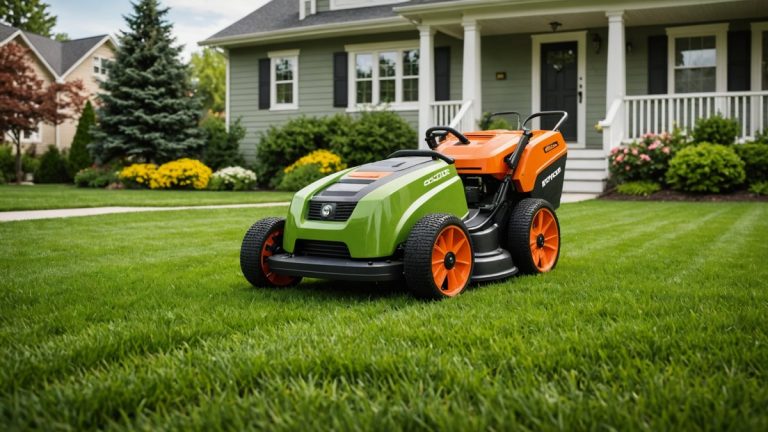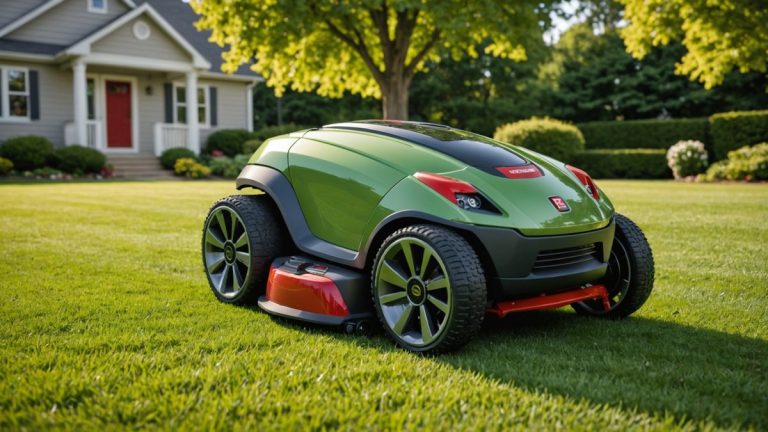
Just when you thought your lawn care routine couldn’t get any smarter, the robotic mower market delivers a game-changer. Roborock, a brand synonymous with cutting-edge robot vacuums, has officially entered the outdoor space with the launch of its RockMow X120H—an autonomous lawn mower packed with the kind of precision and intelligence that could make manual mowing a thing of the past. For homeowners and landscaping pros alike, this isn’t just another robot lawn mower; it’s a signal that the smart mowing revolution is accelerating, with major players now vying for a slice of your yard.
Roborock Steps Into the Yard: Meet the RockMow X120H
Roborock’s foray into robotic mowers was only a matter of time. The company has built a reputation for robots that navigate complex indoor spaces with ease, and the RockMow X120H aims to bring that same expertise to your lawn. Designed for medium to large yards (up to 6,000 square feet, according to early specs), this autonomous lawn mower promises to deliver the kind of smart mowing performance that tech-savvy homeowners have been waiting for.
What sets the RockMow X120H apart from competitors like Worx Landroid, Husqvarna Automower, or Gardena Sileno? For starters, it integrates seamlessly with Roborock’s existing ecosystem, meaning if you’re already using their robot vacuums or mops, you’ll feel right at home with the app and control interface. The X120H also boasts multi-zone support, allowing it to handle complex yard layouts with multiple mowing areas—a feature that’s often reserved for higher-end models in other brands.
Key Features and Specs: What’s Under the Hood?
The RockMow X120H isn’t just a rebranded indoor robot rolled outside. It’s purpose-built for the demands of outdoor smart mowing, with a suite of features that address common pain points for robot lawn mower owners. Here’s what stands out:
- Precision Navigation: Dual RTK (Real-Time Kinematic) antennas for centimeter-level accuracy, ensuring the mower stays on course even in large or irregularly shaped yards.
- Multi-Zone Management: Supports up to 4 separate mowing zones, perfect for yards with gardens, patios, or other obstacles that require custom mowing schedules.
- All-Terrain Capability: Tackles slopes up to 35% (roughly 20 degrees), making it suitable for hilly or uneven lawns where other autonomous lawn mowers might struggle.
- Smart Obstacle Avoidance: Uses ultrasonic sensors and cameras to detect and avoid pets, toys, or other obstacles—reducing the risk of damage or downtime.
- Weather Resistance: IPX6 waterproof rating means it can handle rain and dew without skipping a beat, a must for year-round smart mowing in variable climates.
- Battery and Runtime: Equipped with a 29V 6.0Ah lithium-ion battery, offering up to 120 minutes of runtime per charge. The mower automatically returns to its docking station to recharge and resume mowing where it left off.
- Cutting Performance: Features a floating blade deck with 3 pivoting blades, adjustable cutting heights (20-60mm), and a cutting width of 22cm (8.6 inches) for efficient coverage.
- App Control: Full remote management via the Roborock app, including scheduling, zone customization, and real-time monitoring.
How the RockMow X120H Stacks Up Against the Competition
The robot lawn mower market is crowded, but Roborock’s entry is notable for its blend of indoor robot smarts and outdoor durability. Here’s how it compares to some of the top players:
- Worx Landroid (e.g., WR155E): A popular mid-range option with GPS-assisted navigation and a more budget-friendly price point. However, the Landroid lacks the multi-zone support and advanced obstacle avoidance of the RockMow X120H.
- Husqvarna Automower (e.g., 430X): A premium pick with excellent cutting performance and durability, but it comes with a higher price tag and a steeper learning curve for setup. Husqvarna’s app is robust, but Roborock’s interface may feel more intuitive for tech-savvy users.
- Gardena Sileno (e.g., City): Known for its quiet operation and eco-friendly design, the Sileno is a great choice for smaller yards. However, it doesn’t offer the same level of smart features or multi-zone capabilities as the X120H.
- Ecovacs Goat G1: A newer entrant with strong AI-driven navigation, but it’s currently limited in availability and lacks the brand recognition of Roborock.
For homeowners, the RockMow X120H’s balance of smart mowing features and ease of use could make it a standout. For landscaping pros evaluating fleet automation, the multi-zone support and all-terrain capability are particularly compelling, though the 6,000-square-foot limit may require multiple units for larger properties.
Pricing and Availability: What to Expect
While official pricing for the RockMow X120H hasn’t been confirmed at the time of writing, industry whispers suggest it will land in the $1,200–$1,500 range—a competitive bracket that pits it against mid-to-high-end models from Husqvarna and Worx. Roborock has a history of offering premium features at slightly lower price points than established leaders, so we wouldn’t be surprised if the X120H undercuts some of its rivals.
As for availability, the launch is expected in the coming months, with pre-orders likely opening soon. Roborock has a strong direct-to-consumer model, so you can expect to purchase the X120H through their website, as well as major retailers like Amazon, Best Buy, and Home Depot. For landscaping pros, bulk purchasing options may become available as the product matures.
Bottom Line: What This Means for You
The RockMow X120H isn’t just another robotic mower—it’s a sign that the autonomous lawn mower market is heating up, with major tech brands bringing their A-game to outdoor care. For homeowners, this means more options, better features, and potentially lower prices as competition intensifies. If you’ve been waiting for a smart mowing solution that combines the precision of a robot vacuum with the power of a lawn mower, the X120H could be the answer.
For landscaping pros, the RockMow X120H offers a glimpse into the future of fleet automation. While it may not replace commercial-grade mowers for large-scale jobs, its multi-zone support and smart navigation make it a viable option for residential clients or smaller commercial properties. The key will be testing its durability and efficiency in real-world conditions.
Ultimately, the arrival of the RockMow X120H is a win for anyone invested in the robot lawn mower space. It pushes the industry forward, giving consumers more reasons to ditch the push mower and embrace the future of lawn care.
FAQ: Your Burning Questions About the RockMow X120H
### How does the RockMow X120H handle obstacles like pet toys or garden hoses?
The X120H uses a combination of ultrasonic sensors and cameras to detect and avoid obstacles in its path. When it encounters an object, it will either navigate around it or, if the obstacle is too large, stop and alert you via the app. This is a step up from many robotic mowers that rely solely on bump sensors, which can sometimes lead to false stops or missed obstacles.
### Can the RockMow X120H mow in the rain?
Yes! The X120H has an IPX6 waterproof rating, which means it can operate in light to moderate rain without damage. However, for heavy downpours or storms, it’s recommended to pause mowing and let the mower return to its docking station. Like all autonomous lawn mowers, performance may vary in extremely wet conditions, as the grass can become slippery and clump together.
### Is the RockMow X120H compatible with other smart home systems?
At launch, the X120H will be controlled primarily through the Roborock app, which is compatible with iOS and Android. While Roborock hasn’t announced integration with broader smart home ecosystems like Google Home or Amazon Alexa yet, the brand has a history of adding these features post-launch. If seamless smart home integration is a priority for you, keep an eye on future updates—or consider alternatives like the Worx Landroid, which already offers voice control via Alexa.
Source: Original Article