

“`html
Robot Mower ROI Calculator: Does a $1,500 Mower Actually Save Money?
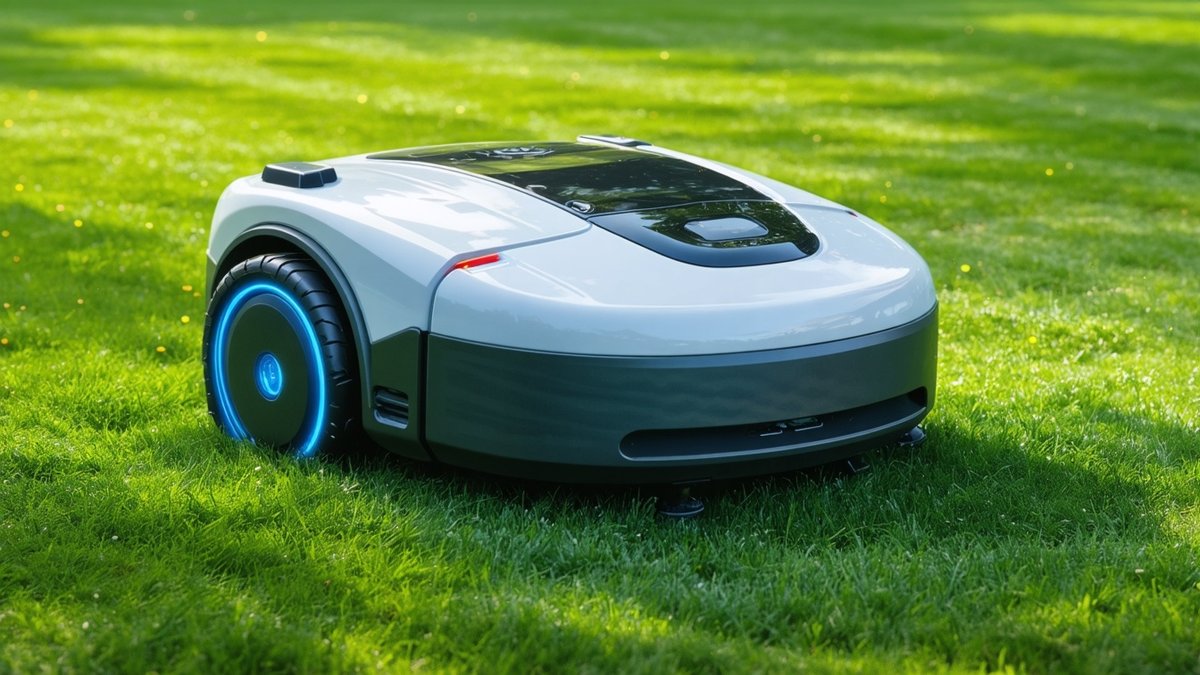
If you’re staring at a robot mower cost of around $1,500 and wondering whether it’s actually a smart buy, you’re asking the right question. On paper, a robotic mower can look expensive compared with a basic push mower. But over five years, the real comparison is usually robot mower vs lawn service—and that’s where the math can flip fast.
The short answer: for many homeowners, a robot mower is worth it if you value time, consistency, and lower ongoing labor. For others, especially small yards or people who already enjoy mowing, a traditional mower may still win on pure dollars. Let’s break down the costs so you can decide with confidence.
1) The 5-Year Cost Breakdown: Robot Mower vs Lawn Service vs Traditional Mower
To keep this realistic, let’s use a midrange robot mower priced at $1,500, a typical gas mower or battery mower setup, and a weekly lawn service.
Scenario A: Robot mower ownership
- Upfront mower price: $1,500
- Installation accessories / setup: $100–$300
- Battery replacement over 5 years: $200–$500 depending on model and usage
- Maintenance: $50–$150 per year for blades, cleaning, and minor parts
- Electricity: usually very low, often under $20–$40 per year
Estimated 5-year total: roughly $2,100 to $3,000
That’s the core appeal of a robot mower: after the initial purchase, operating costs are usually modest. The mower trims frequently, so your lawn stays tidy without the weekly labor.
Scenario B: Lawn service
Professional mowing prices vary by region and yard size, but a common range is:
- $40–$75 per visit for a typical suburban yard
- 30–40 visits per year during the growing season
Estimated yearly cost: about $1,200 to $3,000+
Estimated 5-year total: roughly $6,000 to $15,000+
This is where the robot mower vs lawn service comparison gets interesting. If you’re paying a crew every week, a robotic mower can pay for itself surprisingly quickly—sometimes in under two seasons.
Scenario C: Traditional mower ownership
A traditional mower is the cheapest route if you do the work yourself, but it still has real costs:
- Gas mower purchase: $350–$800
- Battery mower purchase: $400–$900
- Fuel or charging costs: low, but ongoing
- Oil, blades, filters, tune-ups: $50–$150 per year for gas models
- Your time: 30–90 minutes per mow, often weekly
Estimated 5-year total: about $600 to $1,800 in direct costs, not counting your labor.
So if you only compare cash outlay, a traditional mower often wins. But once you assign a value to your time, the equation changes. If mowing takes one hour per week for 30 weeks a year, that’s 150 hours over five years. Even at a modest $20/hour value, that’s $3,000 in time.
2) When a Robot Mower Actually Saves Money
The biggest factor in whether a robot mower is worth it is not just purchase price—it’s how much mowing you’re replacing.
Robot mowers tend to deliver the best ROI when:
- Your lawn is medium to large and needs frequent mowing
- You currently pay for weekly or biweekly lawn service
- You dislike yard work or want to reclaim weekend time
- Your property is fairly simple, with manageable slopes and obstacles
- You want a consistently neat lawn rather than occasional “cut day” results
For homeowners already paying a landscaping company, the savings can be dramatic. A $1,500 robot mower plus a few hundred dollars in maintenance may cost less than one or two years of professional service. That’s why many buyers searching “robot mower worth it” are really asking whether they can convert a recurring expense into a one-time investment.
There’s also a quality-of-life benefit that doesn’t show up in a spreadsheet: robot mowers cut little and often, which can improve lawn appearance and reduce clumping. For busy families, that convenience is often the deciding factor.
3) Best Robot Mowers to Consider Right Now
If you’re ready to buy, here are some strong options across different budgets and yard types. Prices can change quickly, so treat these as current street-price estimates.
-
Husqvarna Automower 430XH — around $2,399
Best for larger, more complex yards. It handles slopes up to 45% and is designed for lawns up to about 0.8 acres. The 430XH is a proven premium option with strong navigation, weather resistance, and excellent dealer support. -
Worx Landroid L WR155 — around $999 to $1,299
A strong value pick for smaller to mid-size lawns. It’s a popular entry into robotic mowing with app control, multi-zone support, and a solid feature set for the price. If you want a lower-cost path to automation, this is one of the best-known names. -
Segway Navimow i105N — around $999
A newer boundary-wire-free option using GPS-style navigation and app mapping. It’s ideal for homeowners who want a cleaner install and modern smart features. Best for smaller yards and buyers who value simplicity. -
ECOVACS Goat G1-800 — around $1,499
A compelling choice if you want advanced obstacle detection and wire-free setup in the sub-$1,500 range. It’s aimed at homeowners who want automation without the hassle of perimeter wire installation. -
Gardena Sileno Minimo — around $699 to $899
A compact, quiet option for smaller lawns. It won’t match premium models on coverage or smart features, but it’s one of the better budget-friendly robots if your yard is simple.
What to Look For Before You Buy
- Lawn size rating: Make sure the mower is rated above your actual square footage.
- Slope handling: Check incline capability if your yard has hills.
- Boundary wire vs wire-free: Wire-free models are easier to install, but not always cheaper.
- Battery life and charge time: These affect how efficiently the mower covers your property.
- App quality and scheduling: Good software matters more than many buyers expect.
- Service network and parts availability: Important for long-term ownership and repairs.
Bottom Line
If your main question is whether a robot mower cost of $1,500 makes financial sense, the answer is: yes, often—but not for everyone.
For homeowners paying for lawn service, a robot mower can save thousands over five years and deliver a much better convenience factor. For DIY owners with small, simple yards, a traditional mower may still be the cheapest option in raw dollars. The middle ground is where robot mowers shine: if you want a neat lawn without weekly labor, the ROI can be excellent.
In other words, if you’re comparing robot mower vs lawn service, the robot usually wins on long-term value. If you’re comparing it only to buying a basic mower and doing the work yourself, the financial case is less obvious—but the time savings may still make it the better buy.
FAQ
How long does it take for a robot mower to pay for itself?
For homeowners replacing weekly lawn service, payback can happen in 1 to 3 years depending on service costs, lawn size, and mower price. If you’re replacing your own labor instead, the payback is more about time than cash.
Are robot mowers expensive to maintain?
Usually no. Most robot mowers need occasional blade changes, cleaning, and battery replacement after several years. Annual maintenance costs are typically much lower than professional lawn service.
Is a robot mower worth it for a small yard?
It can be, especially if you dislike mowing or want a consistently manicured lawn. But for very small yards, the financial savings are harder to justify unless you place a high value on convenience.
“`
Source: Original Article

Author: AI Mow
Ai Mow is the editorial team behind Ai Mower News, dedicated to bringing you the latest news, reviews, and insights on robotic lawn mowers and smart gardening technology.