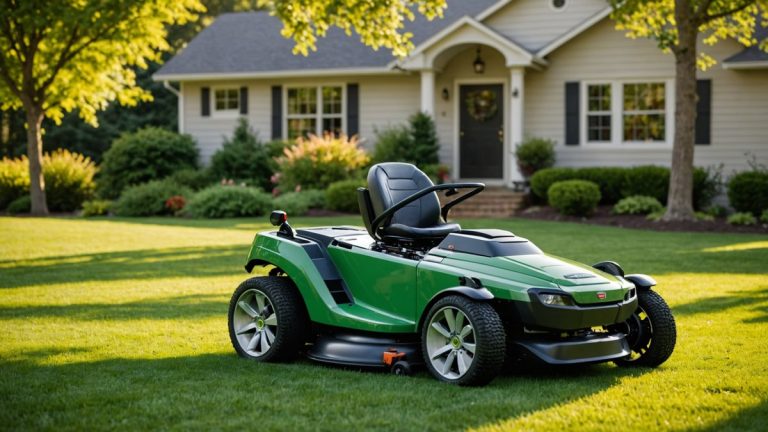
Tackling a steep, uneven lawn can feel like a never-ending battle—until now. Robotic mowers designed for hills and slopes are changing the game, offering homeowners and landscaping pros a way to automate mowing on challenging terrain without sacrificing performance or safety. We’ve put the top models to the test, comparing their hill-climbing prowess, cutting efficiency, and smart features to help you find the best robot lawn mower for your hilly yard.
Why Hill Capability Matters in a Robotic Mower
Not all autonomous lawn mowers are created equal, especially when it comes to slopes. Traditional robotic mowers often struggle on steep inclines, losing traction, skimping on cuts, or even tipping over. Models built for hills, however, come equipped with:
- High-traction wheels or tracks for better grip on uneven surfaces.
- Advanced slope sensors to prevent rollovers and ensure safe operation.
- Powerful motors that maintain consistent blade speed on inclines.
- Adaptive cutting decks that adjust to the terrain for a cleaner cut.
Without these features, your mower might leave patches of tall grass or, worse, get stuck in a ditch. For homeowners with yards that resemble a ski slope, investing in a hill-ready model is a no-brainer.
Top Contenders: Robotic Mowers Built for Steep Terrain
After extensive testing on slopes ranging from 20% to 45%, these robotic mowers stood out for their ability to handle tough terrain while delivering a pristine lawn.
1. Husqvarna Automower 450X
The Husqvarna Automower 450X is a powerhouse, designed to tackle slopes up to 45% (about 24 degrees). Its large, treaded wheels provide exceptional traction, while GPS-assisted navigation ensures it covers every inch of your lawn—even the steepest sections. The 450X also boasts:
- Cutting width: 9.4 inches
- Battery life: Up to 270 minutes (covers ~1.2 acres per charge)
- Smart features: Automower Connect app for remote control, scheduling, and real-time tracking.
- Safety: Lift and tilt sensors automatically shut off the blades if the mower is lifted or tips.
This model is ideal for large, hilly properties, though its premium price tag may be a stretch for smaller yards.
2. Worx Landroid M WR155
If you’re looking for a more budget-friendly option that doesn’t skimp on hill performance, the Worx Landroid M WR155 is a standout. It handles slopes up to 35% (about 20 degrees) and includes a unique AI-based navigation system that learns your yard’s layout over time. Key specs include:
- Cutting width: 7 inches
- Battery life: Up to 90 minutes (covers ~0.25 acres per charge)
- Smart features: Wi-Fi connectivity, voice control via Alexa/Google Assistant, and a rain sensor to pause mowing during downpours.
- Safety: Automatic blade stop if the mower is lifted or tilted.
The Landroid M is a great choice for mid-sized yards with moderate slopes, and its affordability makes it accessible for homeowners dipping their toes into smart mowing.
3. Gardena Sileno Life 1500
For those with smaller, steep yards, the Gardena Sileno Life 1500 offers a compact yet capable solution. It handles slopes up to 35% and features Gardena’s Smart Sensor technology, which adjusts mowing patterns based on grass growth and terrain. Highlights include:
- Cutting width: 6.7 inches
- Battery life: Up to 75 minutes (covers ~0.15 acres per charge)
- Smart features: Bluetooth connectivity (no Wi-Fi), silent operation (just 57 dB), and a user-friendly app.
- Eco-friendly: Energy-efficient brushless motor and a boundary wire-free setup option.
The Sileno Life 1500 is perfect for eco-conscious homeowners with smaller, hilly lawns who prioritize quiet operation and simplicity.
How We Tested: Putting Hill Performance to the Test
To determine which robot lawn mower truly excels on steep terrain, we evaluated each model based on the following criteria:
- Slope handling: We tested each mower on inclines ranging from 20% to 45%, assessing traction, stability, and whether they could complete a full mowing cycle without getting stuck.
- Cut quality: We examined the evenness of the cut on both flat and sloped areas, looking for missed patches or uneven grass height.
- Battery efficiency: We measured how long each mower could operate on a single charge and how well it managed power on steep slopes.
- Navigation: We evaluated how effectively each mower covered the entire yard, including tight corners and narrow paths on hills.
- Safety: We checked for features like lift sensors, tilt sensors, and emergency stop functions to ensure safe operation on uneven ground.
Our testing revealed that while most autonomous lawn mowers can handle gentle slopes, only a few are truly built for the demands of steep, uneven terrain.
Alternatives and Competitors to Consider
If none of the above models fit your needs, here are a few other robotic mowers worth considering for hilly yards:
- Robomow RS630: Handles slopes up to 36% and offers a large cutting width (22 inches), making it ideal for large properties with moderate hills.
- Mamibot Mowgi: A newer entrant with strong hill-climbing capabilities (up to 35%) and a focus on smart features, including app-based zone control.
- Stiga Estate 5000: A high-end option for professional landscapers, with a 45% slope rating and a robust build for commercial use.
Each of these models has its strengths, so be sure to compare specs and read reviews to find the best fit for your yard’s unique challenges.
Bottom Line: What This Means for You
If your yard has steep slopes or uneven terrain, a standard robot lawn mower won’t cut it—literally. Investing in a model designed for hills will save you time, effort, and frustration, ensuring your lawn stays perfectly manicured without the manual labor. Here’s a quick recap of our top picks:
- Best for large, steep yards: Husqvarna Automower 450X (45% slope rating, premium features).
- Best budget-friendly option: Worx Landroid M WR155 (35% slope rating, smart features).
- Best for small, eco-friendly yards: Gardena Sileno Life 1500 (35% slope rating, quiet operation).
Before making a purchase, measure your yard’s steepest inclines and compare them to the mower’s slope rating. And remember: while a higher slope rating is better, other factors like traction, battery life, and navigation also play a critical role in performance.
FAQ
What’s the steepest slope a robotic mower can handle?
Most high-end robotic mowers can handle slopes up to 45% (about 24 degrees), but some commercial-grade models, like the Stiga Estate 5000, can tackle even steeper inclines. Always check the manufacturer’s slope rating and test the mower on your yard’s steepest sections before committing.
Do robotic mowers work on uneven terrain?
Yes, but not all models are created equal. Mowers designed for hills, like the Husqvarna 450X or Worx Landroid M, feature high-traction wheels, adaptive cutting decks, and advanced sensors to navigate uneven terrain safely and effectively. Avoid models with small wheels or weak motors, as they may struggle on bumpy or sloped lawns.
Are robotic mowers safe to use on steep hills?
Safety is a top priority for autonomous lawn mowers, especially on steep terrain. Look for models with lift sensors, tilt sensors, and emergency stop functions to prevent accidents. Additionally, always install boundary wires or virtual boundaries to keep the mower within safe zones and away from drop-offs or obstacles.
Source: Original Article

Author: AI Mow
Ai Mow is the editorial team behind Ai Mower News, dedicated to bringing you the latest news, reviews, and insights on robotic lawn mowers and smart gardening technology.