

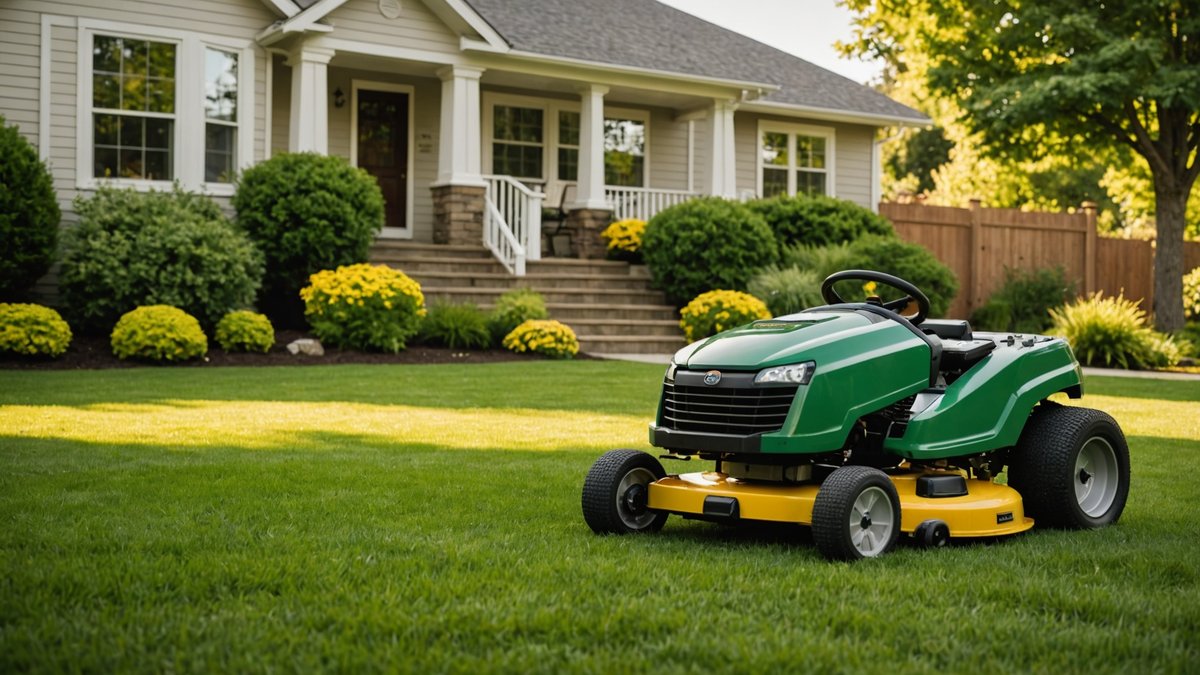
Imagine waking up to a perfectly manicured lawn—every day—without lifting a finger. That’s the promise of robotic mowers, the silent, hardworking heroes of modern lawn care. But before you trade in your push mower for an autonomous lawn mower, there are key factors to consider. Choosing the right model isn’t just about price or brand; it’s about matching the tech to your yard, your lifestyle, and even your local climate. Here’s what you need to know to make a smart investment in smart mowing.
Why Robotic Mowers Are Gaining Ground
The robot lawn mower market is exploding, and for good reason. These devices offer unmatched convenience, precision, and eco-friendliness compared to traditional mowers. Unlike gas-guzzling beasts of yesteryear, most robotic models are electric, producing zero emissions while quietly maintaining your lawn on a schedule you set. For homeowners with busy lives or those tired of weekend chores, it’s a game-changer. Even commercial landscapers are adopting fleet automation to handle large properties with ease.
Brands like Husqvarna, Worx, and Gardena have led the charge, but newer players like Mammotion and EcoFlow are pushing boundaries with AI-driven features and longer battery life. The question isn’t whether robotic mowers are the future—it’s which one is the right fit for you.
Key Factors to Evaluate Before Buying
Not all yards—or homeowners—are created equal. Here’s what to weigh before committing:
- Lawn Size and Terrain: Robotic mowers are rated by the area they can handle, typically measured in square feet or acres. A small urban yard (under ¼ acre) can be managed by budget-friendly models like the Worx Landroid M, while sprawling estates (1+ acres) may require heavy-duty options like the Husqvarna Automower 450X or even commercial-grade units. Steep slopes? Check the mower’s incline rating—most handle 20-30% grades, but some (like the Gardena Sileno Life) tackle 35% or more.
- Cutting Height and Customization: If you love a lush, tall lawn or prefer a golf-course-like trim, verify the mower’s adjustable cutting height. Most range from 0.8” to 3.6”, but some premium models offer finer increments. Also, look for mulching capabilities—many robotic mowers finely chop clippings, returning nutrients to the soil.
- Battery Life and Charging: Runtime varies from 60 to 180+ minutes per charge. Larger lawns need longer battery life or a mower that auto-docks and resumes. Lithium-ion batteries dominate, but some newer models (like EcoFlow’s Blade) offer swappable batteries for extended use.
- Smart Features: Modern autonomous lawn mowers integrate with smartphone apps for scheduling, zone control, and real-time monitoring. Some even use GPS or RTK (real-time kinematic) for pinpoint accuracy. Voice assistant compatibility (Alexa, Google Home) is a bonus for tech-savvy users.
- Installation and Boundary Wires: Most robotic mowers require a perimeter wire to define the mowing area. Installation can be DIY-friendly or professional-grade—factor this into your budget. Wire-free models (like the Mammotion Luba) use GPS and sensors but may be less precise in complex yards.
- Weather and Seasonal Adaptability: Can the mower handle rain? Some models, like the Robomow RX20u, are fully weatherproof, while others need manual intervention. Also, check if the mower hibernates in winter or if it’s designed for year-round use in milder climates.
- Safety and Security: Look for lift and tilt sensors that stop the blades if the mower is picked up or flipped. PIN codes and GPS tracking (available in some Husqvarna and Gardena models) deter theft.
Robotic Mower vs. Traditional Mower: The Real Costs
Yes, robotic mowers are pricier upfront—entry-level models start around $600, while high-end units can exceed $3,000. But the long-term savings are compelling. Consider:
- Time Savings: The average homeowner spends 70+ hours annually mowing. A robotic mower reclaims that time.
- Lower Operating Costs: No gas, oil changes, or spark plugs. Electricity costs are minimal (often under $20/year).
- Reduced Maintenance: Fewer moving parts mean less wear and tear. Blade replacements and occasional cleaning are the main upkeep tasks.
- Lawn Health: Frequent, short mowing sessions promote healthier grass by preventing shock and reducing weeds.
For professionals, the ROI is even clearer. Landscaping businesses using autonomous lawn mowers report labor savings of 30-50% on mowing tasks, allowing crews to focus on higher-value services like landscaping and hardscaping.
Top Alternatives to Consider
Here’s a quick look at some standout models across different categories:
- Best for Small Yards: Worx Landroid M (WR140) – Affordable, app-controlled, and great for lawns up to ¼ acre.
- Best Mid-Range: Gardena Sileno Life – Quiet, slope-capable, and packed with smart features for yards up to ½ acre.
- Best for Large Lawns: Husqvarna Automower 450X – Handles up to 1.25 acres, with GPS-assisted navigation and weather resistance.
- Best Wire-Free: Mammotion Luba AWD 5000 – Uses RTK GPS for precision without boundary wires, ideal for complex or expansive properties.
- Best for Pros: Mean Green Mowers’ Commercial Line – Rugged, high-capacity robot lawn mowers designed for fleet use.
For a deeper dive, check out our Mower Review section, where we put these models through rigorous testing.
What This Means for You
The robotic mower revolution is here, but it’s not a one-size-fits-all solution. If you have a small, flat lawn and want to save time, a budget-friendly model could be perfect. For larger or more complex yards, investing in a high-end autonomous lawn mower with advanced navigation and durability makes sense. Professionals should prioritize scalability, battery life, and ease of fleet management.
Start by measuring your lawn and noting any obstacles (trees, flower beds, steep hills). Then, match those needs to the specs of potential models. And don’t forget to check local dealer support—some brands offer installation services or extended warranties through certified partners (see our Dealer Directory).
Finally, think long-term. A smart mowing system isn’t just a purchase; it’s an upgrade to your lifestyle. The right robotic mower can turn lawn care from a chore into a seamless, almost invisible part of your routine.
FAQ: Robotic Mower Basics
### Do robotic mowers work in the rain?
It depends on the model. Many mid-to-high-end robotic mowers, like those from Husqvarna or Gardena, are weatherproof and can operate in light rain. However, heavy downpours or waterlogged lawns may require manual intervention. Always check the manufacturer’s specifications for water resistance ratings (e.g., IPX5 or higher).
### Can a robotic mower handle multiple zones or separate lawn areas?
Yes! Most advanced autonomous lawn mowers support multi-zone mowing via their apps. You can define different areas (e.g., front yard, back yard, side garden) and set custom schedules for each. Some models, like the Worx Landroid, even allow you to prioritize zones based on grass growth or season.
### How do I maintain a robotic mower?
Maintenance is minimal but essential for longevity. Key tasks include:
- Cleaning the underside and blades after each use to prevent grass buildup.
- Replacing or sharpening blades every 1-3 months (or as recommended by the manufacturer).
- Checking and cleaning the perimeter wire (if applicable) to ensure uninterrupted operation.
- Storing the mower indoors or in a covered area during extreme weather or off-seasons.
Most brands provide detailed guides, and you can find step-by-step tutorials in our How-To Guides section.
Source: Original Article

Author: AI Mow
AI Mow is the AI-assisted news desk of AI Mower News. It monitors manufacturer announcements, trade shows and industry sources, and drafts stories in our editorial voice. Every article is checked against its original source before publication — our fact gate holds anything that claims testing we did not do or specs the source does not support — and is published under this byline for transparency. How we work: https://aimowernews.com/editorial-guidelines/ · The people behind it: https://aimowernews.com/our-team/