

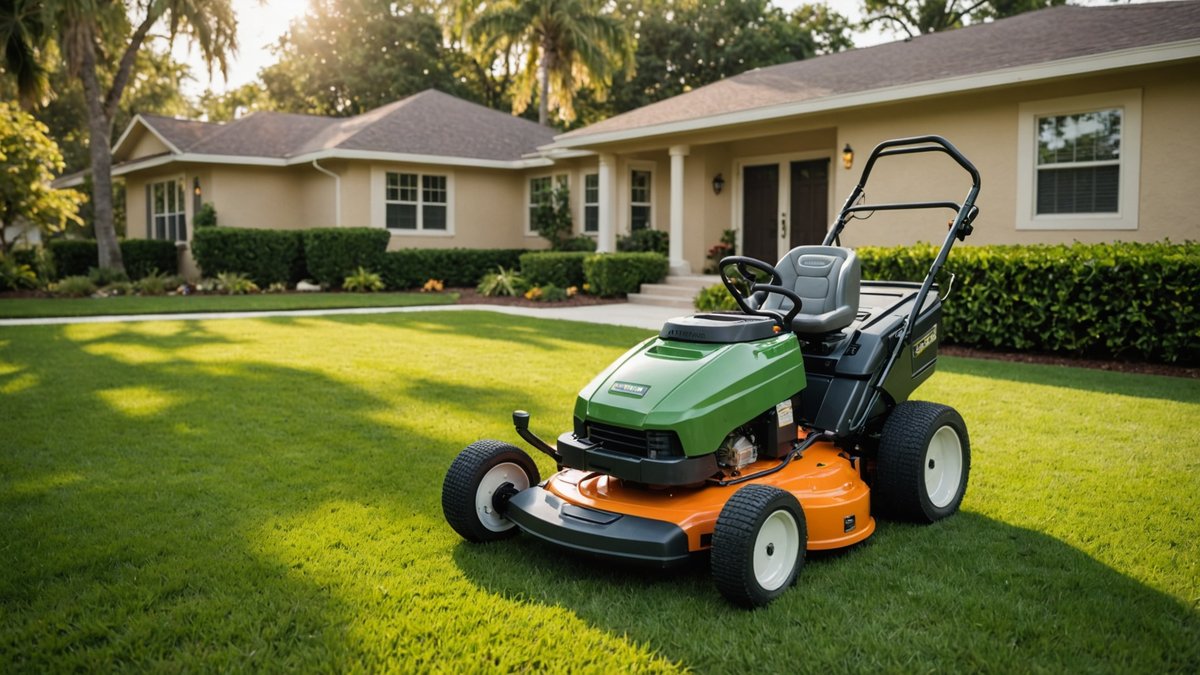
Imagine a lawn that stays lush, green, and perfectly manicured with half the effort—and a fraction of the water and fertilizer. That’s exactly what researchers at the University of Florida’s Institute of Food and Agricultural Sciences (UF/IFAS) discovered in a recent study on robotic mowers. Their findings confirm what robot lawn mower enthusiasts have long suspected: these autonomous workhorses don’t just save time—they actively improve lawn health while slashing maintenance demands. For homeowners in Florida’s challenging climate (and beyond), this could be a game-changer in the push toward smarter, more sustainable yard care.
Why Robotic Mowers Outperform Traditional Methods
The UF/IFAS study, published in the journal HortTechnology, compared the effects of autonomous lawn mowers to conventional rotary mowers on St. Augustinegrass—a popular turf variety in the Southeast. Over two years, researchers tracked metrics like turf quality, root depth, and weed suppression. The results were clear: lawns maintained by robotic mowers showed better overall health, with deeper root systems and reduced weed pressure compared to those cut by traditional mowers.
The secret? Frequency. Robotic mowers like those from Husqvarna Automower, Worx Landroid, or Robomow operate on a near-daily schedule, trimming just a fraction of the grass blade each time. This “little and often” approach mimics the natural grazing patterns that turf grasses evolved to thrive under. In contrast, weekly mowing with a gas or push mower can stress the grass, leading to shallow roots and increased susceptibility to drought and disease.
Key Findings: Healthier Lawns, Less Work
The study’s most compelling takeaways highlight why smart mowing is more than just a convenience—it’s a lawn care upgrade. Here’s what stood out:
- Improved Turf Density: Robotic-mowed lawns had 10–15% greater turf coverage, crowding out weeds naturally and reducing the need for herbicides.
- Deeper Roots: Frequent, light cuts encouraged roots to grow up to 20% deeper, improving drought resistance—a major plus for Florida’s sandy soils and seasonal dry spells.
- Reduced Fertilizer Needs: The clippings from robotic mowers are finely mulched and left on the lawn, returning nutrients to the soil. This reduced fertilizer requirements by up to 30% in the study.
- Lower Water Usage: Thanks to stronger root systems, lawns required less irrigation to maintain color and vigor, a critical benefit in water-conscious regions.
- Minimal Maintenance: No more weekend chores—once installed, these robot lawn mowers handle the work autonomously, even in rain (most models are weatherproof).
Florida’s Climate: A Perfect Test Case
Florida’s humid subtropical climate—with its heavy rainfall, intense heat, and persistent pests—is a proving ground for lawn care tech. Traditional mowing often struggles here: thick thatch buildup, fungal diseases, and invasive weeds like dollarweed thrive in poorly managed turf. The UF/IFAS study found that autonomous lawn mowers mitigated many of these issues by:
- Preventing Thatch: Frequent mulching breaks down clippings quickly, reducing thatch accumulation that can suffocate grass.
- Deterring Pests: A consistently trimmed lawn is less hospitable to pests like chinch bugs, which prefer overgrown, stressed turf.
- Adapting to Growth Spikes: During Florida’s rainy season, when grass can grow inches in a week, robotic mowers adjust their schedule to keep up—something most homeowners can’t (or won’t) do manually.
For professional landscapers, these benefits translate to lower labor costs and happier clients. Companies like GreenPal and Lawn Pro are already integrating robotic mowers into their fleets to handle repetitive maintenance, freeing up crews for higher-value tasks like landscaping and tree care.
How Robotic Mowers Stack Up Against Competitors
Not all robotic mowers are created equal, but the study’s findings apply broadly across leading models. Here’s how top brands compare in terms of the health benefits highlighted by the research:
- Husqvarna Automower: Known for its precise cutting and smart navigation, this line excels in large lawns and complex landscapes. The Automower 450X even uses GPS and cellular connectivity for remote monitoring—a boon for pros managing multiple properties.
- Worx Landroid: A budget-friendly option with AI-powered mowing and automatic rain sensors. Its cut-to-edge feature ensures no strips of unmowed grass along borders, a common complaint with older models.
- Robomow: Offers heavy-duty models for commercial use, with wider cutting decks (up to 28 inches) to cover more ground quickly. Ideal for landscapers servicing HOAs or large estates.
- Ecovacs Goat G1: A newer entrant with obstacle-avoidance cameras and app-based zone control, letting users prioritize high-traffic areas for more frequent mowing.
While the study didn’t test specific brands, the underlying principle—frequent, precise cuts—is a hallmark of all high-quality robot lawn mowers. For homeowners, the choice often comes down to lawn size, budget, and desired features (like smartphone control or voice assistant integration).
What This Means for You
So, should you ditch your gas mower for a robotic one? If you’re in a warm climate like Florida—or anywhere with a long growing season—the answer is a resounding yes. Here’s the bottom line:
- For Homeowners: Investing in a robotic mower isn’t just about saving time; it’s about building a healthier lawn with less effort, water, and chemicals. The upfront cost (typically $1,000–$3,500) is offset by long-term savings on maintenance, fertilizer, and even your water bill.
- For Landscapers: Adding autonomous lawn mowers to your fleet can reduce labor costs by 40–60% for routine mowing jobs. Clients will notice the difference in turf quality, giving you a competitive edge.
- For the Environment: Robotic mowers are electric, producing zero emissions. Combined with reduced fertilizer and water use, they’re a sustainable choice for eco-conscious property owners.
Of course, robotic mowers aren’t a magic bullet. They require proper installation (including boundary wires or GPS mapping for some models) and occasional blade sharpening. But as the UF/IFAS study shows, the payoff—a greener, denser, more resilient lawn—is well worth the effort.
FAQ: Robotic Mowers and Lawn Health
Do robotic mowers work on all grass types?
Most robot lawn mowers perform best on common turf grasses like St. Augustine, Bermuda, Zoysia, and Kentucky Bluegrass. However, they may struggle with very tall or coarse grasses (e.g., fescue or ornamental varieties). Always check the manufacturer’s recommendations for your specific grass type.
How often do robotic mowers need to run to see health benefits?
The study found that daily or near-daily mowing delivered the best results for lawn health. Most robotic mowers are programmed to run 3–5 times per week during peak growing seasons, adjusting automatically based on grass growth rates.
Are robotic mowers worth the investment for small lawns?
Even for small lawns (under 5,000 sq ft), a robotic mower can be a smart investment if you value time savings and lawn health. Models like the Worx Landroid M or Husqvarna Automower 115H are designed for compact spaces and offer many of the same benefits as their larger counterparts.
Source: Original Article

Author: AI Mow
AI Mow is the AI-assisted news desk of AI Mower News. It monitors manufacturer announcements, trade shows and industry sources, and drafts stories in our editorial voice. Every article is checked against its original source before publication — our fact gate holds anything that claims testing we did not do or specs the source does not support — and is published under this byline for transparency. How we work: https://aimowernews.com/editorial-guidelines/ · The people behind it: https://aimowernews.com/our-team/