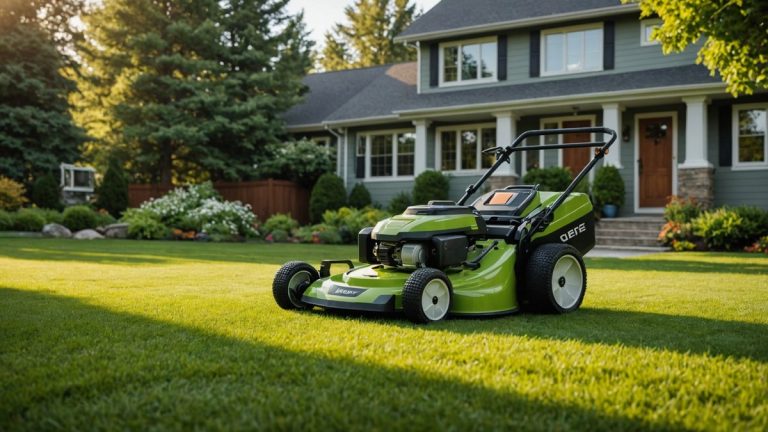
Imagine a perfectly manicured lawn—without you lifting a finger. The robotic mower revolution is here, but not all brands deliver the same level of precision, reliability, or smart features. If you’re weighing options like Husqvarna, Worx, or Gardena, our in-depth ranking cuts through the noise to reveal which autonomous lawn mower brands truly stand out in 2024—and which might leave you stuck with patchy grass and a drained wallet.
The Robotic Mower Landscape: Who’s Competing?
The market for robot lawn mowers has exploded, with brands vying for dominance in a space that blends AI, GPS, and good old-fashioned lawn care. At the top, you’ve got industry heavyweights like Husqvarna and Stihl, which leverage decades of outdoor power equipment expertise to deliver robust, feature-rich machines. Then there are tech-first brands like Worx Landroid and Gardena, which prioritize smart connectivity and user-friendly apps. Budget-conscious buyers might look to Mamibot or LawnMaster, while commercial landscapers often turn to Mean Green Mowers or Belgian-made Ambego for heavy-duty fleets.
But not all smart mowing solutions are created equal. Some excel in navigation, others in battery life or app integration. So, how do they stack up?
Ranking the Best Robotic Mower Brands of 2024
We’ve evaluated the major players based on performance, reliability, smart features, and value for money. Here’s the breakdown:
🥇 Gold Standard: Husqvarna Automower
Husqvarna’s Automower series remains the benchmark for robotic mowers, and for good reason. These machines combine military-grade navigation (thanks to GPS and RTK technology) with whisper-quiet operation and all-weather reliability. The top-tier Automower NERA models even use AI to optimize mowing patterns based on grass growth and seasonality. For homeowners who want the best—no compromises—Husqvarna is the clear winner.
Best for: Large lawns, complex landscapes, and users who want cutting-edge tech.
🥈 Silver Medal: Worx Landroid
Worx has carved out a niche as the best value-for-money option in the robot lawn mower space. The Landroid series offers a compelling mix of affordability, smart features (like Alexa/Google Assistant integration), and solid performance. While it may lack the premium build of Husqvarna, its modular design and frequent firmware updates keep it competitive. The Landroid Vision even uses computer vision to avoid obstacles—a feature rare at this price point.
Best for: Mid-sized lawns, tech-savvy users, and budget-conscious buyers.
🥉 Bronze: Gardena Sileno
Gardena’s Sileno series is a strong contender, especially for European homeowners (though it’s gaining traction in the U.S.). Known for its quiet operation and efficient cutting, Gardena mowers are ideal for smaller to medium lawns. The app is intuitive, and the Sileno Life models include features like automatic blade adjustment. However, Gardena’s navigation isn’t quite as advanced as Husqvarna’s, and its boundary wire setup can be fiddly.
Best for: Small to medium lawns, users who prioritize quiet operation.
Honorable Mentions
- Stihl iMow: Rugged and reliable, with excellent hill-climbing ability. Best for challenging terrain.
- Mamibot: A budget-friendly option with decent smart features, though build quality lags behind leaders.
- LawnMaster: Great for entry-level buyers, but lacks advanced navigation.
- Ambego (Commercial): A favorite for professional landscapers, offering fleet management and heavy-duty performance.
Needs Improvement
Brands like Robomow and Flymo bring unique features but often fall short in reliability or user experience. Robomow’s models are powerful but can be temperamental, while Flymo’s 1200R is a solid budget pick but lacks smart connectivity. Meanwhile, newer entrants like Luba from EcoFlow show promise but are still unproven in the long term.
Key Specs to Compare When Choosing a Robotic Mower
Not sure what to prioritize? Here are the critical features to evaluate when shopping for a robotic mower:
- Navigation: GPS, RTK, or vision-based systems (like Worx Landroid Vision) outperform random or boundary-wire-only models.
- Battery Life: Look for lithium-ion batteries with 60+ minutes of runtime for larger lawns.
- Cutting Width: Wider blades (e.g., 9–11 inches) cover more ground faster.
- Smart Features: App control, voice assistant integration, and automatic scheduling are game-changers.
- Terrain Handling: Models like Stihl iMow excel on slopes (up to 45% incline), while others struggle beyond 20%.
- Weather Resistance: IPX4 or higher ratings ensure your mower can handle rain and dew.
- Installation: Some brands (e.g., Husqvarna) offer professional installation, while DIY setups can be tricky.
What This Means for You
So, which autonomous lawn mower is right for your yard? Here’s the bottom line:
- If money is no object: Go for Husqvarna Automower. It’s the most advanced, reliable, and feature-packed option on the market.
- If you want great value: Worx Landroid delivers 80% of Husqvarna’s performance at 60% of the cost.
- If you have a small lawn: Gardena Sileno or LawnMaster are excellent, no-frills choices.
- If you’re a pro: Consider Ambego or Mean Green Mowers for commercial-grade durability and fleet management.
- If you’re on a tight budget: Mamibot or entry-level Flymo models can get the job done, but expect some trade-offs in performance.
Remember, the “best” robot lawn mower depends on your lawn’s size, complexity, and your willingness to tinker with setup. Always check for local dealer support, warranty coverage, and whether the brand offers professional installation—some, like Husqvarna, do, while others leave it to you.
FAQ
🤖 Are robotic mowers worth the investment?
For most homeowners, yes—if you value time savings and consistency. A high-quality robotic mower can pay for itself in 2–3 years by eliminating the need for a lawn service or reducing your own mowing time. They also promote healthier lawns by mulching clippings and mowing frequently, which encourages dense, lush growth. However, the upfront cost (typically $1,000–$4,000) can be a barrier for some.
🌱 Can robotic mowers handle slopes and obstacles?
It depends on the model. Premium autonomous lawn mowers like the Husqvarna Automower 450X or Stihl iMow RMI 632 can tackle steep slopes (up to 45%) and navigate around obstacles with ease. Mid-tier options, such as the Worx Landroid Vision, use cameras or sensors to avoid pets, toys, or garden decor. Budget models may struggle with uneven terrain or complex yards, so always check the manufacturer’s slope and obstacle-handling specs before purchasing.
🔋 How long do robotic mower batteries last?
Most robot lawn mowers use lithium-ion batteries that last between 1–2 hours on a full charge, covering roughly 0.25–0.75 acres per session. High-end models (e.g., Husqvarna’s NERA series) may offer extended runtime or fast-charging capabilities. Battery lifespan typically ranges from 3–5 years, or 500–1,000 charge cycles, depending on usage and maintenance. Pro tip: Store your mower indoors during winter to prolong battery life.
Source: Original Article

Author: AI Mow
Ai Mow is the editorial team behind Ai Mower News, dedicated to bringing you the latest news, reviews, and insights on robotic lawn mowers and smart gardening technology.