


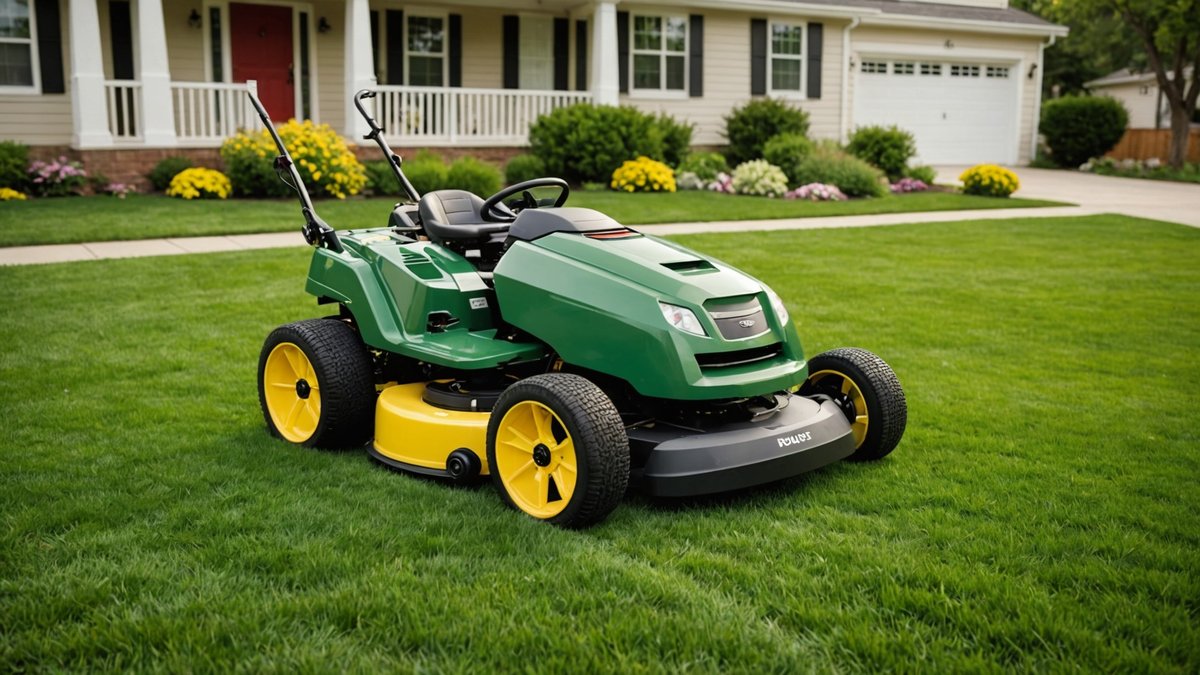
The quest for a perfectly manicured lawn often comes with a recurring cost: professional landscaping services. For many homeowners, the thought of those monthly bills can be a significant drain on the budget. But what if there was a way to achieve that pristine look without lifting a finger or opening your wallet for a crew every week? This is precisely the dilemma a recent homeowner faced, opting instead for an increasingly popular solution: the robotic mower.
Their story, echoing a growing trend, highlights how advanced technology is transforming yard care from a chore or an expense into an effortless, automated experience. It’s a testament to the power of smart mowing, offering an appealing alternative to traditional methods and the ongoing costs associated with them.
Embracing Autonomy: Why Homeowners are Making the Switch
The primary driver behind the adoption of a robot lawn mower, as our featured homeowner discovered, is often financial. The upfront investment in a quality robotic mower can be substantial, but when weighed against years of landscaping fees, the long-term savings become incredibly compelling. Think about it: an average landscaping service can cost hundreds of dollars monthly, adding up to thousands annually. A robotic mower, once purchased, simply requires minimal electricity and occasional blade replacements.
Beyond the financial incentive, the sheer convenience is a game-changer. Imagine never having to push a heavy mower, deal with gasoline, or even schedule a service. Your lawn is simply maintained, day in and day out, by an autonomous assistant. This frees up valuable time for weekends, hobbies, or simply enjoying your perfectly maintained yard.
The Intelligence Behind the Green
Modern robotic mowers are far more sophisticated than simple remote-control toys. They are equipped with advanced sensors, intelligent navigation systems, and often Wi-Fi connectivity, allowing for seamless integration with smart home ecosystems. Key features include:
- Scheduled Mowing: Set it and forget it! Program your mower to operate at specific times and days.
- Boundary Management: Whether through perimeter wires or advanced GPS and vision systems, your mower knows exactly where to cut and where to stop.
- Rain Sensors: Many models detect rain and return to their charging station, resuming work when conditions improve.
- Safety Features: Lift sensors, collision detection, and PIN protection ensure safe operation around pets, children, and property.
- Quiet Operation: Unlike noisy gas mowers, robotic mowers are incredibly quiet, allowing them to work even at night without disturbing neighbors.
This level of autonomy and precision ensures your lawn receives consistent, gentle cuts, which is actually better for grass health than infrequent, aggressive trims.
Beyond Savings: The Benefits for Your Lawn
It’s not just about saving money and time; a robot lawn mower can genuinely improve the health and appearance of your lawn. By mowing frequently and taking off only tiny clippings, these machines essentially “mulch” the grass, returning vital nutrients to the soil. This natural fertilization leads to a denser, greener, and more resilient lawn over time. The consistent cutting pattern also helps prevent weed growth and promotes an even, carpet-like finish that’s difficult to achieve with less frequent manual mowing.
What This Means for You
For Homeowners: If you’re tired of landscaping bills or spending your precious weekends pushing a mower, a robotic mower presents a compelling alternative. The initial investment might seem significant, but the long-term savings, coupled with the gift of time and a consistently beautiful lawn, make it a smart financial and lifestyle choice. Explore the various models available, consider your lawn size and complexity, and prepare to reclaim your weekends!
For Professional Landscapers: This trend isn’t a threat; it’s an opportunity. Robotic mowers can be integrated into your service offerings, allowing you to manage more properties with less labor. Delegate routine mowing to robots, freeing up your skilled crews for higher-value tasks like intricate garden design, pruning, irrigation, or hardscaping. Offering “robot-as-a-service” or installation and maintenance packages for these devices can open new revenue streams and position your business at the forefront of modern landscaping.
Source: Original Article

Author: AI Mow
Ai Mow is the editorial team behind Ai Mower News, dedicated to bringing you the latest news, reviews, and insights on robotic lawn mowers and smart gardening technology.