


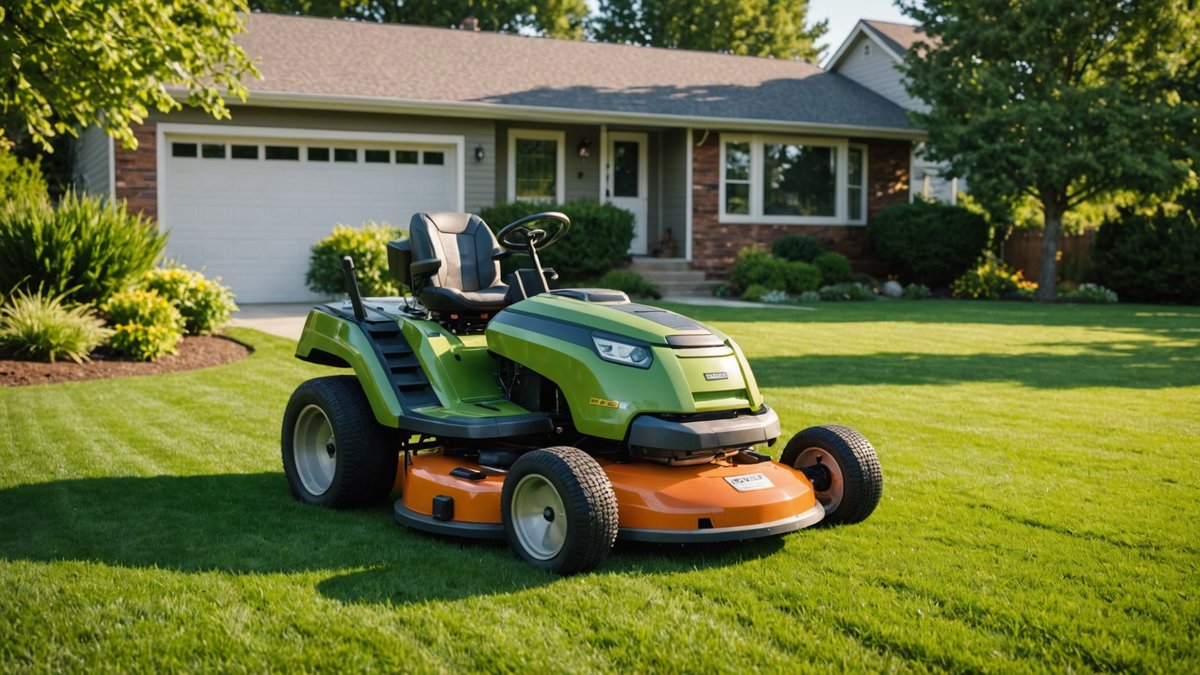
The convenience and cutting-edge technology of your robotic mower are undeniable. These silent, efficient machines have revolutionized lawn care, offering unparalleled automation and the promise of a perfectly manicured yard with minimal effort. But as our homes become increasingly connected, with everything from smart thermostats to intelligent sprinklers, the question of cybersecurity naturally arises. Recently, a spotlight has been shone on a potential vulnerability within some robot lawn mower systems, prompting a closer look at how these sophisticated devices interact with your home network and what you can do to ensure your digital perimeter remains secure.
Understanding the Potential Vulnerability
The core of this recent discussion revolves around how certain robotic mower models establish and maintain their connection to your home Wi-Fi network. Like any smart device, a robot lawn mower relies on software and communication protocols to receive commands, send status updates, and download essential firmware. A newly identified vulnerability highlights a potential weakness in some of these software implementations, which, if exploited, could theoretically allow unauthorized access.
In essence, imagine your smart mower as a digital gateway. If there’s a crack in that gateway’s security, an attacker might not just gain control of your mower, but potentially use it as a pivot point to explore other devices on your local network. This isn’t about someone taking your robot lawn mower for a joyride; it’s about the more subtle, but potentially more serious, risk of unauthorized access to your home’s digital ecosystem.
What This Means for Smart Mowing Enthusiasts
Before you rush to unplug your beloved robotic mower, it’s important to understand that this is a potential vulnerability, not a widespread, actively exploited threat. Major manufacturers are incredibly proactive about security, constantly monitoring for and patching potential issues. The very nature of smart mowing relies on robust, secure connections, and companies invest heavily to protect their users.
However, this news serves as an excellent reminder for all smart home device owners – and especially those embracing the future of lawn care with a robot lawn mower – about the importance of good digital hygiene. Just as you wouldn’t leave your front door unlocked, you shouldn’t leave your digital doors ajar.
Proactive Steps to Enhance Your Mower’s Security
Securing your robotic mower and your broader smart home network doesn’t require an advanced degree in cybersecurity. Here are some practical steps you can take:
- Keep Firmware Updated: This is paramount. Manufacturers regularly release firmware updates that not only add new features but, crucially, patch security vulnerabilities. Enable automatic updates if available, or regularly check your mower’s app for notifications.
- Strong Wi-Fi Passwords: Ensure your home Wi-Fi network uses a strong, unique password. This is your first line of defense for all connected devices.
- Consider a Guest Network: Many modern routers allow you to set up a separate “guest” Wi-Fi network. Connecting your smart devices (like your robot lawn mower) to this isolated network can prevent them from directly interacting with more sensitive devices on your main network.
- Review App Permissions: When you install your robotic mower‘s companion app, be mindful of the permissions it requests. Grant only what’s necessary for the app to function.
- Buy from Reputable Brands: Stick with established robotic mower manufacturers known for their commitment to security and regular software
Source: Original Article

Author: AI Mow
Ai Mow is the editorial team behind Ai Mower News, dedicated to bringing you the latest news, reviews, and insights on robotic lawn mowers and smart gardening technology.